
Used 2012 Van Trailers For Sale in New York
Browse used 2012 van trailers for sale in New York. Compare dry van specs, lengths, tandems, door styles, floors, suspension, and overall condition.
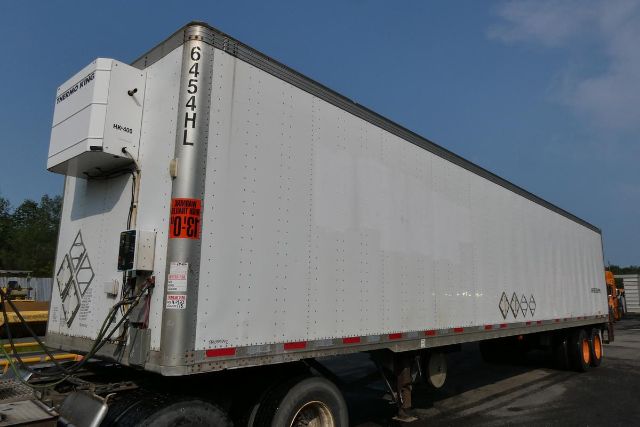
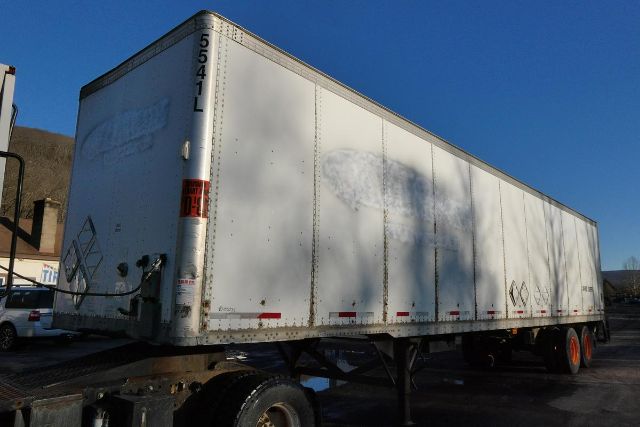
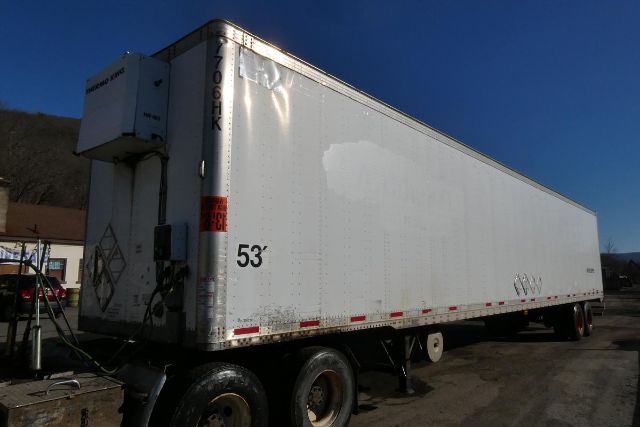
Have used 2012 van trailer to sell? List it here to reach thousands of buyers.
Used 2012 Van Trailers in New York
For New York operations, trailer height, axle spread, and dock compatibility deserve close attention. A typical 2012 dry van may be around 13 feet 6 inches overall height, but actual interior clearance and door opening height can vary enough to affect loading. Slideable tandem van trailers are common because they give you flexibility for bridge law compliance, weight distribution, and positioning at different docks. Suspension can be air ride or spring ride, and that choice affects cargo protection, maintenance, and resale appeal. Tire size, hub-pilot wheels, brake condition, and slider rail wear should all be checked closely on a used van trailer from this model year.
The biggest value drivers on a 2012 van trailer are usually the floor, roof, rear frame, and running gear. Buyers should inspect for soft spots in the wood floor, patched crossmembers, leaks around the front corners and roof seams, rear sill corrosion, and damage around the ICC bumper and door frame. Roll-up doors are common on city and route freight applications because they help in tight docks, while swing doors are still preferred by some fleets for simplicity and full rear opening access. Features like a translucent roof, tire inflation system, side skirts, liftgate, and scuff liners can add application-specific value, but only if they are in working order and match the freight profile.
A 2012 used van trailer can make sense for carriers, private fleets, and owner-operators that need enclosed freight capacity without the cost of a newer box. The right trailer depends on lane mix, dock environment, payload expectations, and how much shop time you want to absorb after purchase. For higher-cycle urban work, pay attention to liftgate performance, rear frame fatigue, and door hardware wear. For linehaul use, focus on aerodynamic pieces, alignment, suspension condition, and signs of chronic overloading. A clean dry van from this year can still offer solid service life if the structure is sound and the maintenance history matches the visible condition.
Frequently Asked Questions about Used 2012 Van Trailers in New York
What should I inspect first on a used 2012 van trailer?
Start with the floor, roof, rear frame, and tandem area because those are the costliest trouble spots on an older dry van. Check for soft or broken floor boards, damaged crossmembers, roof leaks, cracked rear door surrounds, slider wear, suspension issues, brake condition, and uneven tire wear. Cosmetic aging matters less than structural fatigue and deferred maintenance.
Is a slideable tandem better than a fixed tandem on a van trailer?
A slideable tandem gives more flexibility for axle weight distribution, bridge law compliance, and dock positioning, which is valuable in mixed regional and over-the-road service. A fixed tandem is simpler and can mean fewer moving parts to maintain, but it does not offer the same adaptability. The better choice depends on your freight lanes, customer docks, and state operating requirements.
What length is most common for a used 2012 van trailer?
The most common lengths are 53 feet and 48 feet, with 53-foot dry vans generally favored for maximum cubic capacity in linehaul and truckload work. Forty-eight-foot trailers still fit many regional fleets and certain dock setups well. Shorter van trailers, such as 28-foot pups, are usually tied to city routes, LTL service, or doubles operations rather than standard over-the-road freight.
Are air ride suspensions worth it on a 2012 dry van?
Air ride suspension is often preferred when cargo protection and ride quality matter, especially for retail, packaged goods, and damage-sensitive freight. Spring suspension is simpler and can be less expensive to maintain, but it generally transmits more road shock. On a used trailer, condition is more important than suspension type alone, so inspect bushings, air bags, hangers, and alignment closely.
How much does construction type matter on a used van trailer?
It matters because aluminum, steel, and mixed aluminum-steel designs affect empty weight, corrosion resistance, and repair cost. A lighter trailer can improve payload efficiency, but buyers should still prioritize frame integrity, floor strength, and roof condition over published tare weight. On a used 2012 van trailer, sound structure and honest maintenance usually matter more than the material spec on paper.