
Used 2012 Vanguard Van Trailers For Sale in New York
Browse used 2012 Vanguard van trailers with specs that matter, including length, roof height, tandem setup, doors, floors, and cargo-ready features.
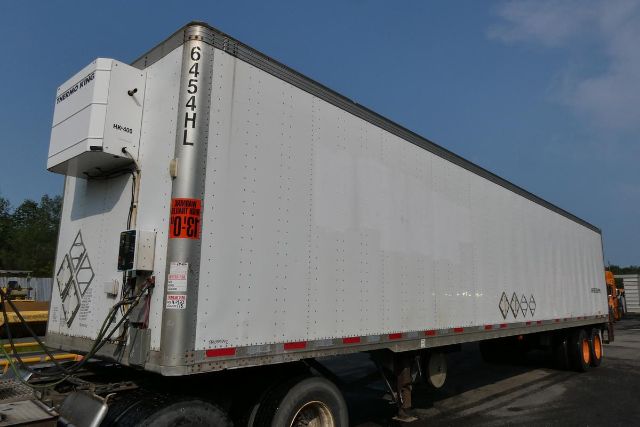
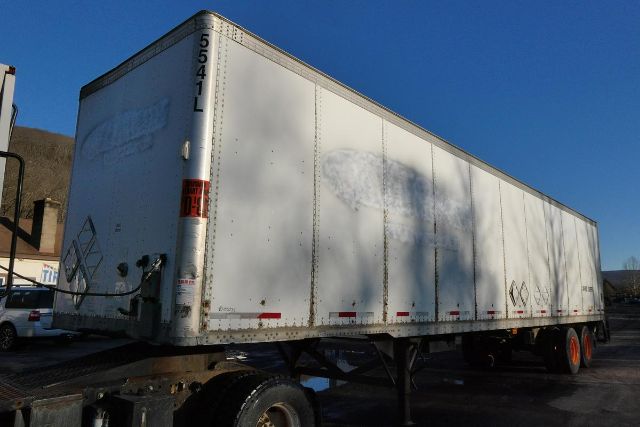
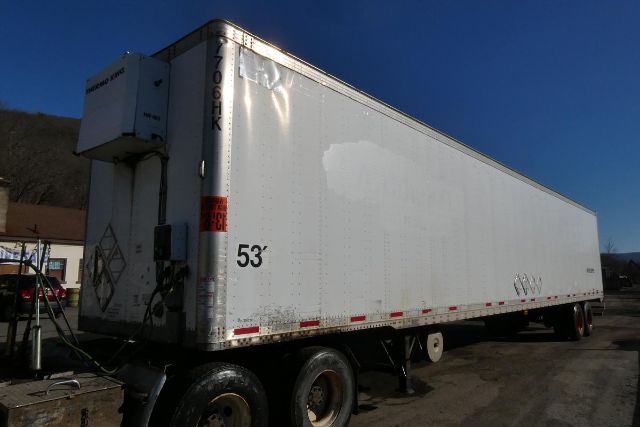
Have used 2012 vanguard van trailer to sell? List it here to reach thousands of buyers.
Used 2012 Vanguard Van Trailers in New York
On a 2012 Vanguard van, common specs include a GVWR around 68,000 pounds, 11R22.5 tires, air brakes, and 4-bag air ride suspension. Slideable closed tandems are common and matter if you run in states with bridge-law sensitivity or need flexibility at different docks and distribution centers. Construction is often aluminum or aluminum-steel combination, paired with a wood-over-steel floor. That setup gives a good balance of tare weight and durability, but condition matters more than the original build sheet on a used van trailer. Floor wear, threshold damage, crossmember condition, sidewall repairs, roof leaks, rear frame cracks, and roll-up or swing door operation should all be checked closely.
Cargo-control features can add real value on this trailer class. Logistics posts or vertical logistics tracks, load bars, scuff liners, translucent or aluminum roofs, and tire inflation systems are all common features that affect daily usability and operating cost. Some used Vanguard van trailers also show liftgates or heater packages, which can make them more specialized for final-mile, route delivery, or freeze-sensitive freight that does not require a full reefer unit. If a trailer has a liftgate, inspect platform condition, cylinders, electrical function, and frame attachment points. If it has a heater, engine hours, startup behavior, and fuel system condition deserve the same attention as the trailer itself.
For New York buyers, trailer height, axle spread, and docking environment deserve extra attention. Urban freight and regional warehouse work often favor a trailer with clean inside dimensions, sound door hardware, and a tandem slider that moves freely. A 2012 model can still be a productive fleet trailer if the structure is straight, the roof and floor are dry, and the running gear has been maintained. On this category, the best buying decision usually comes down to matching the trailer's actual condition and cargo features to your freight profile, rather than shopping by model name alone.
Frequently Asked Questions about Used 2012 Vanguard Van Trailers in New York
What should I inspect first on a used 2012 Vanguard van trailer?
Start with the structural and freight-contact areas. Check the floor for rot, soft spots, patches, and forklift damage. Inspect crossmembers, rear frame, threshold, side posts, nose, and roof bows for cracks or collision repair. Then check door function, tandem slide operation, suspension condition, brake wear, tire condition, and signs of air leaks. On a dry van, hidden structural wear usually matters more than cosmetic panel damage.
Are 48-foot and 53-foot Vanguard van trailers used for different jobs?
Yes. A 48-foot van trailer can work well in tighter urban freight patterns and some dedicated regional applications where maneuverability matters. A 53-foot van is the more common choice for high-cube freight, longer pallet counts, and standard over-the-road dry van work. The right length depends on your customer docks, route density, state bridge considerations, and how much cubic capacity you need on each load.
Why does a sliding tandem matter on a dry van trailer?
A sliding tandem helps with axle weight distribution, bridge-law compliance, and dock positioning. It gives the operator flexibility to shift weight for different loads and helps adapt the trailer to state-specific axle rules. On a used trailer, make sure the slider pins engage correctly, the rails are not excessively worn, and the suspension tracks are not damaged or seized from corrosion or neglect.
Is an aluminum Vanguard van trailer a good choice for payload?
In many operations, yes. Aluminum construction usually helps reduce tare weight compared with heavier trailer designs, which can improve legal payload capacity. That said, light weight only pays off if the trailer remains structurally sound. Buyers should verify the condition of side rails, crossmembers, rear frame areas, and any repaired aluminum panels, because poor repairs can offset the value of a lighter trailer.
Do liftgates, heater units, and tire inflation systems add value on a used van trailer?
They can, but only when they fit the freight application and are in working order. A liftgate is useful for route delivery and locations without dock access. A heater unit can help protect temperature-sensitive freight in cold weather without stepping up to a reefer trailer. A tire inflation system can reduce tire-related downtime and uneven wear. Each option should be evaluated as a functional system, not just a listed feature, because repair cost can be significant on older equipment.