
Used 2000 Van Trailers For Sale in New York
Shop used 2000 van trailers for sale in New York. Compare dry van specs, lengths, roof height, axle setup, doors, floors, and overall condition.
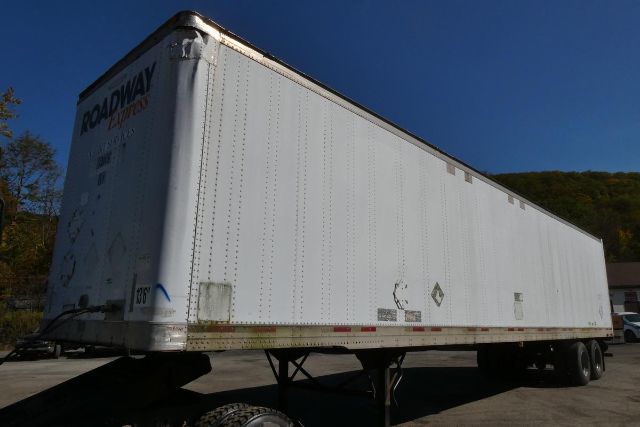
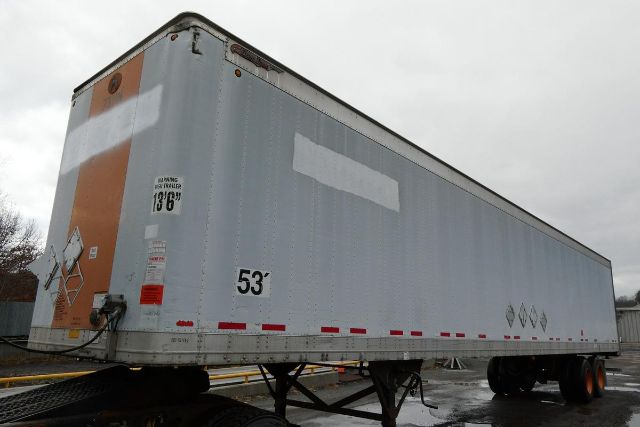
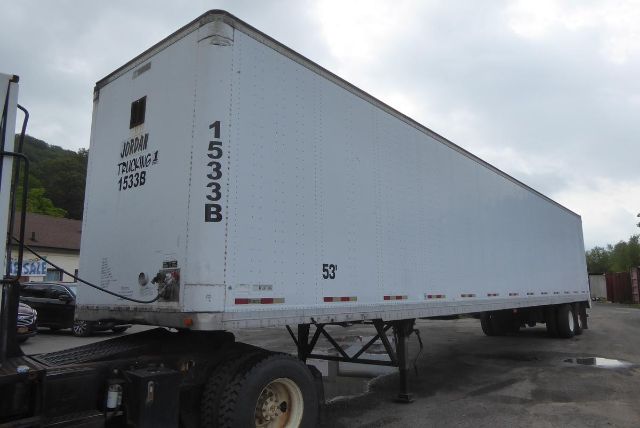
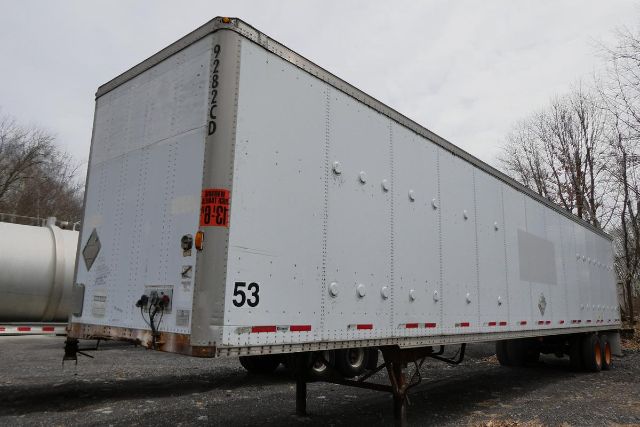
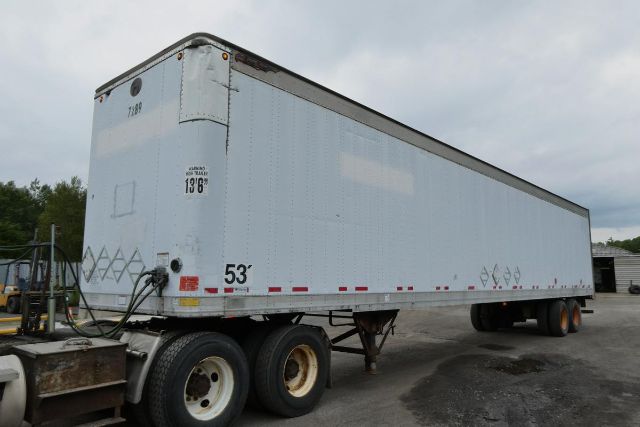
Have used 2000 van trailer to sell? List it here to reach thousands of buyers.
Used 2000 Van Trailers in New York
Spec decisions should start with the lane and the loading environment. Most dry vans are 53 feet long, 102 inches wide, and built with either aluminum, steel, or composite-aluminum construction. Common axle setups include slideable tandems for bridge law flexibility and dock positioning, while some shorter vans use fixed axles. Suspension may be spring ride or air ride depending on the original application. On a 2000 model year trailer, buyers should pay close attention to tire size consistency, wheel-end condition, brake components, air system leaks, suspension wear, and slider operation if equipped. In New York, corrosion around the landing gear mounts, rear impact guard, crossmembers, and upper coupler area is a key inspection point due to weather and road treatment.
Cargo type should guide interior choices. A wood-over-steel floor is common and works well for palletized freight, mixed LTL, and general dry goods, but forklift traffic can expose weak spots on an older floor quickly. Interior wall condition matters if the trailer has seen concentrated freight, package operations, or hand-loaded service. Scuff liners, logistic posts, e-track, and translucent roofs can add value depending on the work. Rear door style also changes the trailer's usefulness. Roll-up doors help in tight docks and urban delivery, while swing doors can offer a wider, cleaner opening for forklift access and often a tighter seal when maintained properly.
For many buyers, a used 2000 van trailer fits best as a storage trailer, local shuttle trailer, seasonal surge unit, or lower-cost over-the-road option with a careful inspection. The best candidates are trailers with straight rails, a dry interior, solid floors, working brakes, and no major structural cracking around the suspension hangers or kingpin plate. If the trailer will run regularly at highway speeds, confirm GVWR, kingpin wear, DOT lighting, ABS function, tire age, and door frame integrity before purchase. A well-kept older van can still handle dependable freight service, but condition and previous use matter far more than the badge on the nose.
Frequently Asked Questions about Used 2000 Van Trailers in New York
What should I inspect first on a used 2000 van trailer?
Start with the structure. Check the roof for patches, holes, and signs of ongoing leaks. Inspect the floor for rot, soft spots, broken fasteners, and forklift damage. Look closely at the crossmembers, rear frame, landing gear mounts, suspension hangers, and kingpin area for rust, cracks, or bad repairs. On an older dry van, structural condition usually has a bigger impact on value and serviceability than cosmetic appearance.
Is a 2000 model year dry van trailer still suitable for over-the-road freight?
It can be, but only if the trailer has been maintained and passes a thorough inspection. Many older van trailers still work well in regional freight, short-haul, and spot market service if the brakes, tires, wheel ends, suspension, lights, and frame are in good condition. Buyers planning regular highway use should be stricter about ABS function, tandem slider operation, roof integrity, door sealing, and corrosion around major load-bearing areas.
What axle setup is most common on van trailers?
Slideable tandem axles are the most common setup on full-length dry vans because they help with bridge law compliance, weight distribution, and dock positioning. Some shorter van trailers use fixed single or fixed tandem axles for specialized local or pup trailer applications. On an older trailer, the key issue is not just the axle type but whether the slider rails, pins, suspension components, and brake hardware are still in dependable working order.
What floor and body construction is typical on older van trailers?
Many older van trailers use a wood-over-steel floor and a body made from aluminum, steel, or a combination of both. Aluminum helps reduce empty weight, while steel adds strength in key structural areas. Floor condition is especially important because pallet jack and forklift traffic can wear out boards, weaken fastener points, and expose crossmember problems. Buyers should also inspect sidewalls, scuff liners, and the rear threshold for heavy freight damage.
Why does New York use change what matters on a used van trailer?
New York operating conditions make corrosion and maneuverability bigger concerns. Snow, salt, and stop-and-go traffic can accelerate rust on the undercarriage, rear frame, brake hardware, and electrical connections. Urban and suburban delivery routes also put more stress on rear doors, thresholds, side panels, and dock contact points. A trailer that looks acceptable in photos may still need close inspection underneath before it is ready for regular service in the Northeast.