
Used 2000 Van Trailers For Sale
Browse used 2000 van trailers for sale. Compare dry van specs, lengths, door types, suspension, floors, and tandem setups for freight needs.
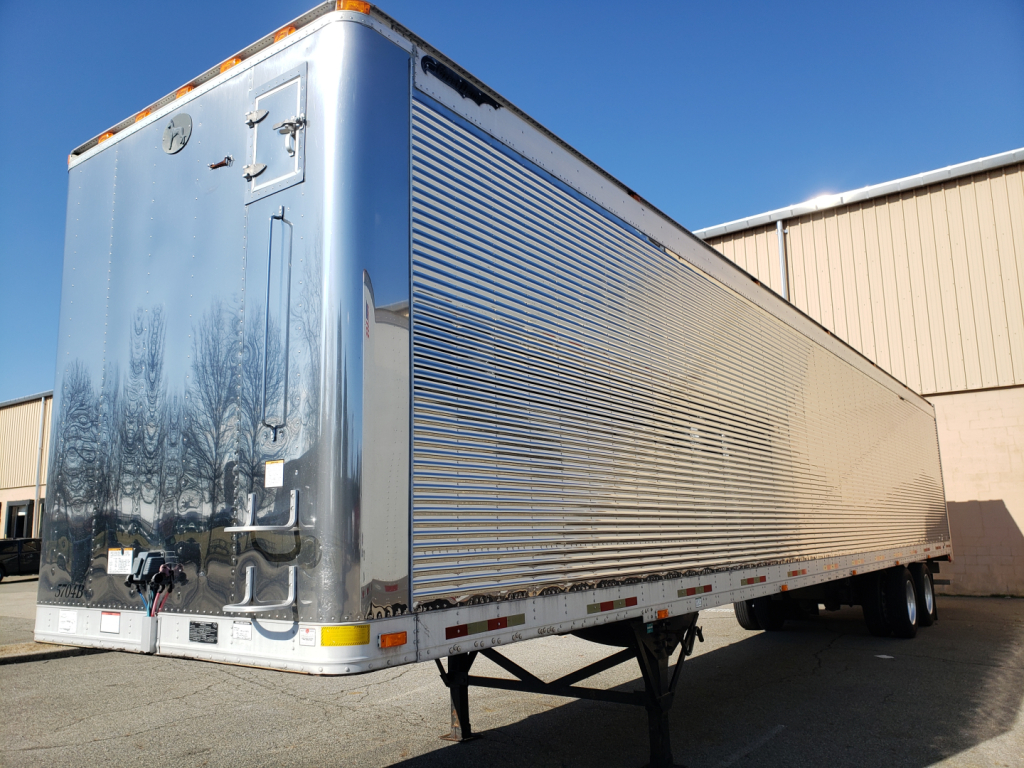
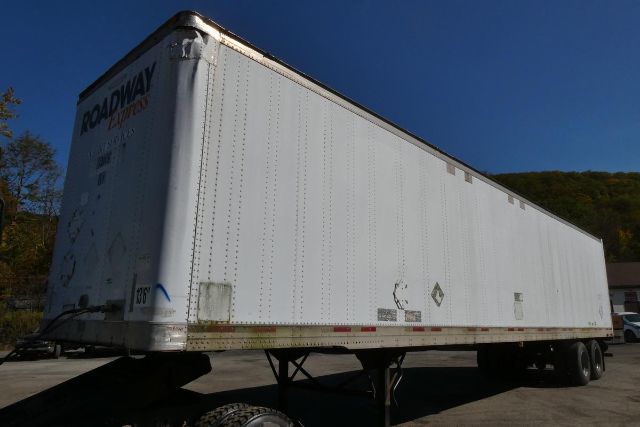
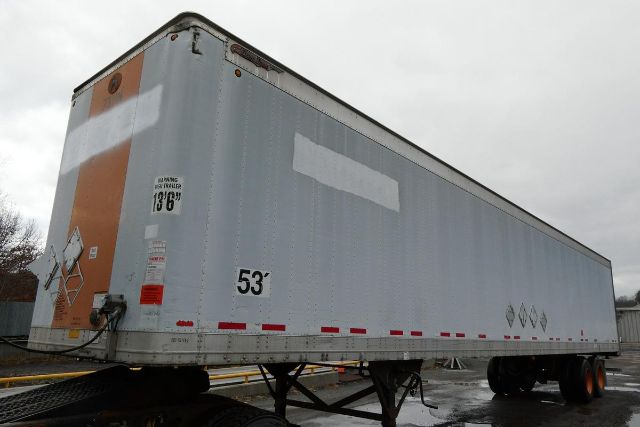
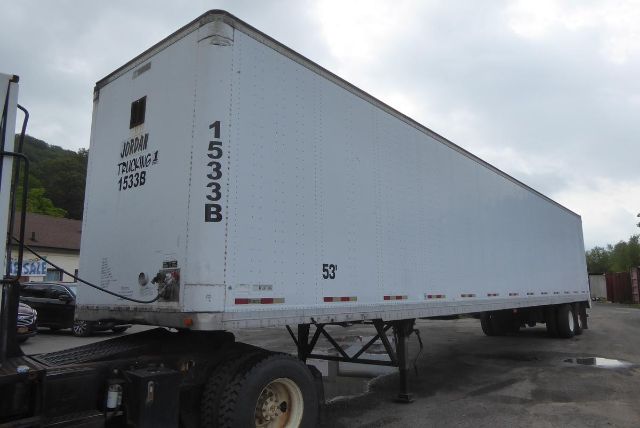
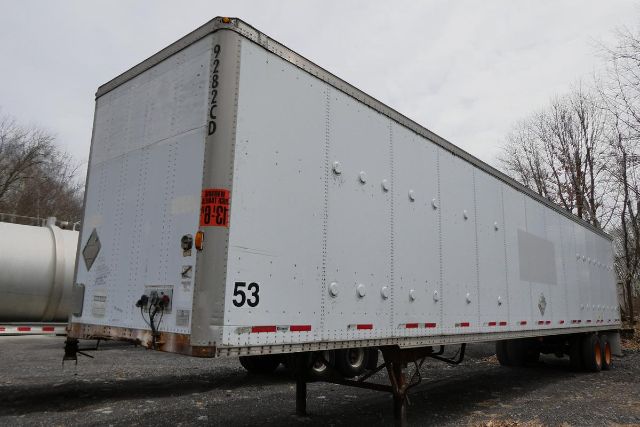
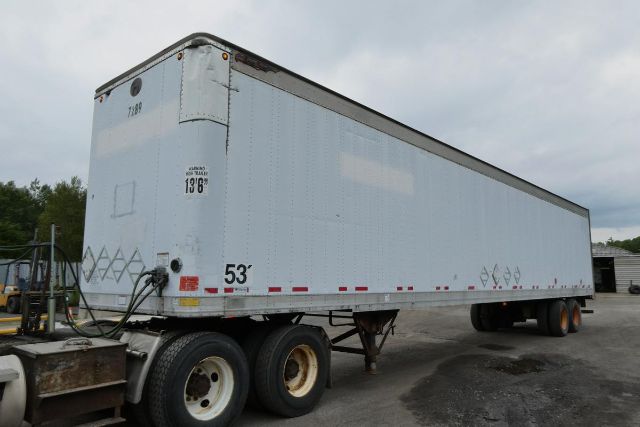
Have used 2000 van trailer to sell? List it here to reach thousands of buyers.
Used 2000 Van Trailers
Condition matters more than age alone on a 2000 model. The first areas to inspect are the floor, roof, rear frame, crossmembers, and door surround because these points take repeated forklift impact and dock abuse over the life of the trailer. Check for soft spots in the wood floor, cracked thresholds, loose scuff liners, roof leaks, and corrosion around the rear sill and hinge mounts. Suspension type is also important. Many dry vans in this class use air ride with a sliding tandem, which gives more flexibility for axle spread laws, bridge compliance, and dock positioning. Kingpin setting, tandem travel, and overall empty weight all affect how useful the trailer will be in regular route work.
Specs can vary widely even within the same model year, especially on trailers that were built for dedicated fleet service. Some have logistics posts, E-track, plywood lining, or scuff plates for multi-stop freight and load securement. Others may include liftgates, tire inflation systems, side skirts, or undertray storage added later in life. Door choice matters too. Swing doors usually maximize clear opening and are common in dock freight, while roll-up doors can speed city deliveries but add weight and reduce opening height slightly. Tire size, wheel type, brake condition, and landing gear operation should all be evaluated closely on an older van trailer because maintenance history often determines remaining service life.
For many buyers, a used 2000 van trailer makes sense as a lower-cost storage trailer, yard trailer, seasonal overflow unit, or backup road trailer if it passes structural inspection. It can also still serve in regional freight if the frame, floor, suspension, and door system are sound. Pay close attention to GVWR, inside height, door opening dimensions, and any plate or lining configuration if the trailer will handle pallets, carts, or high-cube freight. A dry van from this era can still be productive, but the right purchase depends on structural condition, prior application, and how closely the trailer's setup matches the freight you plan to haul.
Frequently Asked Questions about Used 2000 Van Trailers
What should I inspect first on a used 2000 van trailer?
Start with the structural and wear items that are expensive to repair. The floor, crossmembers, rear frame, roof, and door surround are the main checkpoints on an older dry van. Look for rotten or delaminated floor sections, bent crossmembers, rear sill corrosion, roof patches or leaks, and damage from repeated dock impact. Also inspect suspension components, brake hardware, tires, and the sliding tandem rails if equipped.
Are 2000 model van trailers still suitable for over-the-road freight?
They can be, but only if condition supports the application. A 2000 van trailer with a solid frame, sound floor, serviceable suspension, and good doors can still work in regional or over-the-road freight. Many buyers use trailers of this age for lighter duty lanes, seasonal volume, or backup capacity. For daily highway use, the trailer should be evaluated carefully for structural integrity, brake condition, air system leaks, and tire wear before being put into regular service.
What is the difference between sheet-and-post and plate van construction?
Sheet-and-post trailers use exterior panels supported by vertical posts, while plate vans use a heavier sidewall design that can offer more sidewall durability in certain applications. Plate trailers are often favored in high-cycle freight or operations where sidewall abuse is common. Sheet-and-post designs can be lighter, which may help payload. On an older used trailer, the better choice often comes down to overall condition and prior use rather than construction type alone.
Is a swing door or roll-up door better on a dry van trailer?
Swing doors are generally preferred for full dock loading because they provide a wider, taller rear opening and have fewer moving parts in the track area. Roll-up doors are useful in route delivery applications where drivers make frequent stops and need quick access without managing door panels behind the trailer. On a used 2000 trailer, inspect either style closely for hinge wear, frame damage, seal condition, and smooth operation because rear door repairs can add up quickly.
What features add value on an older used van trailer?
Useful options include air ride suspension, a sliding tandem, logistics posts, E-track, plywood lining, scuff liners, a sound wood floor, and a clean rear frame. Tire inflation systems, side skirts, and liftgates may also add value if they are functional and fit the intended operation. The most important value drivers, however, are still structural condition, maintenance history, and whether the trailer's dimensions and load securement setup match the freight being hauled.