
Used Vanguard Van Trailers For Sale in New York
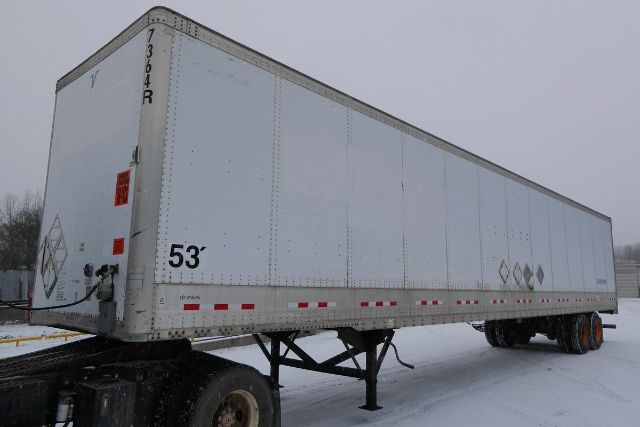
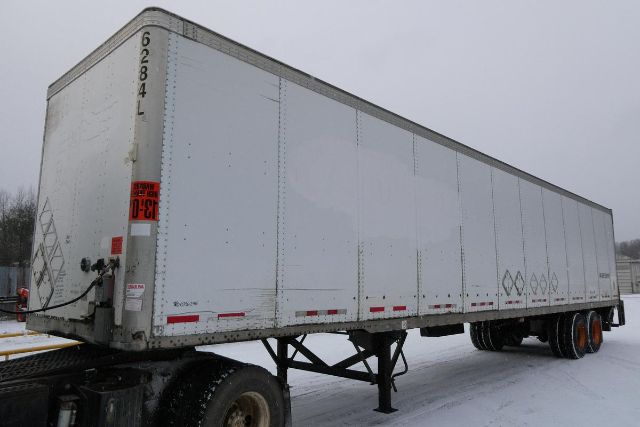
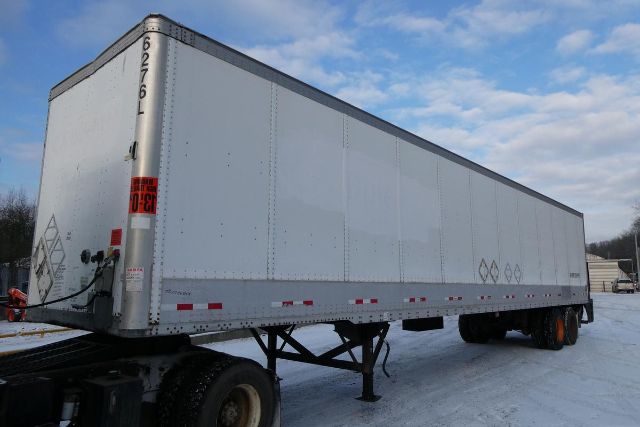
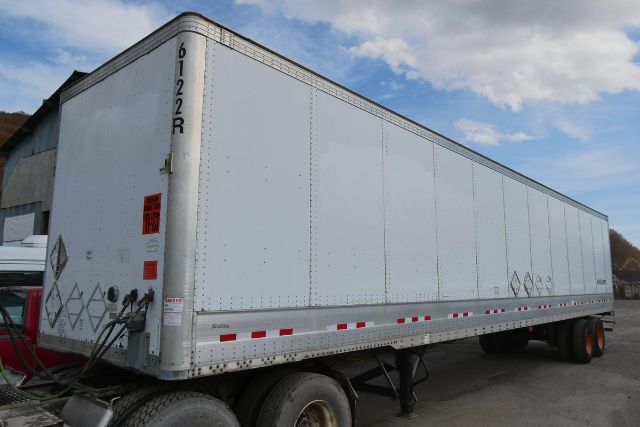
Used Vanguard van trailers for sale in New York. Compare 48' and 53' dry vans with sliding tandems, air ride, logistics posts, and liftgate options.
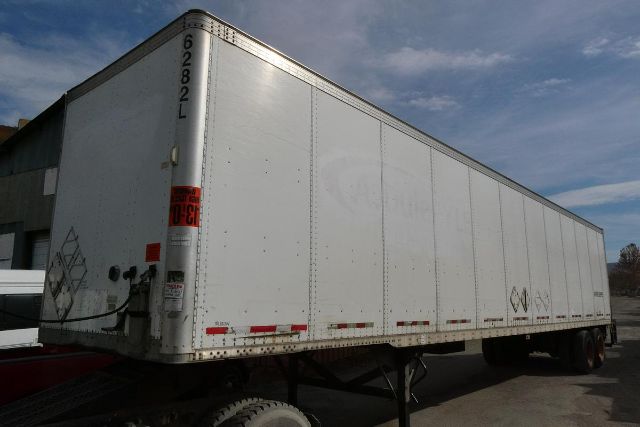
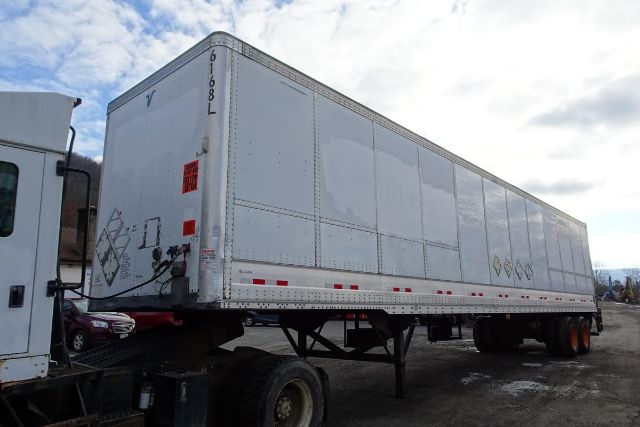
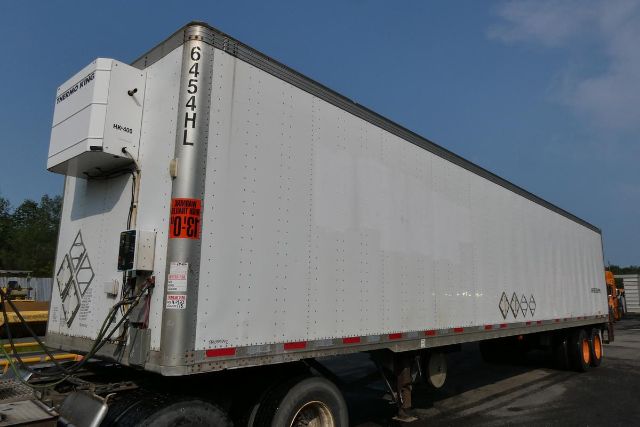
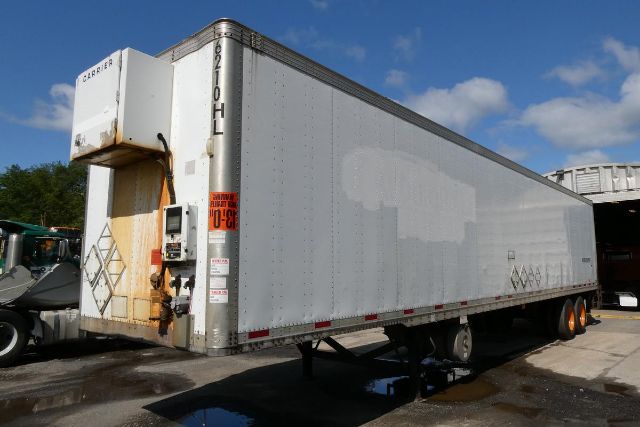
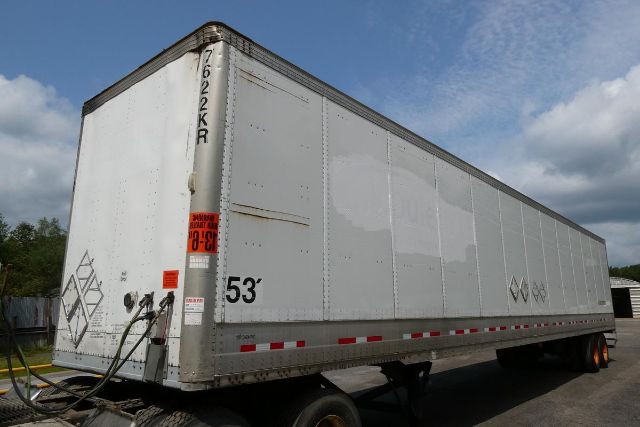
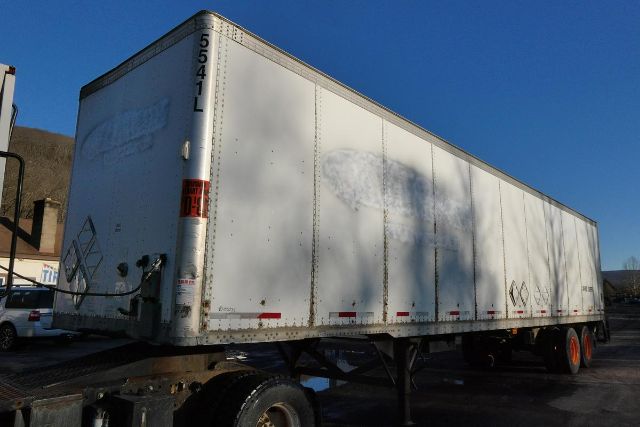
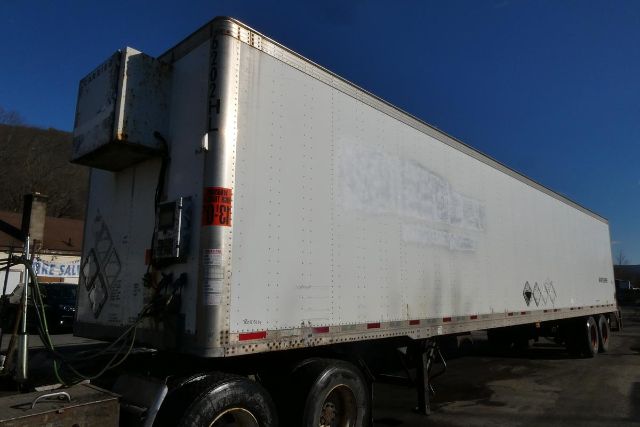
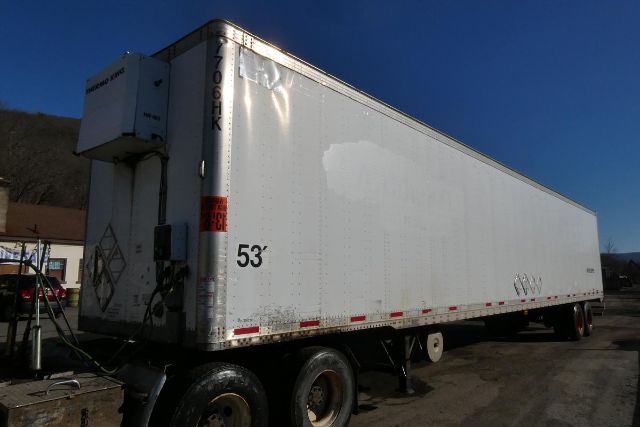
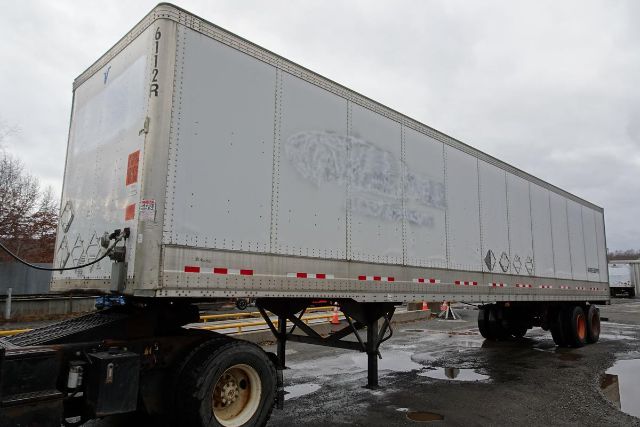
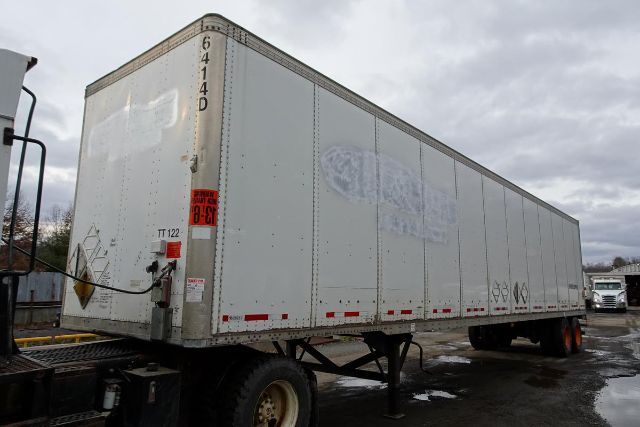
Have used vanguard van trailer to sell? List it here to reach thousands of buyers.
Used Vanguard Van Trailers in New York
The biggest buying decisions usually come down to body construction, tandem setup, and interior cargo control. Many used Vanguard van trailers are built with aluminum roofs, wood-over-steel floors, roll-up rear doors, and slideable closed tandems. A sliding tandem is valuable for axle spread compliance and load positioning, especially on Northeast lanes where state bridge rules and tight delivery sites are part of daily operation. Interior specs such as horizontal and vertical logistics posts, load bars, and scuff protection can make a major difference if the trailer will handle mixed pallet freight, grocery, beverages, or high-touch multi-stop work.
Condition matters more than age alone on a used dry van. Buyers should inspect floor wear around forklift travel paths, rear frame and door surround condition, roof integrity, crossmember corrosion, and signs of sidewall repairs. Check the suspension type, brake condition, tire date codes, and whether the trailer has a tire inflation system that is complete and functioning. On Vanguard trailers, it is also worth confirming kingpin area condition, slider operation, and any liftgate or heater equipment if the trailer is being considered for route delivery or temperature-sensitive cargo that needs freeze protection rather than full reefer service.
Some used Vanguard van trailers are configured for specialized work with options like hydraulic liftgates, translucent roofs, doubles-ready setups, or cargo heaters such as a Thermo King unit. Those features can broaden the trailer's use but they also add inspection points and service cost considerations. For many fleets and owner-operators, the right used Vanguard van is the one with a sound floor, straight body, compliant running gear, and the interior setup to secure freight efficiently. If the trailer will spend time in New York City, Long Island, or dense regional routes, a 48-foot van may offer easier maneuverability, while a 53-foot van usually delivers better cubic capacity for linehaul and higher-volume freight.
Frequently Asked Questions about Used Vanguard Van Trailers in New York
What should I inspect first on a used Vanguard van trailer?
Start with structural condition and cargo area usability. Check the floor for soft spots, excessive fork damage, patched sections, and exposed fasteners. Inspect the roof, front wall, side panels, rear frame, and door surround for leaks, buckling, or corrosion. Then look at the kingpin plate, slider rails, suspension, brakes, tires, and wheel ends. A used dry van can look serviceable from the outside and still need costly floor or understructure work, so the body and running gear should be evaluated together.
Are 48-foot or 53-foot Vanguard van trailers better for New York operations?
It depends on lane profile and delivery environment. A 53-foot van gives better cargo cube and is usually the stronger choice for linehaul, distribution center freight, and high-volume palletized loads. A 48-foot van can be a better fit for dense urban routes, older docks, and tighter turning environments common in parts of New York. Buyers should also confirm state and customer requirements before deciding, since some shippers and receivers are set up around a specific trailer length.
Why is a sliding tandem important on a dry van trailer?
A sliding tandem helps adjust axle weight distribution and bridge compliance while also improving maneuverability at the dock. In regional and Northeast service, that flexibility can be important when load placement changes from stop to stop or when route restrictions require a different axle setting. The slider should move freely, lock securely, and show no major rail damage or excessive wear around pins and frame contact points.
What features add value on a used Vanguard van trailer?
Useful value-added specs include a tire inflation system, air ride suspension, logistics posts, load securement equipment, a translucent roof, and a liftgate if the work involves store delivery or locations without docks. A cargo heater can also be valuable for freight that needs cold-weather protection without paying for a refrigerated trailer. These features only add real value if they match the intended application and are in working condition.
How much weight can a used Vanguard dry van trailer typically handle?
Many Vanguard dry vans in this class are rated around 68,000 lbs GVWR, but payload depends on the trailer's empty weight, tractor spec, axle layout, and legal road limits. Lightweight aluminum construction can improve payload capacity, while liftgates, heaters, and heavier floor or body components can reduce it. Buyers should compare tare weight against the freight they haul most often, not just the trailer's GVWR.