
Used 2025 Trailers For Sale
Shop used 2025 trailers for sale including dry vans, flatbeds, and more. Compare lengths, axle setups, floors, suspension, and spec details.
Learn more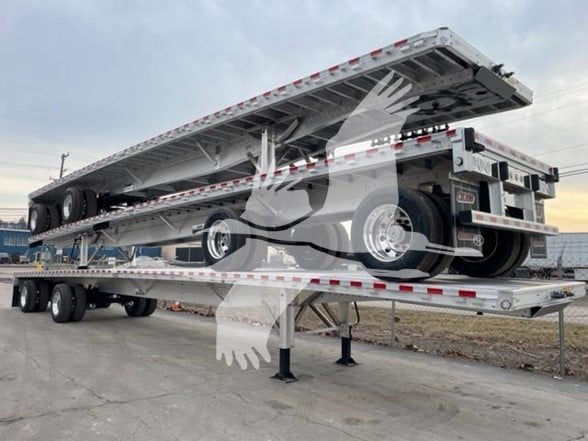
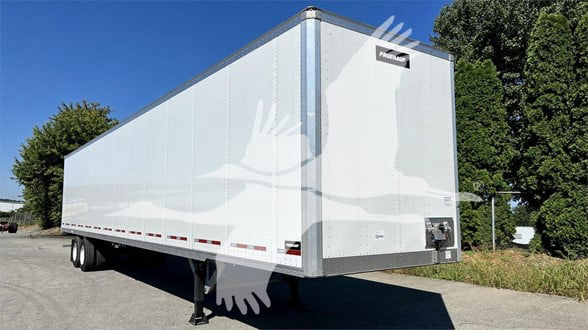
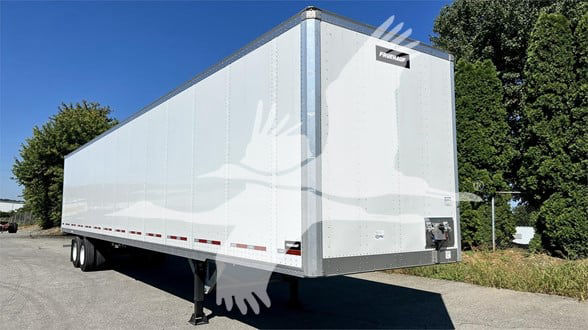
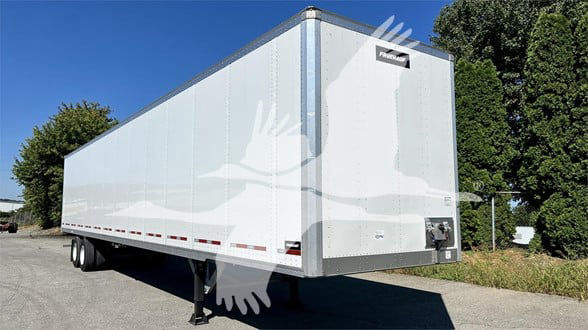
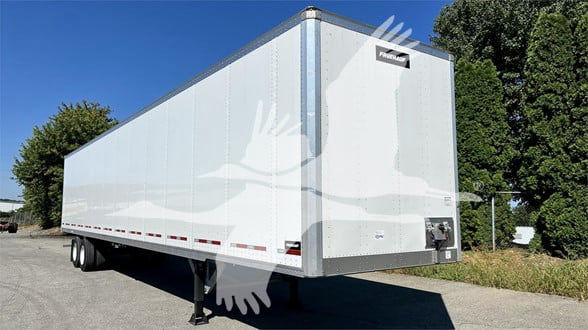
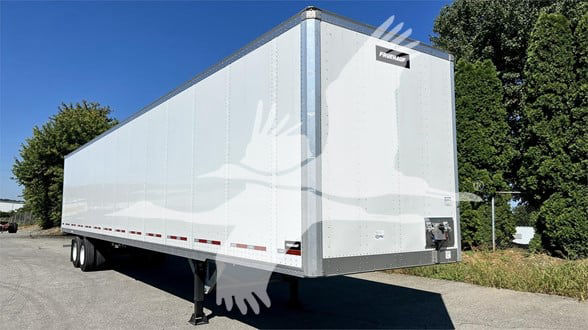
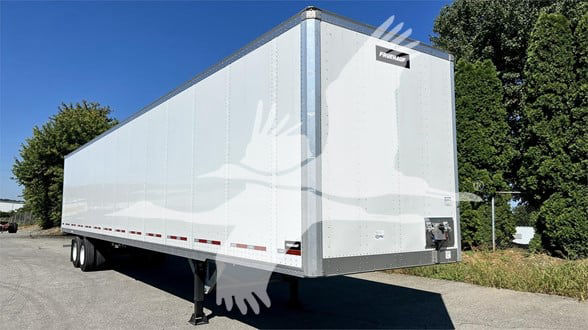
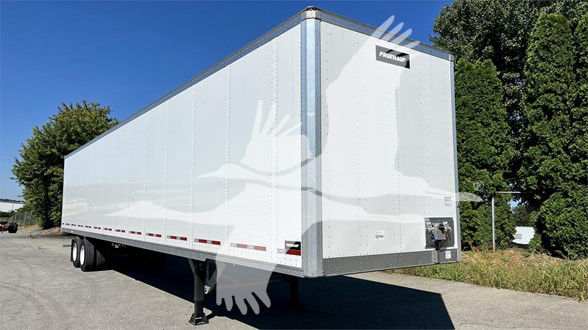
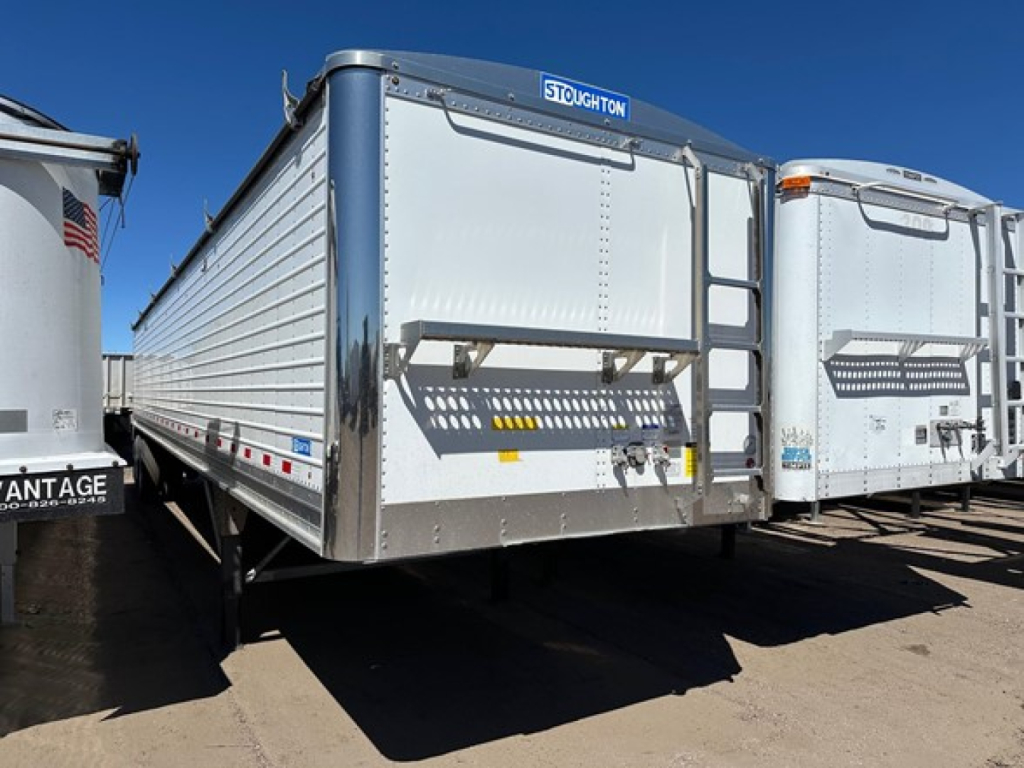
Showing 37 to 48 of 55 results
Have used 2025 trailer to sell? List it here to reach thousands of buyers.
About Used 2025 Trailers
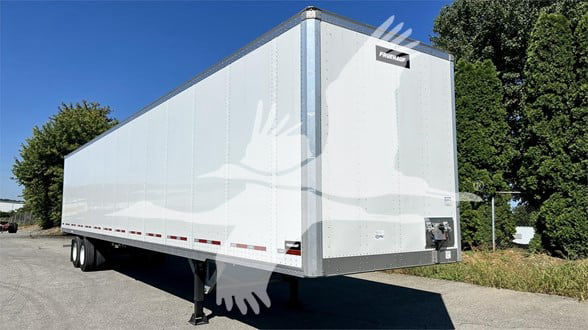
For van trailers, the market is largely centered on 48-foot and 53-foot units with 102-inch width, wood floors, logistics posts, scuff liners, threshold plates, and either swing or roll-up rear doors. Air ride suspension remains a preferred spec for freight protection and dock performance, and many late-model vans are equipped with added efficiency or maintenance features such as side skirts, tire inflation systems, translucent roofs, front and rear vents, and air lift front axles. Buyers should pay close attention to inside height, door opening dimensions, lining condition, floor wear, and tandem slider operation, especially if the trailer will stay in high-cycle distribution service.
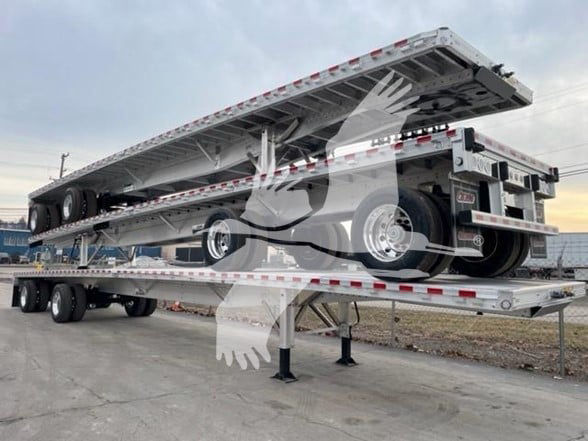
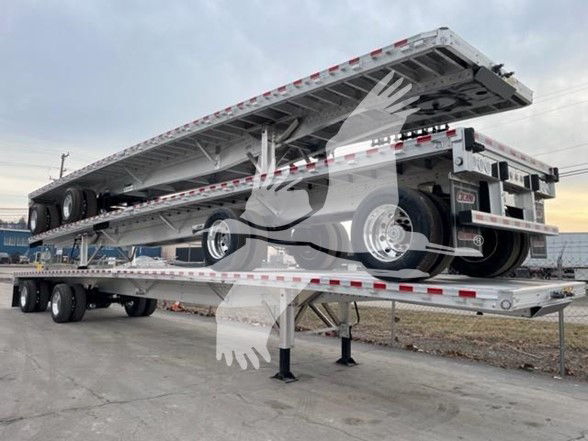
For flatbed trailers, deck construction and securement options matter as much as age. Aluminum flatbeds are popular when payload is the priority, while axle spread, kingpin setting, coil package configuration, and winch layout should match the freight mix. A 48-foot by 102-inch tandem or spread-axle flatbed is a common general freight setup, but the right trailer depends on whether the work is steel, lumber, machinery, or dedicated lane freight. Check crossmember spacing, deck condition, rail integrity, suspension, and wheel-end service history before comparing price alone.
On any used 2025 trailer, condition matters more than model year by itself. Review brake wear, tire size and remaining tread, wheel type, frame or subframe condition, roof and wall integrity on vans, and signs of floor or rear frame fatigue. Suspension type, sliding tandem travel, door hardware, and VIN history all affect uptime after purchase. A well-spec'd trailer with the right dimensions, flooring, suspension, and securement package will usually outperform a cheaper unit that needs rework before it can be dispatched.
Frequently Asked Questions
What should I check first when buying a used 2025 trailer?
Start with trailer type, length, axle configuration, and suspension, then verify the structural and wearable components. On a van trailer, inspect the floor, roof, sidewalls, rear frame, door hardware, and tandem slider operation. On a flatbed, focus on deck condition, crossmembers, main rails, winches, tie-down points, and any coil package components. Tires, brakes, wheel ends, and maintenance history should be reviewed before price becomes the deciding factor.
What are the most common specs on used dry van trailers?
Most dry van trailers in the market are 48-foot or 53-foot units with 102-inch width and tandem axles. Common specs include wood floors, scuff liners, logistics posts or E-track, air ride suspension, and either swing doors or roll-up doors. Buyers also often see aerodynamic side skirts, tire inflation systems, translucent roofs, and sliding tandems, especially on late-model fleet trailers built for general freight and distribution work.
Is air ride suspension worth it on a used trailer?
Air ride suspension is a strong spec for many buyers because it improves ride quality, helps protect sensitive freight, and is widely accepted in dry van and flatbed applications. It can also help with dock height consistency and reduce cargo shift compared with rougher suspension setups. The value depends on the condition of the bags, shocks, valves, and related components, so the system should be inspected for leaks, wear, and uneven ride performance.
How do I choose between a 48-foot and 53-foot trailer?
A 53-foot trailer is the standard choice for high-cube freight, pallet count, and many contract freight lanes. A 48-foot trailer can still fit certain regional, older dock, or specialized applications and may offer advantages in tighter operating environments or where freight density makes cubic capacity less important. The right choice depends on customer requirements, route restrictions, dock setup, and how often maximum cube is needed.
What matters most on a used flatbed trailer?
The key factors are deck condition, frame integrity, axle setup, suspension, and securement package. Buyers should confirm the trailer has the right winch arrangement, chain tie-down points, rub rail condition, and any specialized features such as a coil package or spread axle layout. Material choice also matters, since aluminum flatbeds reduce trailer weight for higher payload, while the overall spec should match the freight being hauled and the legal weight profile of the operating area.