
Used 2025 Hopper Trailers For Sale
Shop used 2025 hopper trailers, including grain hopper bottoms with air ride, ag hoppers, roll tarps, and common 42' x 96" specs.
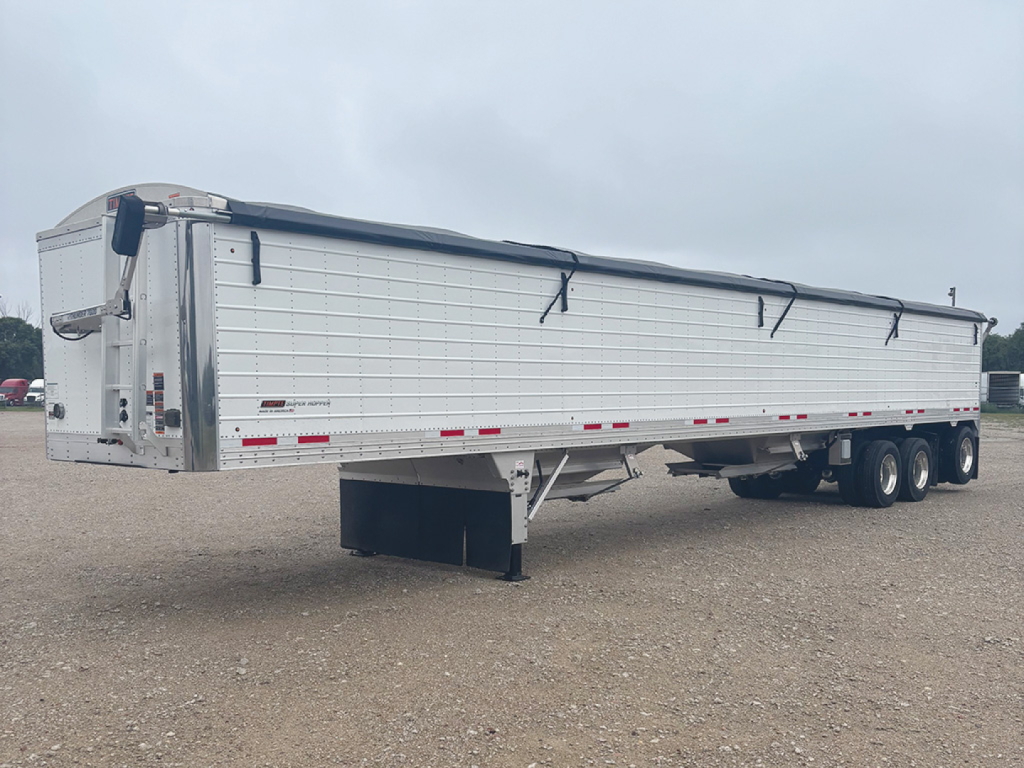
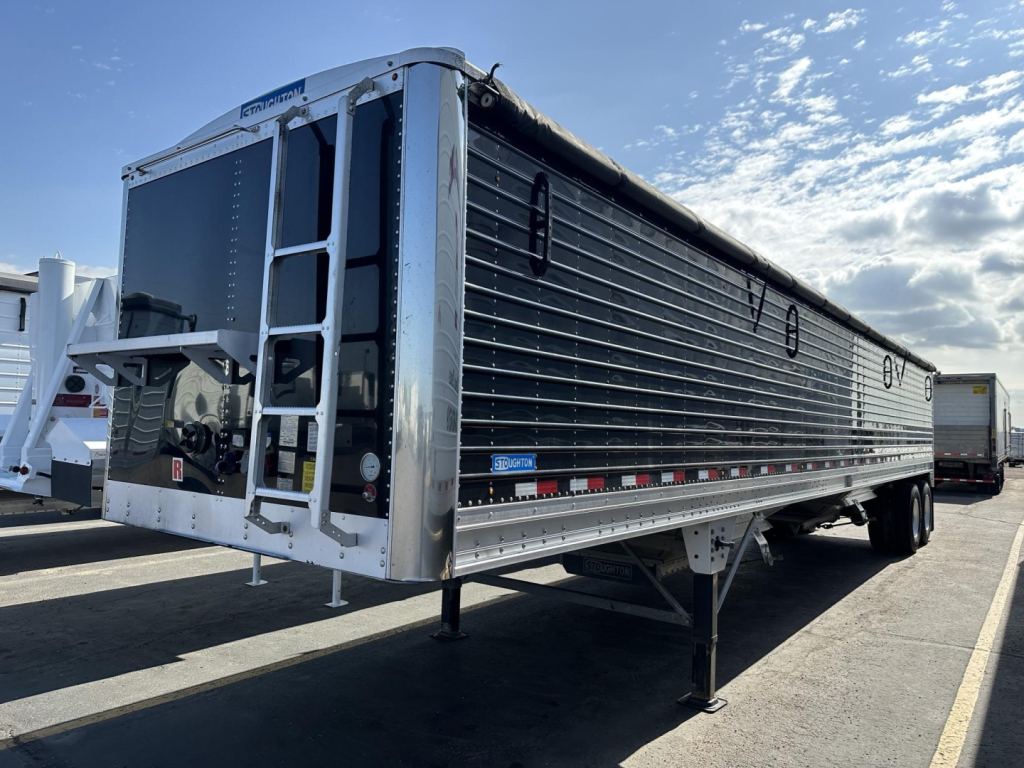
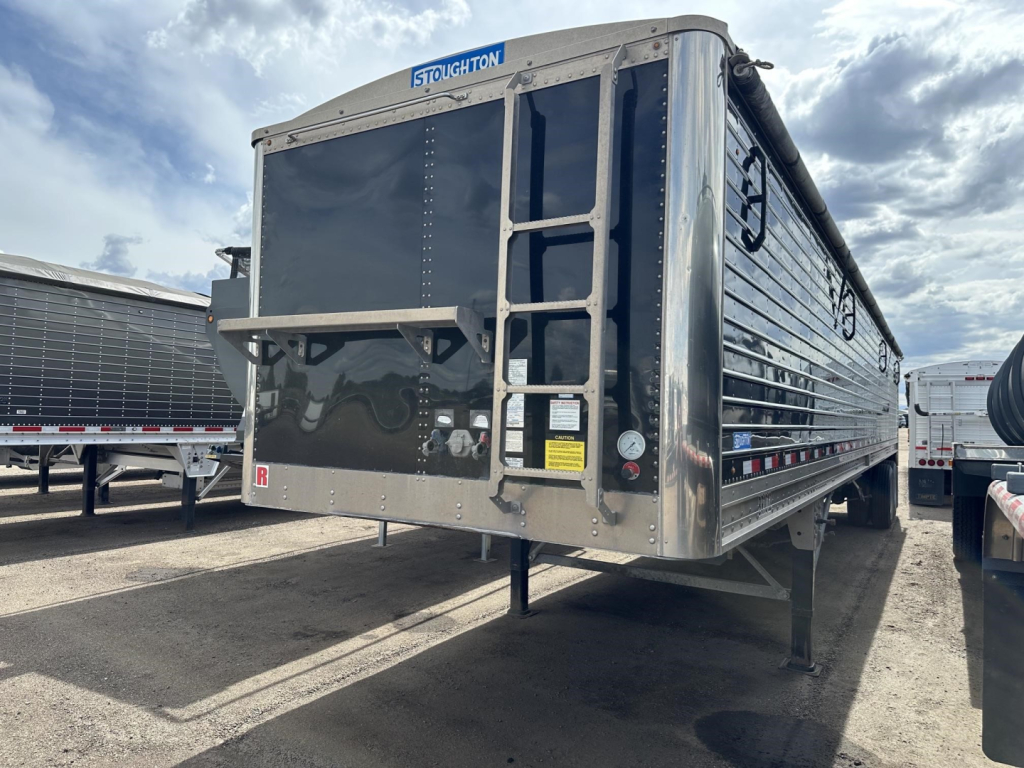
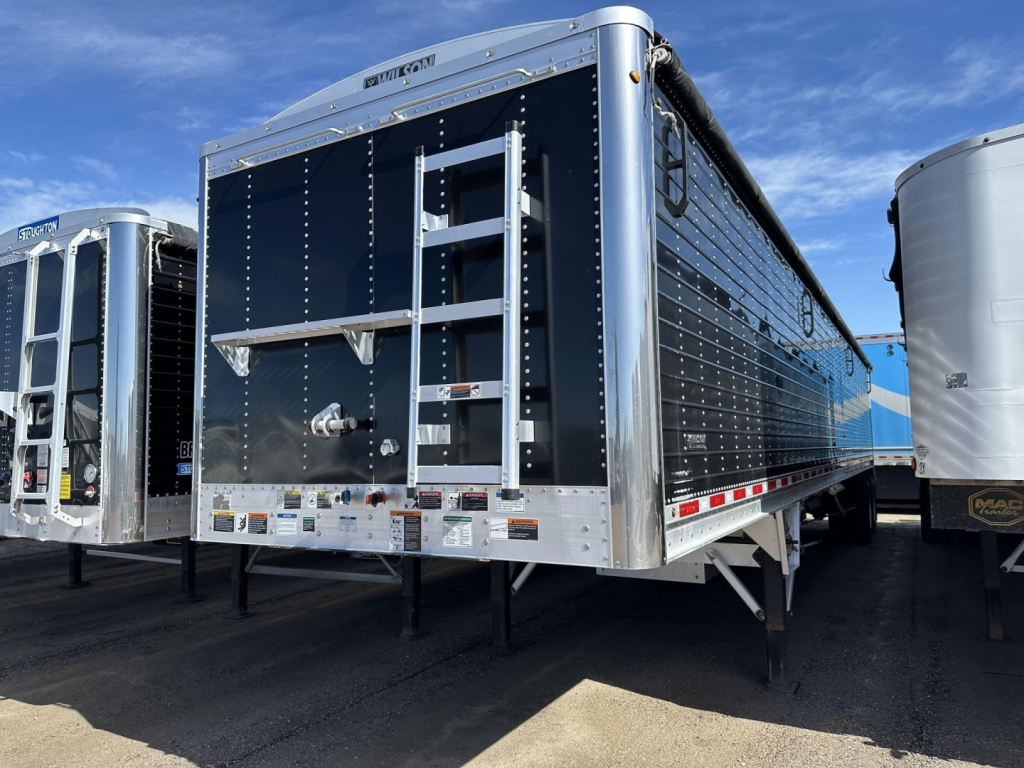
Selling a used 2025 hopper trailer? List your used 2025 hopper trailer for sale and reach thousands of commercial buyers.
Used 2025 Hopper Trailers
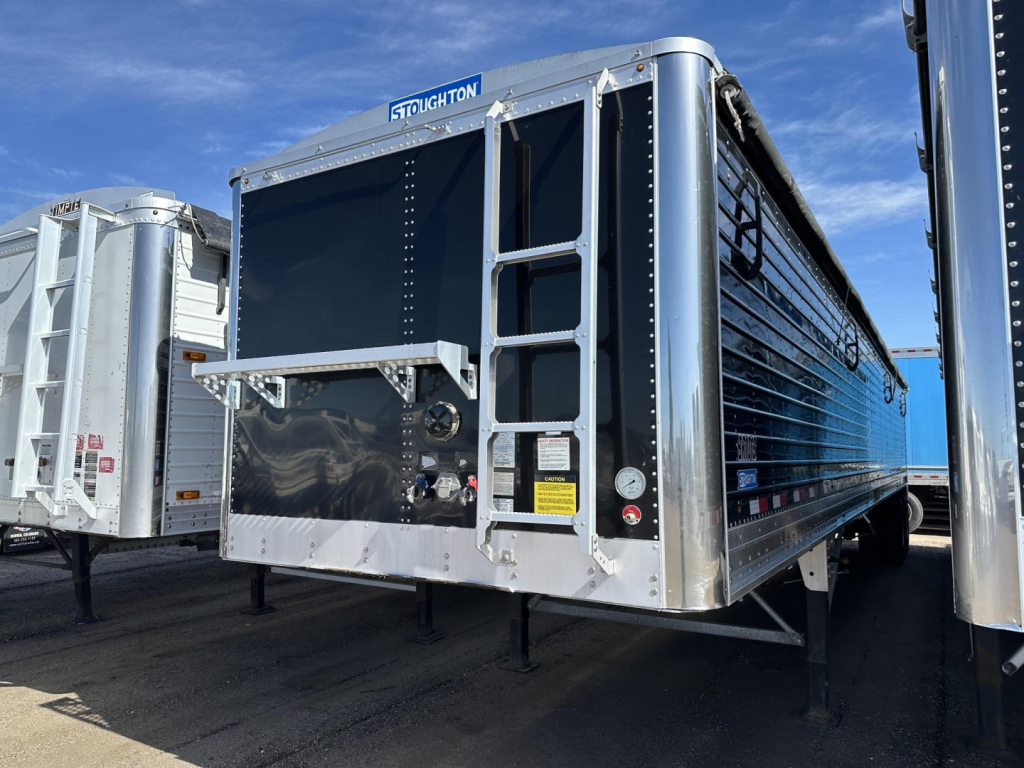
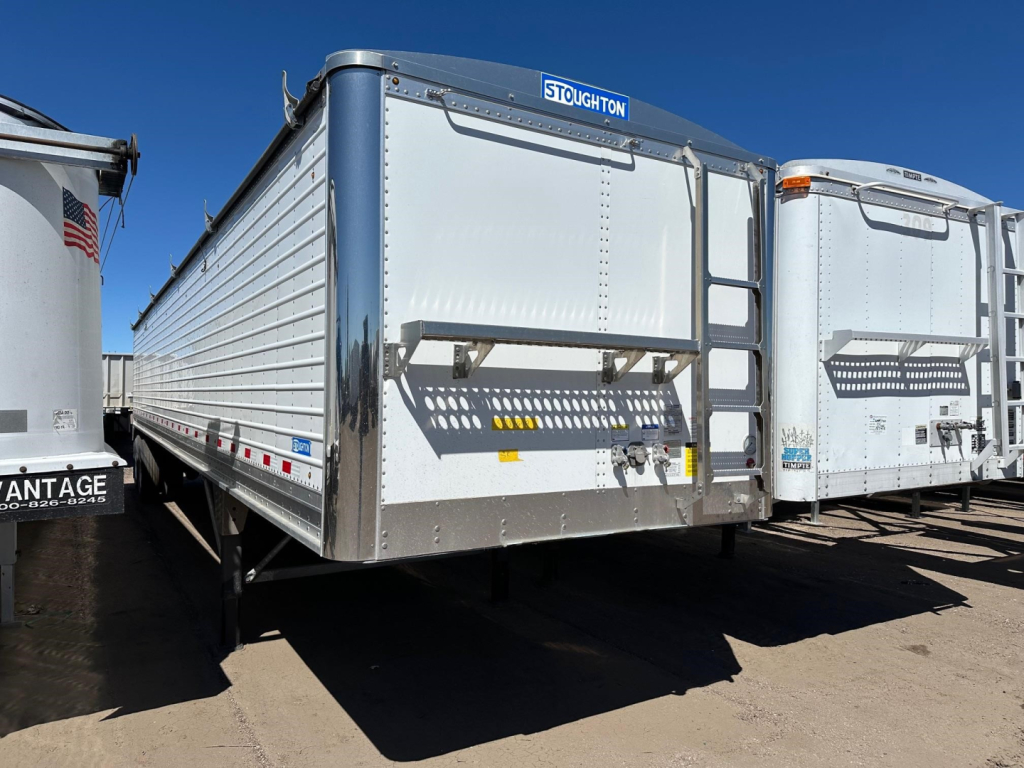
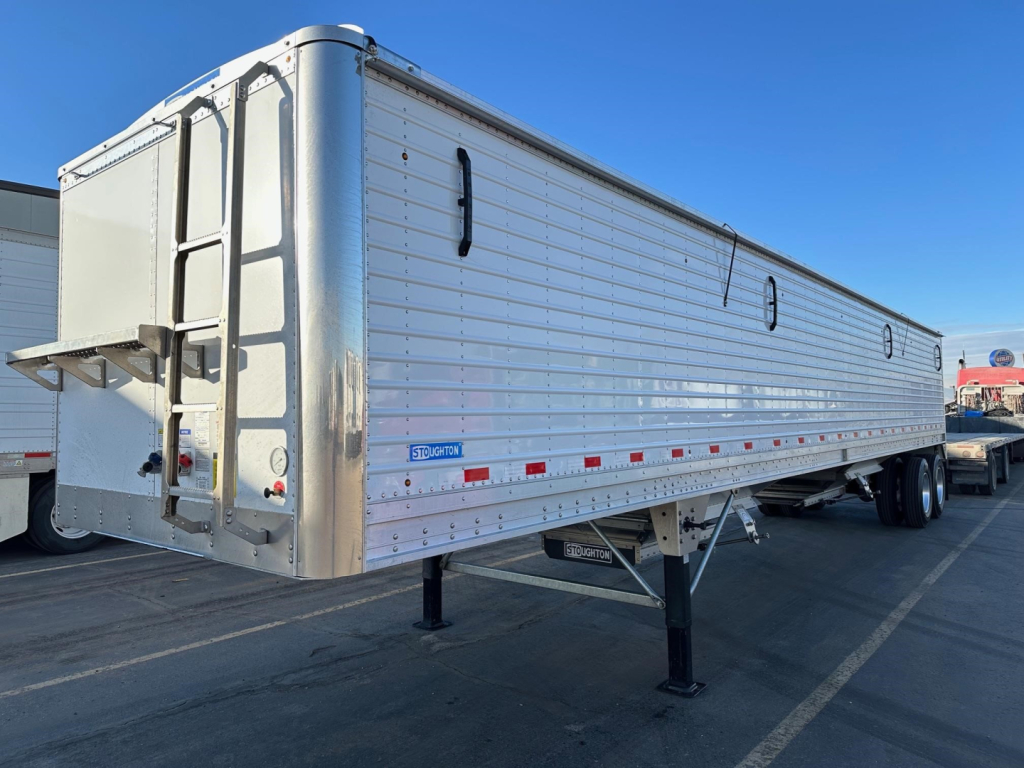
The practical spec decisions are straightforward but important. Hopper door design, trap controls, and tarp style affect unload speed and labor. Many used 2025 grain hoppers come with manual rollover tarps, while some buyers prefer electric tarps for faster open-close cycles and easier operation in bad weather. Ag hoppers with knock rails remain common because they are simple, proven, and easy to service. A dump valve with load gauge or onboard air scale is a valuable feature for operators loading by axle weight, especially when legal payload and quick turn times matter. Ladders and catwalks at the front and rear are also worth checking because they directly affect safe access during tarp work and inspections.
Suspension, wheel-end setup, and tire size matter more than many first-time buyers expect. Air ride is the standard choice on many hopper trailers because it helps protect the trailer and cargo, improves ride quality, and is generally preferred for highway grain hauling. Closed tandem axle layouts are common, and many units run 11R22.5 tires with outside aluminum wheels and inside steel wheels to balance appearance, cost, and serviceability. Some trailers may be equipped with super singles, which can reduce weight but may affect tire replacement strategy depending on your region and fleet preferences. Frame construction, subframe design, and signs of stress around hopper openings, kingpin area, and suspension mounts deserve a close inspection even on newer used trailers.
For a buyer comparing listings, the key is matching cubic capacity, discharge setup, and tare weight to the commodities and lanes you actually run. A taller-side hopper can increase volume, but it only adds value if your commodity cubes out before it weighs out. Grain operators hauling to local elevators may prioritize simple manual systems and easy parts support, while longer-haul users may place more value on scales, better corrosion resistance, and upgraded tarp systems. Also known as hopper bottom trailers or grain trailers, these units are a core tool in agricultural transport because they combine light weight, efficient gravity discharge, and broad commodity flexibility in one trailer class.
Frequently Asked Questions about Used 2025 Hopper Trailers
What is the most common specification for a used 2025 hopper trailer?
A common used 2025 hopper trailer spec is a 42-foot by 96-inch aluminum grain hopper with tandem axles, air ride suspension, two ag hoppers, and 11R22.5 tires. Many units also include corrugated side panels, manual rollover tarps, ladders, catwalks, and a mix of aluminum outer wheels with steel inner wheels. Side heights often range from the mid-60-inch range up to around 79 inches depending on intended cubic capacity.
How do I choose the right side height on a hopper trailer?
Side height should match the density of the commodities you haul most often. Taller sides increase cubic capacity, which helps with lighter commodities that cube out before reaching legal gross weight. Shorter or moderate side heights can be a better fit for denser products where payload reaches legal limits before the trailer is full. The right choice depends on your lane weights, commodity mix, and whether you are optimizing for bushels, tons, or flexibility across multiple crops.
Are air ride suspensions preferred on grain hopper trailers?
Air ride is widely preferred on grain hopper trailers because it improves ride quality, reduces shock transfer to the trailer structure, and can help protect the commodity during transport. It is also a common expectation in many resale markets. For buyers comparing used trailers, air ride is usually a positive feature, but condition still matters more than type alone. Check ride height control, air bags, bushings, shocks, and suspension mounting points during inspection.
What features matter most when buying a used hopper bottom trailer?
The most important features are trailer length, side height, hopper configuration, suspension type, tarp system, and overall structural condition. Buyers should inspect the kingpin area, subframe, hopper openings, door seals, trap mechanisms, crossmember condition, landing gear, and rear frame for wear or cracking. Functional features such as scales, dump valves, catwalks, and stainless corrosion-resistant panels can add real operating value, especially in repetitive grain hauling.
What is the difference between a hopper trailer and a grain trailer?
In most farm and bulk commodity markets, the terms hopper trailer, hopper bottom trailer, and grain trailer are often used interchangeably. They usually describe a trailer with sloped bottoms and bottom discharge gates designed for gravity unloading. Some buyers use grain trailer as the more common field term, while hopper trailer is the broader equipment category. In practice, both terms usually refer to the same style of agricultural bulk trailer.