
Used 2025 Hopper Trailers For Sale in Colorado
Shop used 2025 hopper trailers in Colorado. Compare grain trailer specs like length, side height, tarp type, suspension, and hopper setup.
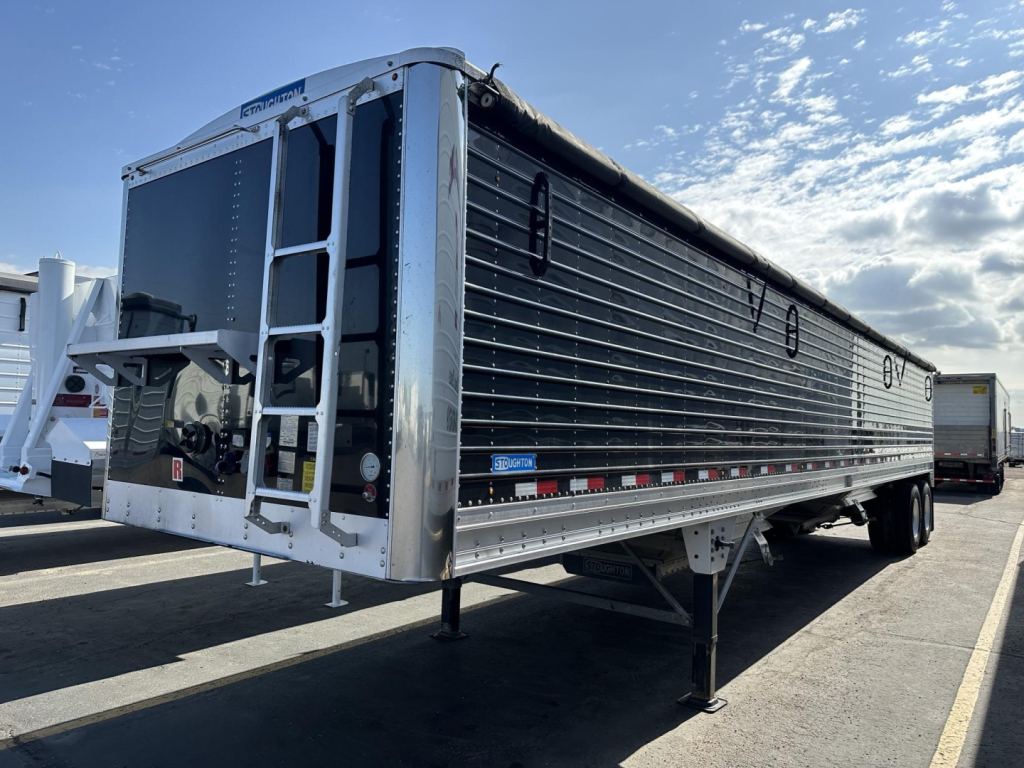
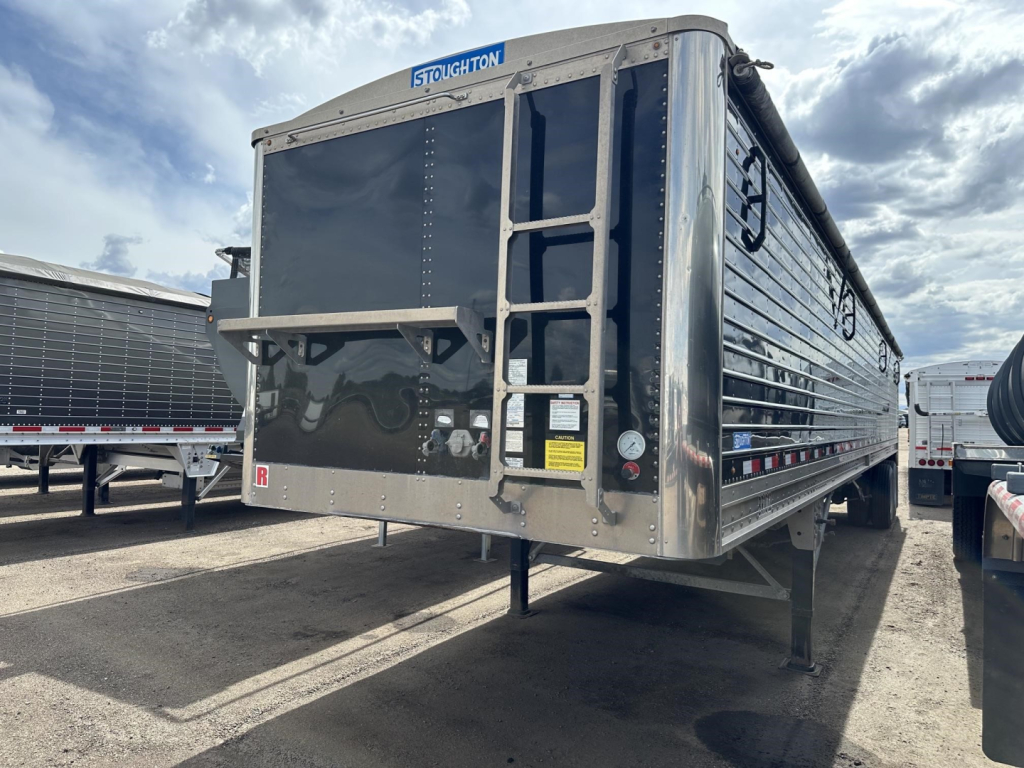
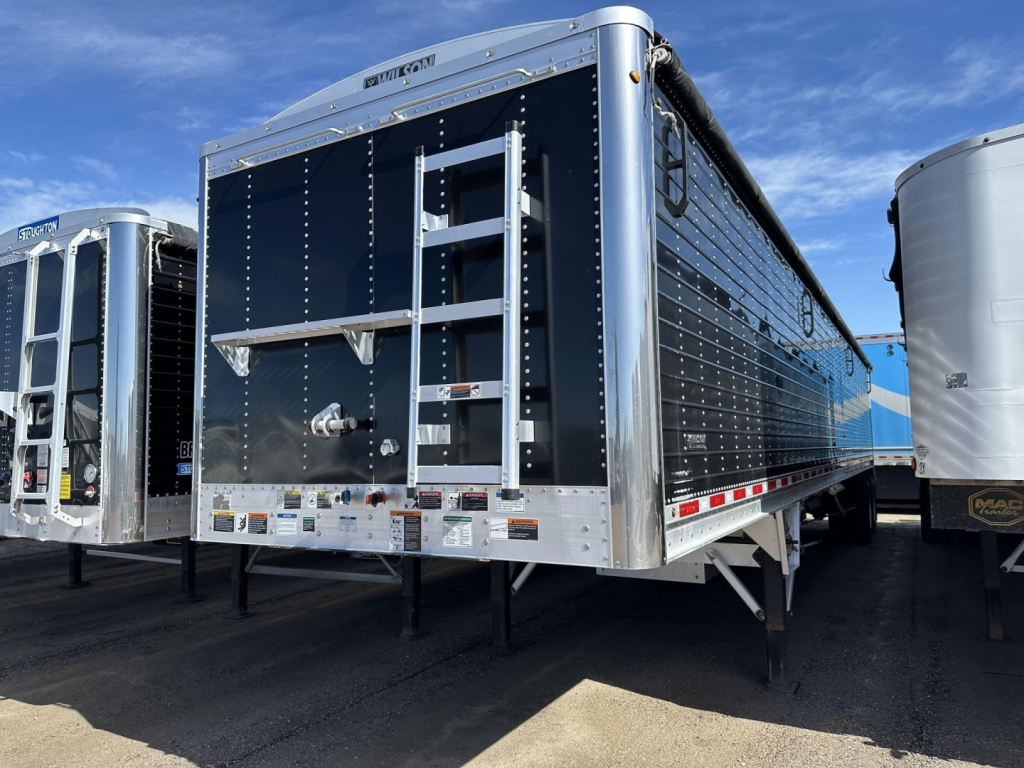
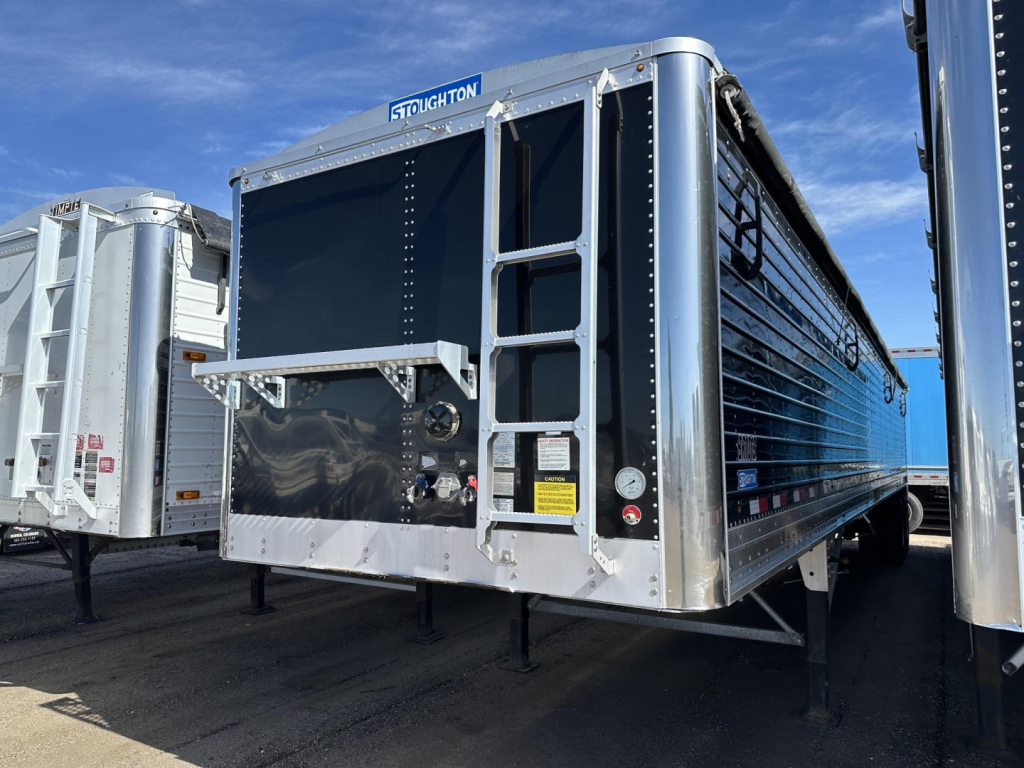
Selling a used 2025 hopper trailer? List your used 2025 hopper trailer for sale and reach thousands of commercial buyers.
Used 2025 Hopper Trailers in Colorado
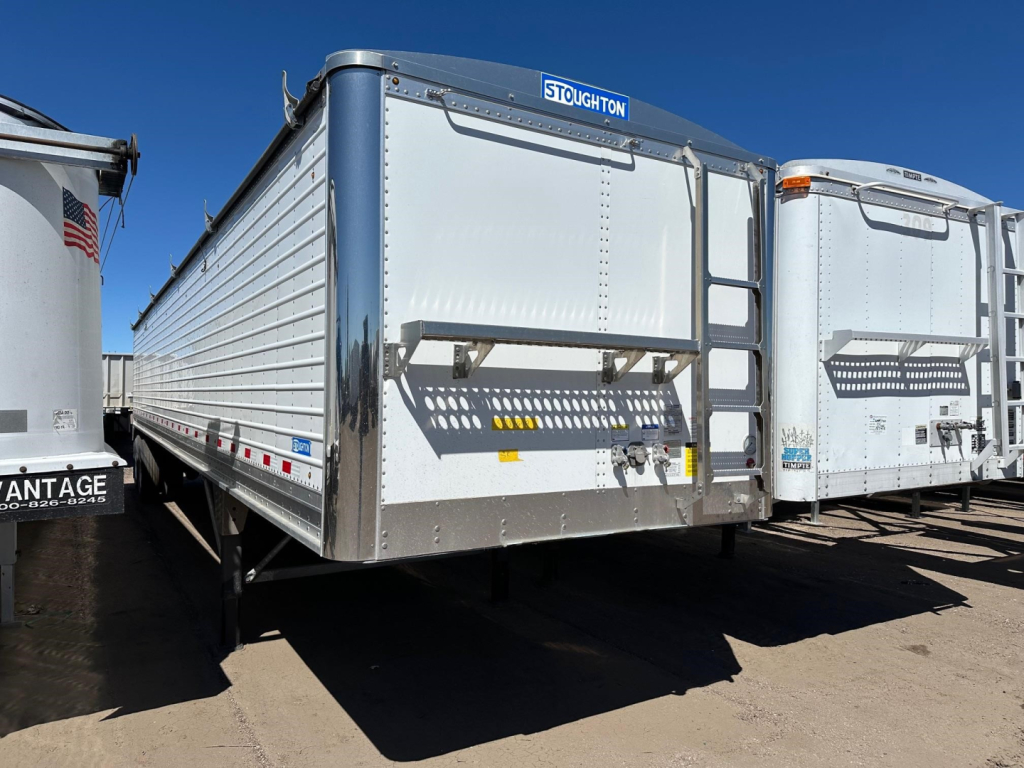
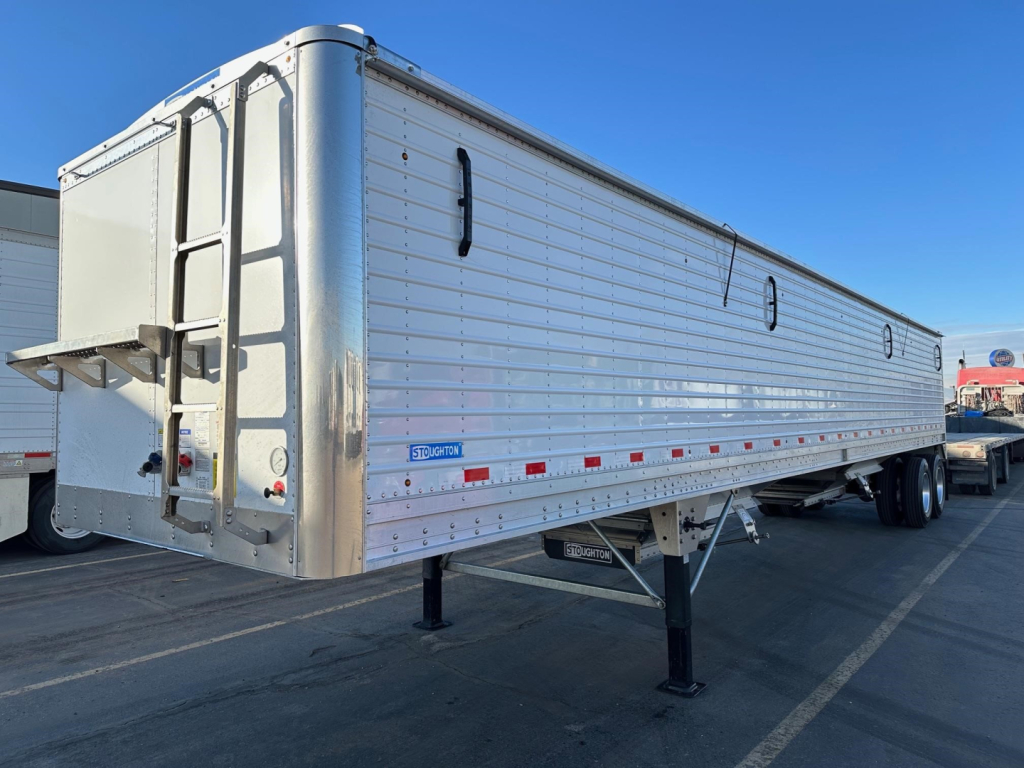
A hopper trailer, often called a grain trailer or hopper bottom trailer, is built to discharge through bottom gates instead of requiring a live floor or tipper. Ag hopper layouts, trap designs, and gate hardware are important details because they affect cleanout, unloading control, and long-term maintenance. Many late-model units use aluminum construction to keep tare weight down, while stainless front corners or rear panels may be added for wear resistance and corrosion control. Corrugated side panels are common for strength, and features like knock rails, catwalks, front and rear ladders, trap work lights, and load gauges are practical options that matter in daily farm and elevator use.
Colorado buyers often look closely at tarp systems, suspension, and tire setup because those choices affect year-round usability. Manual rollover tarps are still common and simple to maintain, while electric tarps save time on multi-stop days and reduce strain on the driver. Air ride suspension remains a preferred spec for ride quality and cargo protection, and closed tandem layouts are common on grain hoppers in this size range. Wheel and tire combinations vary, with aluminum outer wheels often chosen to trim weight and improve appearance, while 22.5-inch or 24.5-inch rubber may be selected based on fleet standardization and desired deck height.
When comparing used 2025 hopper trailers, buyers should pay attention to gate seal condition, subframe integrity, suspension wear, tarp operation, and any signs of commodity residue or corrosion around traps and seams. A newer used hopper can offer current-spec features such as tire inflation systems, scale gauges, dump valves, improved light packages, and upgraded rear panels without the lead time of a factory order. The best fit comes down to commodity density, route length, unload environment, and the balance between maximum cubic capacity and legal payload.
Frequently Asked Questions about Used 2025 Hopper Trailers in Colorado
What are the most important specs to compare on a used 2025 hopper trailer?
The most important specs are trailer length, width, side height, hopper configuration, suspension type, tarp system, wheel and tire setup, and overall empty weight. Those details determine cubic capacity, legal payload, ease of unloading, and operating cost. Buyers should also review gate condition, seal wear, ladder and catwalk layout, and whether the trailer includes useful options such as scale gauges, dump valves, trap lights, or tire inflation systems.
What is a hopper trailer used for?
A hopper trailer is used to haul free-flowing bulk commodities that can unload through bottom discharge gates. Grain, corn, soybeans, feed, meal, fertilizer, and similar agricultural products are common applications. Because the trailer empties through gravity-fed traps, it is efficient at elevators, mills, and farm bins where quick unloading and clean discharge are important.
How do side height and trailer length affect hopper trailer capacity?
Side height and trailer length are two of the biggest factors in cubic capacity. A 42-foot hopper with taller sides will generally carry more volume than a shorter trailer or one with lower sides, but the right setup depends on commodity density and legal weight limits. Lighter commodities may benefit from more cubic space, while denser products can hit gross weight limits before the trailer is full. Buyers should match the trailer body to the material they haul most often.
Is a manual or electric tarp better on a grain hopper?
A manual tarp is simpler, lighter, and usually less expensive to maintain, which makes it attractive for straightforward seasonal work. An electric tarp adds convenience and speed, especially when the trailer is loaded and covered multiple times per day. Fleets and owner-operators who want easier operation and less physical effort often prefer electric systems, but condition of the motor, bows, arms, and tarp fabric should be checked carefully on any used unit.
What should I inspect on a used hopper trailer before buying?
Focus on the traps, gate rollers, seals, hinges, and operating hardware first because those parts directly affect unload performance. Inspect the subframe, crossmembers, landing gear, suspension components, wheel ends, and kingpin area for wear or damage. Check the tarp, ladders, catwalk, lighting, and air system, and look closely for cracking, corrosion, or repairs around seams, corners, and high-stress points. Commodity residue can also reveal how the trailer was used and maintained.