
Used Hopper Trailers For Sale
Shop used hopper trailers built for grain and bulk commodities. Compare lengths, side heights, axle setups, tarps, hoppers, and suspension.
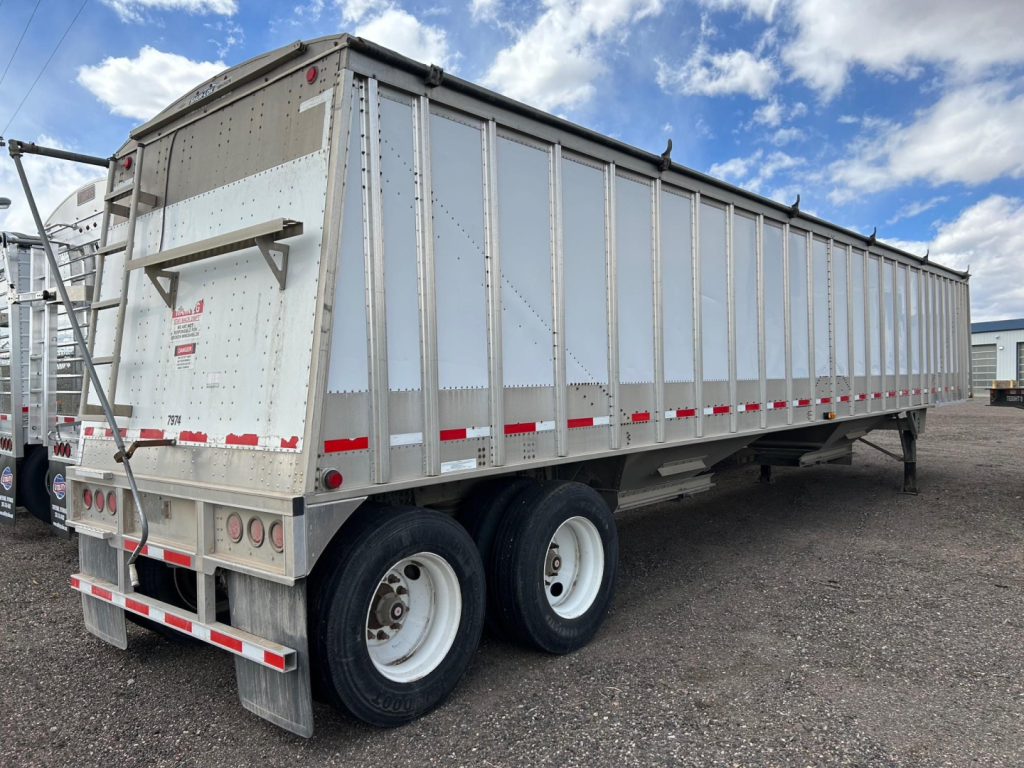
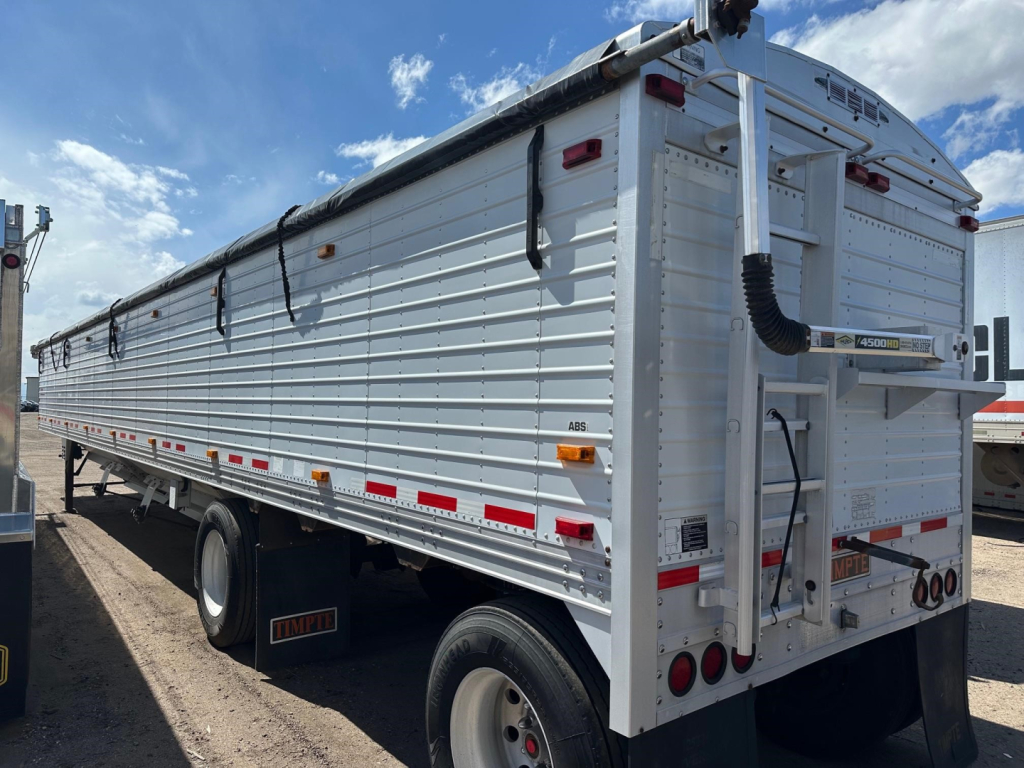
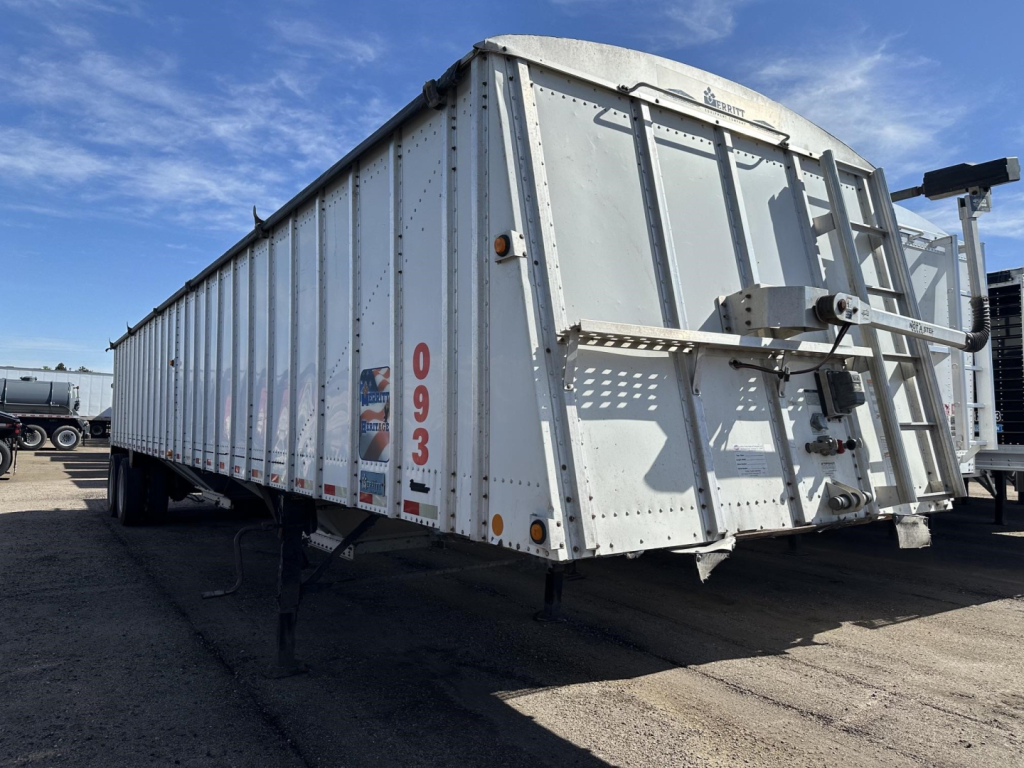
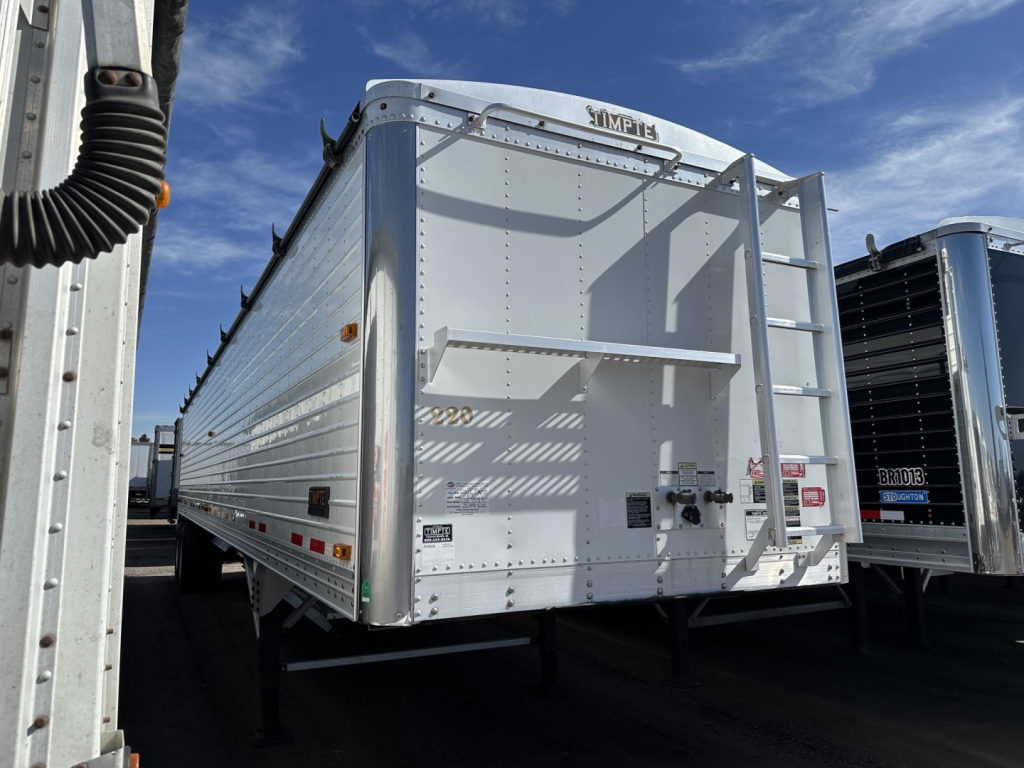
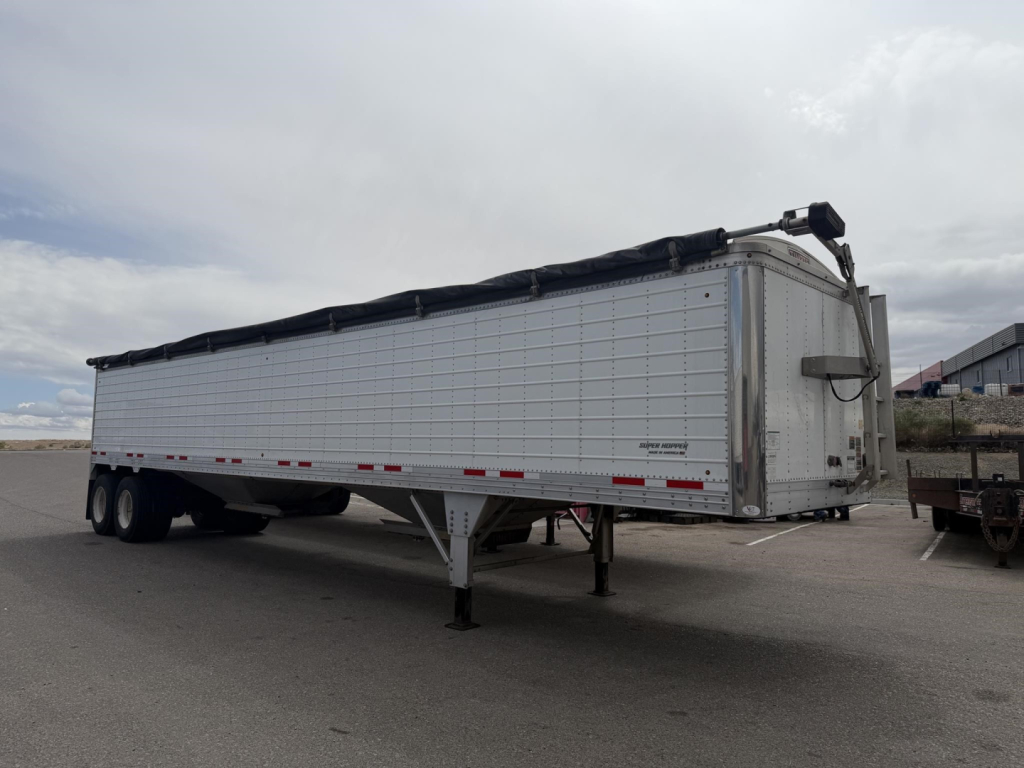
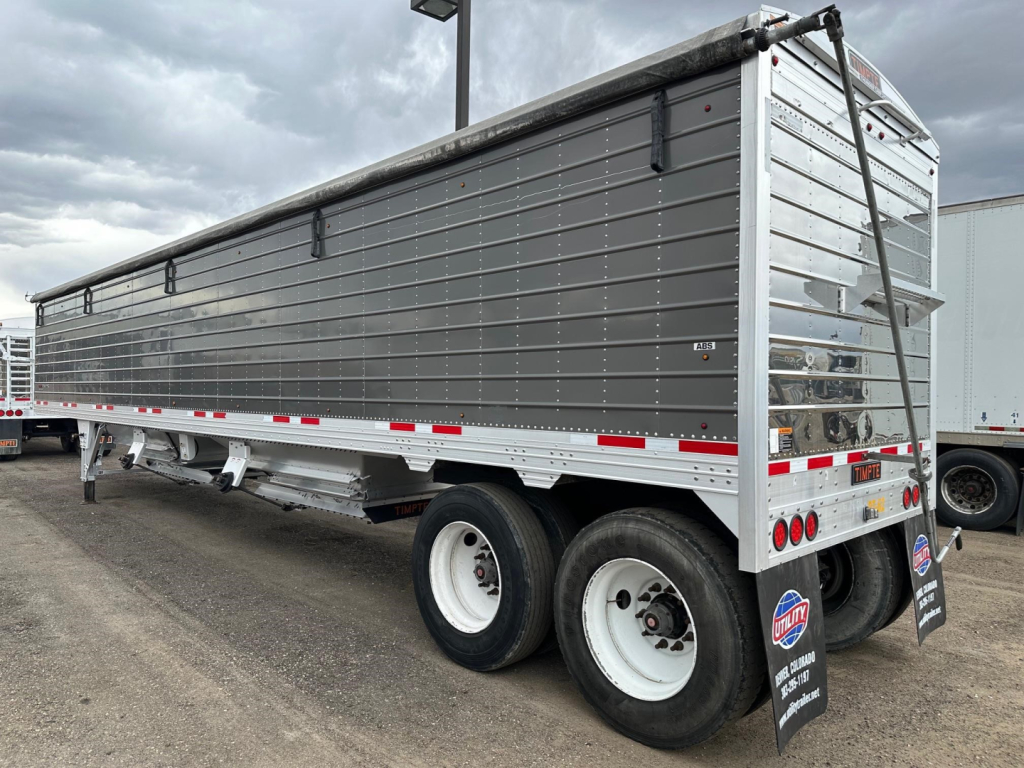
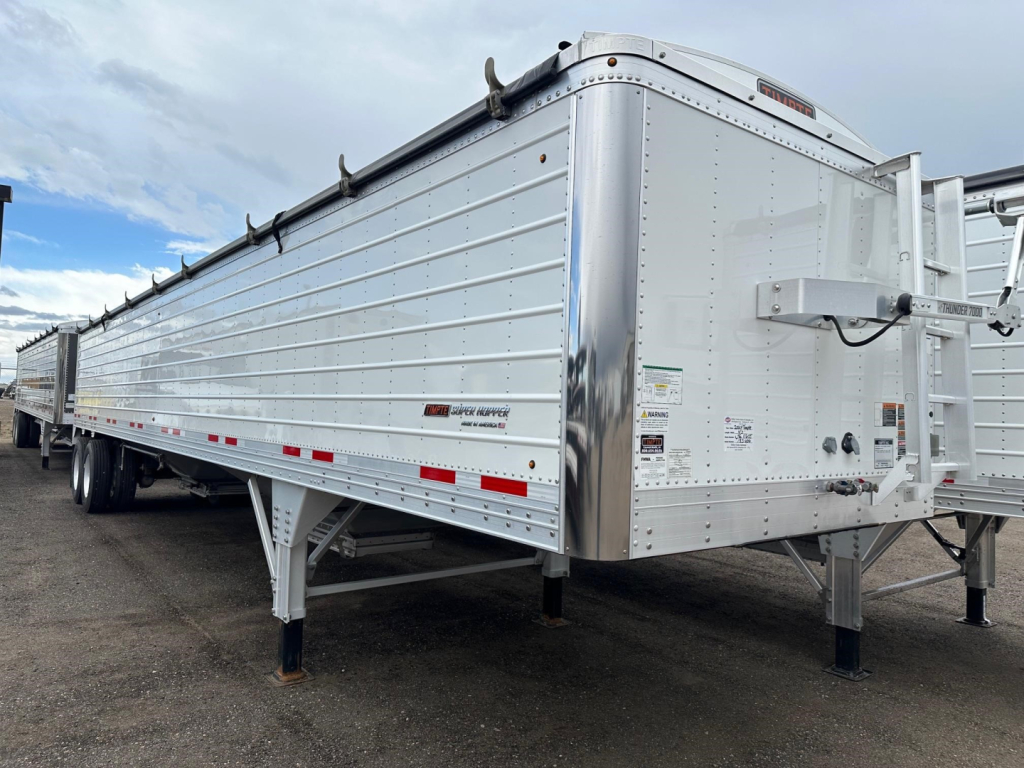
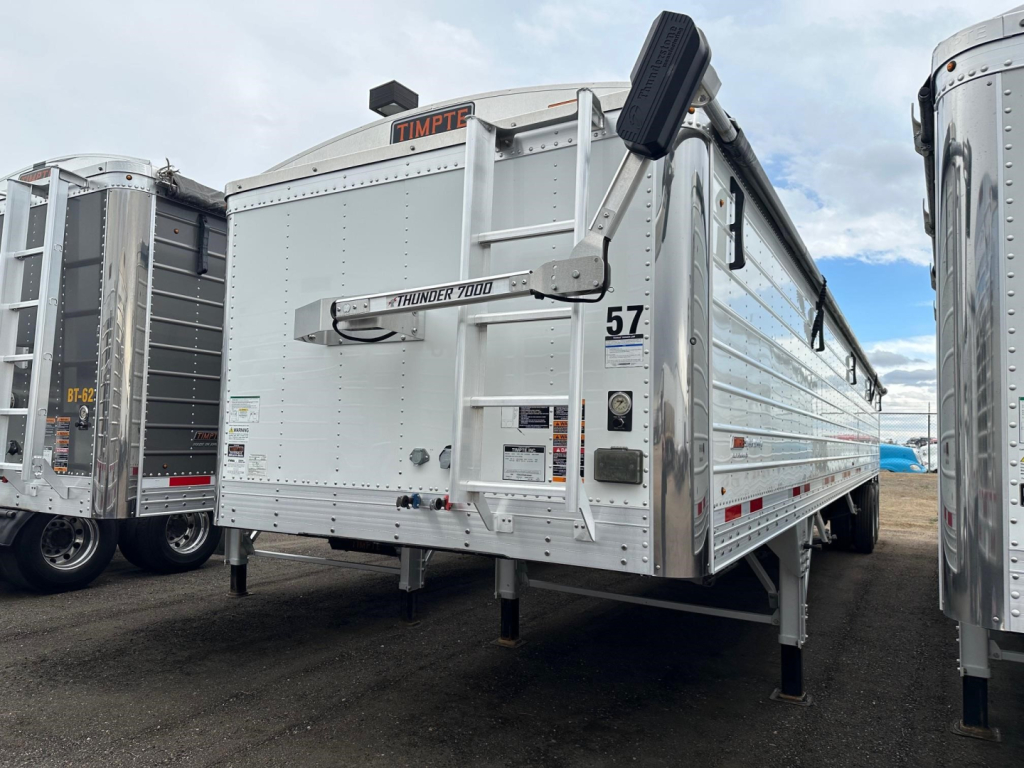
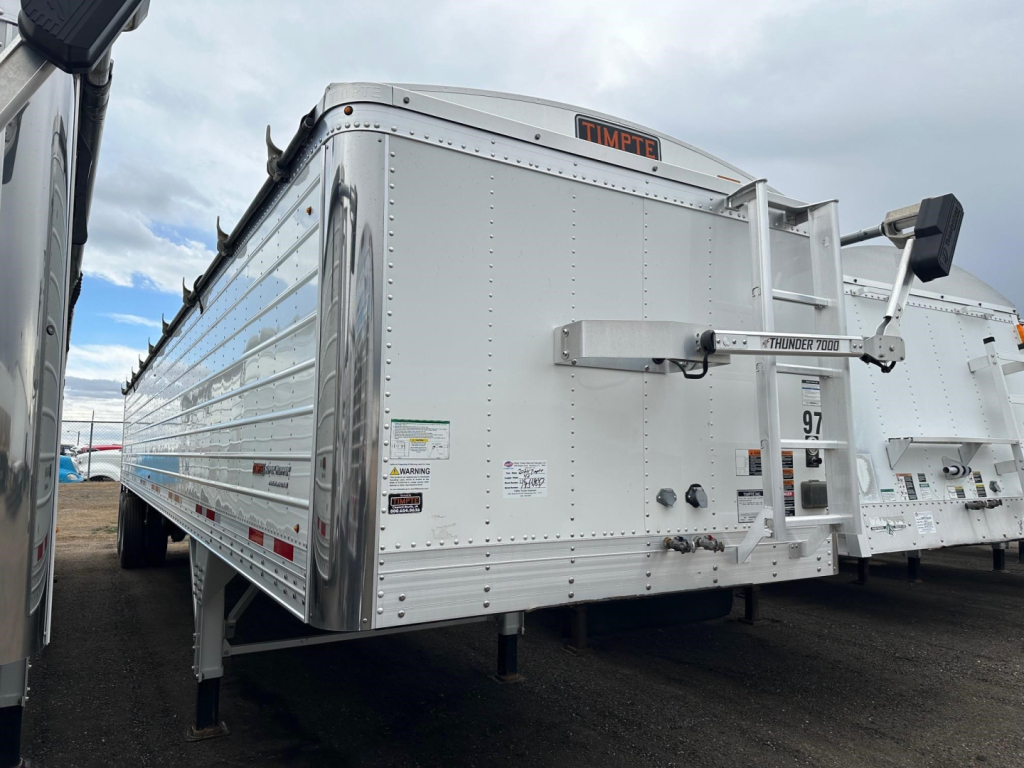
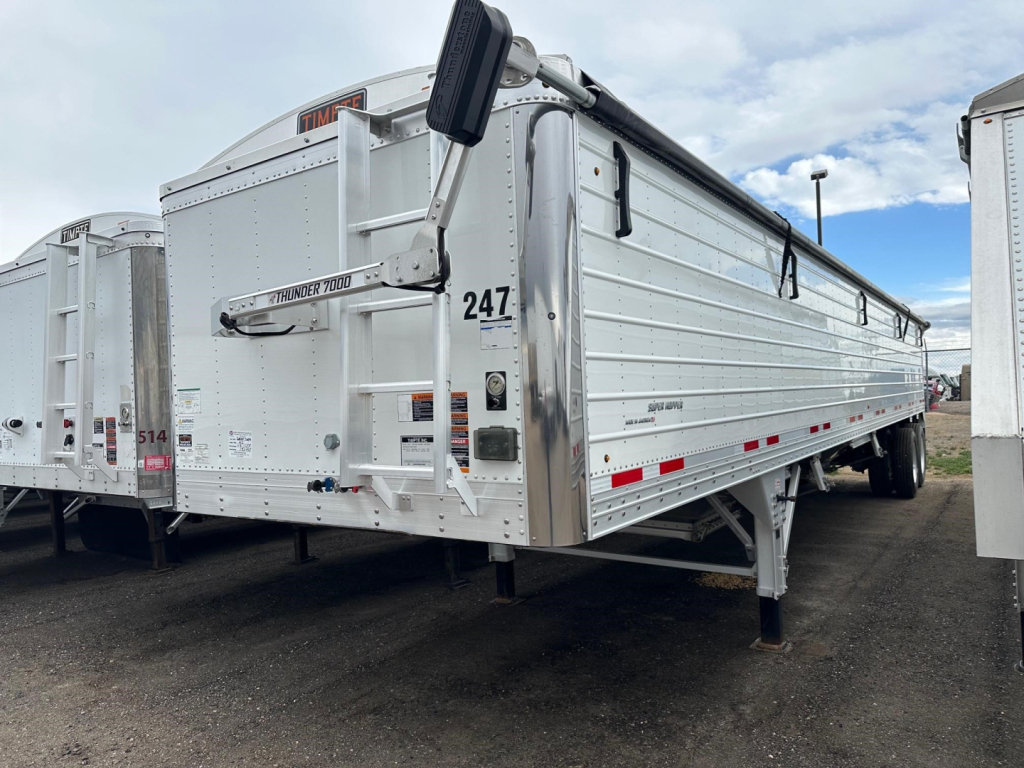
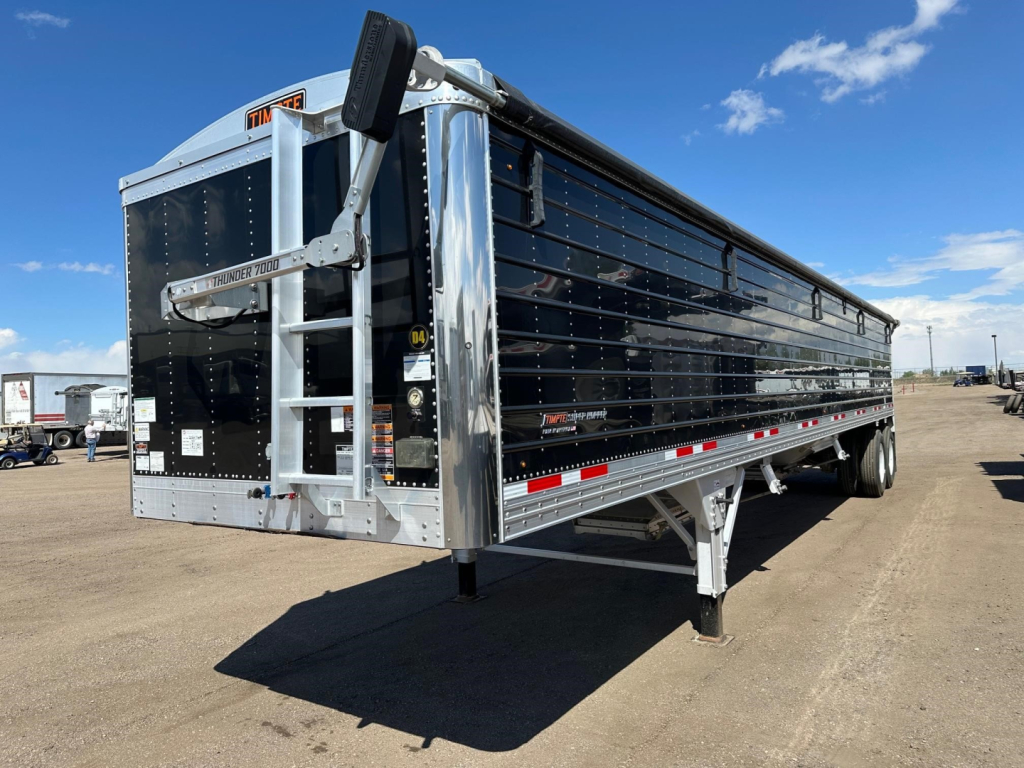
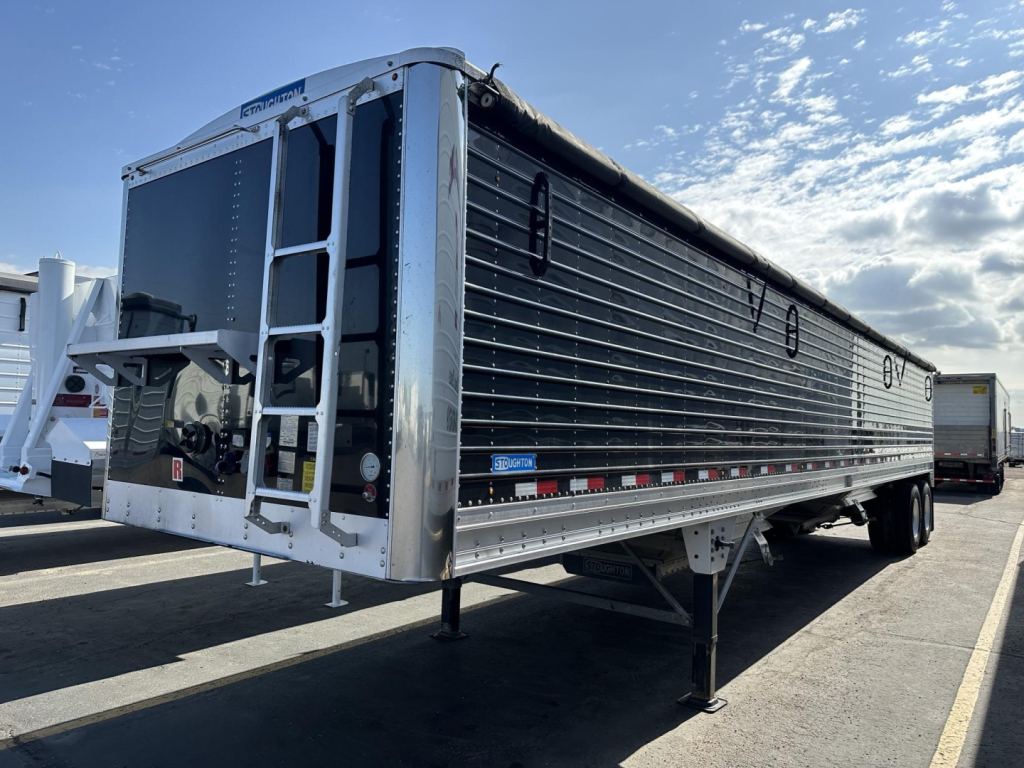
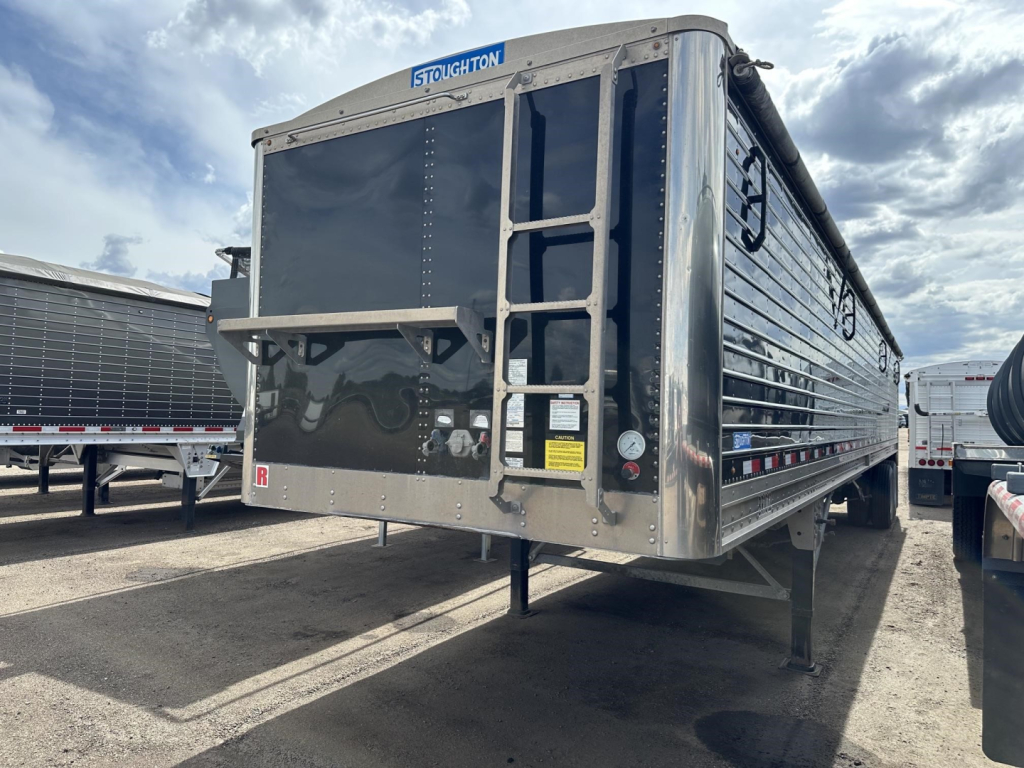
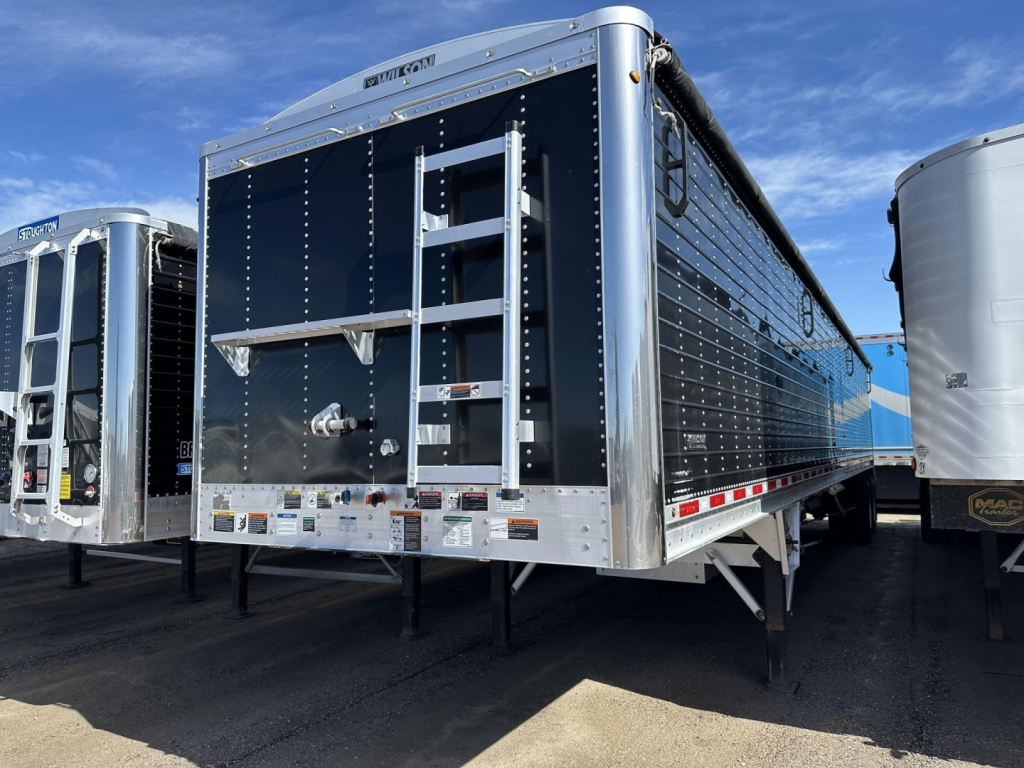
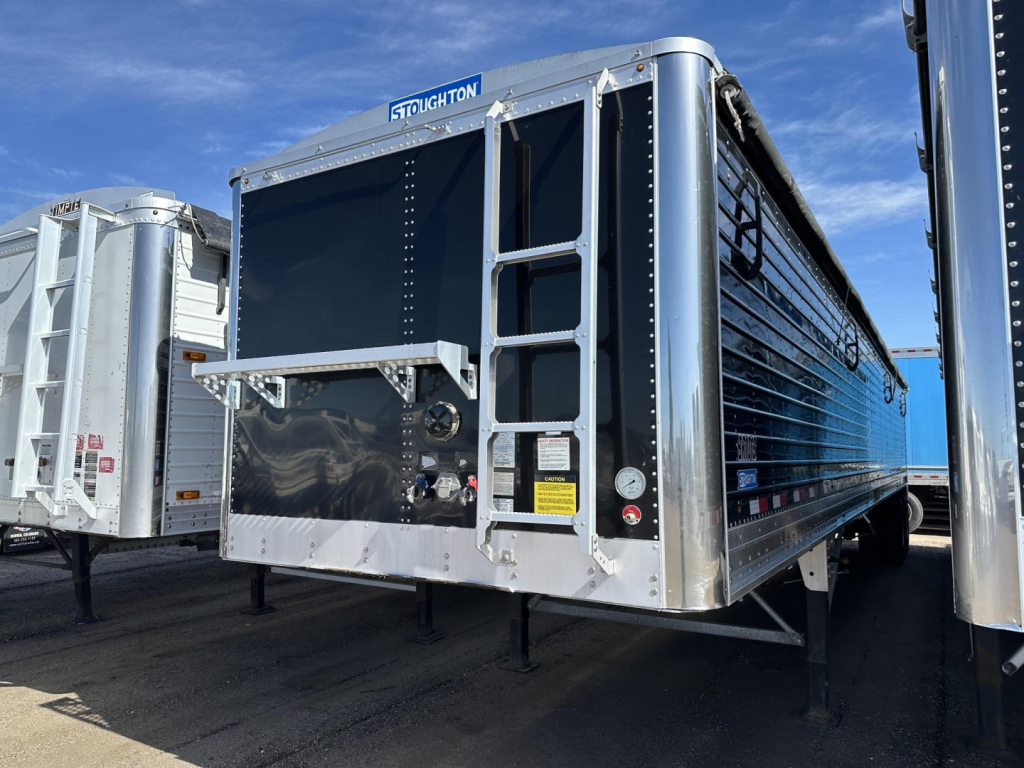
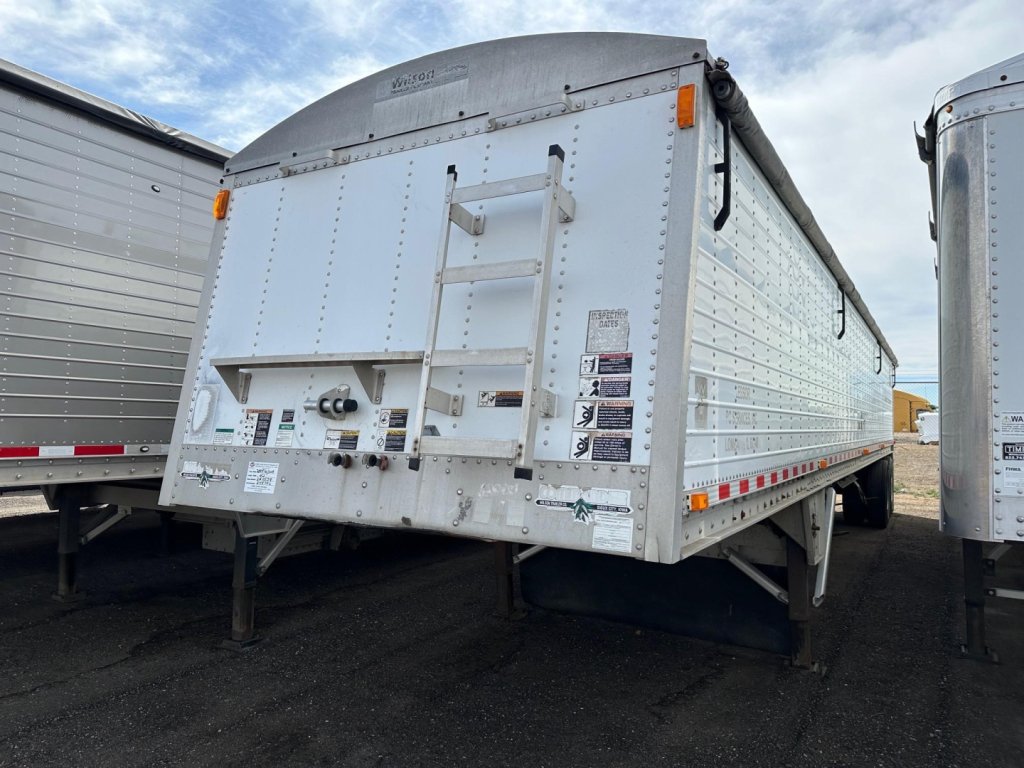
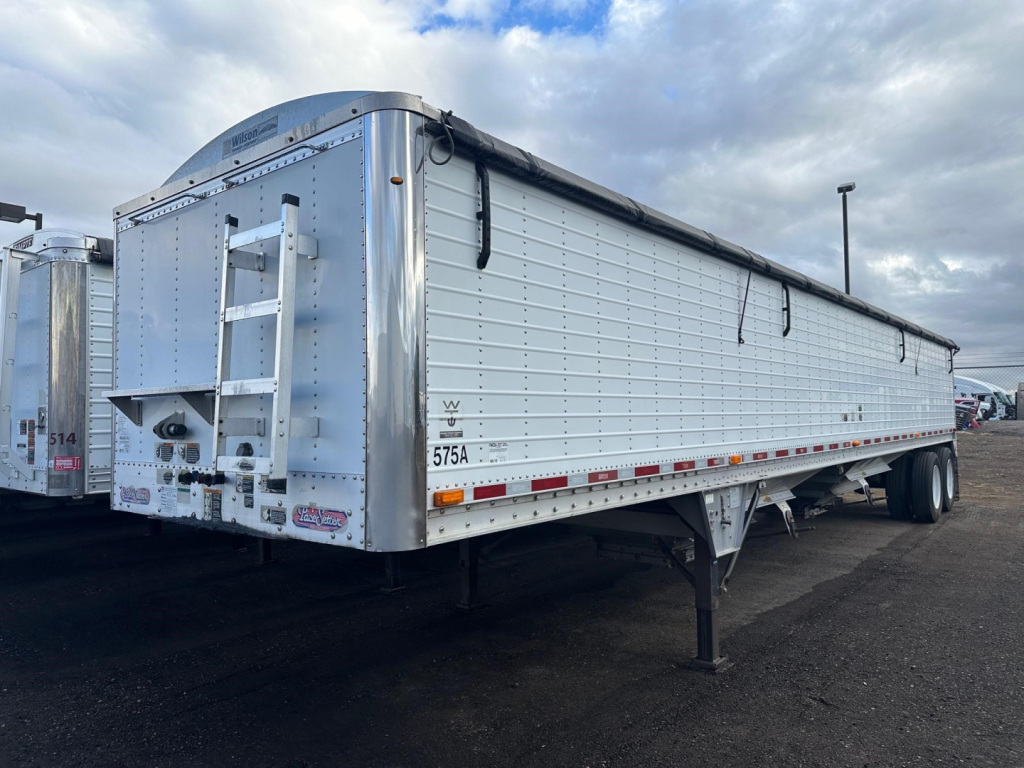
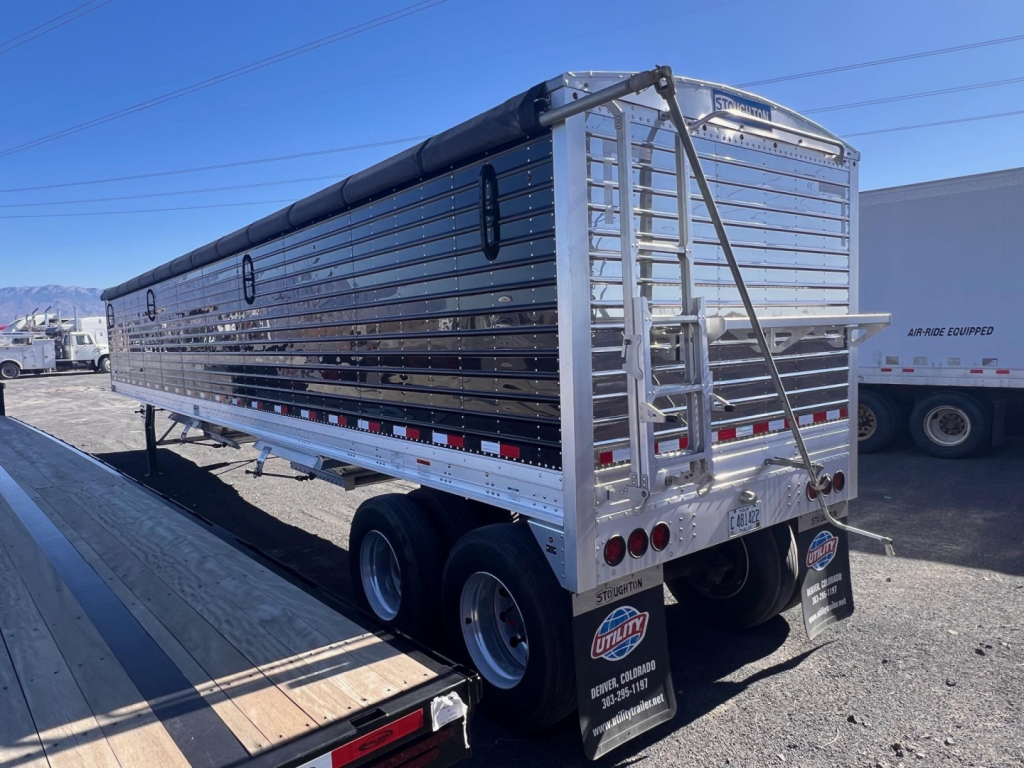
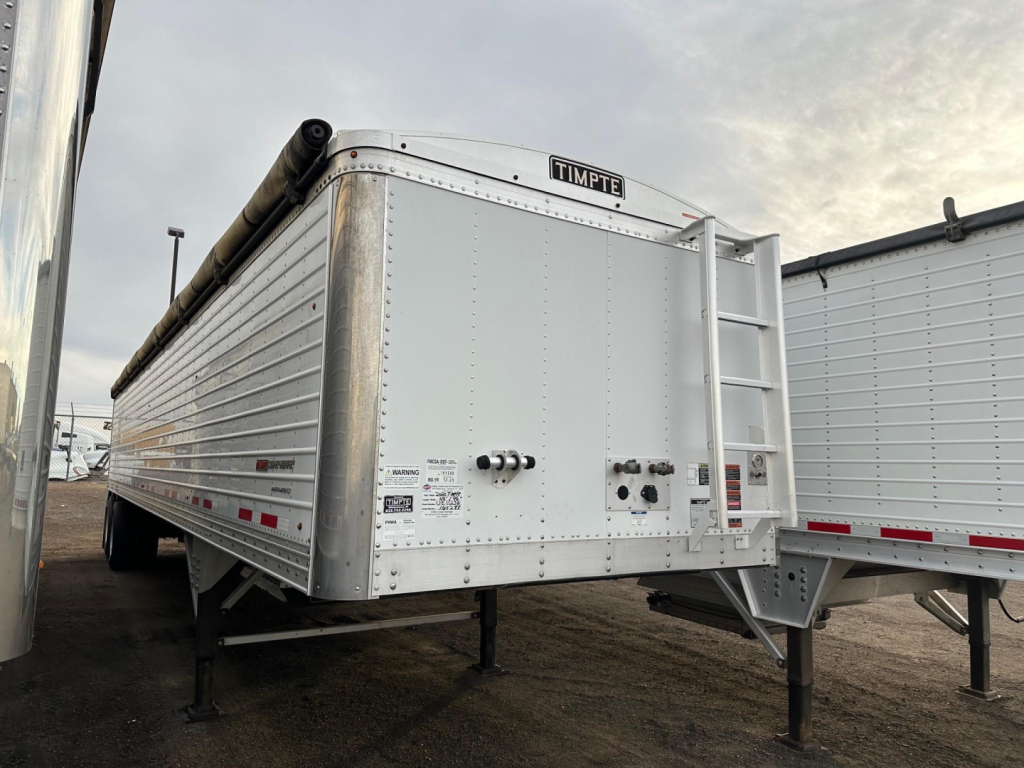
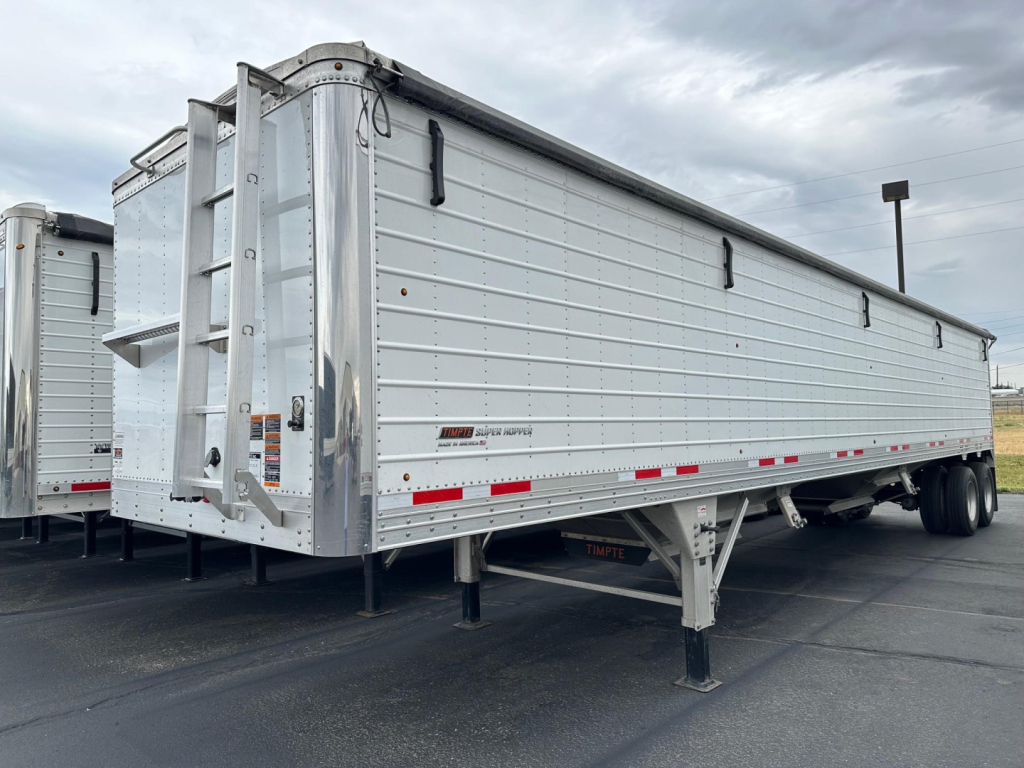
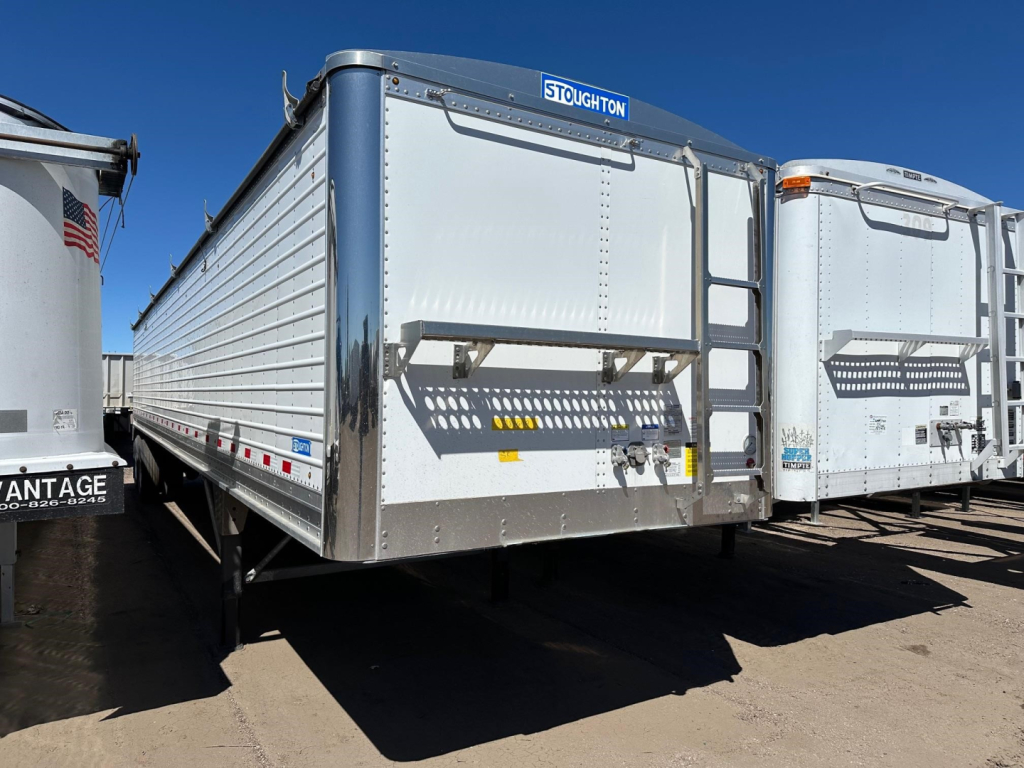
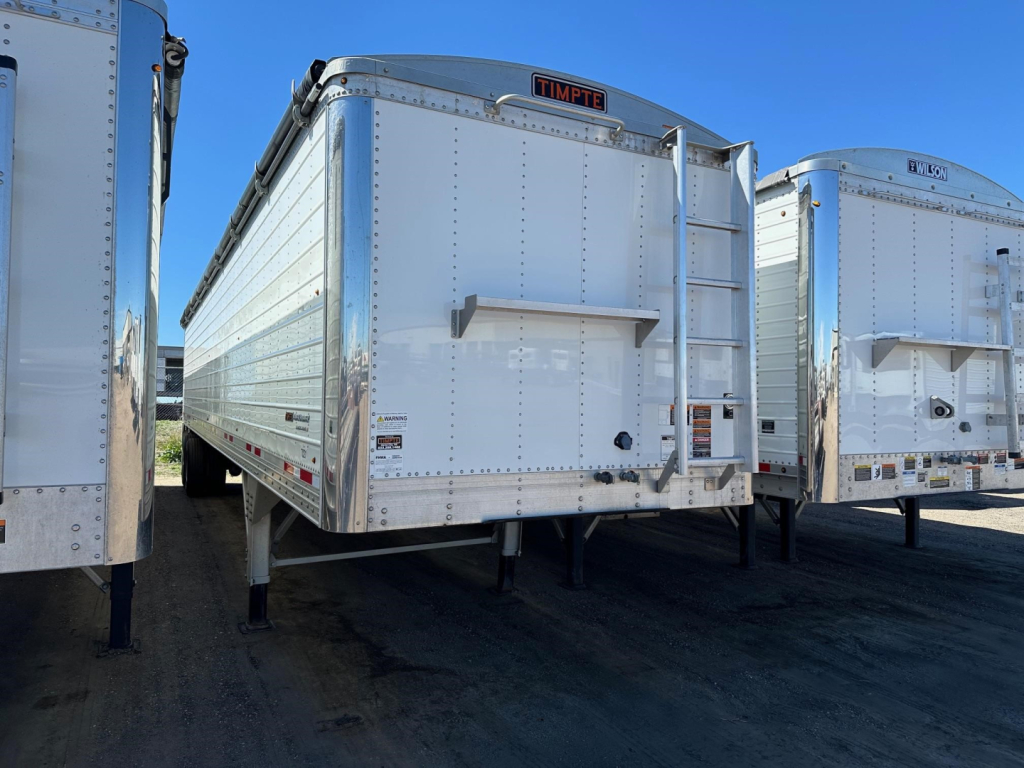
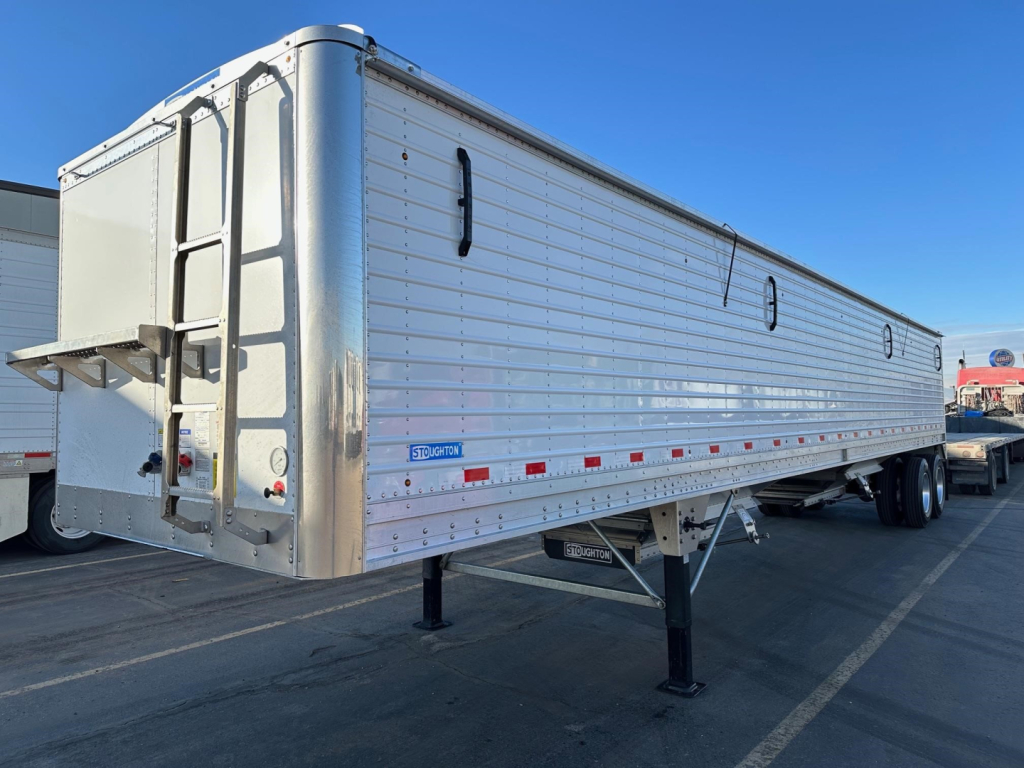
Selling a used hopper trailer? List your used hopper trailer for sale and reach thousands of commercial buyers.
Used Hopper Trailers
Side height is one of the first specs to sort out because it drives cubic capacity and load flexibility. Many used hopper trailers in the market run roughly 72-inch to 79-inch sidewalls, with taller sides favored for lighter commodities and lower sides sometimes preferred where legal payload is reached before cube. Length also changes how a trailer fits your lanes and elevators. A 42-foot or 43-foot hopper is common for grain work and general farm-to-terminal hauling, while 50-foot tri-axle units can add volume and axle flexibility in regions where bridge laws and state regulations support them. Buyers should also look closely at hopper door style, manual versus two-speed controls, and whether the trailer has ag hoppers, vibrators, or load scales for more precise unloading and weight management.
Construction details make a difference in long-term durability. Aluminum bodies help keep tare weight down, but stainless front corners, stainless rear panels, radius panels, and corrugated side panels can improve wear resistance in high-stress areas. Air ride remains the standard choice for ride quality and commodity protection, and closed tandem suspensions are common on late-model grain hoppers. Tire size can vary between low-profile 22.5 and 24.5 rubber or standard 11R22.5 and 11R24.5 setups, so it is worth checking deck height, replacement cost, and compatibility with your fleet. On used trailers, pay attention to subframe condition, crossmember integrity, gate seals, tarp arm wear, landing gear operation, and any signs of corrosion around traps, seams, and suspension mounts.
The right used hopper trailer depends on what you haul and where you unload. Farm and elevator work often calls for practical features like electric or manual roll tarps, dual ladders, catwalk access, liquid-filled scale gauges, and easy-clean hopper interiors. Feed ingredients and fertilizer may justify options such as vibrators or upgraded gate controls to improve product flow. If you run multiple states, verify axle spread, kingpin setting, and overall length against your operating area. A good hopper trailer should match your commodity density, your route restrictions, and the unload environment without adding unnecessary tare weight or maintenance complexity.
Frequently Asked Questions about Used Hopper Trailers
What is a hopper trailer used for?
A hopper trailer is used to haul free-flowing dry bulk commodities that unload through bottom discharge gates. Grain, corn, soybeans, feed, seed, meal, and some fertilizer products are common loads. The design allows gravity unloading, which speeds up turnaround at elevators, mills, and processing plants and reduces the need for external unloading equipment.
What size used hopper trailer is most common?
Many used grain hopper trailers fall in the 42-foot to 43-foot range with 96-inch width and tandem axles. Those sizes are popular because they balance payload, maneuverability, and compatibility with farm and elevator operations. Longer 50-foot tri-axle trailers are also common in some regions, especially where operators want added cubic capacity and local regulations allow the extra axle and length.
What should I inspect on a used hopper bottom trailer?
Key inspection points include hopper door operation, trap seals, tarp condition, suspension wear, brake components, wheel end service history, and frame or subframe cracking. Buyers should also inspect crossmembers, landing gear, ladders, catwalk mounts, and high-stress aluminum areas for repairs or fatigue. If the trailer has load scales, vibrators, or electric tarp systems, confirm those components work properly because repair costs can add up quickly.
Is aluminum or steel better for a hopper trailer?
Aluminum is the standard choice for most hopper trailers because it reduces tare weight and helps maximize payload. Steel may appear in selected components such as wheels or reinforcement areas for durability. Many buyers prefer aluminum bodies with stainless steel wear surfaces or corner protection, since that combination can improve corrosion resistance and service life without giving up the weight advantage of a full steel trailer.
Do side height and axle setup affect payload and legality?
Yes. Side height affects cubic capacity, while axle configuration affects bridge compliance, weight distribution, and how the trailer fits your operating region. Taller sides help with lighter commodities that cube out before they gross out. Tandem axles are common and simple to maintain, while tri-axle setups can be useful for certain state weight limits or volume needs. Buyers should match side height, axle spread, and overall trailer length to both commodity density and local regulations.