
Used 2024 Hopper Trailers For Sale
Shop used 2024 hopper trailers for grain and bulk loads. Compare 42-foot ag hoppers, side height, tarp, suspension, and trap specs.
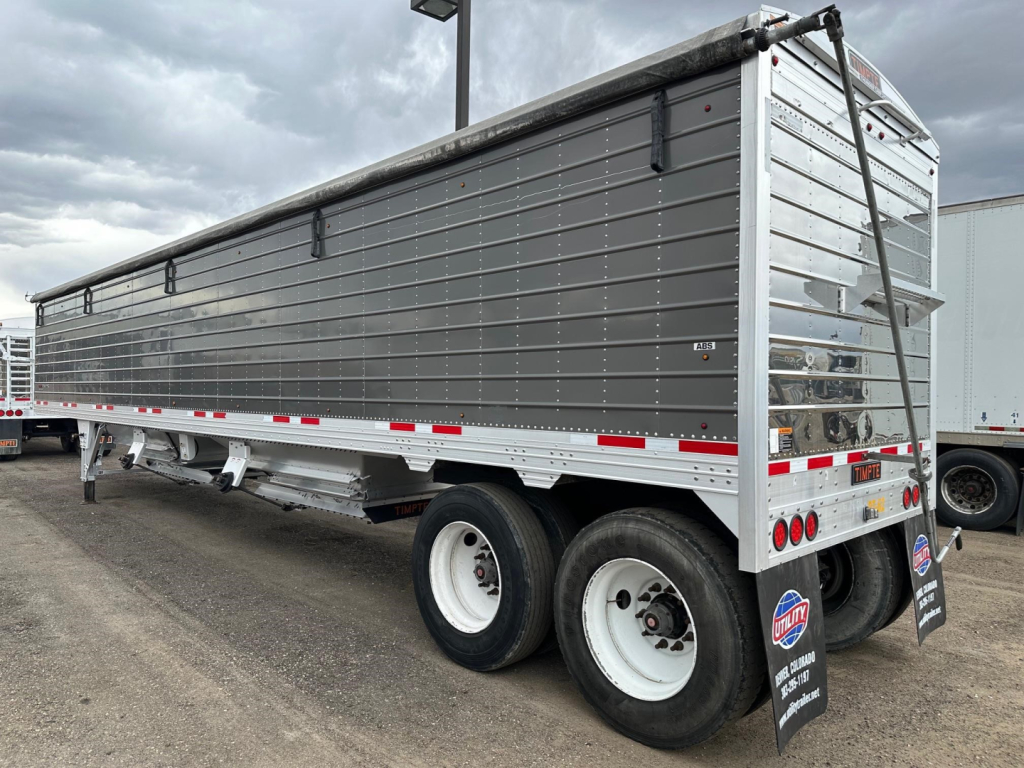
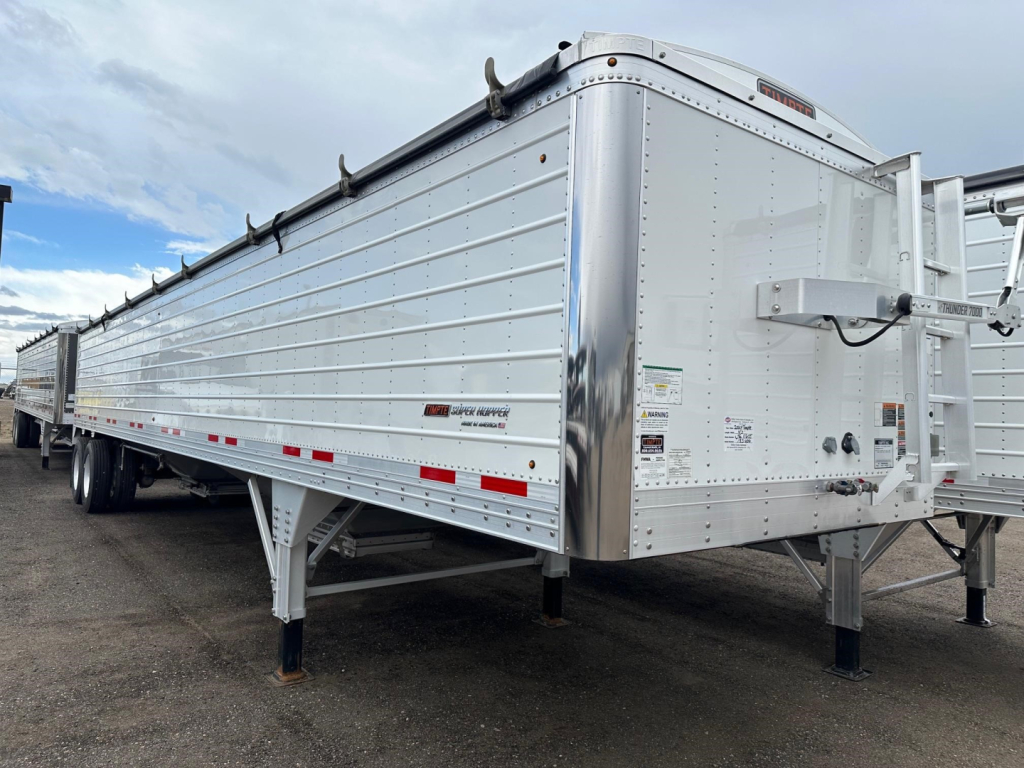
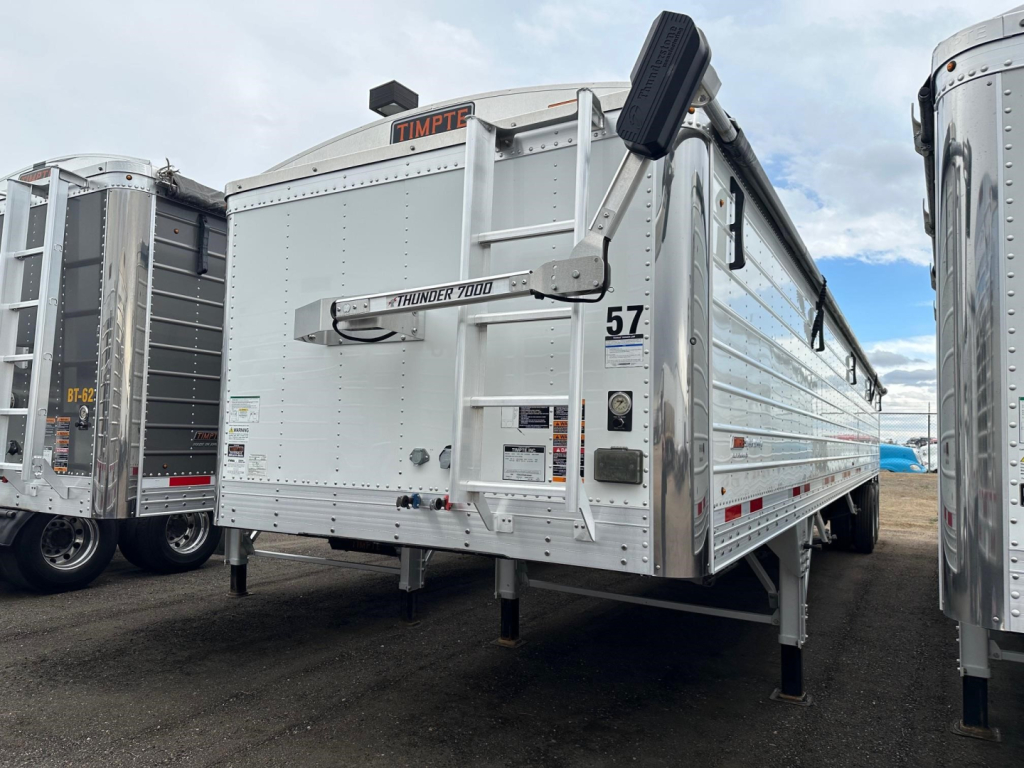
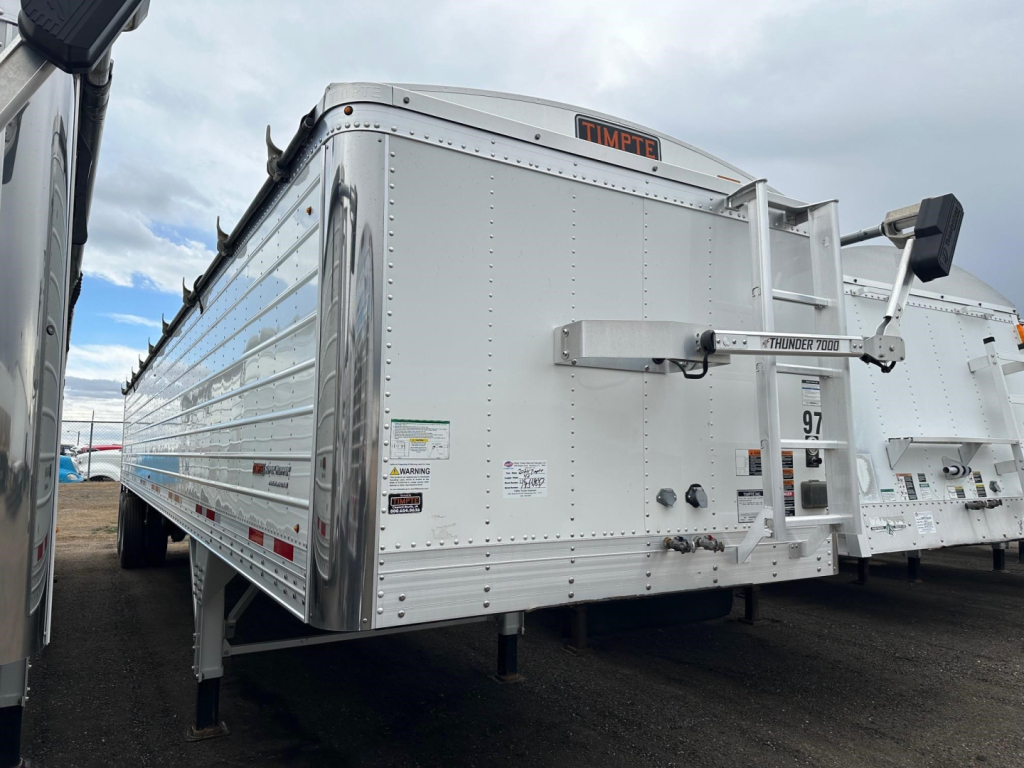
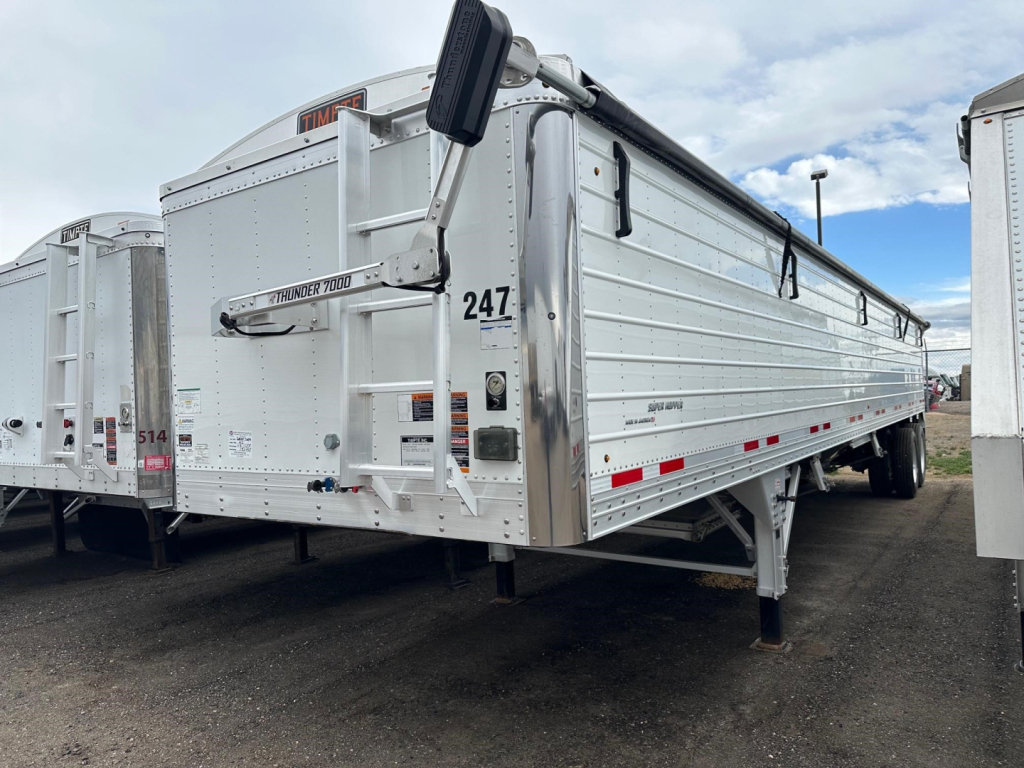
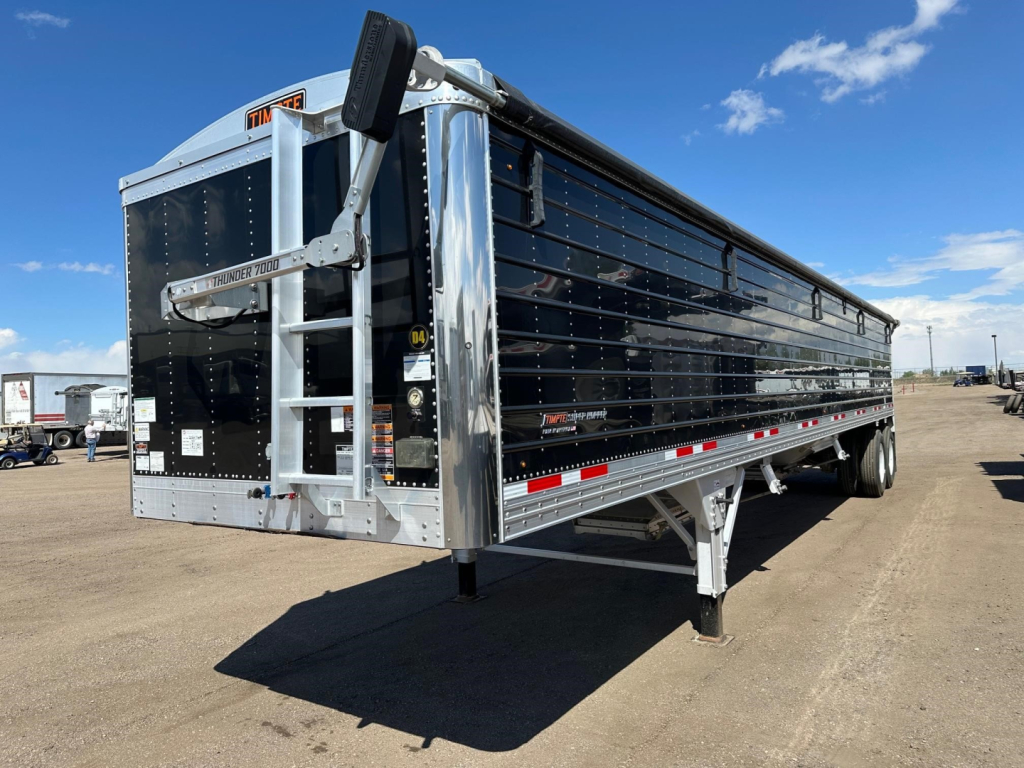
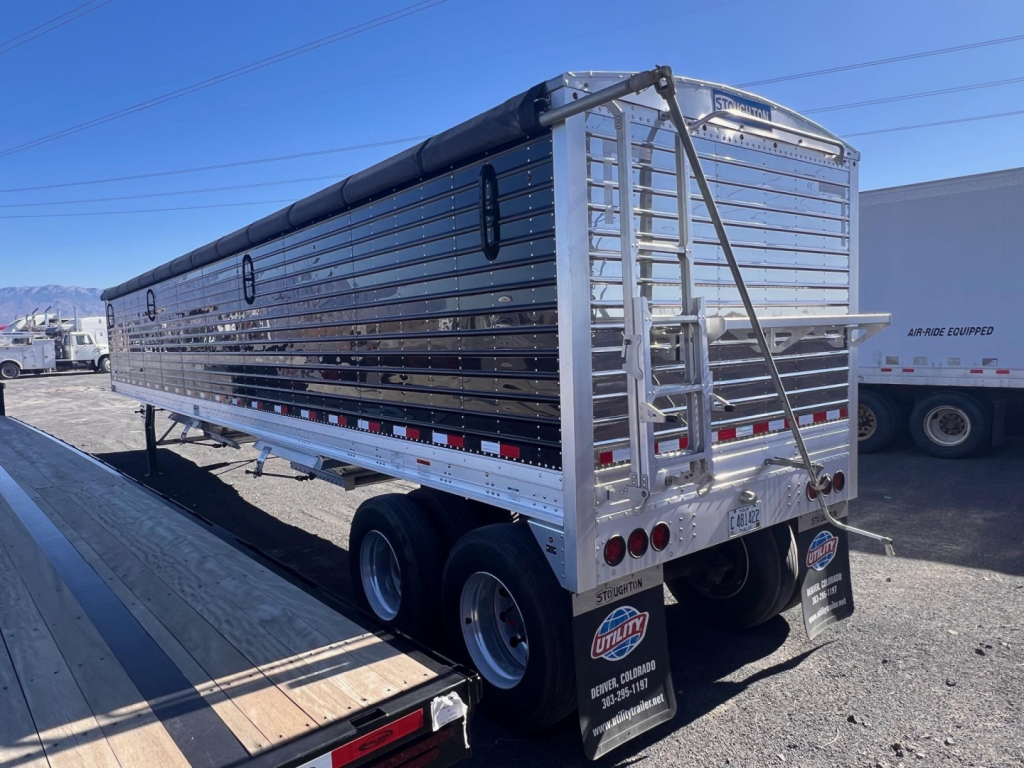
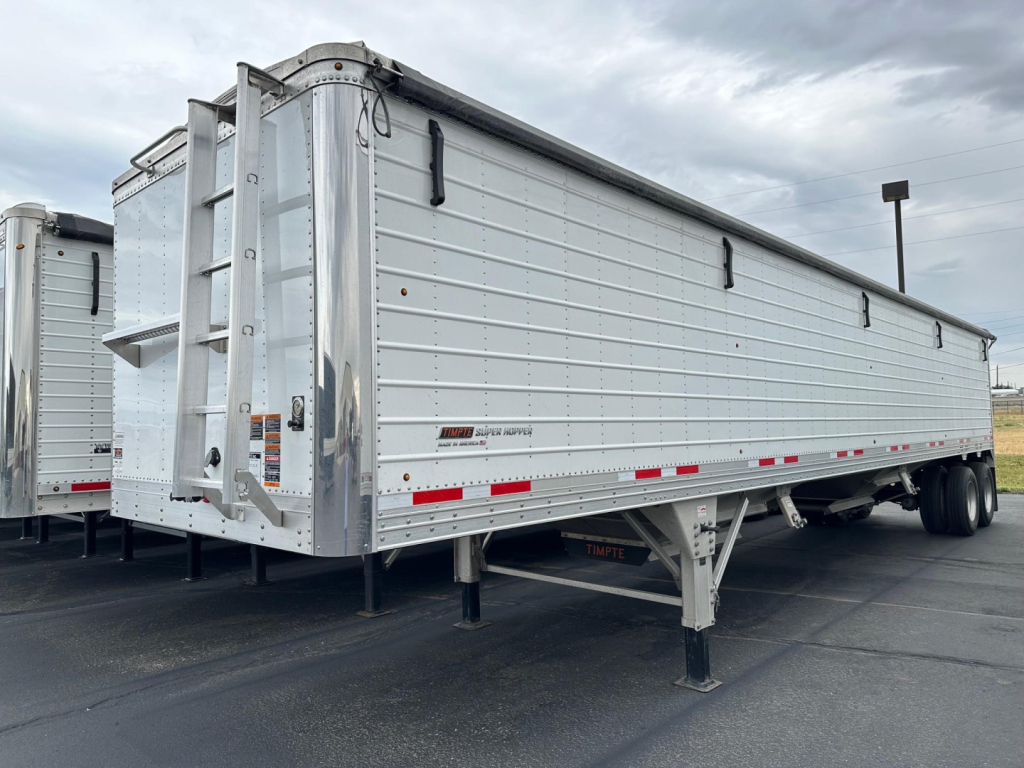
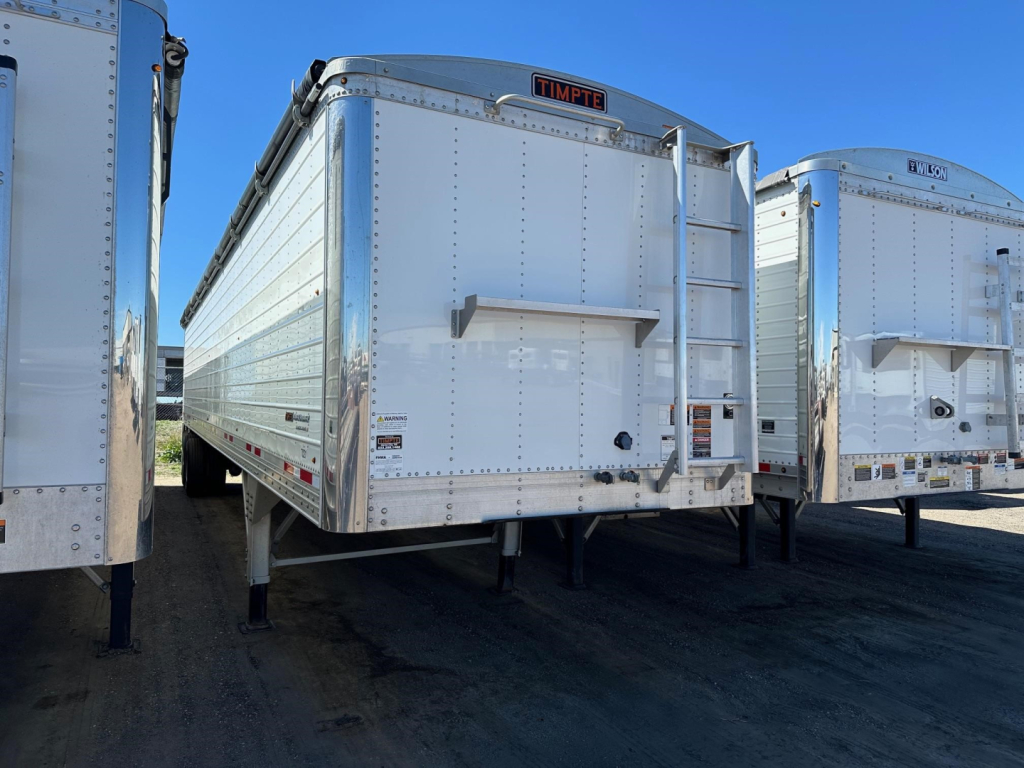
Selling a used 2024 hopper trailer? List your used 2024 hopper trailer for sale and reach thousands of commercial buyers.
Used 2024 Hopper Trailers
The first decisions are body dimensions and discharge layout. A common setup is 42' x 96", often with side heights in the mid-70-inch range, though exact cubic capacity depends on sidewall height, slope design, and hopper configuration. Two-hopper agricultural layouts remain the standard for grain hauling because they balance payload, unloading speed, and compatibility with common auger pits and receiving facilities. Corrugated side panels are common for strength without excessive weight, while stainless front corners and rear panels are often specified to improve durability in high-wear, high-moisture areas. Buyers comparing similar 2024 hopper trailers should pay close attention to trap condition, gate operation, seal wear, and the presence of options such as trap work lights, knock rails, or load gauges.
Suspension, wheel spec, and tire setup matter as much as body construction. Many late-model hopper trailers run air ride with a closed tandem, which is a practical combination for protecting the trailer structure and the commodity while maintaining predictable road manners. Outside aluminum wheels with inside steel wheels are common on used grain trailers because they balance appearance, weight, and operating cost. Tire size, tread condition, brake wear, and axle alignment deserve a close look on any used hopper, especially one that has spent time on rough farm approaches or seasonal rural roads. Manual dump valves, liquid-filled load scales, and visible suspension wear points can tell you a lot about how a trailer was spec'd and maintained.
For day-to-day use, details such as a front and rear ladder, catwalk, manual roll tarp, and lighting package make a real difference in safety and productivity. A good used 2024 hopper trailer should be evaluated for tarp bow condition, trap handle effort, hinge wear, rivet and panel integrity, and signs of product leakage around the hoppers. If the trailer will cross multiple states, check bridge-law fit, overall empty weight, and how the kingpin setting and axle spread work with your tractor and commodity limits. For operators hauling grain, feed ingredients, seed, or similar bulk loads, a late-model hopper trailer can be a strong choice when the spec matches the product density, unload setup, and route conditions.
Frequently Asked Questions about Used 2024 Hopper Trailers
What are the most important specs to compare on a used 2024 hopper trailer?
The most important specs are overall length, width, side height, cubic capacity, hopper layout, suspension type, wheel and tire setup, and tarp configuration. On grain trailers, many buyers also compare trap style, gate opening size, load scale equipment, and stainless wear components such as front corners or rear panels. A trailer with the right capacity but the wrong axle setup, kingpin setting, or hopper discharge layout can be less efficient than a smaller trailer that fits your routes and unload points correctly.
What is a hopper trailer used for?
A hopper trailer is used to haul free-flowing bulk commodities that unload by gravity through bottom gates. Common loads include corn, soybeans, wheat, milo, feed, seed, and some fertilizer products, depending on liner, seal, and corrosion considerations. Hopper trailers are popular in agricultural hauling because they can be loaded quickly, scaled accurately, and unloaded into pits or augers without tipping the trailer.
Is air ride better than spring ride on a grain hopper trailer?
Air ride is preferred by many buyers because it generally offers a smoother ride, reduced vibration, and less stress on the trailer structure and commodity. That can help preserve trailer condition over time and improve stability on mixed road surfaces. Spring ride can still appeal for simplicity and lower upfront cost, but on a late-model used hopper trailer, air ride is often the more desirable spec for resale value and daily operating comfort.
How do I inspect a used hopper trailer before buying?
Start with the trap assemblies, hopper cones, subframe, crossmembers, suspension mounts, brakes, tires, and wheels. Then inspect the tarp system, ladders, catwalk, rear frame, lighting, wiring, and any visible cracks, corrosion, patching, or product leakage stains. Open and close the gates to check for smooth travel and seal wear, and look closely at the kingpin area and landing gear for signs of stress or hard use. Service records and evidence of regular brake, bearing, and suspension maintenance add real value on a used trailer.
What side height is best for a hopper bottom trailer?
The best side height depends on the commodity, target payload, and legal weight limits in your operating area. Taller sides increase cubic capacity, which helps with lighter commodities, but dense products may hit legal gross weight before the trailer is full. Many grain operators choose a mid-to-tall side height that balances versatility across corn, beans, and wheat while keeping loading and route flexibility practical. The right answer is the side height that matches your commodity density and scale strategy, not simply the tallest body available.