
Used 2024 Hopper Trailers For Sale in Colorado
Shop used 2024 hopper trailers in Colorado. Compare grain specs, side height, tarp type, suspension, hopper design, and ag hauling features.
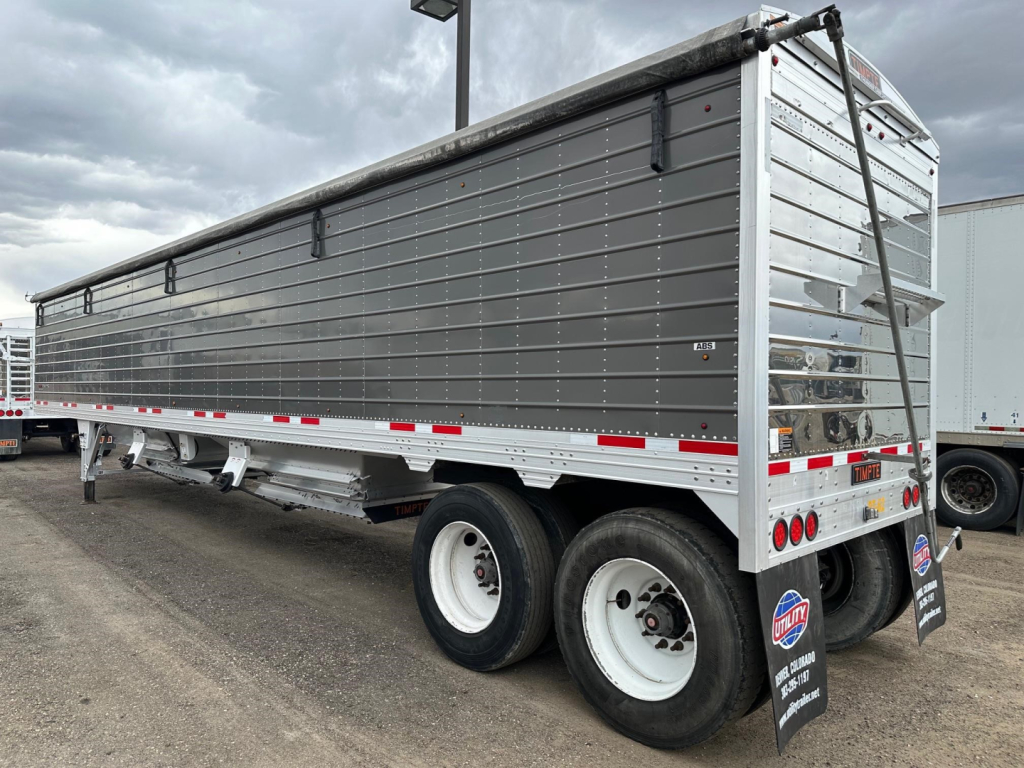
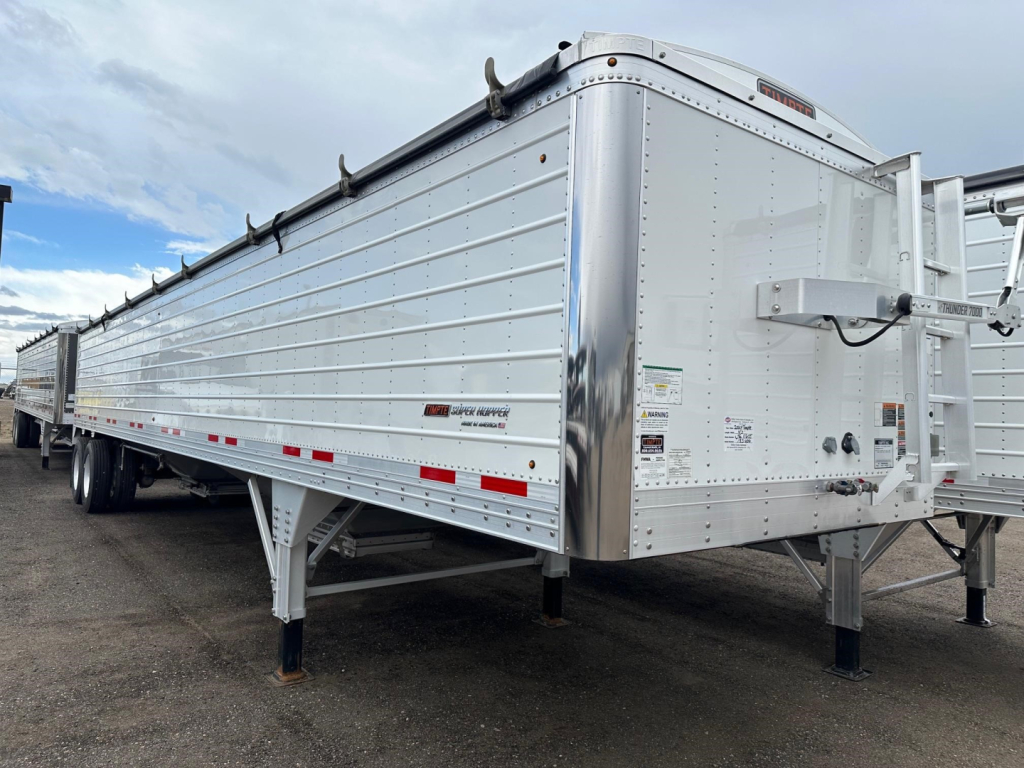
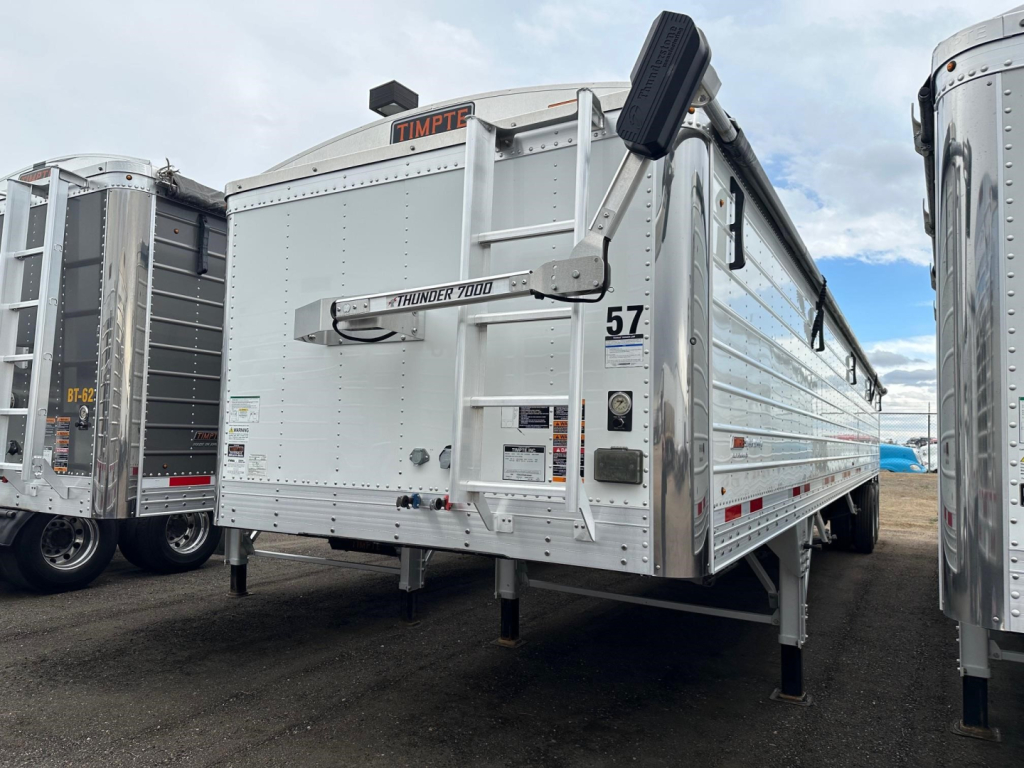
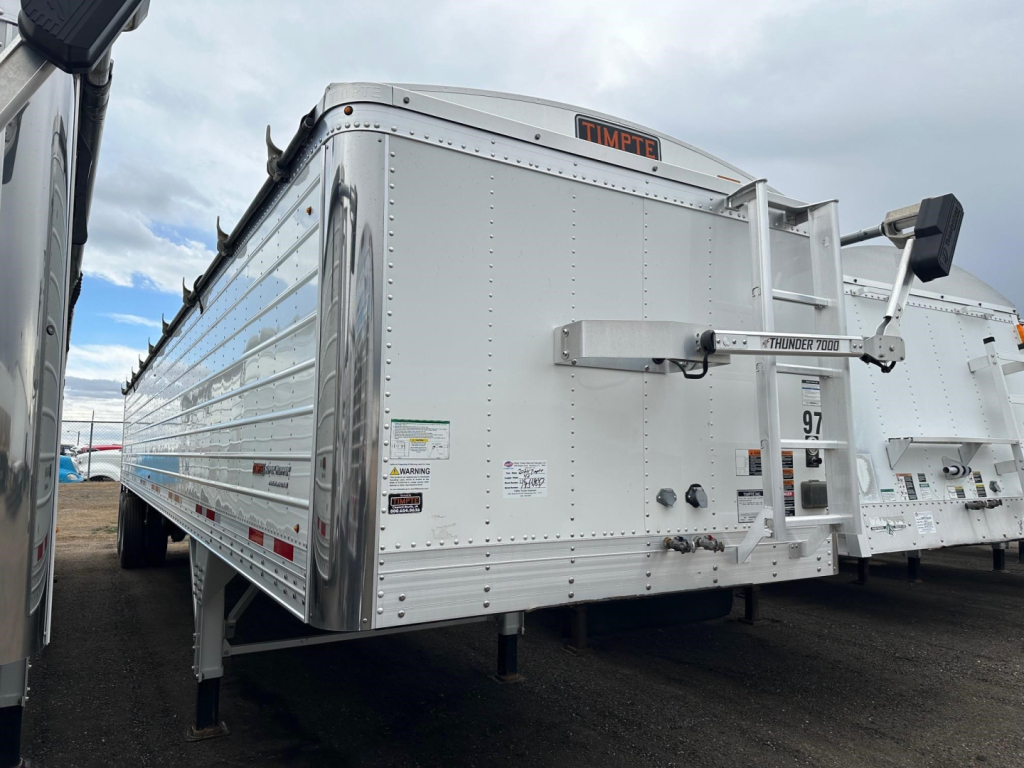
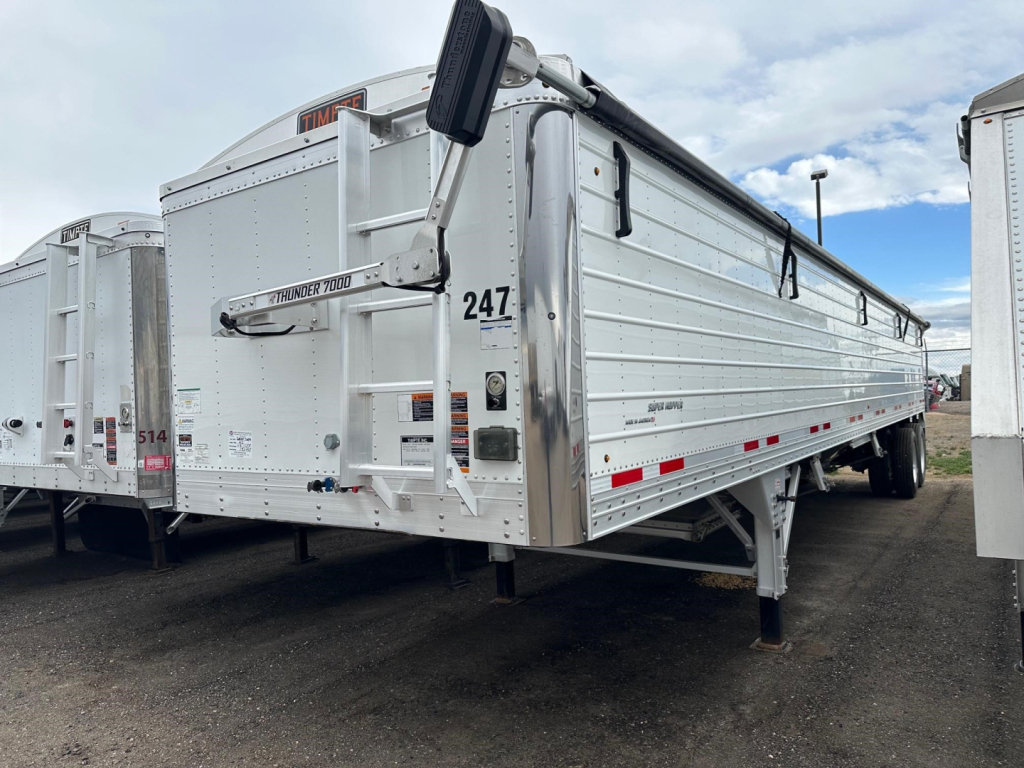
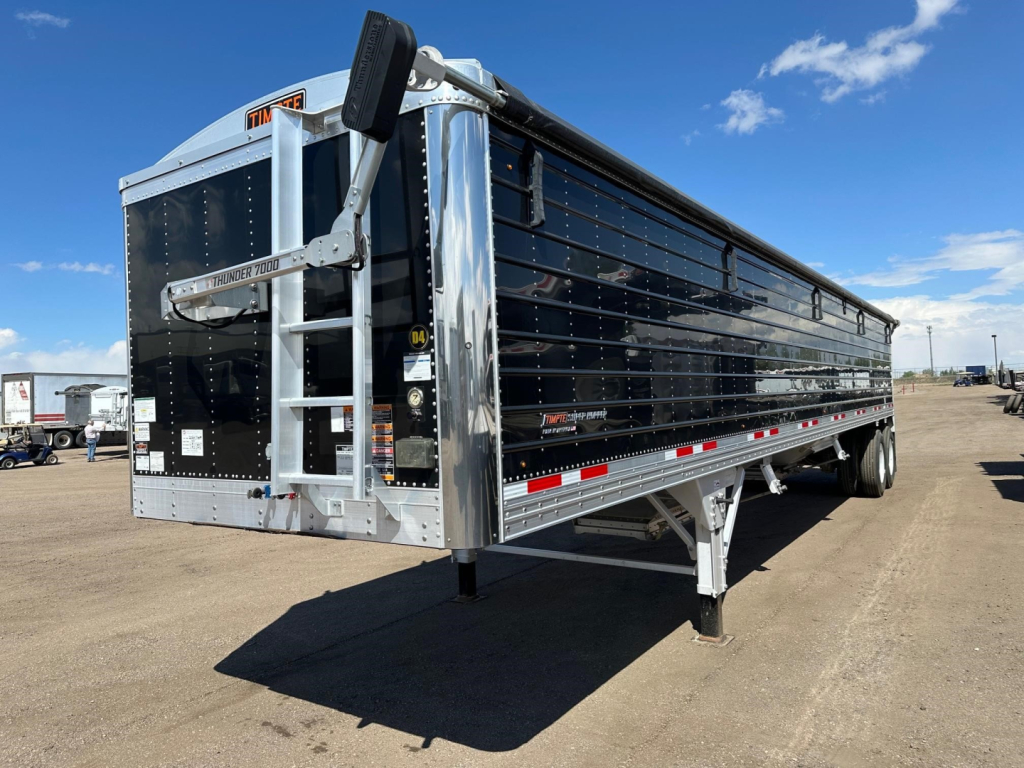
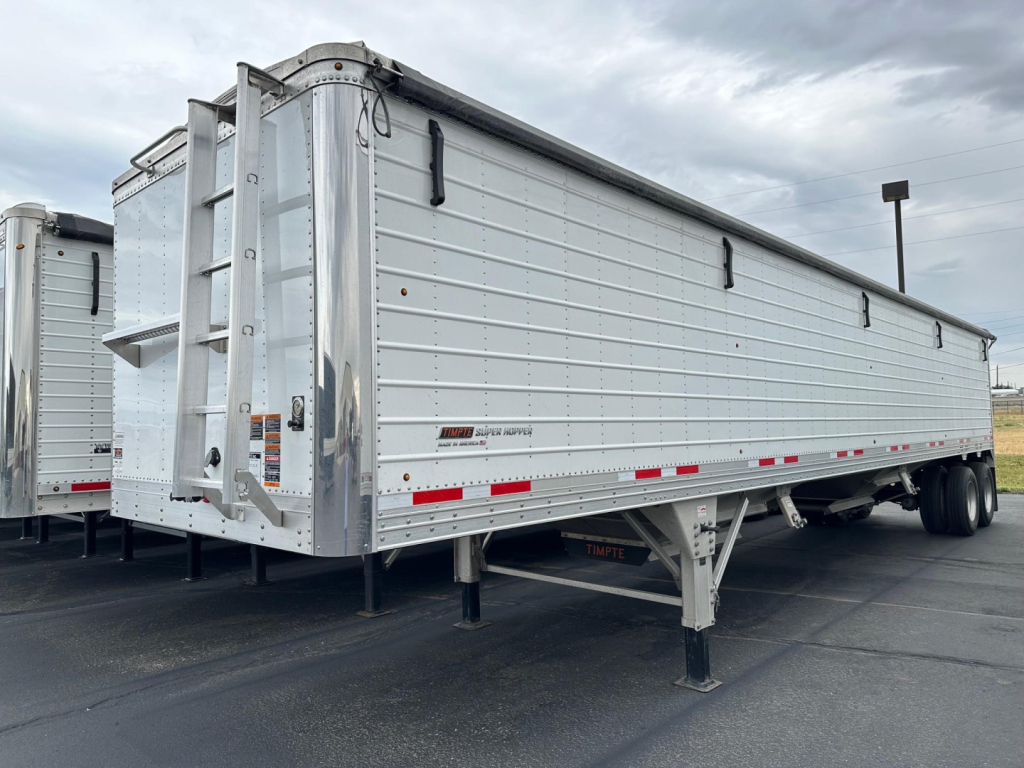
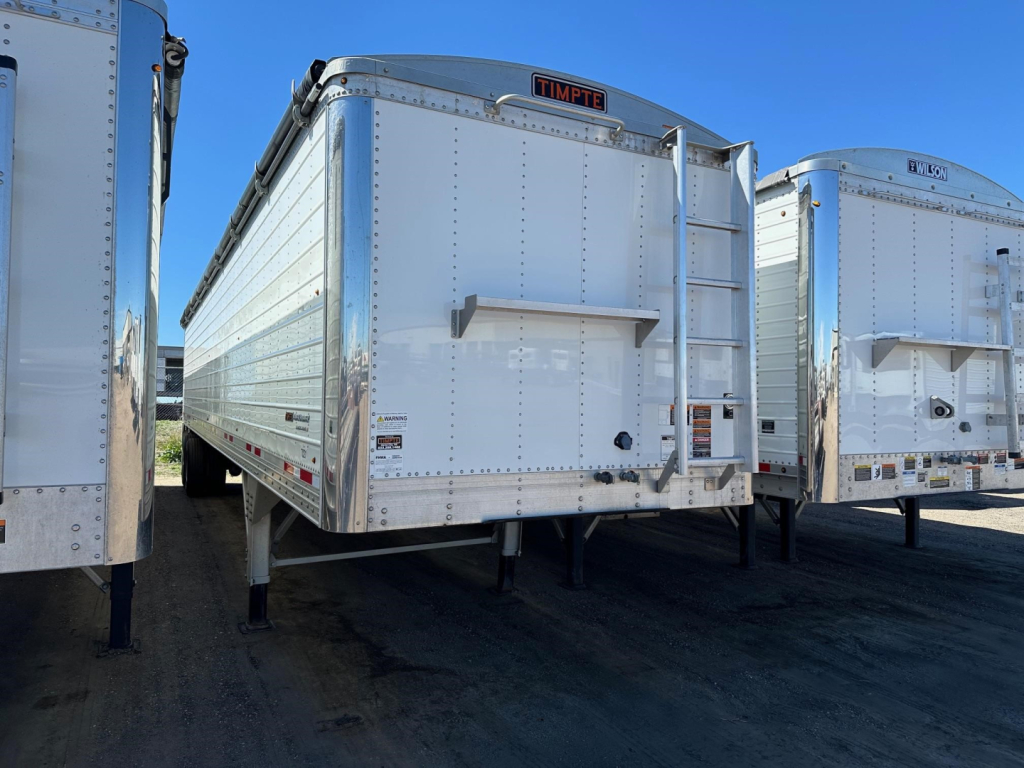
Selling a used 2024 hopper trailer? List your used 2024 hopper trailer for sale and reach thousands of commercial buyers.
Used 2024 Hopper Trailers in Colorado
For a 2024 model year, buyers should pay close attention to the spec package rather than assuming all hopper trailers are the same. Side heights around 66 to 74 inches can make a meaningful difference in volume and commodity flexibility. Tarp choice is another key divider. Manual rollover tarps keep cost and maintenance lower, while electric tarps save time and reduce effort on frequent load cycles. Air ride suspension is common on newer hopper trailers and helps protect both trailer structure and cargo on rougher secondary roads. Tire size, wheel material, and options such as tire inflation systems, load gauges, dump valves, trap lights, and stainless front or rear panels can also affect long-term operating cost and ease of use.
Construction details matter on a used hopper trailer because this category works in abrasive, high-cycle service. Corrugated side panels, stainless front corners, catwalks, front and rear ladders, and reinforced hopper areas are all worth inspecting closely. Trap operation should be smooth and consistent, with no signs of binding, leakage, or uneven wear at the gates and rails. Buyers hauling grain in dry climates like eastern Colorado often look for clean seals, sound tarp bows, and solid rear light packages because dust, weather, and repetitive loading cycles can expose weak points quickly. Wheel-end service history, suspension condition, tire wear pattern, and any evidence of floor or subframe stress should carry as much weight as the trailer's appearance.
The best used 2024 hopper trailer is the one matched to the commodity and route. A lighter-spec grain trailer may be ideal for farm-to-elevator runs, while a more heavily optioned unit with electric tarp, scale gauge, and premium corrosion-resistant panels can make sense for higher-frequency commercial hauling. Timpte, Wilson, Stoughton, and similar builders are common names in this segment, and most buyers compare them on tare weight, gate performance, panel construction, and resale strength. If the trailer will spend most of its time in agricultural service, practical features like knock rails, accessible traps, dependable tarp systems, and easy-to-clean hopper interiors usually matter more than cosmetic extras.
Frequently Asked Questions about Used 2024 Hopper Trailers in Colorado
What are the most important specs to compare on a used 2024 hopper trailer?
The main specs are trailer length, width, side height, hopper count, suspension type, tarp system, and tare weight. Most grain hopper trailers in this class are around 42 feet by 96 inches with tandem axles and two hoppers, but side height can change cubic capacity and commodity flexibility. Buyers should also compare gate style, wheel and tire setup, load gauge options, and corrosion-resistant components such as stainless front corners or rear panels.
What is a hopper trailer mainly used for?
A hopper trailer, often called a grain hopper or grain trailer, is designed for bulk commodities that need to unload through gravity-fed bottom gates. Common loads include corn, wheat, milo, soybeans, feed ingredients, and some fertilizer products. The design allows fast unloading at elevators, mills, and agricultural receiving points without tipping the trailer.
Is air ride important on a used hopper trailer?
Air ride is a desirable spec on many late-model hopper trailers because it improves ride quality, helps reduce vibration, and can be easier on the trailer structure over uneven roads. It is especially useful for operators running mixed highway and rural routes. A well-maintained air ride suspension can also help with tire wear and overall trailer stability, but condition and service history matter more than the suspension type alone.
What should I inspect on a used hopper trailer before buying?
Focus on the hopper gates, seals, trap mechanisms, tarp system, suspension, brakes, wheel ends, tires, and structural areas around the hoppers and subframe. Look for signs of corrosion, cracking, impact damage, floor wear, and uneven tire wear that could indicate axle or suspension issues. On a newer 2024 unit, buyers should also verify that electrical components, lights, dump valves, and any scale or tire inflation systems are working properly.
How do side height and hopper design affect capacity and hauling flexibility?
Side height is one of the biggest drivers of cubic volume, so a 74-inch side trailer can usually carry more volume than a 66-inch side trailer, depending on the overall build. Hopper design affects discharge speed, cleanout, and how well different commodities flow. Buyers hauling a range of agricultural products often prefer a trailer with dependable ag hoppers, easy gate control, and an interior that sheds material cleanly between loads.