
Used 2025 Van Trailers For Sale
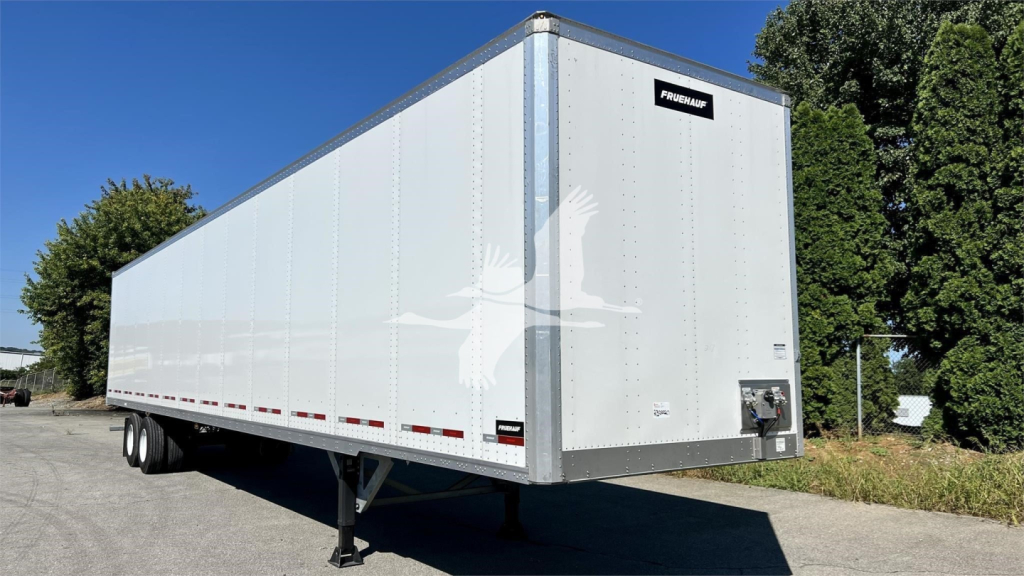
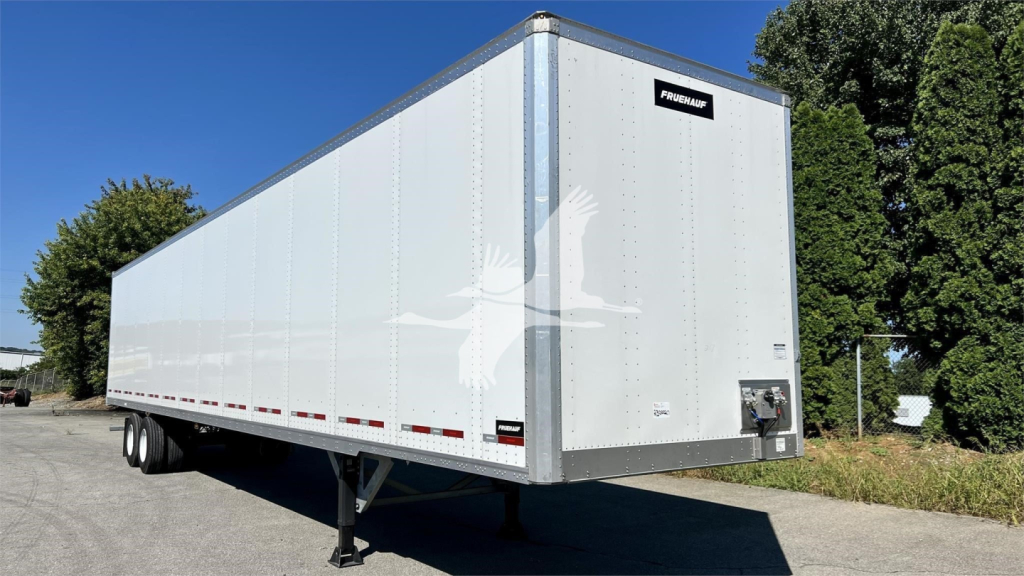
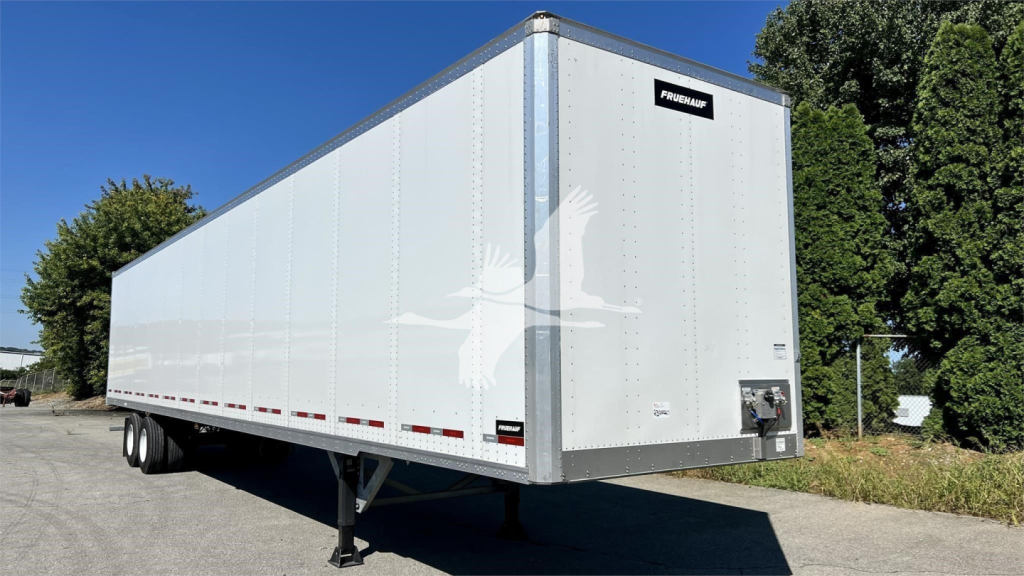
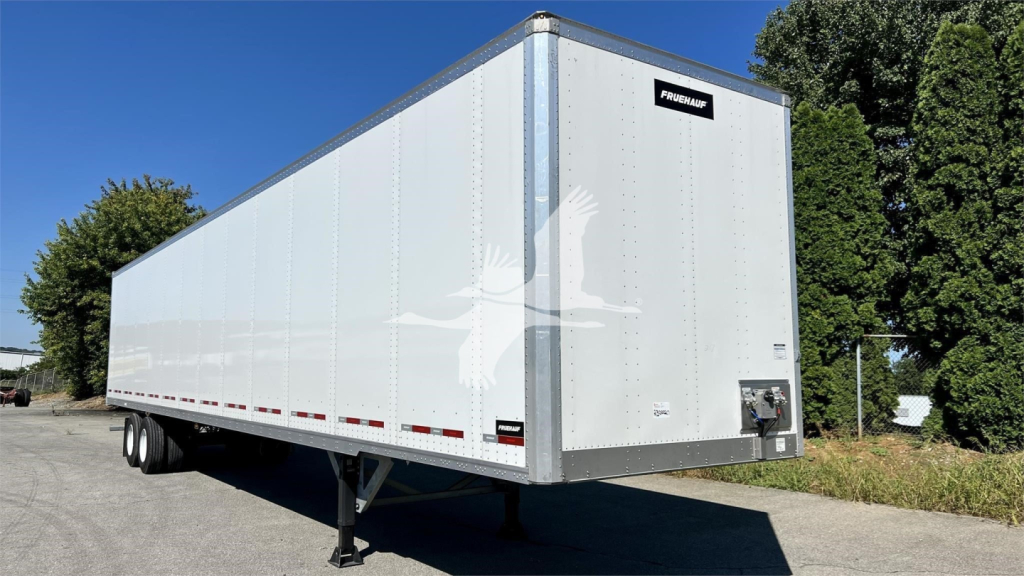
Shop used 2025 van trailers for sale. Compare dry van specs, 53-foot configurations, tandem setups, floors, doors, and cargo-ready features.
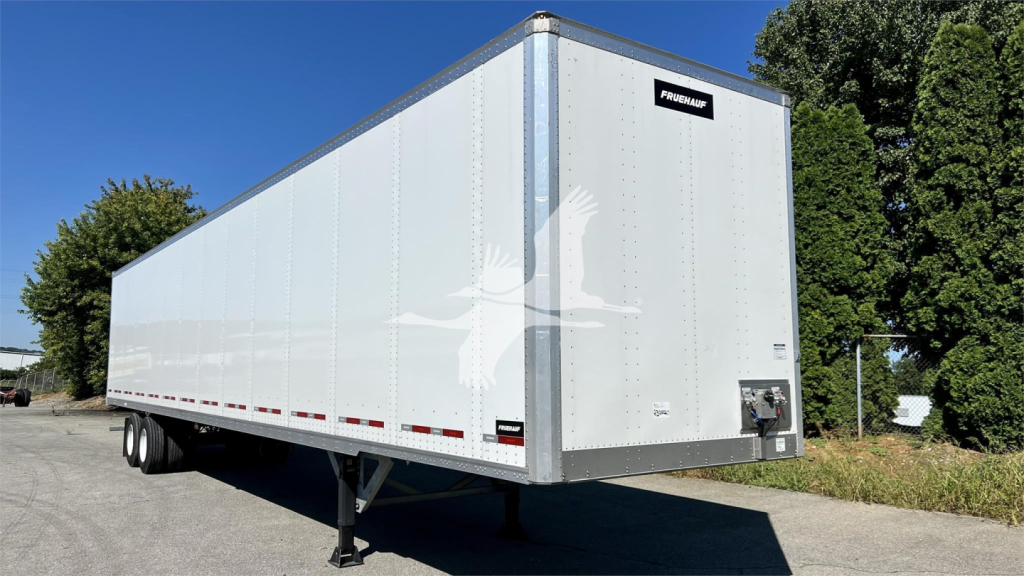
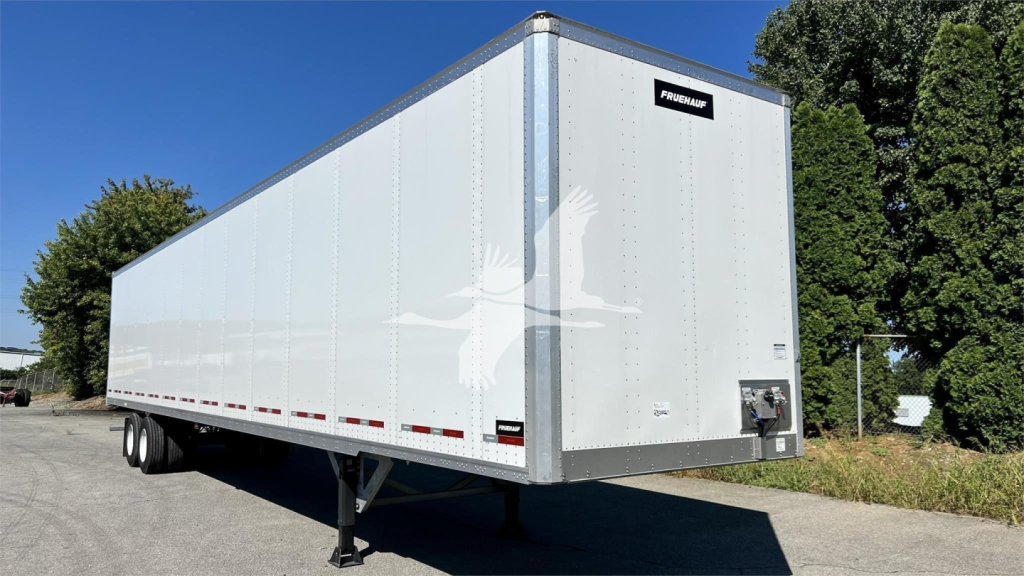
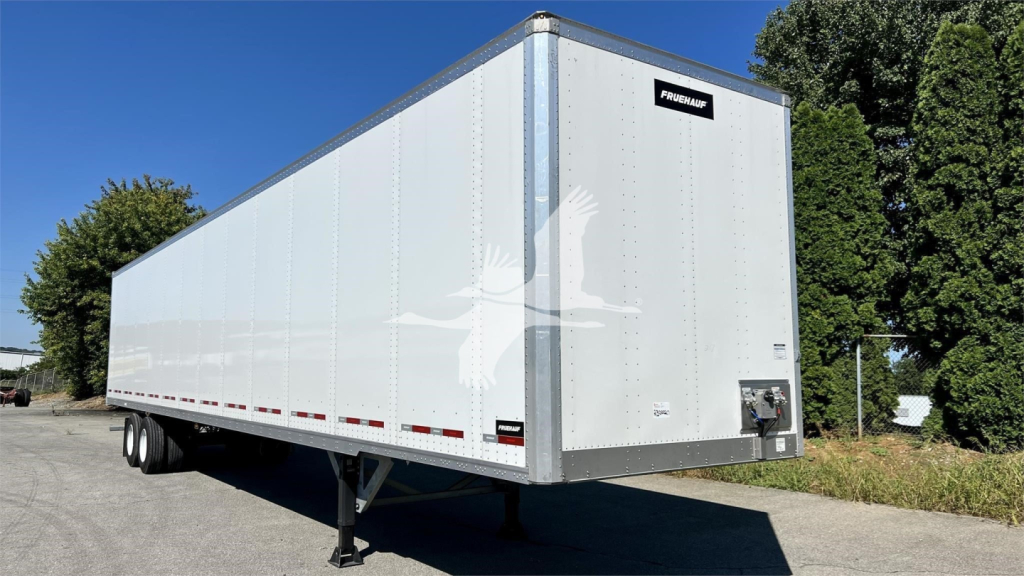
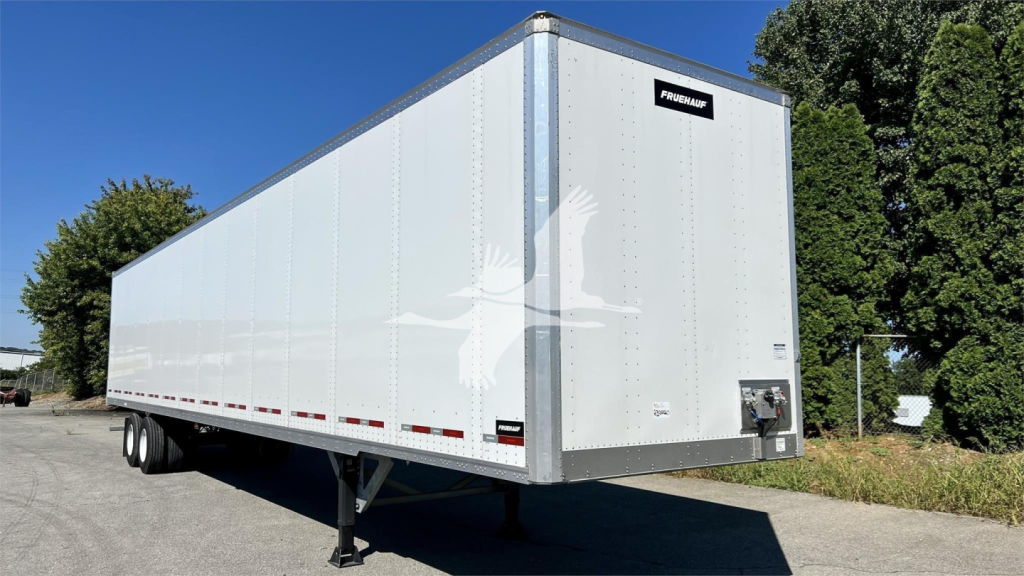
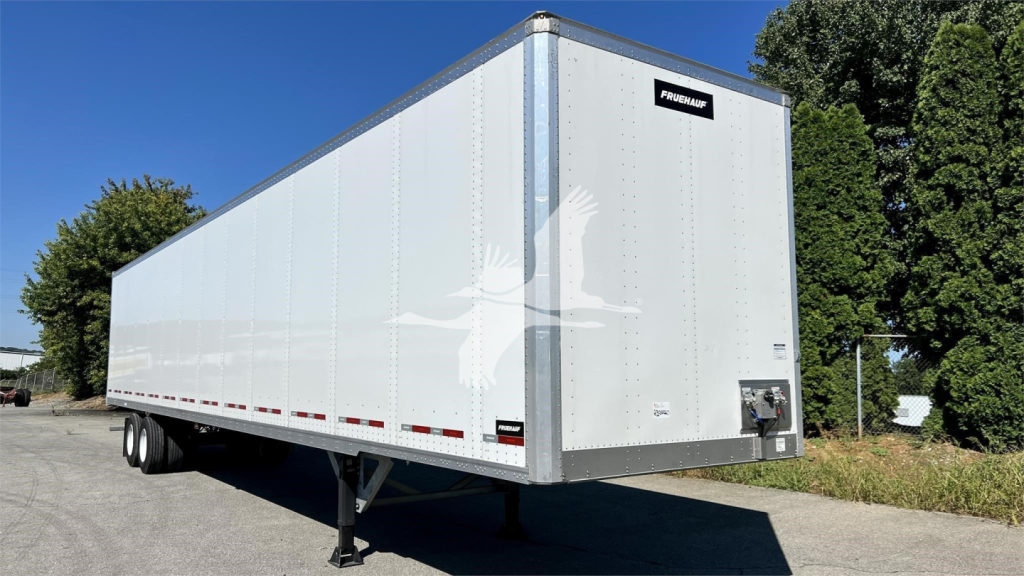
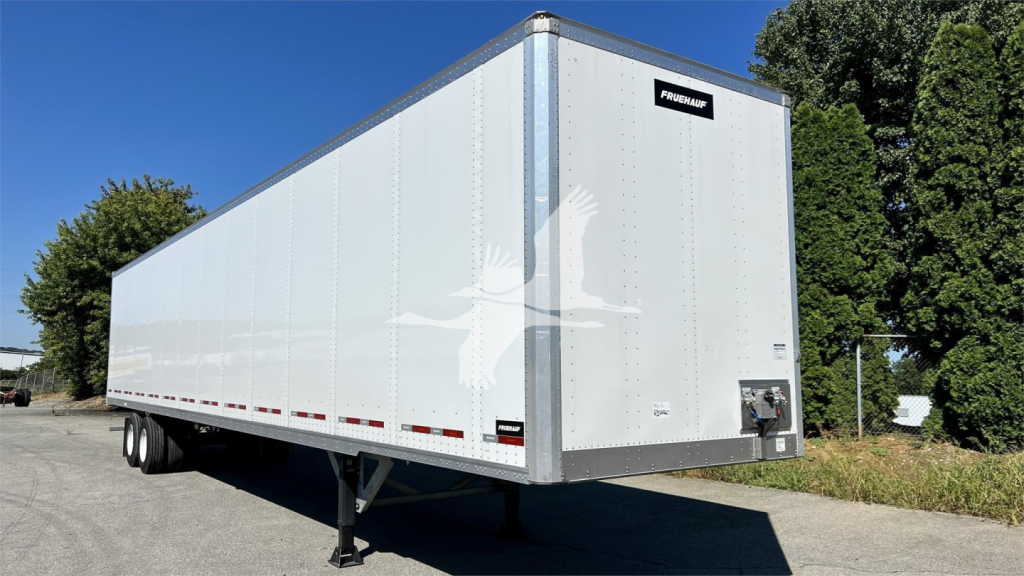
Have used 2025 van trailer to sell? List it here to reach thousands of buyers.
Used 2025 Van Trailers
The biggest buying decisions usually come down to body construction, suspension, and trailer setup. Buyers should look closely at sidewall composition, roof material, rear frame corrosion resistance, floor thickness, and crossmember spacing. Aluminum roof skins, galvanized rear frames, composite side panels, hardwood floors, and logistics post layouts are common on newer van trailers. Sliding tandem suspensions remain popular because they help with bridge law compliance and axle weight distribution, while air ride suspension is often preferred for ride quality and freight protection. Kingpin setting, landing gear brand, tire size, and brake configuration also deserve attention because they affect tractor compatibility, maintenance costs, and how easily the trailer fits into an existing fleet spec.
Cargo handling details make a real difference in daily use. Swing doors are common for full-width dock access and lower long-term repair cost, while roll-up doors can be useful in some urban or high-cycle applications but may reduce clear opening height. Inside, buyers often want logistics posts, scuff liners, nose lining, threshold reinforcement, and durable flooring that can stand up to forklifts and repeated dock impact. A 2025 used van trailer may also include fleet-friendly upgrades such as tire inflation systems, anti-lock brakes, aerodynamic treatments, dock-lock compatible bumpers, and telematics-ready wiring. Trailer tare weight matters too, especially for fleets running close to cube and payload limits, so it is worth balancing lightweight construction against the durability needed for rougher freight cycles.
For most operations, the right van trailer is the one that matches lane profile and loading style. Long-haul irregular route carriers may prioritize air ride, low maintenance corrosion protection, and strong resale value. Dedicated retail or warehouse fleets may care more about interior width consistency, logistics track layout, door durability, and floor life. Regional fleets working tight urban docks may pay more attention to swing clearance, tandem slide range, and overall trailer condition around the rear sill, crossmembers, and landing gear mounts. On a used 2025 model, buyers should still inspect for roof leaks, floor delamination, sidewall damage, prior repairs, ABS faults, tire wear patterns, and evidence of hard dock use, because late-model age does not always mean light-duty service.
Frequently Asked Questions about Used 2025 Van Trailers
What is the most common size for a van trailer?
The most common van trailer size in the North American freight market is 53 feet long, 102 inches wide, and up to 13 feet 6 inches overall height. That format dominates dry van freight because it balances legal road dimensions with strong cubic capacity and broad dock compatibility. Some fleets still use 48-foot vans for regional work, weight-sensitive operations, or legacy lane requirements, but 53-foot trailers are the standard for most general freight applications.
What should I inspect first on a used 2025 van trailer?
Start with the floor, roof, rear frame, suspension, brakes, tires, and door operation. A late-model trailer can still show heavy wear if it has lived on high-cycle dedicated routes or seen repeated forklift traffic. Check for soft spots or fastener pull-through in the floor, signs of water intrusion at the roof and front wall, dock impact at the rear sill and bumper, uneven tire wear, and any ABS or lighting issues. Also confirm tandem slide function, landing gear condition, and any prior structural repairs to side panels or crossmembers.
Is air ride better than spring ride on a dry van trailer?
Air ride is generally preferred on newer dry van trailers because it provides better ride quality, helps protect freight, and is widely accepted in higher-spec fleet operations. It can reduce cargo shift and vibration compared with basic spring suspension. Spring ride can still be serviceable and less complex in some applications, but air ride is typically the better fit for mixed freight, retail goods, paper products, and other cargo where load stability matters.
Are swing doors or roll-up doors better on a van trailer?
Swing doors are usually the standard choice for full trailer cube, simple maintenance, and maximum rear opening height. They work well in dock environments where there is enough clearance to open the doors fully. Roll-up doors can be useful in tight delivery areas or certain route applications where drivers need quick rear access without door swing, but they add weight, reduce opening height, and can be more expensive to repair over time.
What features add value on a used late-model van trailer?
The strongest value features are the ones that reduce operating cost and extend service life. Buyers tend to place more value on galvanized rear frames, composite or corrosion-resistant side construction, quality hardwood floors, air ride suspension, sliding tandems, tire inflation systems, good brake and tire spec, and clean logistics-ready interiors with scuff protection. Consistent fleet maintenance history and a trailer spec that matches common tractor setups can matter just as much as brand name when it comes to long-term ownership cost and resale.