
Used 2025 Utility Trailers For Sale
Shop used 2025 Utility trailers, including reefer and dry van models, with buyer-focused details on specs, applications, maintenance, and options.
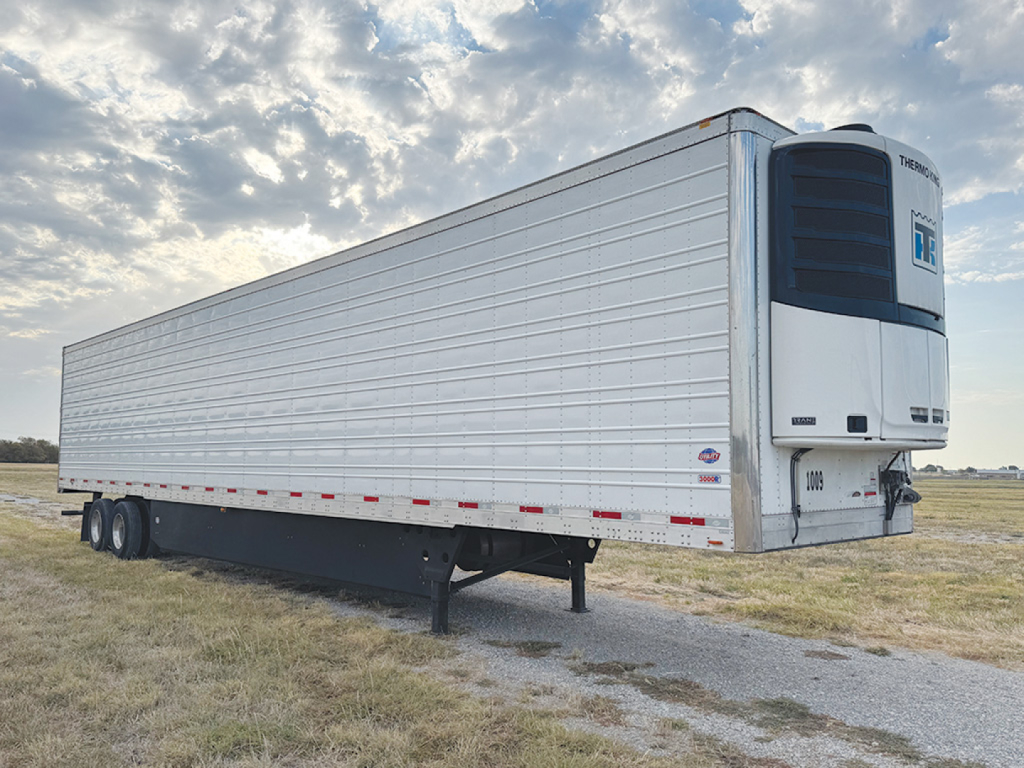
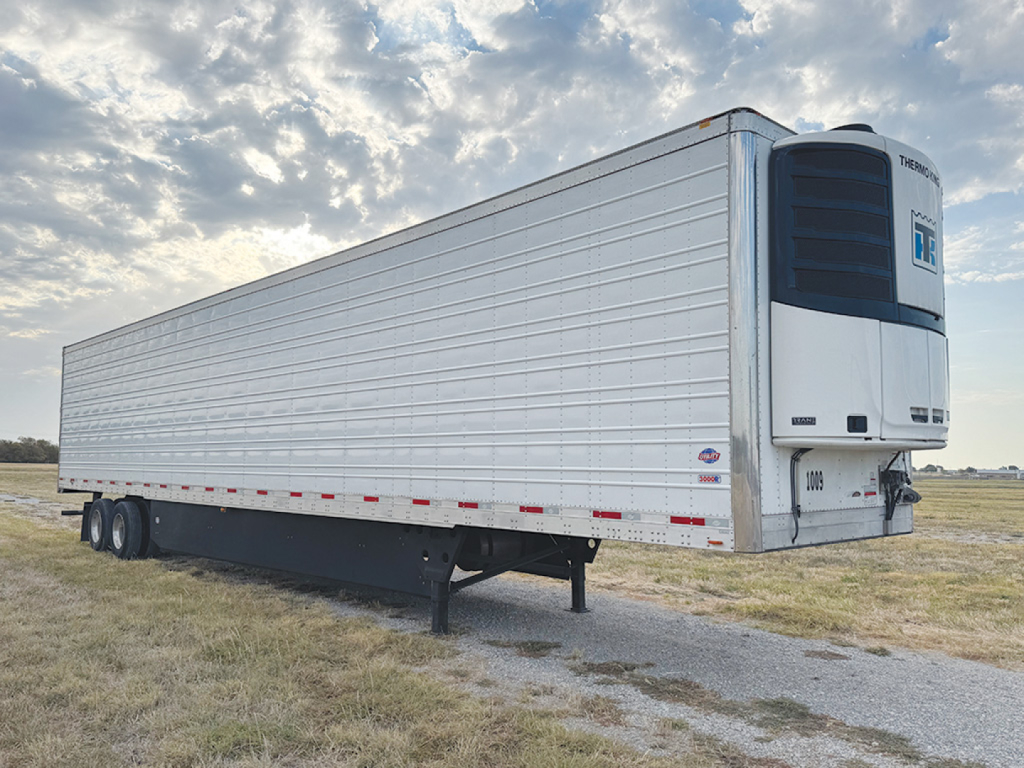
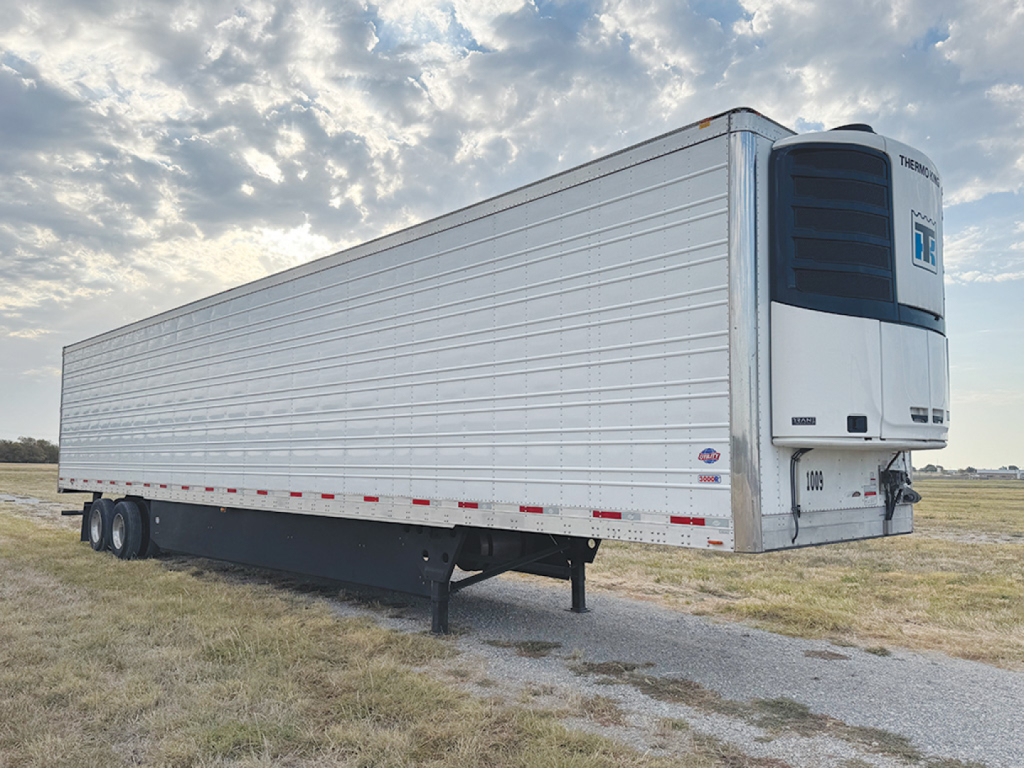
Have used 2025 utility trailer to sell? List it here to reach thousands of buyers.
Used 2025 Utility Trailers
For refrigerated Utility trailers, the reefer unit matters as much as the box. Buyers should compare Thermo King and Carrier units by model, engine hours, service history, emissions compliance, and operating mode. California-legal units, chute systems, aluminum duct floors, rear vents, quilted stainless swing doors, and interior liner condition all affect productivity and temperature control. Scuff liners, wearbands, door protector plates, and stainless front corners are worth close attention because they tell you how the trailer was spec'd for dock work and food-grade use. A late-model Utility reefer is commonly used in grocery, frozen food, produce, dairy, and pharmaceutical lanes where insulation performance, floor condition, and tight door seals directly affect revenue.
On the dry van side, Utility trailers are often chosen for their light weight, structural durability, and broad service network. Common buyer checkpoints include floor type, roof construction, base rail design, suspension, tire inflation systems, door style, and wheel material. Features like PSI tire inflation, composite or swing doors, aluminum roofs, and air ride suspension can reduce downtime and cargo claims when the trailer is running high-cycle freight. If the trailer will haul palletized general freight, packaging, retail loads, or drop-and-hook volume, inspect the floor for forklift wear, check crossmember condition, and confirm tandem slider operation and kingpin area integrity. Those details matter more than paint when the trailer is expected to stay in rotation every day.
A used 2025 Utility trailer is generally a strong fit for buyers who want current-spec equipment with fewer lifecycle unknowns than older units. The best choice comes down to freight type, maintenance discipline, and operating geography. Reefer buyers should weigh insulation, unit hours, and temperature-control components against lane demands. Dry van buyers should focus on tare weight, floor life, and damage patterns around doors, rails, and suspension points. Across both categories, a careful review of DOT history, tire date codes, brake life, wheel-end condition, and any fleet maintenance records will tell you more than the model year alone.
Frequently Asked Questions about Used 2025 Utility Trailers
What are the most common Utility trailer types a buyer will see in late-model used inventory?
The most common late-model Utility trailers are 53-foot refrigerated trailers, often from the 3000R series, and 53-foot dry vans from the 4000D-X family. Reefer models are built for temperature-controlled freight and typically include a Thermo King or Carrier unit, insulated walls, an aluminum duct floor, and sealed rear doors. Dry vans are used for general freight and are usually spec'd with air ride suspension, swing or roll doors, wood floors, and tandem sliders. The right type depends first on cargo, then on route profile, dock conditions, and weight sensitivity.
What should I check first on a used Utility reefer trailer?
Start with the refrigeration unit hours, maintenance records, and emissions compliance, especially if the trailer may run in California or other regulated markets. After that, inspect the box itself for liner damage, floor wear, rear door seal condition, chute integrity, and signs of moisture intrusion. Look closely at the duct floor, scuff areas, stainless front corners, and suspension components. A reefer trailer can look clean outside and still need expensive work if the unit has poor service history or the interior has been abused by forklifts and dock traffic.
Are Utility dry vans considered a good fleet trailer for high-mileage use?
Yes. Utility dry vans have a strong reputation in fleet service because they are widely supported, straightforward to maintain, and commonly spec'd for long-haul and regional freight. Buyers like them for consistent parts availability, familiar construction, and resale strength. The real determinant is the original spec and how the trailer was maintained. A well-kept dry van with sound floors, healthy suspension, good tandem slider function, and no major structural damage is generally a better buy than a newer trailer with poor maintenance history.
How important are options like air ride suspension and tire inflation systems on a used Utility trailer?
They matter because they affect cargo protection, tire life, and maintenance cost. Air ride suspension helps reduce shock to freight and is often preferred in food service, retail, and higher-value lanes. Automatic tire inflation systems such as PSI can extend tire life and reduce roadside failures when they are working properly. On a used trailer, these options add value only if they have been maintained. Inspect air bags, valves, lines, and inflation components carefully rather than assuming the option still performs as intended.
Does model year 2025 automatically mean a used Utility trailer is low risk?
No. A 2025 model is late-model equipment, but risk is driven by service history, freight application, and operating environment. A trailer that ran harsh dock service, heavy urban delivery, or continuous team operation may show more wear than its age suggests. Buyers should verify brake and tire condition, wheel ends, frame and crossmember integrity, trailer ABS function, and any available inspection or PM records. Model year helps, but maintenance quality and actual use history are what determine long-term value.