
Used 2025 Stoughton Trailers For Sale
Browse used 2025 Stoughton trailers, including dry van configurations known for durable construction, logistics-ready interiors, and fleet appeal.
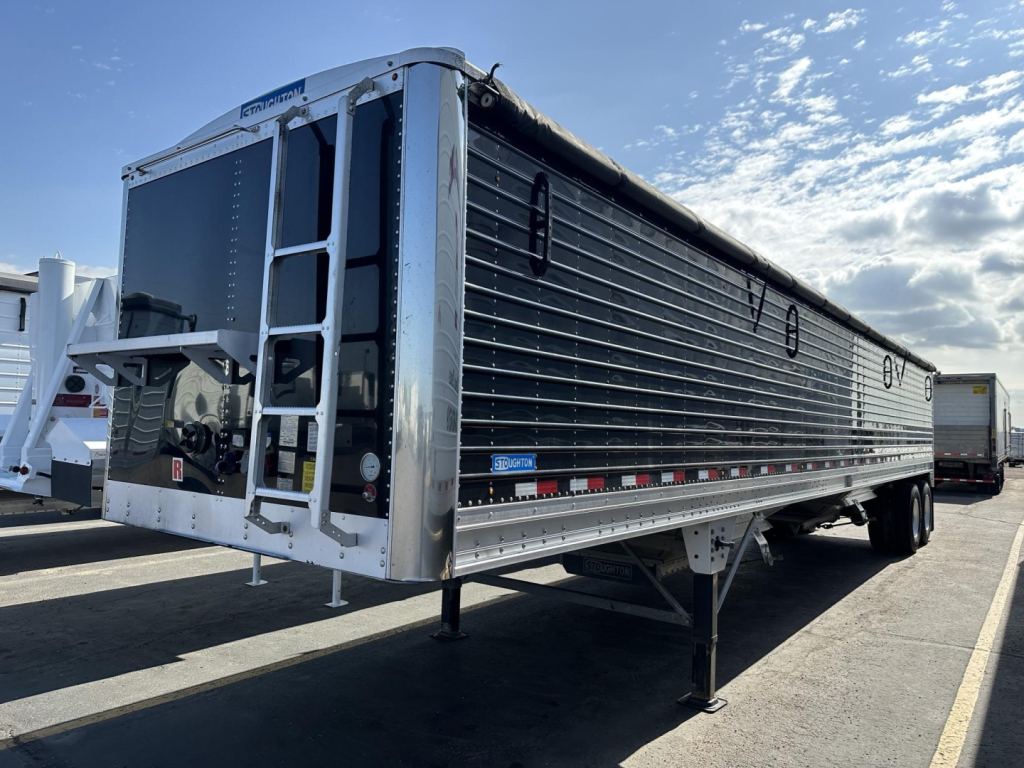
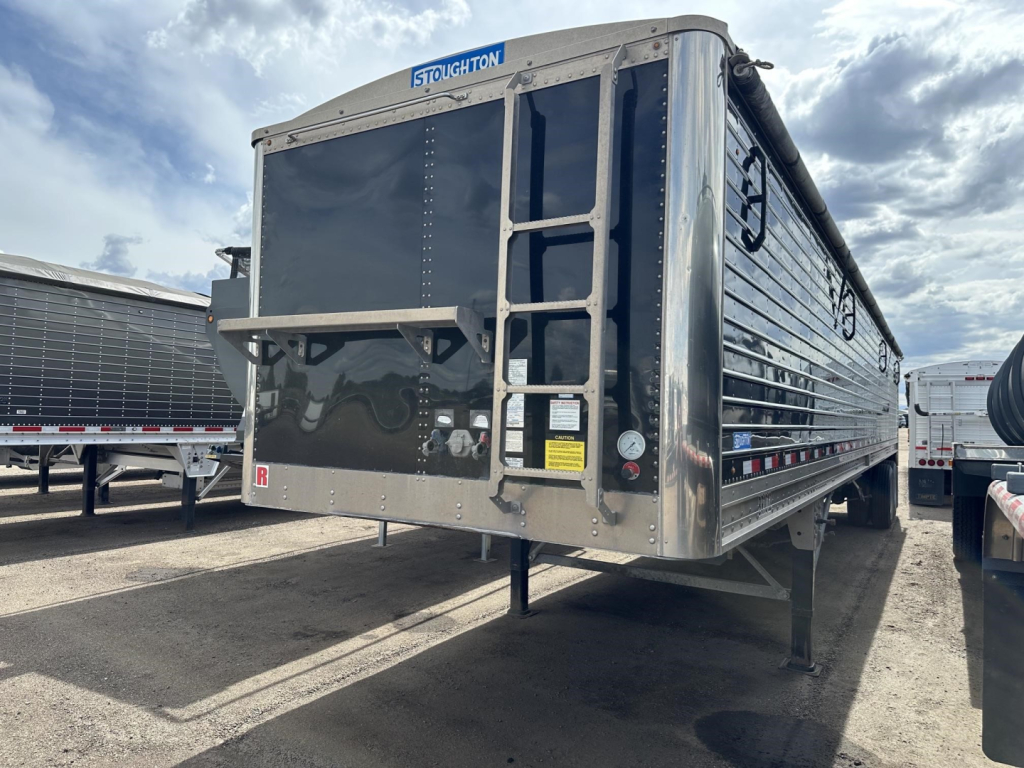
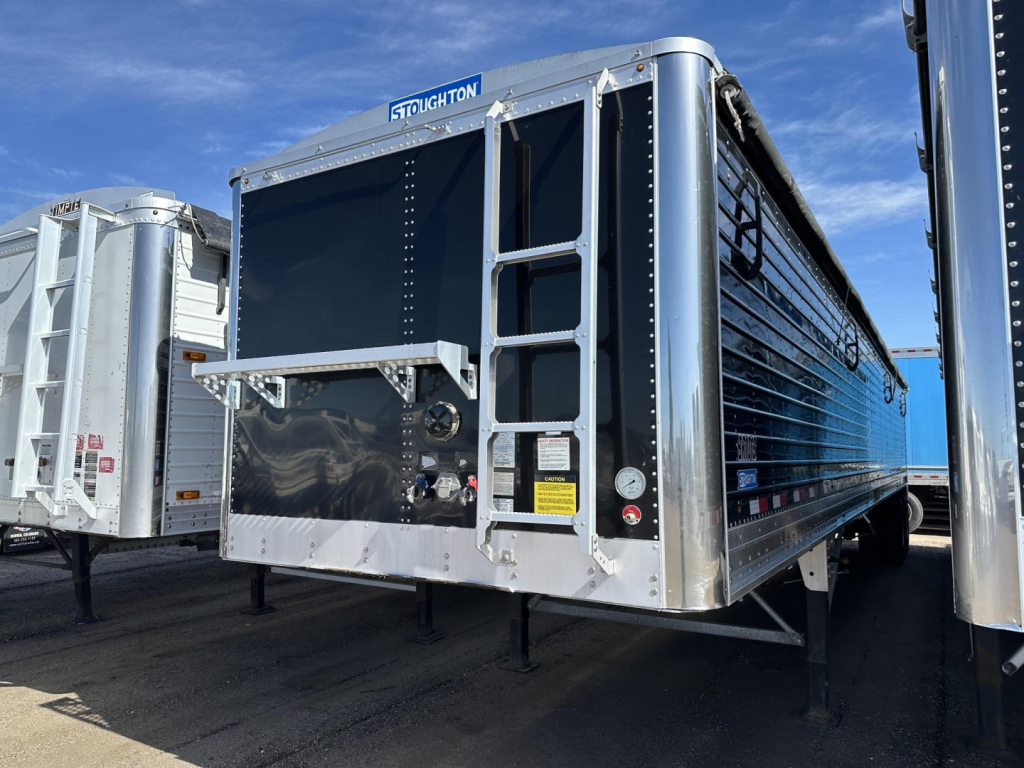
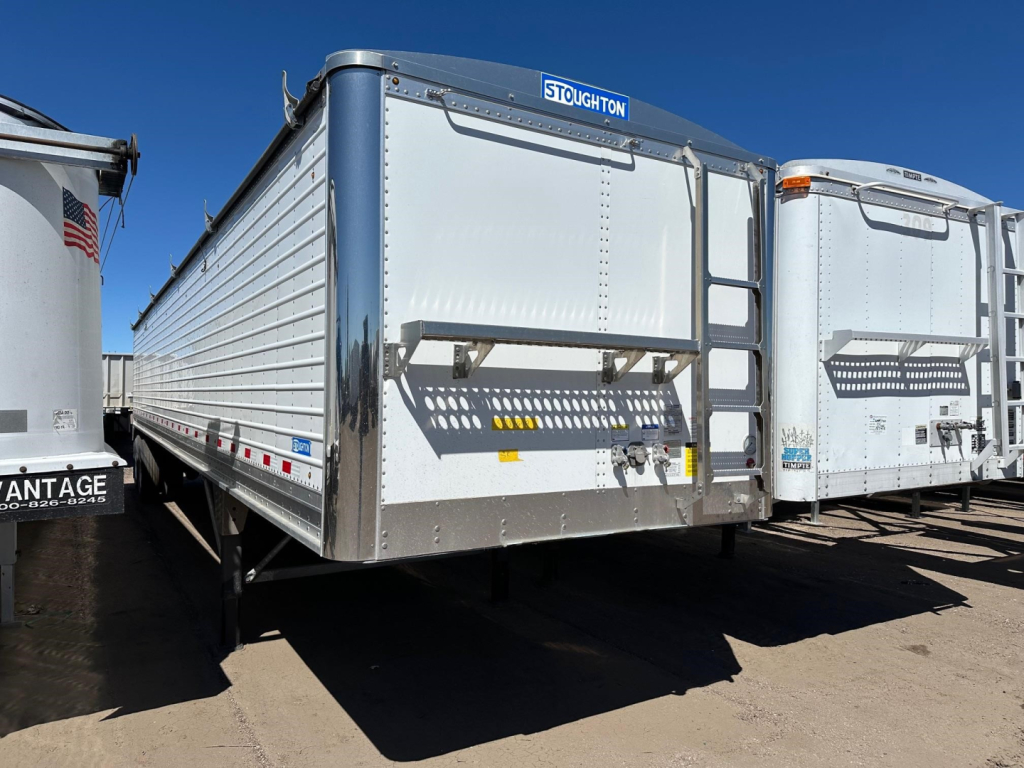
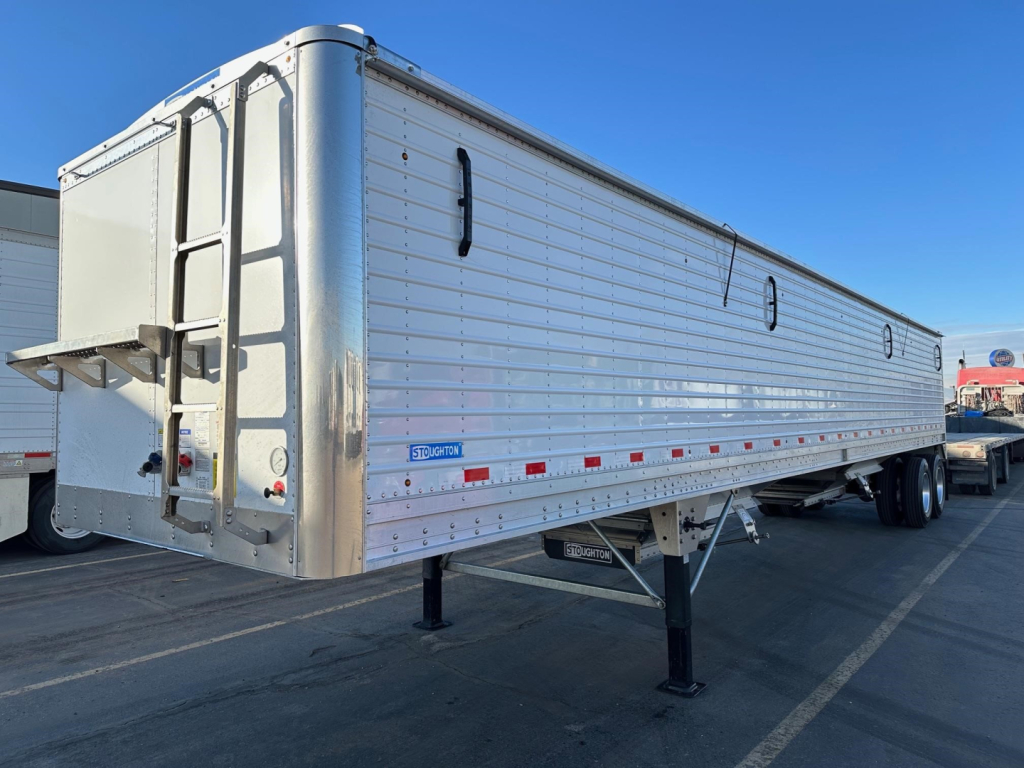
Selling a used 2025 stoughton trailer? List your used 2025 stoughton trailer for sale and reach thousands of commercial buyers.
Used 2025 Stoughton Trailers
The most common configuration in this class is a 53-foot by 102-inch dry van with a 13-foot 6-inch overall height, swing doors, wood floor, and aluminum scuff liners or scuff plate. Air ride suspension is common because it protects cargo better and helps with dock-to-road stability, while sliding tandem axles give flexibility for bridge law compliance and weight distribution. Buyers should also watch for tire size, wheel type, brake spec, and whether the trailer has disc or drum brakes. Logistics-ready interiors matter if the trailer will handle mixed palletized freight, load bars, or strap-securement systems across multiple shippers.
Construction details deserve close attention on a used Stoughton trailer because they affect both tare weight and repair cost. Stoughton dry vans are often built with a mix of steel and aluminum, with aluminum roofs and durable sidewall systems designed for fleet use. A good inspection should focus on floor wear at the threshold and forklift travel lanes, door frame condition, roof bows, side sheet damage, scuff liner integrity, and signs of prior impact around the nose and rear corner posts. On late-model units, buyers should also confirm lighting, ABS function, tire condition, suspension wear, and any telematics or fleet-spec options that may still be installed.
Application fit matters as much as condition. A 2025 Stoughton van trailer can be a strong choice for long-haul dry freight, regional distribution, warehouse shuttle work, and high-utilization drop trailer pools. If the freight is dense, kingpin setting, tandem range, and floor rating become more important. If the work is dock-heavy and time-sensitive, swing door condition, threshold plate wear, and trailer tracking straight behind the tractor deserve extra scrutiny. For fleets and owner-operators alike, the strongest used examples in this category are the ones with a clean maintenance history, straight structure, consistent tire wear, and specs that match the lanes they are expected to run.
Frequently Asked Questions about Used 2025 Stoughton Trailers
What are the most common specifications on a used 2025 Stoughton trailer?
Most used 2025 Stoughton trailers on the market are dry van trailers configured at 53 feet long, 102 inches wide, and 13 feet 6 inches high. Common features include air ride suspension, sliding tandem axles, swing doors, wood floors, logistics posts, aluminum scuff liners, and 22.5-inch wheels and tires. Exact specs can vary by original fleet order, so buyers should verify brake type, floor rating, door style, and kingpin setting before purchase.
Is a Stoughton dry van a good choice for general freight?
Yes. Stoughton dry vans are widely used in general freight because they are designed for high-cycle fleet service and broad shipper compatibility. A properly spec'd van can handle palletized consumer goods, retail freight, packaged products, and many warehouse-to-distribution-center loads. The best fit depends on floor condition, logistics track layout, suspension type, and whether the trailer's weight and tandem configuration match the freight density and route requirements.
What should I inspect first on a used Stoughton van trailer?
Start with the structural and high-wear areas. Check the floor for forklift damage, soft spots, and excessive wear at the rear threshold. Inspect the swing doors, hinges, seals, rear frame, roof, side sheets, and scuff liners for impact damage or water intrusion. Then move to running gear, including suspension components, brakes, axle alignment, tires, wheels, and ABS operation. Uneven tire wear, door misalignment, or buckled side panels can point to more serious underlying issues.
What is the advantage of a sliding tandem on a Stoughton trailer?
A sliding tandem gives the operator flexibility to adjust axle position for bridge law compliance, fifth wheel balance, and dock approach needs. That matters in regional and over-the-road service where load weights and state requirements change from trip to trip. A healthy slider system should move cleanly, lock securely, and show no excessive rail wear, damaged pins, or evidence of seized components.
Are late-model used Stoughton trailers suitable for fleet expansion?
They often are, especially when consistency matters. Late-model used Stoughton trailers can make sense for fleets that want standardized dry van specs, predictable maintenance, and compatibility with established freight profiles. Buyers should still compare tare weight, interior configuration, brake package, wheel-end setup, and prior maintenance records to make sure the trailers align with existing tractors, shop practices, and lane demands.