
Used 2025 Trailers For Sale in New Mexico
Browse used 2025 trailers in New Mexico, including flatbed, dump, hopper, and drop deck units with current specs for regional hauling needs.
Selling a used 2025 trailer? List your used 2025 trailer for sale and reach thousands of commercial buyers.
Used 2025 Trailers in New Mexico
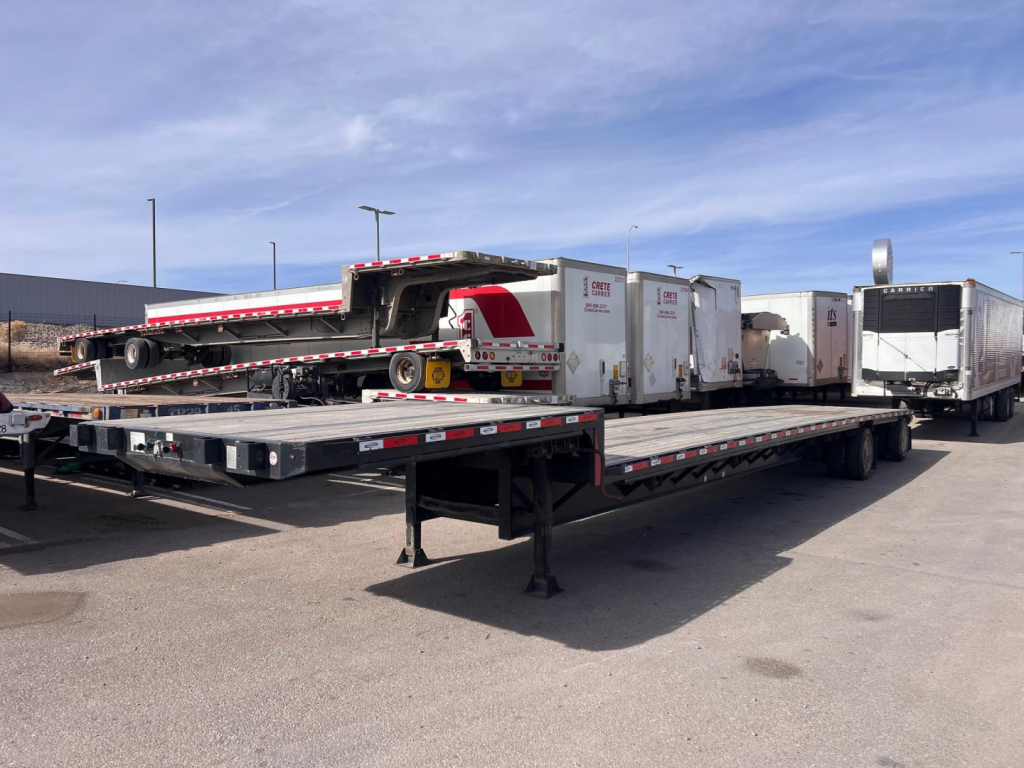
For flatbeds and drop decks, key specs start with overall length, deck height, construction material, and axle configuration. Many late-model 2025 trailers use aluminum or combo construction to reduce tare weight, while steel main beams add durability for harder duty cycles. Common features include stake pockets, pipe spools, sliding winches, nail strips, coil package setups, and air ride suspension. If the trailer will see western regional freight, rear sliding axles, California-legal configurations, 53-foot by 102-inch dimensions, and 22.5 low-profile or 17.5 tire packages can all affect where and how the trailer can be loaded. Buyers should also check deck condition, crossmember spacing, kingpin area wear, suspension bushings, brake life, and any signs of twist or prior structural repair.
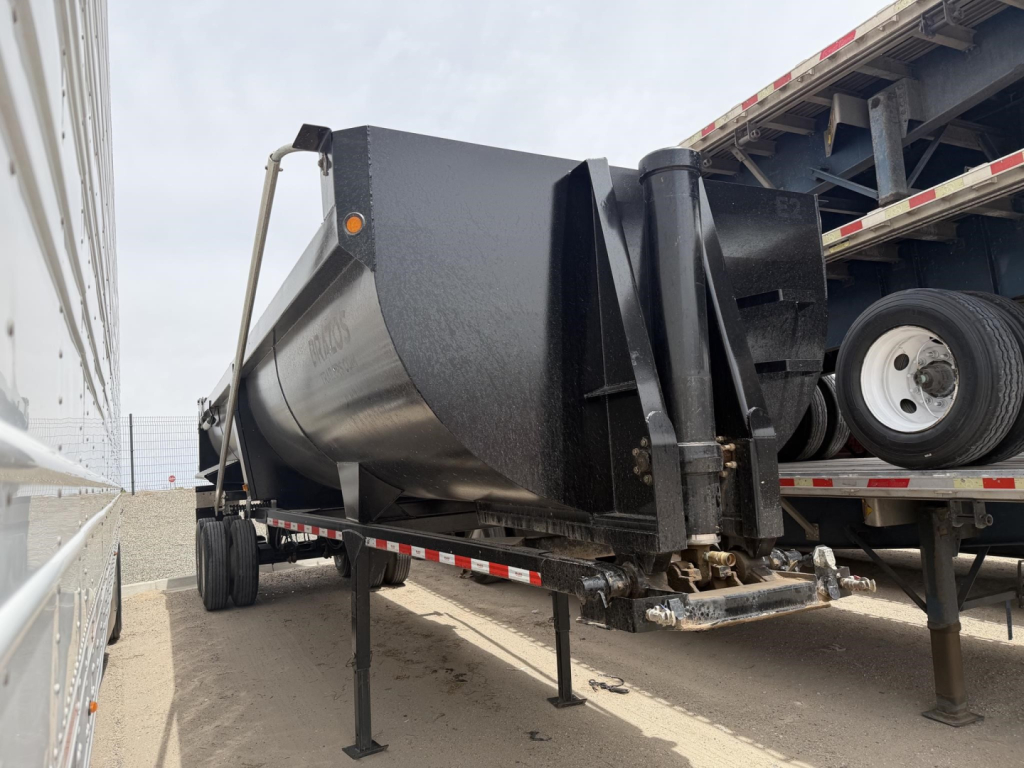
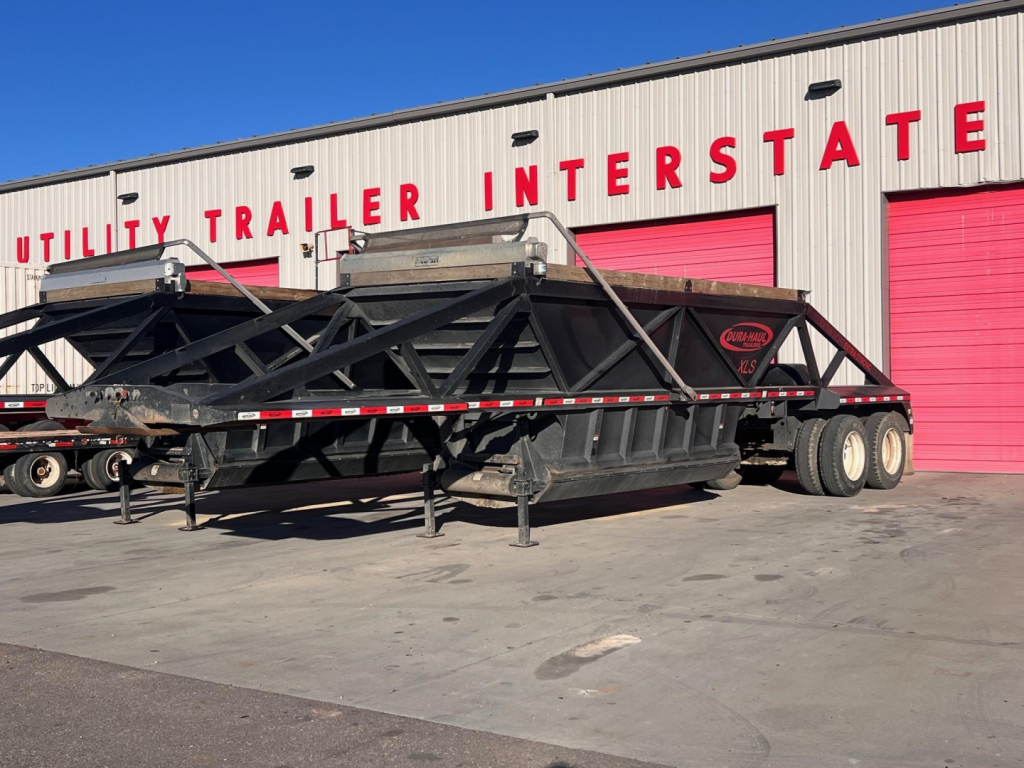
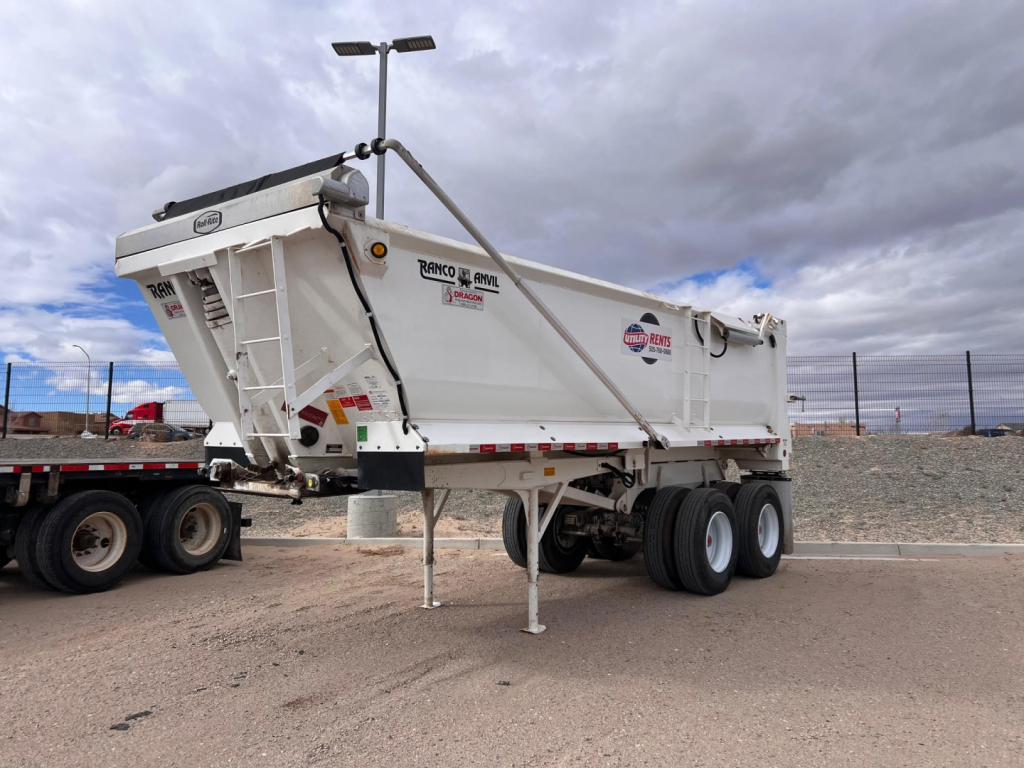
For dump, hopper, and grain-style trailers, the details that matter are body design, gate control, suspension, and tarp system. Bottom dump trailers, also known as belly dumps, are common in road construction and aggregate work because they can windrow material quickly and maintain steady spread patterns. Hopper trailers are built around commodity flow, discharge speed, and corrosion resistance, with attention paid to hopper door operation, liner condition, sidewall integrity, and tarp function. Features such as air ride, electric flip tarps, gate limiters, ladders, catwalks, closed tandem setups, and wheel material all affect day-to-day operation, maintenance cost, and legal payload.
A used 2025 trailer should still present as late-model equipment, but condition matters more than model year alone. Look closely at tire date codes, brake components, wheel-end service history, lighting, ABS function, floor wear, rub rail condition, and signs of hard jobsite use. In New Mexico, sun exposure, dry climate, and regional construction or agricultural service can tell a different story than a comparable trailer from another market. The best value usually comes from matching trailer spec to the freight lane and loading practice, then confirming that tare weight, suspension type, and axle placement support the payload and compliance targets you need.
Frequently Asked Questions about Used 2025 Trailers in New Mexico
What should I look for first when buying a used 2025 trailer?
Start with trailer type and intended application. A flatbed, drop deck, bottom dump, and hopper trailer all solve different hauling problems, so freight type and loading method come first. After that, review length, width, axle setup, suspension, tare weight, and any specialty equipment such as sliding winches, coil package, tarp systems, or gate controls. A used 2025 trailer is still considered late-model, but buyers should inspect brakes, tires, wheel ends, frame condition, lighting, and any evidence of prior structural repair before comparing price alone.
Are aluminum or combo trailers better than all-steel trailers?
It depends on payload target and duty cycle. Aluminum and combo trailers usually offer lower tare weight, which helps maximize legal payload and improve fuel efficiency. Combo trailers often use steel main beams with aluminum crossmembers or rails to balance strength and weight savings. All-steel designs can be a better fit for severe service, repeated impact loading, or rough jobsite conditions, but they generally weigh more. The right choice comes down to the freight, operating environment, and how much emphasis you place on durability versus payload.
Why does axle configuration matter on a trailer in New Mexico?
Axle configuration affects bridge compliance, weight distribution, tire wear, and loading flexibility. Tandem, spread, closed tandem, and sliding rear axle setups each change how a trailer performs and where it can legally operate. In New Mexico and surrounding western states, buyers often pay close attention to sliding axle positions, California-legal setups, and how axle spacing works with regular freight lanes. A trailer with the wrong axle arrangement can limit payload, complicate scaling, or reduce the number of loads it can accept.
What is the advantage of a bottom dump trailer over a standard end dump?
A bottom dump, also called a belly dump, discharges material through gates underneath the trailer instead of raising the body. That makes it highly effective for road building, aggregate spreading, and windrow applications where a controlled, continuous flow is needed. Bottom dumps can unload while moving and generally offer better stability during discharge than a raised end dump. Buyers should still inspect gate operation, air or electric controls, tarp system, suspension, and hopper condition because those components directly affect productivity and maintenance cost.
How important is suspension type on a used trailer?
Suspension type has a direct effect on ride quality, cargo protection, maintenance, and resale appeal. Air ride is common on late-model flatbeds, drop decks, hoppers, and many dump applications because it helps reduce shock to the trailer and load while improving handling. Mechanical suspension can still be useful in certain severe-service applications, but it often rides harsher. On a used 2025 trailer, inspect air bags, shocks, bushings, height control components, and alignment-related tire wear to make sure the suspension is supporting the trailer the way it should.