
Used 2025 Drop Deck Trailers For Sale
Shop used 2025 drop deck trailers. Compare 48' to 53' specs, deck height, axle setups, materials, and securement features for heavy freight.
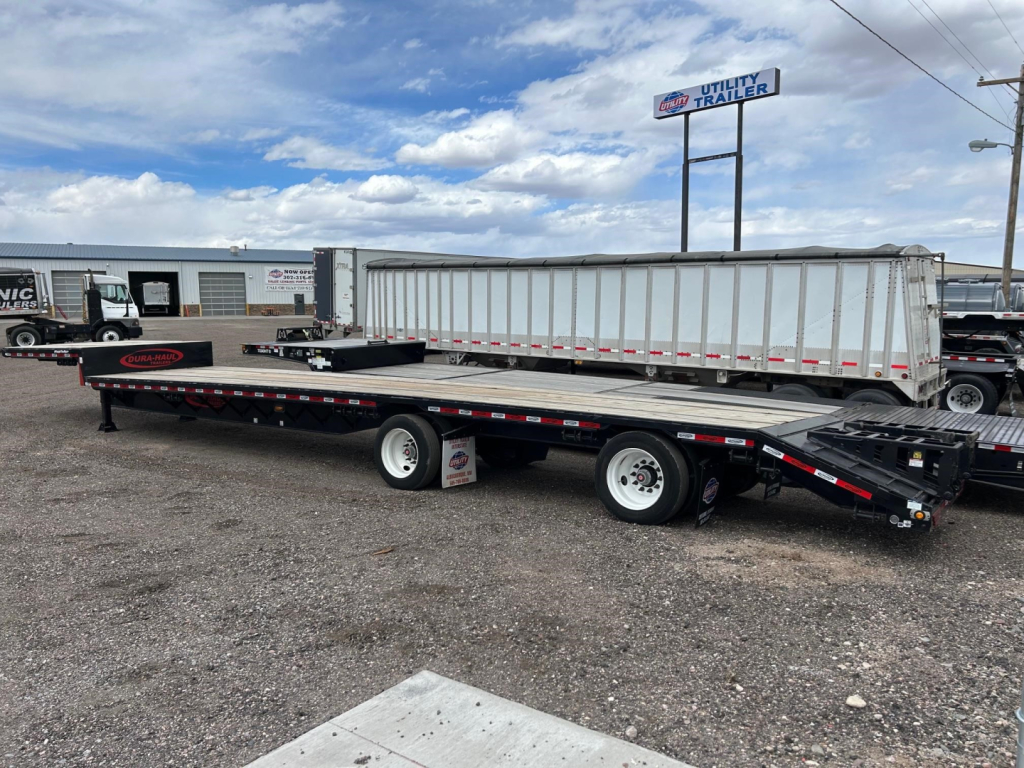
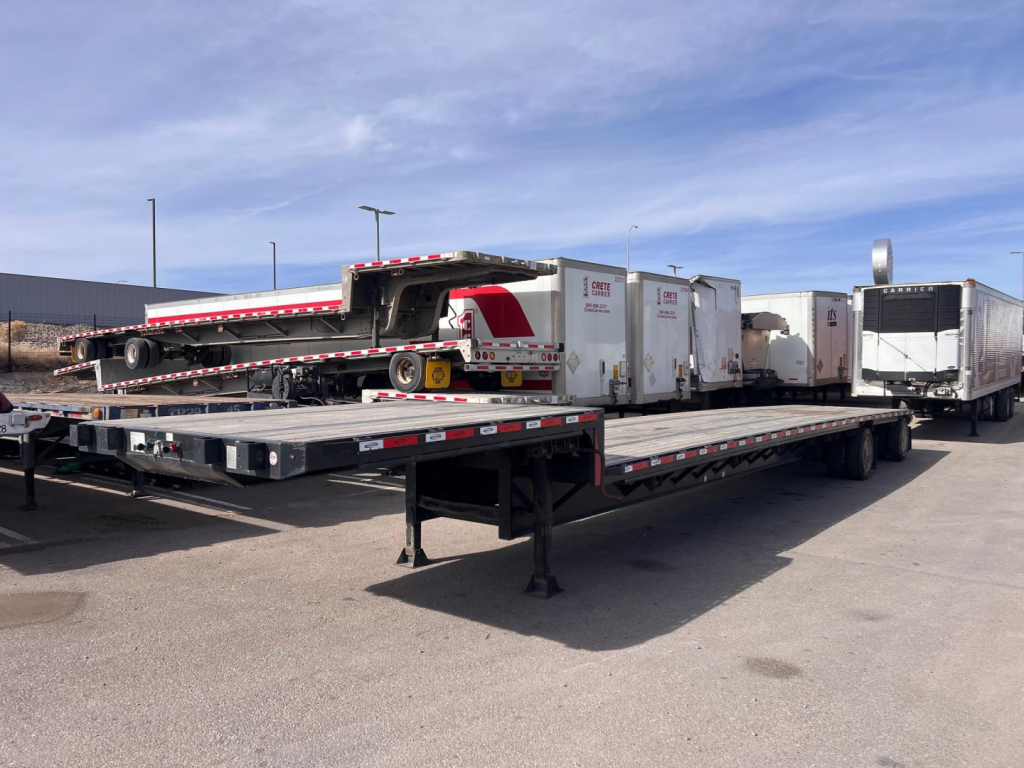
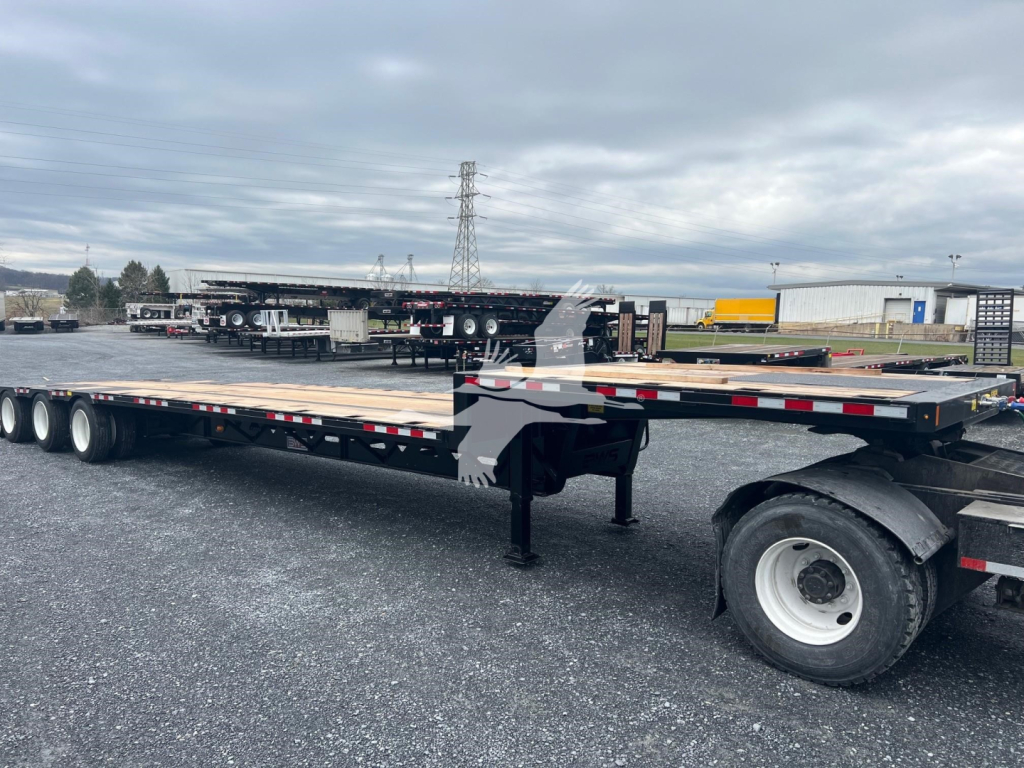
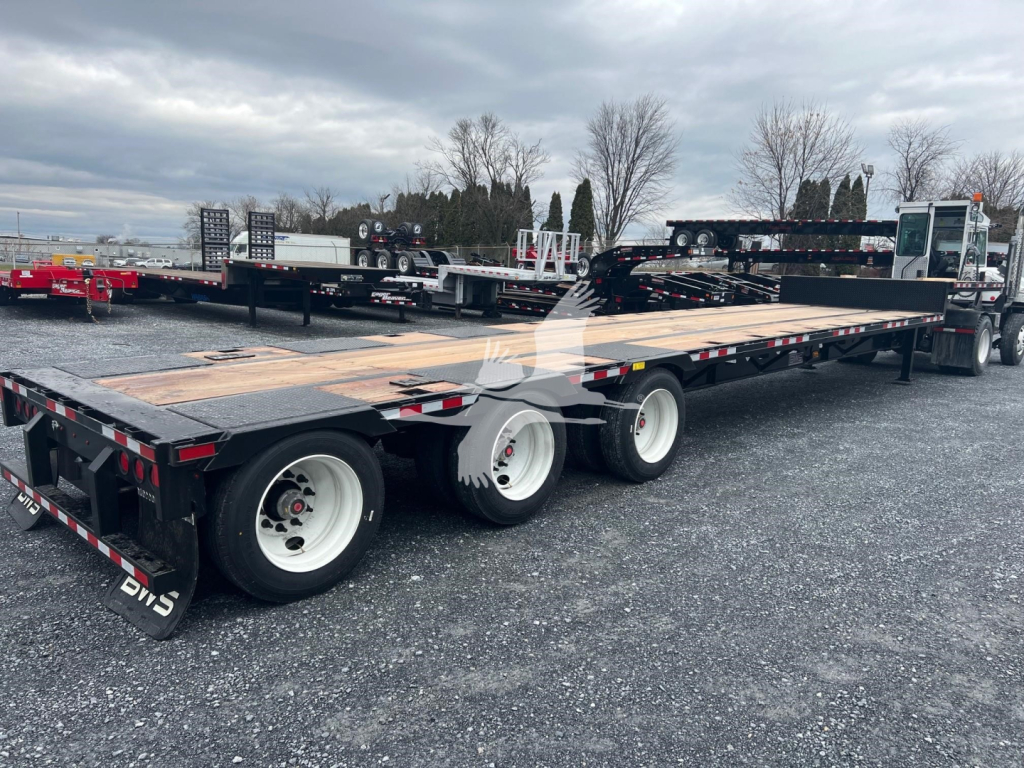
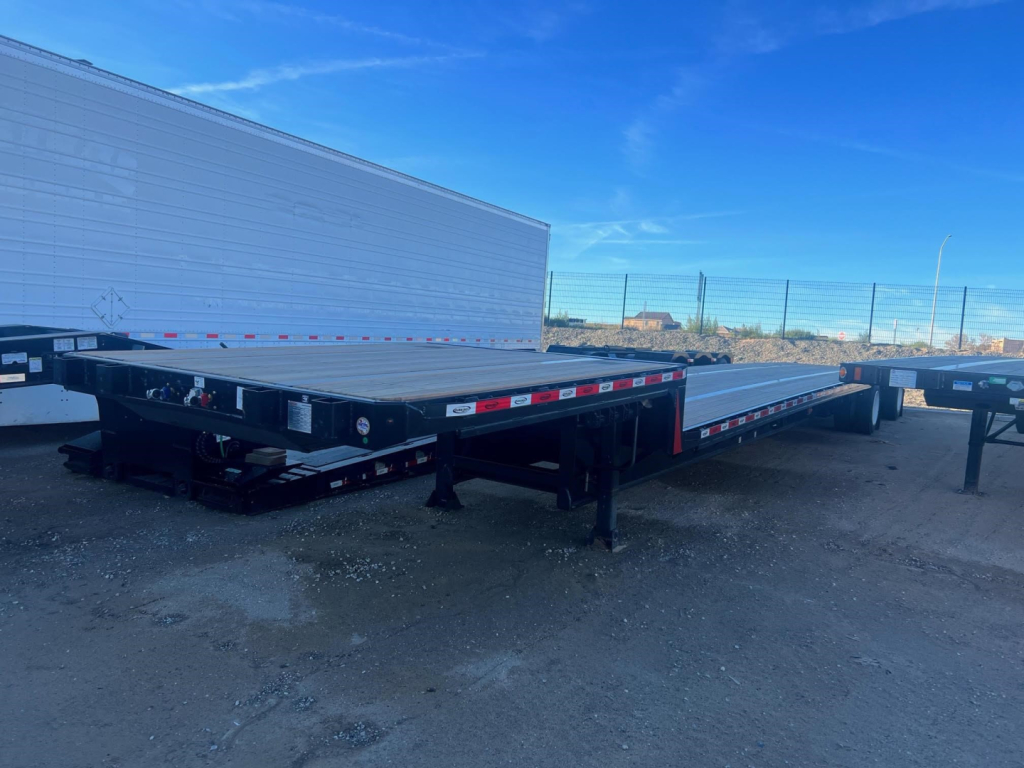
Selling a used 2025 drop deck trailer? List your used 2025 drop deck trailer for sale and reach thousands of commercial buyers.
Used 2025 Drop Deck Trailers
Material choice matters because it changes both payload and long-term repair strategy. All-steel drop decks generally bring durability and lower entry cost, but they carry more tare weight. Combo and aluminum models use steel main beams with aluminum decking, rails, or rear frames to reduce empty weight and improve payload potential. Deck construction also deserves a close look. Aluminum floors, Apitong wood, nail strips, and crossmember spacing all affect how well the trailer handles concentrated equipment loads, forklifts, pallets, and mixed freight. Buyers moving machinery, building products, crated freight, or oversized cargo should pay attention to beam ratings, crossmember centers, and the condition of the deck surface around common loading points.
Securement and axle configuration often separate a general-purpose drop deck from one suited to specialized hauling. Common features include stake pockets, double pipe spools, sliding winches, winch tracks on one or both sides, and tie bars for flexible chain and strap placement. Air ride suspensions are common in this category, often paired with fixed spread, tandem, or rear-slide axle layouts depending on bridge law, state routing, and weight distribution needs. Tire size, wheel type, dump valves, kingpin setting, and suspension spread all influence maneuverability, axle loading, and compatibility with your tractor and freight mix. If your lanes include stricter bridge formulas or California operation, a rear slide or Cal-legal setup can be more important than raw deck length.
On a used 2025 model, condition should be evaluated beyond appearance. Look for rail damage, twist in the frame, crossmember repairs, suspension wear, brake life, tire condition, landing gear performance, and wear around the upper deck transition. Check lighting, electrical connections, mud flap brackets, ICC bumper condition, and signs of concentrated overload near axle groups or kingpin areas. A well-spec'd drop deck trailer is a strong fit for construction materials, steel products, equipment, agricultural freight, and taller partials that would be too high on a flatbed. The right unit comes down to balancing tare weight, deck height, securement layout, and axle design against the freight you haul most often.
Frequently Asked Questions about Used 2025 Drop Deck Trailers
What is the difference between a drop deck trailer and a flatbed trailer?
A drop deck trailer has two deck levels, with a raised upper deck near the front and a lower main deck behind it. That lower deck gives additional legal load height compared with a standard flatbed, which typically sits higher off the ground across its full length. For taller freight such as machinery, palletized building products, and crated equipment, a drop deck can carry the load without requiring the same level of overheight permitting that a flatbed might.
What are the most common drop deck trailer dimensions?
Common sizes include 48-foot by 102-inch and 53-foot by 102-inch configurations. Many 48-foot models use a 10-foot upper deck and a 38-foot lower deck, while main deck height often falls around 38 to 43 inches depending on suspension, tire size, and frame design. Buyers should verify overall loaded height, deck length split, and kingpin-to-axle measurements because those details affect both freight fit and bridge compliance.
Is a steel or combo drop deck better?
It depends on your priorities. Steel drop deck trailers are usually favored for toughness, repair familiarity, and lower purchase cost, especially in hard-use applications. Combo trailers, which typically use steel main beams with aluminum components, reduce tare weight and can improve payload capacity. If you haul dense freight where every pound matters, a combo trailer may offer better revenue potential. If your operation emphasizes rugged use and straightforward repairs, steel can be the better long-term fit.
What securement features should I look for on a used drop deck trailer?
Important securement features include stake pockets, pipe spools, sliding winches, winch tracks, tie bars, and a deck surface that supports your strap and chain patterns. The ideal setup depends on your freight. Machinery and steel haulers often want flexible chain tie-down points and strong rail construction, while mixed freight operations may value winch placement, nail strips, and easy strap routing. It is also worth checking for damaged pockets, bent rails, or repaired areas that could affect securement integrity.
What should I inspect first on a used drop deck trailer?
Start with the frame, deck, suspension, brakes, and tires. Look closely for beam cracks, bent crossmembers, twisted rails, floor damage, and wear around the neck, axle group, and rear transition areas. After that, inspect air ride components, dump valves, lighting, wiring, landing gear, and wheel-end condition. A used trailer can present well cosmetically while still having structural or suspension issues that affect payload, tire wear, and overall service life.