
Used 2025 Lowboy Trailers For Sale
Shop used 2025 lowboy trailers for heavy haul work. Compare detachable gooseneck, tonnage, deck height, axle setups, and deck configurations.
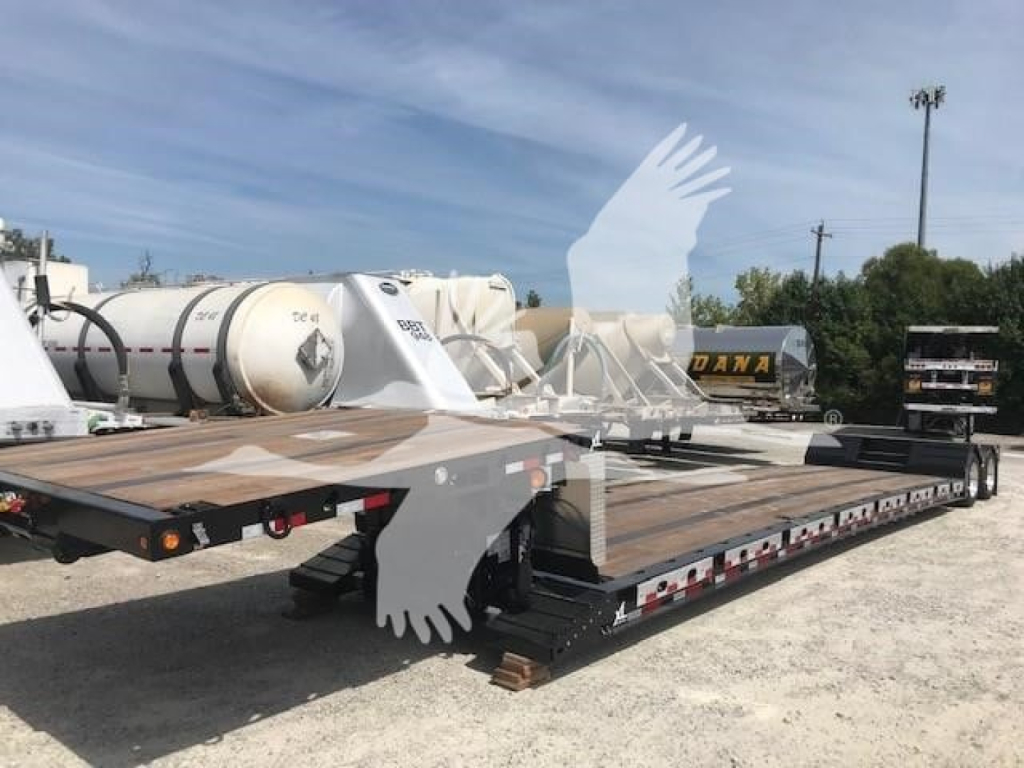
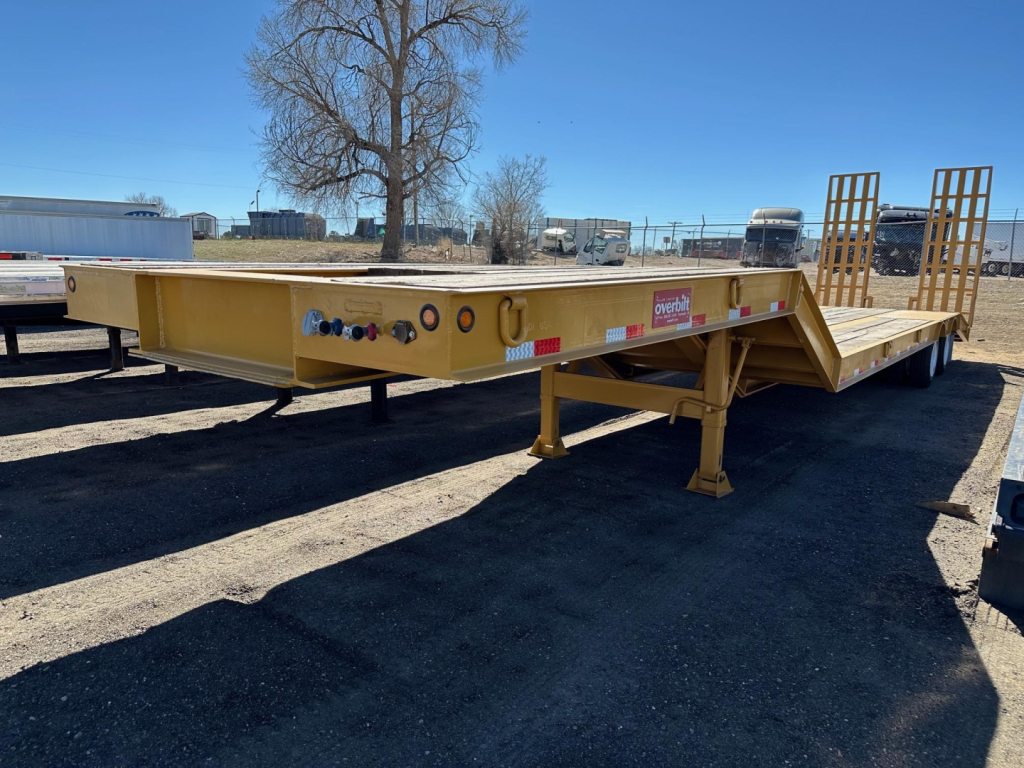
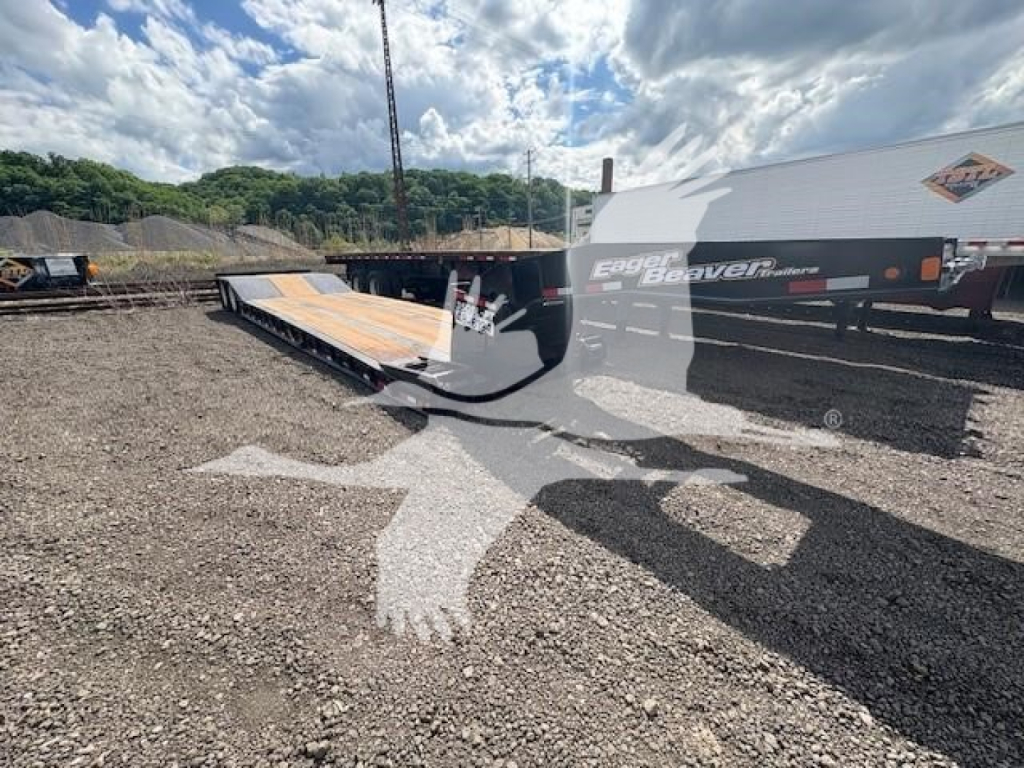
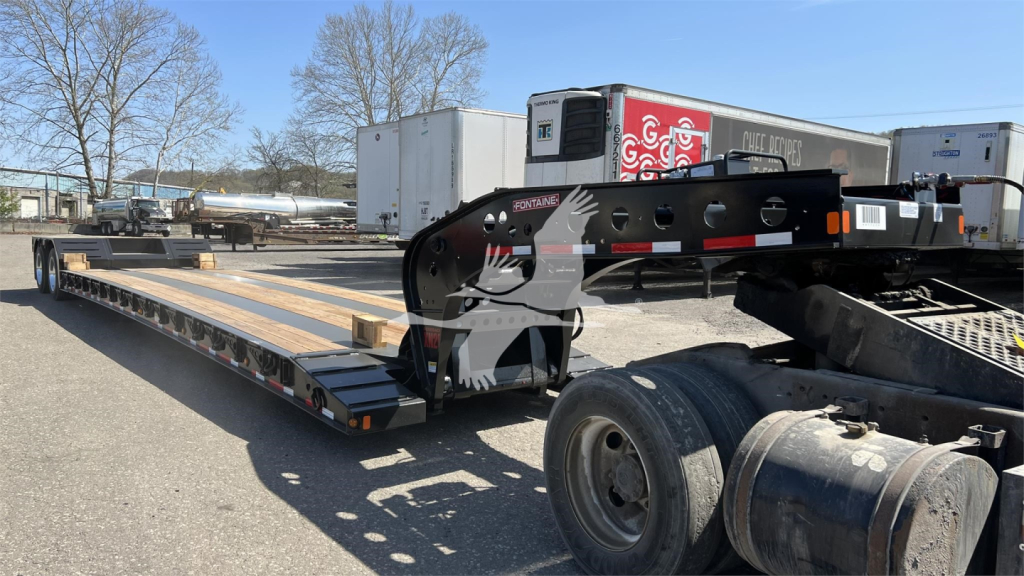
Selling a used 2025 lowboy trailer? List your used 2025 lowboy trailer for sale and reach thousands of commercial buyers.
Used 2025 Lowboy Trailers
The biggest spec decision is often the neck style. Hydraulic detachable gooseneck lowboys are popular for self-loading tracked equipment because the tractor can disconnect the neck and let the machine climb onto the deck from the front. Non-ground-bearing and ground-bearing neck designs each have their place depending on tractor setup, terrain, and loading preference. Buyers should also compare kingpin settings, swing clearance, loaded fifth wheel height, and gooseneck support design to make sure the trailer matches the truck. On the deck itself, details like Apitong flooring, crossmember spacing, perimeter frame construction, chain drops, bent or pan-style D-rings, outriggers, and pull-out ramps matter because they affect securement options, deck durability, and day-to-day versatility.
Axle configuration is just as important as tonnage. Lowboy trailers commonly run tandem or tri-axle setups, with many designed to accept a flip axle, spreader bar, or rear booster for heavier permitted loads. Air ride suspension is common in this segment, often with raise-and-lower valves, dump valves, and adjustable ride height to help during loading, unloading, and bridge transitions. Tire size, brake condition, wheel material, and the presence of systems such as ABS or tire inflation systems should be reviewed closely on a used trailer. A 2025 model may still show late-model features like aluminum outer wheels, battery-backup strobes, manual ride height controls, and concentrated securement points on 18-inch centers, all of which can improve uptime and ease of operation.
For buyers comparing used 2025 lowboy trailers for sale, the real question is fit for the freight. A beam-style 55 ton trailer serves a different job than a 35 ton tag-style detachable or an 80,000-pound distributed load low-profile unit. Look at well length, top deck length, rear deck design, ramp style, ground clearance, and axle expandability in relation to the machines being hauled most often. If the work includes paving gear, compact excavators, wheel loaders, or mixed rental fleet transport, flexibility in deck length and securement can be more valuable than maximum rated capacity alone. A well-matched lowboy trailer reduces permit complications, shortens loading time, and holds its value better in heavy haul service.
Frequently Asked Questions about Used 2025 Lowboy Trailers
What is the difference between a lowboy trailer and a detachable gooseneck trailer?
A lowboy trailer refers to the low deck trailer design used to haul tall, heavy equipment. A detachable gooseneck trailer is a common type of lowboy where the neck disconnects so equipment can be loaded from the front. Many buyers use the terms interchangeably, but not every low deck trailer is configured the same way. The key buying point is how the neck and deck arrangement fits the loading method, tractor setup, and freight dimensions.
What capacity lowboy trailer is best for construction equipment?
The right capacity depends on the heaviest machine, the machine's weight distribution, and the permits typically pulled in the operating region. A 35 ton lowboy can handle many common construction machines, while 50 ton and 55 ton units are more common for larger excavators, dozers, and specialized equipment. Buyers should look beyond the headline tonnage and verify distributed rating, concentrated load limits, axle count, and whether a flip axle or booster can be added for heavier jobs.
Why does deck height matter so much on a lowboy trailer?
Deck height directly affects loaded overall height, which is one of the main constraints in heavy haul work. A lower main deck helps keep tall equipment under legal height limits and can reduce the need for route changes or extra permits. Even a few inches can matter when moving excavators with tall cabs, forestry machines, or equipment with fixed components. Deck height should be considered together with ground clearance so the trailer still performs well over uneven approaches and jobsite entrances.
What should I inspect first on a used 2025 lowboy trailer?
Start with the structural and running gear components that affect safety, service life, and legal operation. Check the neck, frame rails, crossmembers, deck condition, outriggers, and securement points for signs of heavy use, repairs, or distortion. Then review suspension type, axle alignment, brake wear, tire condition, wheel condition, lights, ABS, hydraulic components, and any pony motor or detachable neck functions. On a lowboy, attachment compatibility for flip axles or spreader bars is also important if heavier permitted hauling is part of the plan.
Are tandem or tri-axle lowboy trailers better?
Neither is automatically better because each serves a different operating profile. Tandem axle lowboys are often lighter and simpler, which can help when hauling moderate-weight equipment and trying to maximize payload efficiency. Tri-axle trailers generally offer better load distribution and a higher capacity platform for heavier machines or more demanding permitting requirements. The best choice depends on target freight, state bridge formulas, expected axle attachments, and the tractor that will pull the trailer.