
Used 2025 Lowboy Trailers For Sale in Pennsylvania
Shop used 2025 lowboy trailers in Pennsylvania. Compare detachable neck, axle setups, deck specs, capacity, and heavy haul features.
Selling a used 2025 lowboy trailer? List your used 2025 lowboy trailer for sale and reach thousands of commercial buyers.
Used 2025 Lowboy Trailers in Pennsylvania
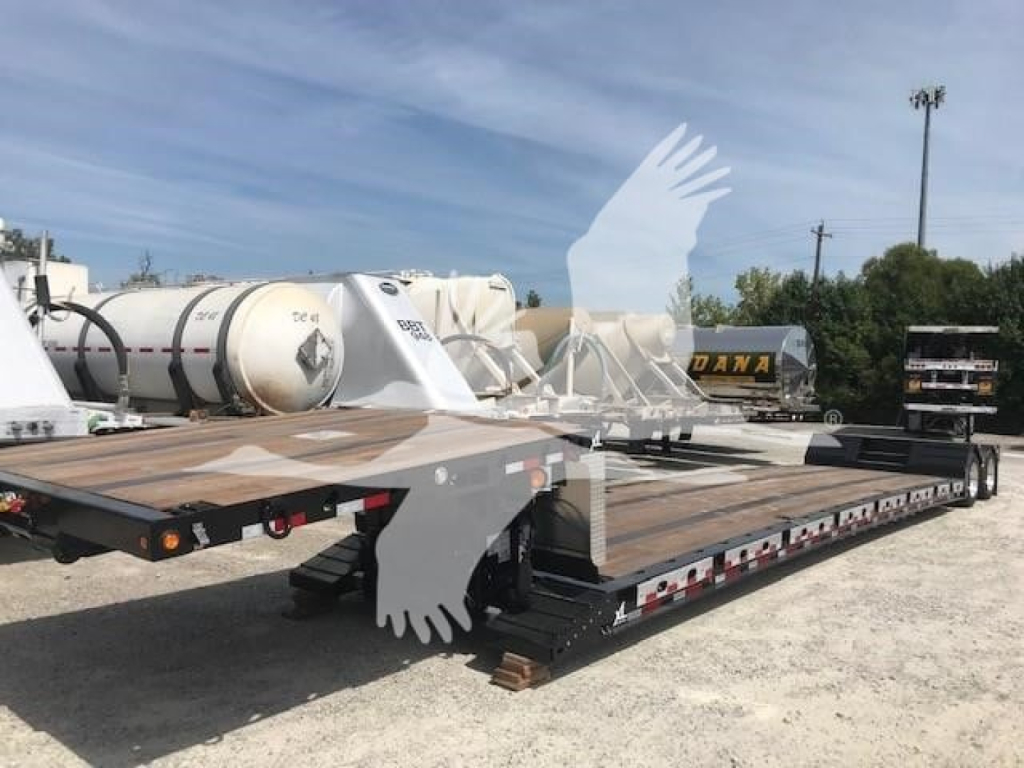
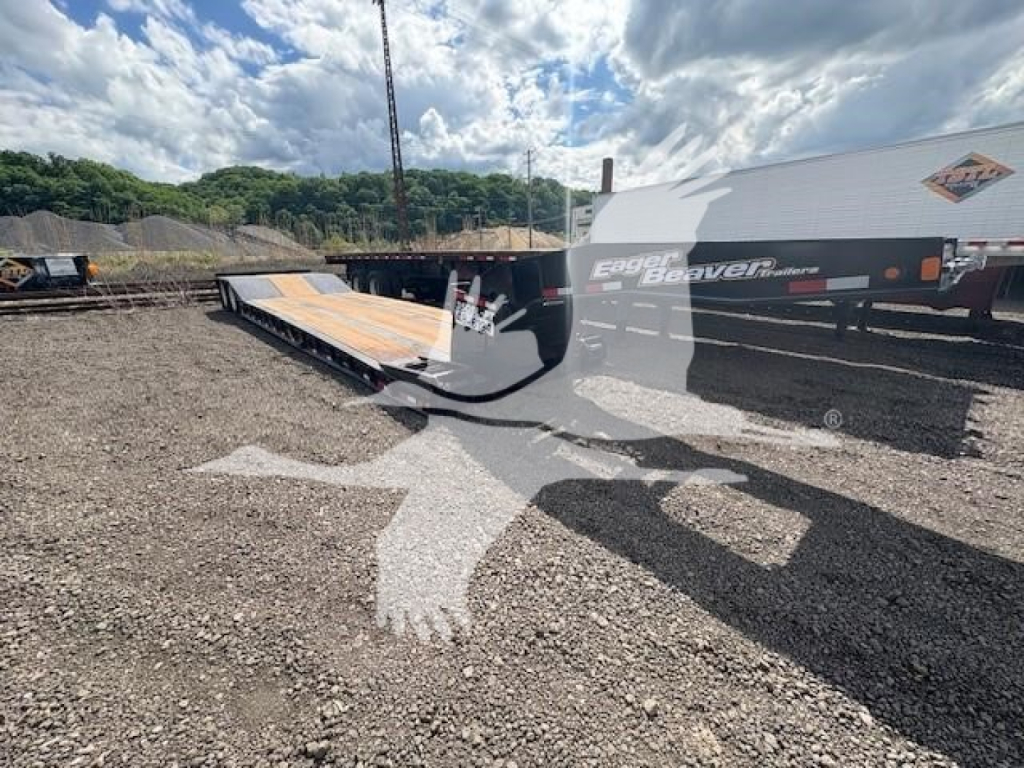
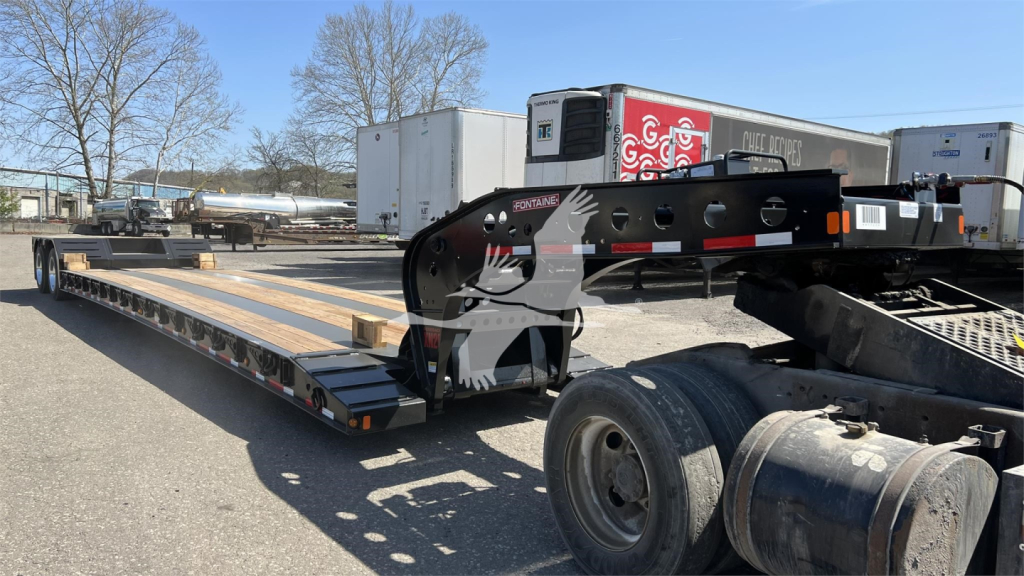
Detachable gooseneck configuration is one of the first decisions to make. Hydraulic detachable neck lowboys speed up loading and unloading and are common in equipment fleets that move machines daily. Mechanical detach designs can cost less and are still a solid fit for predictable applications. In this category, common specs include 102-inch width, deck heights in the low-to-mid teens on some models, air ride suspension, 54-inch axle spacing, apitong or wood flooring, perimeter frame construction, D-rings, outriggers, and ride height controls. Pennsylvania buyers should pay close attention to kingpin setting, swing clearance, top deck length, and rear deck length, especially if the trailer will be paired with different tractors or used across mixed paving, utility, and excavation work.
Capacity ratings vary widely, with many lowboys falling into 35-ton, 40-ton, and 55-ton classes. That rating alone does not tell the whole story. A serious buyer also checks how the capacity is distributed across the deck, whether the trailer accepts a flip axle, how the suspension is configured, and what the bridge-friendly axle layout looks like for the intended permits. Deck length matters just as much as tonnage. A longer clear deck can make a major difference when hauling tracked equipment with attachments or machines that need precise weight placement. On used units, inspect floor condition, crossmember spacing, brake life, tire match, suspension wear, neck locks, hydraulic components, and any repairs around the outer rails, outriggers, and concentrated load areas.
For Pennsylvania service, terrain, bridge law planning, and seasonal road conditions all make trailer spec discipline important. A lowboy that works well in local construction hauling may not be ideal for multi-state heavy haul. Buyers comparing used 2025 lowboy trailers should focus on how the trailer is actually going to be loaded, permitted, and routed. The right trailer is usually the one with the correct loaded deck height, axle grouping, and detach style for the equipment mix, not simply the highest published ton rating.
Frequently Asked Questions about Used 2025 Lowboy Trailers in Pennsylvania
What is a lowboy trailer used for?
A lowboy trailer is used to haul tall, heavy equipment that cannot ride legally or safely on a standard flatbed. Common loads include excavators, bulldozers, loaders, pavers, milling machines, and other construction or aggregate equipment. Its low deck height helps keep overall loaded height down while giving the load a more stable center of gravity.
What capacity lowboy trailer do most buyers need?
Many buyers shop in the 35-ton to 55-ton range, but the right answer depends on the actual machine weight, attachment weight, and how that weight is distributed on the deck. Capacity ratings should be matched with deck length, axle configuration, and permit requirements. A 40-ton trailer with the right deck geometry and axle setup can be a better fit than a higher-rated trailer that does not bridge well for the route.
What is the difference between a hydraulic detachable gooseneck and a mechanical detachable gooseneck?
A hydraulic detachable gooseneck uses hydraulic power to separate the neck from the trailer and generally makes loading faster and easier for fleets that move equipment often. A mechanical detachable gooseneck uses a manual or simpler detachment method and can be a practical choice for lower-frequency moves or buyers seeking lower complexity. The best choice usually comes down to loading frequency, operator preference, and maintenance expectations.
What should I inspect on a used lowboy trailer?
The most important inspection points are the neck structure and locks, deck and floor condition, crossmembers, suspension, axle alignment, brakes, tires, outriggers, D-rings, and any high-stress repair areas near the main deck and rear bogie. On hydraulic detach units, inspect cylinders, hoses, valves, and signs of leakage or uneven operation. Buyers should also verify kingpin setting, ride height function, and any compatibility provisions for flip axles or neck extensions.
Why do deck height and axle spacing matter so much on a lowboy?
Deck height directly affects legal loaded height, loading angle, and machine stability. Axle spacing affects bridge compliance, permit strategy, and how the load is distributed across the trailer and tractor. These details can determine whether a trailer is practical for local equipment moves, regional heavy haul, or more specialized permitted work.