
Used 2025 Fruehauf Trailers For Sale
Shop used 2025 Fruehauf trailers including dry vans and flatbeds. Compare specs, dimensions, suspension, floors, and spec details.
Have used 2025 fruehauf trailer to sell? List it here to reach thousands of buyers.
Used 2025 Fruehauf Trailers
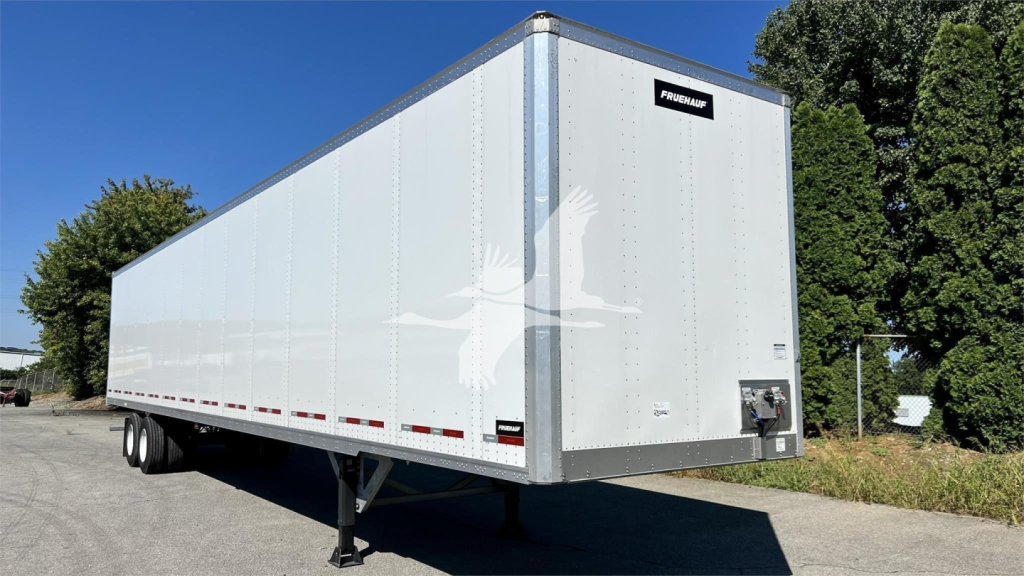
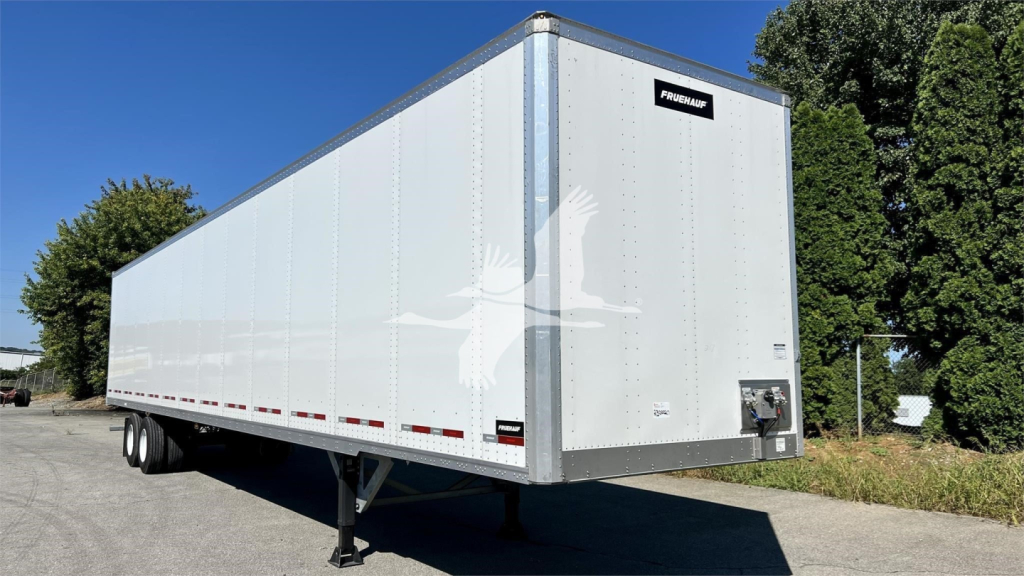
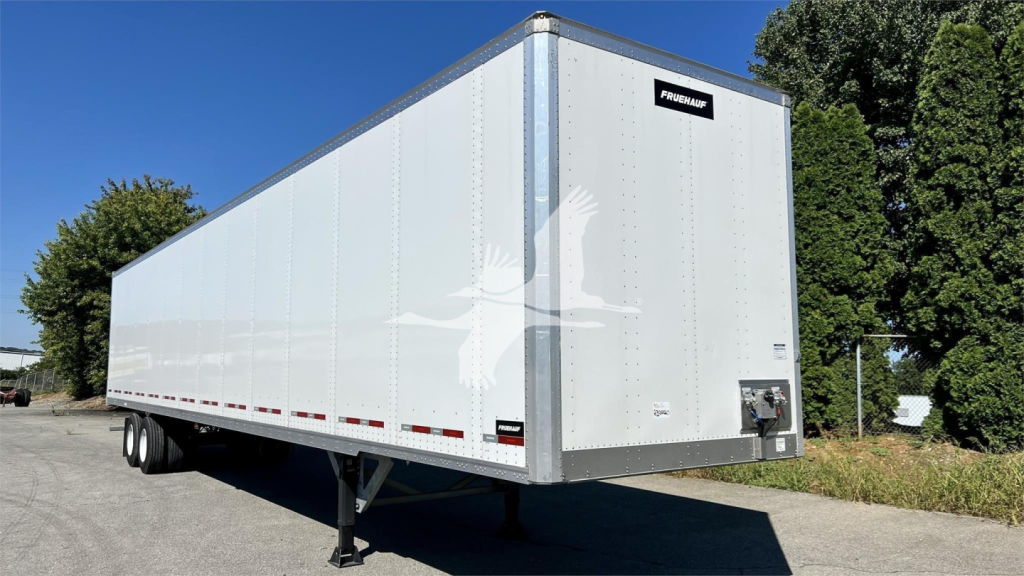
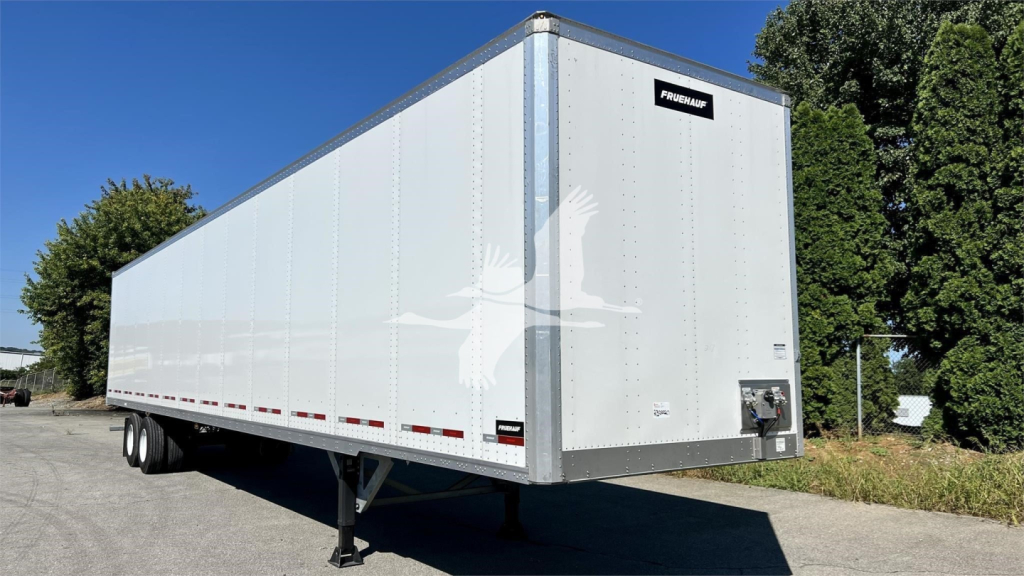
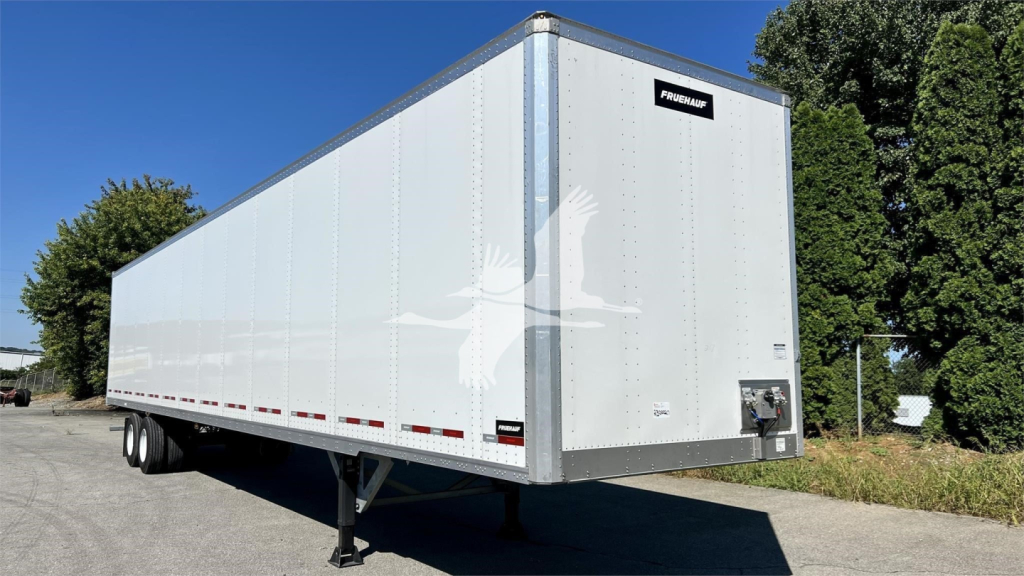
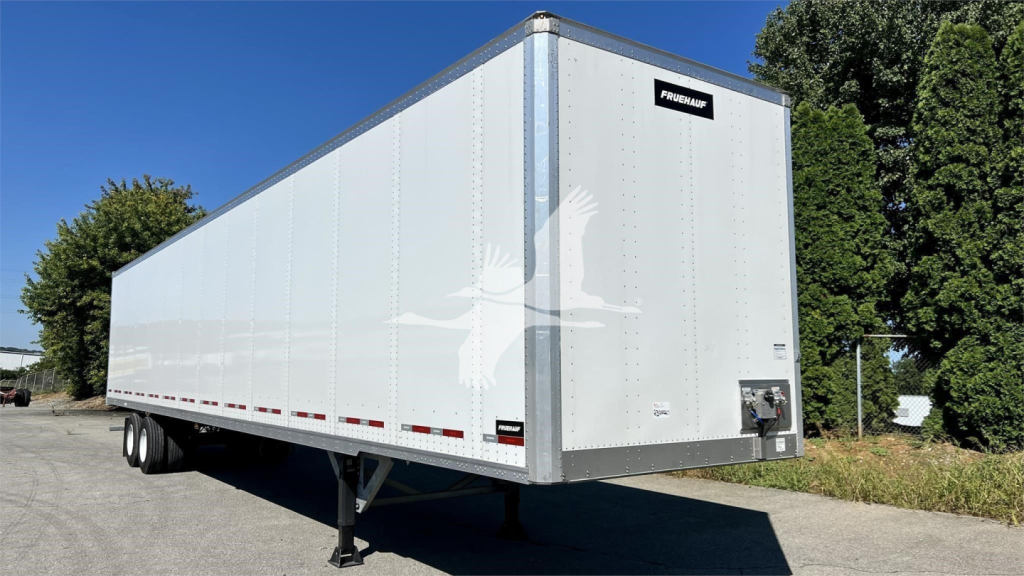
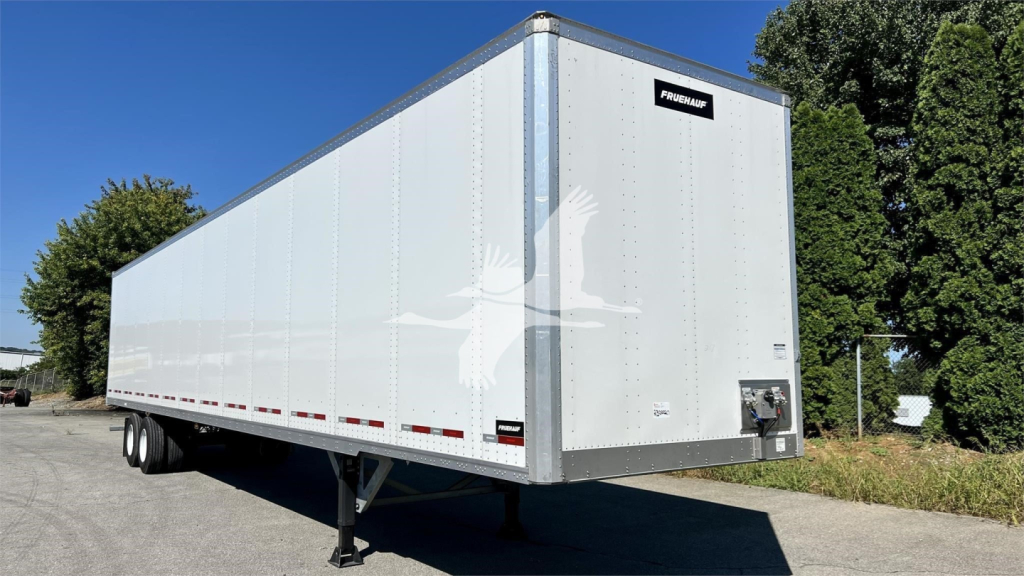
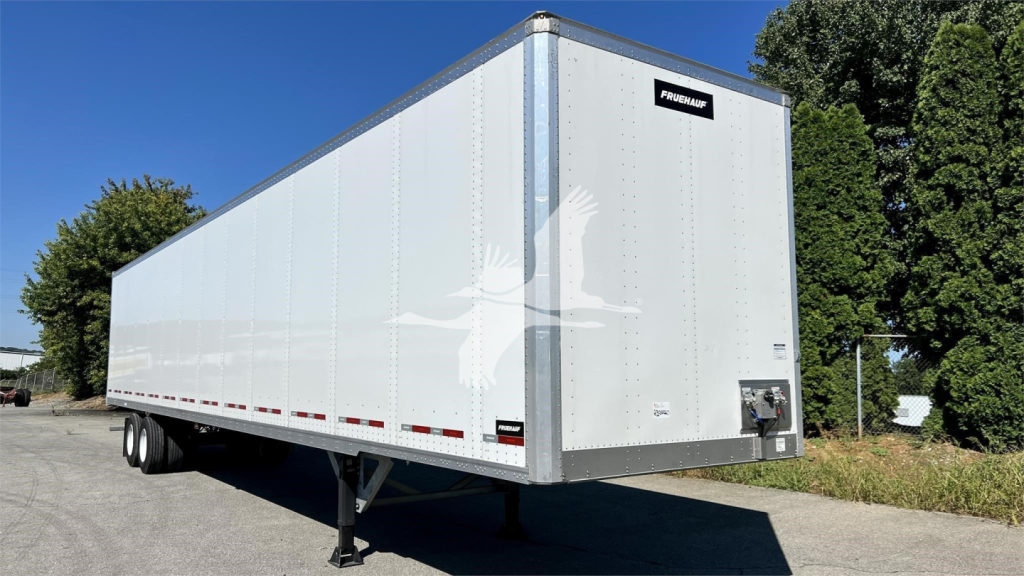
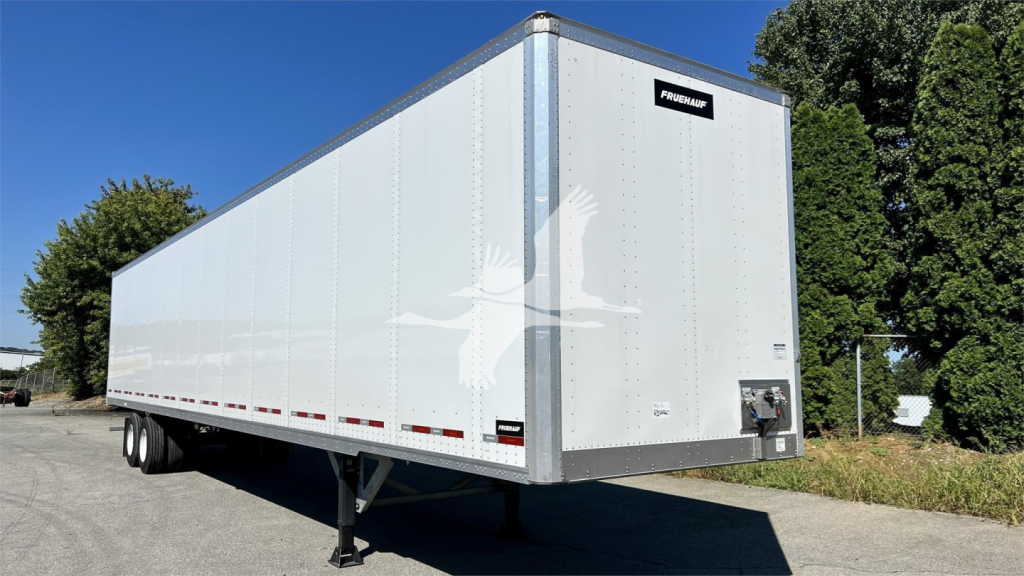
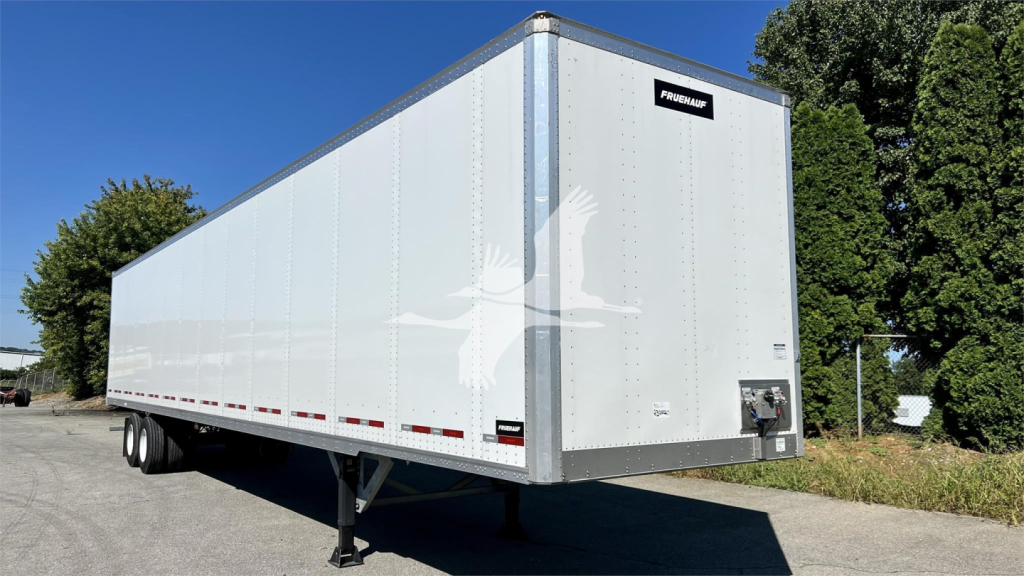
On the van side, buyers should pay close attention to side construction, lining, floor composition, and logistics setup. Common 2025 Fruehauf van specs include galvanized steel plate side construction with polyurethane core panels, Series A logistics posts, full swing rear doors, aluminum roofs, and hardwood floors in the 1 3/8-inch range. Inside dimensions around 101 inches wide and 110 inches high are typical for high-cube dry van service. A 36-inch kingpin setting and tandem air ride suspension with a 49-inch axle spread are also common, which helps the trailer stay compatible with standard fleet tractors and dock operations. Features like galvanized rear frames, bolt-on bumpers, HDPE front wall scuff, steel side scuff liners, and anti-snag roof bows are worth noting because they affect long-term durability in heavy loading cycles.
If you are comparing a Fruehauf flatbed, the key decisions shift to deck material, securement layout, and suspension style. A typical Fruehauf steel flatbed may be 53 feet by 102 inches with an Apitong wood deck, steel side rails, stake pockets, pipe spools, sliding winches, and tandem suspension. Crossmember spacing, slider setup, and kingpin setting all affect how the trailer carries concentrated loads and how easily it can be scaled legally across different states. Spring ride flatbeds can still make sense for certain applications because they are simple and durable, but air ride is generally preferred for more delicate freight. Buyers should inspect the deck, rails, winch track, crossmembers, and rear structure closely because those areas show how the trailer has actually been worked.
A used 2025 Fruehauf trailer is usually attractive to buyers who want late-model specs without stepping into a new trailer price point. The smartest comparison is not just year and make. It is floor life, suspension brand, tire and wheel package, landing gear condition, corrosion resistance, and how the trailer was originally spec'd for its intended duty cycle. For vans, look hard at floor wear, door seals, scuff protection, lining condition, and any evidence of forklift damage. For flatbeds, focus on deck fasteners, securement hardware, frame straightness, and slider operation. Fruehauf remains a familiar name in North American trailer operations, and a properly spec'd used unit can fit regional, dedicated, or over-the-road freight depending on how the trailer is equipped.
Frequently Asked Questions about Used 2025 Fruehauf Trailers
What are the most common types of used 2025 Fruehauf trailers on the market?
The most common used 2025 Fruehauf trailers are 53-foot dry vans and 53-foot flatbeds. Dry vans are built for enclosed palletized freight and dock-based loading, while flatbeds are designed for open-deck hauling where cargo is loaded by crane or forklift and secured with chains or straps. The best choice depends on freight profile, loading method, and how much cargo protection is required.
What should I look for on a used 2025 Fruehauf dry van?
Start with floor condition, sidewall integrity, rear door operation, and suspension spec. Buyers should also check scuff liners, nose lining, roof bows, threshold plate, landing gear, and kingpin area for damage or excessive wear. A dry van with galvanized structural components, a solid hardwood floor, and clean logistics tracks usually holds up better in high-cycle warehouse service.
What matters most when buying a used 2025 Fruehauf flatbed?
Deck condition and securement setup are the priority. Look at the Apitong floor, stake pockets, pipe spools, sliding winches, side rails, and crossmembers to see how the trailer was maintained and what type of freight it likely handled. Suspension type, slider function, and kingpin setting also matter because they affect ride quality, axle legality, and how well the trailer matches your tractor and lanes.
Are Fruehauf trailers typically fleet-friendly for parts and service?
Yes. Fruehauf trailers are generally built with mainstream components such as Jost landing gear, common suspension systems, standard wheel and tire sizes, and fleet-familiar dimensions. That makes them easier to integrate into mixed fleets and simplifies service planning, replacement parts sourcing, and technician familiarity compared with niche trailer specs.
Is a used 2025 Fruehauf trailer a good fit for regional or over-the-road freight?
It can be a strong fit for both, depending on configuration. A 53-foot Fruehauf van with air ride, hardwood flooring, and logistics posts is well suited for regional distribution and long-haul general freight. A Fruehauf flatbed with the right deck, securement hardware, and tandem setup can serve regional construction freight or over-the-road steel and machinery loads. The deciding factor is the trailer's actual spec and prior duty cycle, not just the model year.