
Used 2025 Fruehauf Trailers For Sale in Pennsylvania
Browse used 2025 Fruehauf trailers in Pennsylvania, including dry vans and flatbeds with specs, applications, and buyer-focused guidance.
Have used 2025 fruehauf trailer to sell? List it here to reach thousands of buyers.
Used 2025 Fruehauf Trailers in Pennsylvania
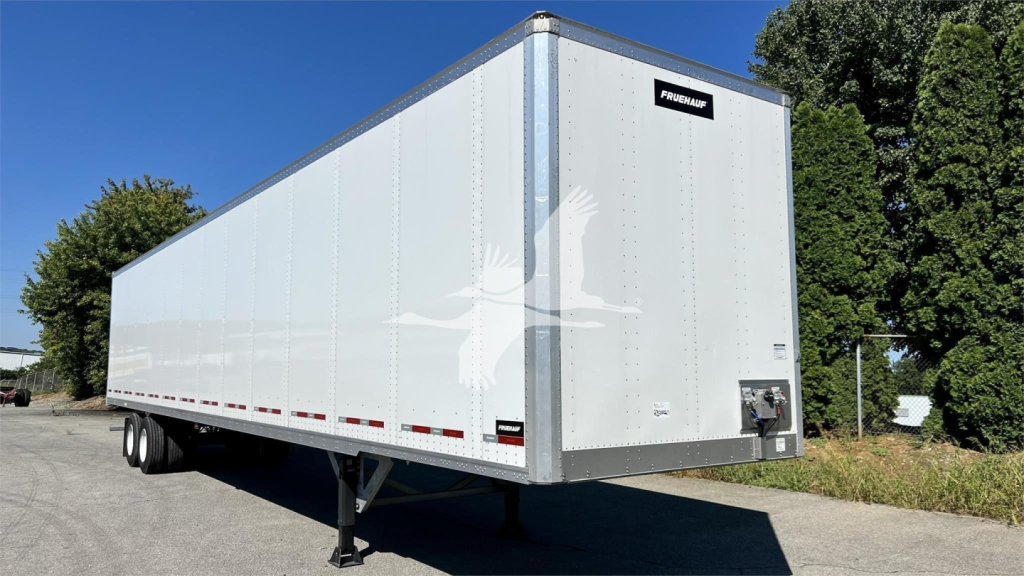
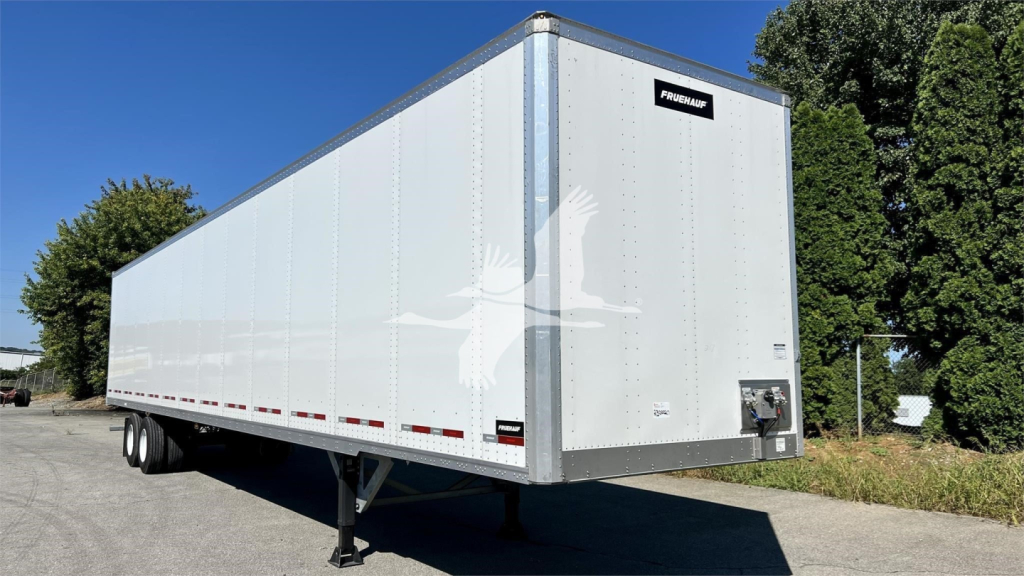
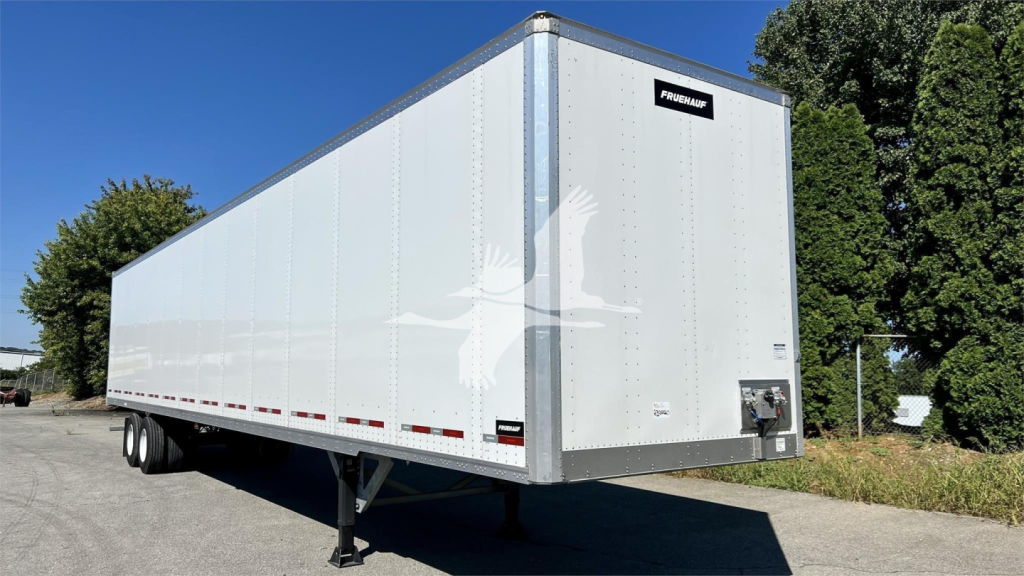
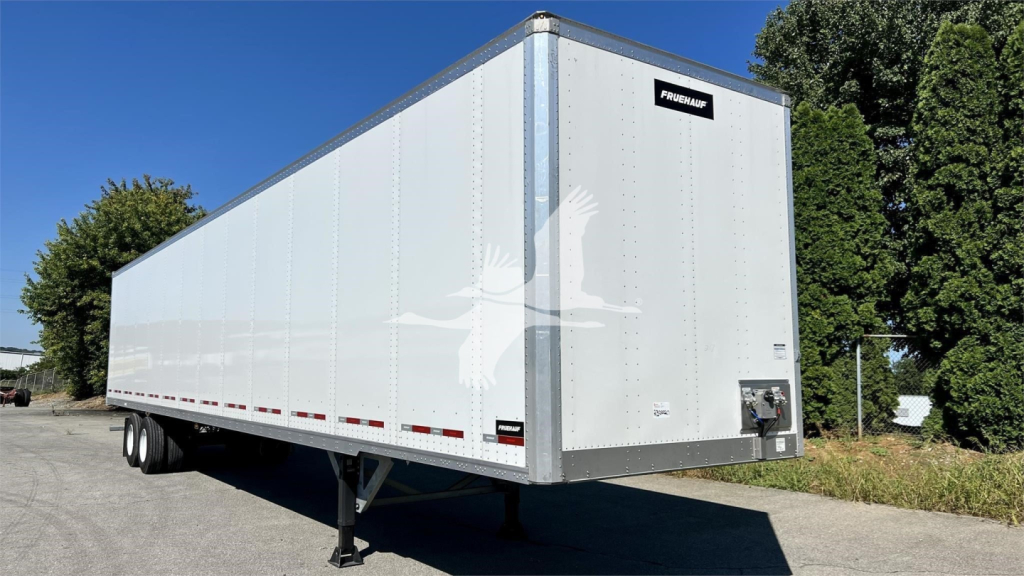
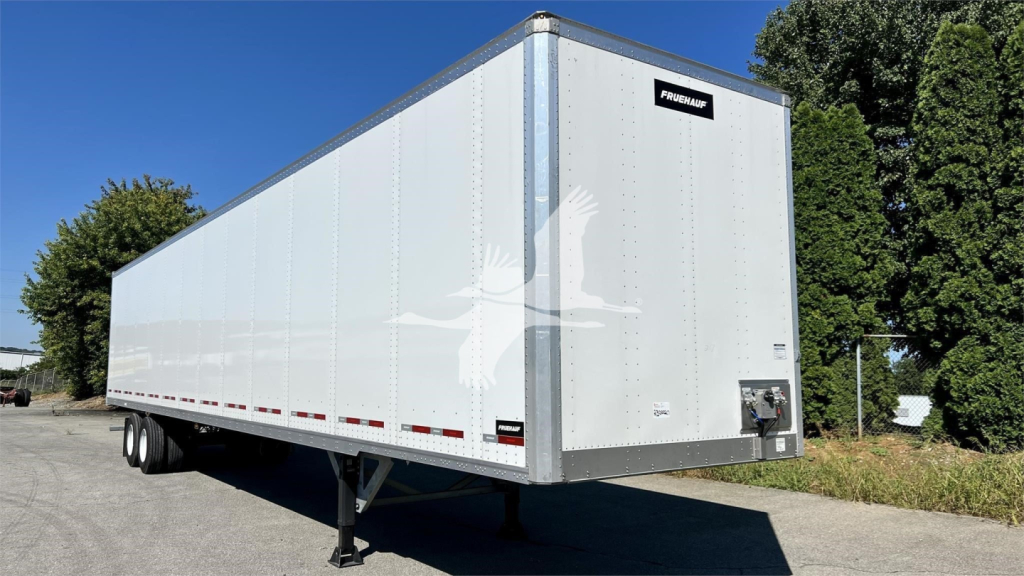
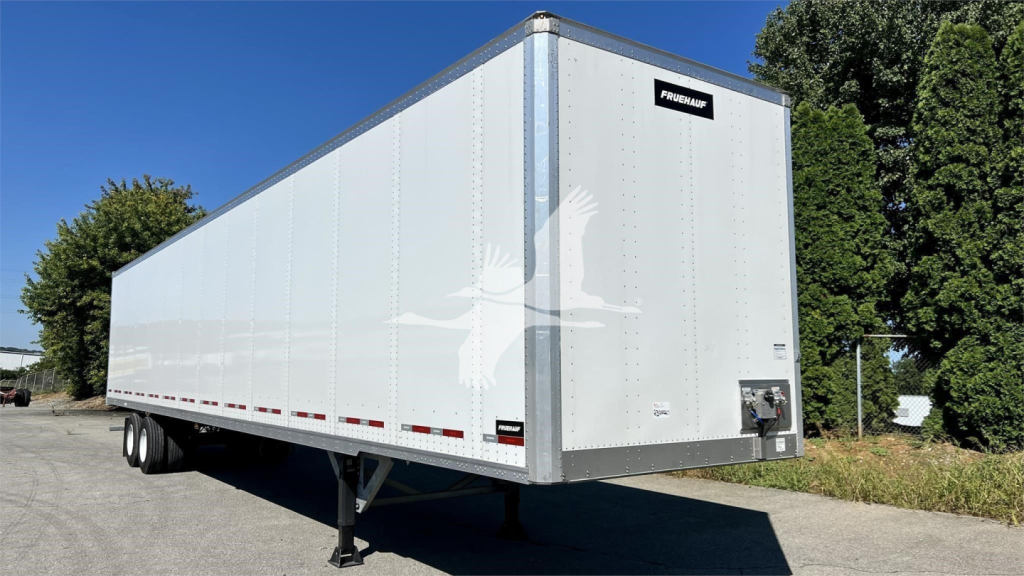
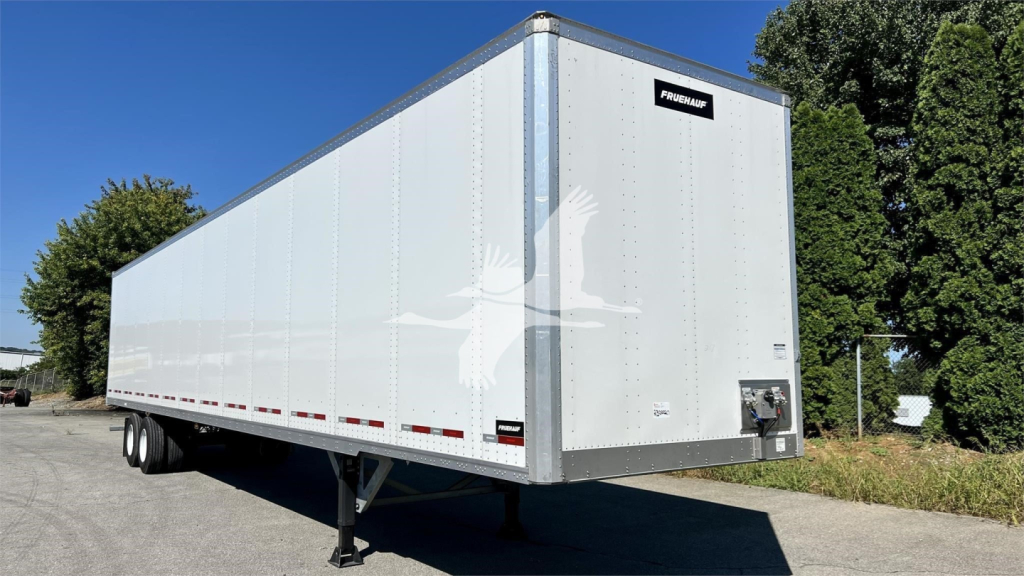
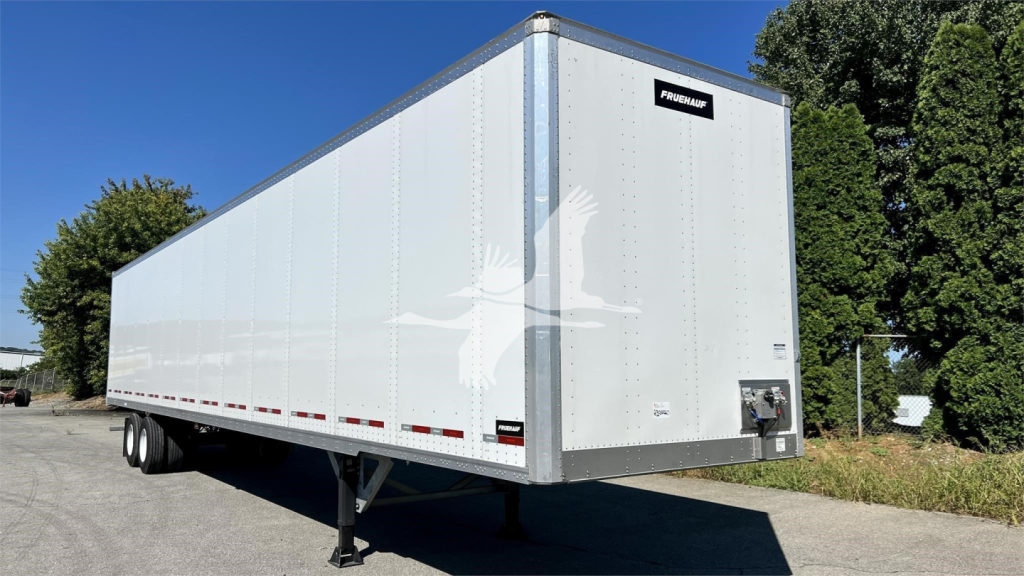
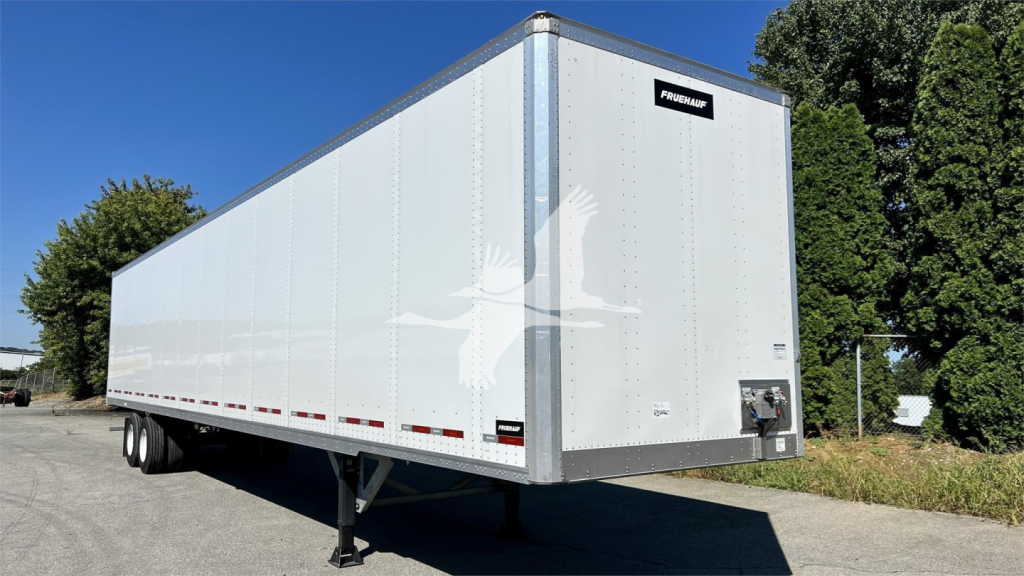
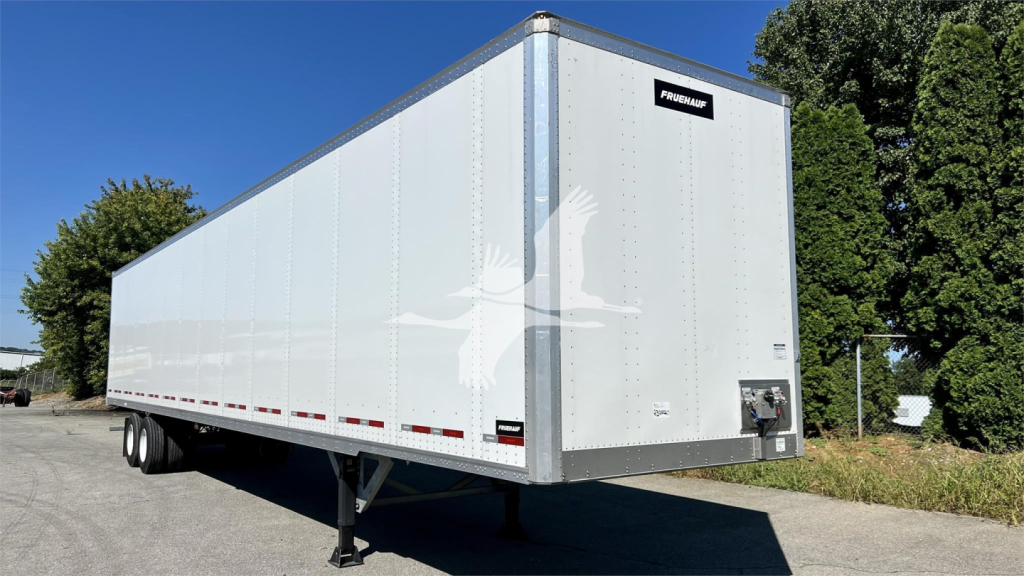
For dry van buyers, the important details are usually in the sidewall construction, floor rating, suspension, and dock-related durability. Many Fruehauf vans are spec'd with plate sidewalls, galvanized rear frames, hardwood floors, logistics posts, aluminum roofs, and swing doors, which makes them well-suited for general freight, retail distribution, and drop-and-hook operations. Air ride suspension is common on van trailers because it helps protect cargo and improves ride quality. Look closely at kingpin setting, suspension setting, crossmember spacing, and scuff protection if the trailer will see heavy forklift traffic. Features like integrated scuff liners, reinforced nose lining, anti-snag roof bows, and galvanized threshold plates matter on high-cycle freight.
On the flatbed side, Fruehauf steel flats are typically built for basic, dependable open-deck work. Common specs include apitong flooring, steel side rails, steel crossmembers, roadside winch tracks, sliding winches, tandem axles, and 295/75R22.5 rubber. Spring ride is still common on some flatbeds because it keeps the spec simple and cost-effective, though ride quality and cargo sensitivity should be considered. Buyers hauling machinery, steel, building materials, or palletized freight should check deck condition, crossmember integrity, rub rail wear, landing gear operation, and whether the trailer has the right securement setup for coils, pipe, or general commodity work.
In Pennsylvania, trailer buyers should pay extra attention to corrosion exposure, brake and tire condition, and signs of concentrated wear from Northeast freight lanes. Road salt, dock abuse, and repeated heavy payloads can age a trailer quickly even when the model year is recent. A solid used 2025 Fruehauf trailer should be evaluated for frame straightness, suspension bushing wear, floor condition, roof integrity on vans, and axle alignment on both van and flatbed models. If the trailer will be added to a mixed fleet, Fruehauf's conventional specs and serviceable design can make parts sourcing, shop familiarity, and day-to-day operation easier.
Frequently Asked Questions about Used 2025 Fruehauf Trailers in Pennsylvania
What types of used 2025 Fruehauf trailers are most common?
The most common used Fruehauf trailers in this range are dry vans and flatbeds. Dry vans are typically 53 feet long with 102-inch overall width and are used for general freight, retail, and warehousing operations. Flatbeds are commonly found in 48-foot and 53-foot lengths and are used for steel, lumber, machinery, and other open-deck freight. The exact spec matters more than the badge, so buyers should compare suspension, floor construction, crossmember spacing, and securement equipment.
What should I inspect first on a used Fruehauf dry van?
Start with the floor, rear frame, roof, and suspension. A dry van can look clean outside but still have expensive wear in the hardwood floor from forklift traffic or impact damage at the rear threshold and door frame. Check for patched floors, bowed sidewalls, leaking roof seams, damaged scuff liners, and signs of dock impact around the bumper and rear sill. Also confirm kingpin wear, landing gear function, brake condition, and tire wear patterns that could point to alignment or suspension issues.
Are Fruehauf flatbeds a good fit for general commodity hauling?
Yes, Fruehauf flatbeds are generally a good fit for general commodity hauling when the trailer has the right deck and securement configuration. Steel-frame flatbeds with apitong flooring, winch tracks, and sliding winches are commonly used for building materials, palletized freight, and steel products. The key is making sure the trailer matches the cargo. A buyer hauling coil, pipe, or concentrated loads should verify deck ratings, crossmember condition, and whether any specialized securement package is included.
Is air ride or spring ride better on a used Fruehauf trailer?
Air ride is usually preferred on dry vans and on flatbeds hauling more sensitive freight because it provides better ride quality and can reduce cargo shock. Spring ride remains common on flatbeds because it is simpler and often cheaper to maintain. Neither is automatically better in every operation. The right choice depends on cargo type, maintenance practices, operating lanes, and driver preference. On a used trailer, current condition of the suspension is just as important as the suspension type.
Why do kingpin setting and suspension setting matter on a trailer purchase?
Kingpin setting and suspension setting affect weight distribution, turning clearance, and how the trailer matches with a tractor and axle laws. A common kingpin setting on vans may differ from a flatbed spec, and tandem placement can change bridge compliance and loadability. Buyers adding a trailer to an existing fleet should confirm these measurements so the trailer works with their tractors, customer docks, and commodity weights. A mismatch can create operational headaches even when the trailer itself is in good shape.