
Used 2025 CPS Trailers For Sale
Browse used 2025 CPS trailers, including lightweight bottom dump models with air ride, tarp systems, and specs suited for aggregate hauling.
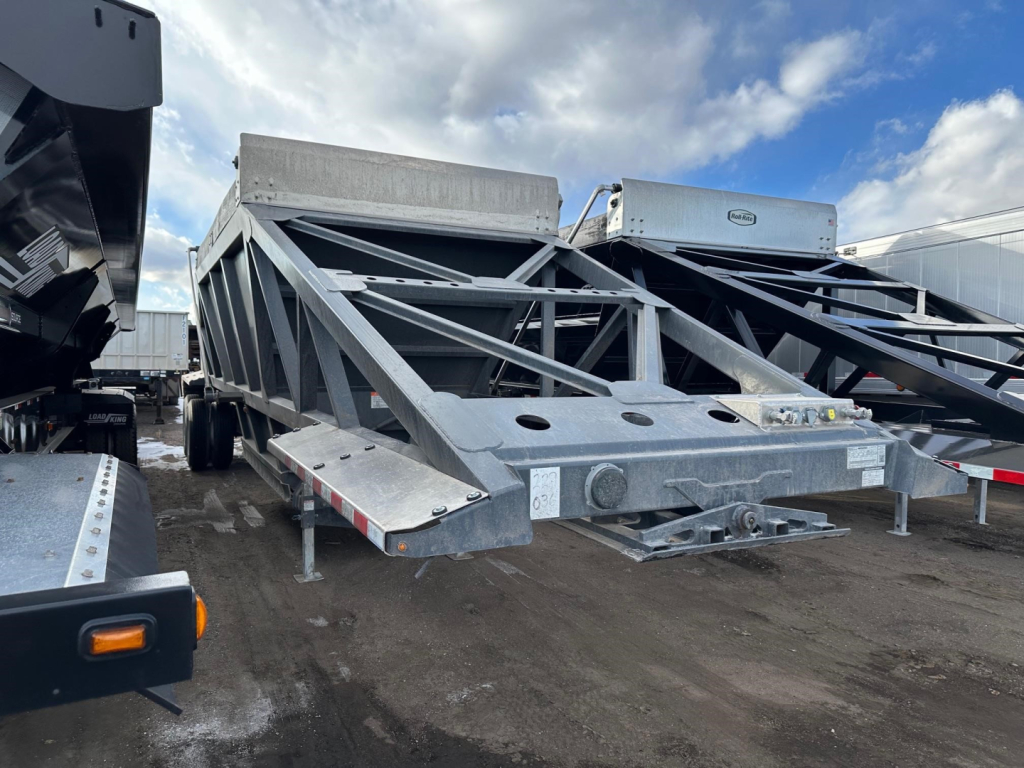
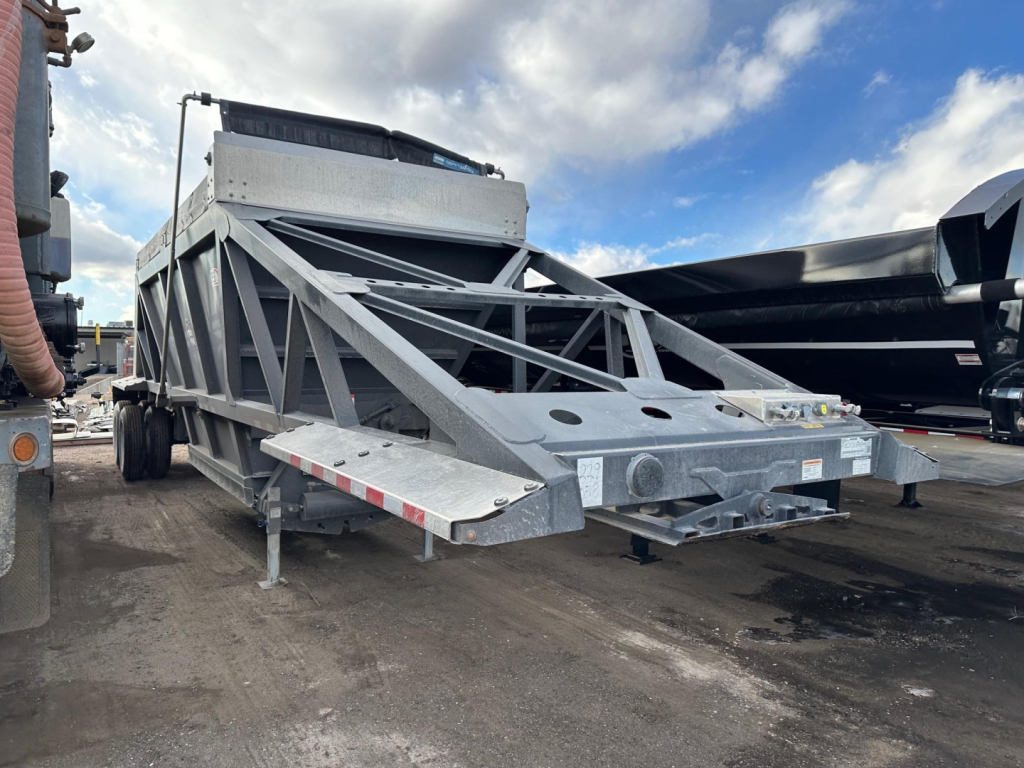
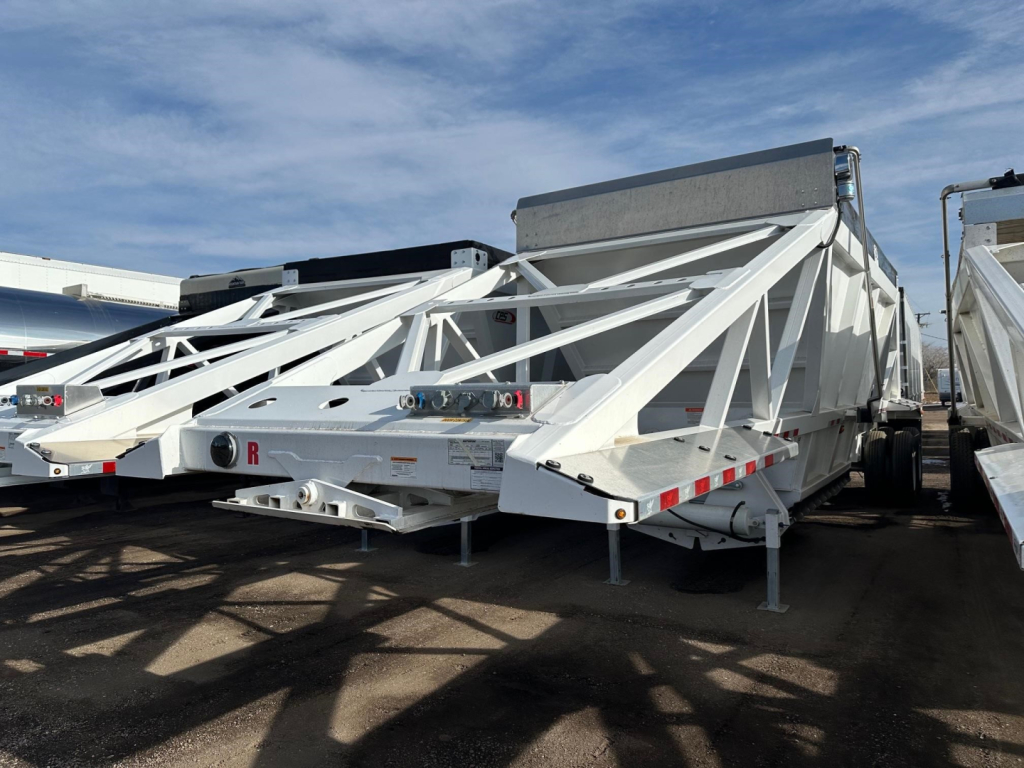
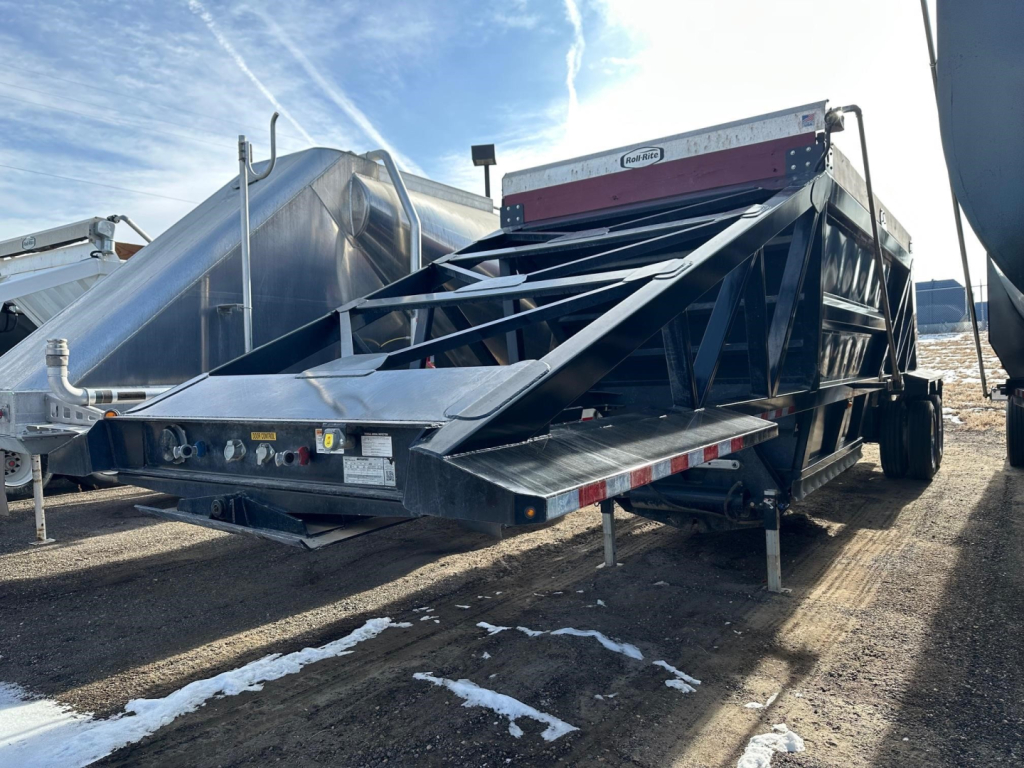
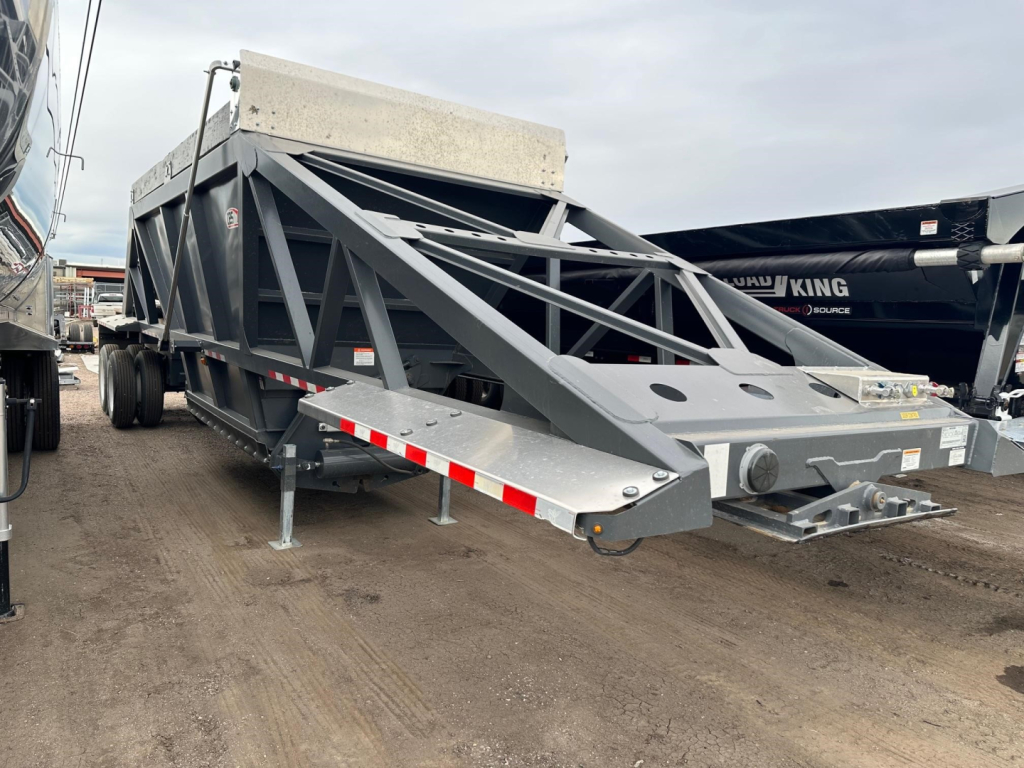
Selling a used 2025 cps trailer? List your used 2025 cps trailer for sale and reach thousands of commercial buyers.
Used 2025 CPS Trailers
On many 2025 CPS bottom dump trailers, air ride suspension is a key feature because it helps protect the trailer structure, improves ride quality, and can reduce product disturbance compared with harsher suspension setups. Closed tandem axle arrangements are common in this class, along with 11R24.5 tires and steel wheels. Operational details matter here. A single hopper with pin setting gate limiters gives the driver repeatable gate openings for windrowing or controlled discharge, while a Versa Valve setup can improve gate actuation consistency. If the trailer will be used in road building or shouldering work, features like bang boards and a windrow deflector become especially relevant because they help manage spread pattern and material placement.
Late-model units often include practical spec choices that support daily production, not just appearance. Electric flip tarps are valuable for faster load securement and less driver effort, especially when hauling mixed aggregates or operating in changing weather. Front and rear fenders help protect the trailer and following equipment from road spray and debris. LED lighting is now standard on many newer trailers because it improves visibility and cuts down on electrical maintenance compared with older incandescent systems. When evaluating a used 2025 trailer, look beyond model year and focus on gate wear, hinge condition, air system integrity, tarp function, brake life, tire match, and any signs of cracking around suspension hangers or hopper structure.
CPS trailers are generally considered by buyers who need a straightforward, work-focused dump trailer with modern spec options and low-hour service life relative to older used equipment. For aggregate fleets, owner-operators, and contractors, a lightly used 2025 bottom dump can offer a strong middle ground between new-trailer pricing and the efficiency gains of current design. The best fit usually comes down to your material type, spread requirements, axle laws in your operating region, and how much value you place on lightweight construction versus maximum durability for rough-site use.
Frequently Asked Questions about Used 2025 CPS Trailers
What are used 2025 CPS trailers most commonly used for?
Used 2025 CPS trailers in this category are most commonly used for aggregate and road construction work, especially when configured as bottom dump trailers. They are well suited for hauling sand, gravel, crushed stone, asphalt base, and similar bulk materials that need controlled unloading. Bottom dumps are preferred in many paving and grading applications because they can discharge material while moving, which improves placement speed and reduces unload time compared with end dump setups.
Why does air ride matter on a CPS bottom dump trailer?
Air ride suspension matters because it improves ride quality, reduces shock loading into the frame and hopper, and can help protect both the trailer and the hauled material. For fleets running regional highways, mixed road surfaces, or repetitive jobsite cycles, air ride is often the preferred suspension because it supports better trailer control and can contribute to lower long-term structural stress than rougher riding alternatives. It is also a common spec on late-model trailers intended for higher productivity use.
What should I inspect on a used 2025 CPS bottom dump trailer before buying?
The most important inspection points are the hopper and gate system, suspension components, brakes, tires, tarp operation, and overall structural condition. Check gate limiters, hinges, cylinders or valve controls, and seals for wear or inconsistent movement. Inspect around suspension hangers, crossmembers, and the hopper throat for cracks or repairs. Confirm the electric tarp works properly, the LED lighting is functional, and the air system holds pressure without excessive leakage. A late-model trailer may look clean, but gate wear and structural fatigue tell you far more about how it was used.
What is the advantage of a lightweight 40-foot bottom dump trailer?
A lightweight 40-foot bottom dump trailer is popular because it can maximize legal payload while staying practical for jobsite access and regional hauling. Reducing tare weight gives the operator more room for revenue-producing material, which is a major factor in aggregate hauling margins. The 40-foot length is also a proven balance for stability, maneuverability, and controlled material discharge, making it a common choice for contractors and fleets that need one trailer to handle varied road and site conditions.
Are features like electric flip tarps, windrow deflectors, and bang boards worth having?
Yes, those features are useful when the trailer is expected to work regularly rather than occasionally. An electric flip tarp speeds up load covering and uncovering while reducing driver effort. A windrow deflector helps direct discharged material more consistently, which is important in shoulder work and paving support. Bang boards can also improve material control during unloading. These are practical operating features, not cosmetic extras, and they can make a noticeable difference in efficiency and load placement accuracy.