
Used 2025 CPS Trailers For Sale in Colorado
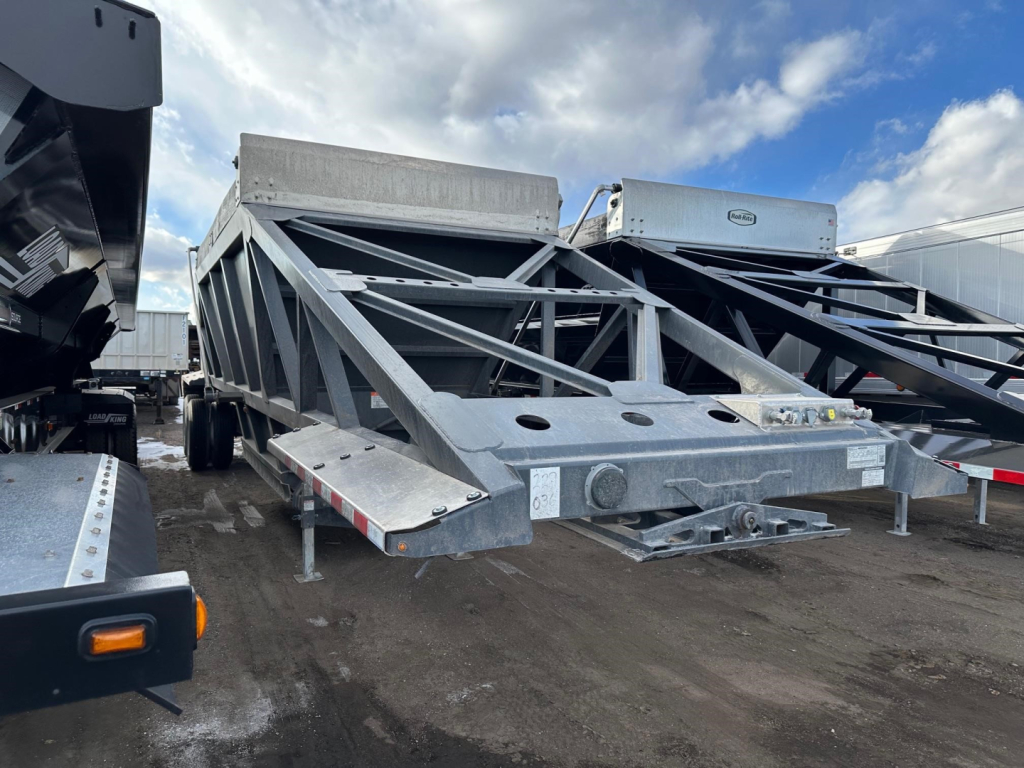
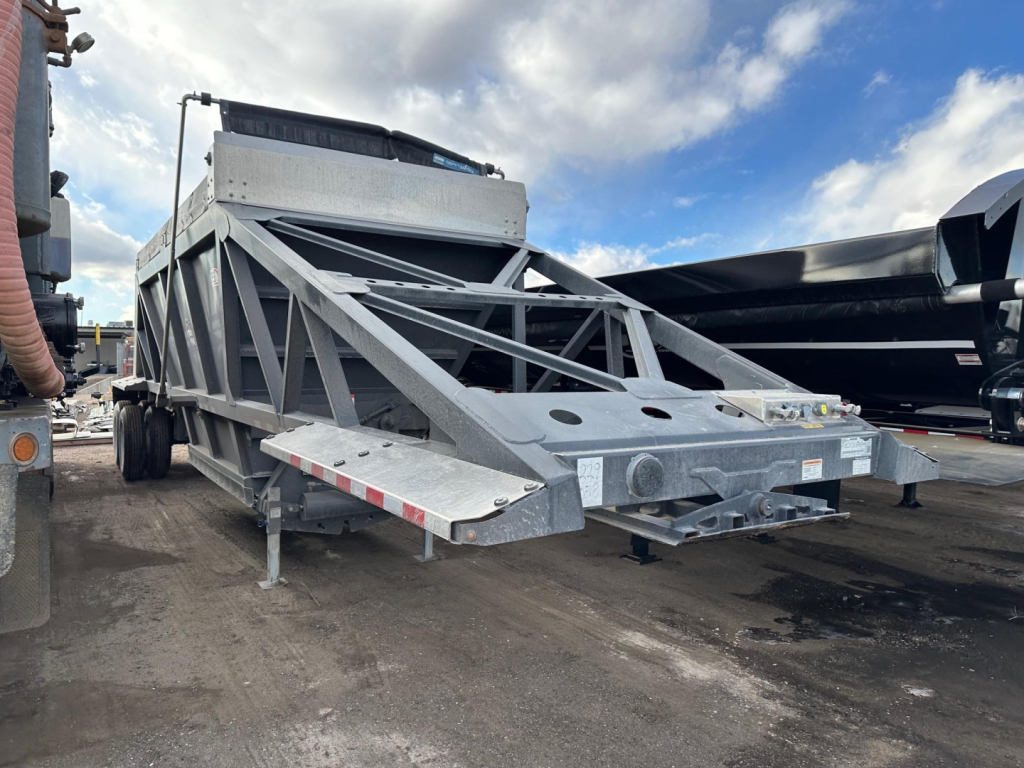
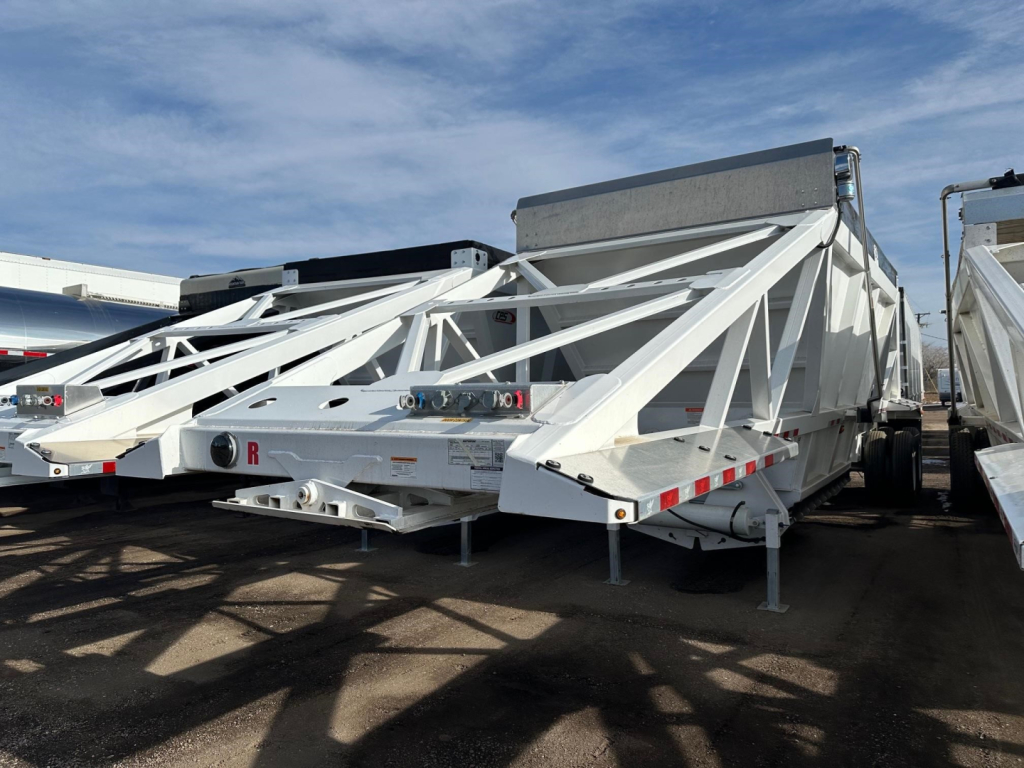
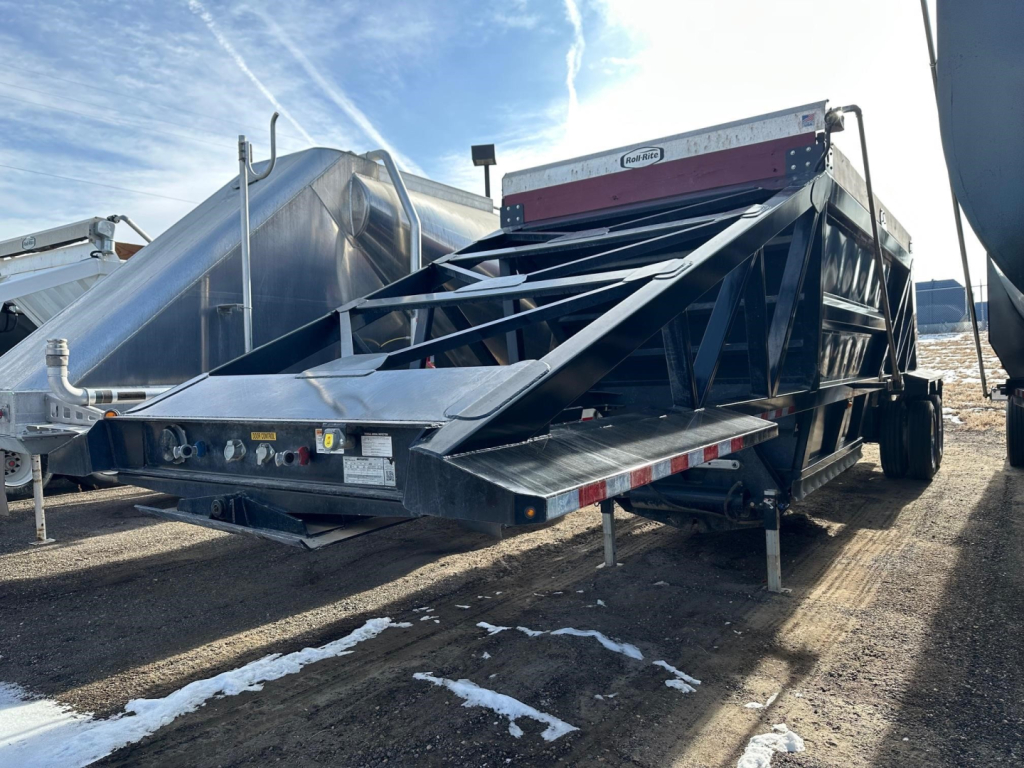
Used 2025 CPS trailers for sale, including lightweight bottom dump trailers with air ride, 40-foot lengths, tarp systems, and construction-ready specs.
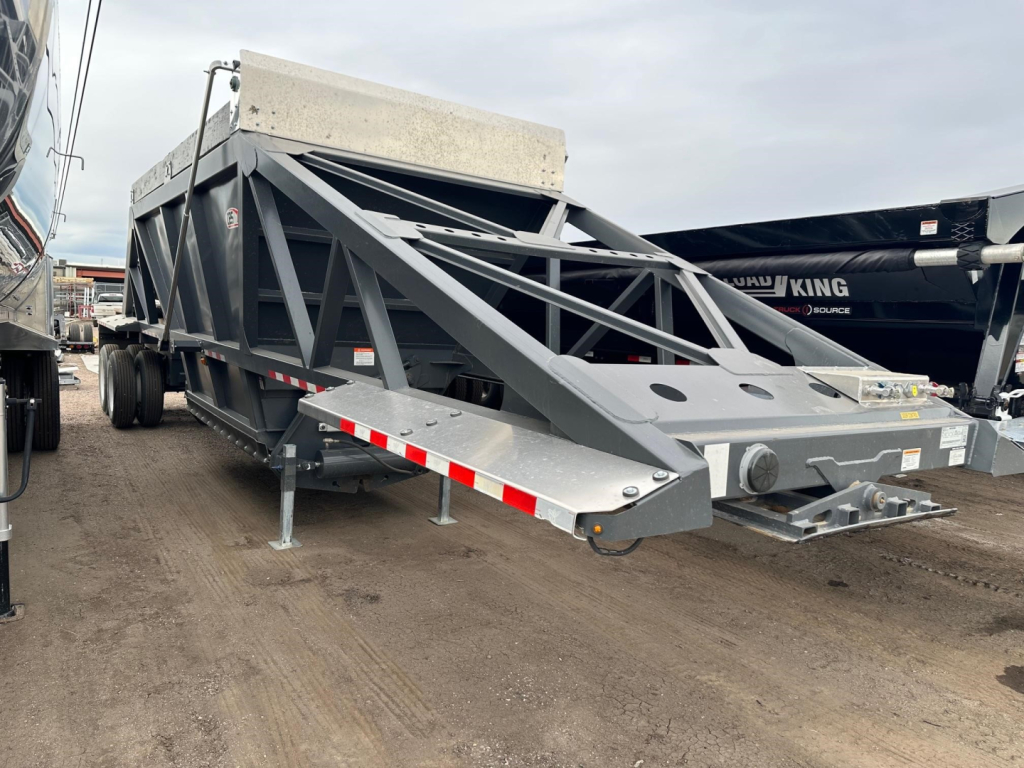
Selling a used 2025 cps trailer? List your used 2025 cps trailer for sale and reach thousands of commercial buyers.
Used 2025 CPS Trailers in Colorado
A key buying point in this group is the lightweight 40-foot configuration with air ride suspension. That setup helps maximize legal payload while improving ride quality and reducing shock transfer to the frame and gate system. Common specs in this class include single hopper designs, closed tandem axle layouts, 11R24.5 tires, steel wheels, LED lighting, and front and rear fenders. Buyers should pay close attention to gate controls and discharge equipment such as pin setting gate limiters, Versa Valve systems, and windrow deflectors, since those features directly affect spread consistency, operator control, and cycle time on paving and aggregate jobs.
Tarp equipment is another practical detail that matters on a used 2025 CPS trailer. Electric flip tarps save time at the pit and help with compliance on covered loads, especially when operating between urban projects and highway work zones. Bang boards, fenders, and overall hopper condition are worth a close inspection because this equipment sees abrasive material every day. On late model used units, buyers should still check for gate seal wear, air system leaks, suspension condition, bushing life, brake lining percentage, tire matching, and any signs of distortion around the hopper, crossmembers, and discharge openings.
For buyers comparing used CPS trailers against other dump trailer types, the main advantage is productivity in material placement. Bottom dump trailers unload quickly without raising the body, which can be safer in low-clearance areas, on soft ground, or in crosswind conditions where an end dump may be less stable. The tradeoff is application fit. If the work requires stockpiling in a tight pile, an end dump may still be the better tool. If the job calls for continuous spreading over distance, a CPS bottom dump is the right category to focus on. The best unit for the job usually comes down to empty weight, gate performance, suspension spec, and how closely the trailer matches the material and road conditions it will see.
Frequently Asked Questions about Used 2025 CPS Trailers in Colorado
What is a CPS bottom dump trailer best used for?
A CPS bottom dump trailer is best used for hauling and controlled unloading of aggregate materials such as sand, gravel, road base, and similar bulk products. Its belly discharge design allows the operator to lay a consistent windrow while moving, which is valuable in road building, shoulder work, paving support, and large site preparation jobs. It is less suited to applications that require material to be heaped into a concentrated pile.
Why does air ride matter on a used 2025 CPS trailer?
Air ride suspension improves ride quality, helps reduce vibration to the trailer structure, and can provide better load protection compared with some spring suspension setups. On a bottom dump trailer, that matters because repeated shock loads can affect gate components, hopper structure, and overall durability. Air ride can also help with driver comfort and trailer stability on mixed road surfaces common in construction hauling.
What should I inspect first on a used bottom dump trailer?
Start with the hopper and gate system because that is the working heart of the trailer. Check the gate operation, seals, hinges, linkage, air valves, and limiters for wear or uneven function. Then inspect the frame, crossmembers, suspension, brakes, tires, wheels, and lighting. Abrasive materials can accelerate wear, so visible cracking, distortion, or patched areas around the discharge section deserve extra attention.
How is a bottom dump trailer different from an end dump trailer?
A bottom dump trailer unloads through gates on the underside of the trailer, while an end dump raises the body and discharges out the rear. Bottom dumps are preferred when the load needs to be spread evenly along a path and when stability during unloading is important. End dumps are better when the material needs to be placed in a single pile or when the product does not flow as cleanly through bottom gates.
Are 40-foot lightweight bottom dump trailers a good fit for Colorado hauling?
A 40-foot lightweight bottom dump trailer is often a strong fit for Colorado construction and aggregate work because it balances payload capacity, maneuverability, and unloading efficiency. The right setup depends on axle spacing, suspension, tire spec, and the type of material being hauled, but this size is common for road work and general contractor support. Buyers should also verify state and local bridge, weight, and route requirements before putting a trailer into regular service.