
Used 2025 CPS Dump Trailers For Sale
Used 2025 CPS dump trailers for sale, including lightweight bottom dump models with air ride, tarp systems, and aggregate-ready specs.
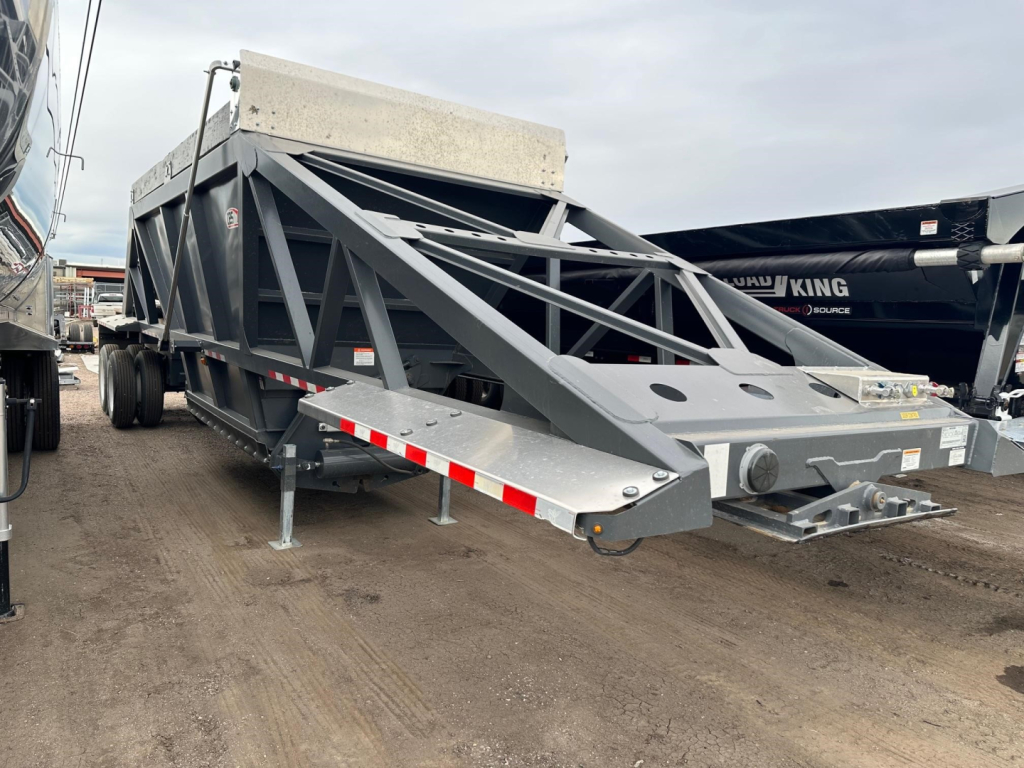
Selling a used 2025 cps dump trailer? List your used 2025 cps dump trailer for sale and reach thousands of commercial buyers.
Used 2025 CPS Dump Trailers
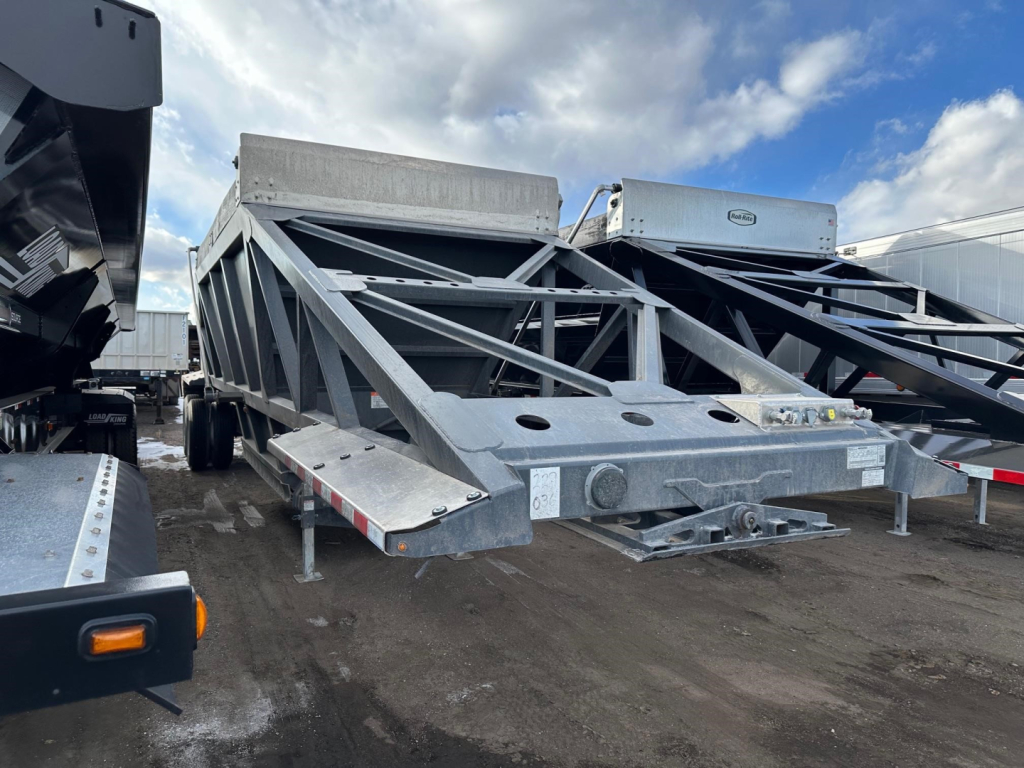
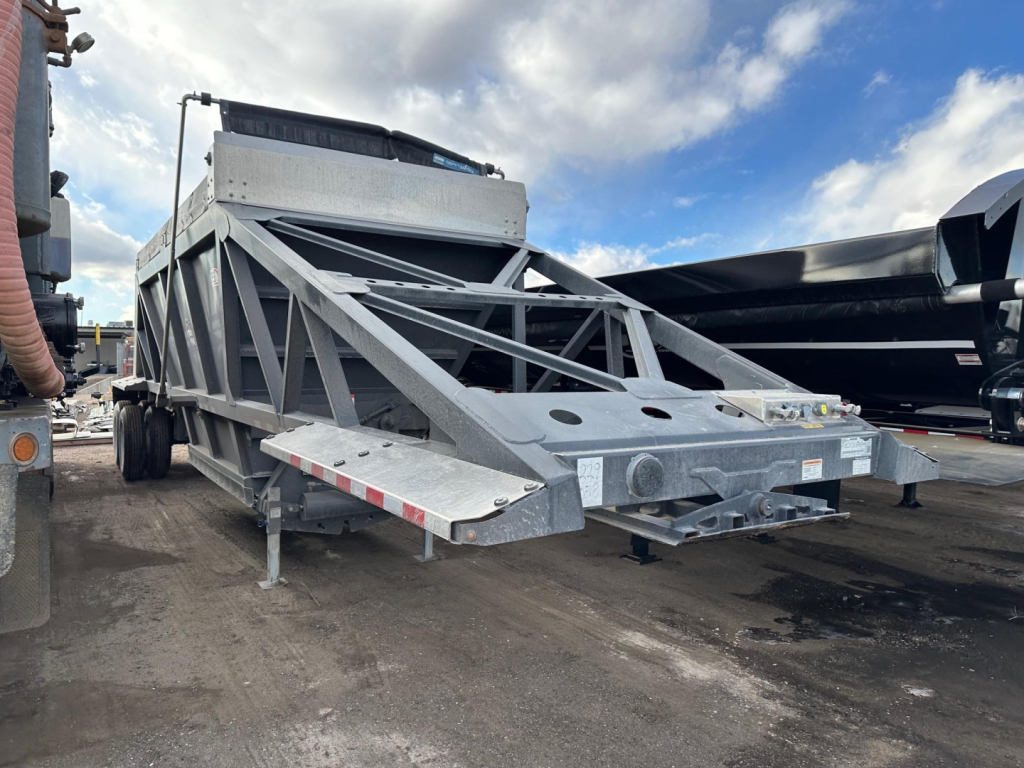
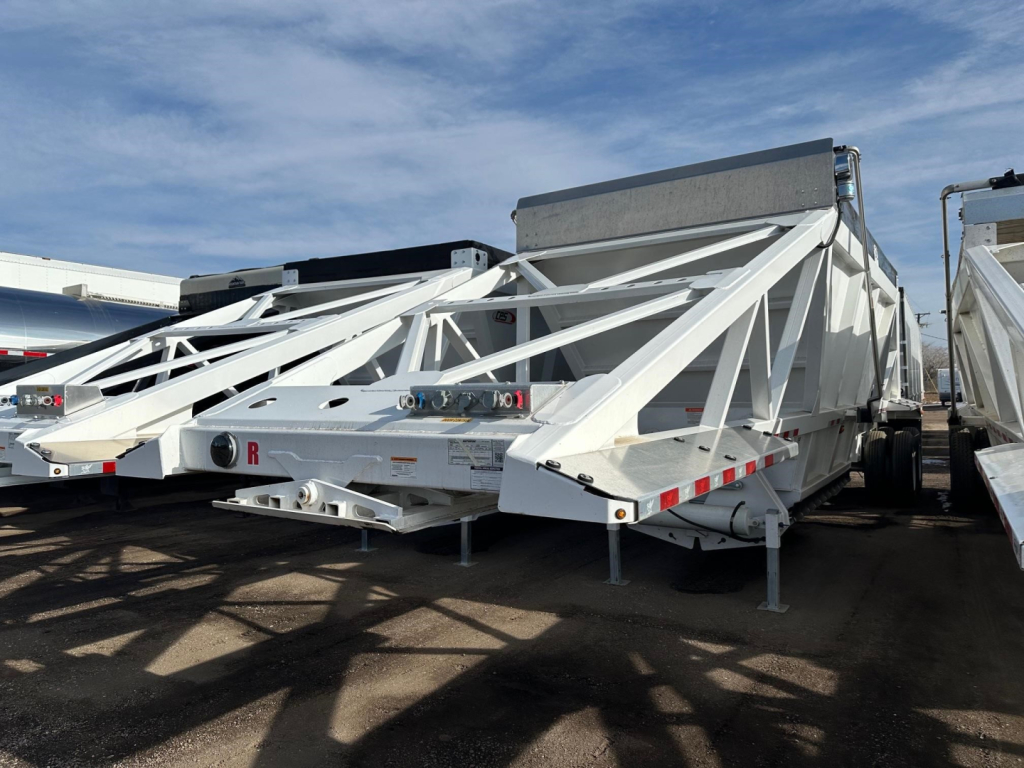
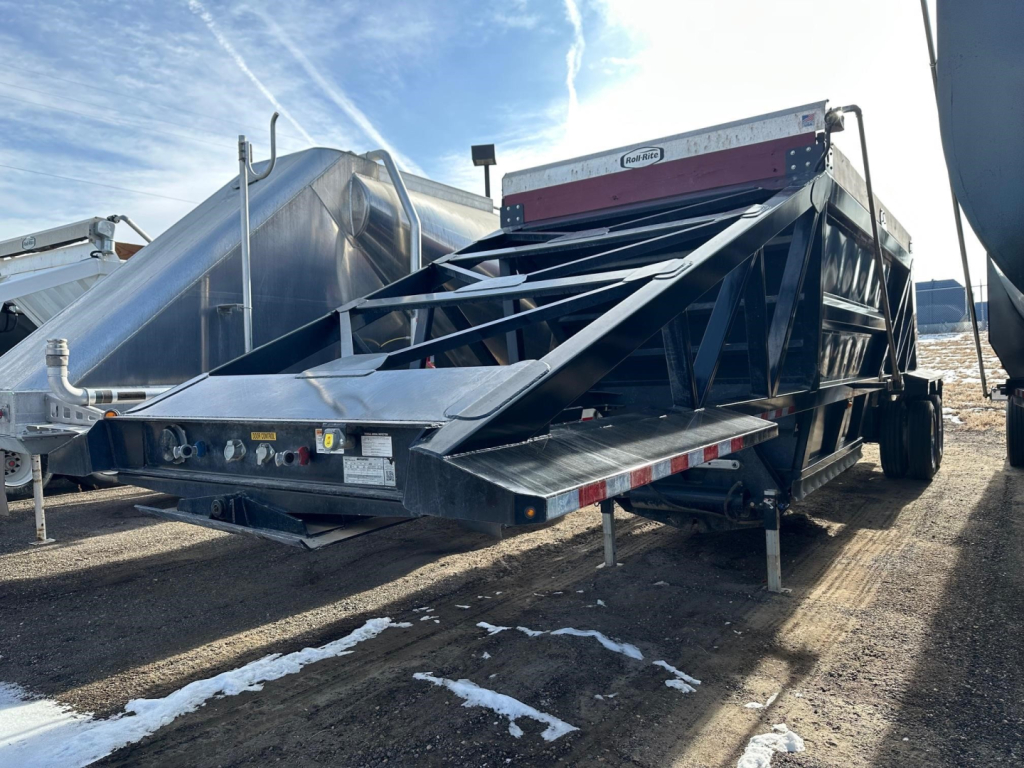
For a buyer comparing late-model used bottom dumps, gate control and suspension are two of the first things to evaluate. Pin setting gate limiters help control flow rate and material spread, which matters on road jobs where consistency is money. A Versa Valve and windrow deflector are also practical features on this type of trailer because they improve discharge control and help keep material placement predictable. Air ride suspension on a closed tandem is a common spec for operators trying to balance ride quality, trailer stability, and reduced shock load on the chassis when running mixed pavement and jobsite surfaces.
The lightweight build is a major selling point in this equipment class because payload is the whole game with a bottom dump. Common supporting specs on these CPS trailers include steel wheels, 11R24.5 tires, LED lighting, front and rear fenders, bang boards, and electric flip tarp systems. The tarp is especially important for aggregate and asphalt-related work where load security, weather protection, and compliance all come into play. Buyers should also pay attention to hopper condition, gate seals, linkage wear, air system response, suspension bushing condition, and any evidence of material hang-up or uneven discharge patterns.
A used 2025 CPS dump trailer can make sense for fleets that want current-spec equipment without the pricing of a new order. Late-model used units often appeal to contractors, owner-operators, and regional hauling operations looking for a modern trailer with minimal aging on the structure, wiring, and running gear. The key is matching the trailer to the material and the route. Bottom dumps are excellent for free-flowing bulk commodities and paving support, but they are less suited to sticky demolition debris or jobs that require vertical dumping. For the right application, a CPS bottom dump offers fast unload cycles, strong payload efficiency, and dependable performance in high-turn aggregate work.
Frequently Asked Questions about Used 2025 CPS Dump Trailers
What is a CPS bottom dump trailer best used for?
A CPS bottom dump trailer is best suited for hauling and metering free-flowing bulk materials such as الرمل, gravel, sand, road base, and similar aggregate products. Its discharge system drops material through gates in the belly of the trailer, which makes it especially useful for laying windrows and supporting paving, road building, and construction supply work. It is generally a better fit than an end dump when the job requires controlled spread patterns, quick unload times, and operation in areas with overhead clearance limits.
What should I inspect first on a used 2025 CPS dump trailer?
Start with the hopper, gate assembly, and discharge controls because those components define how well a bottom dump performs in the field. Check for gate wear, bent linkage, air leaks, uneven opening, poor sealing, and signs of material leakage. Then inspect the suspension, axle alignment, tires, wheels, brakes, wiring, tarp system, and frame rails. On a late-model used trailer, buyers usually expect less structural wear, so any evidence of twisting, cracking, impact damage, or abnormal tire wear deserves close attention.
Why does air ride matter on a bottom dump trailer?
Air ride suspension helps improve ride quality, reduce vibration transfer, and protect both the trailer structure and the load during transport. On a bottom dump, that can also contribute to better handling and more stable performance over mixed road conditions. For fleets running highway miles between pits, plants, and jobsites, air ride is often preferred because it can reduce harshness compared with mechanical suspension and support better overall trailer control.
Are lightweight bottom dump trailers worth it?
A lightweight bottom dump trailer is often worth it when payload and cycle efficiency directly affect revenue. Reducing empty trailer weight can allow more legal payload, which is a major advantage in aggregate hauling where margins depend on tons moved per trip. Buyers should still confirm that the lightweight design does not compromise durability for the intended application. The best choice depends on haul distance, road conditions, material type, and how aggressively the trailer will be used on rough jobsites.
How is a bottom dump different from an end dump trailer?
A bottom dump discharges material through gates in the floor of the trailer, while an end dump raises the body and dumps out the rear. Bottom dumps are preferred for controlled material placement, fast unloading, and jobs where overhead clearance or trailer stability is a concern. End dumps are better for larger chunk material, demolition debris, and applications where a full rear discharge is needed. The right choice comes down to the material being hauled and the type of work being performed.