
Used CPS Dump Trailers For Sale
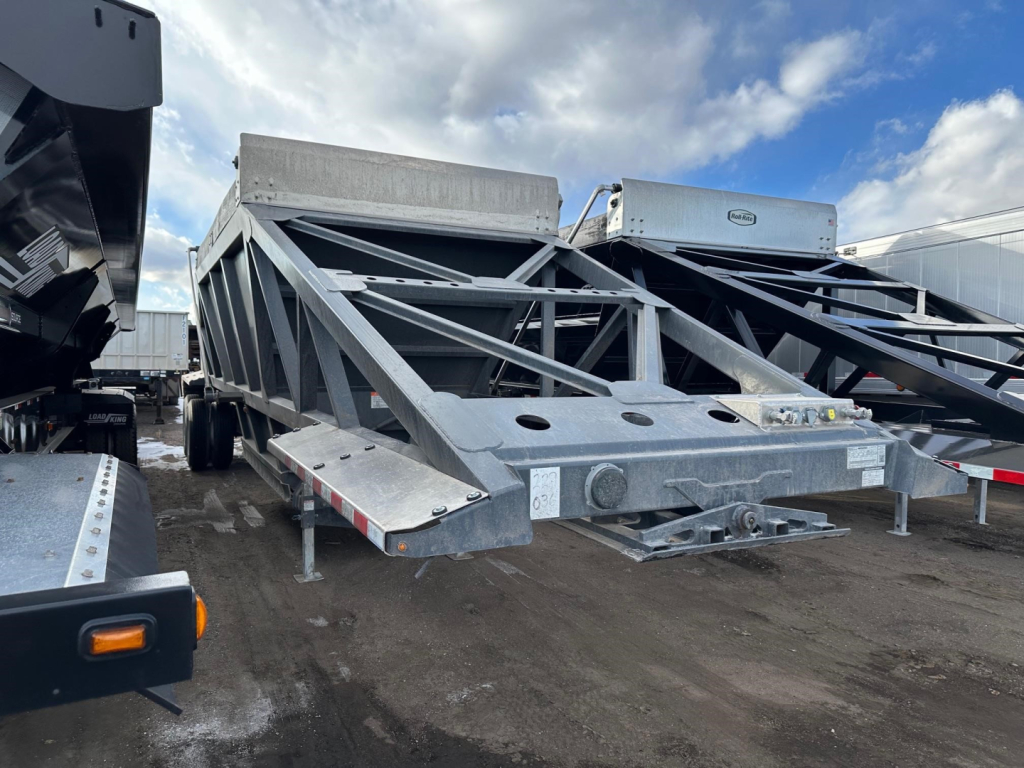
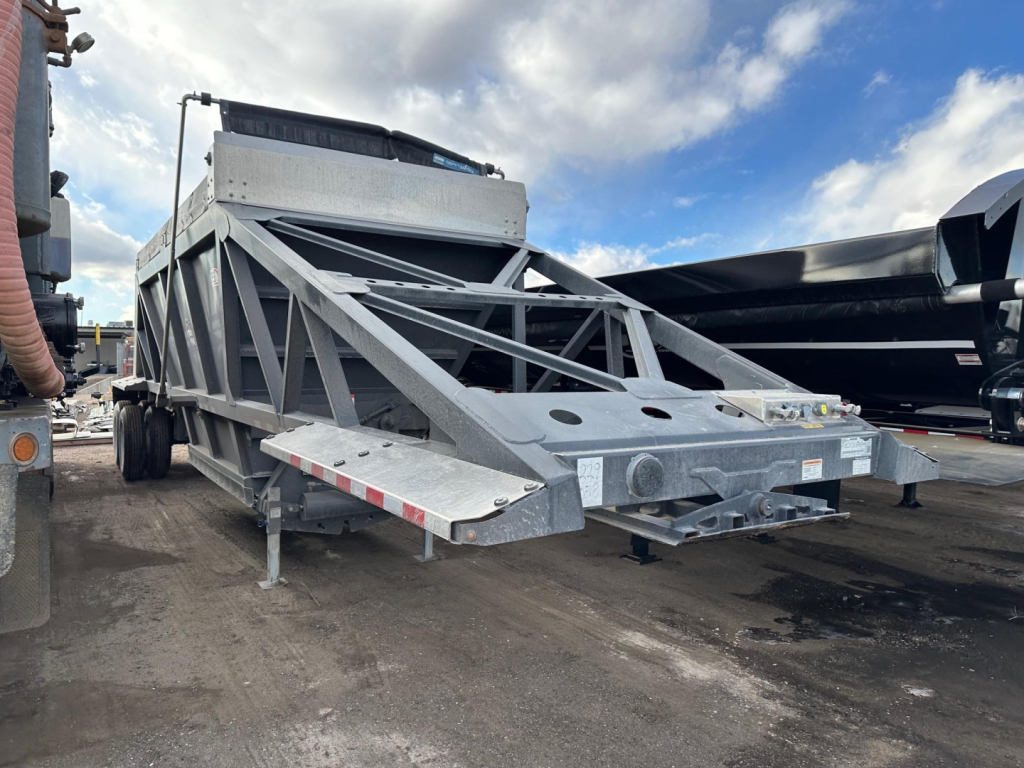
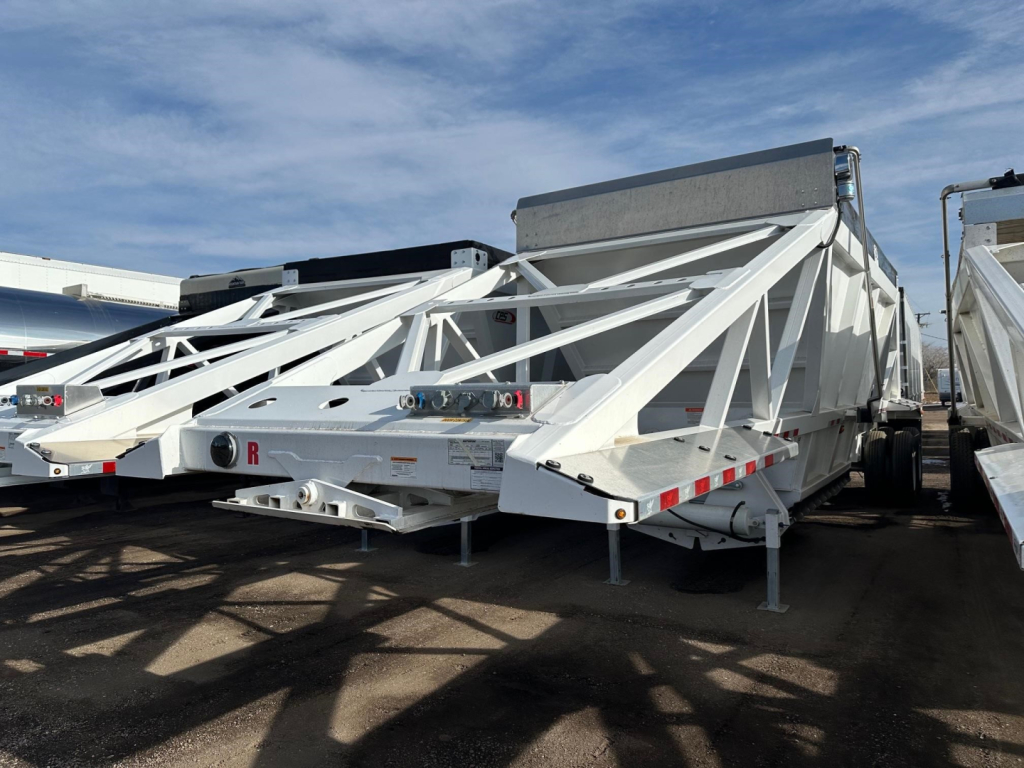
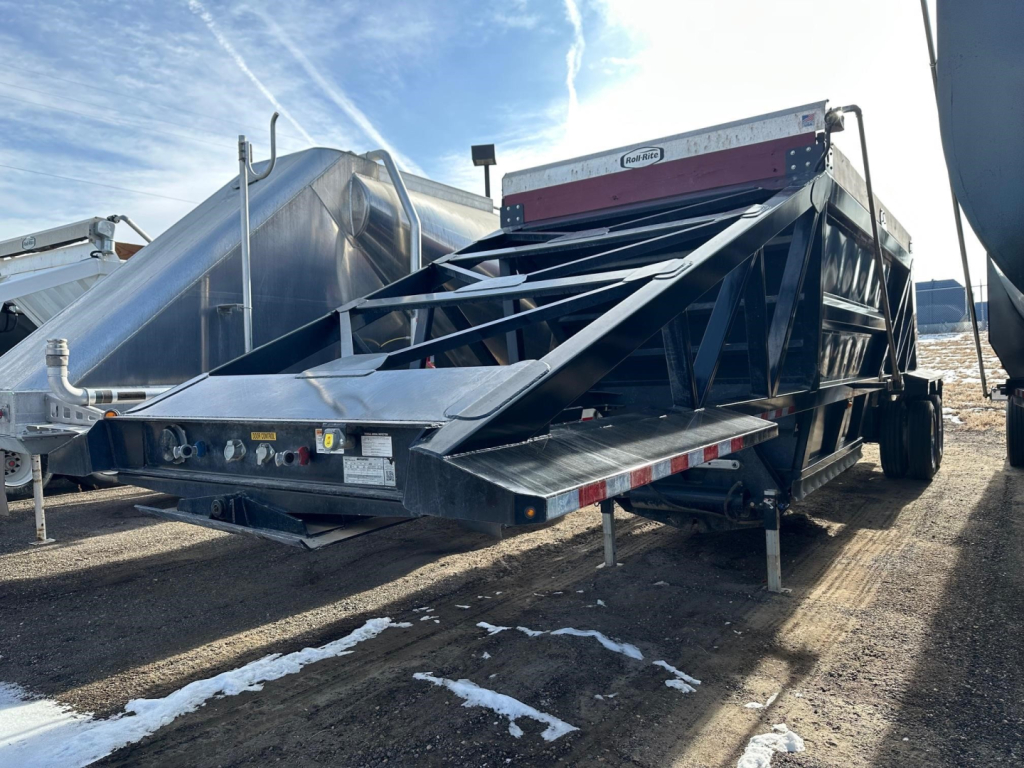
Shop used CPS dump trailers, including lightweight 40-foot bottom dumps with air ride, tarp systems, and aggregate-ready specs.
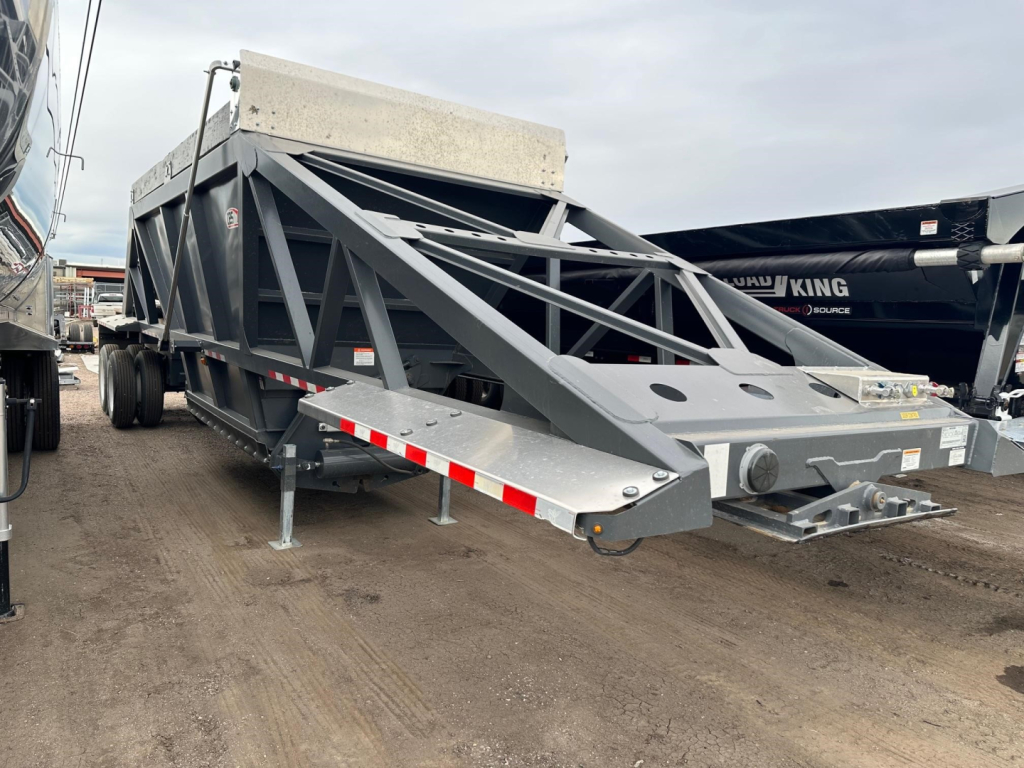
Selling a used cps dump trailer? List your used cps dump trailer for sale and reach thousands of commercial buyers.
Used CPS Dump Trailers
A buyer looking at used CPS bottom dumps should pay close attention to hopper configuration, gate control, suspension, and tare weight. Late-model 40-foot trailers are commonly spec'd with a single hopper, pin-setting gate limiters, and a valve system that helps control the drop rate and spread pattern. Features such as windrow deflectors, bang boards, and electric flip tarps are practical options, not cosmetic ones. They affect how cleanly the trailer unloads, how well it handles varying material types, and how easily the operator can stay compliant on covered loads. Closed tandem axle layouts, air ride suspension, 11R24.5 tires, steel wheels, and LED lighting are also common on this type of trailer.
Compared with an end dump, a bottom dump trailer offers a lower center of gravity during unloading and can keep material moving with less interruption to jobsite flow. That said, the trailer has to be matched to the work. Bottom dumps are best where the customer wants a controlled spread or quick unload on stable ground. Gate wear, hinge condition, air system integrity, tarp operation, and suspension condition deserve close inspection on any used unit. On a lightweight spec, also check for structural repairs around the hopper, crossmembers, fender mounts, and landing gear area, especially if the trailer has spent time in heavy aggregate service.
CPS dump trailers appeal to buyers who want a straightforward aggregate trailer with a productivity-focused spec. The most useful comparison points across listings are trailer length, empty weight, gate setup, suspension type, axle spacing, tire size, and the condition of the tarp and pneumatic controls. If the trailer will spend most of its time on public road work, features that support even material flow and dependable gate response usually matter more than extra body capacity. If payload is the priority, a lightweight build and clean structural history should move to the top of the list.
Frequently Asked Questions about Used CPS Dump Trailers
What is a CPS bottom dump trailer best used for?
A CPS bottom dump trailer is best used for hauling and controlled unloading of aggregate materials such as sand, gravel, crushed rock, and road base. Bottom dumps, also called belly dumps, are especially effective on road construction and site work because they can lay material in a consistent windrow while the truck keeps moving. That improves cycle times and reduces the need for additional spreading equipment in many applications.
What should I inspect first on a used CPS dump trailer?
Start with the gate system, hopper structure, suspension, and air controls. On a used bottom dump, the discharge gates and their limiters are critical because wear, leakage, or uneven operation directly affect unload performance. After that, inspect the frame, crossmembers, kingpin area, axle alignment, tires, wheels, tarp system, and all lights. Signs of cracking, patched metal, elongated mounting holes, or inconsistent gate response usually deserve closer attention before purchase.
Is air ride a good choice on a used CPS dump trailer?
Air ride is a common and desirable spec on many used CPS dump trailers because it can improve ride quality, help protect the trailer structure, and reduce shock transfer to the load and chassis. For operations that spend significant time on pavement, air ride can also help with handling and component life. The tradeoff is that the air system adds components that need to be checked carefully, including bags, valves, lines, and ride height control.
How does a bottom dump compare with an end dump trailer?
A bottom dump trailer unloads through gates underneath the hopper, while an end dump raises the body to discharge the load out the rear. Bottom dumps are generally preferred when fast, controlled material placement is important and jobsite conditions allow rolling discharge. End dumps are often better for stockpiling, demolition debris, or jobs where material must be dropped in a concentrated pile. The right choice depends on the material, unload area, and the type of work your fleet handles most often.
Which specs matter most when comparing used CPS dump trailers?
The most important specs are trailer length, tare weight, hopper design, gate control setup, suspension type, axle configuration, tire size, and tarp equipment. These details affect payload, unload consistency, serviceability, and how well the trailer matches your routes and materials. For many buyers, a lightweight 40-foot configuration with dependable gate controls and a clean structural history is more valuable than a trailer with more capacity but more wear in the discharge system.