
Used CPS Dump Trailers For Sale in Colorado
Used CPS dump trailers for sale in Colorado, including lightweight bottom dump models with air ride, tarp systems, and aggregate-ready specs.
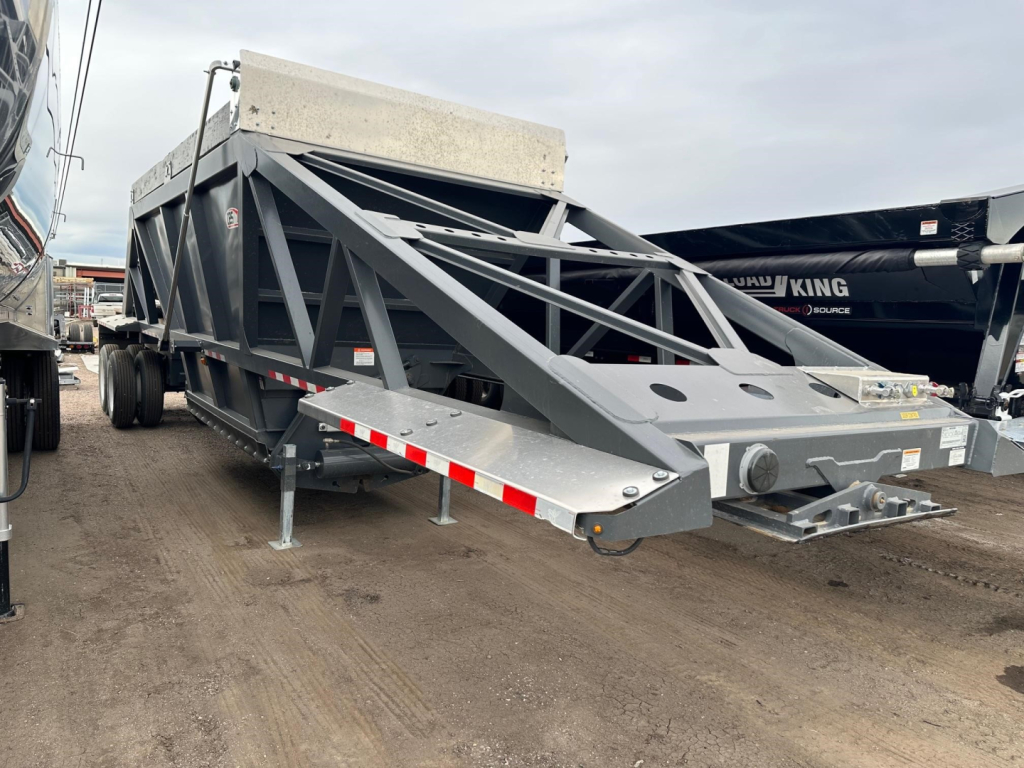
Selling a used cps dump trailer? List your used cps dump trailer for sale and reach thousands of commercial buyers.
Used CPS Dump Trailers in Colorado
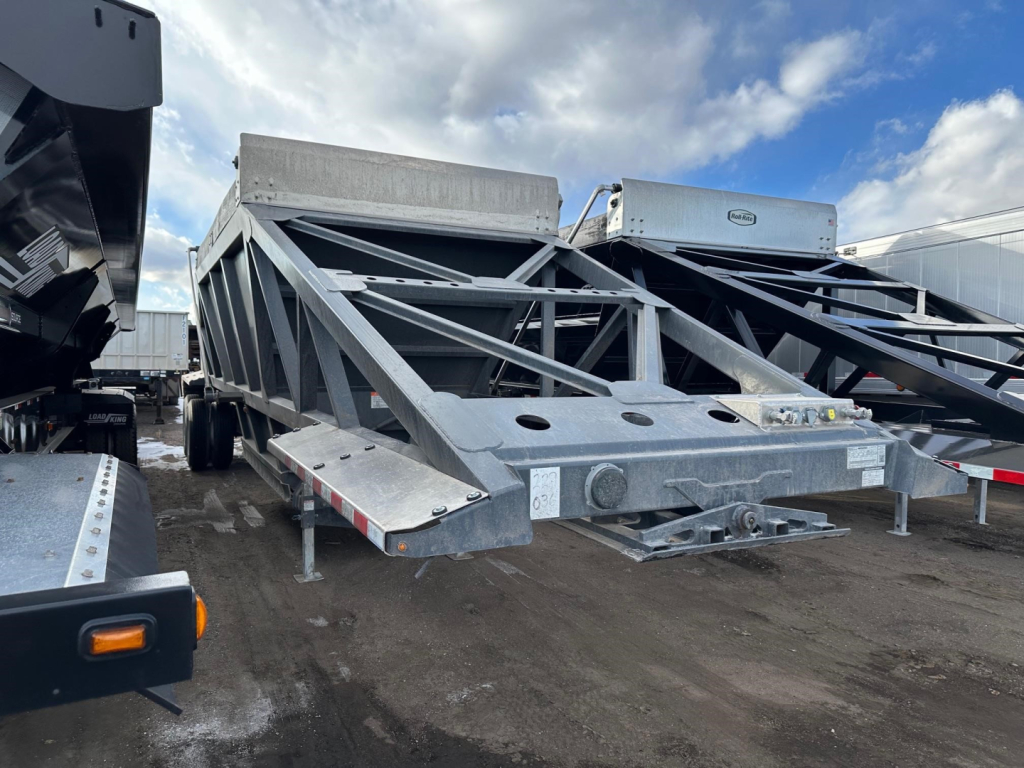
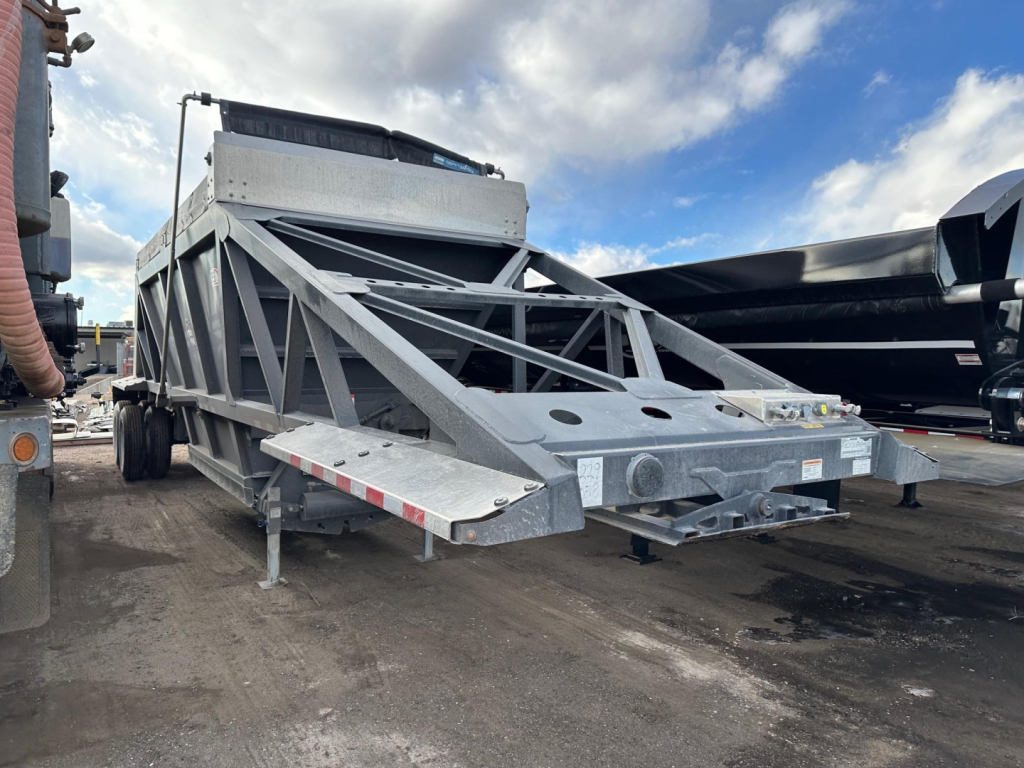
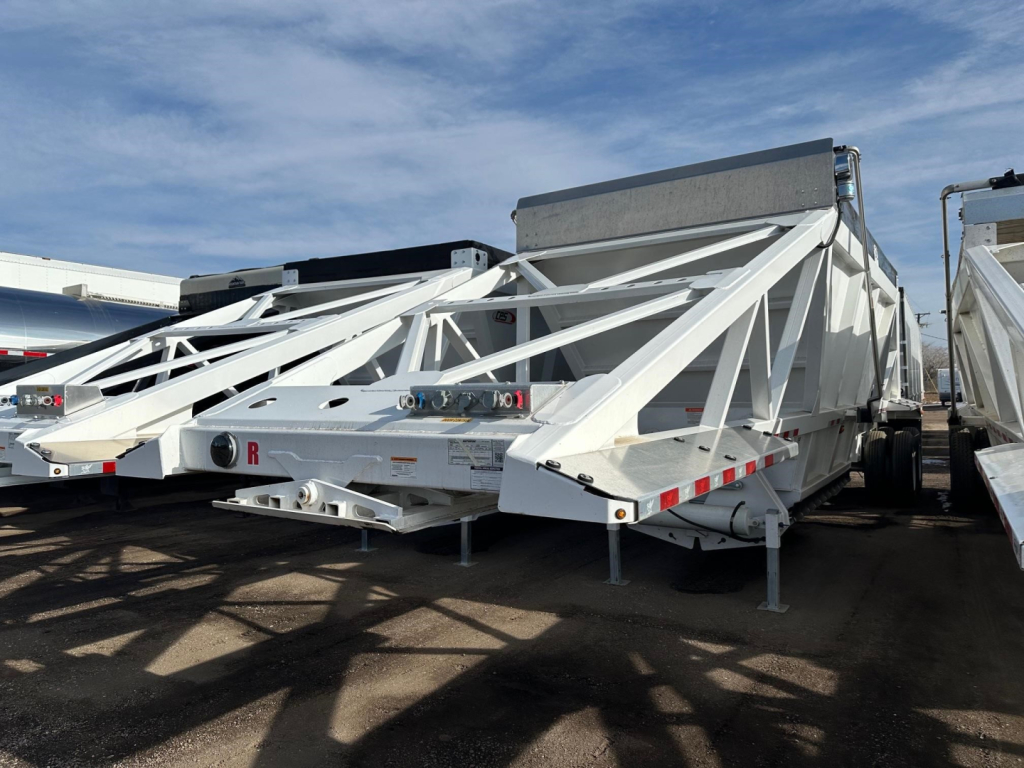
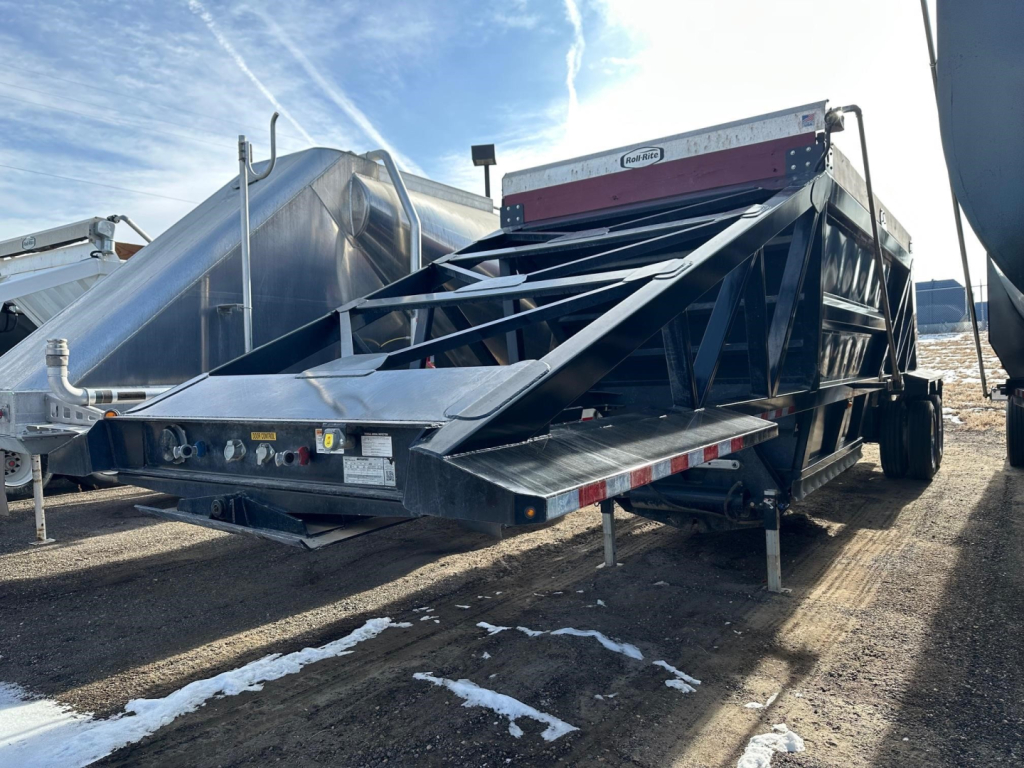
A lot of the value in a used CPS dump trailer comes down to configuration. Common specs include 40-foot lengths, lightweight construction, air ride suspension, closed tandem axle setups, and 11R24.5 tires. On bottom dump models, buyers should pay close attention to the hopper design, gate operation, and controls. Features like pin setting gate limiters, Versa Valve controls, windrow deflectors, electric flip tarps, bang boards, and front and rear fenders all affect how efficiently the trailer runs on a paving or aggregate job. Air ride can also be a plus for material control and ride quality, especially on mixed highway and jobsite routes.
For Colorado operations, trailer selection should reflect terrain, weather, and legal weight strategy. A lightweight CPS dump trailer can help preserve payload on short-haul aggregate work, but suspension condition, brake health, and gate sealing are just as important as tare weight. Used buyers should inspect the hopper frame, crossmembers, kingpin area, suspension mounts, tarp hardware, and electrical system for signs of fatigue or repair history. On a bottom dump, gate timing and clean opening action matter because sticky material, worn bushings, or uneven actuation can slow production and affect material placement.
CPS dump trailers are generally chosen by contractors and bulk haulers who need simple, durable construction and fast unloading without raising the body. That low center of gravity is one reason belly dumps remain popular on stable haul roads and paving spreads. The right used unit usually comes down to matching gate control style, axle layout, suspension, and overall empty weight to the material being hauled and the lanes the trailer will run every day.
Frequently Asked Questions about Used CPS Dump Trailers in Colorado
What is the difference between a bottom dump trailer and an end dump trailer?
A bottom dump trailer releases material through gates in the floor of the trailer, while an end dump raises the body to discharge out the rear. Bottom dumps are preferred when a controlled windrow is needed for road building, base material, or paving support. They also unload without lifting the trailer body, which helps maintain stability. End dumps are often better for larger chunks, demolition debris, or jobs where material needs to be piled instead of spread.
What should I inspect first on a used CPS bottom dump trailer?
Start with the hopper and gate system, because discharge performance is the core function of the trailer. Check for worn hinges, leaking seals, uneven gate movement, cracked welds around the hopper opening, and any evidence of binding in the linkage or valve system. After that, inspect suspension components, axle alignment, brake condition, kingpin wear, tire condition, and the condition of the tarp, wiring, and lights. On lightweight trailers, frame and crossmember condition deserve close attention because payload efficiency depends on structural integrity.
Why is air ride suspension common on bottom dump trailers?
Air ride suspension is common because it improves ride quality, helps protect the trailer structure, and can provide more consistent material handling on mixed road surfaces. For aggregate and paving work, a smoother ride can reduce shock loading and support better control when the trailer is moving between highway speeds and rough jobsite access roads. Buyers still need to inspect air bags, leveling valves, shocks, and suspension mounts carefully, since worn air ride parts can create uneven tire wear and handling issues.
Are lightweight bottom dump trailers better for Colorado hauling?
A lightweight bottom dump trailer can be an advantage in Colorado when payload matters and routes involve frequent aggregate or construction material loads. Lower tare weight can leave more room for legal payload, which improves revenue on short and medium hauls. The tradeoff is that condition matters even more on a used lightweight trailer, especially around stress points such as the kingpin plate, suspension hangers, frame rails, and hopper structure. The best choice depends on commodity, road conditions, and how aggressively the trailer has been worked.
What features matter most for paving and aggregate work on a used dump trailer?
For paving and aggregate applications, buyers usually focus on gate control, hopper design, suspension, and tarp setup. Pin setting gate limiters and valve controls help regulate material flow. A windrow deflector improves placement consistency. An electric flip tarp speeds load securement and helps with changing weather. Closed tandems, tire size, and overall trailer weight also matter because they affect maneuverability, maintenance, and legal payload planning. The most productive trailer is the one that unloads cleanly, tracks straight, and matches the material and job cycle.