
New Trailers For Sale in Pennsylvania
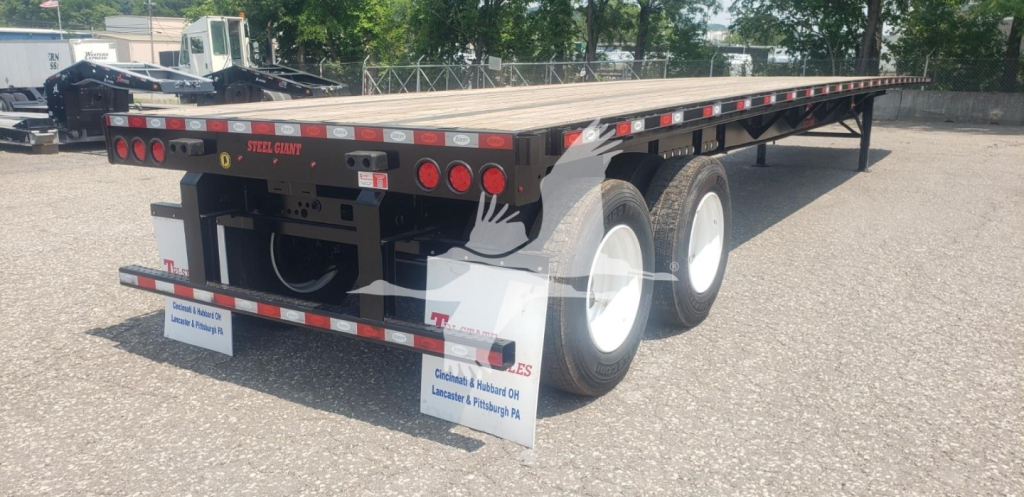
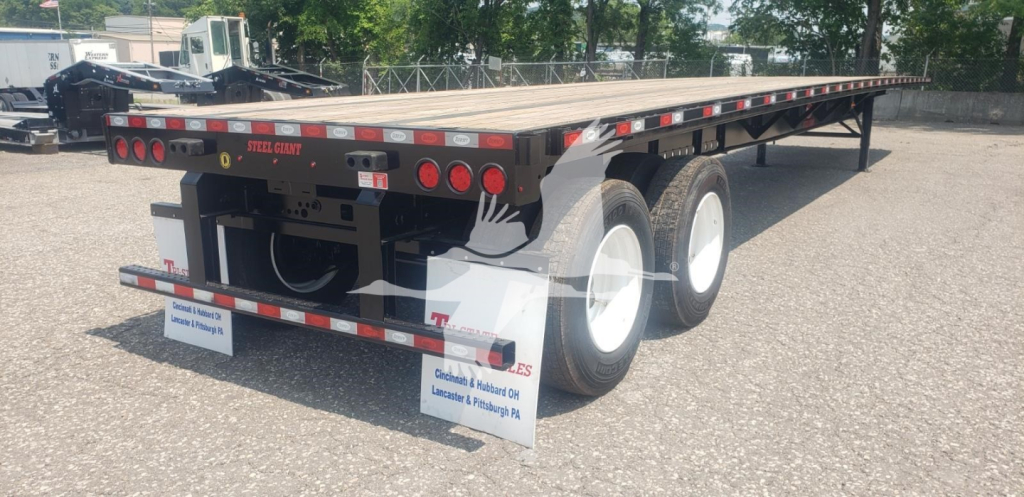
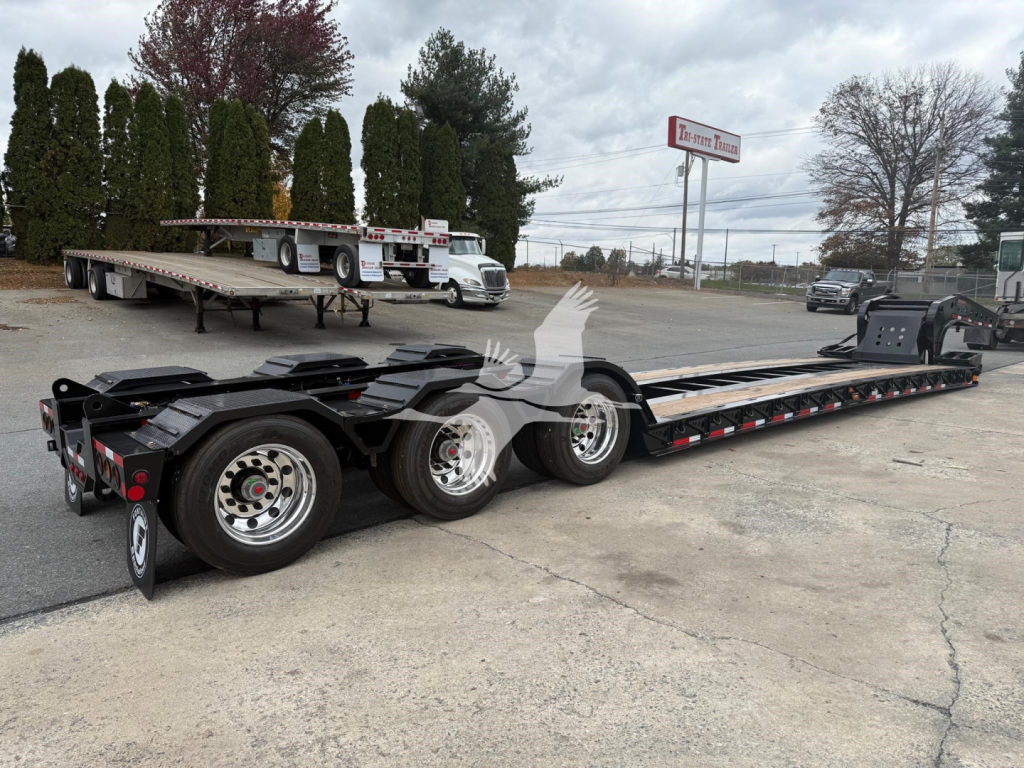
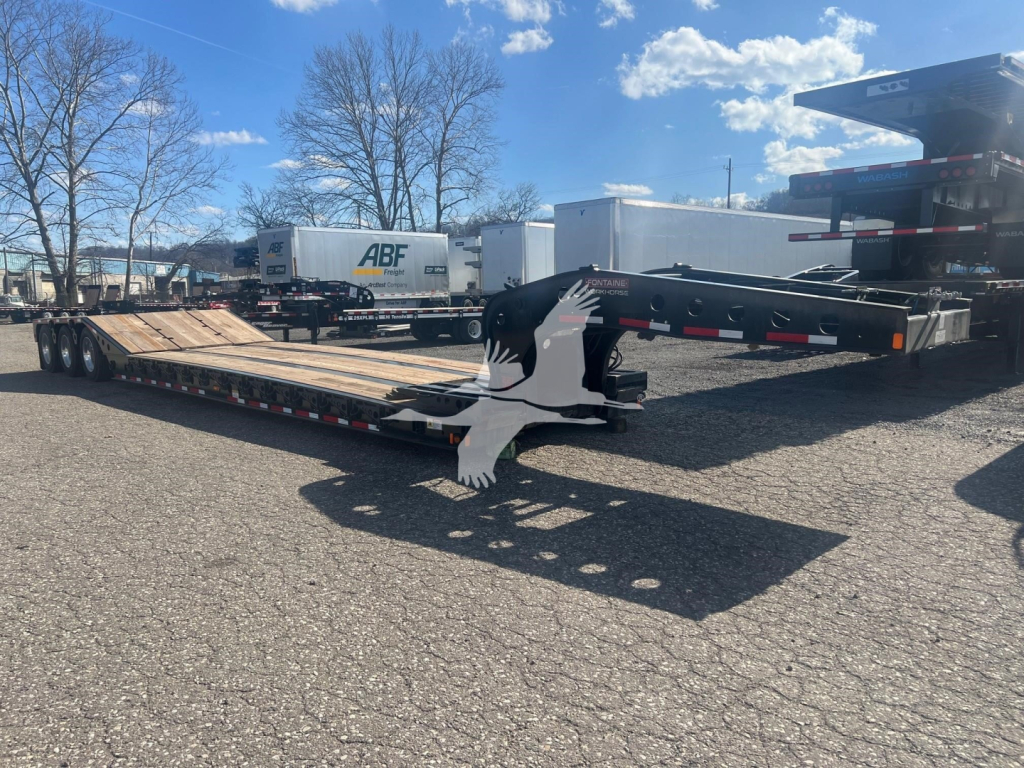
Shop new trailers for sale in Pennsylvania, including flatbed and drop deck models with air ride suspensions, aluminum or steel construction.
Showing 57 to 69 of 69 results
Have new trailer to sell? List it here to reach thousands of buyers.
New Trailers in Pennsylvania
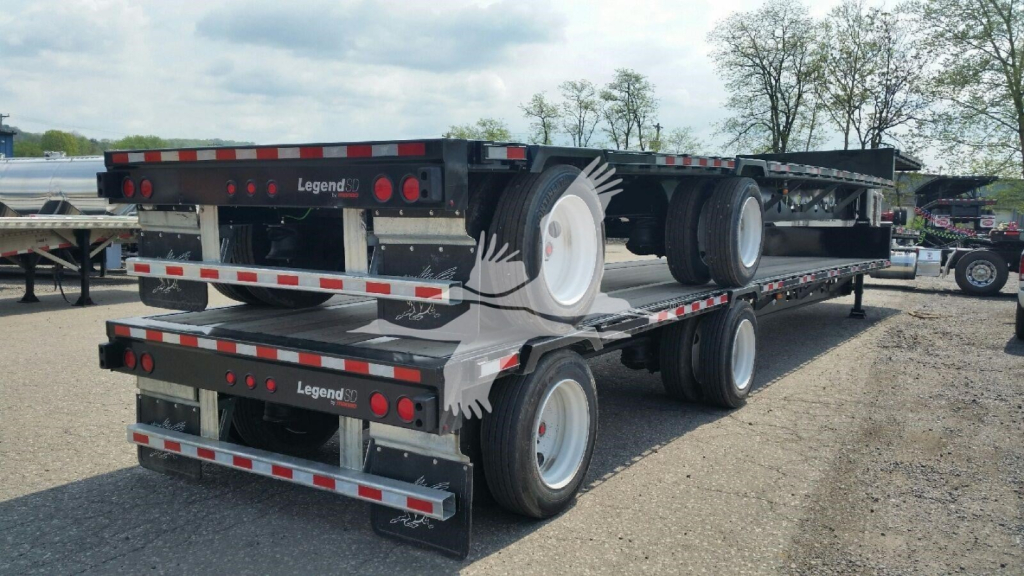
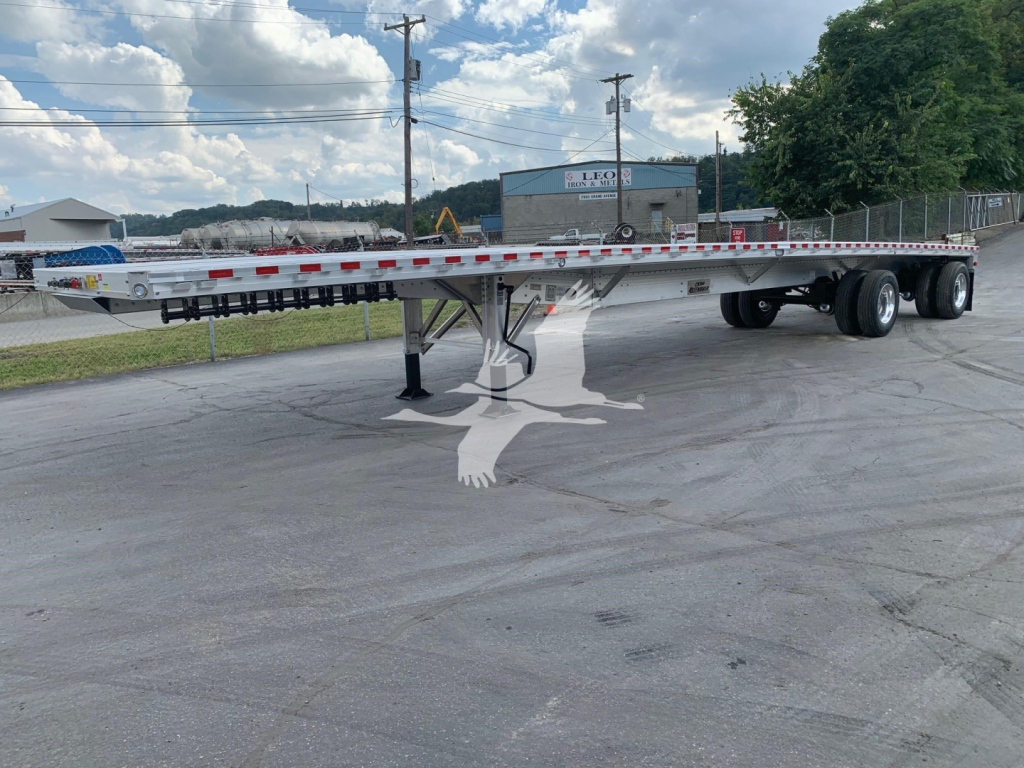
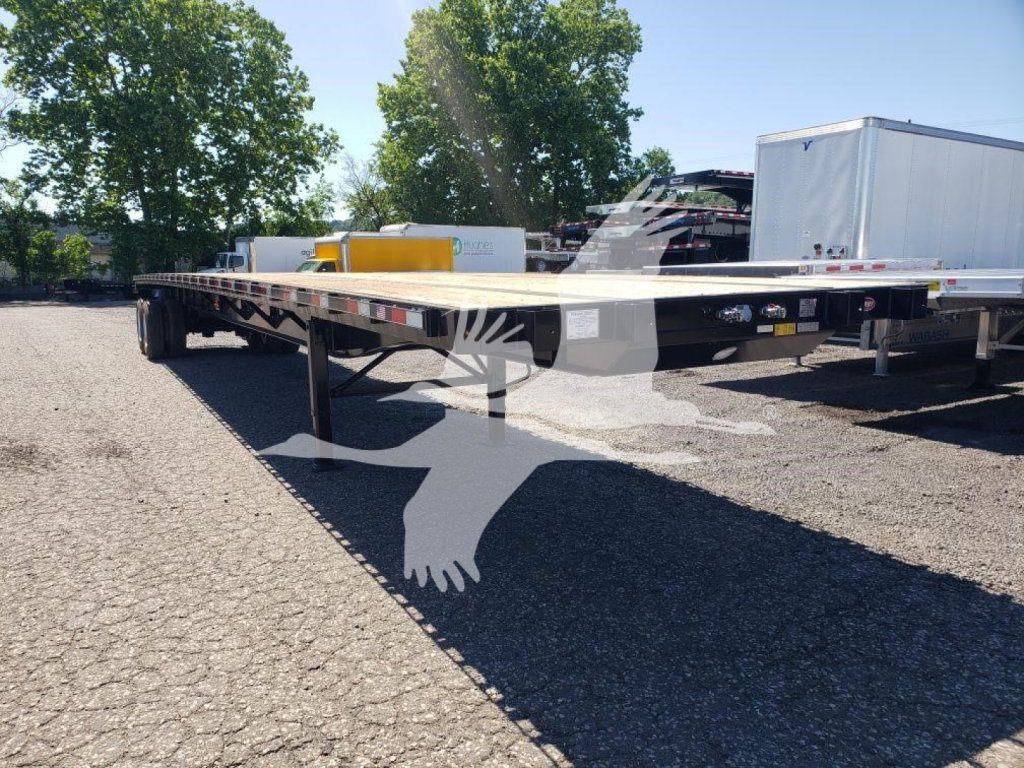
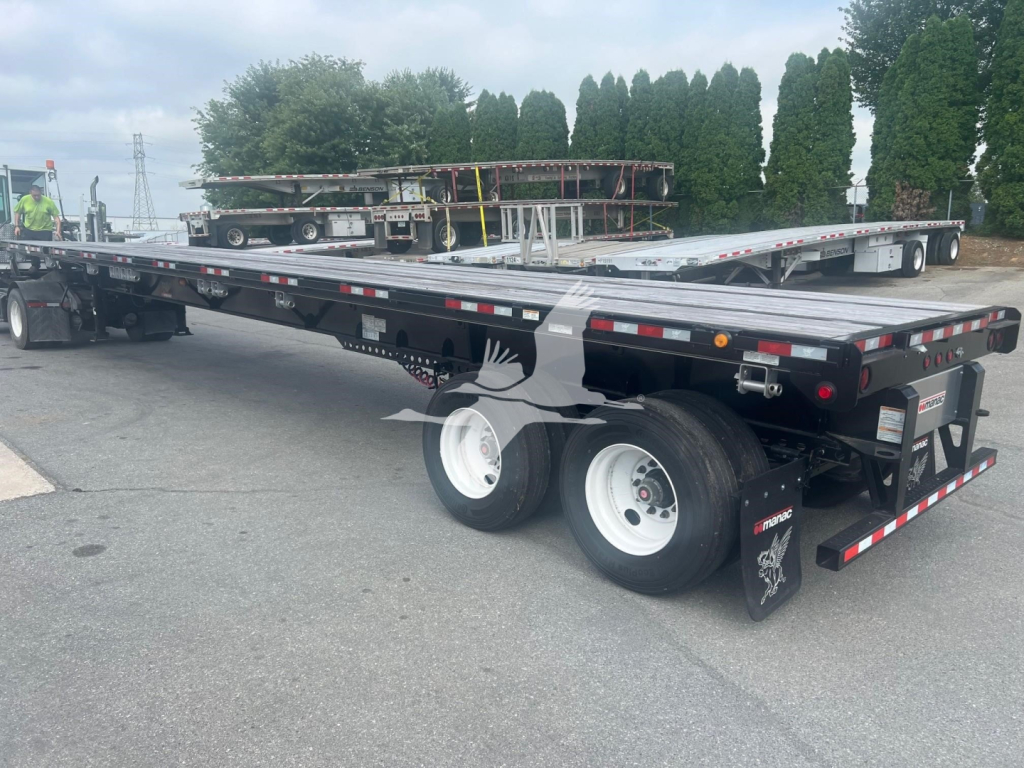
Spec differences matter more than brand decals when you are comparing new trailers. Common Pennsylvania market specs include 48-foot and 53-foot lengths, 102-inch width, tandem axles, air ride suspension, and either fixed spread, sliding spread, or sliding tandem axle layouts. On flatbeds, buyers should look closely at floor type, crossmember spacing, kingpin setting, and securement package. Aluminum floors and aluminum construction keep tare weight down and help maximize payload, while steel trailers and Apitong wood floors are often preferred for harsher loading conditions and easier deck repair. Features like full-length winch tracks, sliding winches, stake pockets, pipe spools, coil packages, chain tie-downs, and nail strips tell you a lot about the trailer’s intended freight mix.
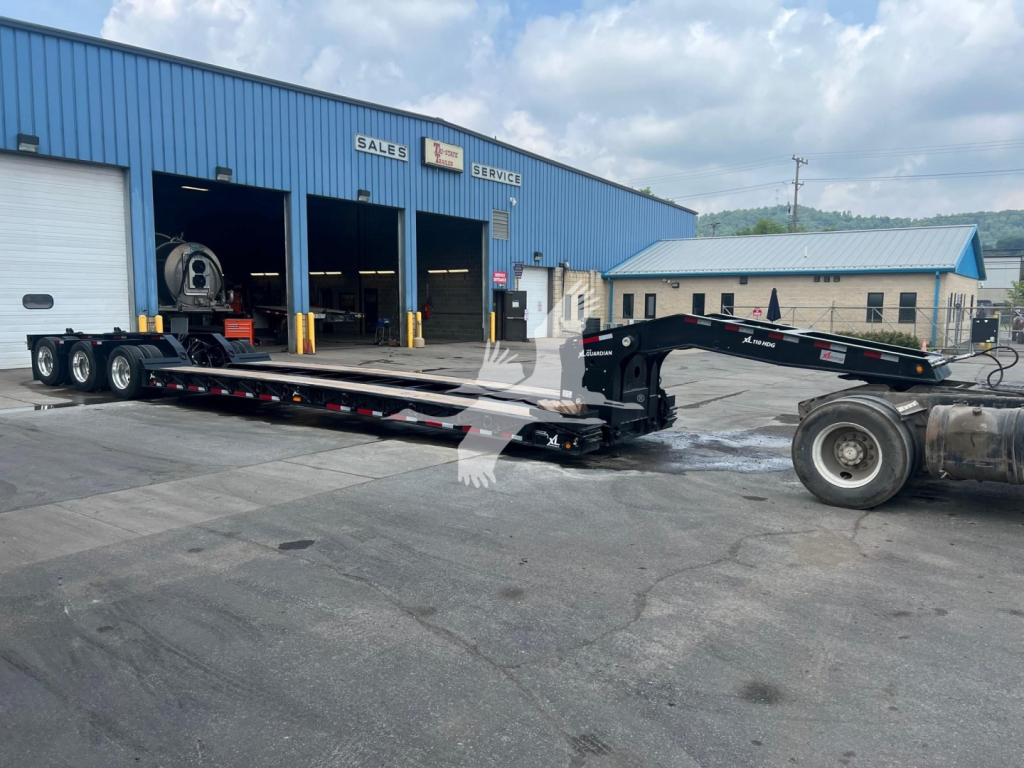
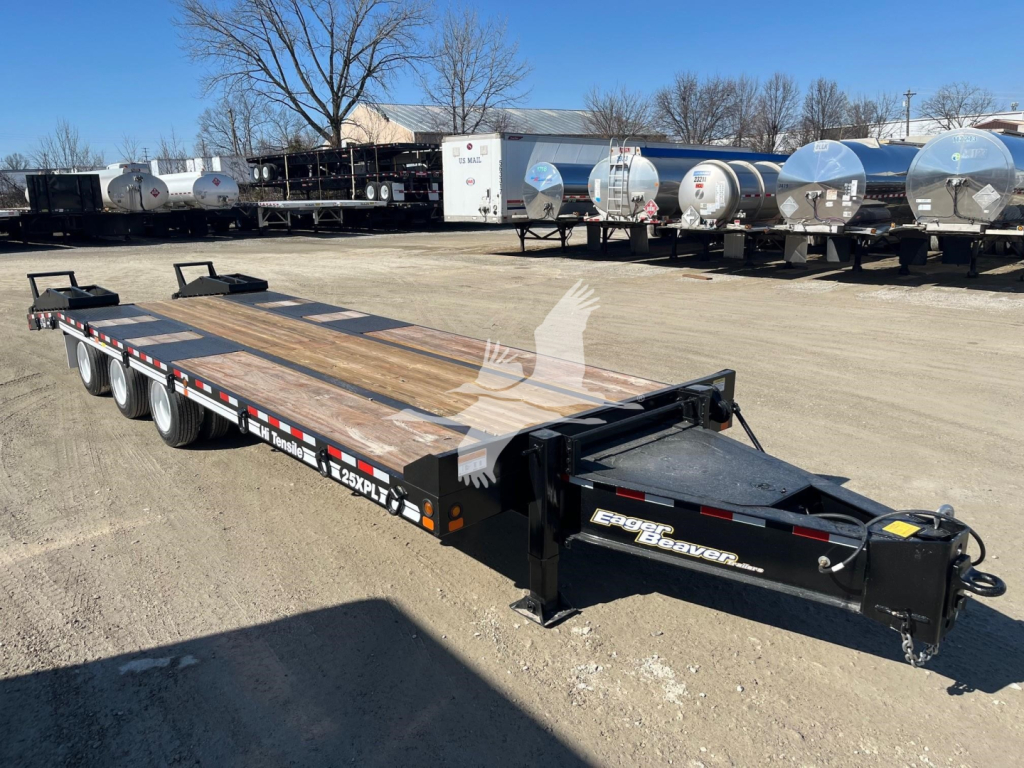
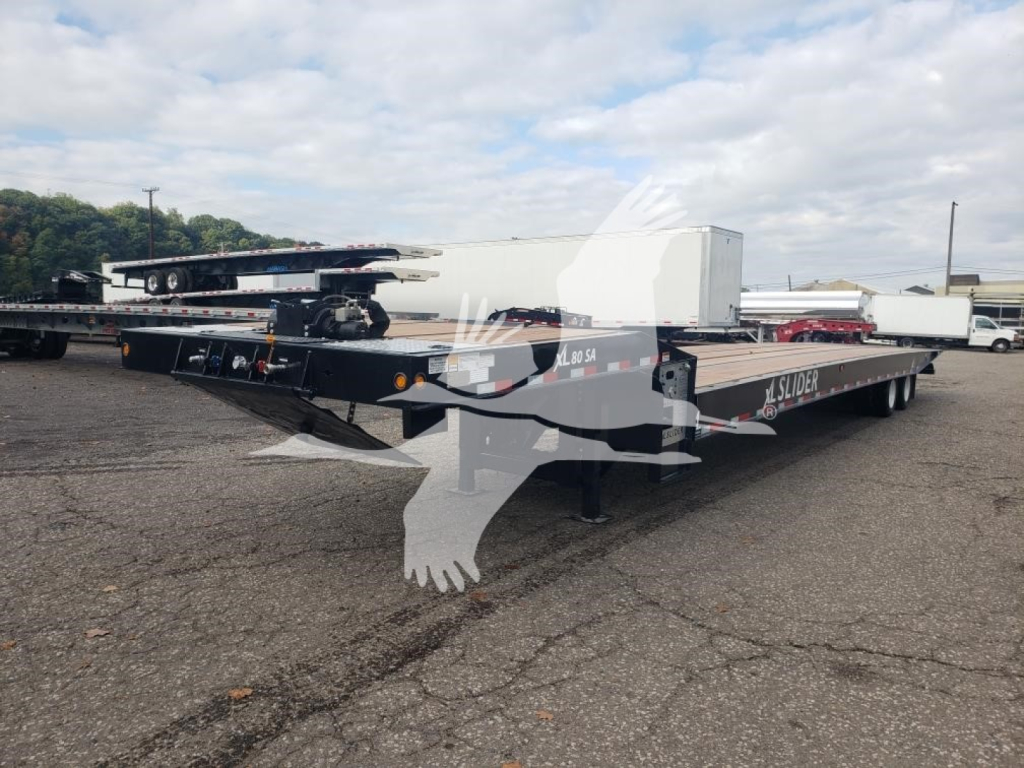
For drop decks, top deck length, lower deck length, loaded deck height, and ground clearance are key numbers. A typical 48-foot drop deck may have a 10-foot upper deck and a main deck around 37 to 38 feet, with loaded deck heights near 40 to 41 inches. That lower profile is valuable for hauling forklifts, compact equipment, crated machinery, and taller industrial loads without stepping up to a specialized heavy haul configuration. Flatbeds with extendable designs are another category worth attention if your freight changes often. An extendable flatbed can give you one trailer for standard legal freight and long material such as steel beams, trusses, and fabricated components, but you need to confirm extension lock intervals, slide design, and axle configuration before buying.
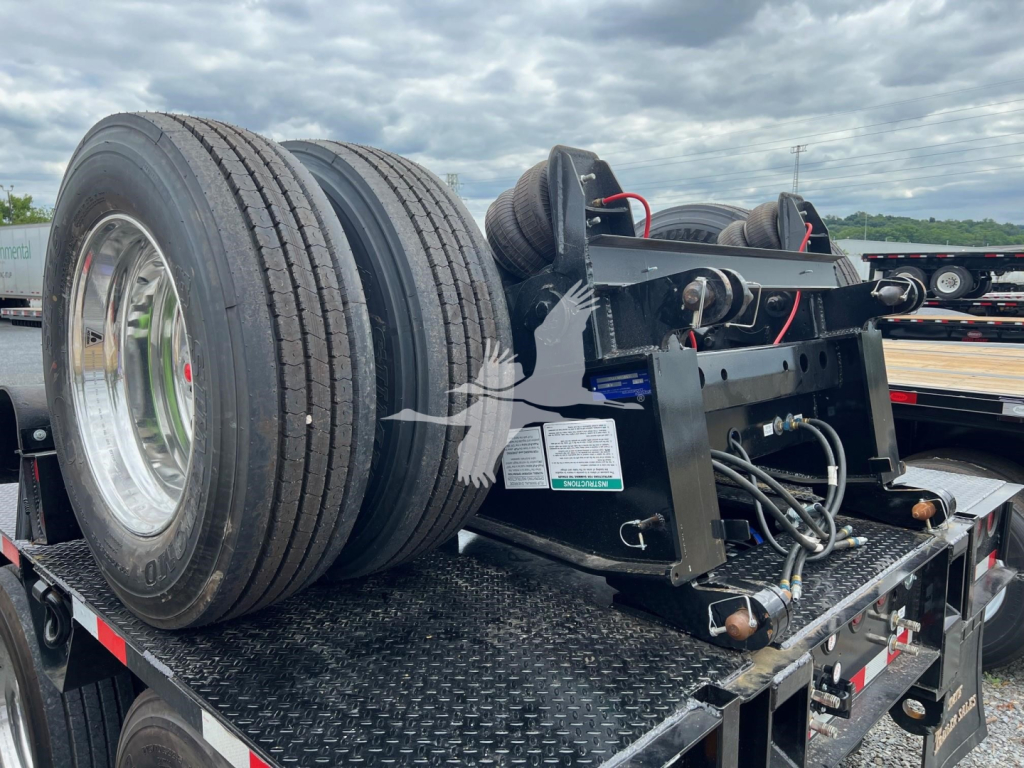
Pennsylvania buyers also tend to pay attention to corrosion resistance, axle and suspension durability, and serviceability in four-season conditions. Galvanized crossmembers, aluminum components, LED lighting, quality landing gear, and proven suspension systems such as Hendrickson air ride setups can make a real difference in uptime. Tire size, wheel material, dump valve configuration, and rear bumper style are not small details when the trailer is working regional construction routes, steel lanes, or mixed highway service. A good new trailer spec should match the freight first, then the route, then the maintenance plan. That approach usually leads to better payload, better securement flexibility, and fewer compromises once the trailer is in daily service.
Frequently Asked Questions about New Trailers in Pennsylvania
What is the difference between a flatbed trailer and a drop deck trailer?
A flatbed trailer has a single deck height from front to rear, which makes it ideal for freight that loads from the side, rear, or overhead and does not need extra height clearance. A drop deck trailer has an upper deck and a lower main deck, allowing taller cargo to ride lower and stay within legal height more easily. Buyers usually choose flatbeds for general building products, steel, and palletized freight, while drop decks are often selected for machinery, taller crates, and equipment that benefits from the reduced deck height.
Should I choose an aluminum trailer or a steel trailer?
Aluminum trailers are typically lighter, which helps increase payload and can improve corrosion resistance, especially in regions with winter road treatment and year-round moisture. Steel trailers are usually favored for durability in severe-duty applications, repeated forklift loading, and operations where deck repairs and frame service are expected over a long life cycle. The right choice depends on freight type, target payload, maintenance practices, and how important tare weight is in your operation.
What trailer specs matter most on a new flatbed or drop deck?
The core specs to compare are overall length, deck height, axle configuration, suspension type, floor material, crossmember spacing, and kingpin setting. After that, securement equipment becomes critical. Winch tracks, sliding winches, stake pockets, pipe spools, chain tie-downs, coil packages, and nail strips should match the loads you actually haul. For drop decks, top deck length and loaded main deck height are especially important because they directly affect what freight can be hauled legally and efficiently.
Is air ride suspension worth it on a new trailer?
Air ride suspension is a common choice because it improves ride quality, helps protect sensitive cargo, and is widely accepted across flatbed and drop deck applications. It can also offer practical benefits during loading and unloading when paired with dump valves and the right axle setup. For most buyers comparing new trailers in this class, air ride is a strong baseline spec unless the application is unusually simple or price-driven.
When does an extendable flatbed make sense?
An extendable flatbed makes sense when freight lengths vary and a fixed-length trailer would leave too much unused capacity or force you into a specialized second trailer. It is often used for steel members, long fabricated parts, and construction materials that exceed standard deck length. Buyers should verify the extended length range, lock positions, slide design, axle travel, and how the trailer handles both retracted and extended operations before deciding that the flexibility outweighs the added complexity.