
New Flatbed Trailers For Sale in Pennsylvania
New flatbed trailers for sale in Pennsylvania. Compare aluminum and steel decks, axle setups, suspension types, and load securement features.
Selling a new flatbed trailer? List your new flatbed trailer for sale and reach thousands of commercial buyers.
New Flatbed Trailers in Pennsylvania
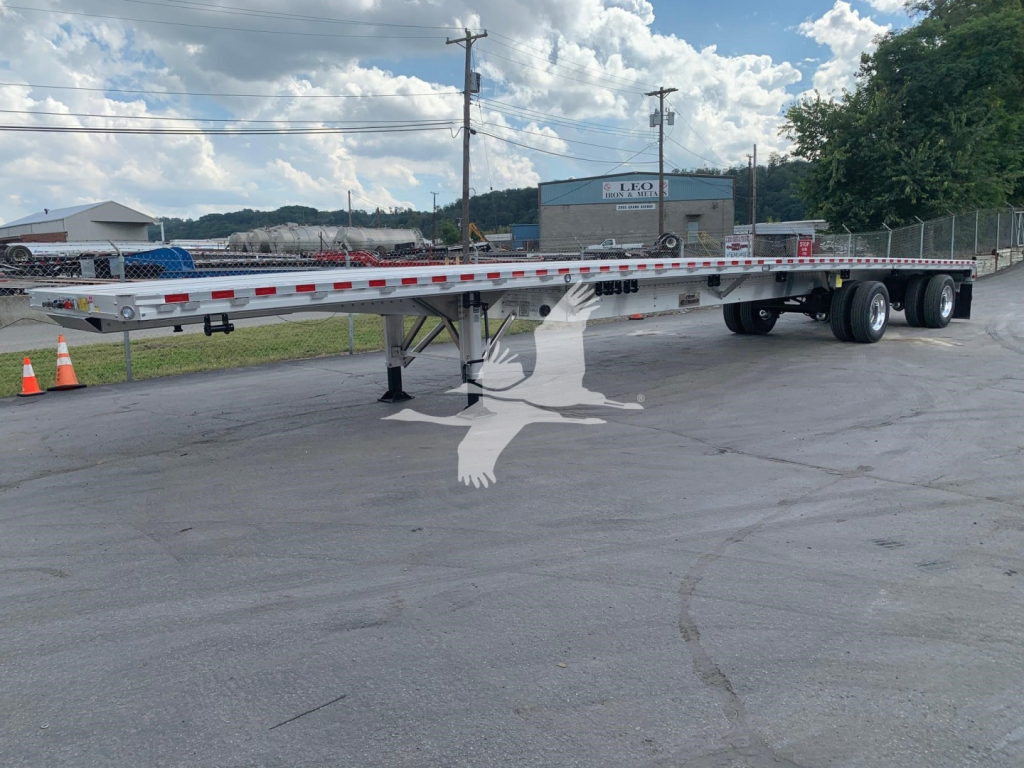
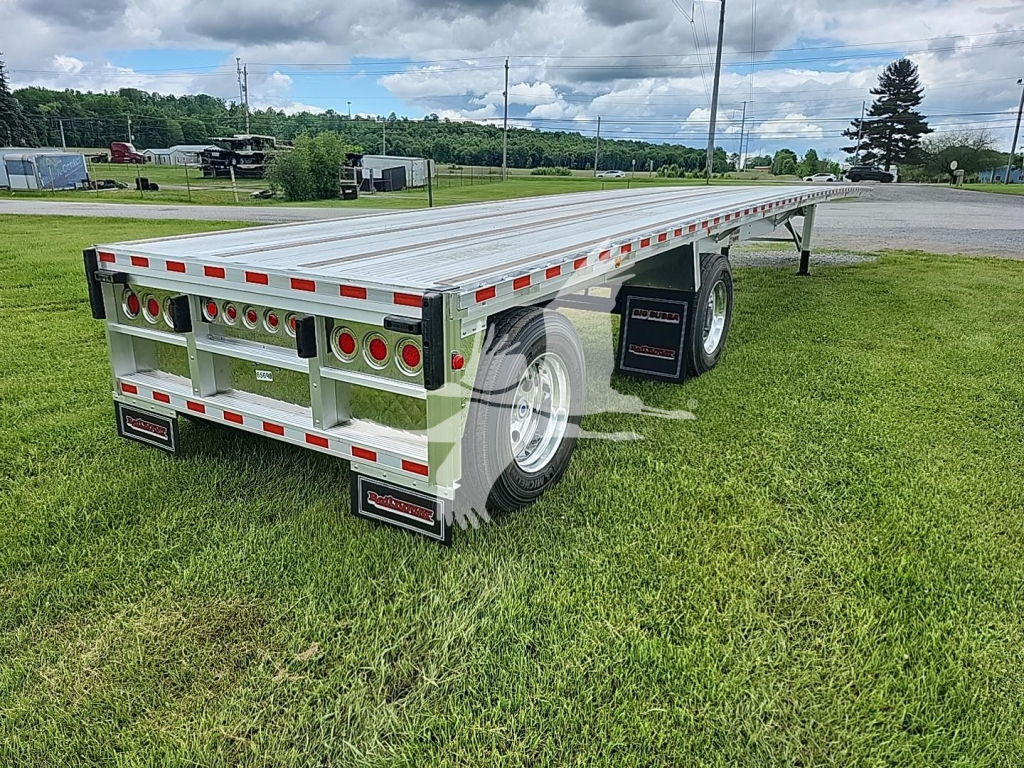
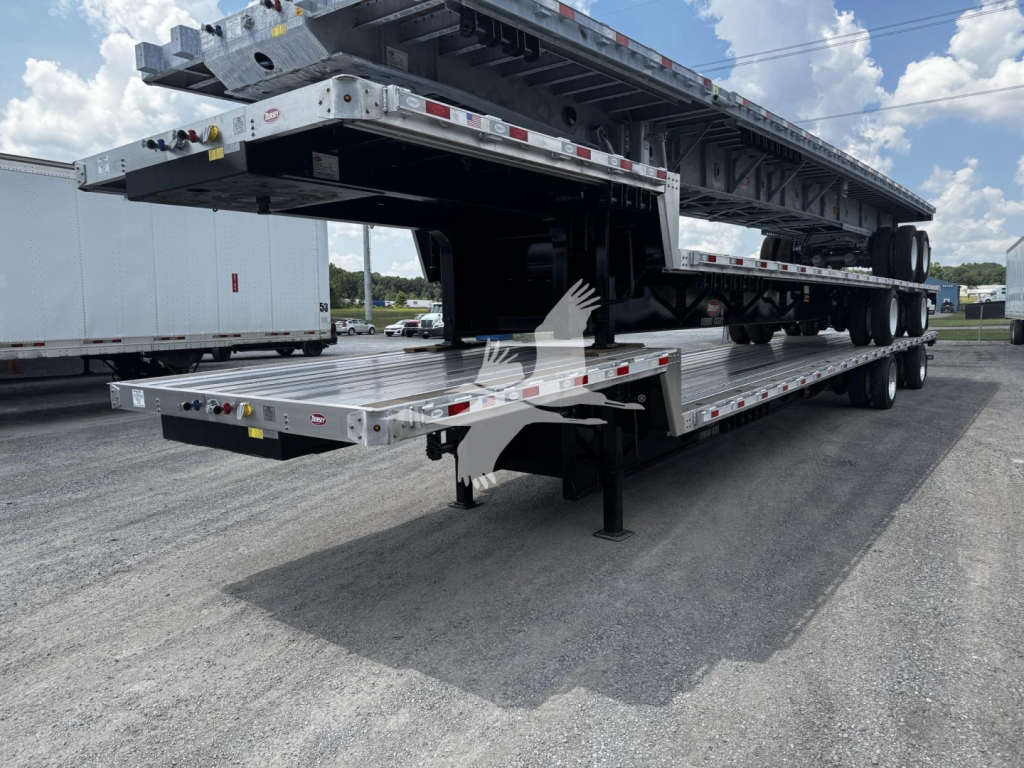
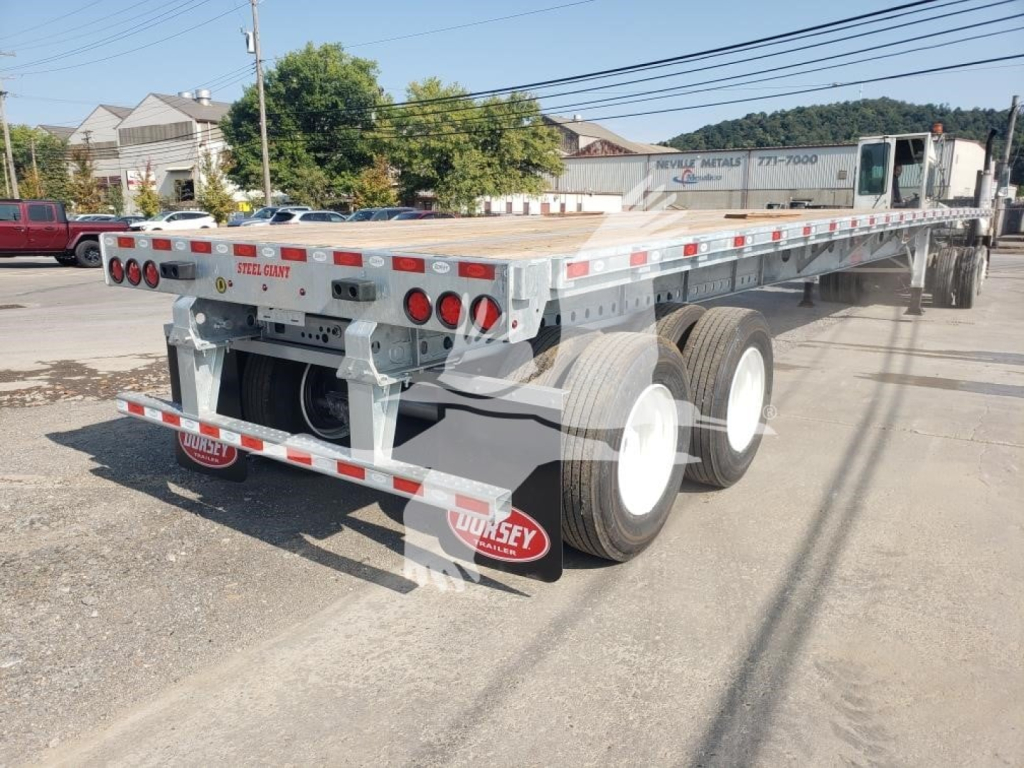
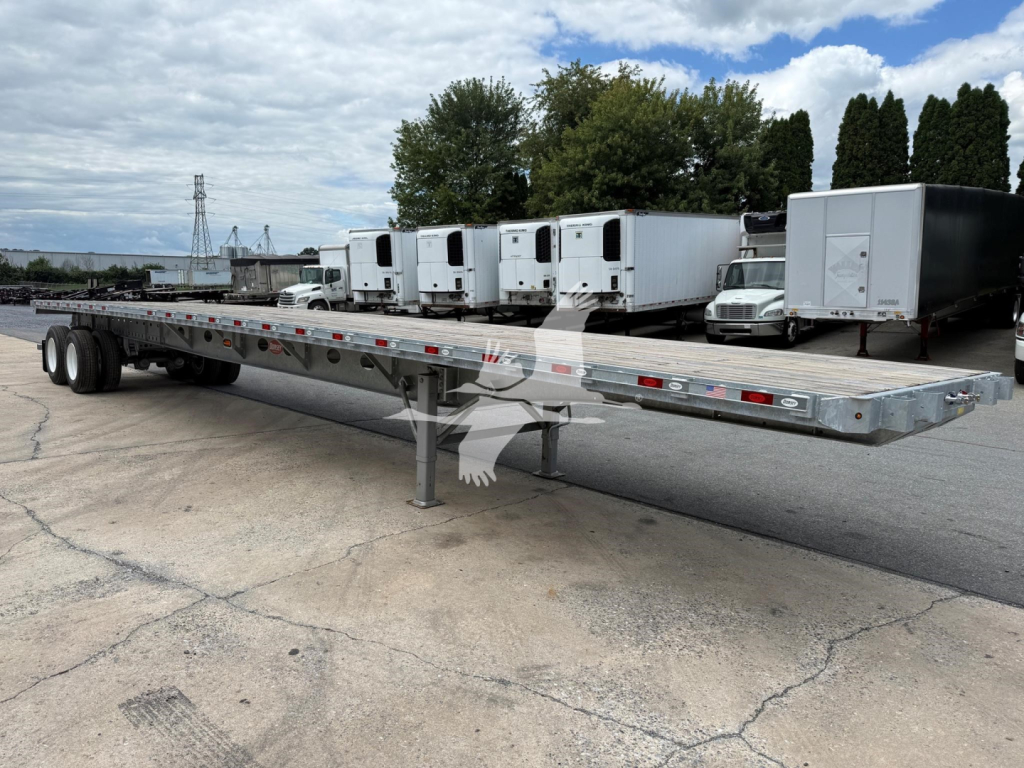
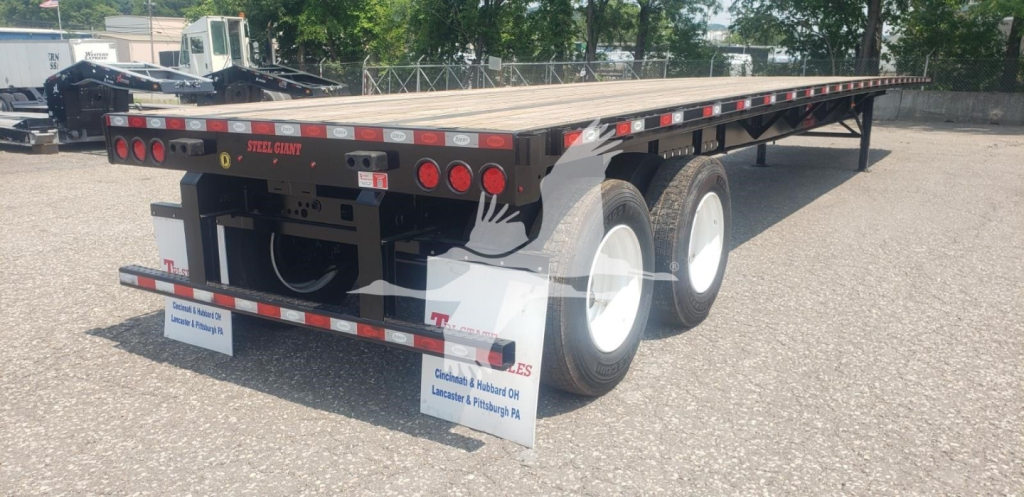
Material choice is one of the biggest decisions in this category. Aluminum flatbed trailers are favored when payload matters most because they cut tare weight and resist corrosion, which is a real advantage in a state like Pennsylvania where winter road treatment can be hard on equipment. Steel flatbeds remain popular for severe-duty service, concentrated loads, and operations that prefer the repairability and stiffness of a steel frame. Flooring also deserves attention. Apitong remains a common choice for wood deck sections because it holds up well under forklifts and chained freight, while all-aluminum floors reduce weight and maintenance. Buyers moving coils, machinery, or dense building products should pay attention to crossmember spacing, coil package options, side rail construction, and the presence or absence of a bulkhead, since these details affect load concentration, tie-down strategy, and long-term durability.
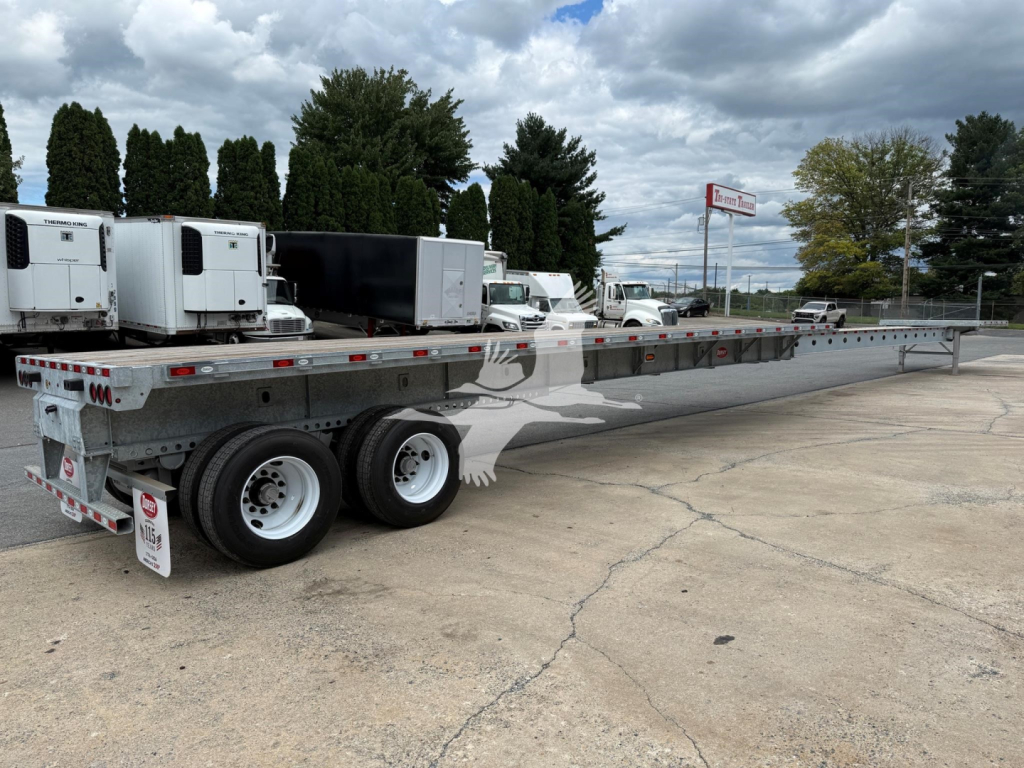
Suspension and axle configuration determine how versatile the trailer will be in real freight work. Tandem air ride setups with sliding suspension are common on highway flatbeds because they help with bridge law compliance, kingpin adjustment, and weight distribution across varying load lengths. Fixed spreads and closed-spread configurations can make sense when legal dimensions, stability, or regional weight rules drive the spec. Common suspension brands such as Hendrickson Intraax are widely recognized for parts support and ride quality, while spring ride still has a place on more basic or equipment-oriented trailers where simplicity matters. Tire size, wheel material, dump valves, and landing gear spec also deserve a close look because they affect maintenance cost, ease of use, and compatibility with the rest of a fleet.
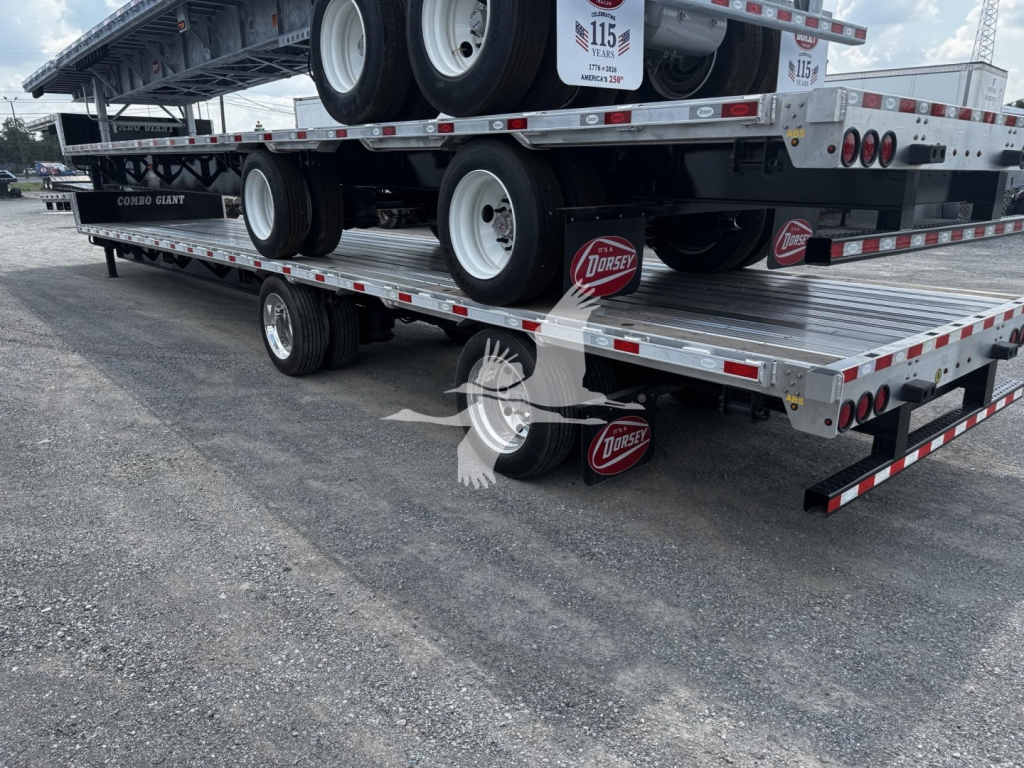
Load securement features often separate a basic platform from a productive one. Full-length winch tracks, sliding winches, pipe spools, D-rings, nailing strips, and pre-drilled locations for toolboxes or dunnage racks all make a difference in daily use. Buyers hauling mixed freight should think about how often chains, straps, edge protection, tarps, and coil racks will be used, then match the securement package to that freight mix. On shorter equipment-style flatbeds, beavertails, ramp capacity, deck height, and adjustable pintle height are key specs because they control loading angle and machine access. The right new flatbed trailer is less about brand alone and more about getting the deck material, suspension, securement package, and weight rating aligned with the freight it will actually carry.
Frequently Asked Questions about New Flatbed Trailers in Pennsylvania
What is the difference between an aluminum flatbed trailer and a steel flatbed trailer?
An aluminum flatbed trailer usually offers lower tare weight, which increases legal payload and helps fuel economy over time. It also resists corrosion well, which is valuable in regions where trailers see road salt and winter moisture. A steel flatbed trailer is often chosen for harsher applications, concentrated loads, and fleets that value structural rigidity and straightforward repair procedures. The better choice depends on freight type, annual miles, shop capability, and how important every pound of payload is to the operation.
What deck length is most common for a new flatbed trailer?
The most common highway flatbed lengths are 48 feet and 53 feet, both typically built to 102-inch width. A 48-foot trailer remains a standard choice for general freight and many regional applications, while a 53-foot flatbed adds deck space for lighter, longer loads. Shorter flatbed and tag-style trailers, including equipment-hauling models around the mid-30-foot range, are more specialized and often include beavertails, ramps, and pintle hook setups for machinery and contractor use.
Why does a sliding tandem matter on a flatbed trailer?
A sliding tandem gives the operator flexibility to shift axle position for bridge law compliance, kingpin-to-rear-axle measurement, and load balance. That can be important when hauling freight with different lengths, densities, and loading patterns. Sliding tandems are especially common on over-the-road flatbeds because they help the trailer adapt to varying state requirements and customer loading practices. A fixed spread or closed-spread setup can still be the right spec when the operation has a consistent freight profile or specific legal targets.
What securement features should buyers look for on a flatbed trailer?
The most useful securement features depend on the freight, but common priorities include full-length winch tracks, enough sliding winches for strap work, pipe spools for storage, D-rings for equipment or odd-shaped freight, and strong side rails for chain and strap positioning. Buyers hauling steel coils or other concentrated loads should also evaluate coil package options, crossmember spacing, and deck reinforcement. If toolbox space and dunnage handling are part of the job, pre-drilled mounts or dedicated rack locations can save time and simplify upfitting.
What should Pennsylvania buyers pay attention to when shopping for a new flatbed trailer?
Pennsylvania buyers should pay close attention to corrosion resistance, suspension durability, and brake and lighting specifications because trailers in the region often deal with winter weather, treated roads, mixed terrain, and dense regional freight lanes. Aluminum components, quality LED lighting, and proven suspension systems can reduce maintenance exposure over time. It is also smart to match kingpin setting, axle spread, and weight rating to the routes and commodity mix the trailer will actually see, especially if the trailer will move across multiple states with different bridge and axle considerations.