
New XL Specialized Trailers For Sale in Pennsylvania
Shop new XL Specialized trailers in Pennsylvania, including lowboy, mini deck, traveling axle, and double drop models built for heavy haul work.
Have new xl specialized trailer to sell? List it here to reach thousands of buyers.
New XL Specialized Trailers in Pennsylvania
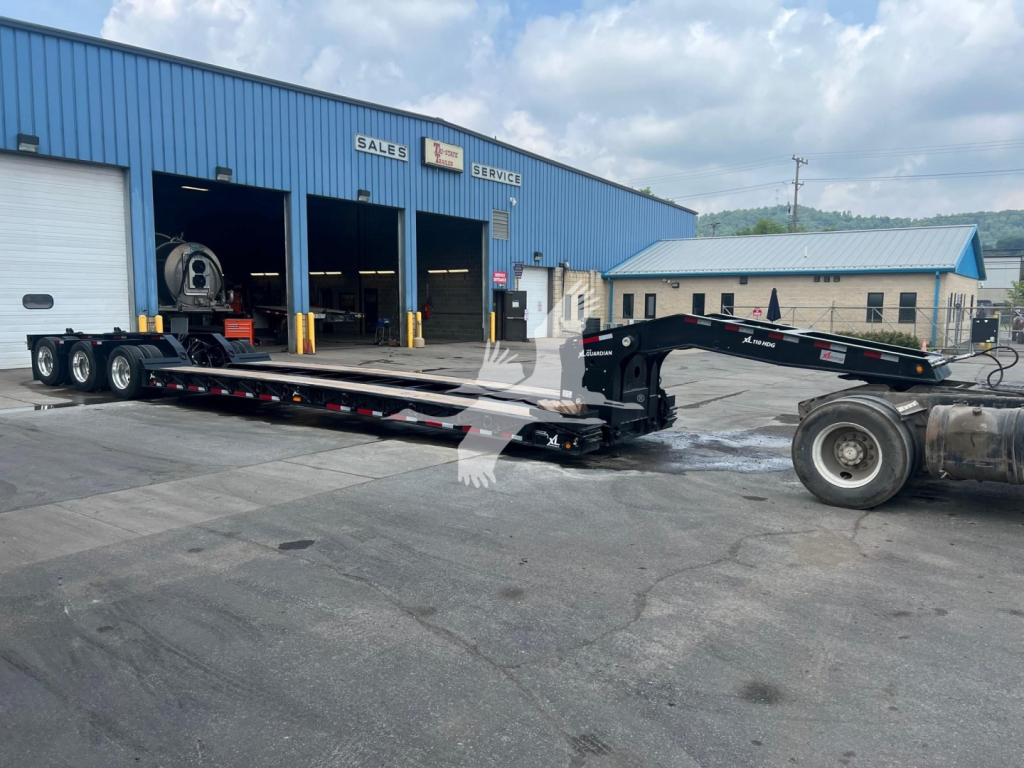
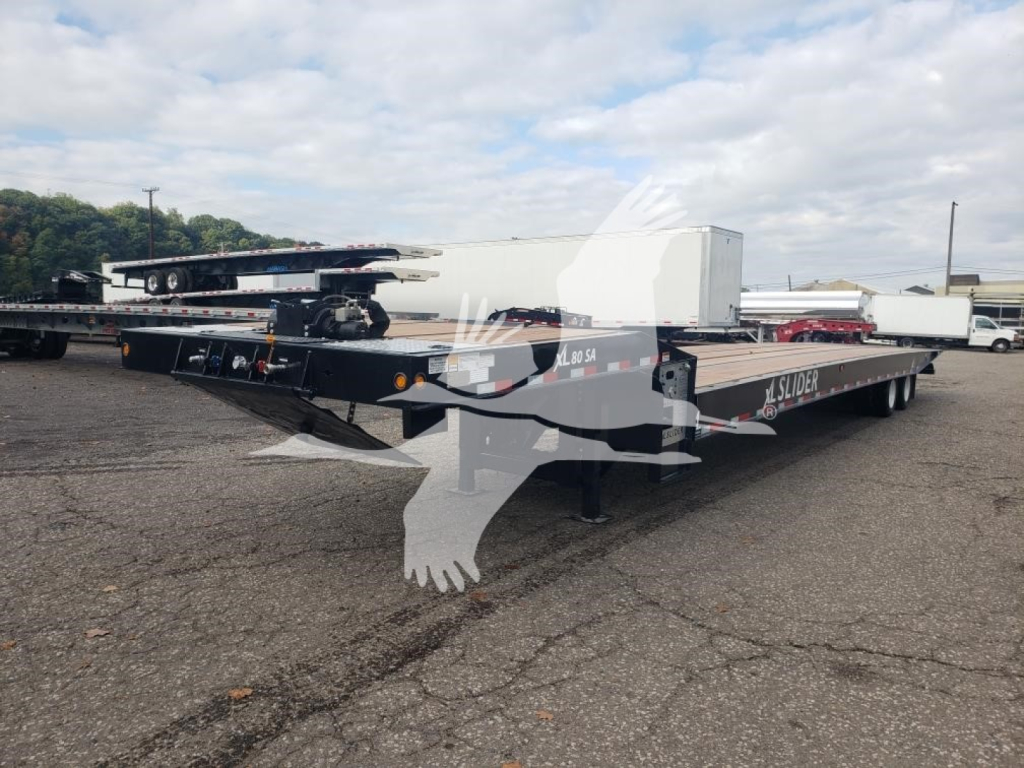
The first buying decision is usually trailer style. A hydraulic detachable lowboy is the standard choice for moving taller machines while keeping loaded deck height down, often in the 15-inch to 20-inch range depending on configuration and suspension. Mini deck and double drop expandable models are useful when you need extra deck versatility, lower main deck height, or the ability to handle longer freight with extension capability. Traveling axle trailers are a different tool altogether. They are often chosen for paving, aerial, and equipment applications where a low load angle, winch options, and deck accessibility improve loading efficiency. Across this category, common specs include 53-foot overall length, 102-inch width, air ride suspension, Hendrickson components, hydraulic non-ground-bearing goosenecks, and apitong flooring for durability under steel tracks and concentrated equipment loads.
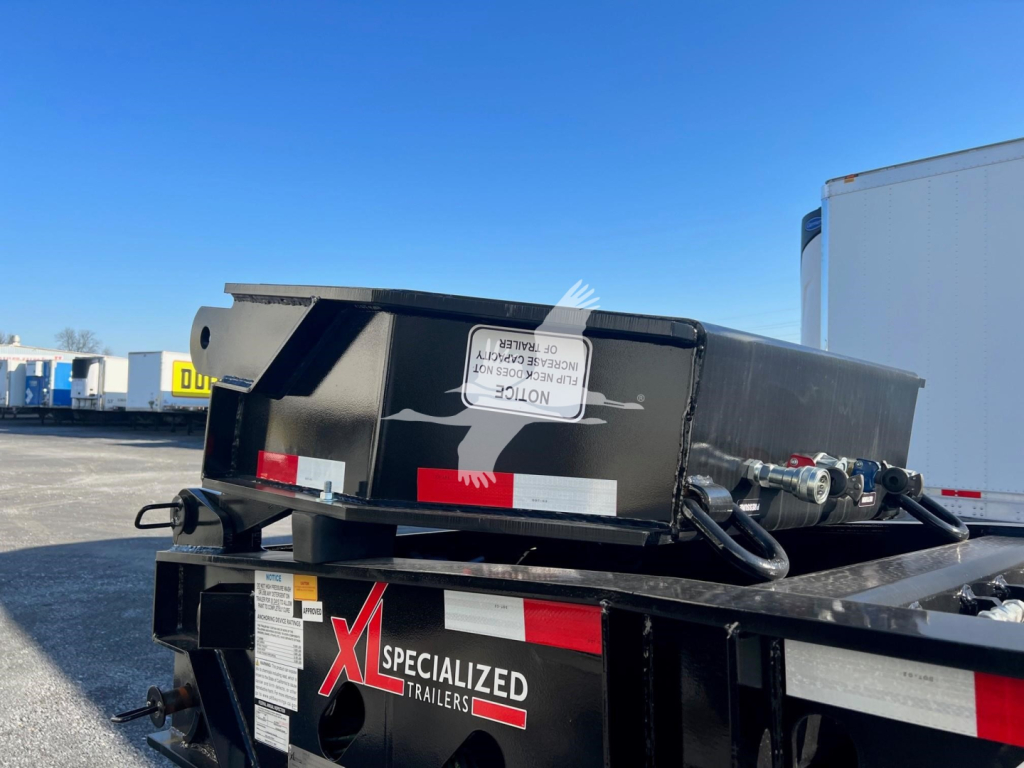
Capacity ratings and deck design deserve close attention because the headline tonnage does not tell the whole story. A 40 ton or 55 ton rating is only meaningful when paired with the rated length, axle grouping, swing clearance, and fifth wheel height range. Buyers should look at loaded deck height, ground clearance, kingpin setting, axle spacing, and whether the trailer is prepped for a flip axle, spreader bar, or neck extension. On XL Specialized models, details like chain slots, keyhole chain drops, bent D-rings, swing-out outriggers, bucket wells, open boom troughs, and ride height adjustment can make a major difference in how easily the trailer handles mixed freight. Galvanized construction is also worth noting for fleets operating year-round in northern climates where road salt and moisture accelerate corrosion.
For buyers comparing new XL Specialized trailers for sale, the best value usually comes from matching the trailer to the freight profile instead of buying strictly by maximum rating. A lower deck lowboy may be ideal for high machines and permit-sensitive routes, while an expandable hydraulic detachable can provide more flexibility for long equipment and irregular loads. A traveling axle trailer can be the better fit when fast loading, shallow approach angle, and deck access are priorities. Pay attention to securement layout, neck style, suspension controls, tire size, wheel material, and flip axle compatibility, because those details affect daily usability, maintenance cost, and resale strength just as much as published capacity.
Frequently Asked Questions about New XL Specialized Trailers in Pennsylvania
What are XL Specialized trailers commonly used for?
XL Specialized trailers are commonly used for hauling heavy construction equipment, agricultural machinery, paving equipment, and other over-dimensional or high-profile freight. Lowboy and mini deck models are especially popular for excavators, dozers, loaders, and similar machines that need reduced deck height for legal transport. Traveling axle models are often used when a shallow load angle and easier self-loading are important.
What is the difference between an XL Specialized lowboy and a mini deck trailer?
A lowboy is designed around a low main deck height for hauling taller equipment while maintaining better overall loaded height. A mini deck trailer also supports heavy equipment hauling, but its deck and neck design can provide different loading geometry, deck access, and specialized freight flexibility. The right choice depends on machine dimensions, weight distribution, route restrictions, and whether you need expansion, flip axle capability, or extra deck clearance.
Why does loaded deck height matter on a new heavy haul trailer?
Loaded deck height directly affects legal height, permit planning, route options, and the types of machines you can move without removing components. Even an inch or two can matter when hauling tall excavators, crushers, or other equipment under bridges and utility lines. Buyers in Pennsylvania and surrounding states often prioritize low loaded deck height because it improves route flexibility and can reduce permit complications.
What options should buyers look for on a new XL Specialized trailer?
Important options include hydraulic detachable goosenecks, ride height adjustment, flip axle preparation, neck extensions, swing-out outriggers, chain slots, D-rings, bucket wells, and work lights. Suspension brand, axle spacing, tire size, kingpin settings, and flooring material also matter because they affect compatibility with your tractor, securement methods, and long-term maintenance. Fleets working in corrosive conditions may also prefer galvanized construction for better durability.
Are XL Specialized trailers a good choice for heavy haul fleets in Pennsylvania?
XL Specialized trailers are a strong fit for Pennsylvania heavy haul operations because the brand offers configurations suited for construction, infrastructure, and equipment transport in a region with varied terrain, seasonal weather, and frequent permit-sensitive moves. Buyers often value their detachable gooseneck designs, practical securement layouts, and compatibility with flip axles and extensions. The right configuration can support both regional machine transport and more demanding over-dimensional work.