
New Drop Deck Trailers For Sale in Pennsylvania
New drop deck trailers for sale in Pennsylvania. Compare deck height, beavertail, ramp, axle, and tie-down specs for freight needs.
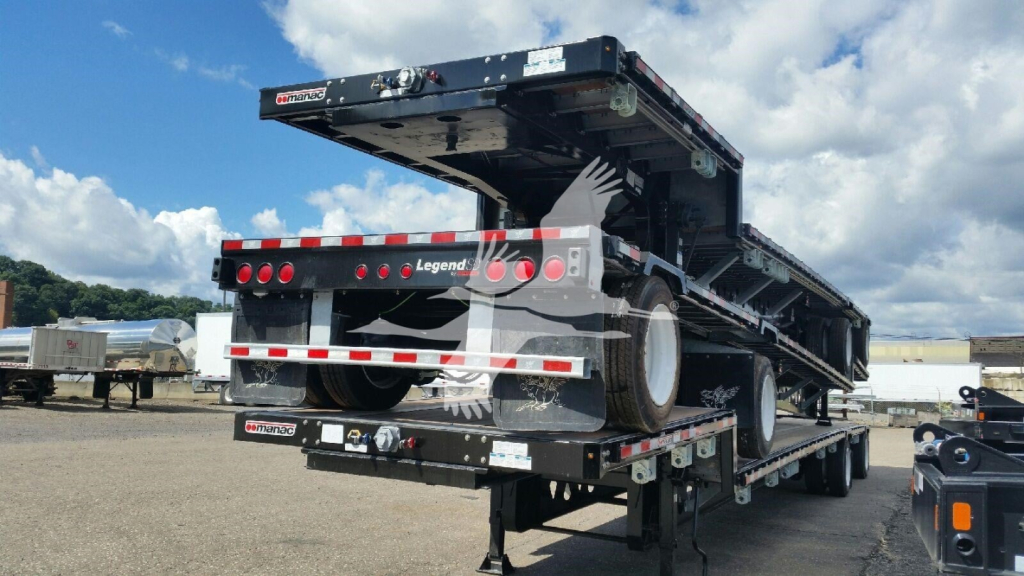
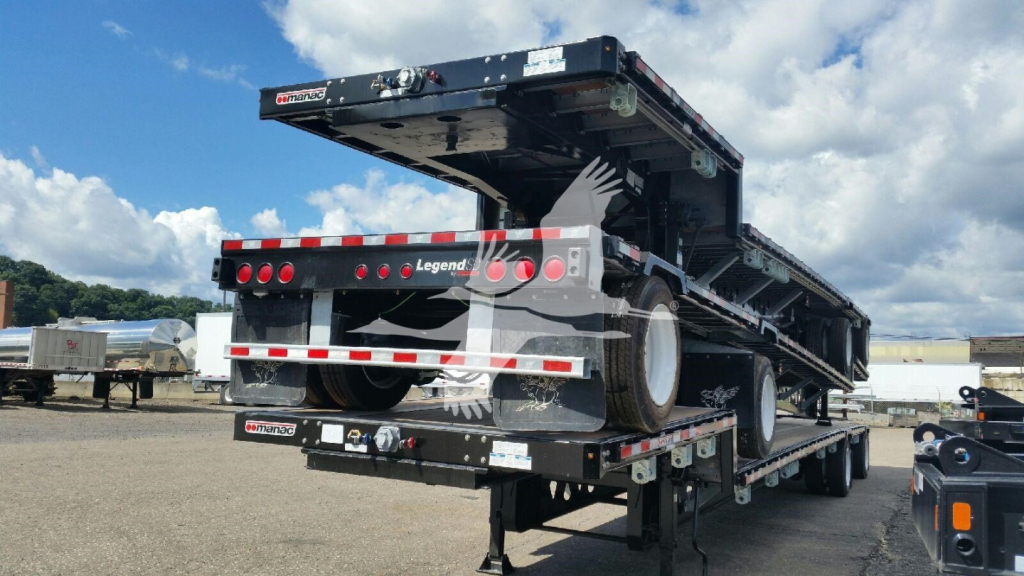
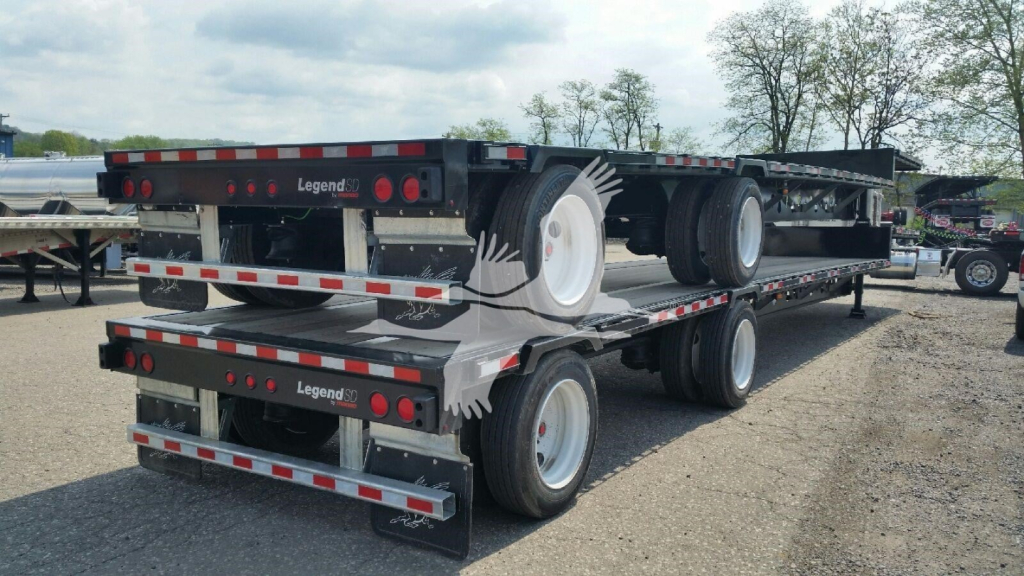
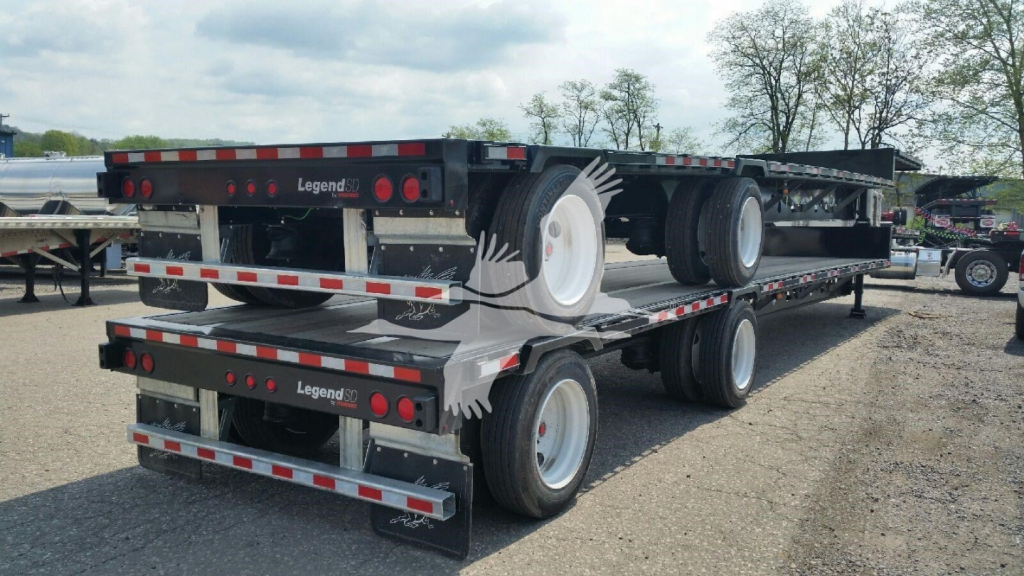
Selling a new drop deck trailer? List your new drop deck trailer for sale and reach thousands of commercial buyers.
New Drop Deck Trailers in Pennsylvania
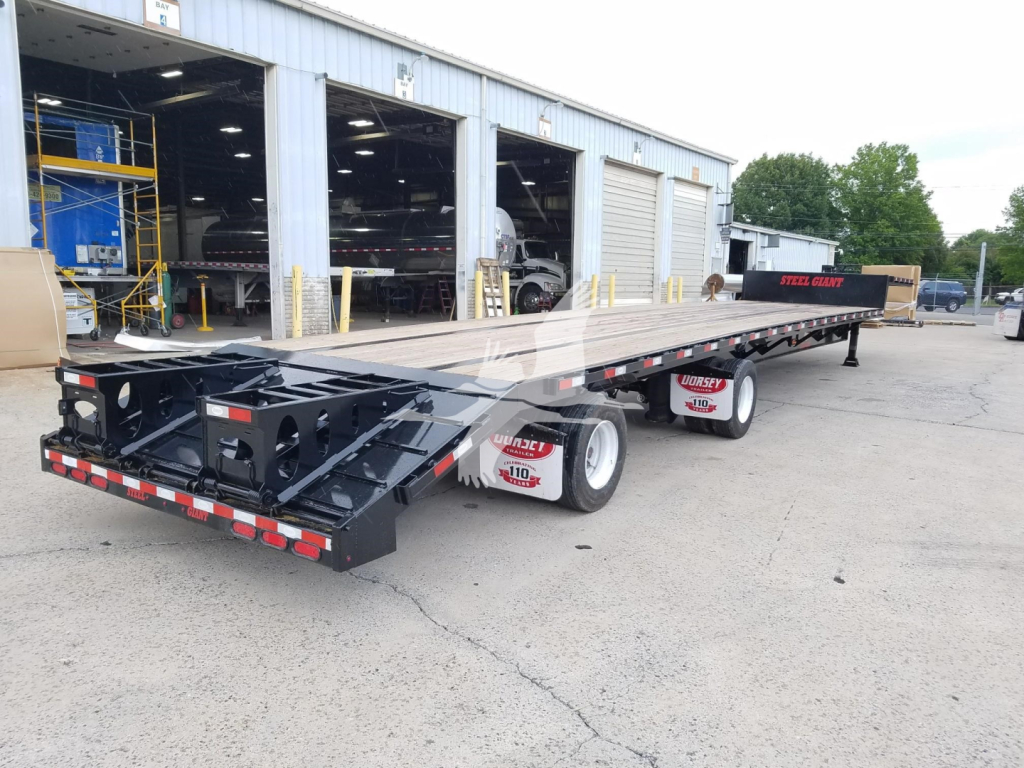
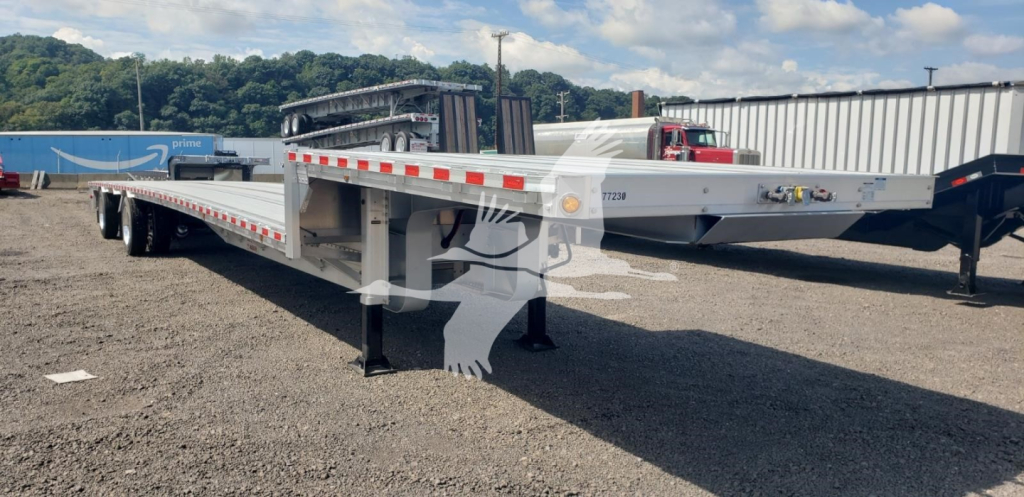
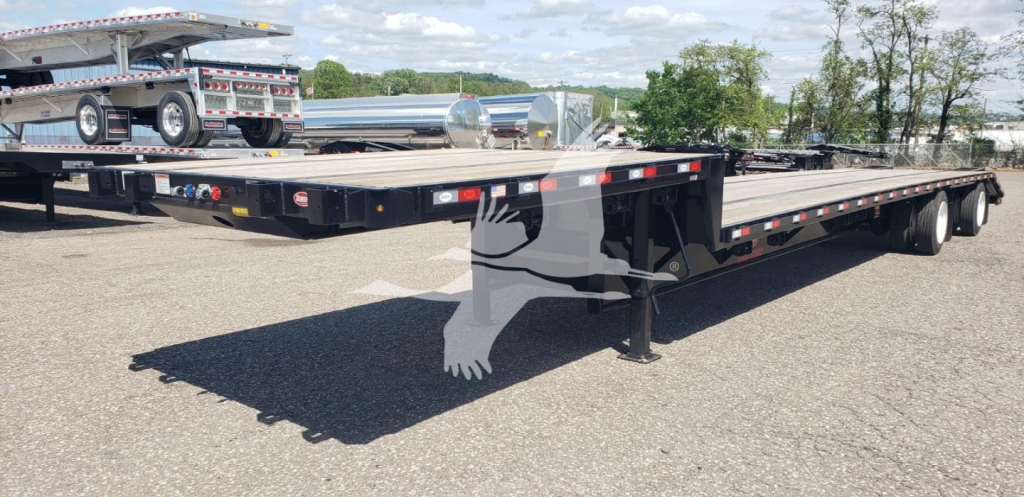
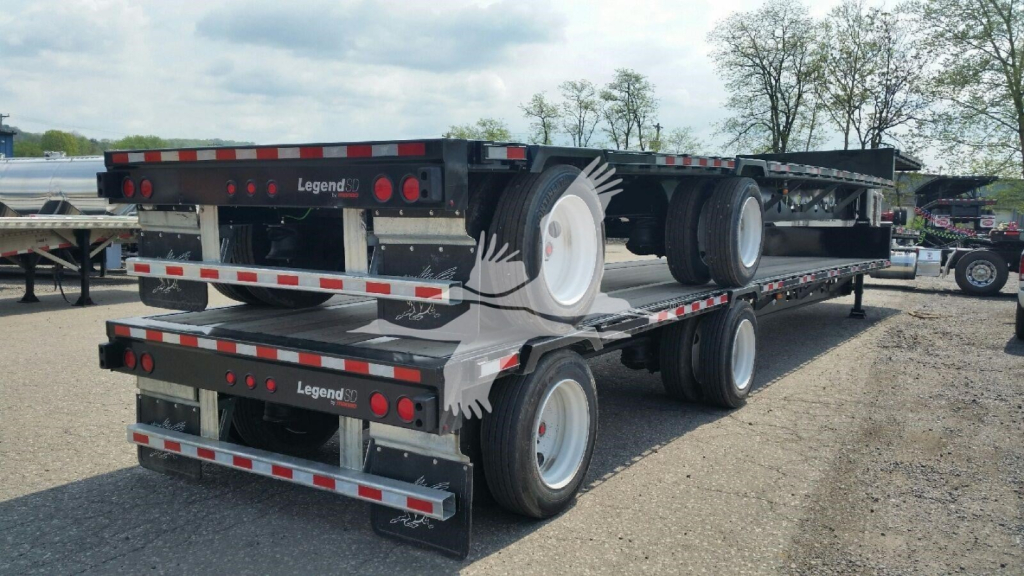
A typical new drop deck in this class is 102 inches wide and commonly 45 to 53 feet long, with loaded deck heights often around 33 to 41 inches depending on the build. Standard tandem axle models are common, with air ride or spring ride suspensions and GVWRs around 80,000 pounds in highway configurations. For freight securement, pay attention to side rail design, winch track layout, sliding winch count, chain tie-downs, D-rings, and pipe spools. Flooring is usually apitong wood, aluminum, or a combination design depending on weight targets and duty cycle. Crossmember spacing, kingpin setting, and suspension spread all affect durability, bridge law compliance, and how the trailer tracks behind the tractor.
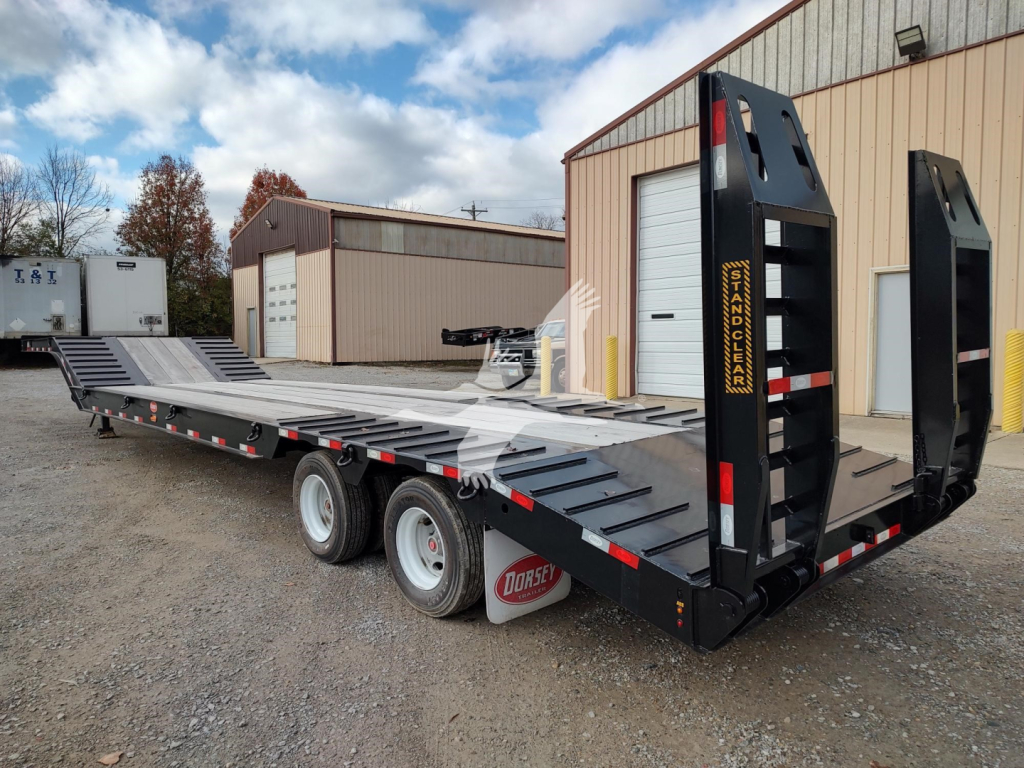
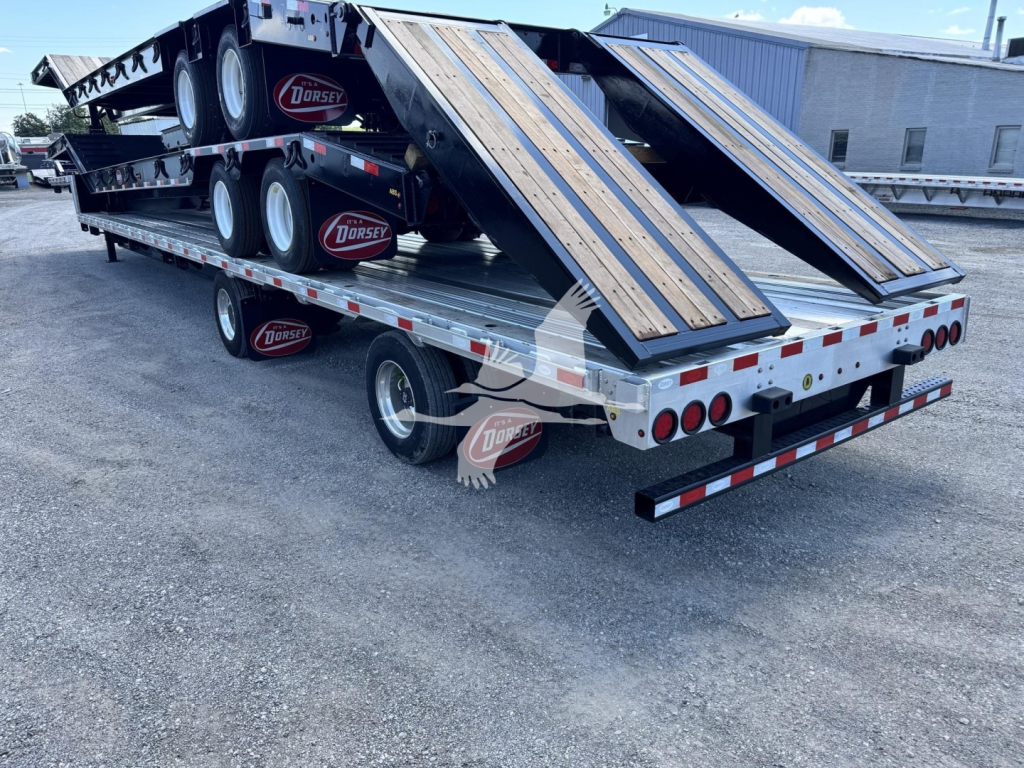
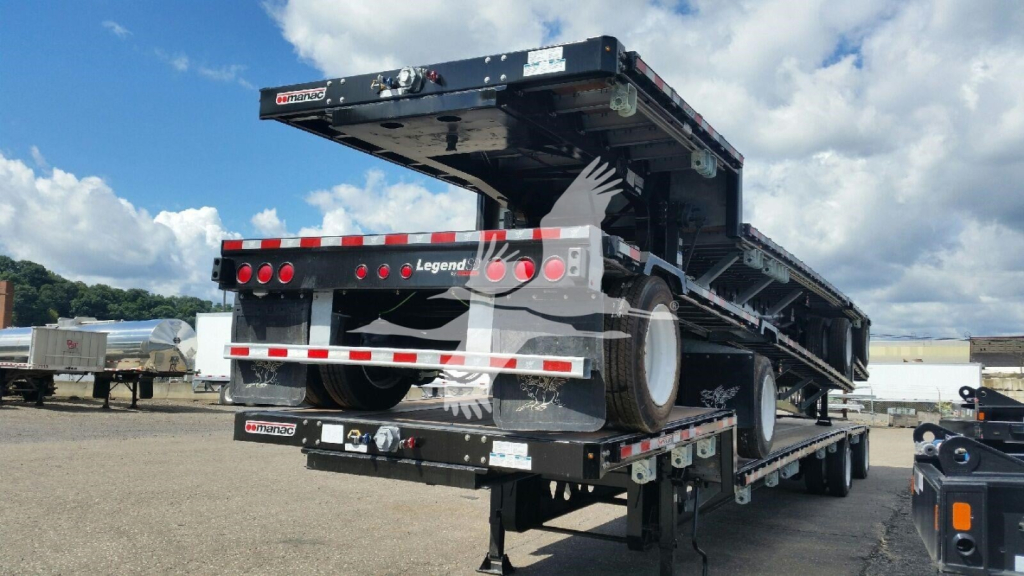
Ramp and rear transition design are major decision points. A beavertail drop deck with spring-assisted or hydraulic ramps is a strong fit for compact equipment, skid steers, small paving machines, forklifts, and other wheeled or tracked loads that need drive-on loading. Full ramp kits add versatility for equipment fleets but also change trailer weight and loading workflow. If the trailer will spend more time on open freight, details like a coil package, aluminum construction, double L winch tracks, tie bars, and a lighter tare weight may matter more than aggressive loading hardware. Buyers hauling concentrated loads should also look closely at rated capacity in 10 feet, main beam construction, and whether the trailer is spec'd with steel, combo, or full aluminum framing.
New drop deck trailers appeal to buyers who want current brake, lighting, suspension, and wiring components with less immediate reconditioning than an older open-deck trailer may need. The right spec depends on what percentage of your work is machinery versus commodity freight, how often you load from docks versus the ground, and how much tare weight matters to your lanes. In Pennsylvania, where freight can shift from construction equipment to steel, lumber, and industrial cargo, a properly spec'd new drop deck can cover a wide operating range if the deck height, ramp style, securement package, and suspension are matched to the freight.
Frequently Asked Questions about New Drop Deck Trailers in Pennsylvania
What is the difference between a drop deck trailer and a flatbed trailer?
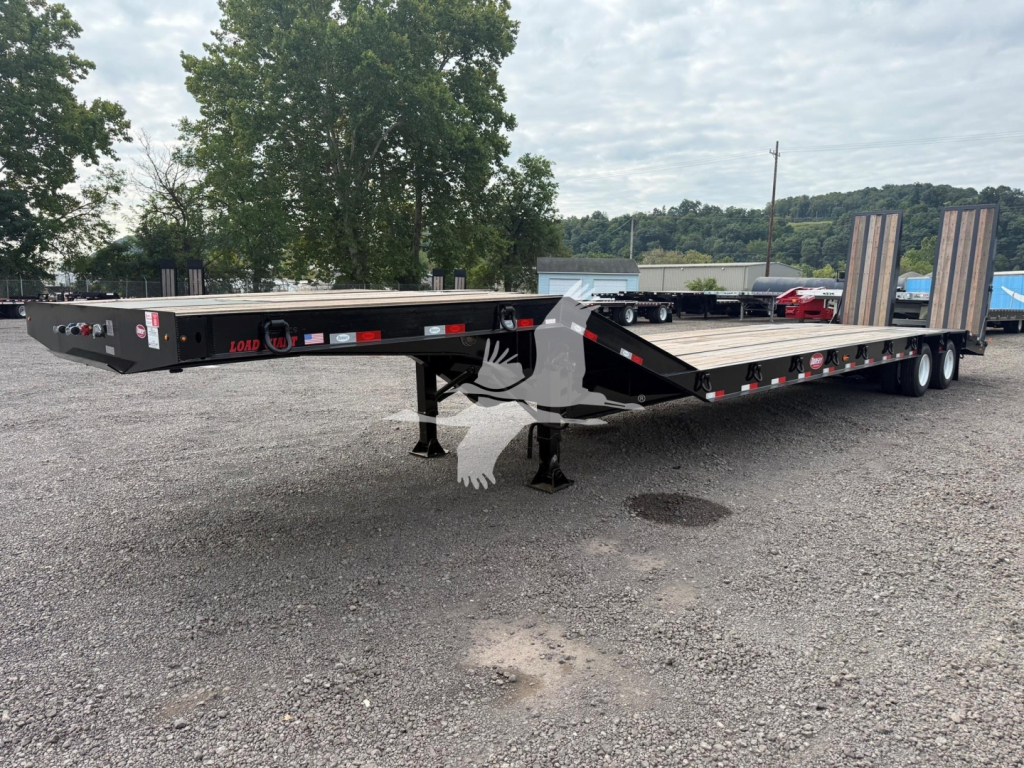
A drop deck trailer has two deck levels, a raised front deck and a lower main deck, while a flatbed has one continuous deck height. The lower deck on a drop deck allows taller freight to move legally without stepping up to a more specialized trailer. That makes drop decks common for machinery, tall crated freight, and construction materials that would exceed legal height on a standard flatbed.
What deck height should I look for on a new drop deck trailer?
Deck height depends on the freight you haul and the tractor height you run. Many highway drop decks in this category land around 41 inches loaded, while heavier equipment-oriented models can sit lower on the main deck, sometimes around the low-30-inch range. Lower deck height gives more legal load height, but you also need to consider ramp angle, ground clearance, suspension type, and how often the trailer will enter uneven jobsites or docks.
Is a beavertail and ramp setup worth it on a drop deck trailer?
A beavertail and ramp package is worth serious consideration if the trailer will regularly load self-propelled equipment. It improves loading angle and makes drive-on loading faster for forklifts, skid steers, compact excavators, and similar units. For buyers focused mostly on general open-deck freight, ramps add weight and can reduce payload, so a straighter freight-oriented deck with stronger securement options may be the better long-term spec.
Should I choose air ride or spring ride on a new drop deck?
Air ride is often preferred for mixed freight because it generally provides a smoother ride, helps protect sensitive cargo, and is common on highway open-deck work. Spring ride can still make sense on certain heavy-duty or equipment applications because of its simplicity and lower upfront cost. The better choice depends on your freight profile, maintenance preference, and whether ride quality or initial purchase price is the bigger priority.
What securement features matter most on a drop deck trailer?
The most important securement features are the ones that match your freight mix. Sliding winches, winch tracks, chain tie-downs, D-rings, pipe spools, and side rails that accept flat hooks all affect how quickly and safely you can secure a load. Buyers hauling steel coils or other concentrated freight should also look for a coil package and adequate crossmember support, while machinery haulers may prioritize D-ring placement, ramp traction, and reinforced rear sections.