
Used Dump Trailers For Sale
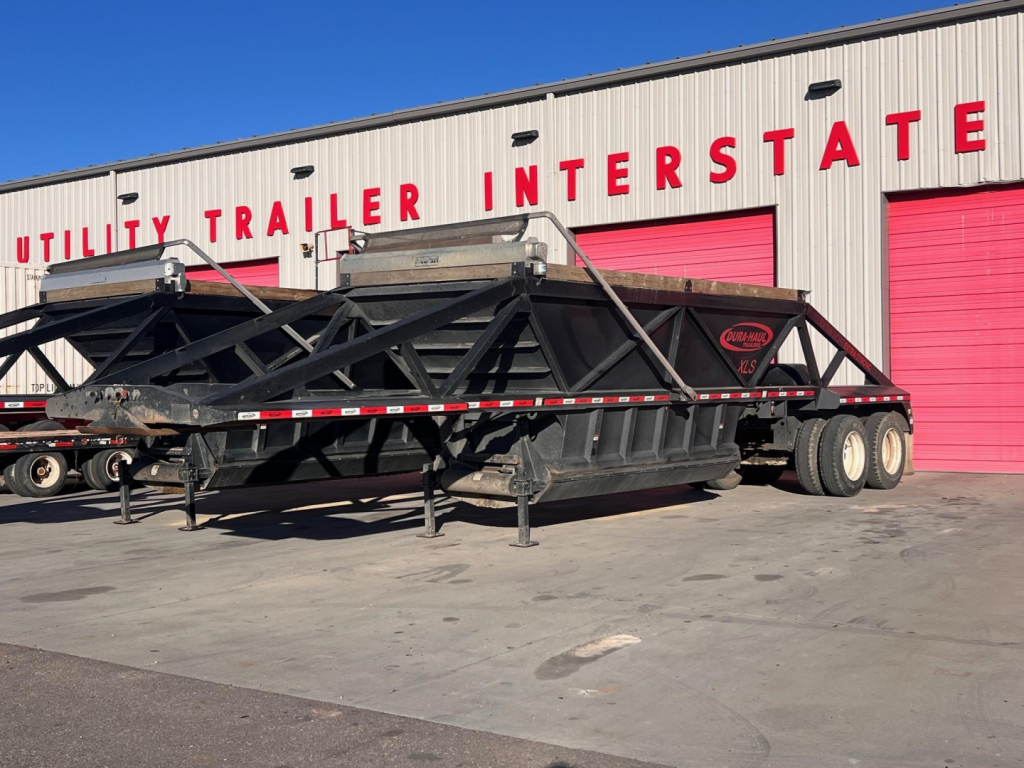
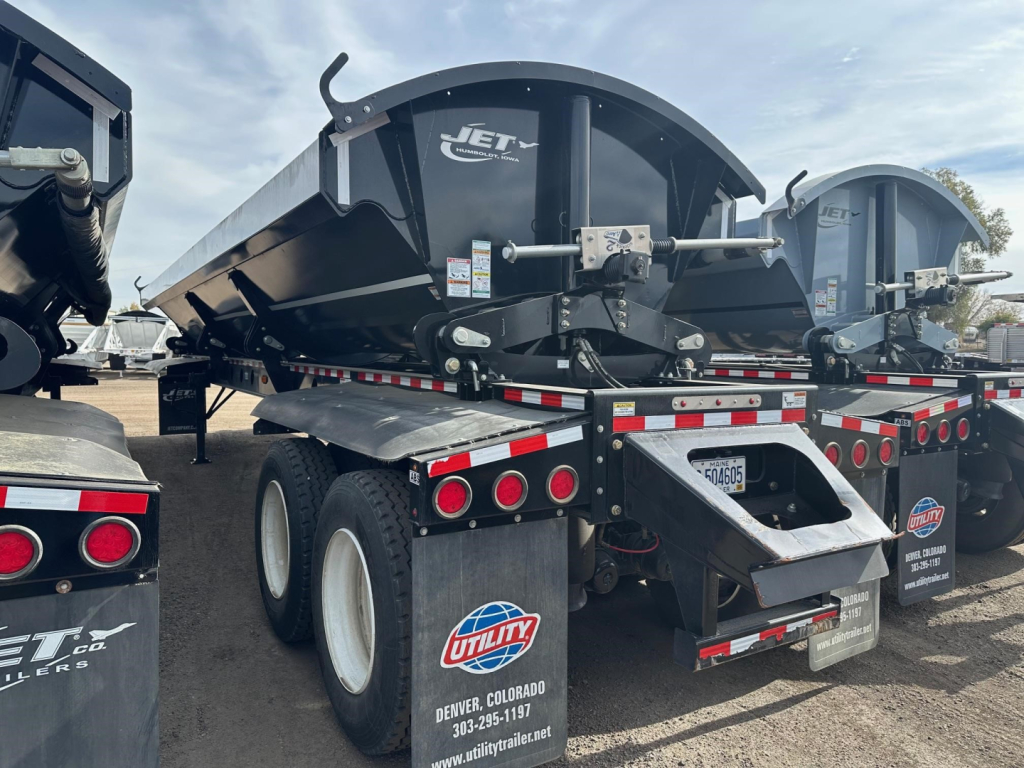
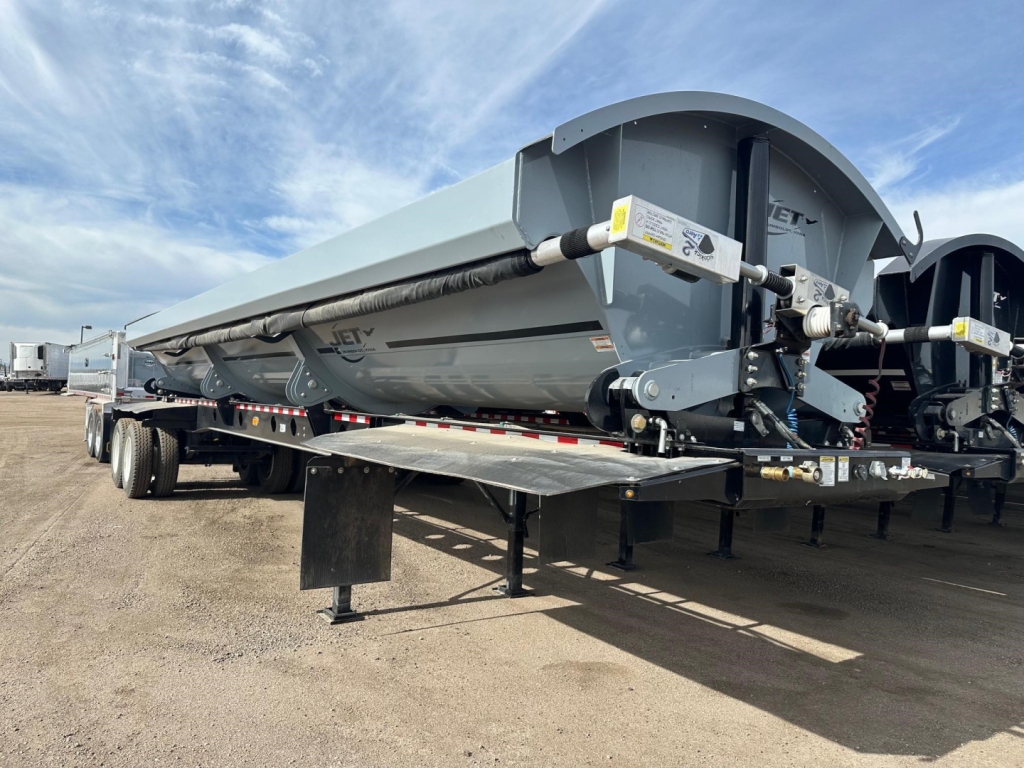
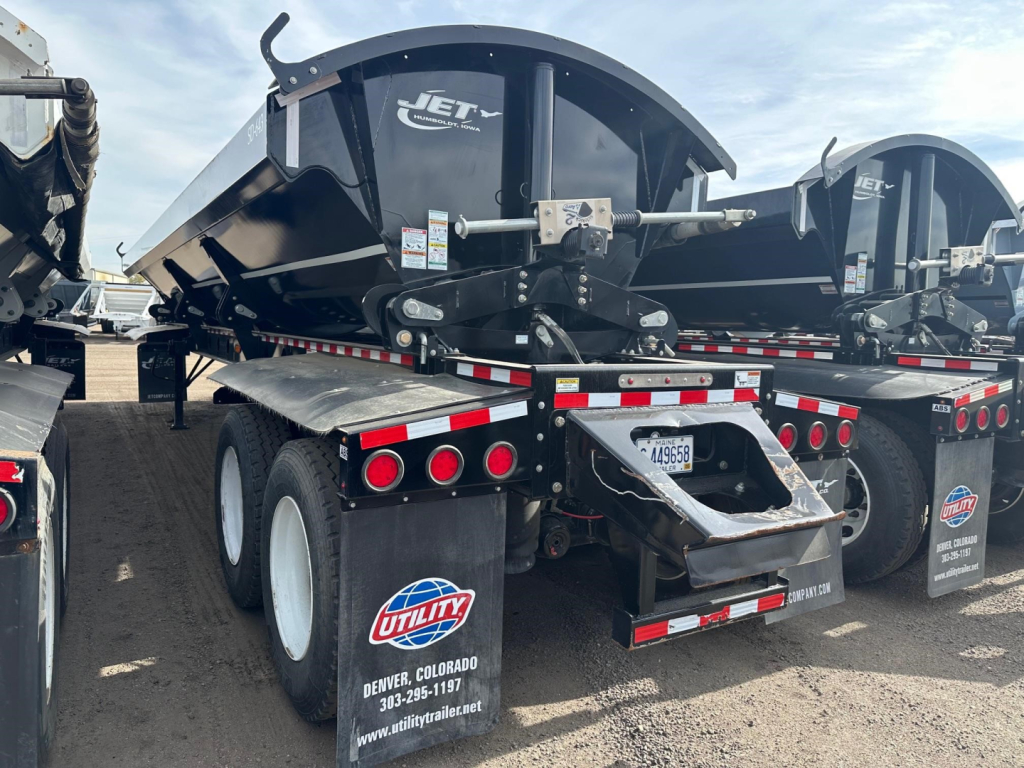
Used dump trailers for sale including end dumps and bottom dumps. Compare lengths, body styles, suspension, gates, tarps, and capacities.
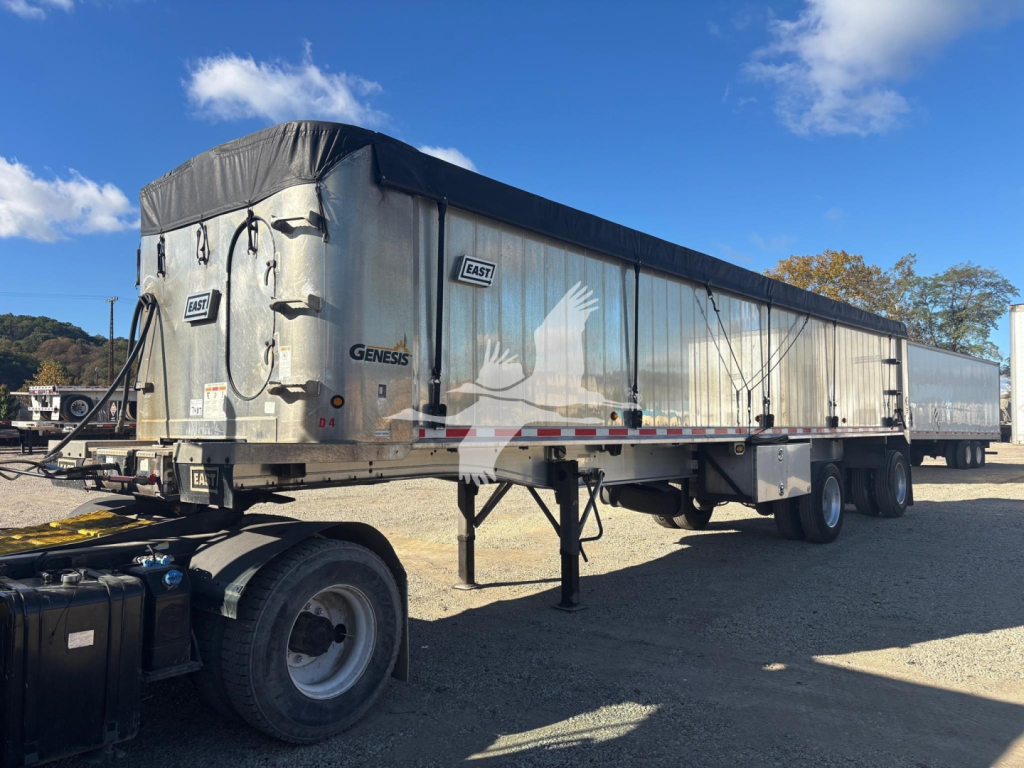
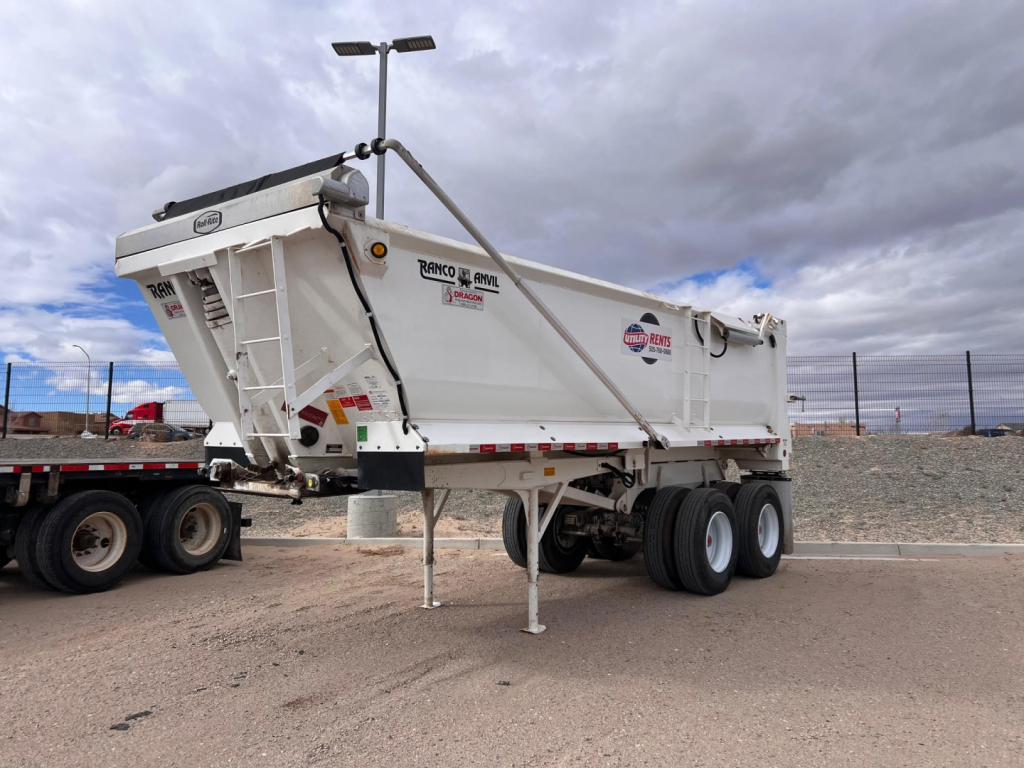
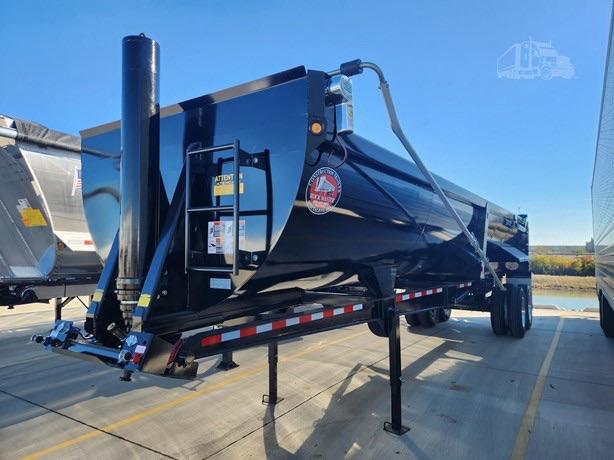
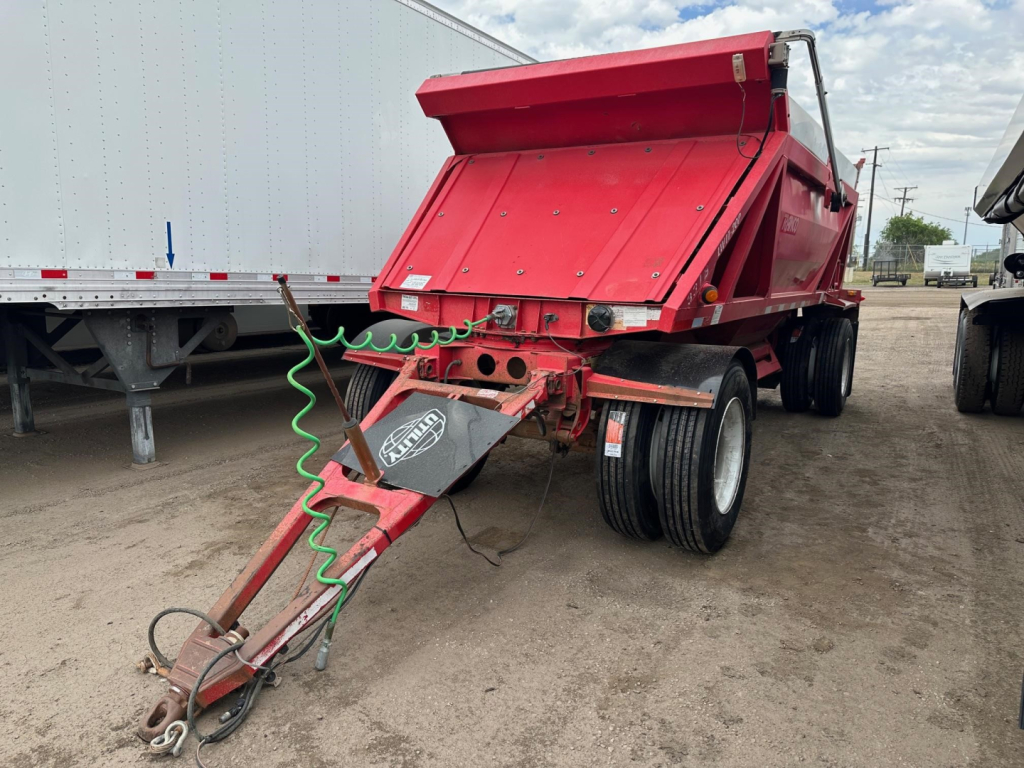
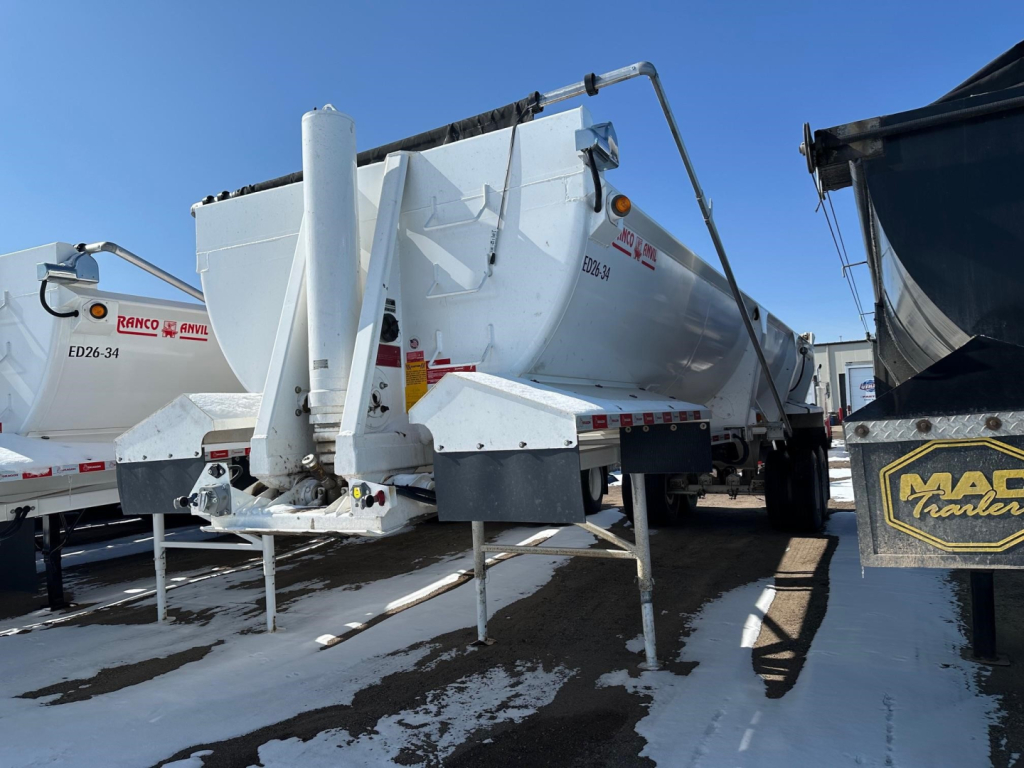
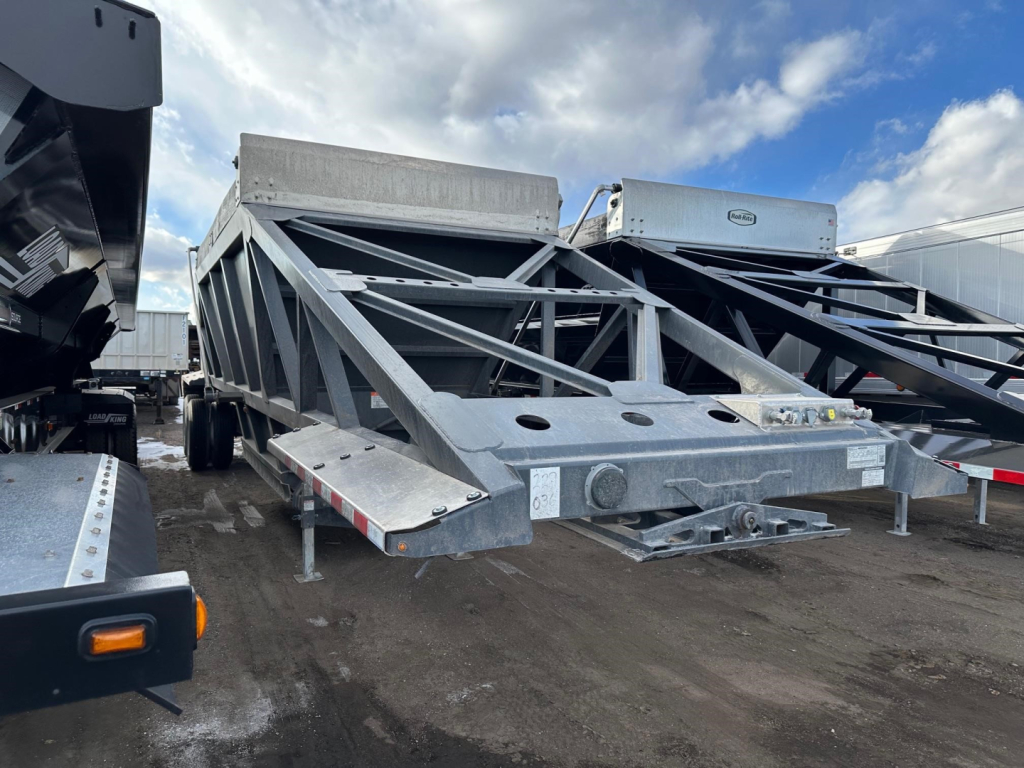
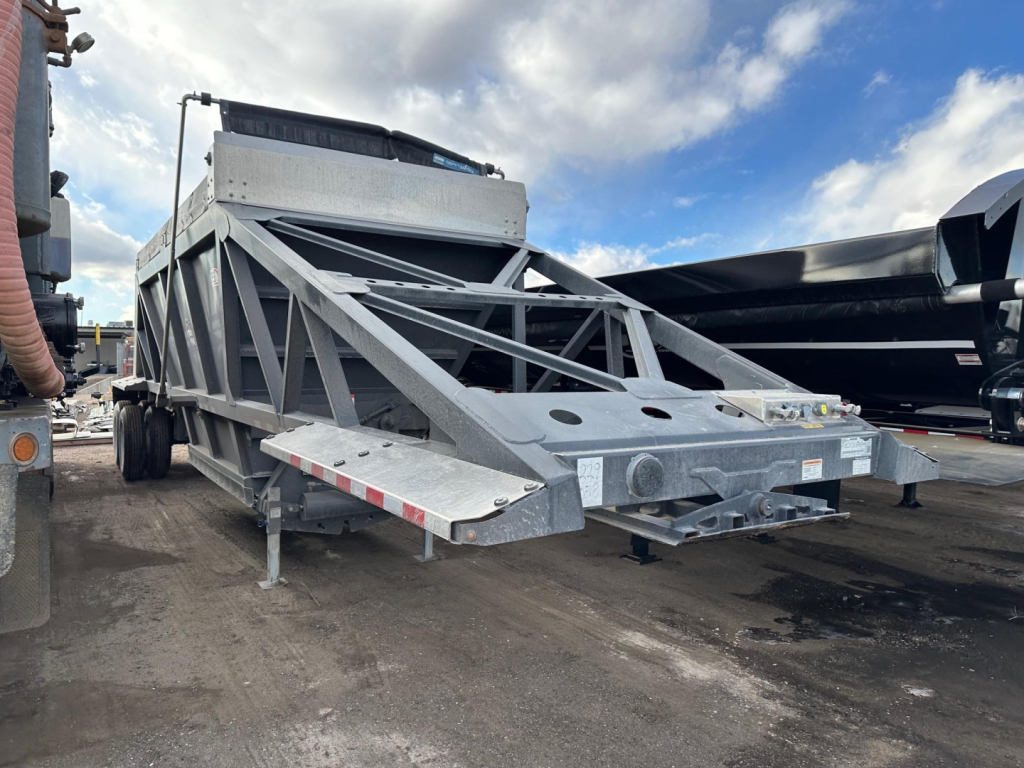
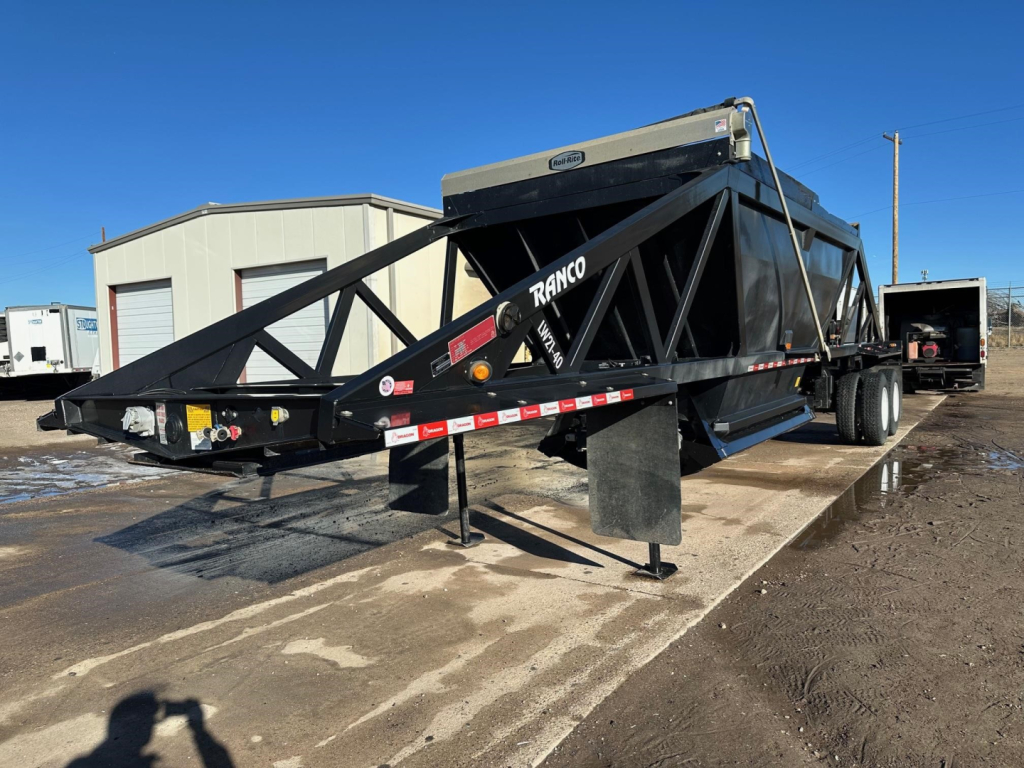
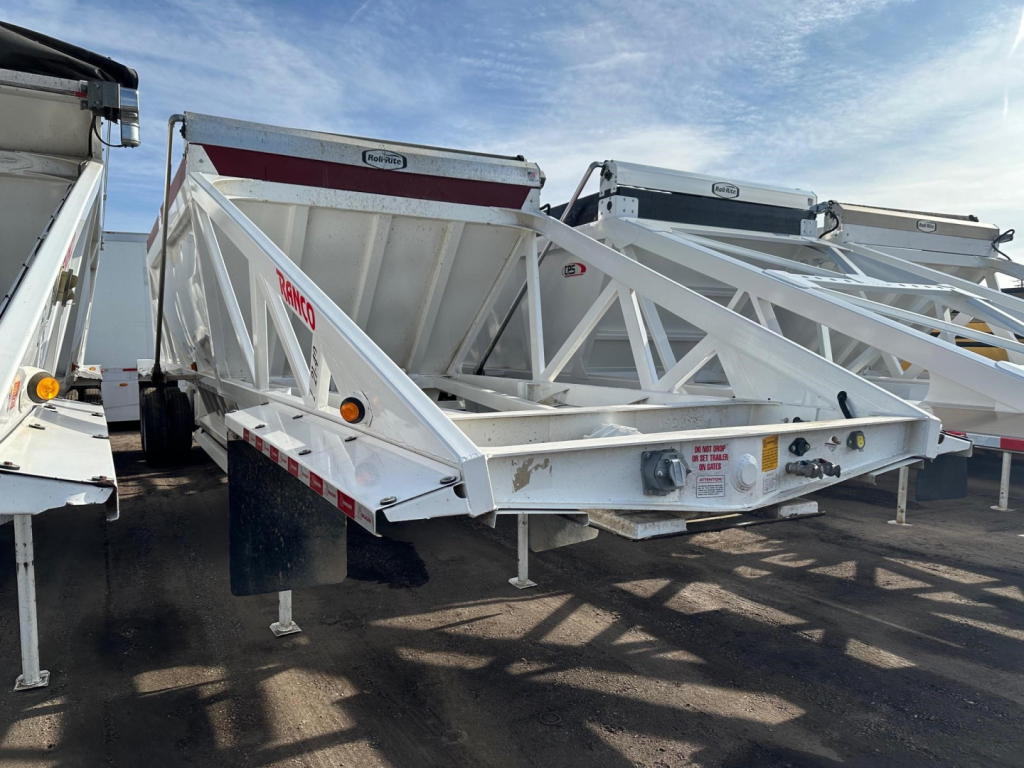
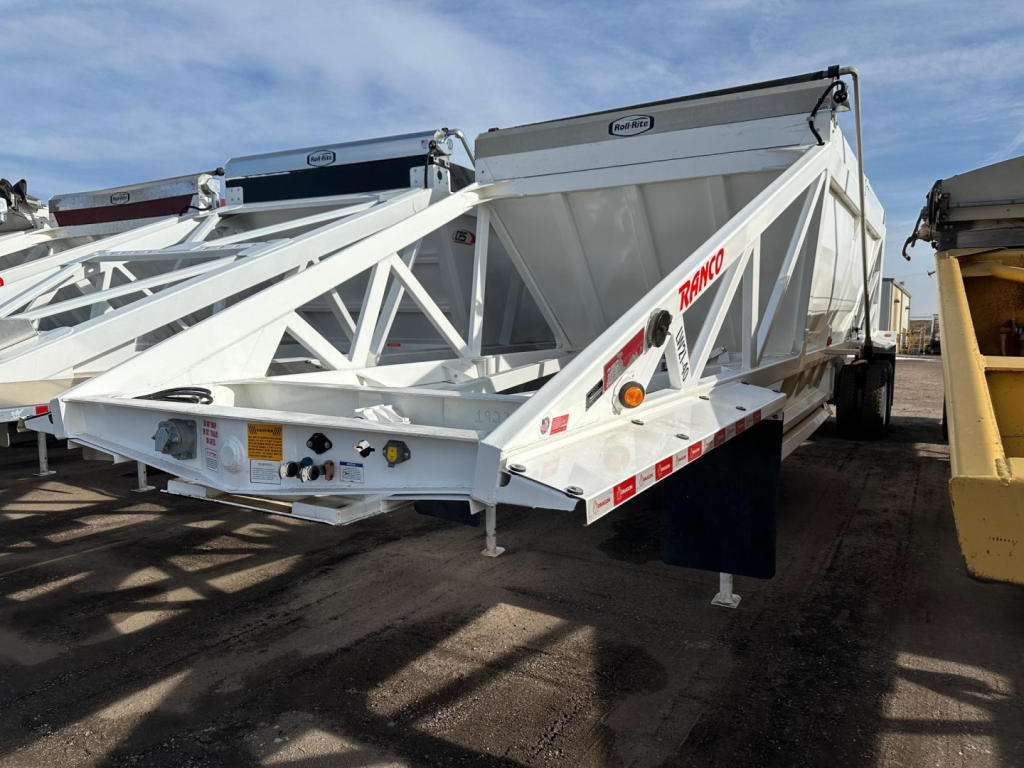
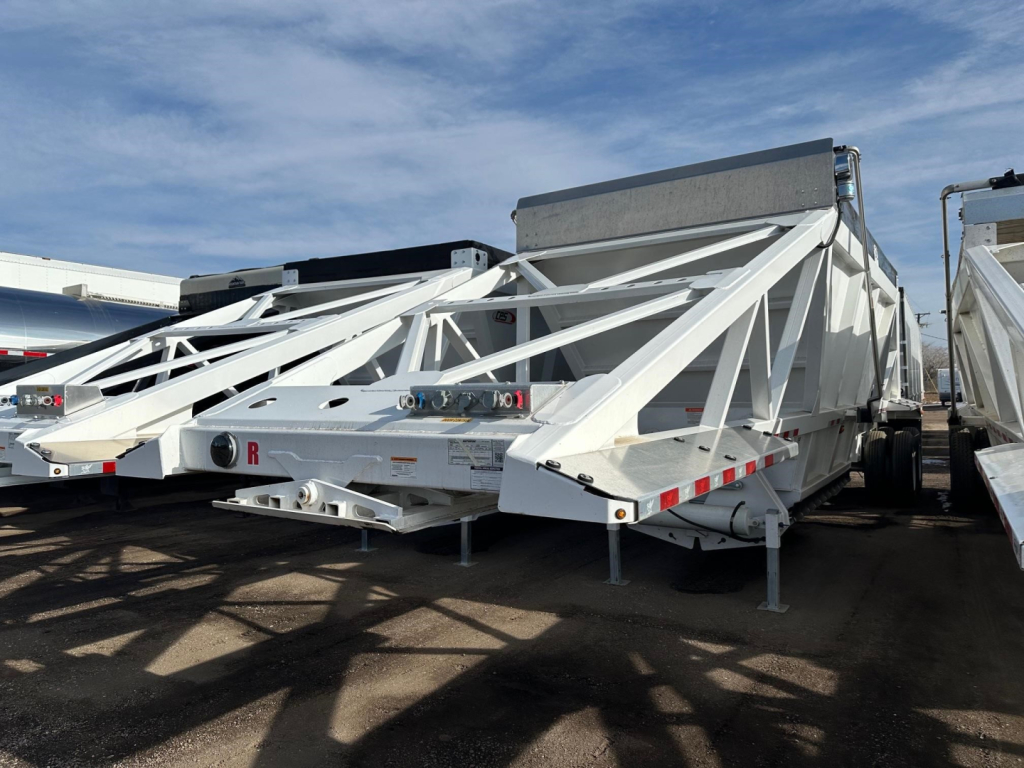
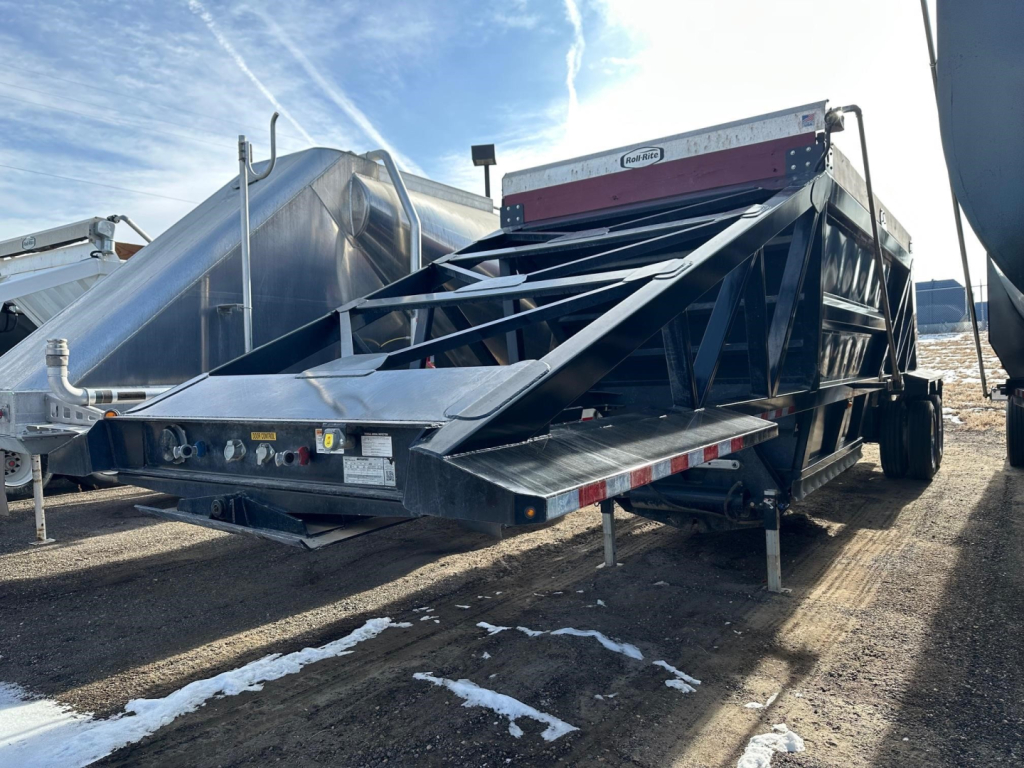

Showing 25 to 44 of 44 results
Have used dump trailer to sell? List it here to reach thousands of buyers.
Used Dump Trailers
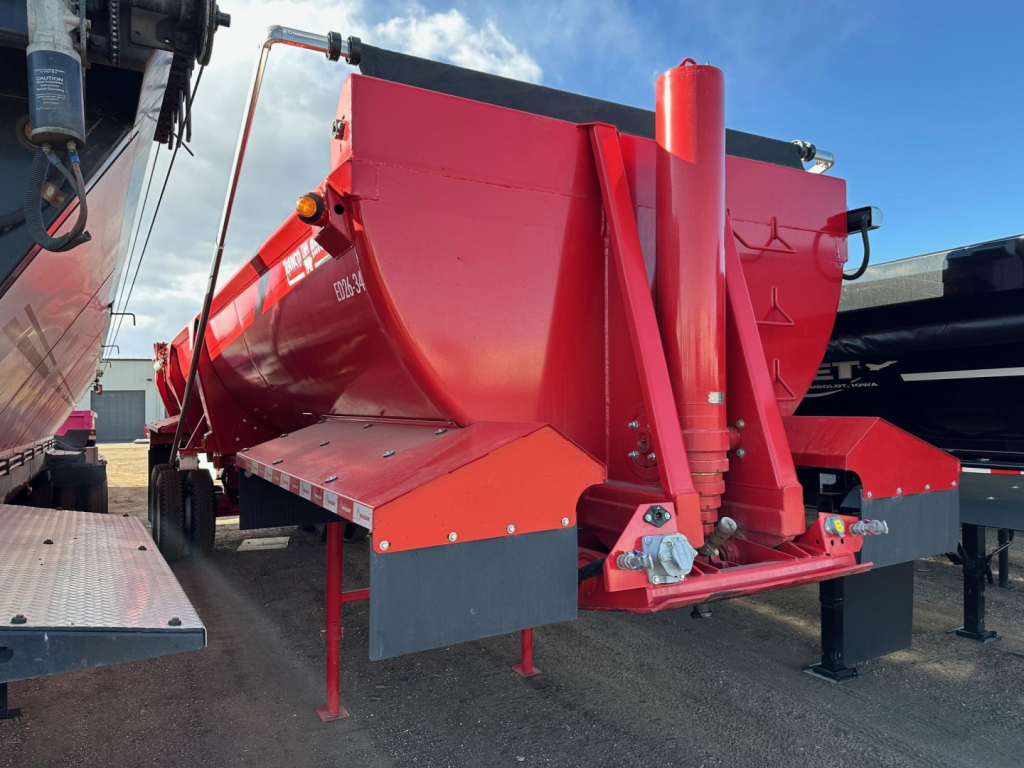
Body construction matters because it affects payload, durability, and what materials the trailer can handle every day. Aluminum bodies are lighter and can improve legal payload, especially on frameless end dumps hauling grain, light aggregate, or other bulk commodities where weight matters. Steel bodies generally hold up better in severe-duty applications with rock, demolition debris, or abrasive material. Half-round tubs are popular because they shed material cleanly and reduce carryback. Frameless designs save weight and are widely used in end dump applications, but buyers should pay close attention to cylinder mounts, hinge areas, crossmember condition, floor wear, and signs of previous frame or tub repair. Liners, scuff protection, and gate condition also deserve a close look if the trailer has spent time in abrasive service.
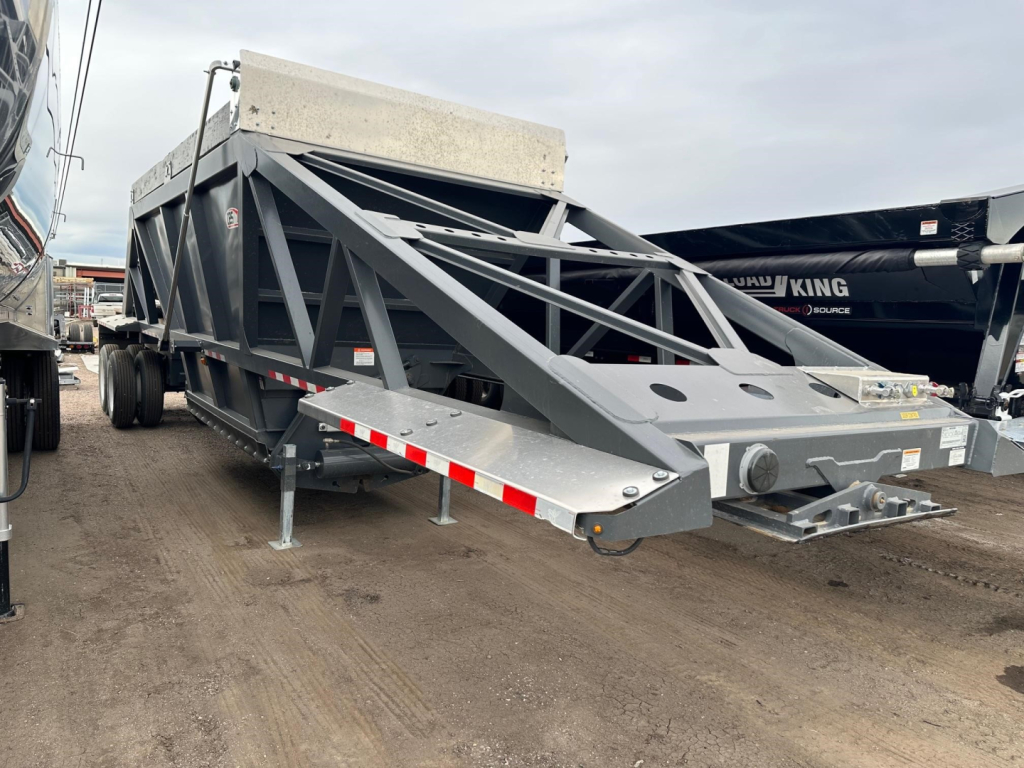
Suspension, axle setup, and gate controls directly affect day-to-day usability. Tandem fixed-axle layouts are common, with air ride favored for road stability and load protection, while single-point suspension is still common on some vocational specs. For bottom dumps, features like pin-setting gate limiters, infinite gate control, versa valves, windrow deflectors, bang boards, push blocks, and front or rear fenders can make a real difference in spread consistency and fleet compatibility. For end dumps, buyers should inspect the rear gate style closely. High-lift gates, two-way gates, and grain doors each suit different commodities and dump environments. Tarp system condition is equally important, since electric flip tarps and roll tarps are not cheap to sort out after purchase and can be critical for compliance and material retention.
A used dump trailer should be evaluated as a structure first and a bargain second. Check tub straightness, floor thickness, hoist or gate operation, suspension wear, brake life, tire condition, wheel type, lighting, and overall signs of twisting or hard off-road use. Confirm cubic-yard capacity against the material you actually haul, because a light-volume trailer may not be the right fit for dense rock, and a heavier-duty build may cost payload on lighter commodities. Buyers running regional construction, paving, quarry, agricultural, or municipal work usually get the best results by matching dump style, body material, and gate setup to the material stream instead of shopping by price alone.
Frequently Asked Questions about Used Dump Trailers
What is the difference between an end dump trailer and a bottom dump trailer?
An end dump trailer discharges material out the rear by raising the body, while a bottom dump trailer releases material through gates in the floor. End dumps are better for piling material in one spot and handling a wider variety of bulk loads, including demolition and aggregate. Bottom dumps are designed for controlled placement and are commonly used to spread material in a windrow or even layer on road and grading projects.
Is an aluminum dump trailer better than a steel dump trailer?
Aluminum and steel each have a clear place in the dump trailer market. Aluminum usually offers lower tare weight and better payload potential, which is valuable for grain, lighter bulk commodities, and operations where every pound counts. Steel is generally the better choice for severe-duty work and abrasive materials such as rock, riprap, and demolition debris because it tends to resist impact and wear more effectively over time.
What should I inspect first on a used dump trailer?
Start with the structure and the dump system. Look for cracks, weld repairs, bent rails, hinge wear, floor damage, tub distortion, and signs the trailer has been overloaded or operated on uneven ground. Then inspect the suspension, axles, brakes, tires, gate hardware, tarp system, lights, and any hydraulic or pneumatic controls. A trailer with decent cosmetics but structural fatigue can become expensive very quickly.
What size and configuration are most common on used dump trailers?
Many used dump trailers are tandem-axle units in the 32-foot to 40-foot range, often riding on 11R24.5 tires with steel wheels. In the end dump segment, frameless and half-round bodies are both common. In the bottom dump segment, 40-foot tandem configurations with air ride suspension, electric tarps, and controlled gate systems are frequently seen because they fit a wide range of aggregate and paving work.
How important is gate style on a dump trailer?
Gate style is one of the most important spec choices because it determines how the trailer unloads and what materials it can handle efficiently. High-lift gates improve clearance for larger material flow, two-way gates add flexibility, and grain doors help meter lighter commodities. On bottom dumps, gate limiters and infinite control systems are critical for spread consistency. A trailer with the wrong gate setup can slow loading, reduce control at discharge, and limit the jobs it can do well.