
Used 2026 Dump Trailers For Sale
Have used 2026 dump trailer to sell? List it here to reach thousands of buyers.
Used 2026 Dump Trailers
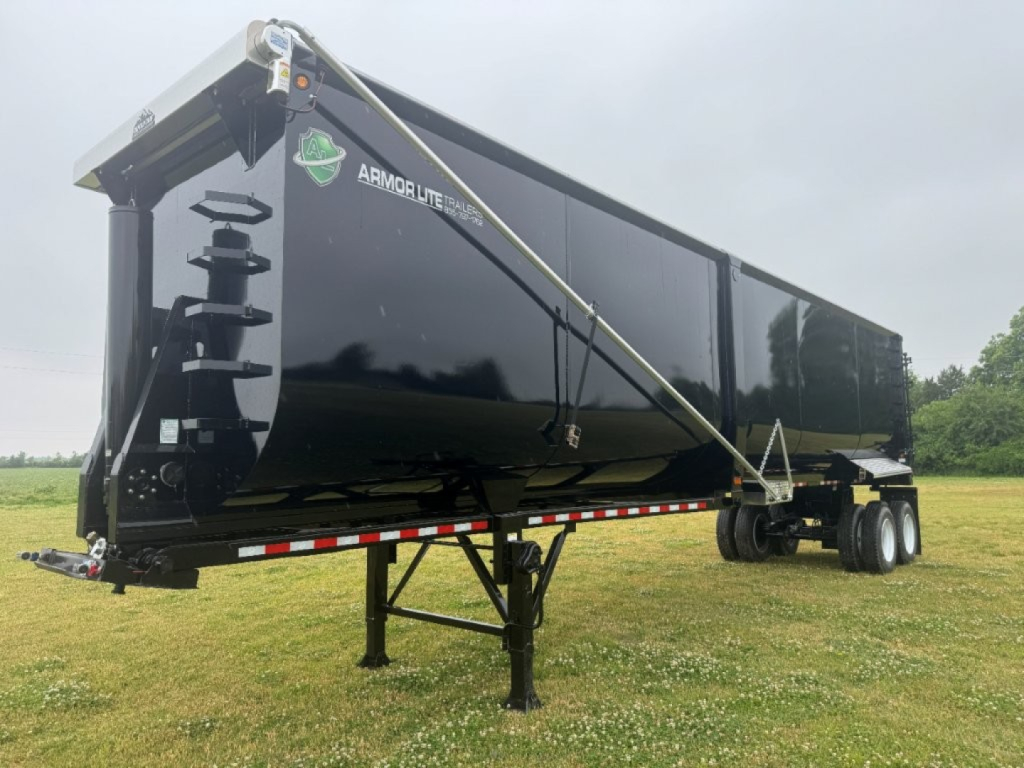
Construction style matters as much as body type. Frameless aluminum end dumps are popular when payload is the priority because they cut tare weight and resist corrosion, but buyers should inspect tub condition closely for signs of sidewall stress, floor wear, liner separation, and prior patching. Half-round tubs generally shed sticky material better than square or quarter-frame bodies and tend to hold up well in aggregate service. Steel dump trailers bring more abuse tolerance for harder impact loads, but with a weight penalty. On bottom dumps, pay attention to hopper design, gate limiters, bang boards, windrow deflectors, and valve setup because those features directly affect spread control and cycle efficiency.
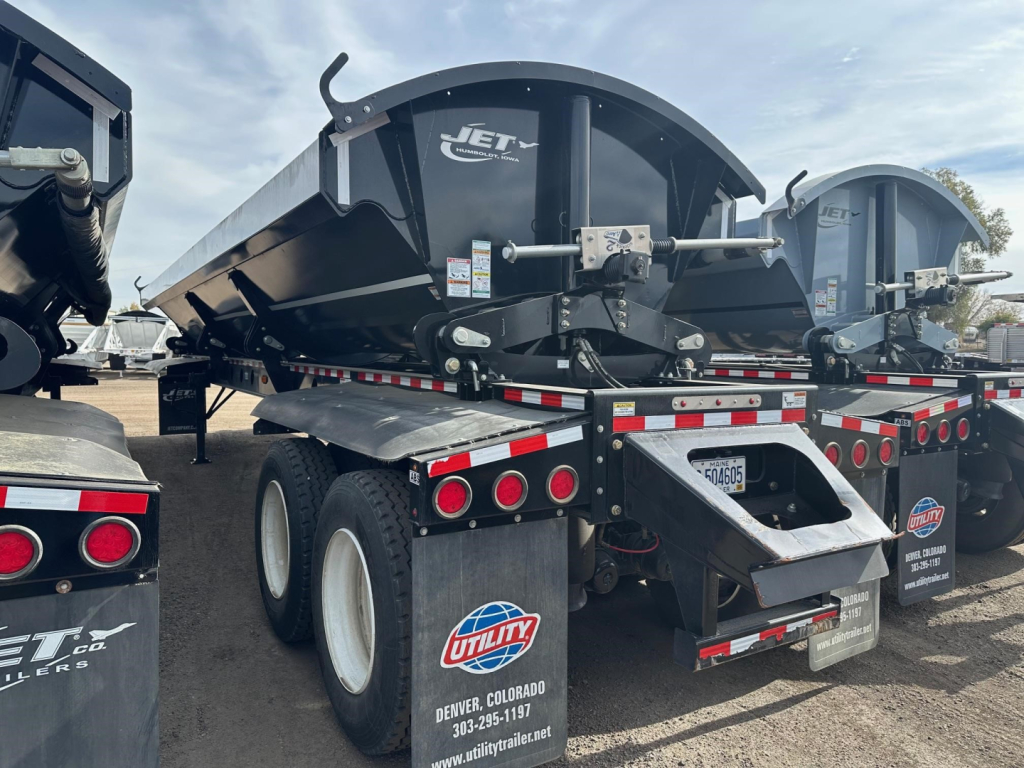
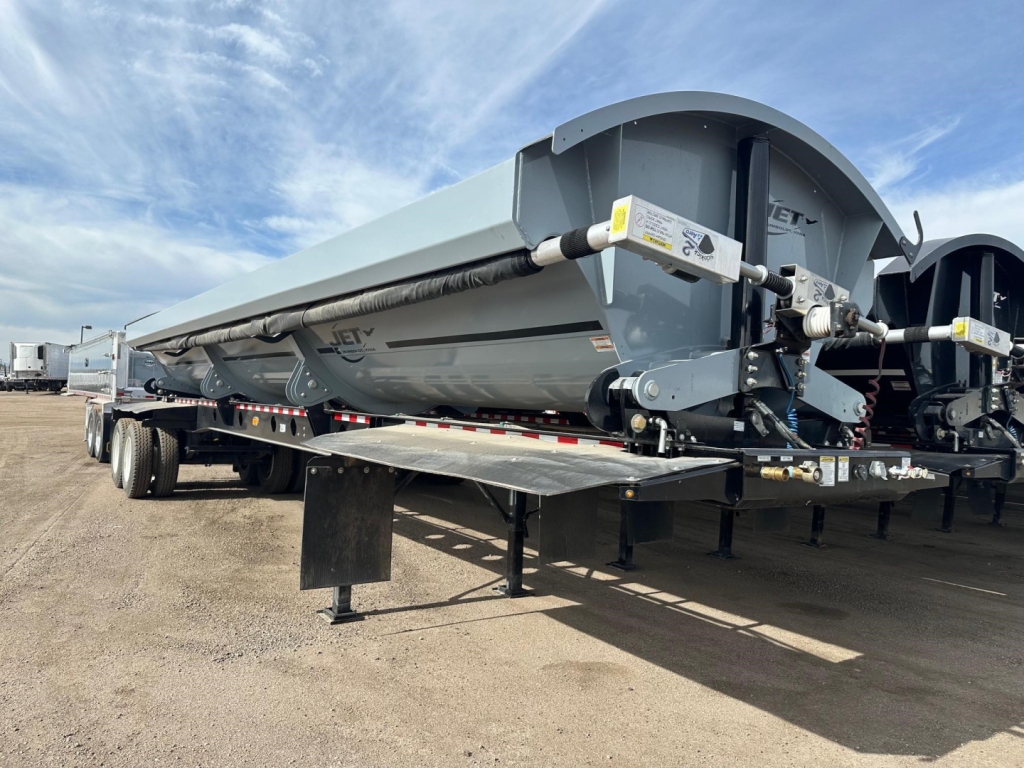
Axle configuration, suspension, and gate equipment should match the route and material. Closed tandem setups with air ride are common on late-model dump trailers because they balance ride quality, tire life, and resale appeal. Tire size is often 11R24.5, and wheel choice can be steel for lower replacement cost or aluminum for weight savings. Electric slide tarps and electric flip tarps are now common and save time between loads, while high-lift gates, top-hinge gates, and manual or air-operated gate controls should be checked for hinge wear, cylinder condition, and clean operation. For end dumps, look closely at draft arms, hoist mounting points, rear frame integrity, and any evidence of twisting from uneven dumping. For bottom dumps, inspect gate seals, linkage wear, and consistency of opening across the hopper.
A used 2026 dump trailer is usually evaluated on remaining life more than just age. Buyers should verify cubic yard capacity, body length, side height, lining, brake life, tire percentage, lighting, tarp function, and inspection status. Application history also matters. A trailer that hauled sand, asphalt, or light aggregate may show very different wear than one used in demolition, riprap, or off-road quarry work. The best fit comes down to payload target, dump surface conditions, legal bridge requirements, and how precisely the trailer needs to place material. Matching body material, tub style, suspension, and gate design to the work is what separates a productive trailer from an expensive compromise.
Frequently Asked Questions about Used 2026 Dump Trailers
What is the difference between an end dump trailer and a bottom dump trailer?
An end dump trailer unloads by raising the body and discharging material out the rear, which makes it well suited for stockpiling, demolition debris, millings, and bulk aggregate. A bottom dump trailer releases material through gates in the hopper floor, allowing controlled discharge while moving, which is ideal for road base, shoulder work, and paving support. The right choice depends on whether the job requires vertical unloading into a pile or consistent material placement over distance.
Are aluminum dump trailers better than steel dump trailers?
Aluminum dump trailers usually offer better payload because they weigh less and they also resist corrosion well, which makes them common in aggregate and general bulk hauling. Steel dump trailers typically handle impact and abrasive service better, especially in severe-duty applications involving demolition, scrap, or hard rock. Neither is universally better. Buyers should match body material to load type, expected abuse, and tare-weight goals.
What should I inspect first on a used late-model dump trailer?
Start with the body and discharge system because those are the highest-wear areas. Check the tub floor, sidewalls, crossmember area, gate hinges, hoist or linkage mounting points, and any liner condition. Then inspect suspension components, brake life, tire wear, wheel condition, tarp operation, lighting, and signs of frame twist or weld repair. Service history and application history are important because material type often tells you more about wear than model year alone.
What capacity and length are most common on dump trailers?
Common dump trailer lengths often run in the low-30-foot range for many end dumps and around 40 feet for many bottom dumps, but exact configuration varies by state laws, axle setup, and intended material. Capacity is usually described in cubic yards, and buyers should compare rated volume against actual legal payload in their operating region. A larger box does not always translate to better productivity if weight limits are reached before the body is full.
Why do features like gate limiters, windrow deflectors, and tarps matter on a dump trailer?
These features directly affect safety, material control, and daily operating speed. Gate limiters help bottom dumps control spread depth and reduce wasted material. Windrow deflectors improve placement consistency in road work. Electric tarps reduce load securement time and help keep operators compliant between hauls. On used equipment, these features also indicate how well the trailer is equipped for production work rather than basic transfer use.