
Used Travis Dump Trailers For Sale
Shop used Travis dump trailers built for lightweight hauling, high payloads, and bulk material work in asphalt, aggregate, and debris applications.
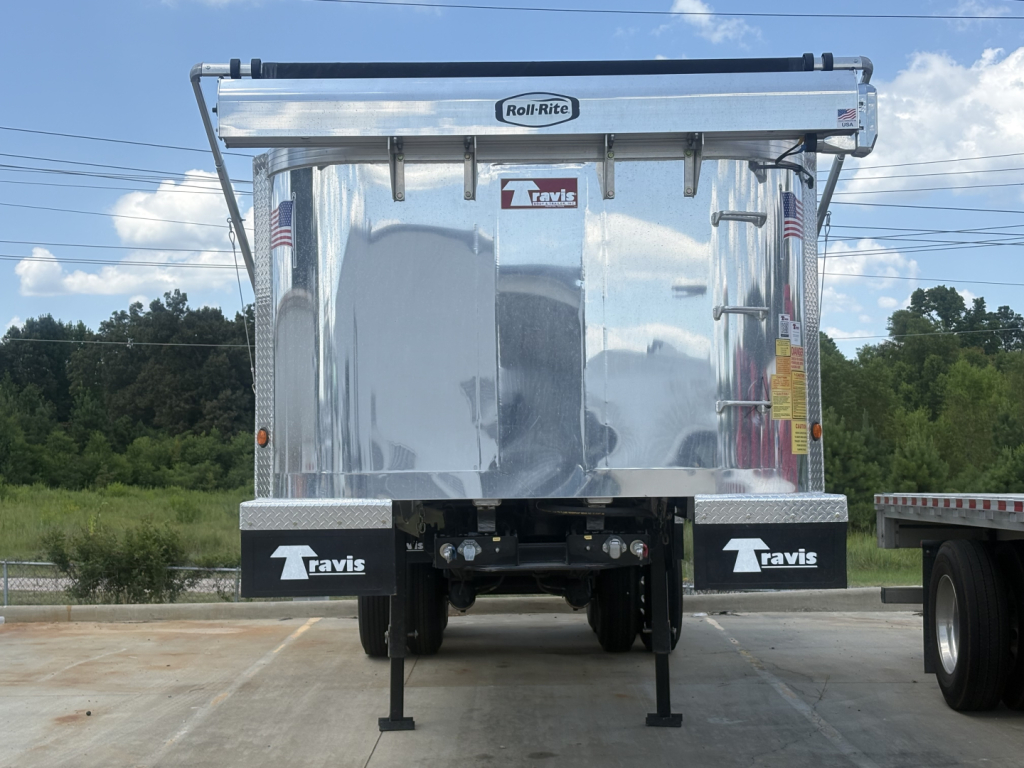
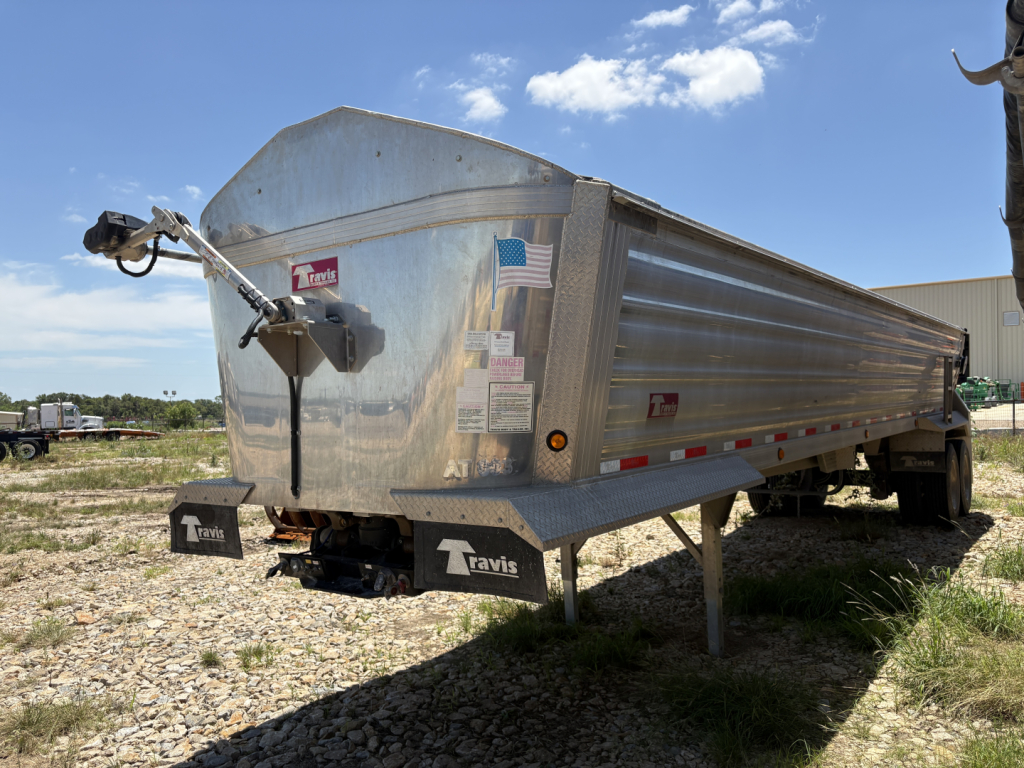
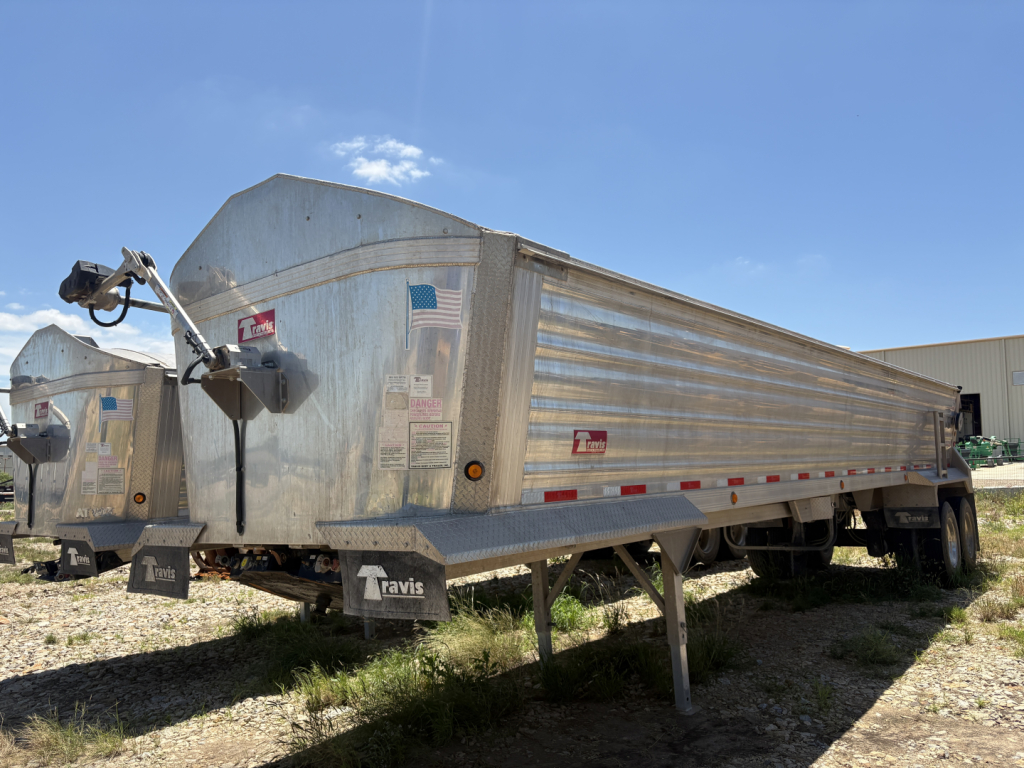
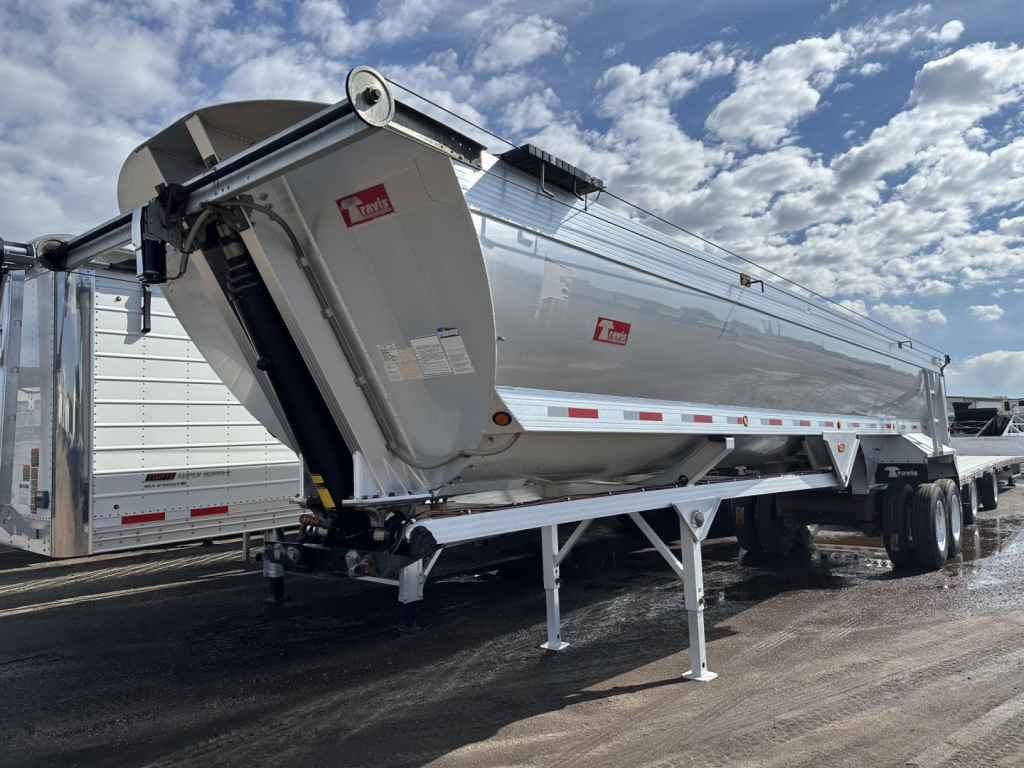
Selling a used travis dump trailer? List your used travis dump trailer for sale and reach thousands of commercial buyers.
Used Travis Dump Trailers
A lot of used Travis dump trailers on the market are frameless or lightweight aluminum configurations, and that makes body condition especially important. Look closely at the floor, sidewalls, crossmember areas, hinge points, and hoist mounting structure for signs of hard impact loading, corrosion around dissimilar metals, weld repairs, or fatigue cracking. If the trailer spent its life hauling abrasive stone, riprap, or demolition material, expect more wear than a trailer used primarily for asphalt, grain byproducts, or lighter bulk commodities. Suspension type, axle rating, lift axle setup, tire condition, brake life, and tarp system condition also deserve attention because those items affect both operating cost and turnaround time.
Travis dump trailers are commonly chosen by fleets and owner-operators who need strong payload performance without stepping up to a heavier trailer spec. Common details include aluminum tubs, air-ride or spring suspension, tandem or tri-axle layouts, electric or pneumatic tarp systems, and body lengths sized for regional hauling requirements. Frameless designs can save weight and simplify unloading, but they should be matched to the right commodity and loading practices. A buyer should also confirm gate style, liner presence, hydraulic compatibility, and kingpin setting, especially if the trailer will be paired with a specific tractor wheelbase or used in tight jobsite environments.
The best used Travis dump trailer is not just the lightest one. It is the one with a sound body, a straight frame structure where applicable, clean hoist operation, and a maintenance history that matches the work it was built to do. For high-cycle hauling, details like a well-sealed tailgate, solid suspension bushings, even tire wear, brake balance, and a functional tarp can make as much difference as the trailer’s stated capacity. Buyers who take time to match body style, axle configuration, and prior use to their actual hauling lane usually get the best service life and the lowest cost per ton.
Frequently Asked Questions about Used Travis Dump Trailers
What are Travis dump trailers best known for?
Travis dump trailers are best known for lightweight aluminum construction and strong payload potential. That makes them popular in operations where every pound of tare weight affects revenue, especially in aggregate, asphalt, sand, and other bulk commodity hauling. Their design focus has long been centered on maximizing legal payload while maintaining durability in repeated loading and dumping cycles.
What should I inspect first on a used Travis dump trailer?
Start with the body and structural areas that see the most stress. Check the floor, sidewalls, top rail, hinge assembly, hoist mounts, tailgate hardware, suspension attachment points, and any repaired weld areas. On a lightweight aluminum dump trailer, prior overloading, hard loading with large rock, and off-level dumping can leave signs of fatigue or distortion that matter more than cosmetic appearance.
Are Travis dump trailers good for heavy aggregate work?
They can be, but the exact trailer spec and prior use matter. A lightweight aluminum dump trailer can perform very well in aggregate service when it has the right body design, floor thickness, suspension, and operating discipline. If the intended use involves very abrasive material, oversized rock, or demolition debris, buyers should pay close attention to liner condition, floor wear, sidewall damage, and any signs that the trailer has been pushed beyond its intended application.
What axle setup is common on used Travis dump trailers?
Tandem and tri-axle configurations are both common, depending on region, weight laws, and intended payload. A tandem setup can be a practical choice for certain local or regional operations, while a tri-axle trailer may provide more flexibility where higher gross weights are allowed. The right choice depends on bridge-law requirements, route type, commodity, and how the trailer will be matched to the tractor.
Why does tare weight matter so much on a dump trailer?
Tare weight directly affects how much payload can be carried legally on every trip. A lighter dump trailer can increase tons per load, which can improve revenue on weight-sensitive work. That advantage has to be balanced against durability, repair history, and the type of material being hauled, because the lightest trailer is not always the best fit for severe service.