
Used Dump Trailers For Sale in New Mexico
Browse used dump trailers in New Mexico, including bottom dumps and end dumps, with specs for aggregate, paving, construction, and bulk hauling.
Selling a used dump trailer? List your used dump trailer for sale and reach thousands of commercial buyers.
Used Dump Trailers in New Mexico
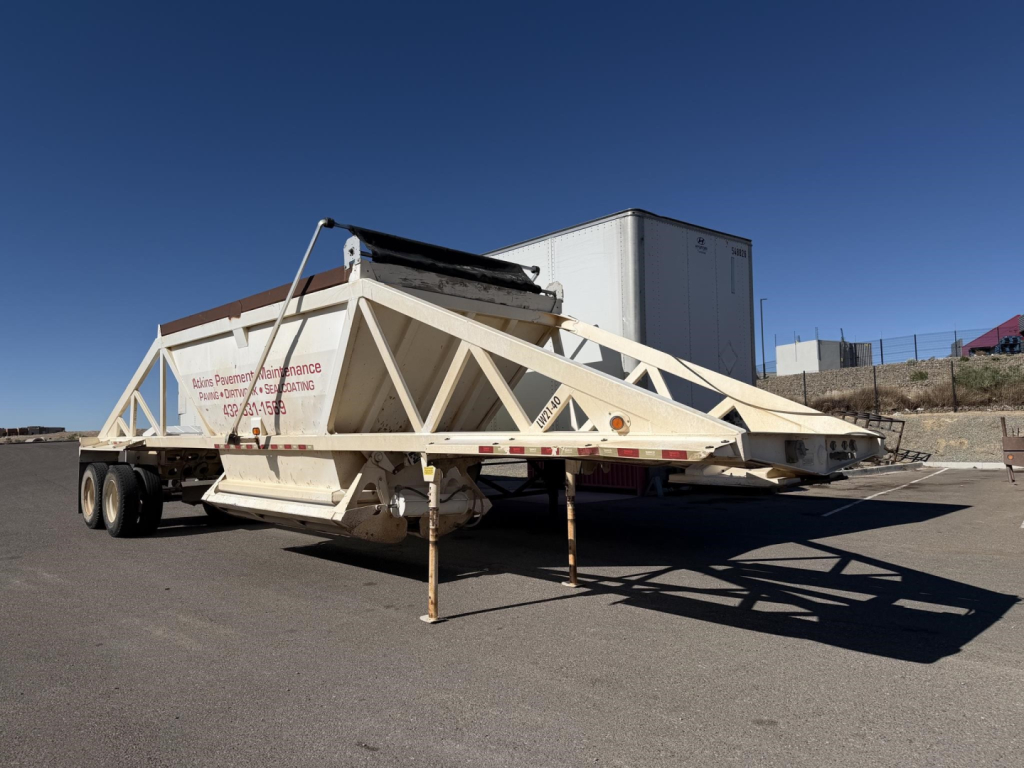
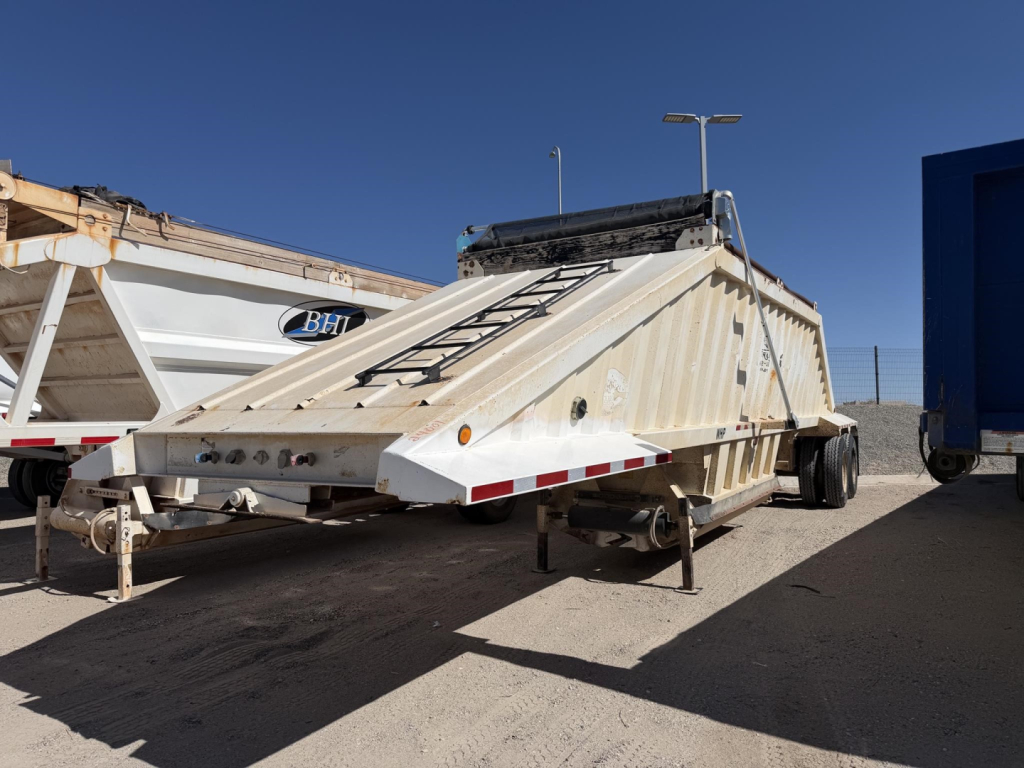
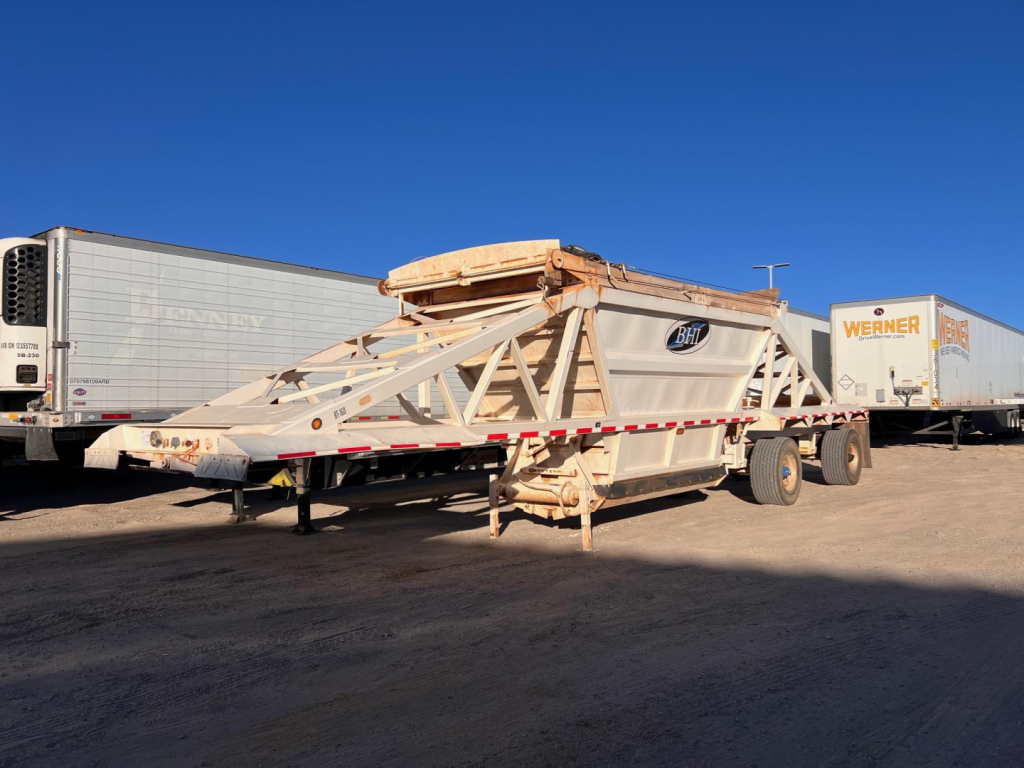
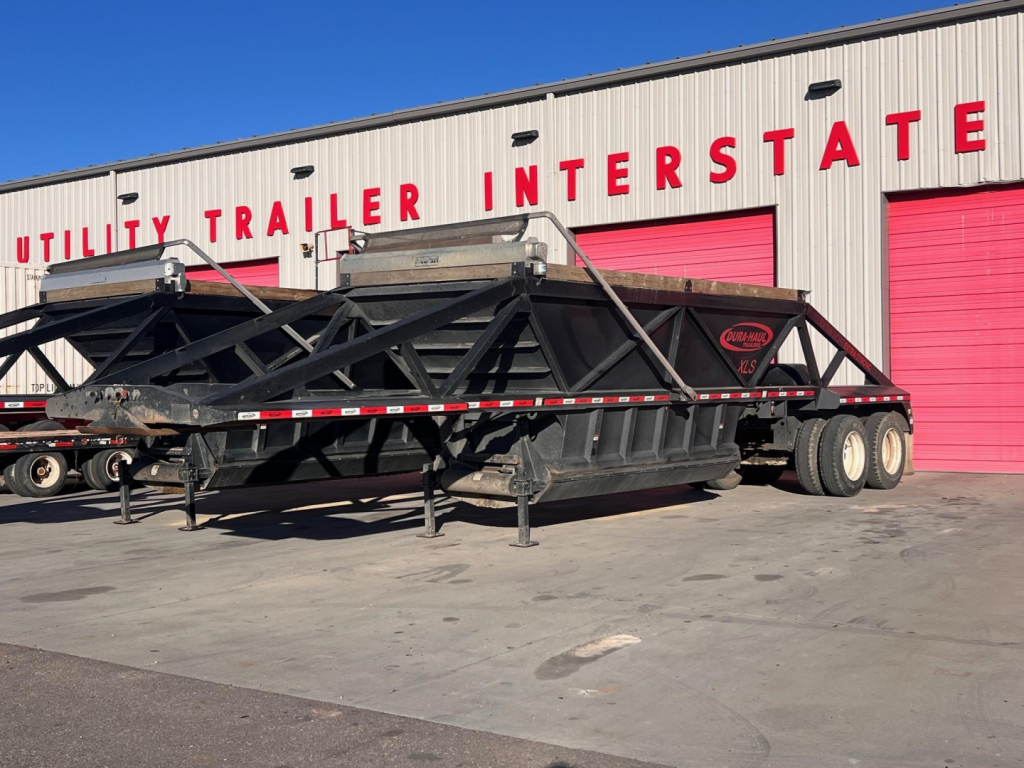
On bottom dumps, key details include hopper design, gate controls, suspension, and tarp setup. Single hopper and multiple gate configurations affect how material spreads and how well the trailer handles different products. Terms like bang boards, slope sheets, windrow deflectors, gate limiters, and electric flip or slide tarps are not small add-ons. They directly affect load containment, discharge control, and turnaround time. Closed tandem and spread axle layouts each have a place depending on bridge law, maneuverability, and tire wear priorities. Air ride can help protect the trailer and improve ride quality on mixed surfaces, while single point suspension remains popular in severe-duty work for simplicity and durability. Tire inflation systems, wide base tires, and wheel choice also matter if uptime and maintenance cost are part of the buying equation.
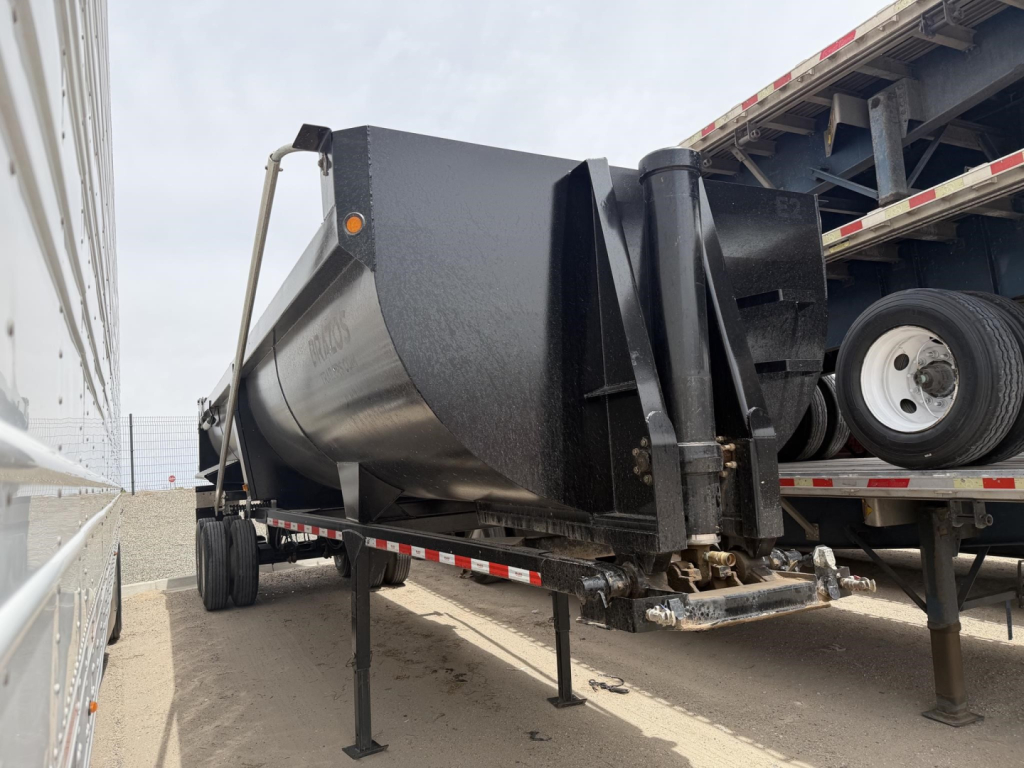
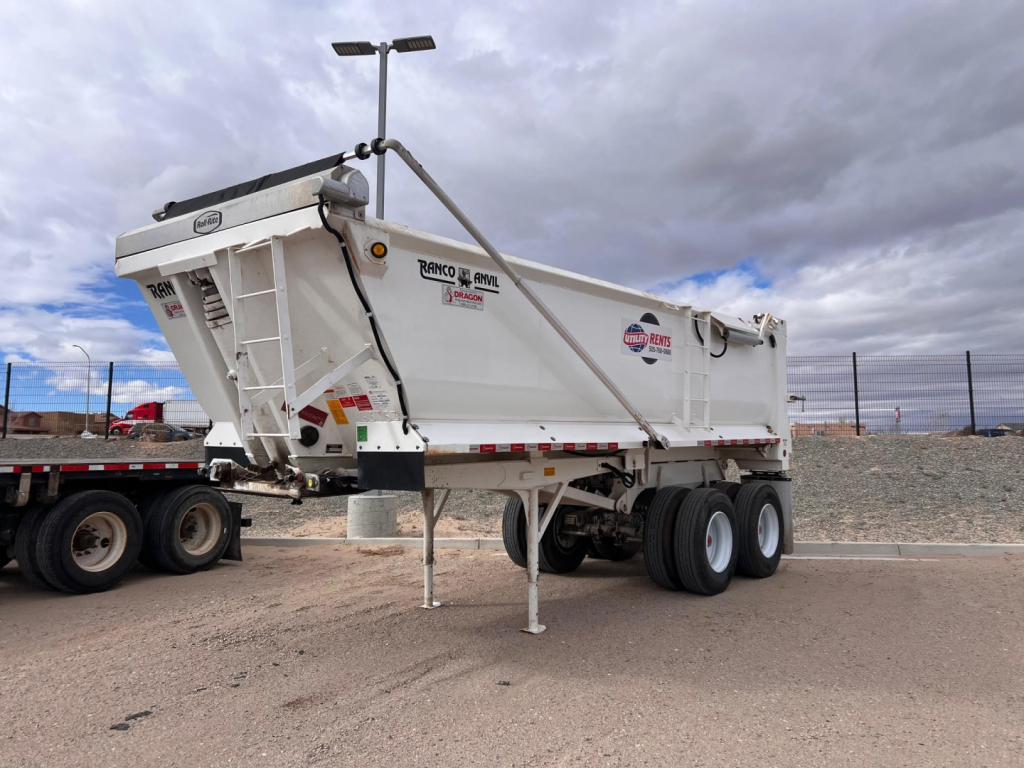
On end dumps, pay close attention to tub material, frame design, hoist geometry, and center-of-gravity behavior. Steel bodies with AR400 or similar abrasion-resistant material are common when the trailer will see rock, riprap, demolition debris, or abrasive aggregate. Quarter-frame and frameless designs each bring tradeoffs in tare weight, durability, and stability. Capacity is usually discussed in cubic yards, but real productivity comes from matching body volume to legal payload and material density. Gate style, liner condition, hinge wear, and cylinder mounts deserve a close inspection on any used dump trailer because those areas take repeated stress. Buyers in New Mexico also tend to look hard at dust control, tarp condition, and structural fatigue from rough haul roads and off-pavement loading.
A good used dump trailer should be evaluated like a production asset, not just a body and running gear. Check crossmembers, suspension hangers, kingpin area, landing gear mounts, gate seals, electrical system, brake condition, and signs of cracking around high-stress points. For bottom dumps, inspect the gate linkage and control valve response because discharge consistency matters on paving and aggregate jobs. For end dumps, inspect the tub, hoist mounts, and rear frame carefully for twist, impact damage, and evidence of hard off-road use. In New Mexico, where hauling can mean long highway miles mixed with quarry, plant, and jobsite work, the best used dump trailer is usually the one with the right body configuration, suspension, and material history for the work it will actually do.
Frequently Asked Questions about Used Dump Trailers in New Mexico
What is the difference between a bottom dump trailer and an end dump trailer?
A bottom dump trailer discharges material through gates in the belly of the trailer, which makes it ideal for controlled spreading of aggregate, road base, and similar material. An end dump trailer raises the body and unloads out the rear, which is better for dirt, rock, demolition debris, and materials that do not need to be metered onto the ground. Bottom dumps generally offer faster, more stable unloading on level surfaces, while end dumps offer better flexibility for bulk material and rough jobsite work.
What should I inspect first on a used dump trailer?
Start with the structure and the dump system. Look closely at the frame, crossmembers, kingpin area, suspension hangers, tub or hopper, and any weld repairs around stress points. Then inspect the gates or hoist system, hydraulic or pneumatic controls, brake components, landing gear, tarp system, and electrical wiring. Uneven tire wear, cracked liners, worn hinge points, and gate seal problems can all point to expensive repairs or a trailer that has worked in severe service.
Is air ride or single point suspension better on a used dump trailer?
It depends on the work. Air ride is often preferred for better ride quality, reduced vibration, and less shock to the trailer on mixed highway use. Single point suspension remains popular on severe-duty bottom dumps because it is simple, rugged, and proven in aggregate service. A buyer should balance ride quality, maintenance style, axle configuration, and the roads the trailer will run most often.
What trailer specs matter most for aggregate hauling in New Mexico?
Body style, length, axle layout, suspension type, tarp system, and material body construction are all important. Bottom dumps in the 40-foot range are common for aggregate and paving support because they can place material quickly and efficiently. For heavier or more abrasive material, body steel, liner condition, gate reliability, and suspension durability become more important than tare weight alone. Regional hauling also makes brake condition, tire setup, and overall structural integrity especially important because trailers may see long distances between plants, pits, and jobsites.
How do I choose the right capacity on a used dump trailer?
Capacity should be matched to the density of the material, legal weight limits, and the tractor spec pulling the trailer. A larger cubic yard body does not always mean a higher legal payload because dense material can max out axle weight before the trailer is full. Buyers should look at cubic yard rating, body construction, empty weight, axle spacing, and intended commodity together. The most productive trailer is the one that carries a legal, efficient payload without creating handling or durability problems.