
Used Dump Trailers For Sale in Kansas
Have used dump trailer to sell? List it here to reach thousands of buyers.
Used Dump Trailers in Kansas
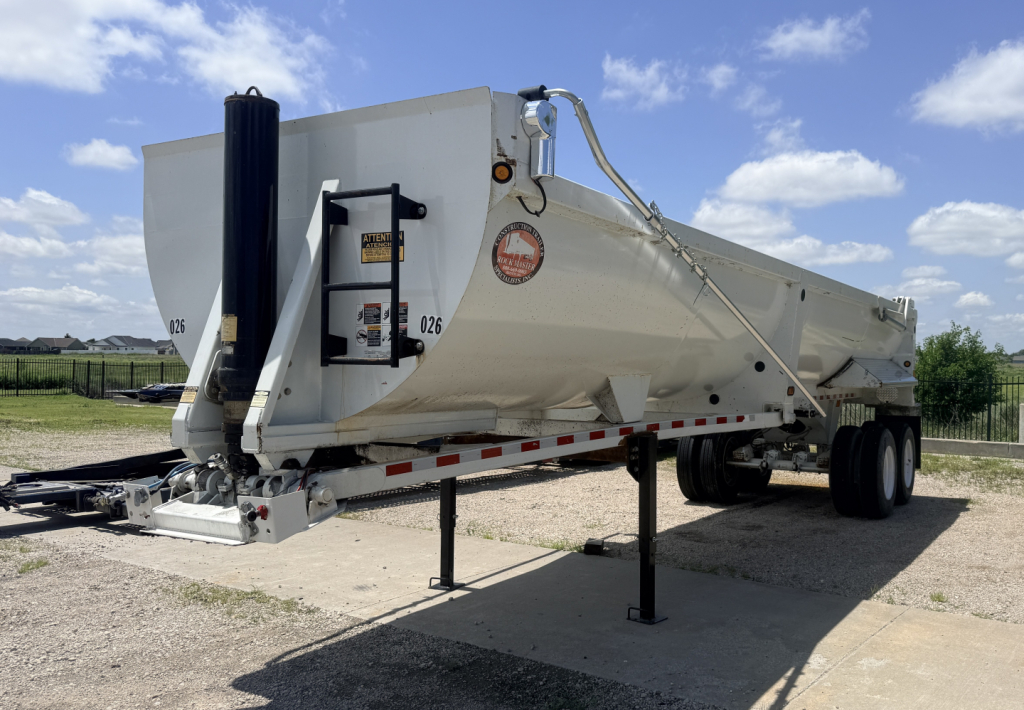
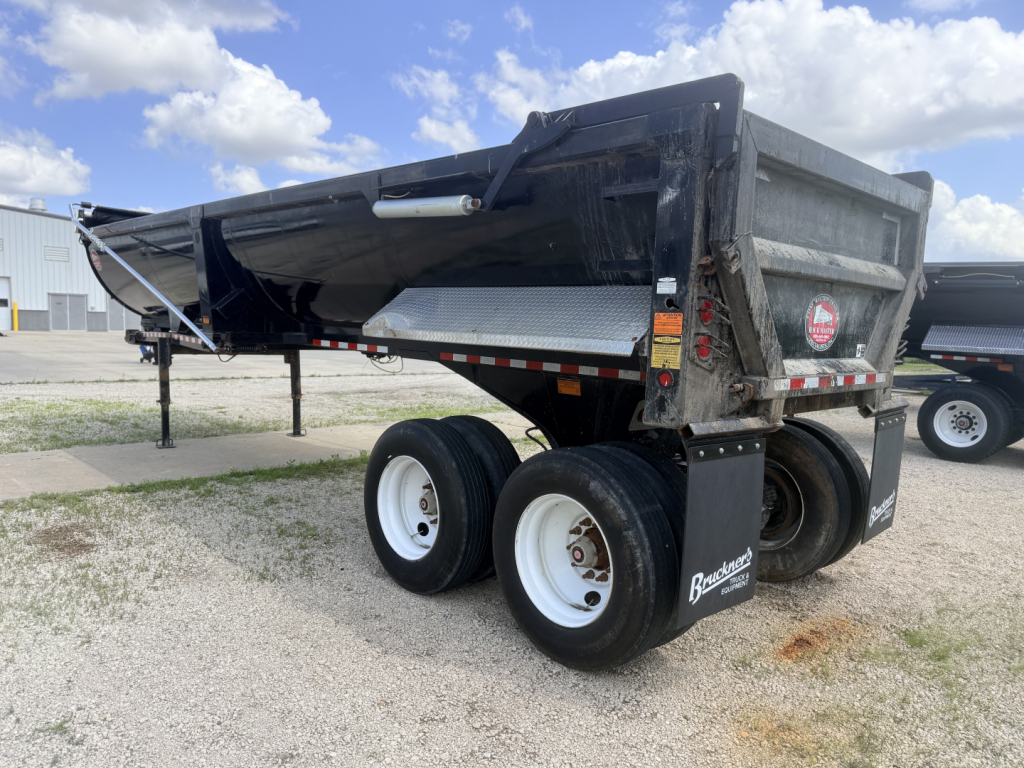
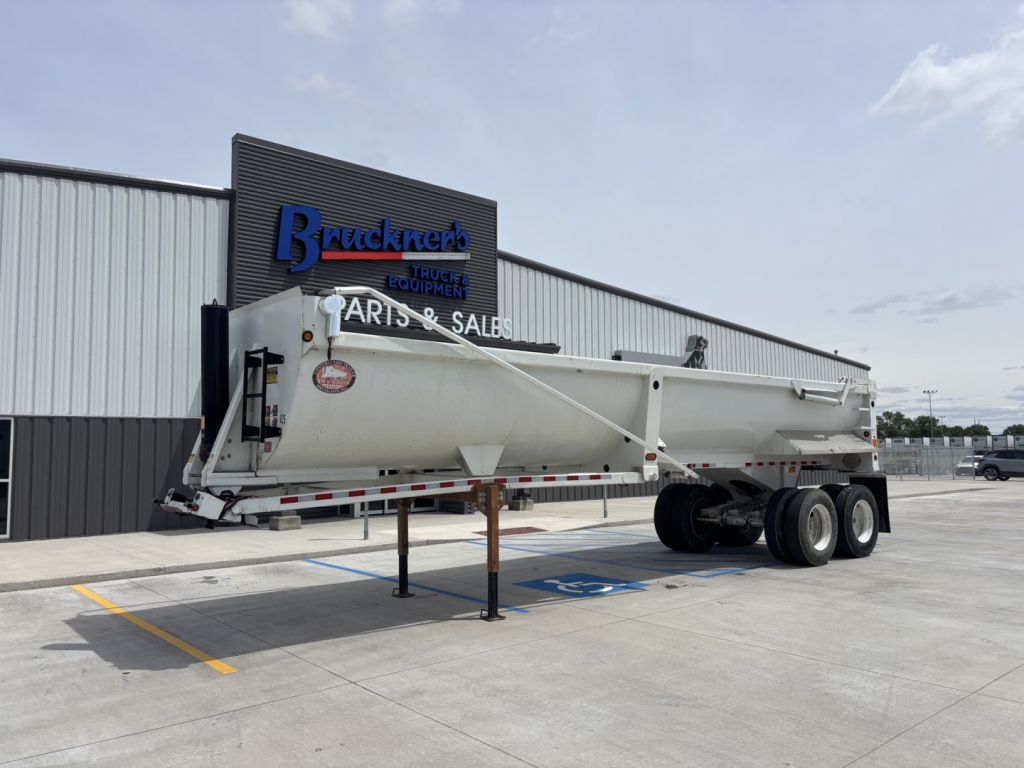
Common specs in this category include 28-foot to 32-foot lengths, side heights around 48 to 60 inches, and capacities that often fall in the mid-20 cubic yard range depending on body style. Buyers should pay close attention to floor thickness, crossmember spacing, kingpin setting, and loaded fifth wheel height, especially if the trailer will be matched to an existing tractor. In Kansas, axle spread, lift axle configuration, and suspension type can affect bridge compliance, tire wear, and how well the trailer handles soft entries or uneven rural jobsites. Air ride can help with ride quality and load protection, while single-point suspension layouts are common on lightweight dump applications.
Tailgate setup matters more than many buyers expect. High-lift gates, top-hinge tailgates, and manual or air-operated controls all change how the trailer performs with different materials. Sticky loads often benefit from a liner and a well-maintained tarp system, and many operators now prefer electric tarps for faster cycle times and easier compliance. On a used dump trailer, inspect the hoist area, hinge points, upper rail, tub seams, doghouse, suspension mounts, and gate hardware closely. Tire condition, brake percentage, wheel type, electrical connections, and recent inspection status are also important because those wear items can change the real cost of a trailer quickly.
A good used dump trailer should match the material, route, and unloading surface it will see every week. For highway-heavy aggregate hauling, lighter half-round tubs can make sense. For harder service and mixed jobsite work, a full-frame end dump may be the better long-term choice. Buyers comparing used dump trailers for sale in Kansas should look beyond year and price and focus on structural condition, usable cubic capacity, tare weight, and how the trailer's gate, tarp, and suspension package fit the work.
Frequently Asked Questions about Used Dump Trailers in Kansas
What is the difference between a frameless half-round dump trailer and a full-frame end dump?
A frameless half-round dump trailer is built for lower tare weight and efficient unloading, which makes it common in aggregate and bulk material hauling. A full-frame end dump has a stronger structural base under the body and is often better suited for severe-duty work, repeated off-road loading, and dense material. The right choice depends on payload goals, ground conditions, and how abusive the loading environment will be.
What should I inspect first on a used dump trailer?
Start with the structure and the hoist-related components. Look closely at the tub floor, sidewalls, upper rails, hinge area, tailgate hardware, suspension mounts, and frame or subframe for cracks, patches, distortion, or heavy corrosion. Then check wear items such as tires, brakes, wiring, tarp operation, and hydraulic or gate controls. These areas tell you more about remaining service life than paint or model year alone.
How important are side height and cubic yard capacity on a dump trailer?
Side height and cubic yard capacity directly affect how the trailer fits your material stream. Lighter commodities may let you use the full cubic capacity, while rock, wet sand, or demolition debris can gross out the trailer before the body is full. Buyers should compare body dimensions with legal payload limits, material density, and loader bucket size so the trailer works efficiently without overloading.
Are lift axles and axle spread important on dump trailers in Kansas?
Yes. Axle spread and lift axle configuration can influence bridge law compliance, maneuverability, and tire scrub. They also affect how the trailer performs on rural roads, plant entrances, and uneven jobsites. Matching the axle layout to your typical route and legal weight requirements is just as important as choosing the right body style.
What tarp and gate options are most useful on a used dump trailer?
The most useful setup depends on the material being hauled and how often the trailer cycles in a day. Electric tarps reduce manual effort and speed up covering loads, which helps with compliance and turnaround time. High-lift or top-hinge gates are common for controlled discharge and better clearance during unloading. If the trailer regularly hauls sticky material, a liner can also improve cleanout and reduce carryback.