
Used Ranco Dump Trailers For Sale
Shop used Ranco dump trailers including end dumps and bottom dumps with specs on capacity, tub design, suspension, gate controls, and tare weight.
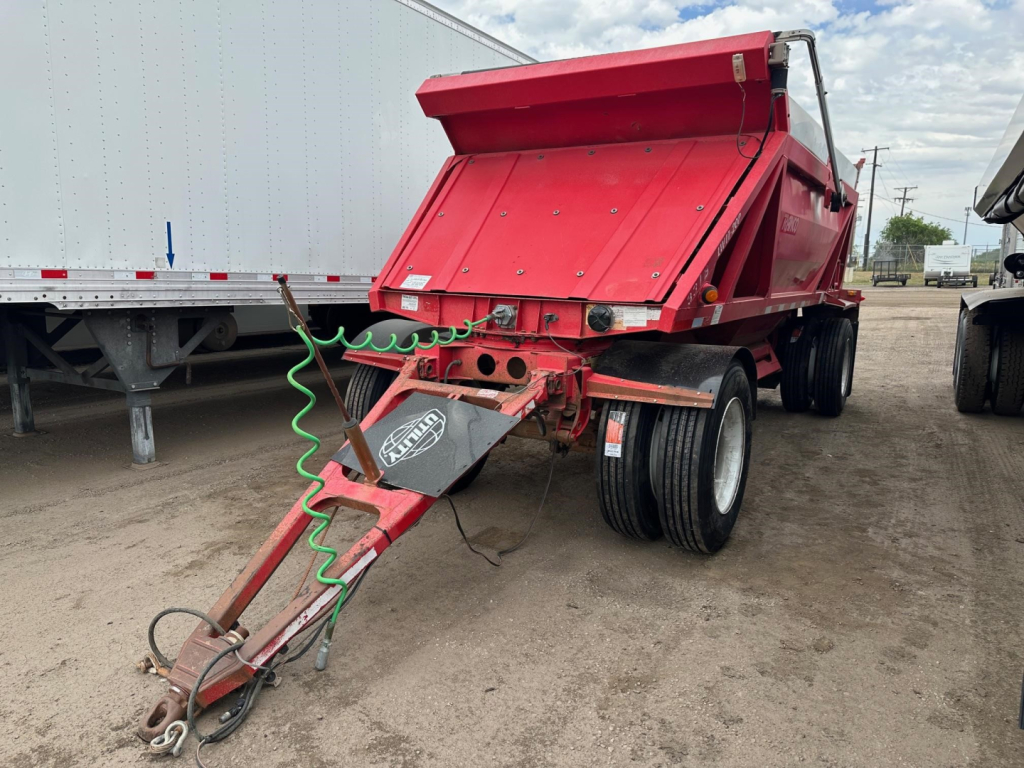
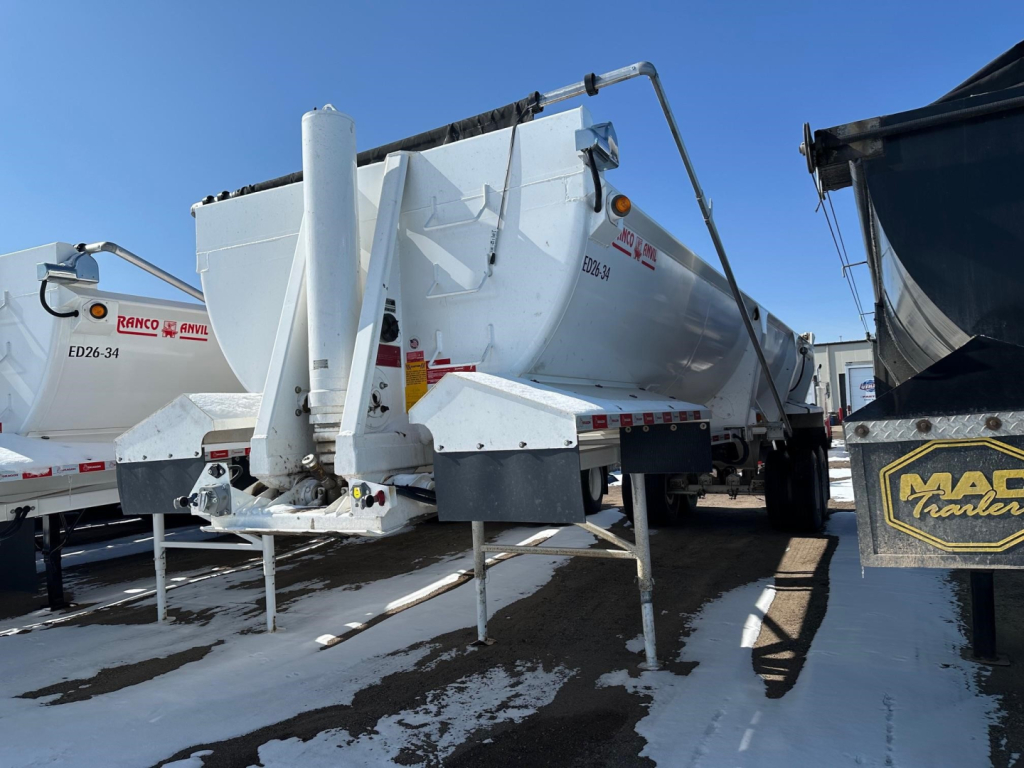
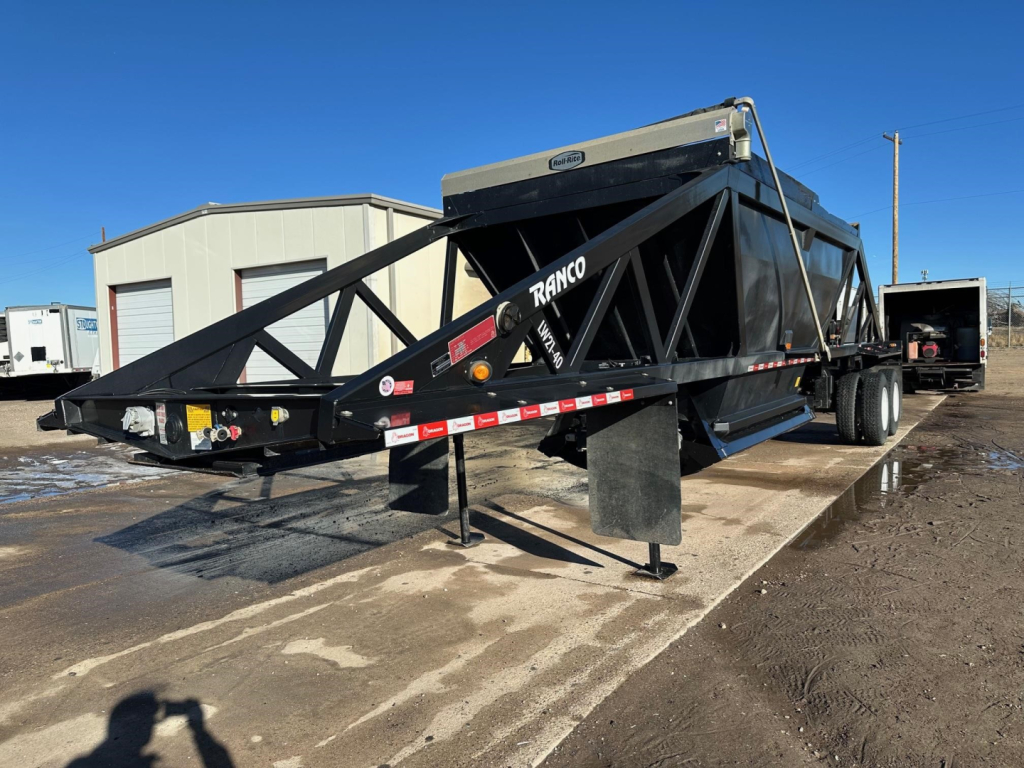
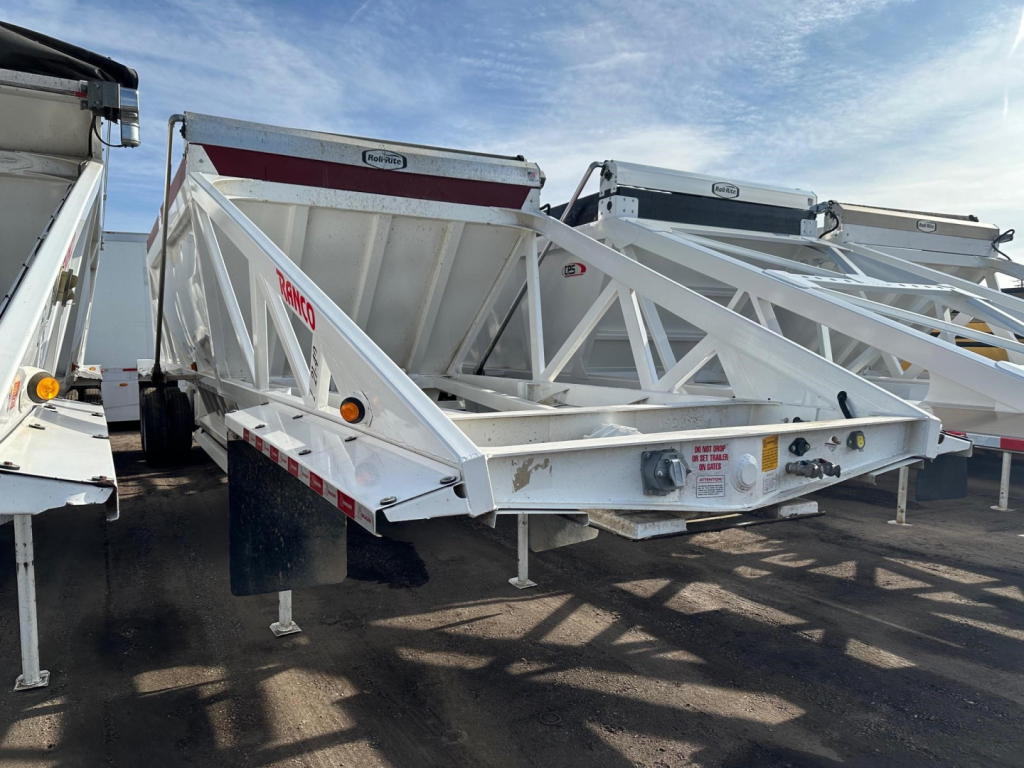
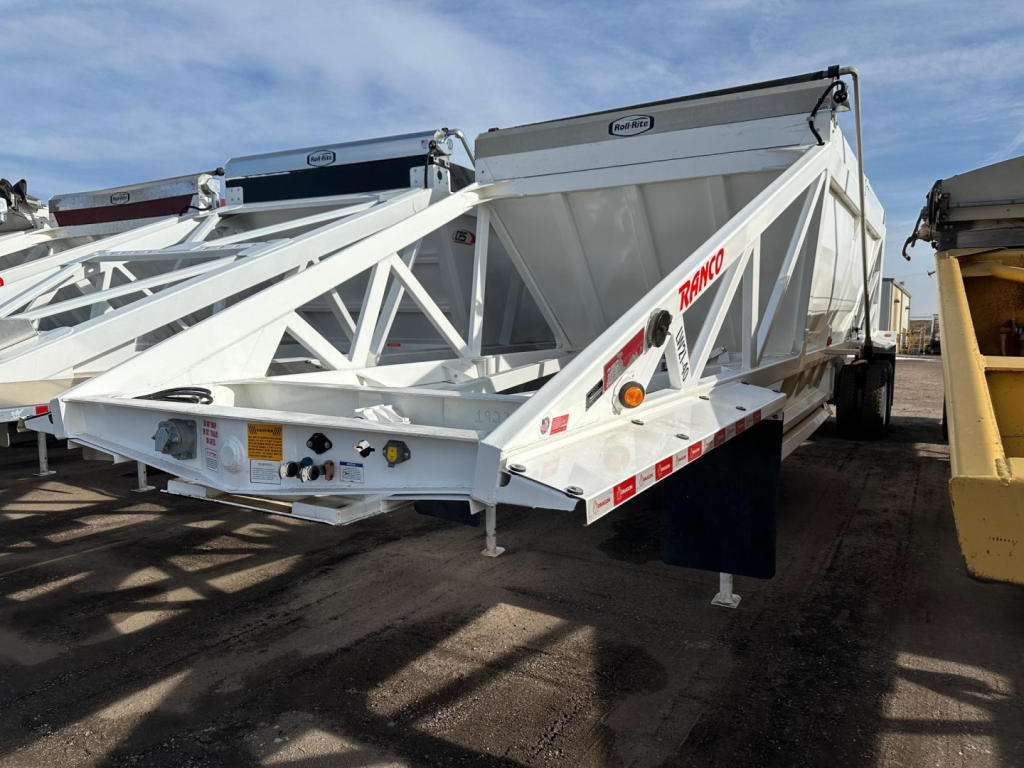
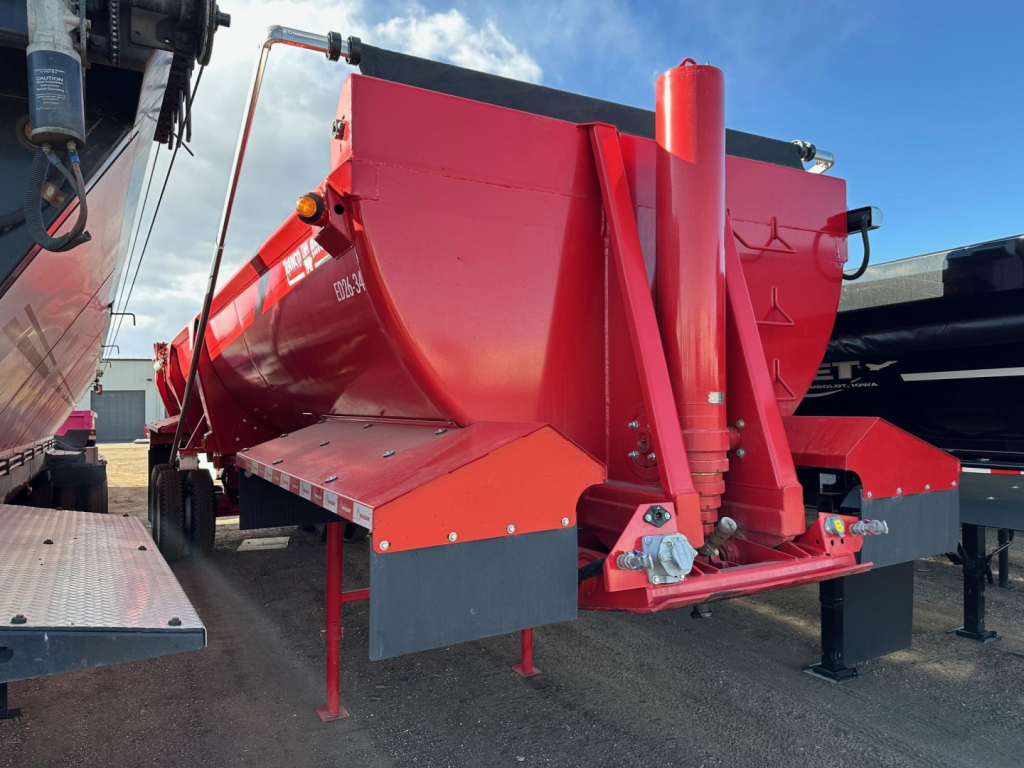
Selling a used ranco dump trailer? List your used ranco dump trailer for sale and reach thousands of commercial buyers.
Used Ranco Dump Trailers
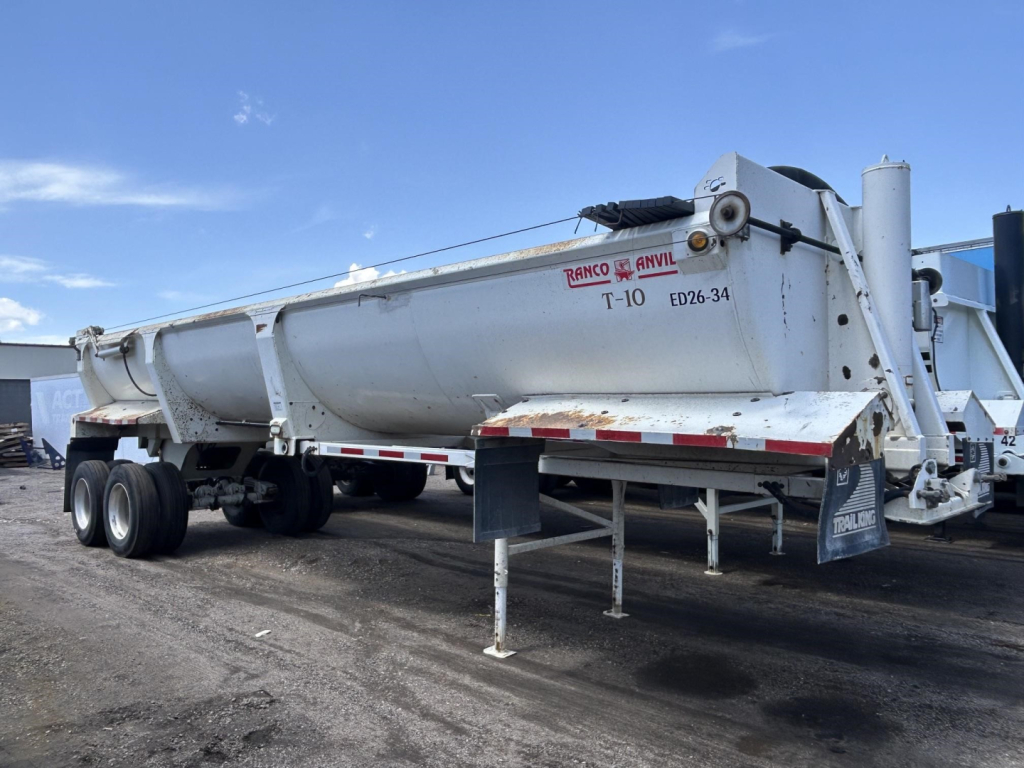
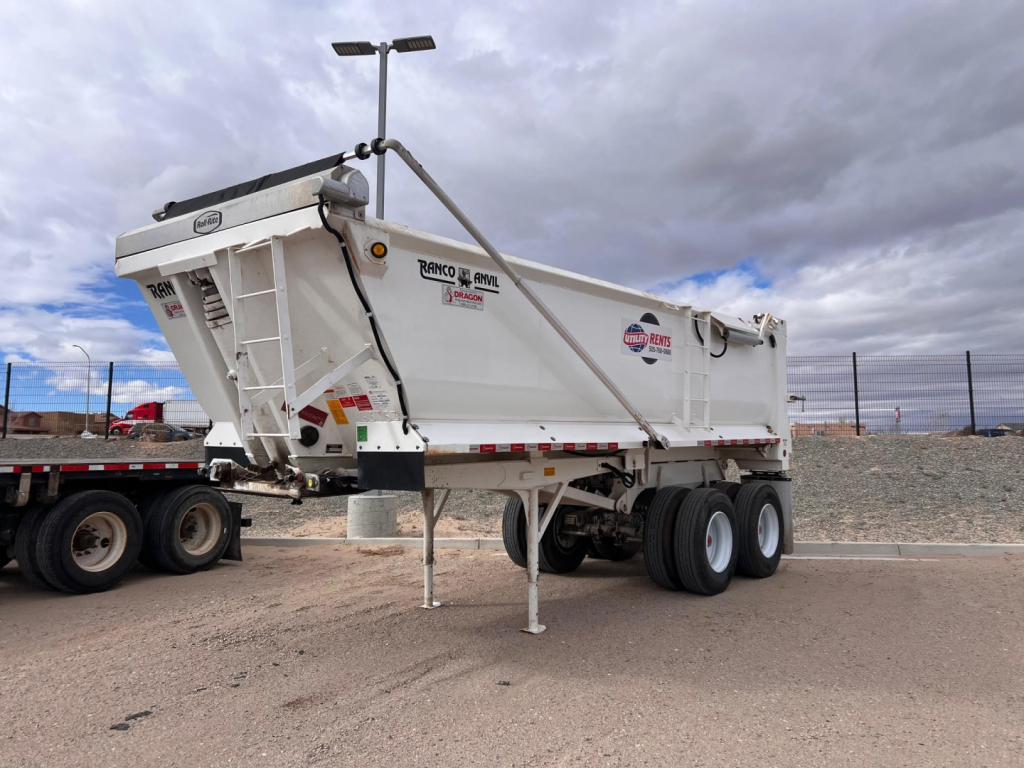
On used Ranco end dumps, focus on tub material, frame design, and hoist-related stress areas. Steel rock tubs in AR or abrasion-resistant steel are preferred for abrasive material and impact loading, while lighter configurations can improve payload in less severe service. Frameless trailers save weight but need careful inspection around crossmember connections, draft arms, suspension hangers, and upper rail integrity. Quarter-frame and full-frame designs can offer a different balance of stability, serviceability, and body support. Check gate style and controls, including high-lift gates, single-point air controls, tarp systems, and kingpin setting, especially if the trailer will run with multiple tractors or in tight transfer operations.
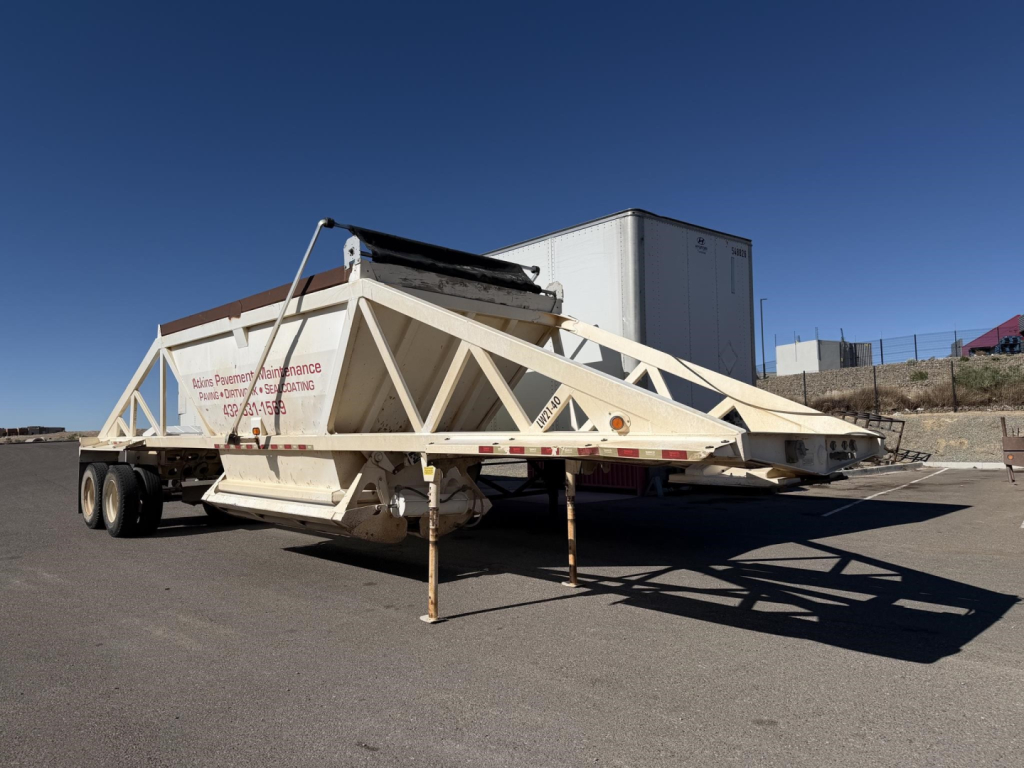
On used Ranco bottom dumps, hopper configuration and discharge control are the key decisions. Single-hopper and multi-hopper layouts affect spread pattern, maintenance, and versatility. Features like pin-setting gate limiters, infinite gate control, Versa valves, windrow deflectors, bang boards, and electric flip tarps matter if the trailer will be used in paving or precise aggregate placement. Suspension setup is equally important. Air ride can help protect the trailer and improve road manners, while lift axles add flexibility for tire wear and bridge-law management. Tare weight is always worth comparing because a lightweight trailer can add meaningful revenue over a full season, but not if the structure has been overstressed or poorly repaired.
A strong used Ranco dump trailer should show straight rails, even gate operation, tight hinge points, solid tarp hardware, and no evidence of chronic cracking around the suspension, hoist mounts, kingpin plate, or tub transitions. Tire size, wheel type, brake life, liner condition, and electrical condition all affect immediate operating cost. If the trailer is headed into rock service, inspect the body for thin spots, denting at impact zones, and signs of hard dumping on uneven ground. If it is headed into paving or aggregate spread work, pay close attention to gate response, hopper seals, and control consistency. The best used Ranco trailer is not just the lightest or newest one. It is the one spec'd correctly for the material, the road conditions, and the unload method your operation depends on.
Frequently Asked Questions about Used Ranco Dump Trailers
What is the difference between a Ranco end dump and a Ranco bottom dump?
A Ranco end dump raises the body and unloads material out the rear, which makes it a strong choice for rock, dirt, demolition debris, and bulk material that does not need to be spread during discharge. A Ranco bottom dump releases material through gates in the floor of the trailer, which allows controlled placement while moving. That makes bottom dumps better suited for paving support, aggregate spreading, shoulder work, and jobs where uniform windrows are important. The right choice depends on material type, dump area, and whether the job requires direct pile dumping or metered discharge.
What should I inspect first on a used Ranco dump trailer?
Start with the structure and the discharge system. On an end dump, inspect the tub, upper rail, crossmembers, hoist area, hinge points, and suspension hangers for cracks, distortion, or welded repairs. On a bottom dump, inspect the hopper gates, linkages, air controls, seals, and the surrounding structure for wear or misalignment. After that, check kingpin plate condition, landing gear, brakes, tires, wheels, tarp system, lights, and any lift axle components. A lightweight trailer only has value if the main structure is straight and the gates or body operate correctly under load.
Are lightweight Ranco dump trailers worth it?
They can be, especially in operations paid by the ton and running legal gross weight on every trip. A lighter trailer increases available payload, which can improve revenue over time. The tradeoff is that lightweight specs need to match the material and the route. Heavy rock, severe off-road loading, and rough haul roads can be hard on very light trailers if the body and suspension are not designed for that service. Buyers should compare tare weight against body material, frame design, axle configuration, and visible repair history rather than treating low weight as the only priority.
Which features matter most on a used Ranco bottom dump?
Gate control and spread management features matter most because they directly affect material placement and job efficiency. Buyers often look for single-hopper or multi-hopper layouts, pin-setting gate limiters, infinite gate control, Versa valves, windrow deflectors, bang boards, and reliable tarp systems. Suspension type, axle spacing, and lift axles also matter because they affect bridge compliance, maneuverability, and tire cost. If the trailer will support paving crews, consistent gate response and clean hopper operation are usually more important than cosmetic condition.
What body style is common on used Ranco end dumps for rock service?
Half-round and elliptical steel tubs are common choices for rock service because they shed material well and stand up to abrasive loads. Many buyers prefer abrasion-resistant steel bodies for long-term wear resistance, especially when hauling crushed stone, riprap, or demolition material. Frameless designs are popular when payload is a priority, while quarter-frame or other framed configurations may appeal to fleets that want a different balance of body support and durability. The best rock trailer is the one with the right tub material, gate setup, and structural condition for the severity of the work.