
Used 2024 Dump Trailers For Sale
Shop used 2024 dump trailers for sale, including frameless and half-round end dumps with modern specs for aggregate, asphalt, demolition, and grain.
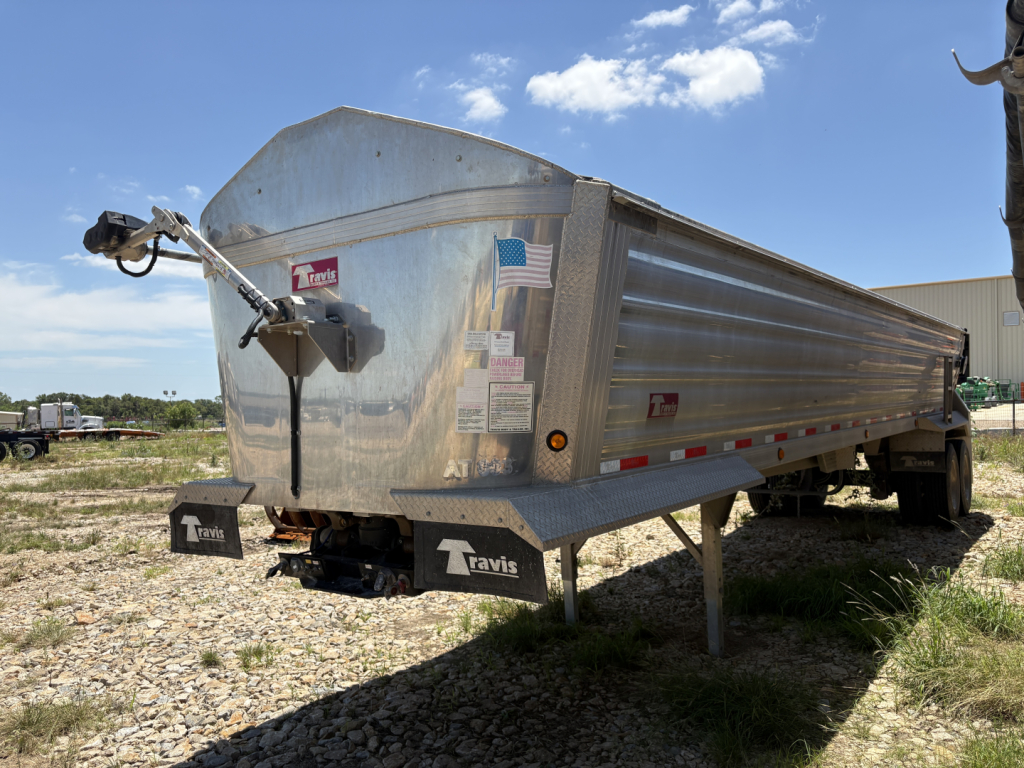
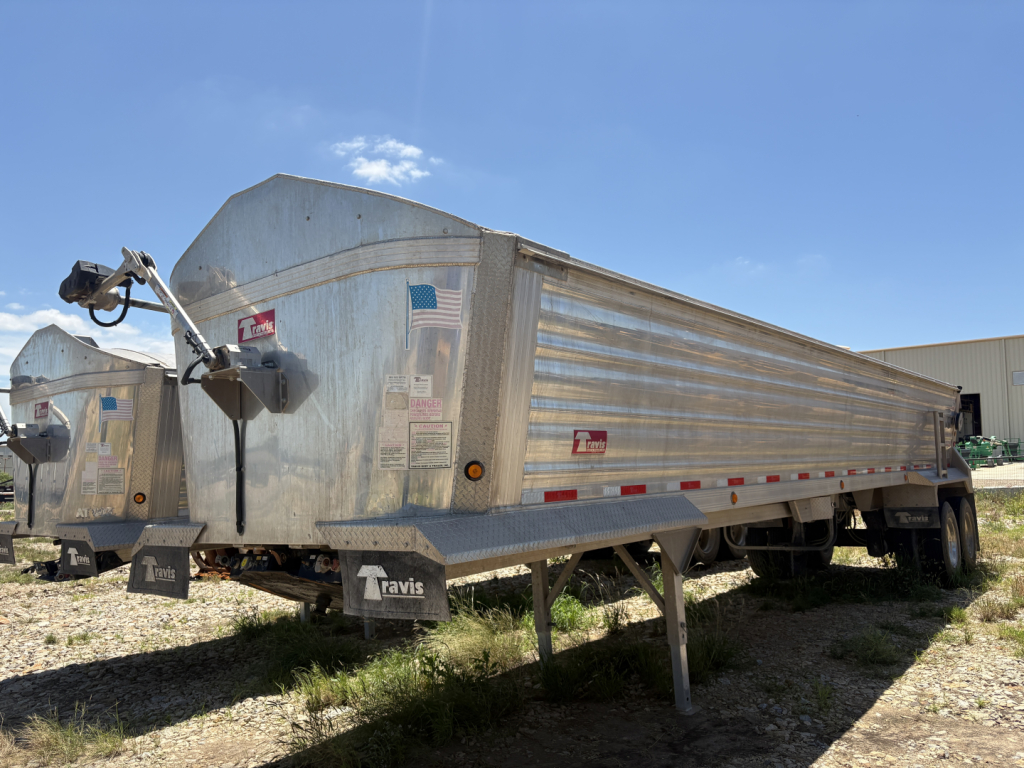
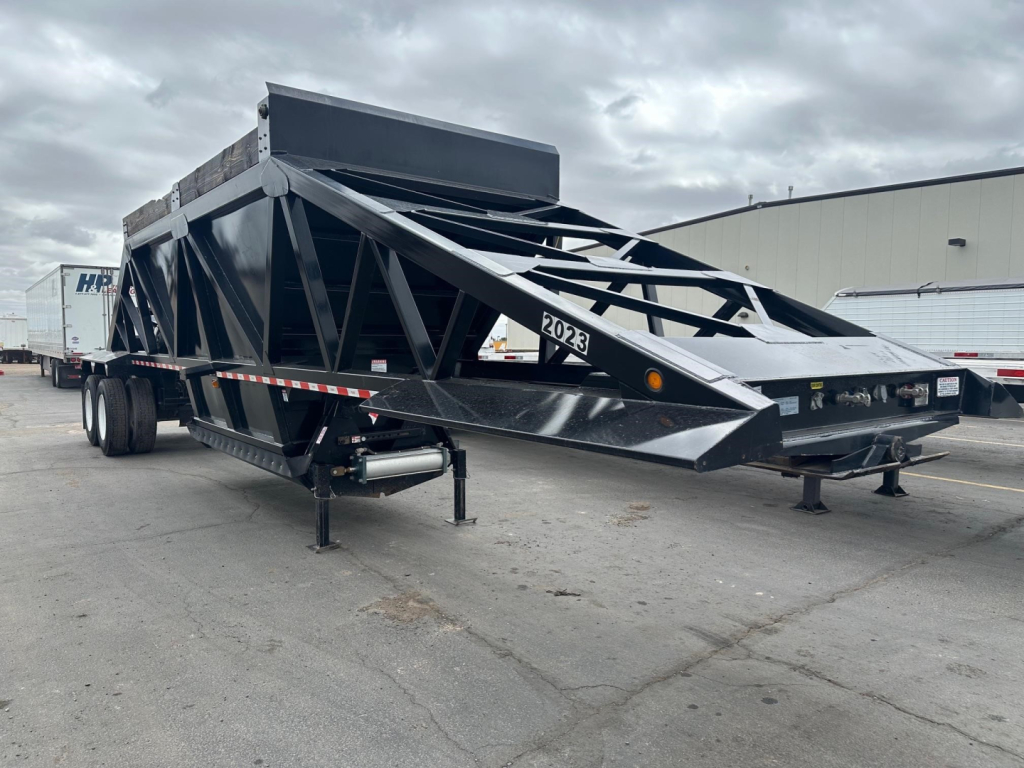
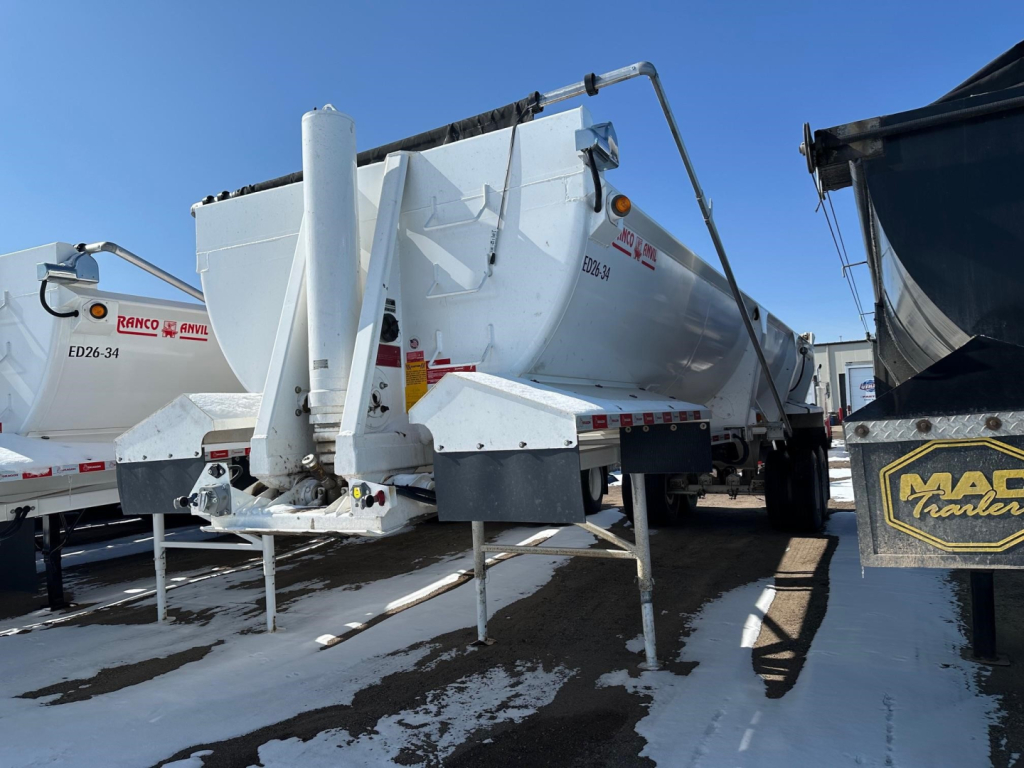
Selling a used 2024 dump trailer? List your used 2024 dump trailer for sale and reach thousands of commercial buyers.
Used 2024 Dump Trailers
A used 2024 dump trailer in the end dump segment is commonly set up for aggregate, asphalt, sand, millings, demolition debris, scrap, or agricultural commodities, depending on body material and gate configuration. Steel tubs are favored for abrasive rock, riprap, and demolition work where impact resistance matters more than tare weight. Aluminum bodies are usually chosen when payload is the priority and the material is less punishing. Half-round tubs are especially popular because they shed material cleanly and reduce carryback, which helps in sticky conditions and speeds up unload cycles. Buyers should also compare side height, body length, cubic yard capacity, liner condition, gate controls, and whether the trailer has features like a coal door, scuff protection, or rear fenders.
Suspension and running gear deserve as much attention as the body. Many late-model dump trailers run tandem axle configurations with 11R24.5 or low-profile 22.5 tires, and buyers should look closely at brake life, bushing wear, alignment, wheel condition, and any signs of uneven tire wear that point to suspension issues. Frameless dumps can deliver excellent payload but put more demand on the tractor setup and operating discipline, especially on uneven ground or off-camber dumps. Kingpin setting, axle spread, suspension type, and overall trailer length all matter because they affect bridge compliance, weight distribution, and how the trailer follows in tight job sites. Hydraulic condition is critical too, even though the hoist is tractor supplied on many end dumps. Check the couplers, lines, tailgate seals, gate latch operation, and signs of twisting, floor damage, or stress around the body and hinge area.
For buyers focused on 2024 model year equipment, condition tends to come down less to age and more to application history. A trailer that has hauled light bulk material on highway runs can present very differently from one that has spent its life in quarry service. Look for cracks at weld points, floor waviness, tub dents, tarp arm wear, corrosion around crossmember areas, and evidence of hard unloading on uneven surfaces. Federal inspection status, tire and brake percentages, and maintenance documentation can help narrow a list quickly, but the real value is in matching the trailer build to the material and terrain it will see. The right used 2024 dump trailer should balance payload, durability, dump stability, and cycle efficiency for the specific work it is expected to perform.
Frequently Asked Questions about Used 2024 Dump Trailers
What should I look for first when buying a used 2024 dump trailer?
Start with body style, body material, and the trailer's prior application. A frameless half-round steel trailer built for rock and demolition work is a very different tool than an aluminum end dump set up for higher payload and lighter bulk materials. After that, inspect the tub for dents, cracks, floor distortion, hinge wear, gate operation, tarp condition, suspension wear, brake life, and tire condition. Late-model age alone does not guarantee low wear, so service history and actual hauling use matter more than the calendar year.
Are frameless dump trailers better than frame-type dump trailers?
Frameless dump trailers are often preferred when payload is a priority because they can save weight and maximize legal carrying capacity. They are common in end dump applications and work well in aggregate, asphalt, and bulk material hauling. Frame-type dump trailers can offer more structural support in certain severe-duty uses and may suit operators who regularly work in rough conditions or need a different body layout. The better choice depends on material type, road conditions, tractor spec, and how often the trailer will dump on uneven ground.
Is a steel or aluminum dump trailer better for my operation?
Steel dump trailers are generally better for abrasive, high-impact materials such as large rock, concrete, demolition debris, and scrap because the body can take more punishment. Aluminum dump trailers usually offer a lighter tare weight, which helps maximize payload and improve fuel efficiency on legal-weight hauls. The tradeoff is that aluminum bodies are typically better suited to less abusive material streams or applications where operators are disciplined about loading and unloading. The best fit depends on how much abuse the tub will see versus how important payload is to the revenue model.
Why are half-round dump trailer bodies so common?
Half-round bodies are popular because they discharge material efficiently and tend to reduce carryback compared with flatter floor designs. That makes them a strong choice for sticky materials, wet aggregate, and jobs where fast unload cycles matter. The rounded shape also helps direct the load to the center during dumping, which can improve material flow. Buyers still need to evaluate side height, cubic yard capacity, and the exact material being hauled, but half-round tubs remain one of the most common and proven dump trailer configurations.
What common specs matter most on a late-model used dump trailer?
The most important specs usually include body length, side height, cubic yard capacity, body material, axle configuration, suspension type, kingpin setting, tire size, wheel type, gate style, and tarp system. Buyers should also confirm whether the trailer has a high-lift gate, top-hinged gate, manual or air gate controls, liner, coal door, rear fenders, and any electrical provisions for gate operation. These details affect payload, unloading speed, material compatibility, bridge compliance, and how well the trailer fits an existing tractor and route profile.