
Used Commercial Trucks For Sale in Texas
Browse used trucks for sale in Texas, including day cab and sleeper tractors with common specs, applications, and buying considerations.
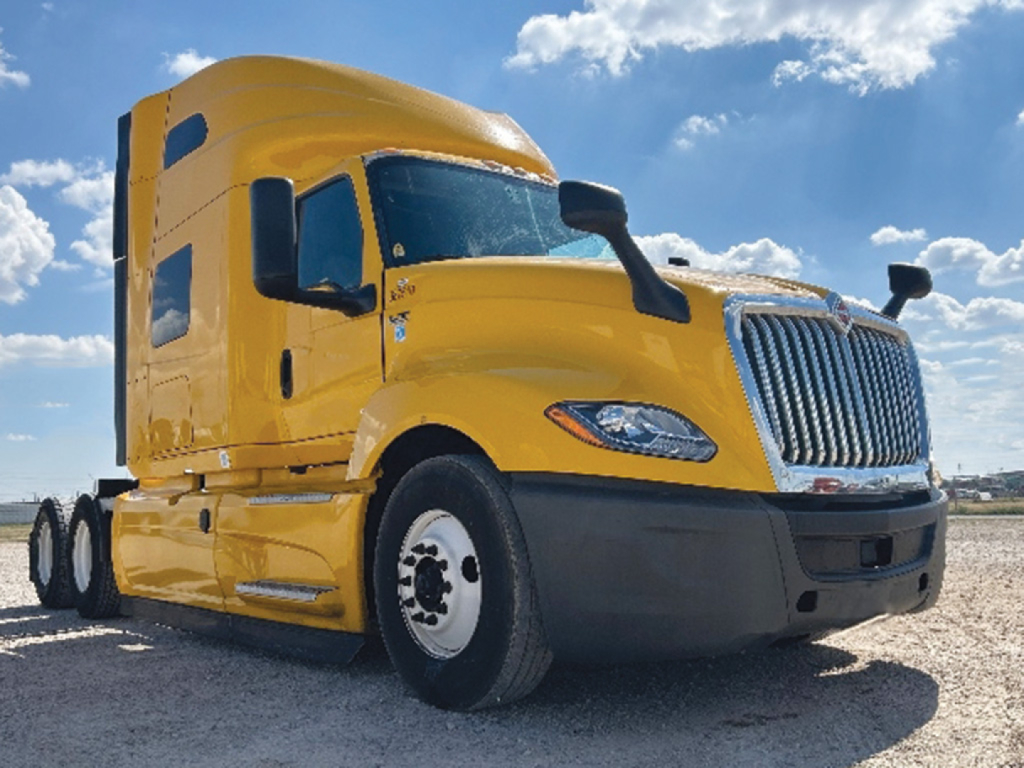
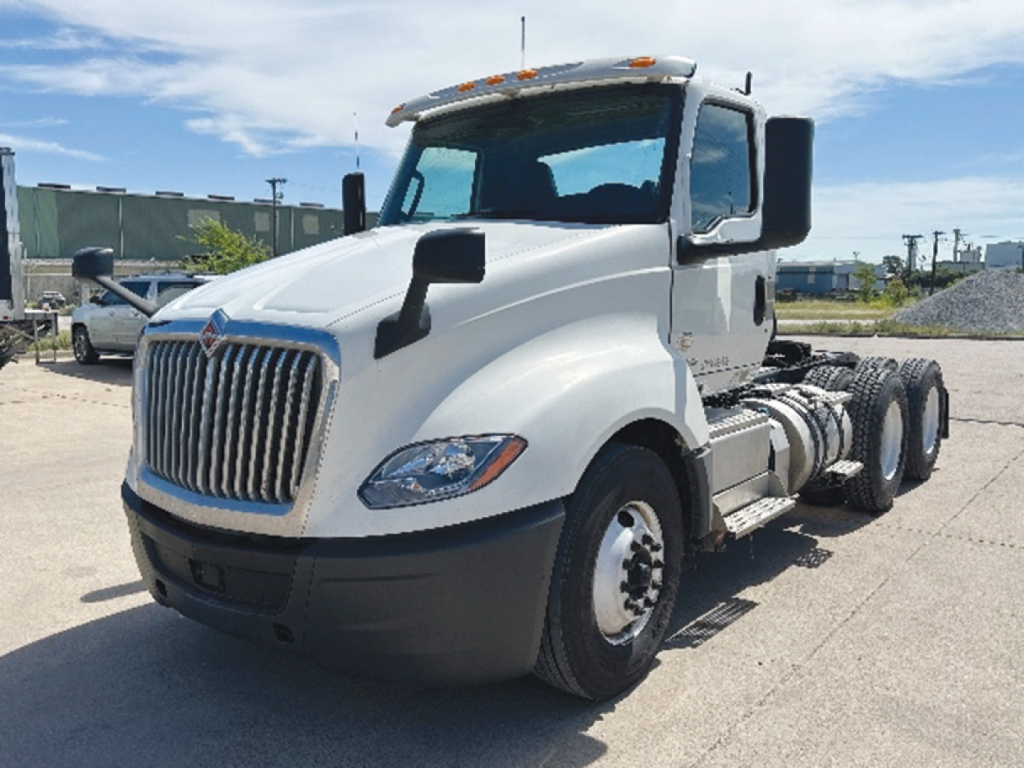
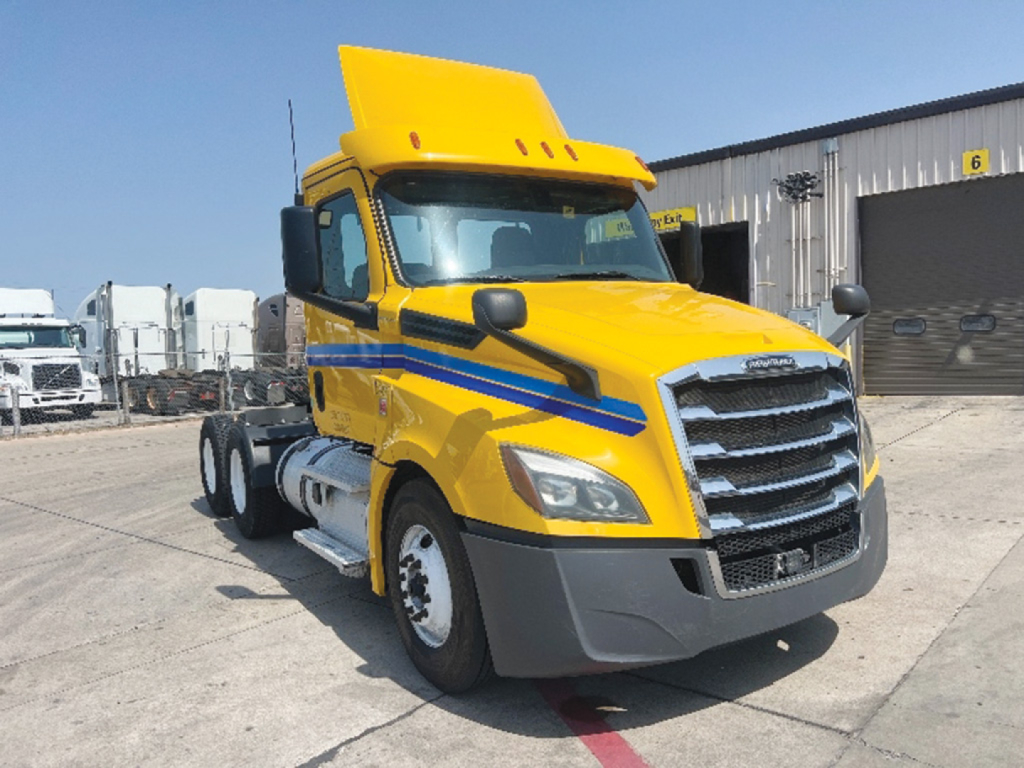
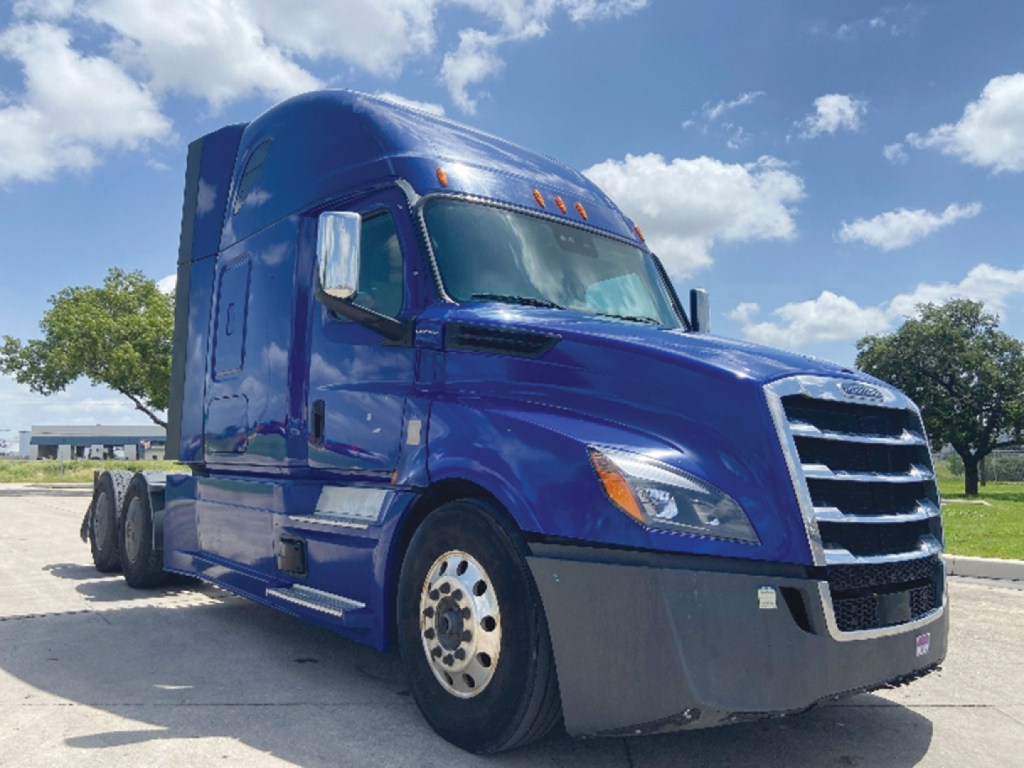
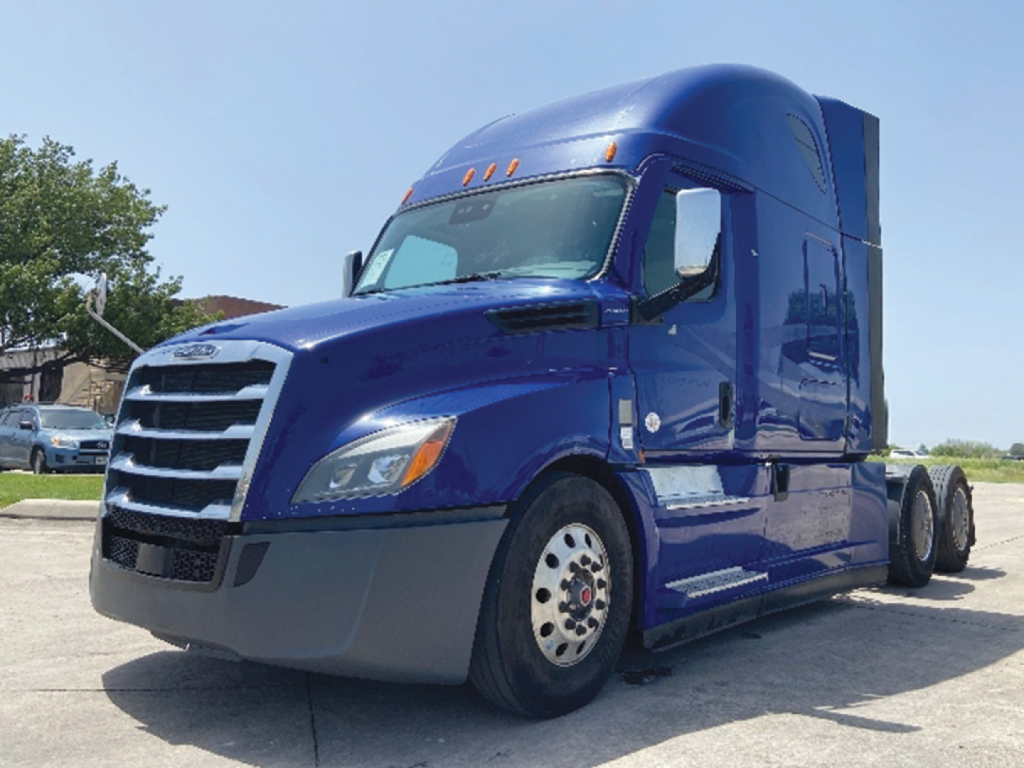
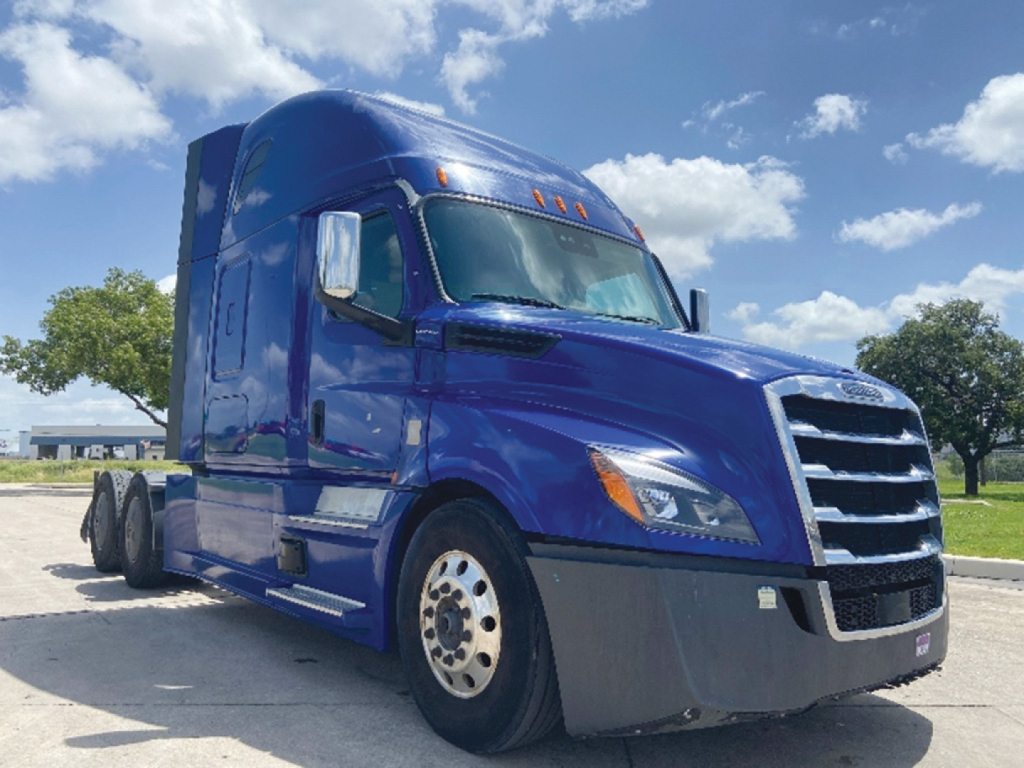
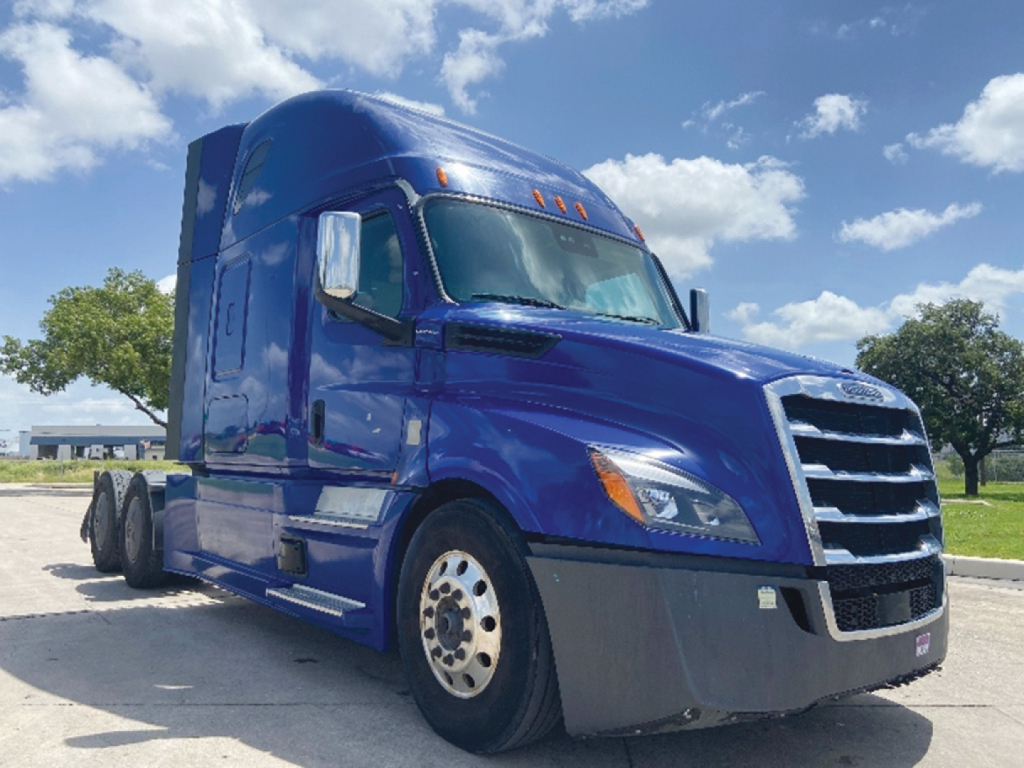
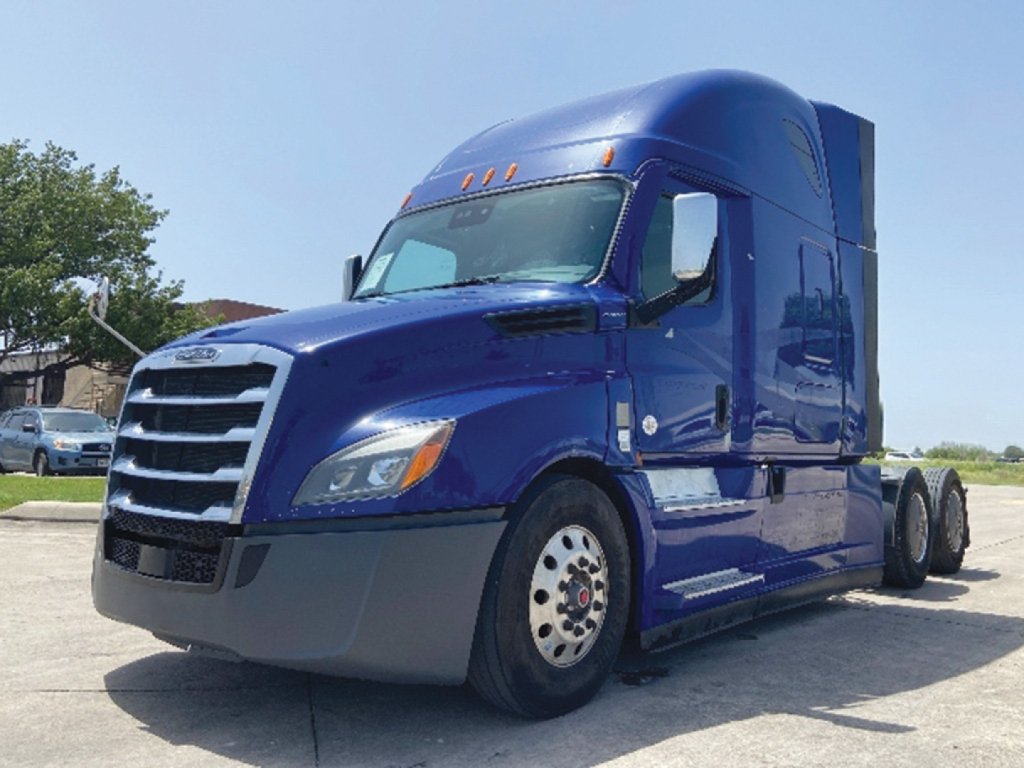
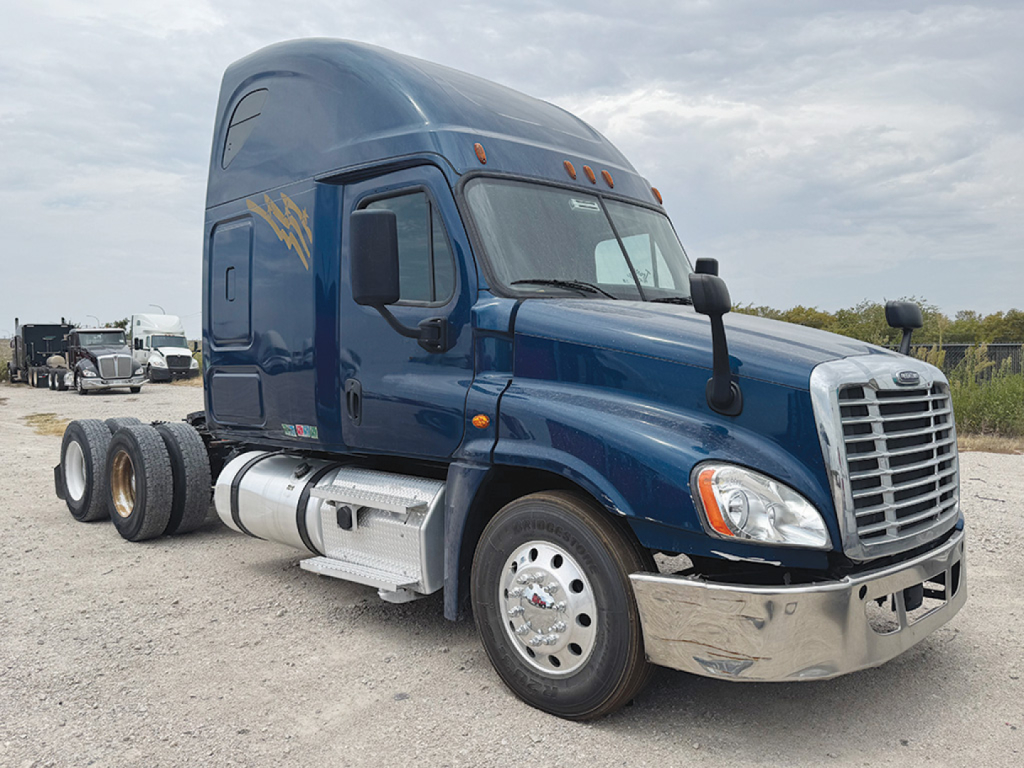
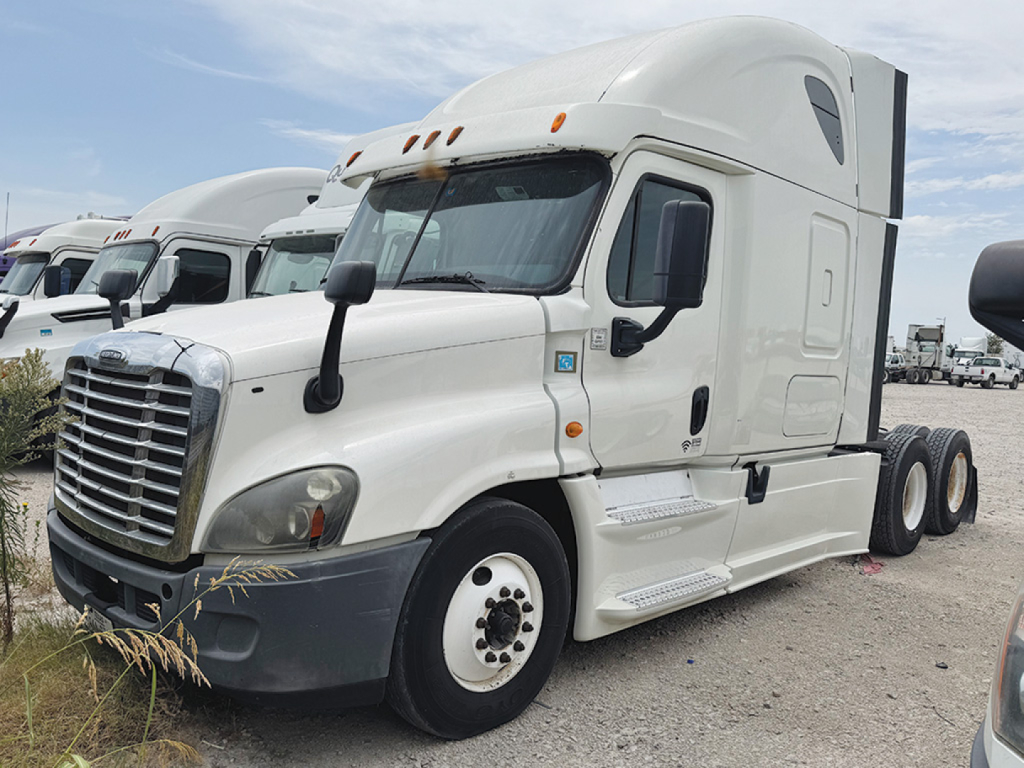
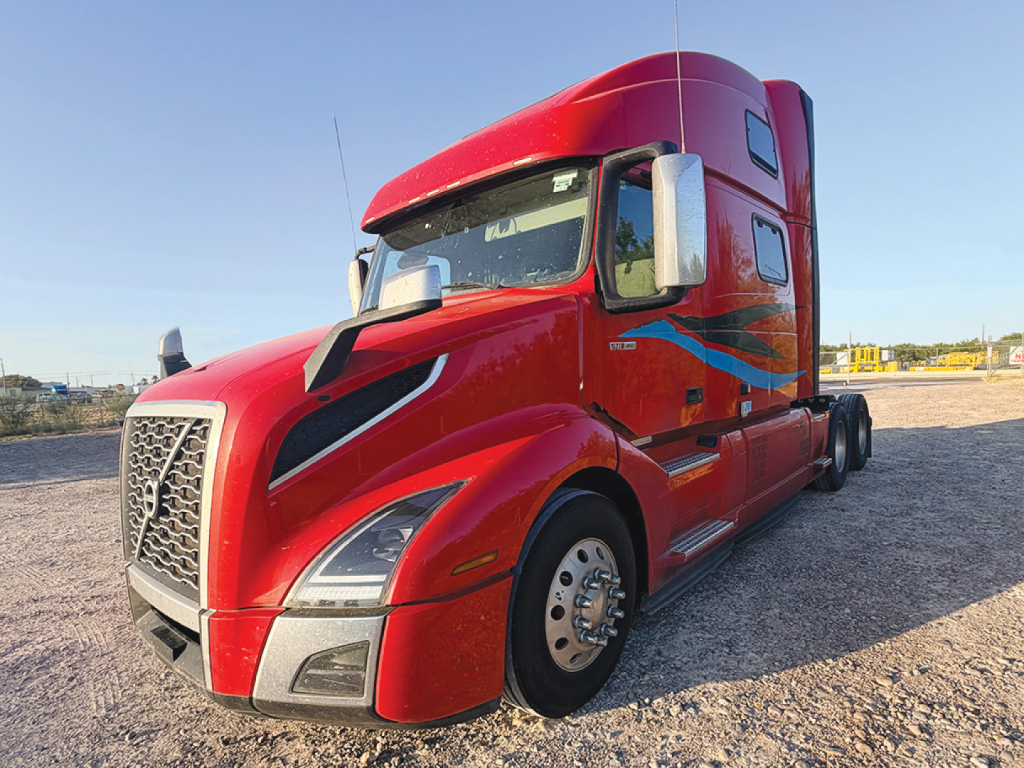
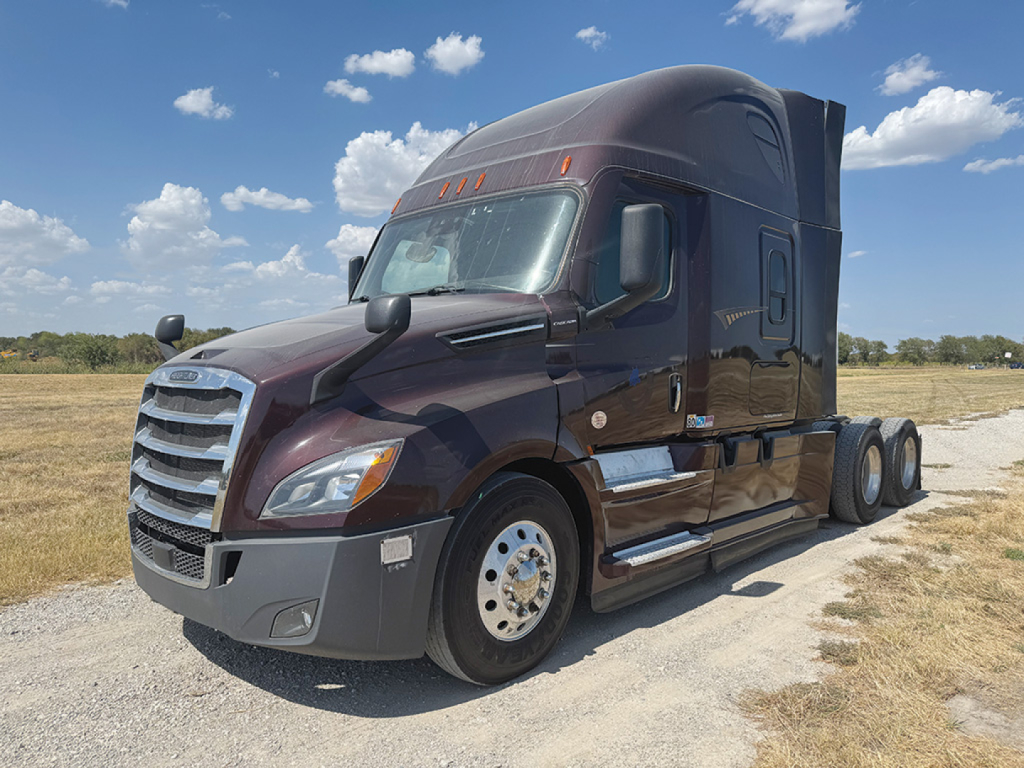
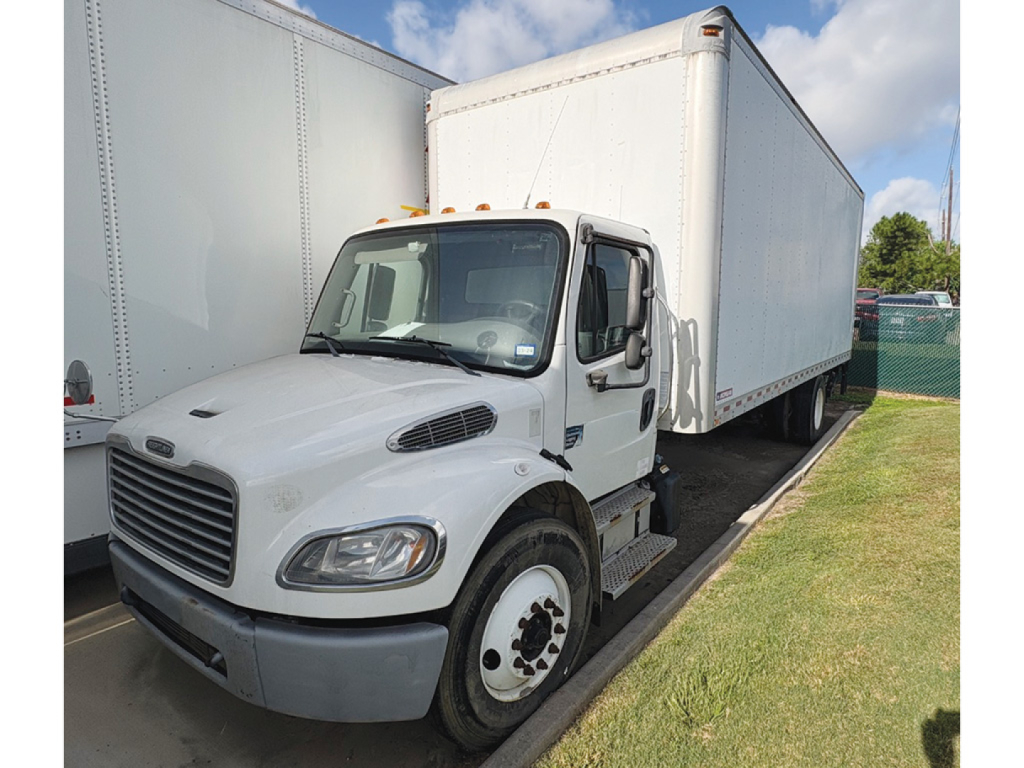
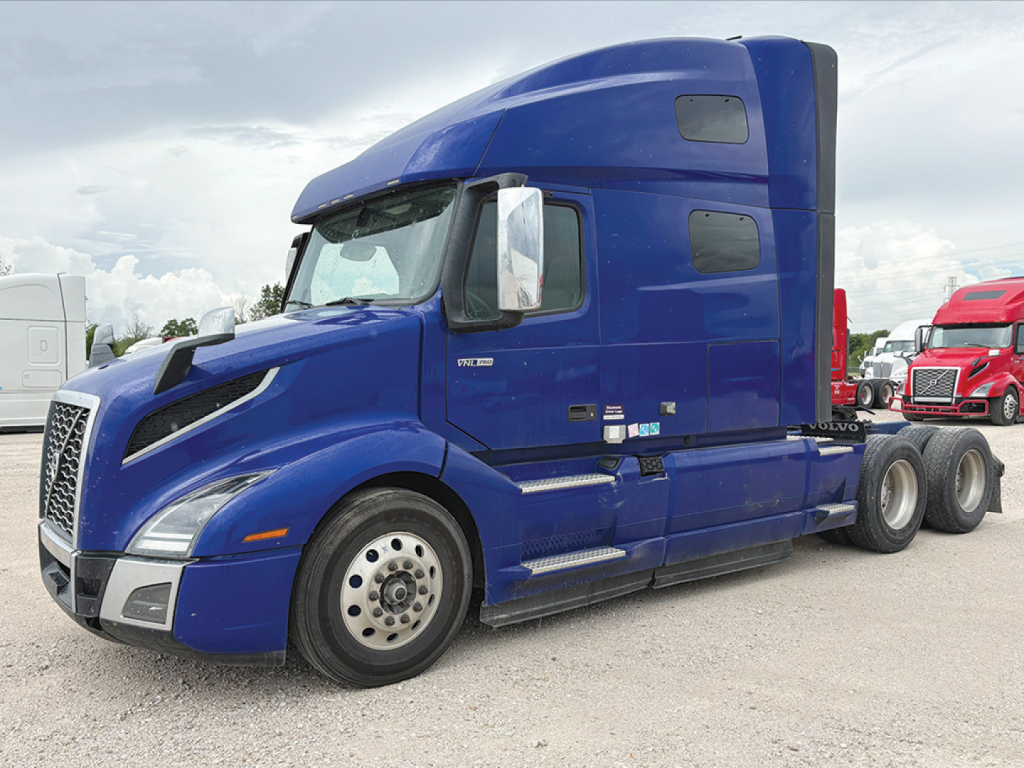
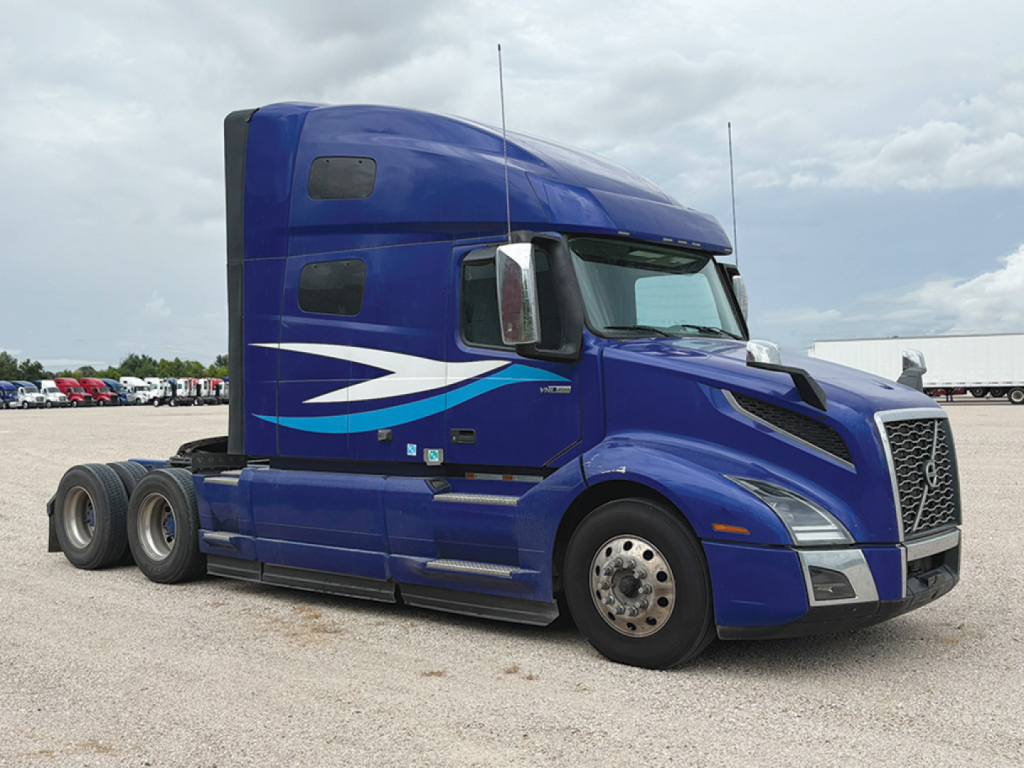
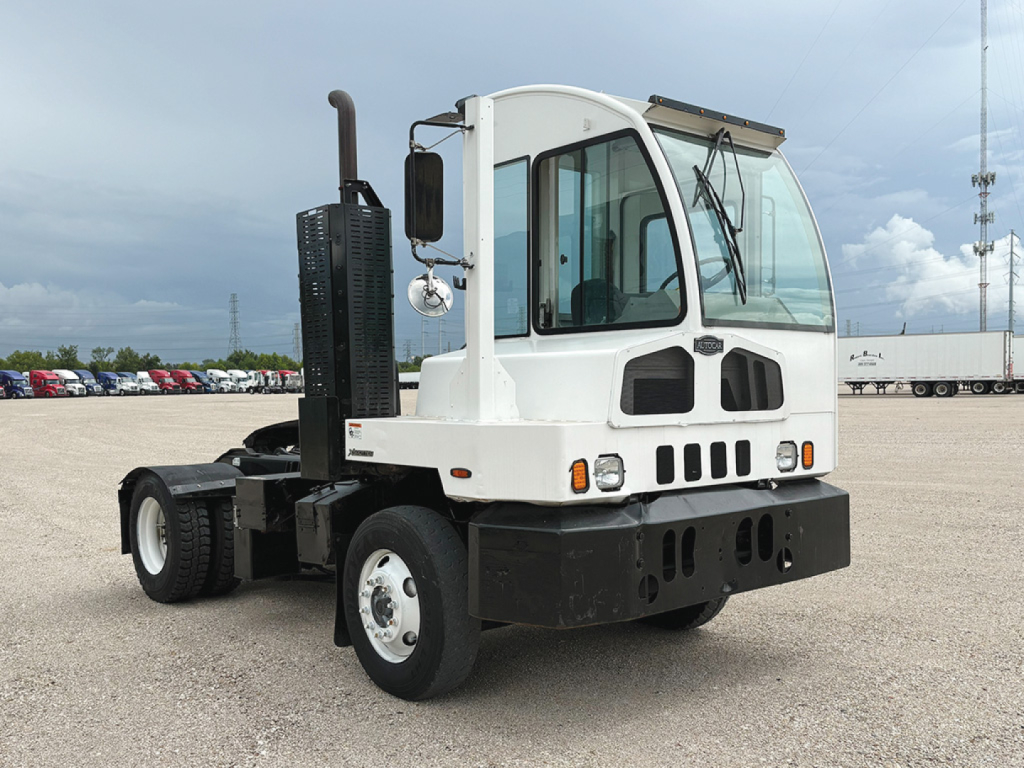
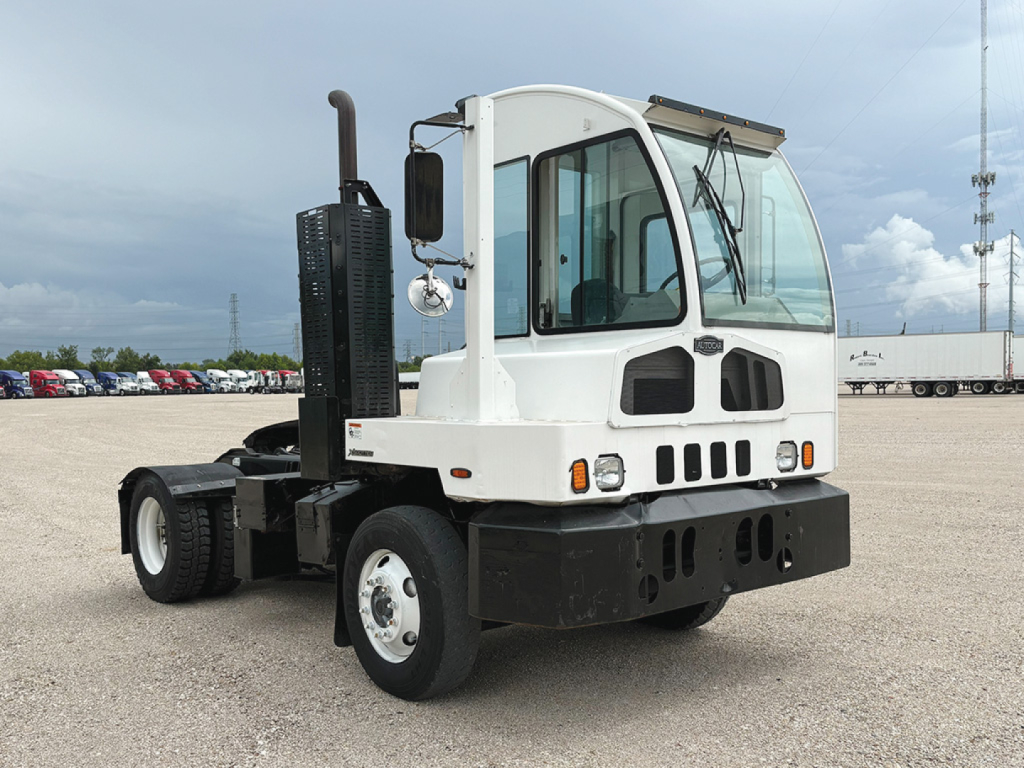
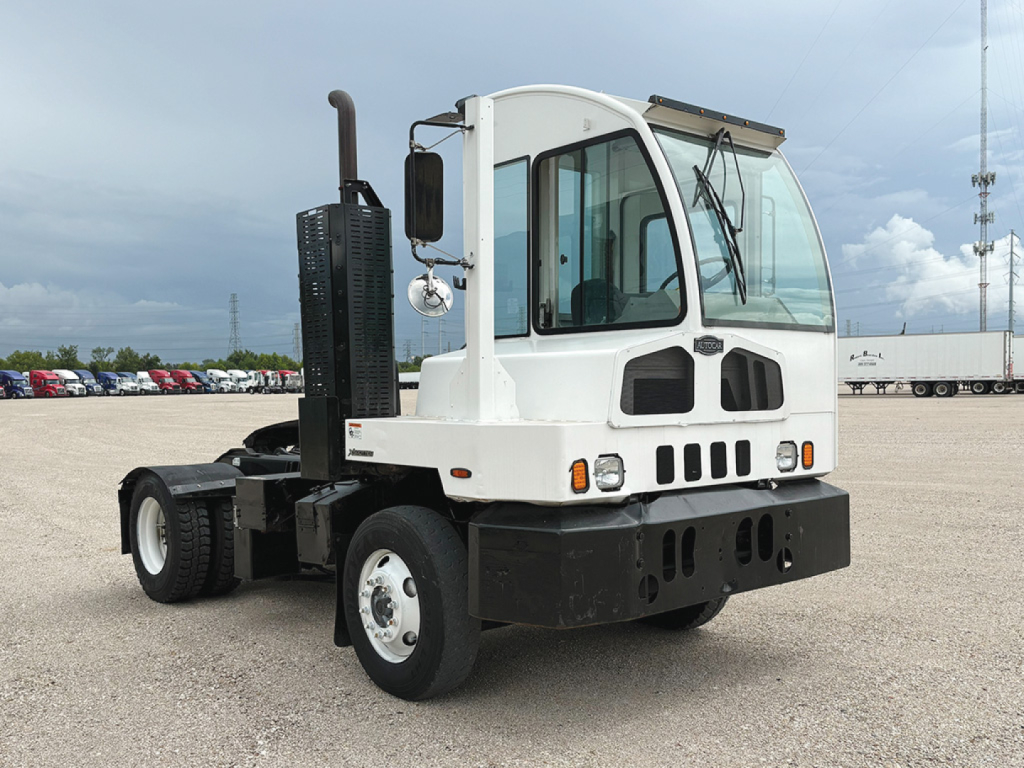
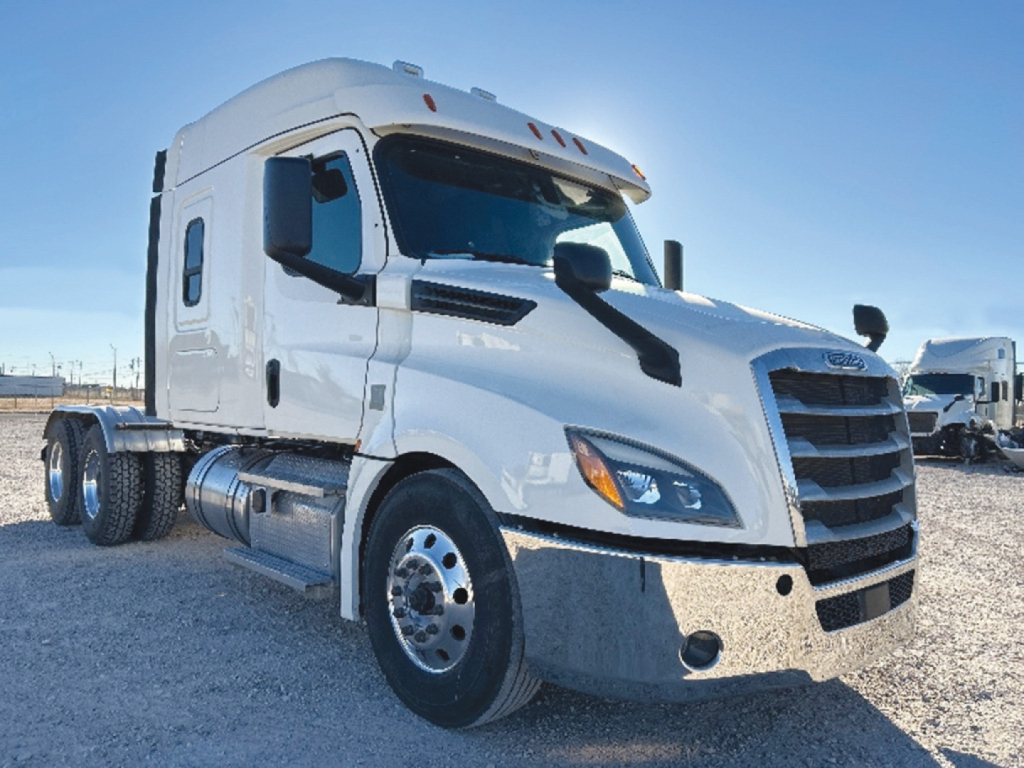
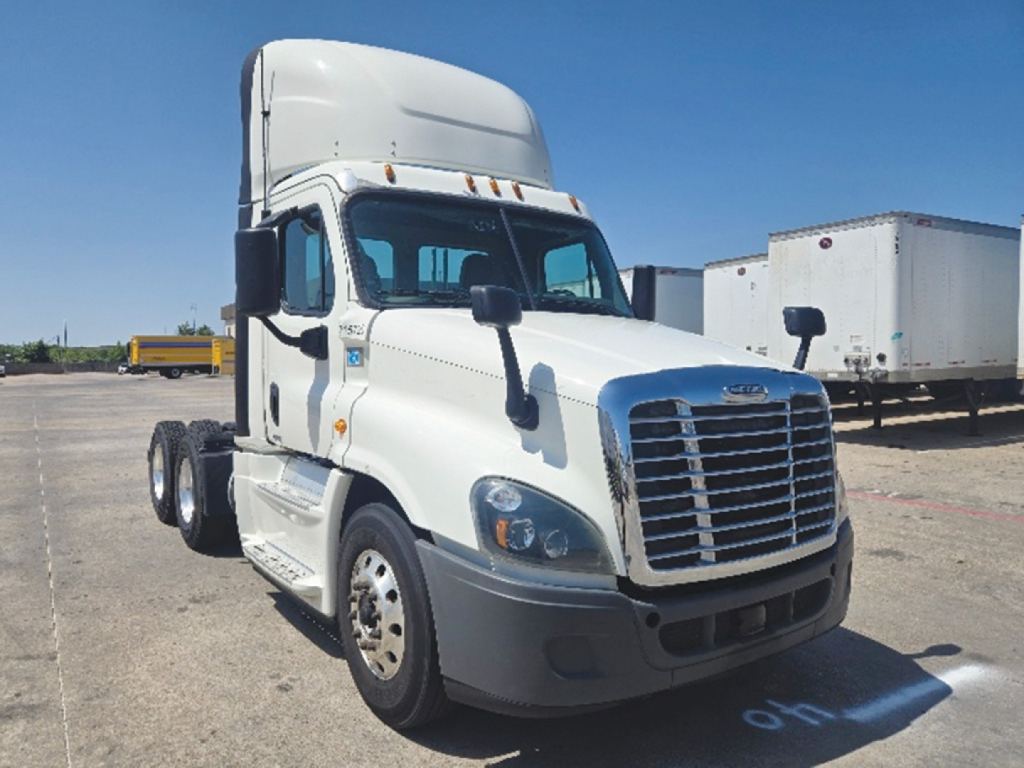
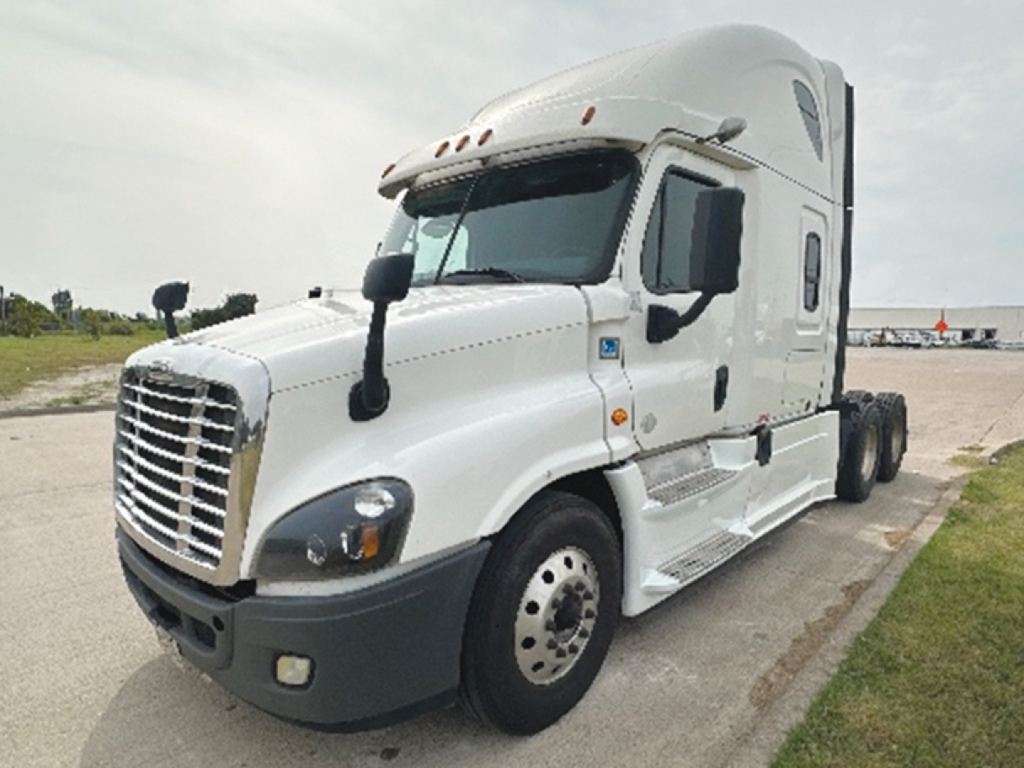
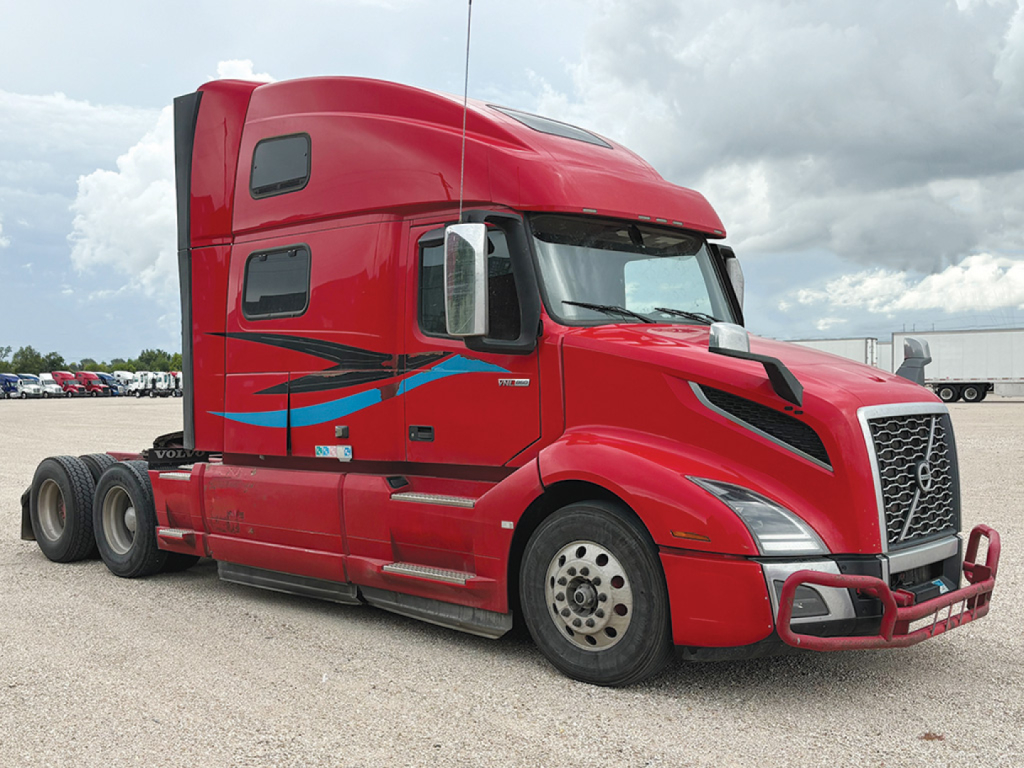
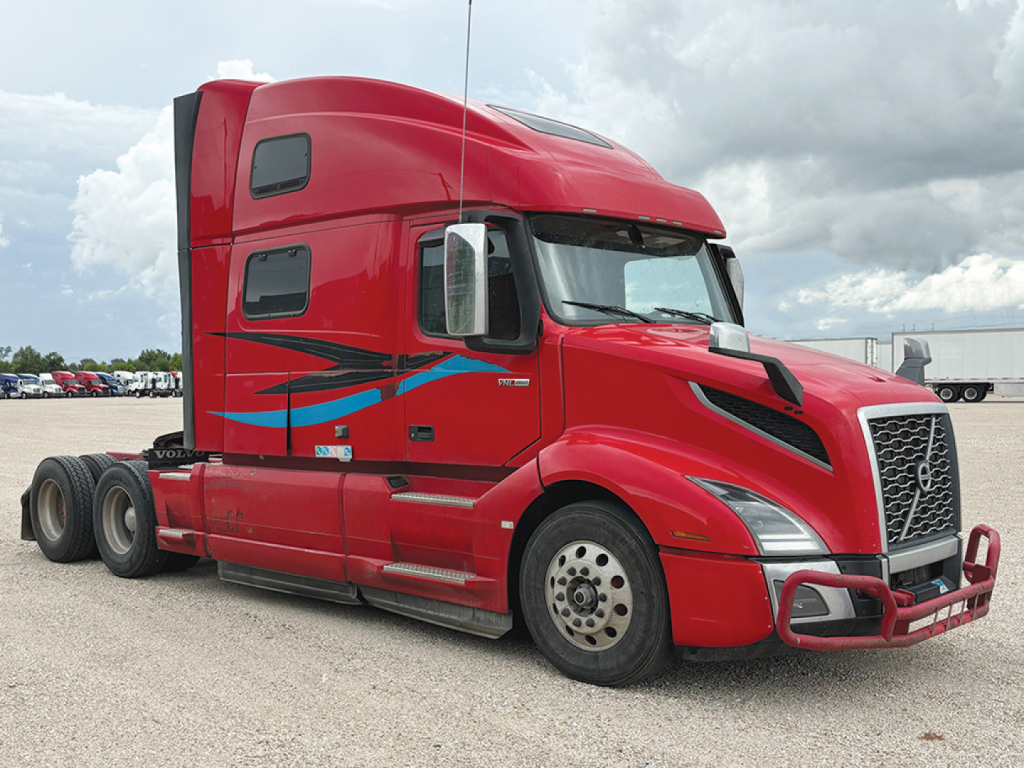
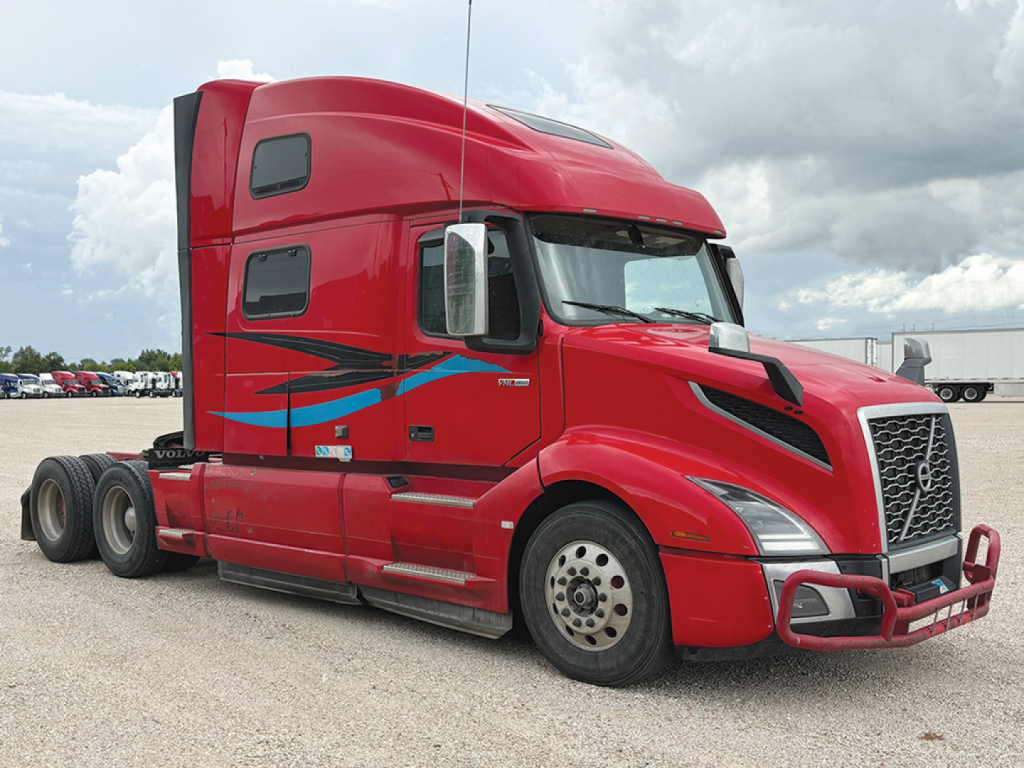
Showing 49 to 72 of 306 results
Have used commercial truck to sell? List it here to reach thousands of buyers.
Used Commercial Trucks in Texas
A lot of late-model used Texas trucks are spec'd with automated manual or automatic-style transmissions such as Volvo I-Shift, Detroit DT12, and Eaton Endurant, paired with engines like the Cummins X15, Detroit DD13, Volvo D11, or Volvo D13. Horsepower often falls in the 400 to 500 HP range, with 40,000 lb rear axles and ratios such as 2.64, 2.79, or 3.25 showing up regularly depending on duty cycle. Lower numerical rear axle ratios generally support fuel economy at highway speed, while higher ratios can be a better fit for heavier starts, tighter routing, or vocational crossover use. Wheelbase, fifth wheel type, suspension, and tank capacity all affect how the truck performs in real freight conditions, especially if the truck will be switching between van, reefer, tanker, or flatbed service.
Texas buyers should pay close attention to cooling system condition, A/C performance, idle hours, emissions history, and tire and brake spec, since heat, long interstate runs, and mixed operating environments can accelerate wear differently than in other regions. Air ride suspension, disc brakes, collision mitigation, engine brakes, and adjustable or air slide fifth wheels are common features that add value depending on the route structure. For used sleepers, bunk heaters, sleeper integrity, and fairing condition matter more than many first-time buyers expect. For day cabs, front axle set-back, turning radius, and frame layout can be just as important as engine brand when the truck is working urban distribution, drop-and-hook, or yard-to-road duty.
The best used truck is the one whose spec matches the lane. A highway tractor with an efficient powertrain and aerodynamic package can be a strong fit for linehaul, while a shorter-wheelbase day cab with a durable drivetrain may be the better asset for regional freight or terminal work. Buyers comparing used trucks in Texas should evaluate engine and transmission service records, ECM data, aftertreatment status, suspension wear, and prior application before focusing only on year model or odometer. A well-matched used truck usually outperforms a newer but poorly spec'd unit over the long run.
Frequently Asked Questions about Used Commercial Trucks in Texas
What is the difference between a day cab and a sleeper truck?
A day cab is a non-sleeper conventional tractor designed for local or regional work where the driver returns regularly and does not need living space in the truck. A sleeper truck includes a rear compartment with one or more bunks and is built for over-the-road service, longer dispatch cycles, and better driver comfort on overnight runs. The choice affects wheelbase, weight, maneuverability, fuel capacity, and resale demand by application.
What engine and transmission combinations are common in used Texas highway trucks?
Many used highway tractors in Texas are equipped with Cummins, Detroit, or Volvo power. Common engines include the Cummins X15, Detroit DD13, Volvo D11, and Volvo D13, often paired with automated transmissions such as the Eaton Endurant, Detroit DT12, or Volvo I-Shift. These combinations are popular because they balance fuel economy, driver acceptance, and fleet serviceability, especially in regional and linehaul operations.
What should I inspect first on a used truck in Texas?
Start with service records, engine hours, and fault history, then inspect the cooling system, A/C, aftertreatment components, tires, brakes, and suspension. Texas operating conditions put extra stress on cooling performance and climate control, and long highway miles can hide wear that is not obvious from appearance alone. ECM downloads, regen history, and a close look at frame condition, wheel seals, and driveline wear can reveal more than odometer readings by themselves.
Are lower rear axle ratios better on a used truck?
Lower numerical axle ratios such as 2.64 or 2.79 can improve fuel economy and reduce engine rpm at highway speed, which makes them attractive for linehaul freight. They are not automatically better for every operation. Trucks that start heavy, operate in stop-and-go service, or run in vocational conditions may perform better with a higher numerical ratio such as 3.25, depending on transmission gearing, tire size, and gross combination weight.
Why does wheelbase matter when buying a used truck?
Wheelbase affects turning radius, bridge law flexibility, ride quality, trailer gap, and how the truck can be assigned across different trailers and lanes. A shorter wheelbase is often preferred for day cab work, urban routing, and tighter yards, while a longer wheelbase may support sleeper layouts, larger fuel capacity, and a smoother ride on highway runs. It also influences fifth wheel placement and kingpin setting compatibility, which matters when the truck will pull mixed trailer types.