
Used 2007 Commercial Trucks For Sale in Texas
Shop used 2007 trucks in Texas, including highway, vocational, and medium-duty options with specs that fit hauling, service, and regional work.
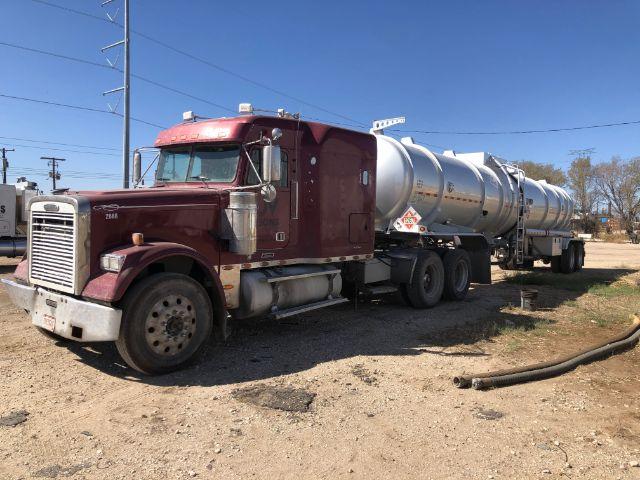
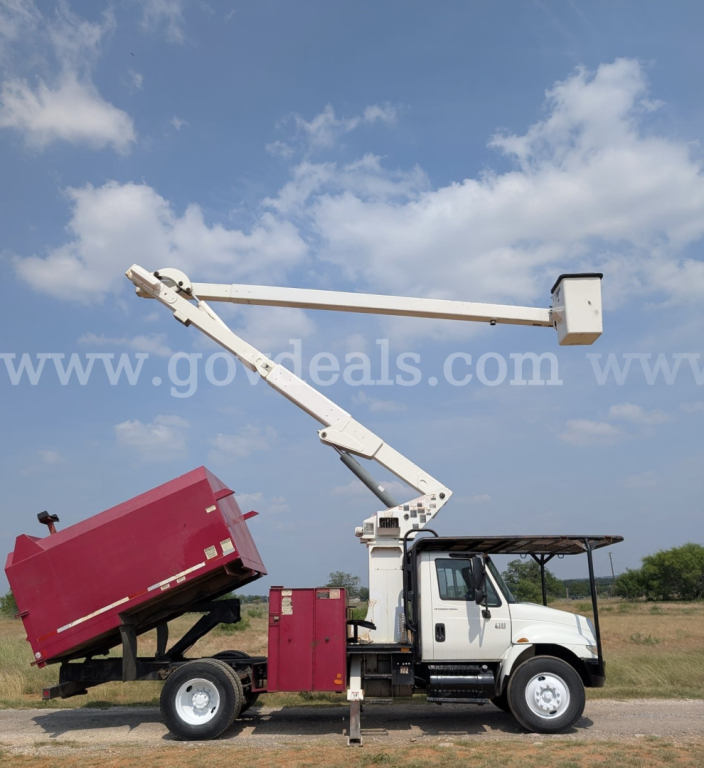
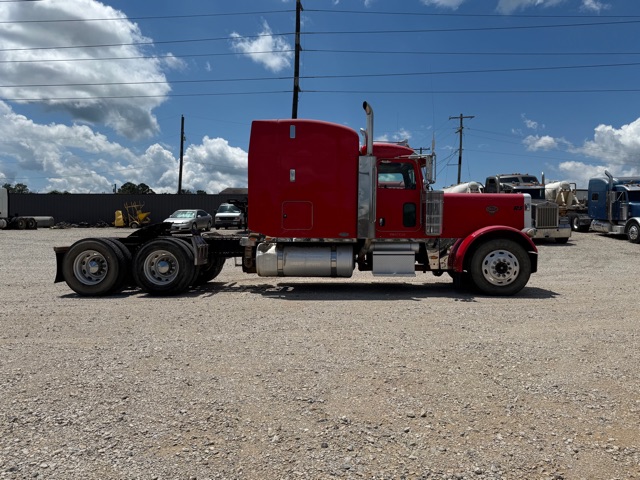
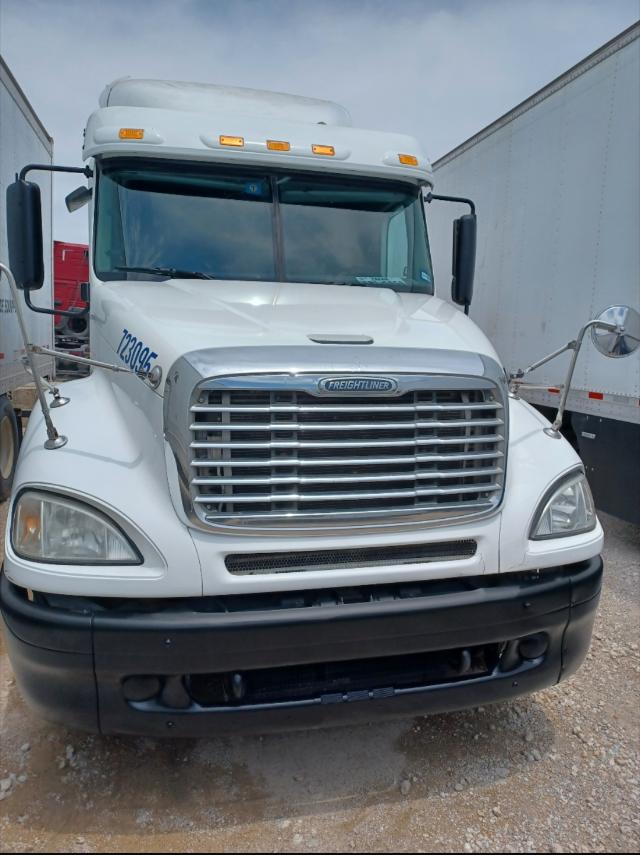

Selling a used 2007 commercial truck? List your used 2007 commercial truck for sale and reach thousands of commercial buyers.
Used 2007 Commercial Trucks in Texas
For buyers comparing 2007 used trucks, start with emissions and engine platform. Many 2007 trucks fall into the first generation of stricter diesel emissions requirements, so the truck may have EGR, a diesel particulate filter, or an early aftertreatment setup depending on build date and GVWR. That matters for maintenance cost, regeneration behavior, and downtime risk. Popular engines from this period include Cummins ISX and ISC families, Caterpillar C13 or C15 in some applications, Detroit Series 60 on earlier registrations, Mercedes, Mack, PACCAR, and medium-duty platforms from International and Ford. Transmission choices are often manual 10-speed, 13-speed, or 18-speed Eaton Fuller units, with Allison automatics common in refuse, utility, and municipal service. Rear axle ratios, suspension type, and brake configuration can change how well a truck fits Texas highway speeds, off-road access roads, or urban route work.
Texas buyers also need to think about region and duty cycle. West Texas and energy-sector work often favor heavier vocational specs, higher ground clearance, locking rears, double frame sections, and PTO compatibility. Metro Houston, Dallas-Fort Worth, Austin, and San Antonio operations may put more value on maneuverability, bridge law compliance, tighter wheelbase, and easier parts support. On sleeper tractors, pay attention to wheelbase, fuel capacity, fifth wheel style, and front axle set-back for legal payload and ride quality. On straight trucks, check body condition as closely as the chassis. Hoists, packer bodies, liftgates, cranes, air compressors, hydraulic systems, and refuse components can cost more to recondition than basic engine repairs.
Condition matters more than age on a 2007 truck. Review engine hours against miles, confirm service records, inspect frame rails for corrosion or repairs, and look closely at suspension wear, steering play, brake life, wiring condition, and signs of hard vocational use. If the truck has aftertreatment equipment, verify that fault codes, sensors, and regeneration history are being addressed properly. Buyers should also confirm GVWR, front and rear axle ratings, tire size, wheelbase, and any body or PTO specifications before purchase. A well-maintained 2007 truck can still be a cost-effective work unit, but only if the spec matches the route, payload, and operating environment.
Frequently Asked Questions about Used 2007 Commercial Trucks in Texas
What should I check first on a used 2007 truck?
Start with the engine, emissions system, transmission, axle ratings, and service history. On a 2007 truck, the emissions equipment is especially important because this model year often includes early EGR and diesel particulate filter systems. Pull fault codes, verify regeneration history if applicable, inspect for oil or coolant contamination, and compare engine hours to odometer miles. After that, inspect frame condition, suspension wear, brakes, tires, and any vocational equipment such as hydraulics, PTOs, or body mechanisms.
Are 2007 trucks good for Texas work applications?
They can be, if the truck is spec'd correctly for the job. Texas operations vary widely, from long interstate runs to oilfield service roads, municipal stop-and-go routes, and local delivery work. A 2007 sleeper tractor may still be practical for regional hauling, while a 2007 vocational truck can be useful for construction, refuse, farm, or utility service. The main concern is not just age but whether the axle capacity, wheelbase, gearing, suspension, and engine setup match the route and payload.
Do 2007 trucks have emissions systems that require extra attention?
Yes. Many 2007 trucks were built during the transition to stricter diesel emissions standards, so they may include EGR and early diesel particulate filter systems. Those components can add maintenance complexity compared with older pre-emissions trucks. Buyers should confirm what emissions package the truck has, whether the aftertreatment system is complete and functioning, and whether any recent repairs have been made to sensors, DPF components, or related wiring. A truck with unresolved emissions issues can become expensive quickly.
Is mileage or engine hours more important on a 2007 used truck?
Both matter, but hours often tell the more complete story, especially on vocational or municipal trucks. A 2007 truck with moderate miles but very high idle time may show more engine wear than a highway truck with higher miles and steady operating speed. Refuse trucks, utility trucks, and PTO-driven units can accumulate hours quickly even when mileage stays low. The best approach is to evaluate miles, hours, maintenance records, and the truck's prior application together.
What types of 2007 trucks are commonly found on the used market?
The 2007 model year includes a broad mix of heavy-duty and medium-duty equipment. Common examples include day cab and sleeper semi trucks, dump trucks, flatbeds, box trucks, garbage trucks, service trucks, stake beds, and delivery chassis. Some are built for highway freight, while others are configured for municipal, construction, agricultural, or utility work. Buyers should focus on the exact chassis and body combination they need rather than assuming all 2007 trucks are comparable.