
Used Peterbilt Trucks For Sale in Texas
Shop used Peterbilt trucks for sale in Texas, including 579 and 389 models with sleeper and day cab specs for regional, heavy-haul, and OTR work.
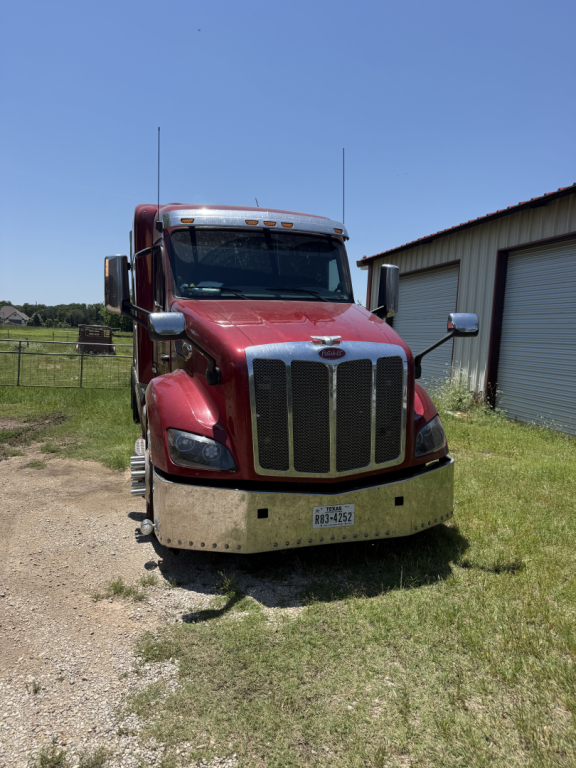
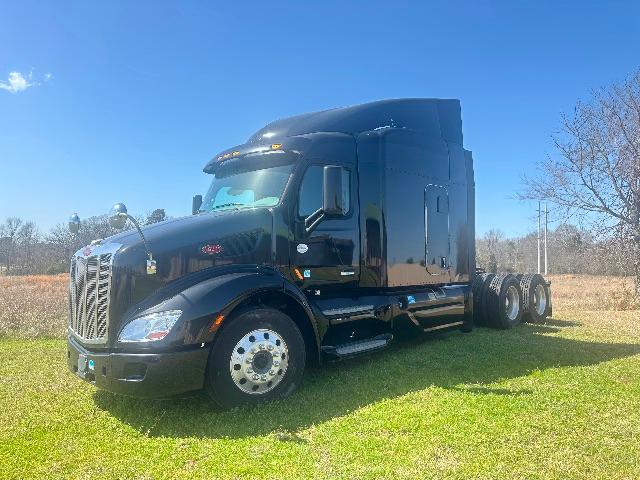
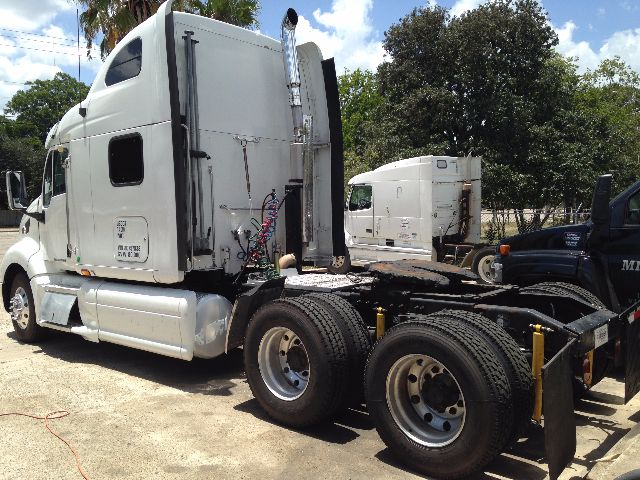
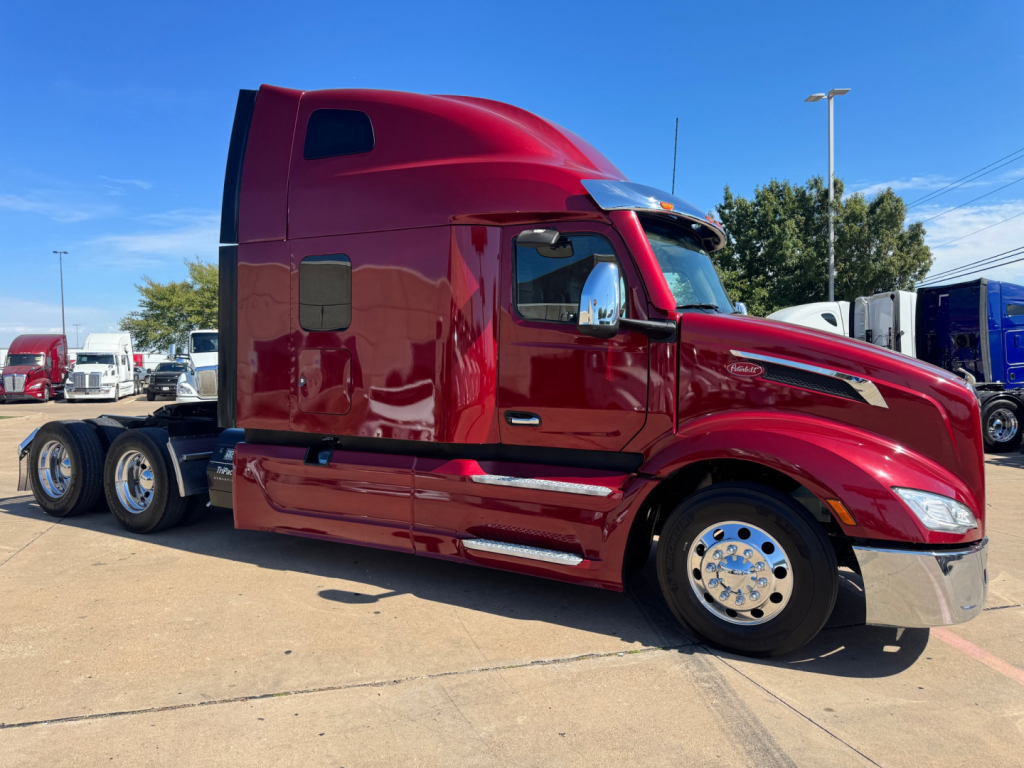
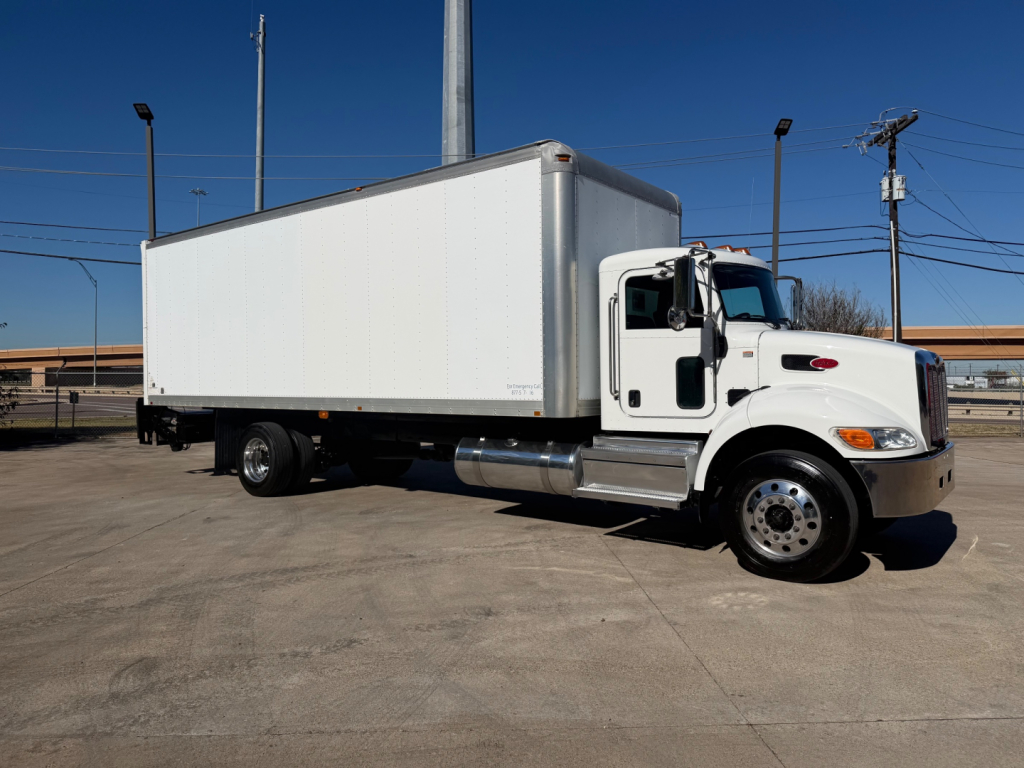
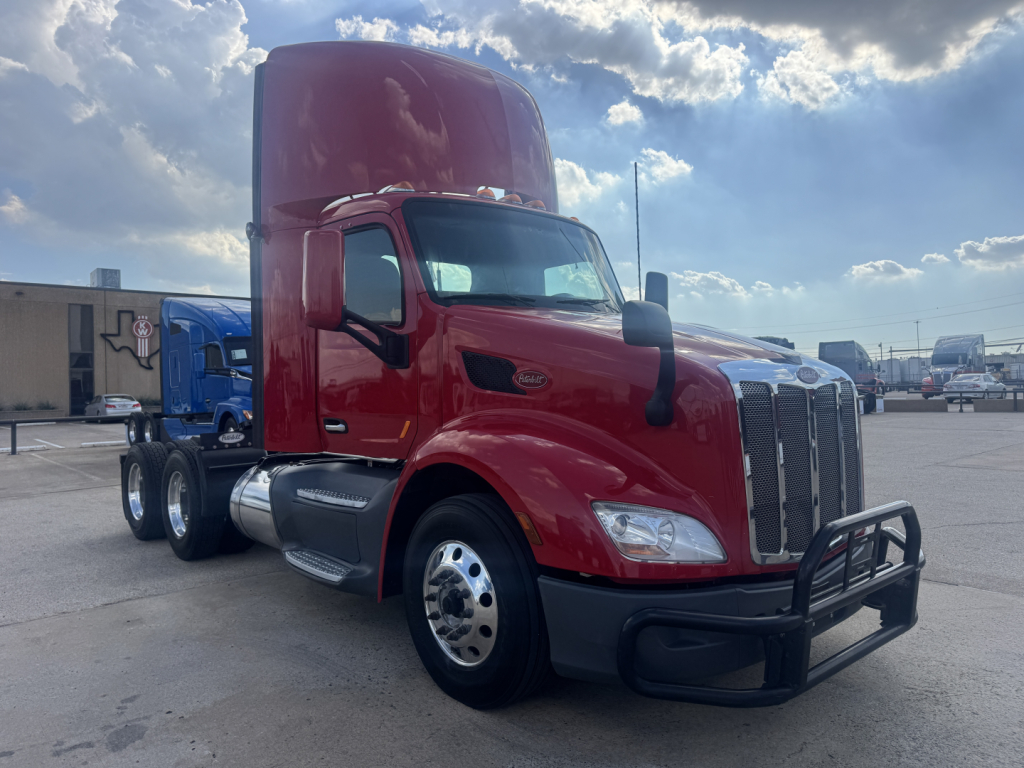
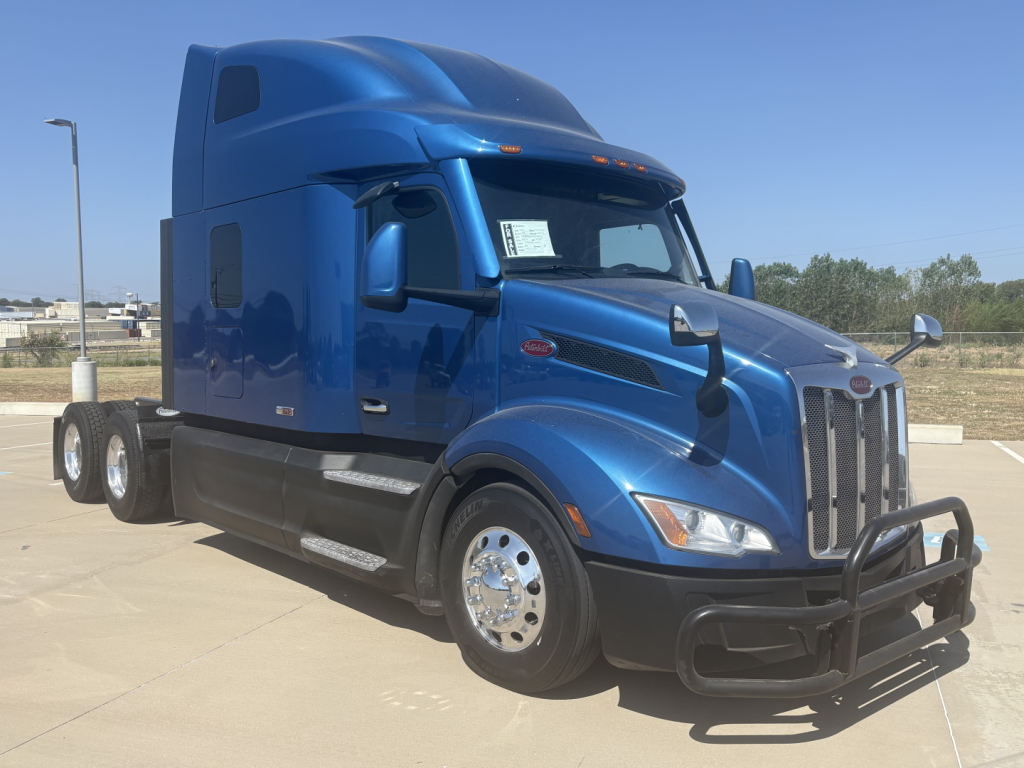
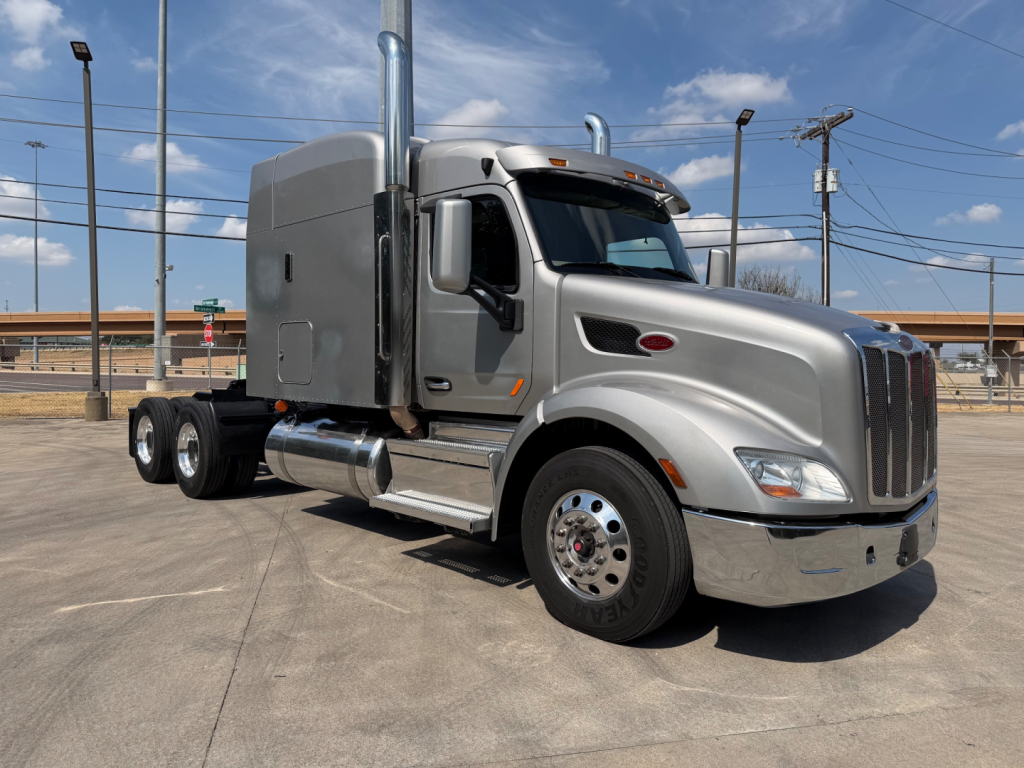
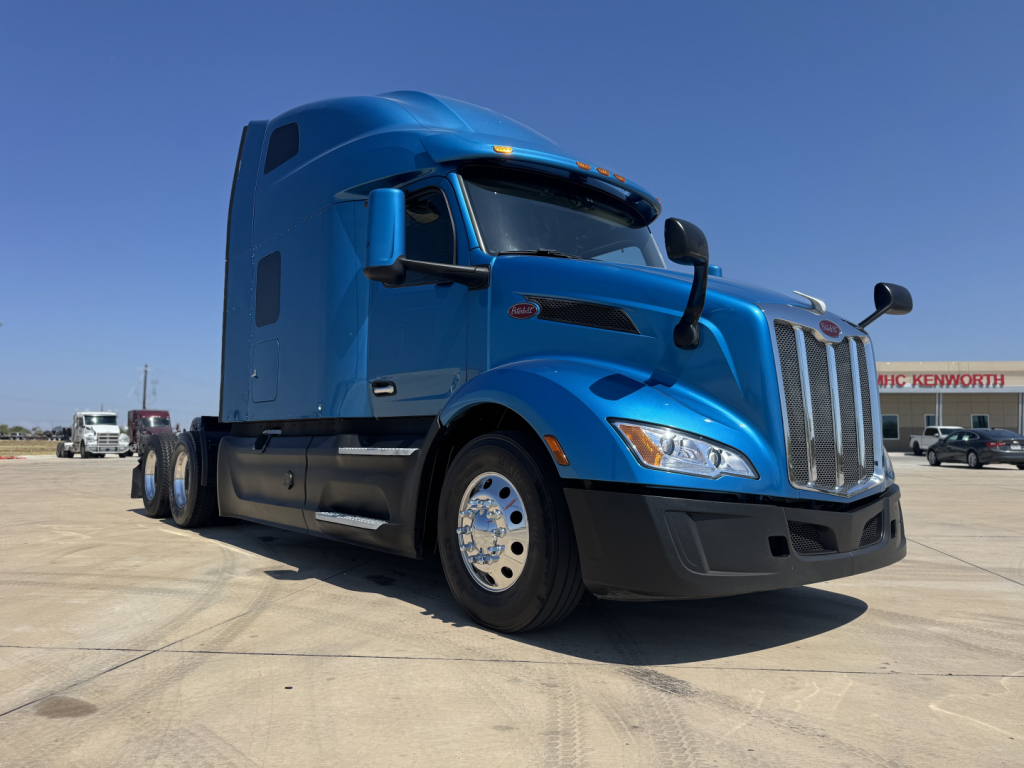
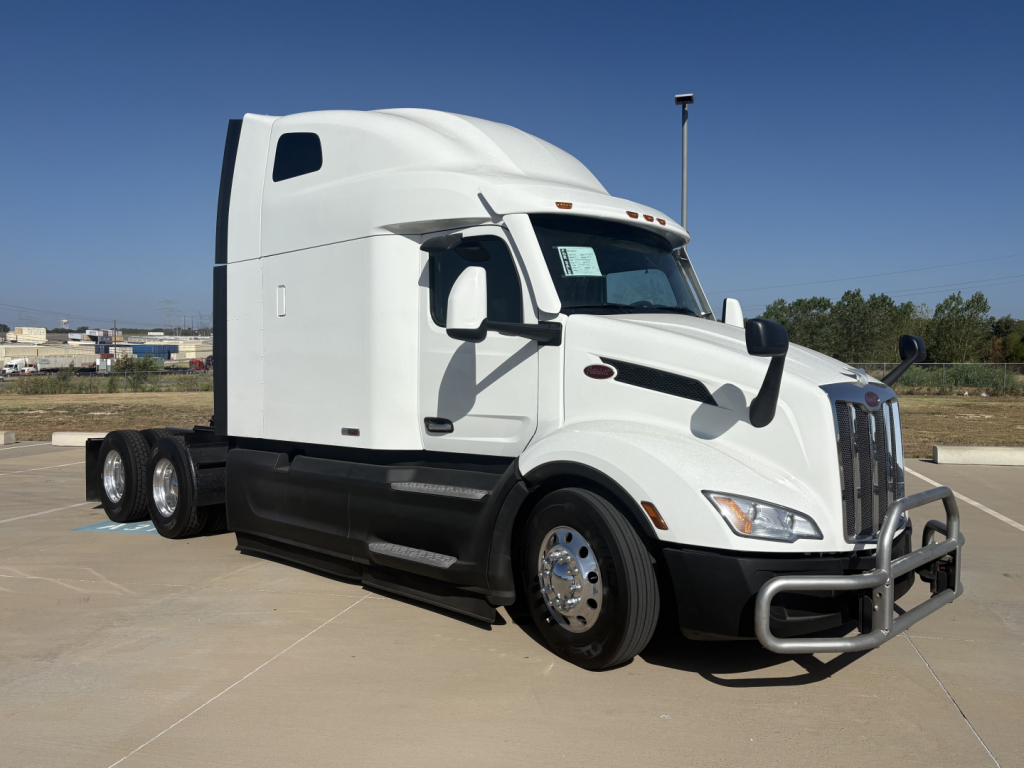
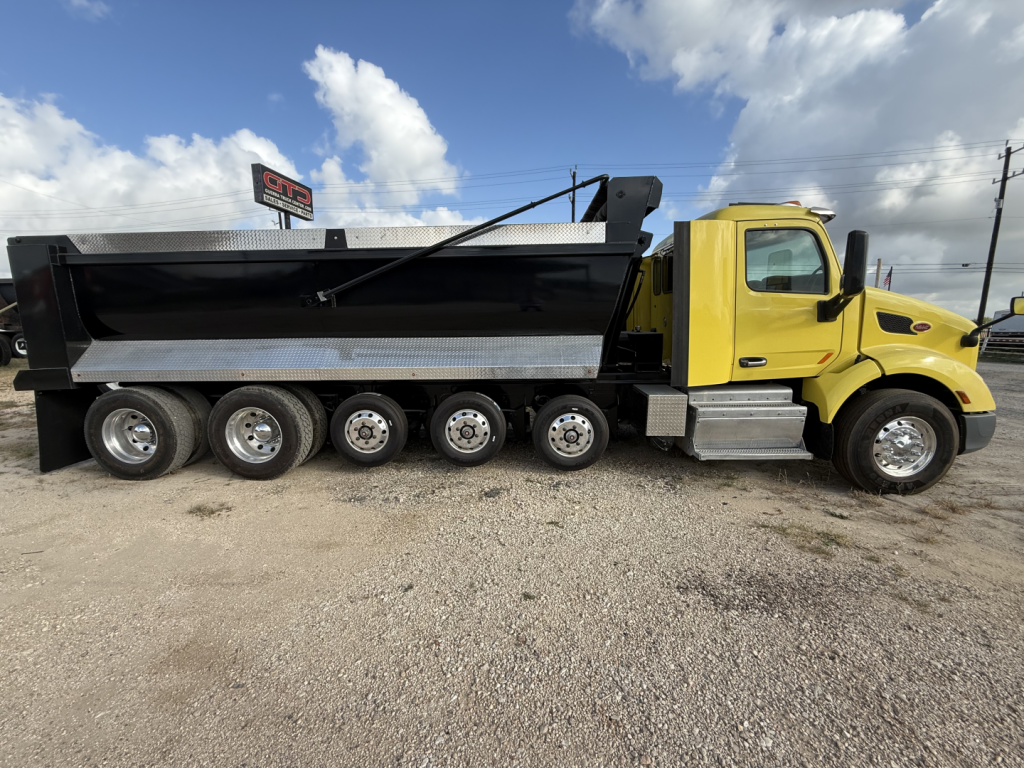
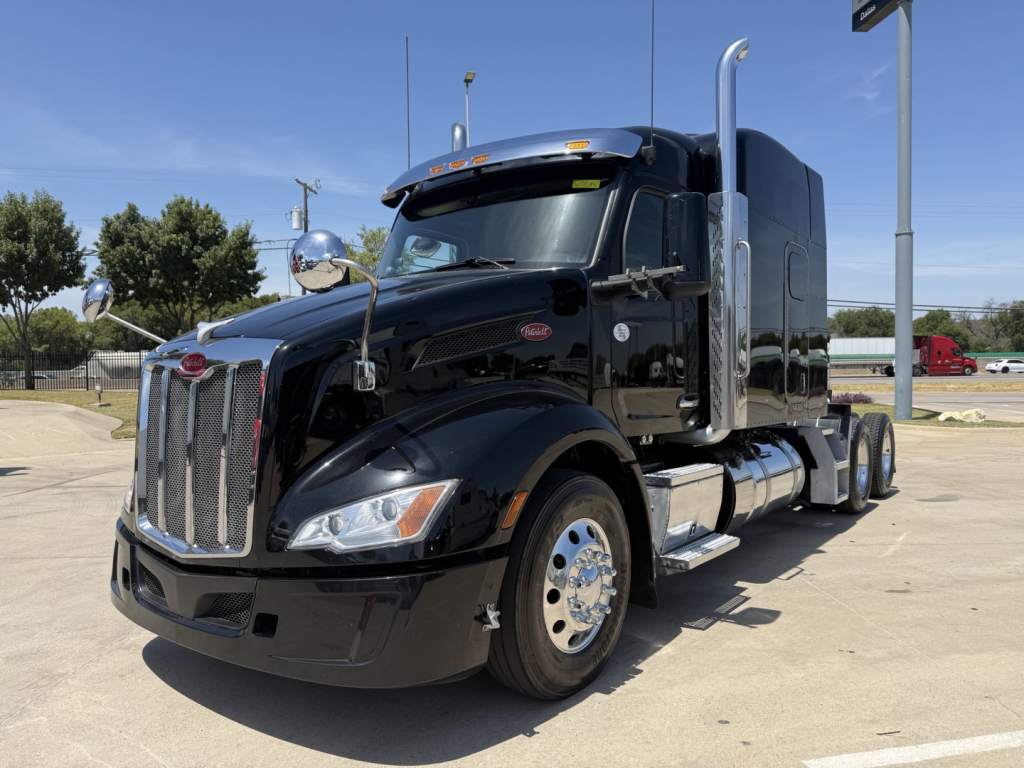
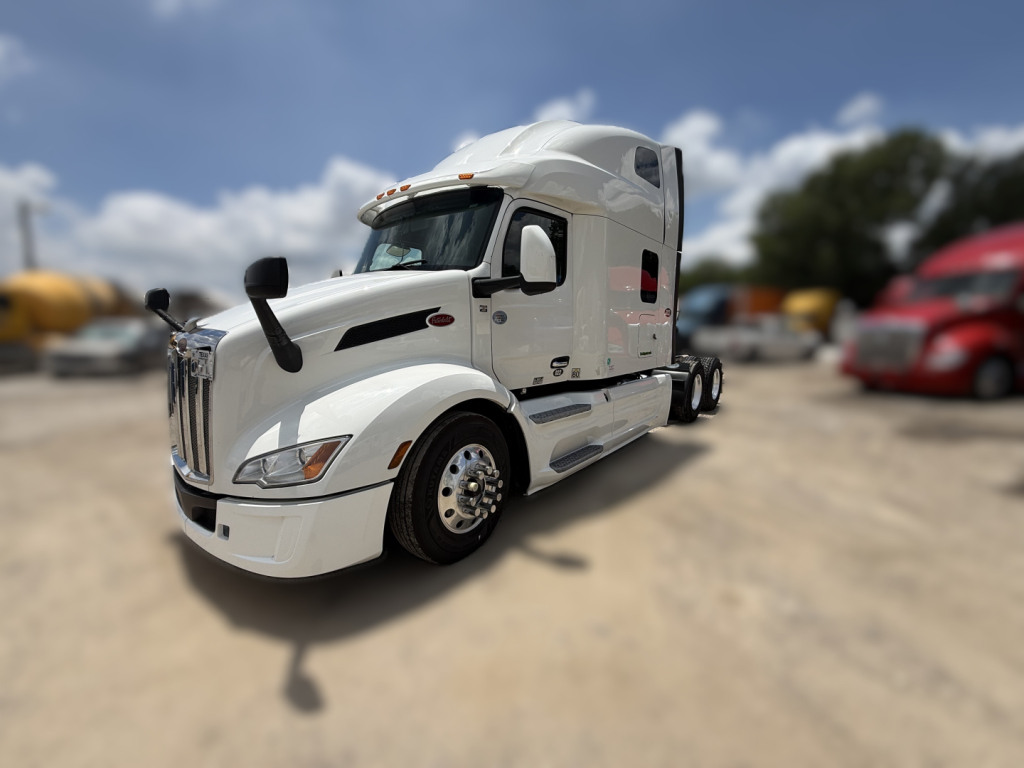

Selling a used peterbilt truck? List your used peterbilt truck for sale and reach thousands of commercial buyers.
Used Peterbilt Trucks in Texas
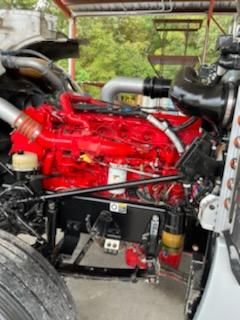
Engine and drivetrain spec matter more than badge alone. On late-model used Peterbilt trucks, buyers will often see Cummins X15 and PACCAR MX-13 engines, usually in the 400 to 565 horsepower range depending on application. A 400 to 455 horsepower setup with a taller rear ratio is a common highway freight spec that keeps cruise RPM down and supports fuel economy. A 510 to 565 horsepower truck with a manual or heavy automated transmission, double frame, PTO provision, or 3.25 to 3.91 gearing points more toward heavier pulls, vocational crossover use, or mountain work. Rear axle ratings around 40,000 to 46,000 pounds are common on tandem axle road tractors. Wheelbase, fifth wheel travel, suspension type, and axle configuration also deserve a close look because they affect bridge law flexibility, trailer compatibility, and turning radius in tighter Texas delivery environments.
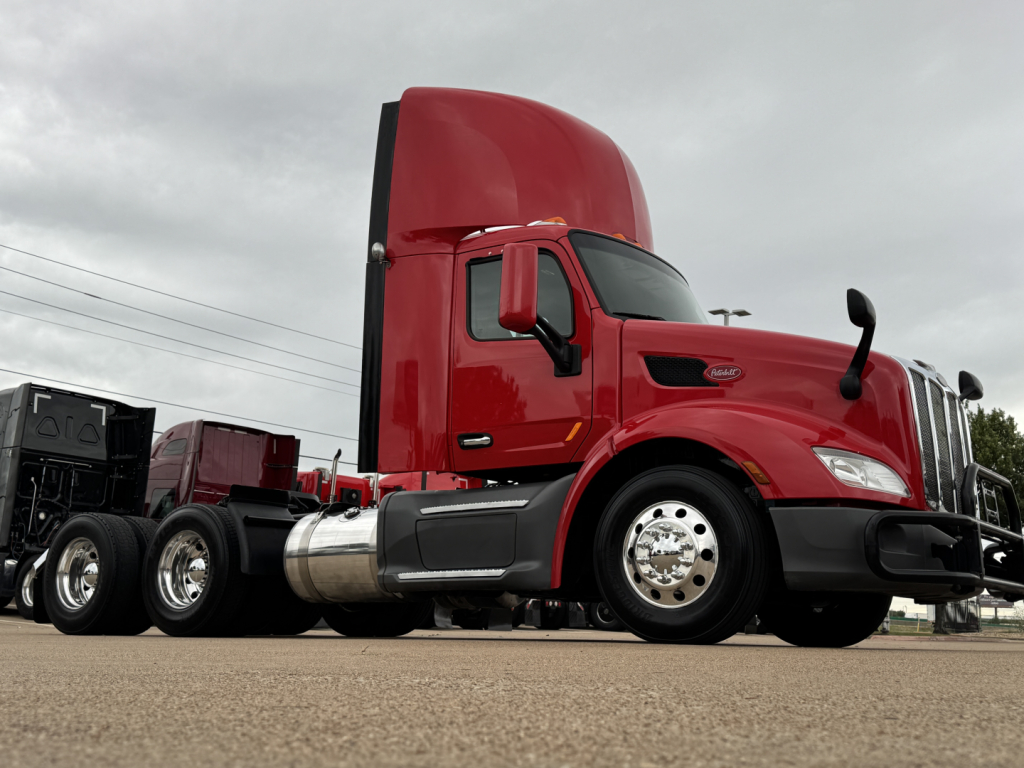
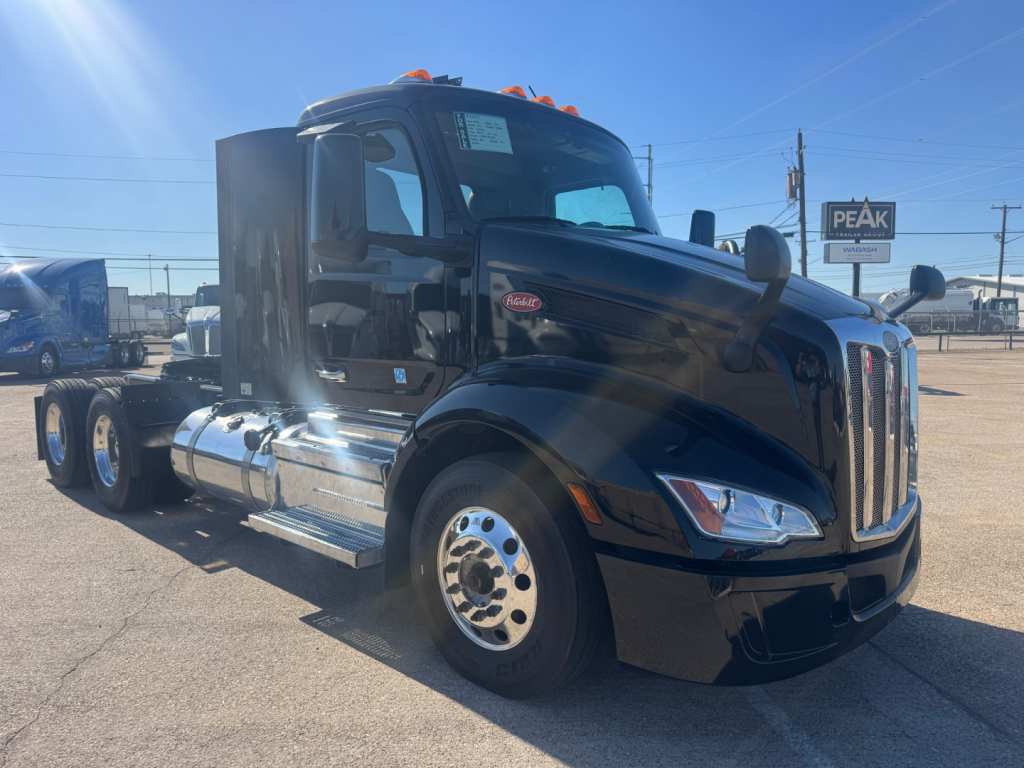
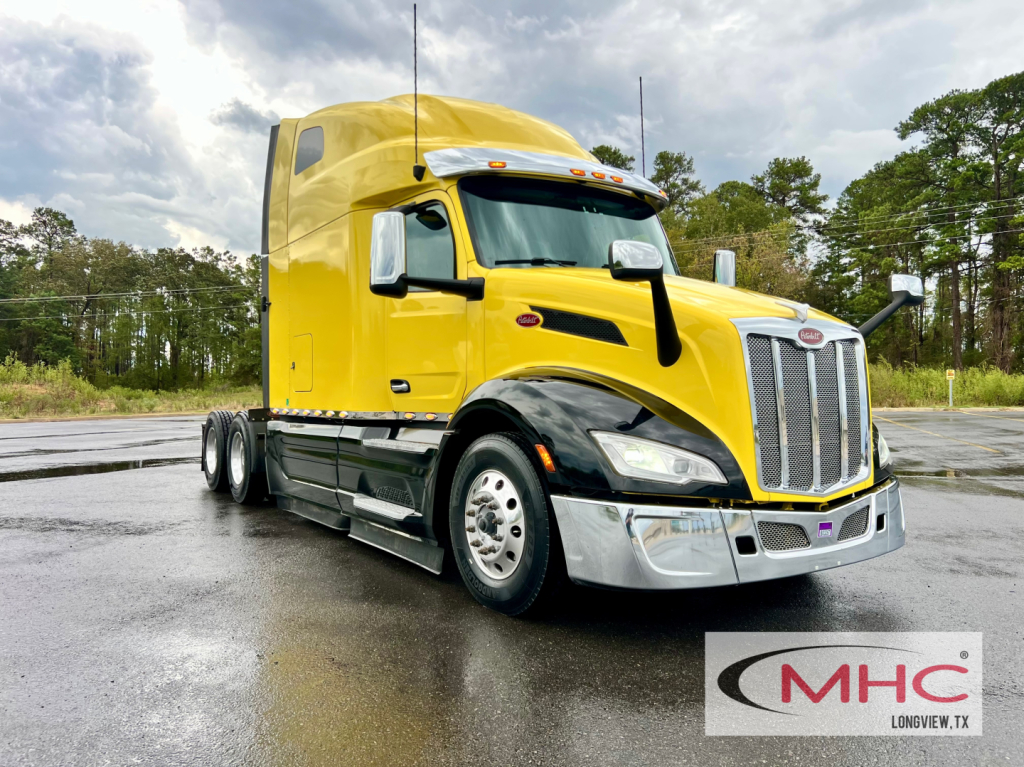
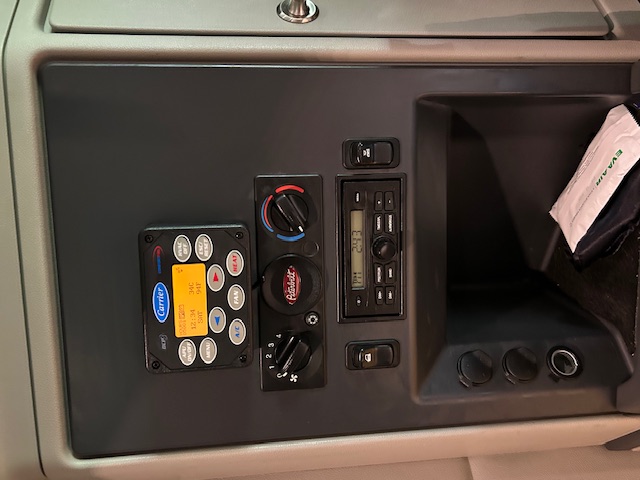
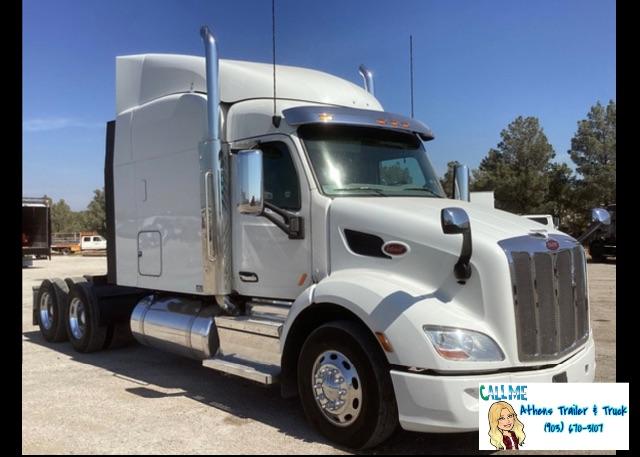
Cab configuration changes the truck's role immediately. Peterbilt day cabs are common for local and regional lanes, dedicated contracts, port work, and short-haul operations where sleeper weight is unnecessary. Sleeper-equipped Peterbilts, especially 72-inch to 80-inch raised-roof layouts like the UltraLoft or Unibilt-style sleepers, are built for teams, irregular route freight, and long-haul operations where driver comfort matters. Features like bunk heaters, APUs, premium interiors, digital dashes, navigation, and air-ride suspensions can make a meaningful difference in retention and downtime, not just comfort. Late-model used Peterbilt trucks also often include disc brakes, air-slide fifth wheels, cab extenders, roof fairings, and aluminum wheels, all of which affect maintenance cost, weight, and aerodynamic performance.
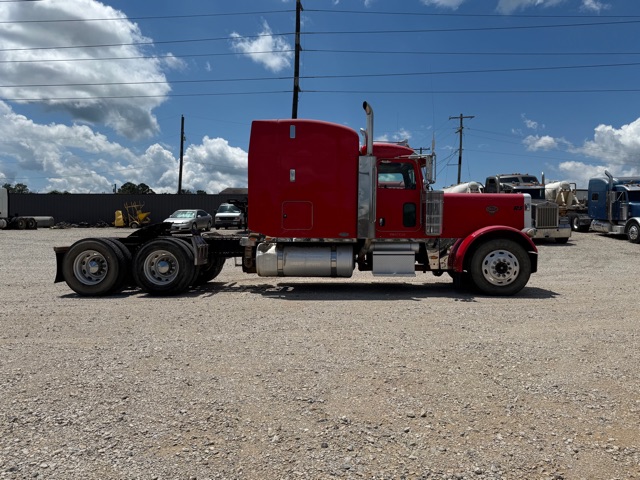
For a Texas buyer, it pays to match the truck to the lane before focusing on cosmetics. A used Peterbilt truck with a clean highway spec can be a strong fit for dry van, reefer, or general freight. A higher-horsepower 389 or heavy-spec 579 may be better suited for oilfield support, machinery moves, agricultural hauling, or other work that demands stouter driveline components. Review mileage against service records, emissions history, engine hours, tire date codes, brake wear, and signs of frame or fifth wheel abuse. On used Peterbilt trucks, condition is often tied to prior application more than model year. A well-maintained fleet tractor can outperform a flashier truck that spent its life overloaded or idling excessively.
Frequently Asked Questions about Used Peterbilt Trucks in Texas
What is the difference between a used Peterbilt 579 and a used Peterbilt 389?
The Peterbilt 579 is an aerodynamic conventional built primarily for fuel-efficient highway freight, and it is commonly found in fleet, regional, and over-the-road service. The Peterbilt 389 is a long-hood conventional with a more traditional layout that is often preferred for owner-operator use, specialized freight, and heavier-duty specs. In the used market, 579 models usually offer better aerodynamic efficiency and more fleet-style configurations, while 389 models often bring higher horsepower, more custom spec variation, and stronger appeal in specialized applications.
Which engine is more common in used Peterbilt trucks, Cummins X15 or PACCAR MX-13?
Both are common in late-model used Peterbilt trucks. The Cummins X15 is widely recognized for broad service support, strong torque options, and popularity in heavy-haul and owner-operator specs. The PACCAR MX-13 is also common, especially in fleet-oriented highway tractors, and is frequently paired with fuel-economy-focused gearing and automated transmissions. The better choice depends less on name alone and more on maintenance history, emissions performance, horsepower rating, and how the truck was previously used.
What axle ratio is best on a used Peterbilt truck in Texas?
A taller ratio such as 2.64 or 2.79 is usually preferred for interstate freight because it helps lower engine RPM at cruising speed and can improve fuel economy. A deeper ratio such as 3.25 or 3.91 is more appropriate when the truck will see heavier loads, more starts and stops, off-road access, or hilly terrain. Texas buyers running long, flat highway lanes often favor the taller highway ratios, but the right ratio still has to match the engine, transmission, tire size, and average gross combination weight.
Are used Peterbilt day cabs or sleepers better for regional work?
For most regional operations, a day cab is the more efficient choice if drivers return home daily and the work does not require extended layovers. It reduces empty weight, simplifies the truck, and can improve maneuverability in urban and yard settings. A sleeper makes more sense when routes are inconsistent, overnight parking is common, or dispatch needs flexibility across longer lanes. In used Peterbilt trucks, the decision should be based on freight pattern and driver utilization, not just purchase price.
What should I inspect first on a used Peterbilt truck?
Start with service records, engine hours, fault code history, and evidence of emissions-system repairs. Then inspect the frame rails, suspension, fifth wheel area, steer axle components, brakes, tires, and signs of corrosion or accident repair. On used Peterbilt trucks, cab and interior condition can suggest how the truck was treated, but the more important factors are drivetrain health, prior application, and whether the spec matches the work you intend to do. A truck with the right maintenance history and correct drivetrain spec is usually the safer buy than one chosen mainly for appearance.