
Used 2015 Commercial Trucks For Sale in Texas
Browse used 2015 trucks for sale in Texas, including day cabs, sleepers, and straight trucks with diesel powertrain and body options.
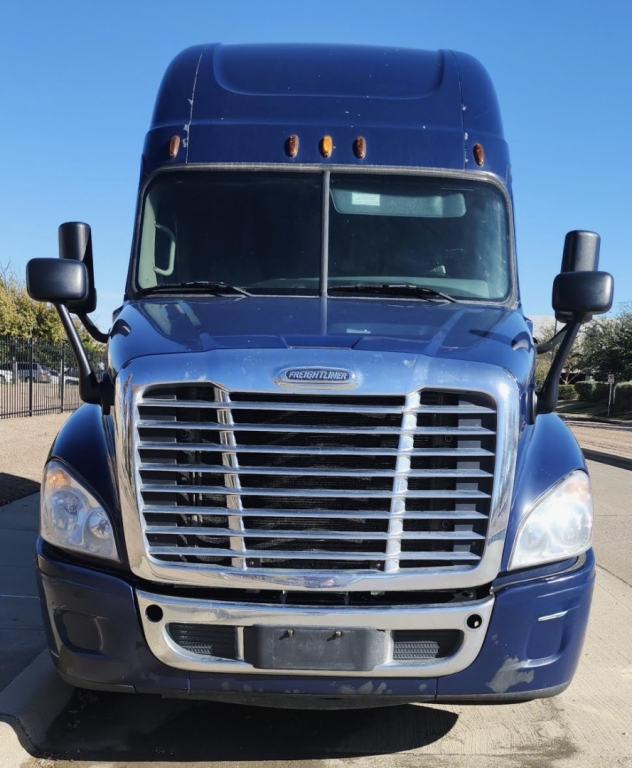
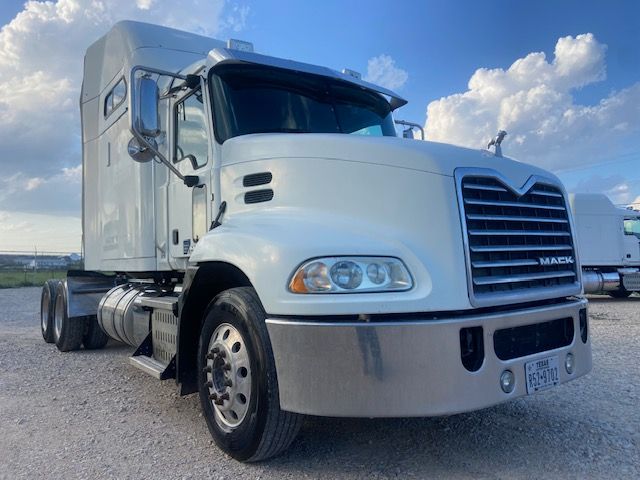
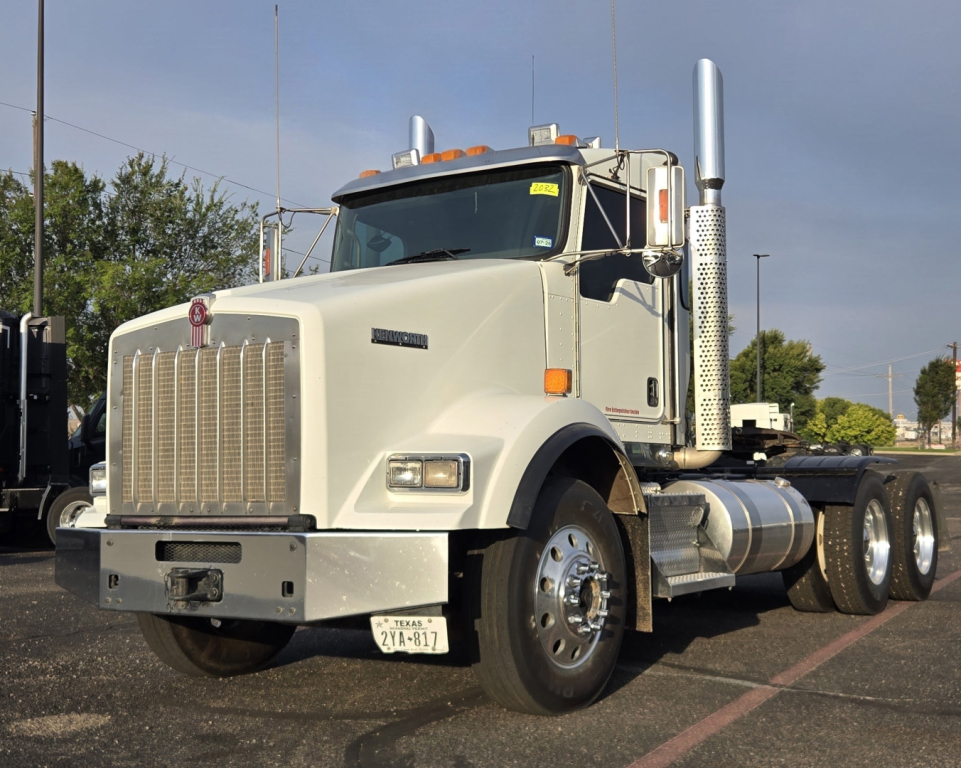
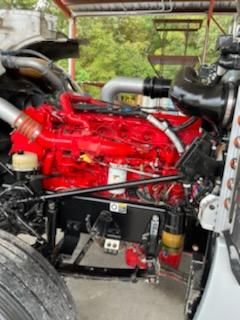

Selling a used 2015 commercial truck? List your used 2015 commercial truck for sale and reach thousands of commercial buyers.
Used 2015 Commercial Trucks in Texas
In the 2015 truck market, common configurations include conventional sleeper trucks for over-the-road use, day cabs for regional and port work, and medium-duty straight trucks with van bodies, stake bodies, or service bodies. Power typically falls into familiar diesel ranges such as mid-200 HP in medium-duty units and roughly 400 to 500 HP in Class 8 tractors. Buyers should look closely at engine make, transmission type, rear axle ratio, wheelbase, and gross axle ratings because those specs determine how well a truck matches the job. An automated manual or Allison automatic may make sense for urban and vocational use, while tandem axle highway tractors often need the right ratio and wheelbase for fuel economy, legal payload, and trailer compatibility.
A used 2015 truck can still be a strong value if maintenance records are solid and the spec is right. Pay attention to DPF, DEF, and EGR service history, check for fault codes, inspect the clutch or AMT calibration status, and verify any recent work on injectors, turbos, sensors, or aftertreatment components. For sleepers, cab condition, bunk HVAC, inverter setup, and fifth wheel wear matter. For straight trucks, inspect body integrity, floor condition, roll-up doors, scuff liners, roof condition, and cargo control equipment. In Texas, frame rust is usually less severe than in northern markets, but sun exposure, interior wear, and cooling-system stress can be more noticeable.
The best 2015 truck is the one that fits the freight, route length, and maintenance budget. A long-wheelbase sleeper with a 40,000-pound rear axle setup suits linehaul work very differently than a single-axle box truck built for city routes. Buyers comparing used 2015 trucks should balance purchase price against mileage, idle hours, driveline spec, and expected repair exposure over the next 12 to 24 months. A well-documented truck with a practical spec often delivers better operating value than a lower-priced unit with unclear service history or a mismatched drivetrain.
Frequently Asked Questions about Used 2015 Commercial Trucks in Texas
What should I check first on a used 2015 truck?
Start with service records, engine hours, mileage, and emissions-related repairs. On a 2015 truck, the condition of the DPF, DEF system, EGR components, turbocharger, and cooling system can have a major effect on operating cost. A full scan for active and inactive fault codes, along with an inspection of suspension, brakes, tires, and driveline wear, gives a better picture than appearance alone.
Are used 2015 trucks in Texas a good value?
They can be, especially when the truck has a clear maintenance history and a spec that matches the intended work. Texas trucks may benefit from less corrosion than trucks from snowbelt states, but buyers should still inspect for heat-related wear, A/C performance issues, sun-damaged interiors, and cooling-system strain. Value depends more on condition, maintenance, and configuration than geography alone.
Which 2015 truck configuration is best for highway use?
For highway freight, most buyers look for a tandem axle conventional tractor with an aerodynamic sleeper or day cab, air-ride suspension, and a fuel-efficient rear axle ratio matched to the transmission. Engine ratings in the 400 to 500 HP range are common for long-haul and regional applications. Wheelbase, fifth wheel position, and suspension spec should also match the trailer type and expected payload.
What is the difference between a 2015 day cab and a 2015 sleeper truck?
A day cab is built for local or regional operation and does not include a bunk area, which usually means lower weight and simpler packaging. A sleeper truck includes a bunk for overnight runs and is more common in over-the-road service. The right choice depends on route length, driver scheduling, payload needs, and how much onboard storage or hotel equipment is required.
How important is the transmission and axle ratio on a used 2015 truck?
They are critical because they affect startability, cruise RPM, fuel economy, and overall drivability. An automated manual transmission may reduce driver fatigue and improve consistency, while an Allison automatic is common in medium-duty and stop-and-go applications. Rear axle ratio needs to match the engine, tire size, and route profile so the truck performs efficiently under the loads it will actually carry.