
Used Trucks For Sale in Nevada
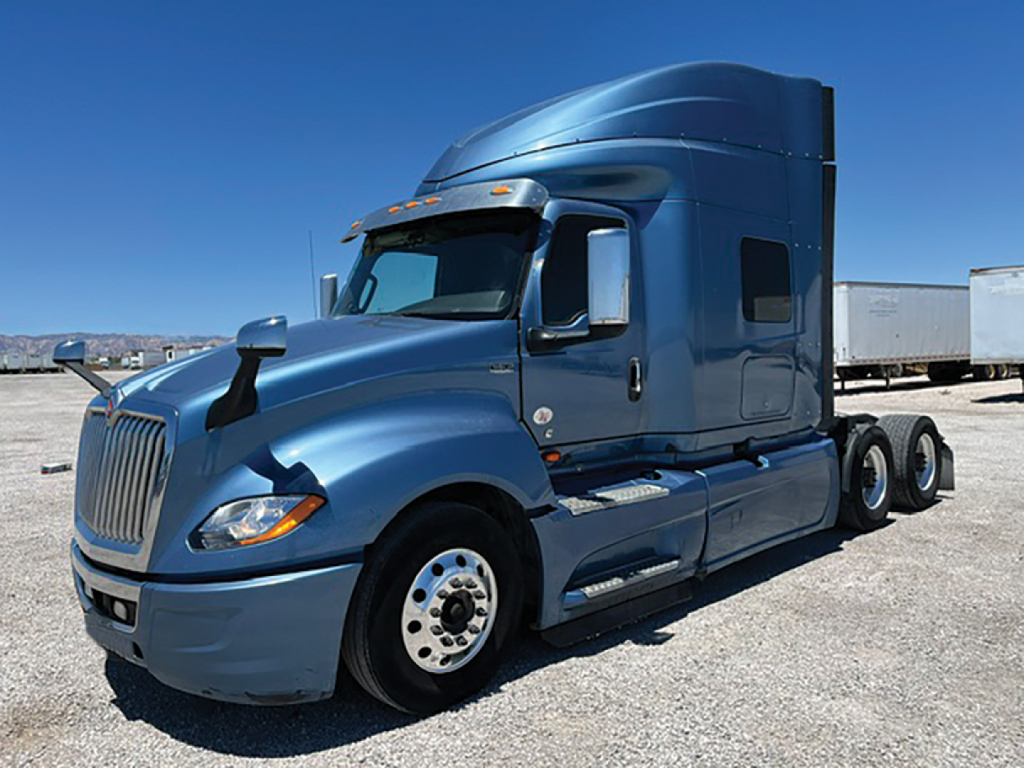
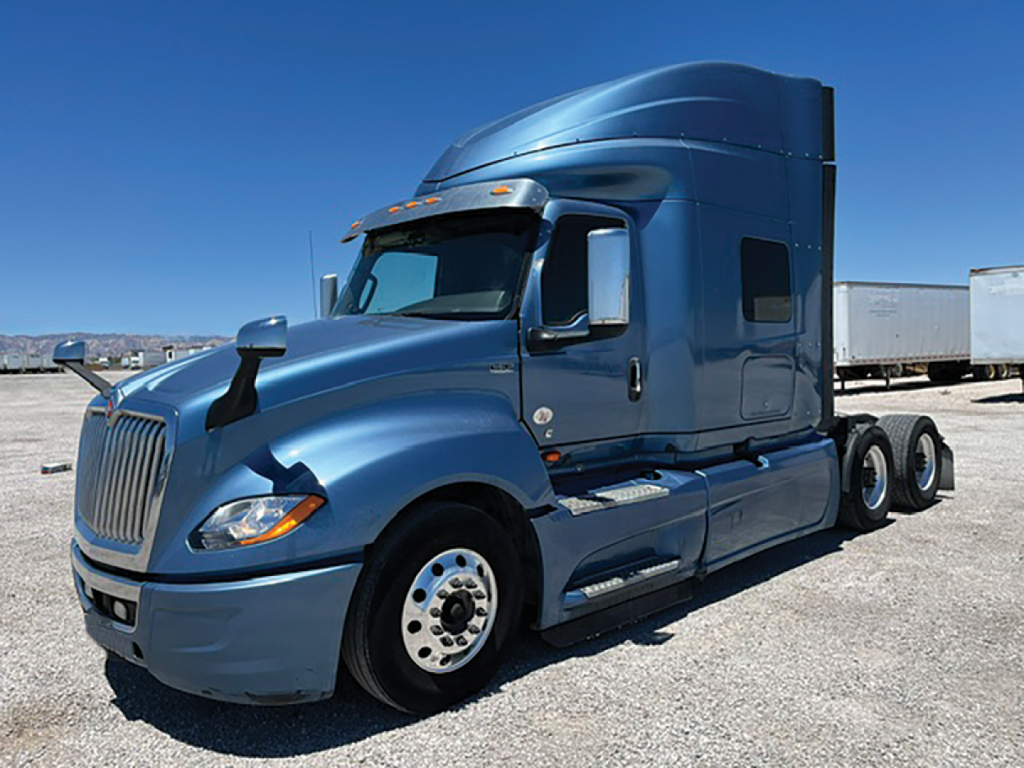

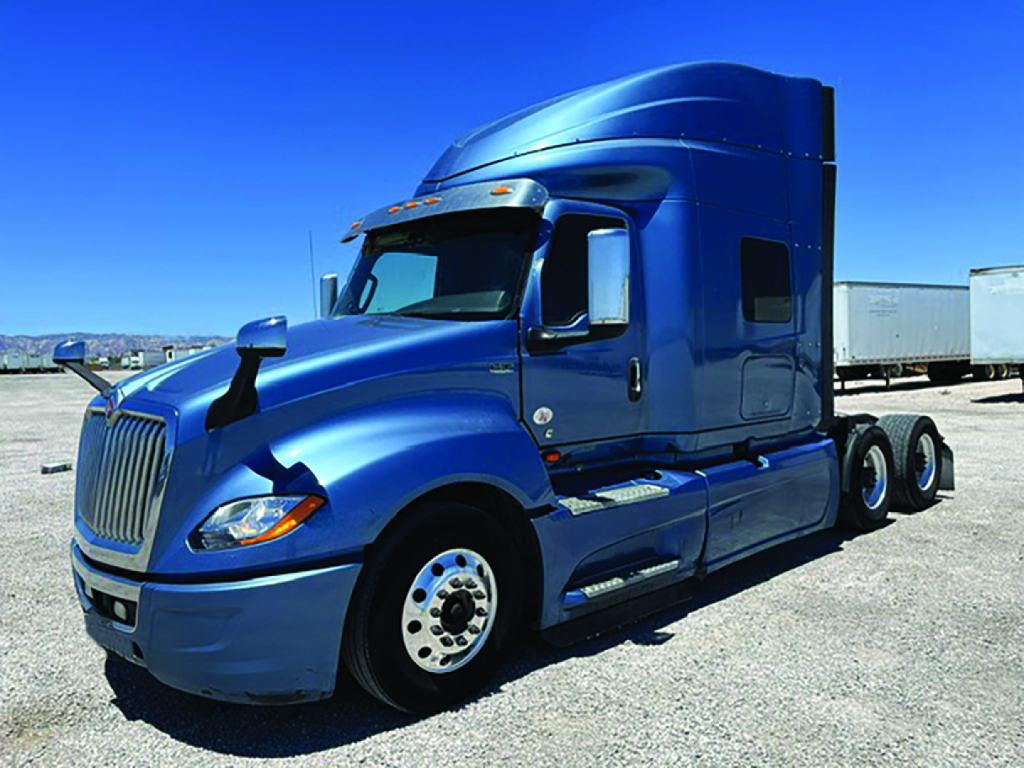
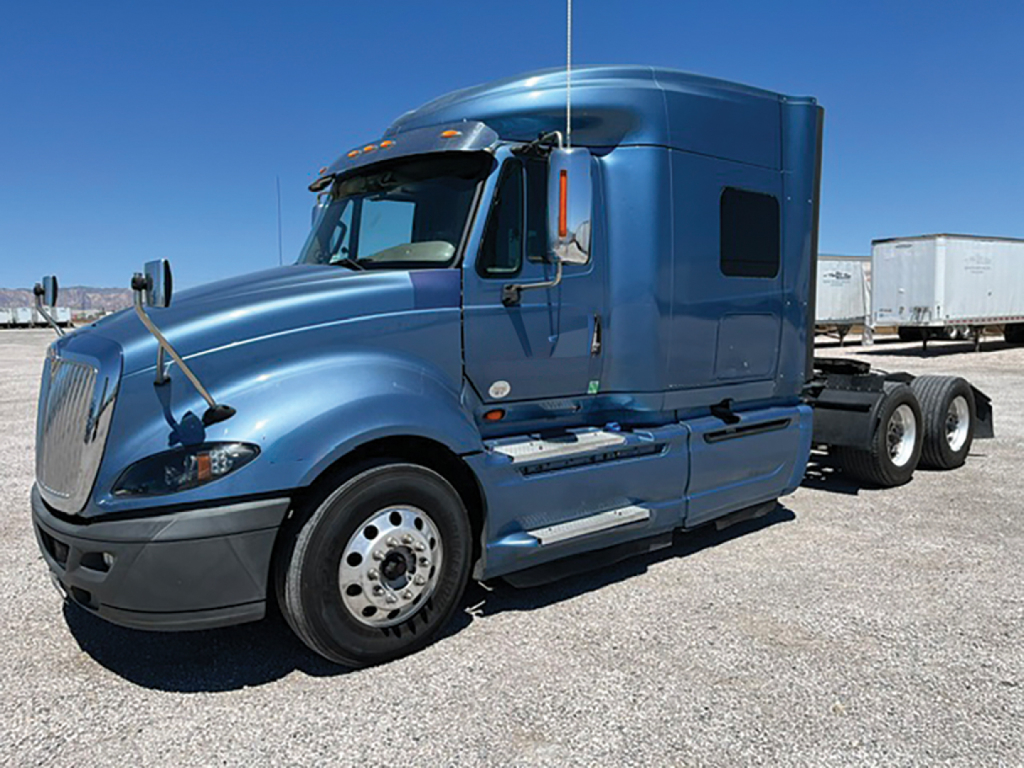
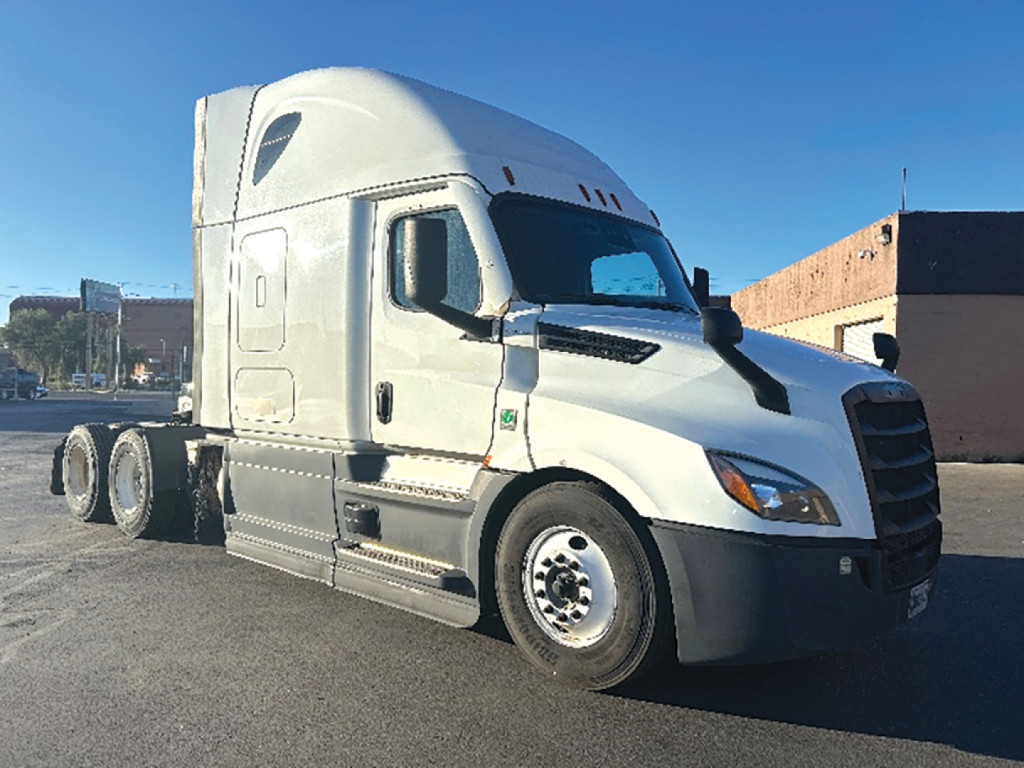
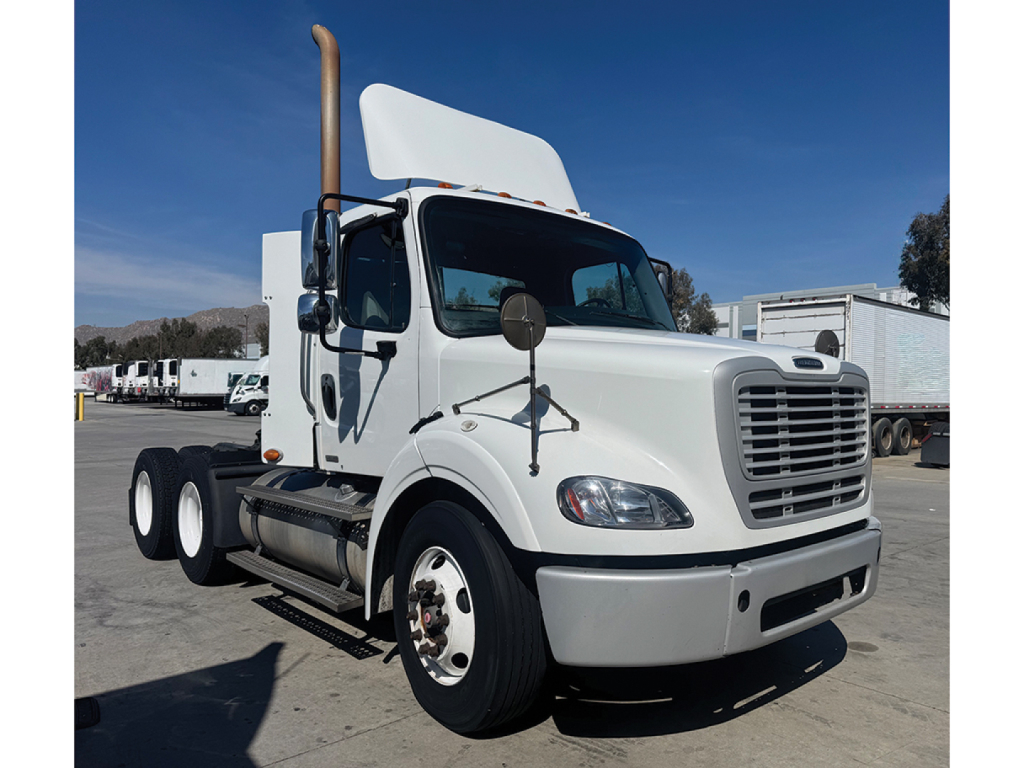
2014 Freightliner M2 112
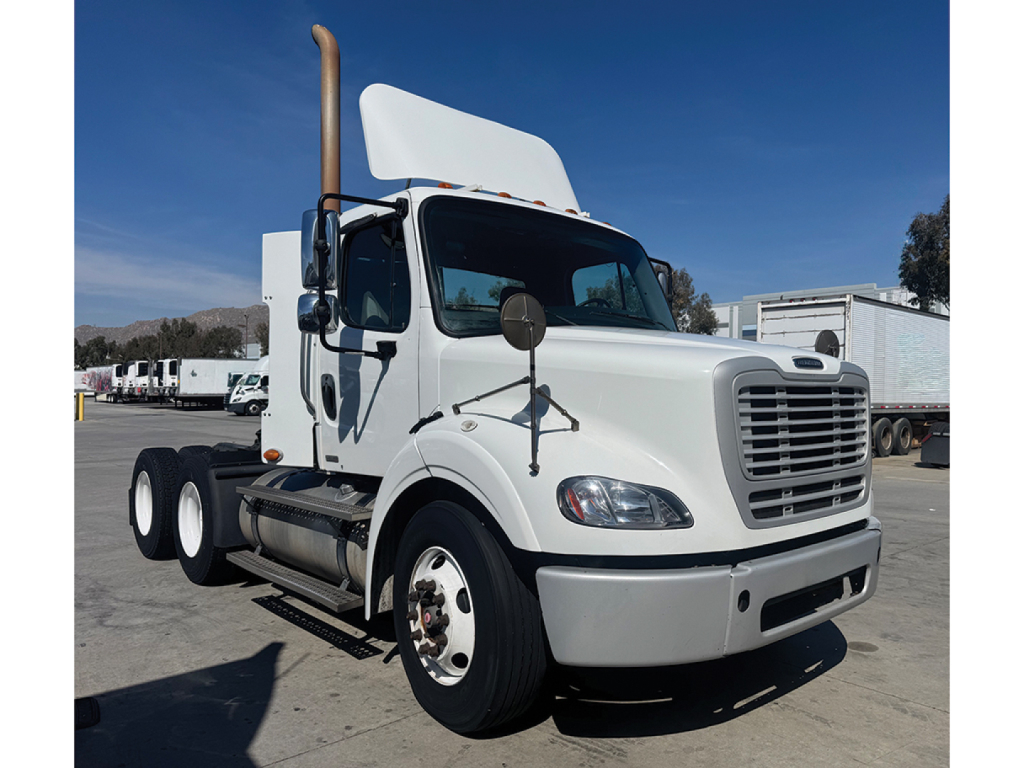
2014 Freightliner M2 112
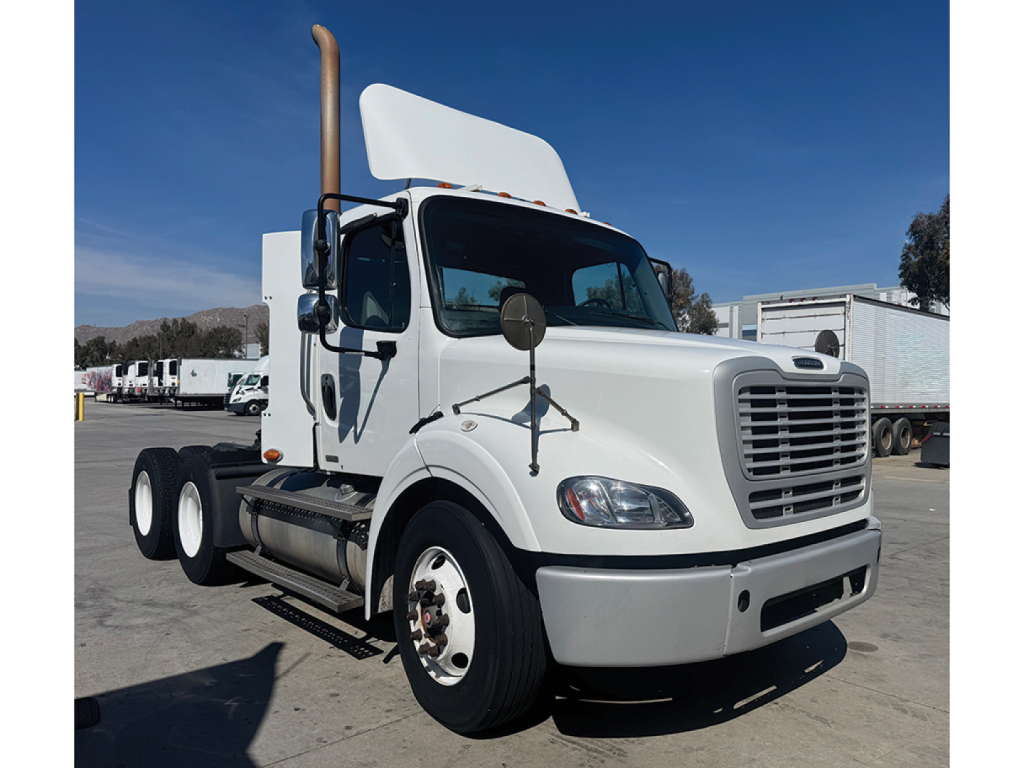
2014 Freightliner M2 112
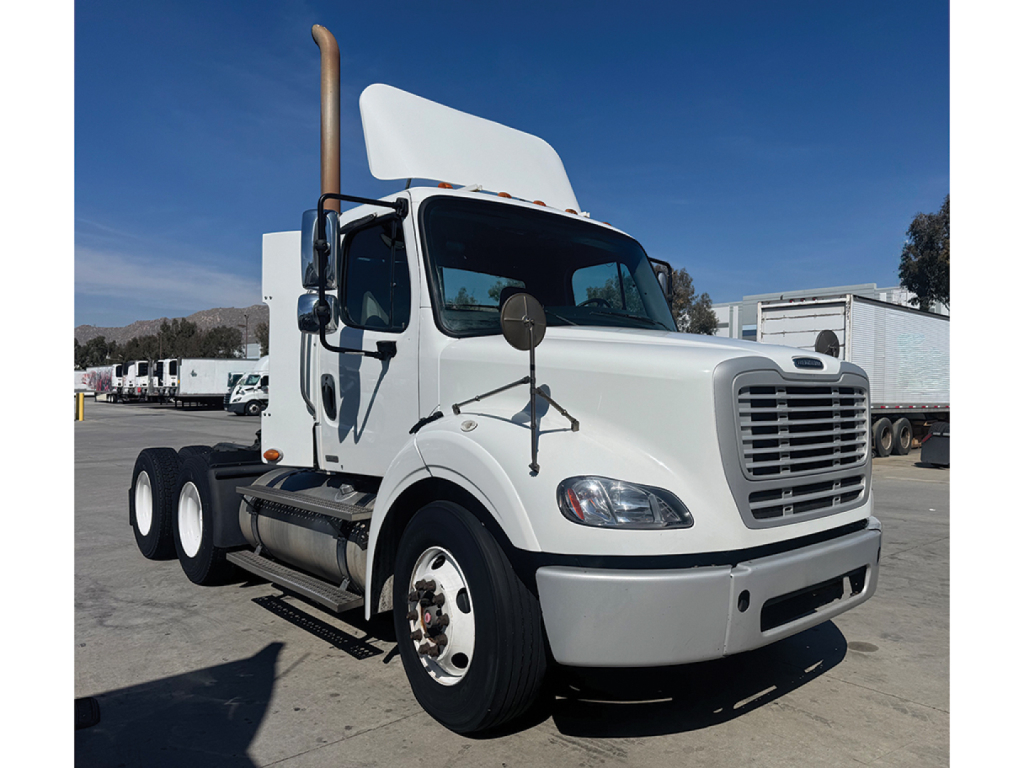
2014 Freightliner M2 112
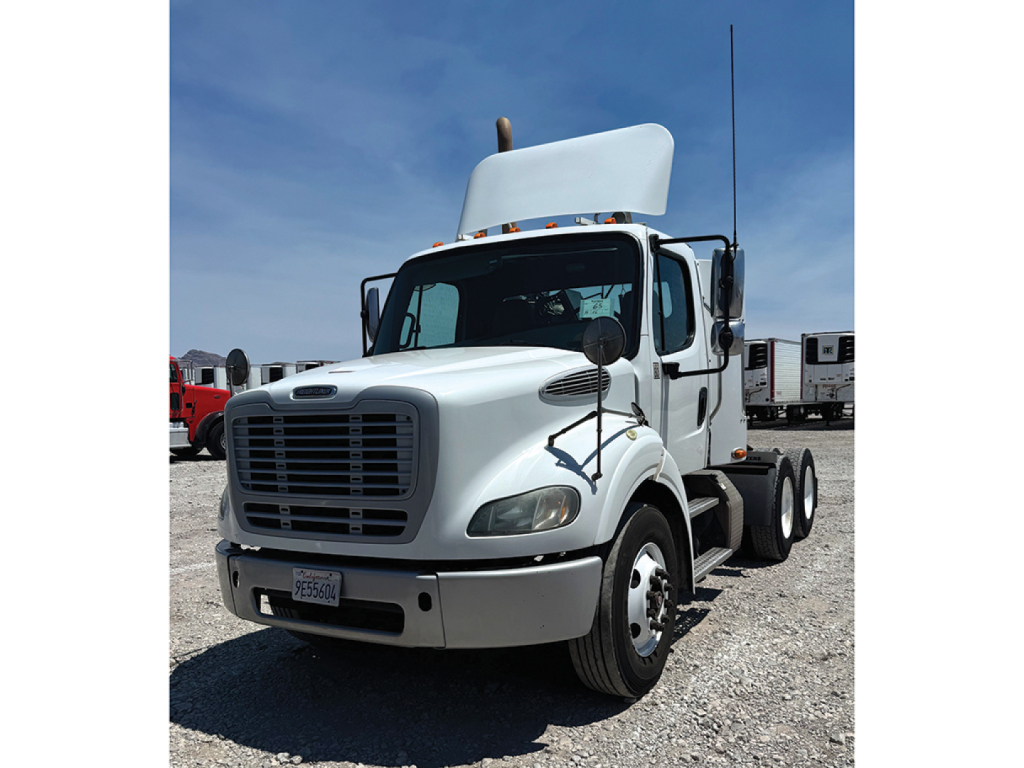
2013 Freightliner M2 112
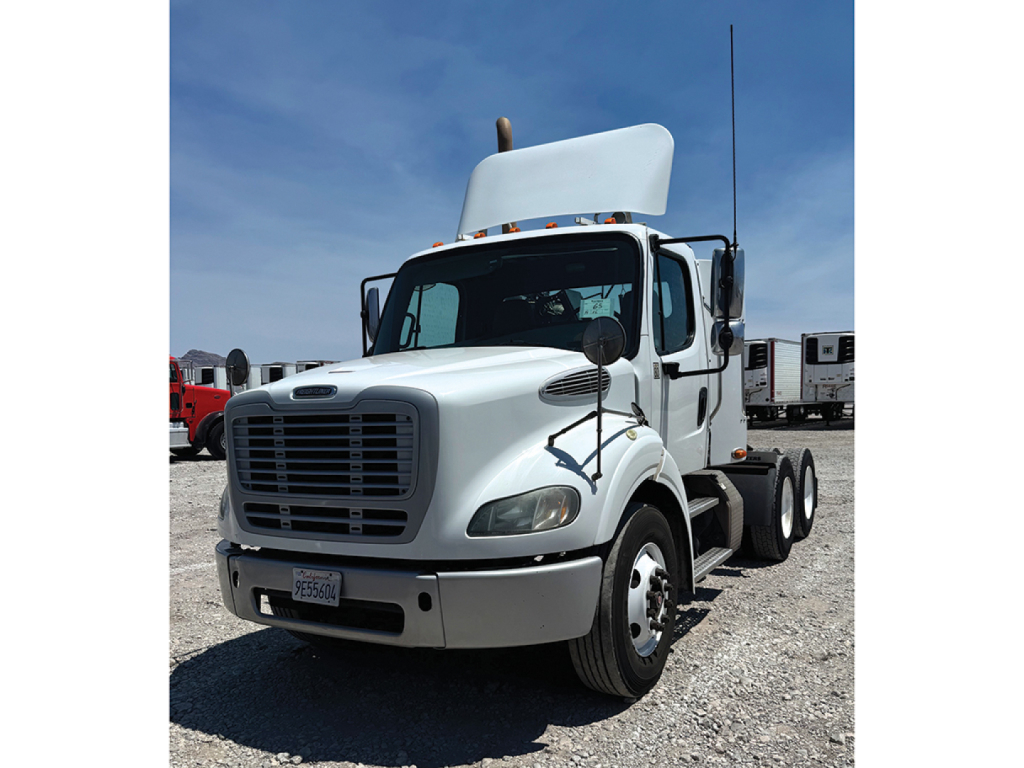
2013 Freightliner M2 112
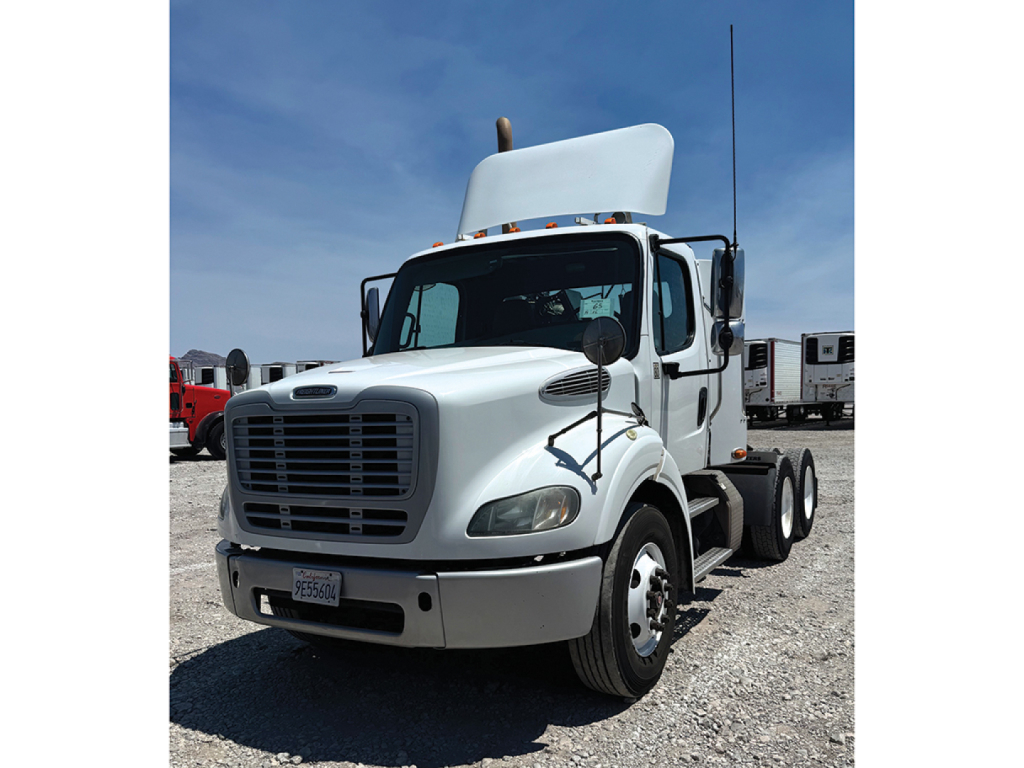
2013 Freightliner M2 112
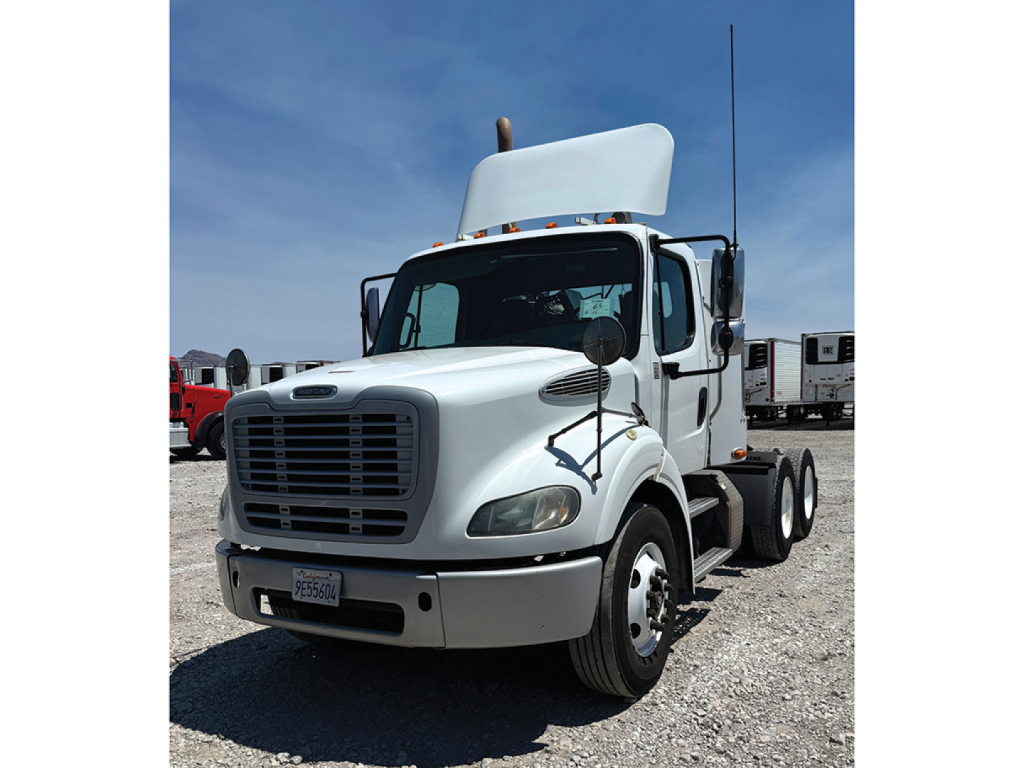
2013 Freightliner M2 112
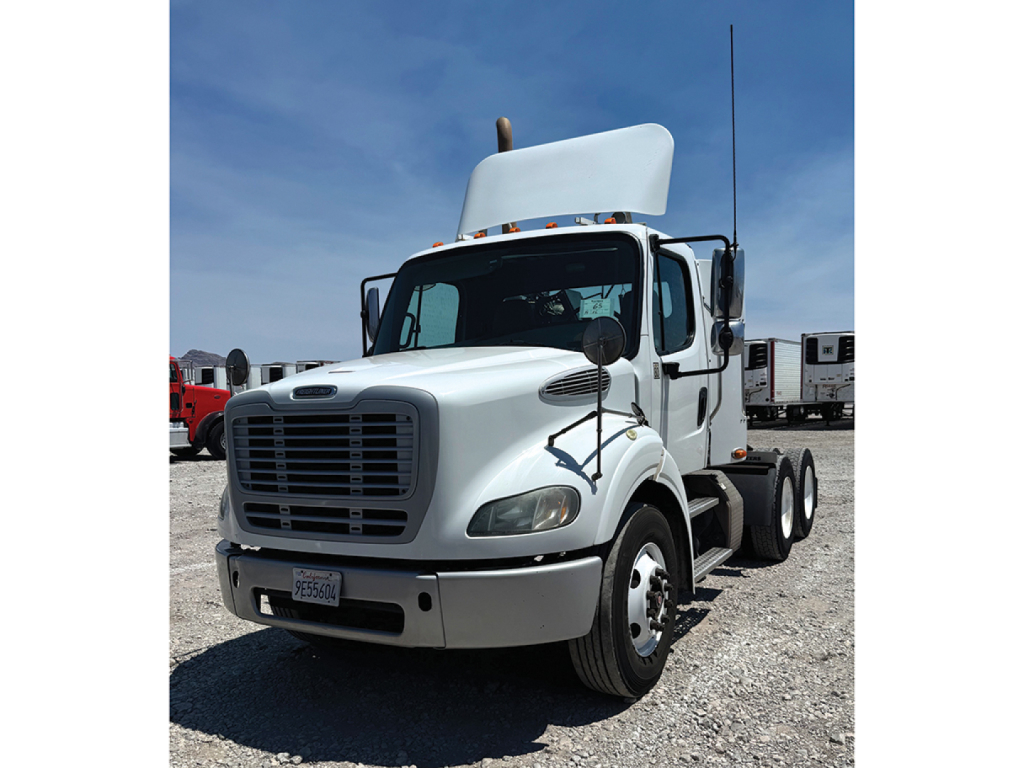
2013 Freightliner M2 112
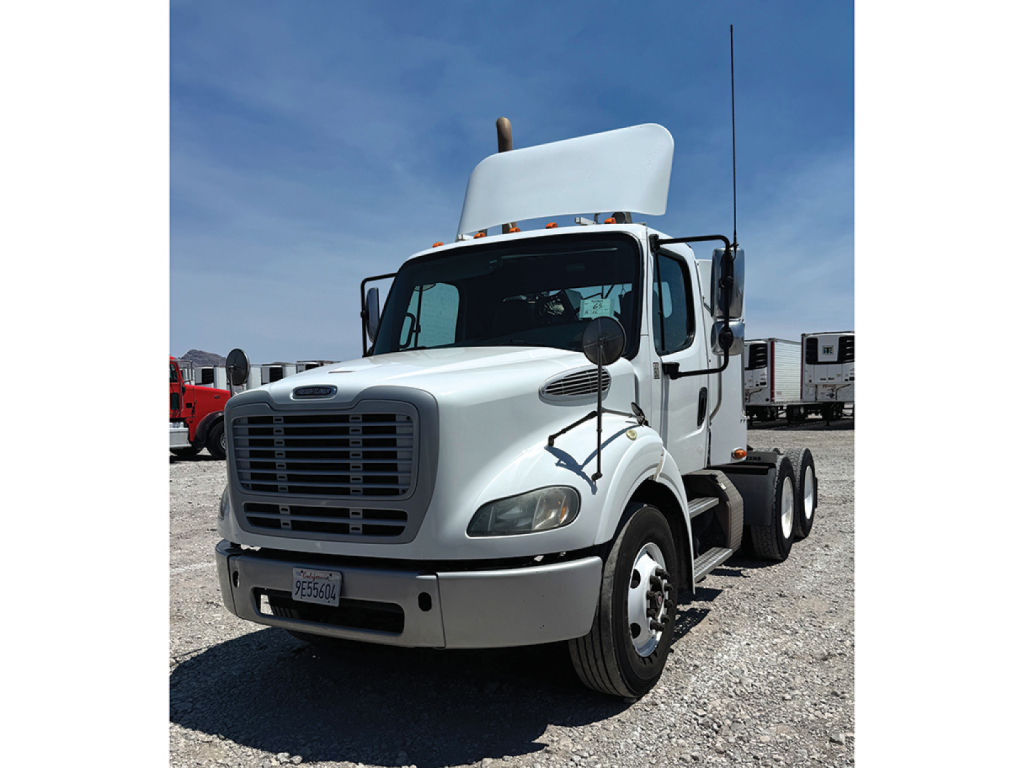
2013 Freightliner M2 112
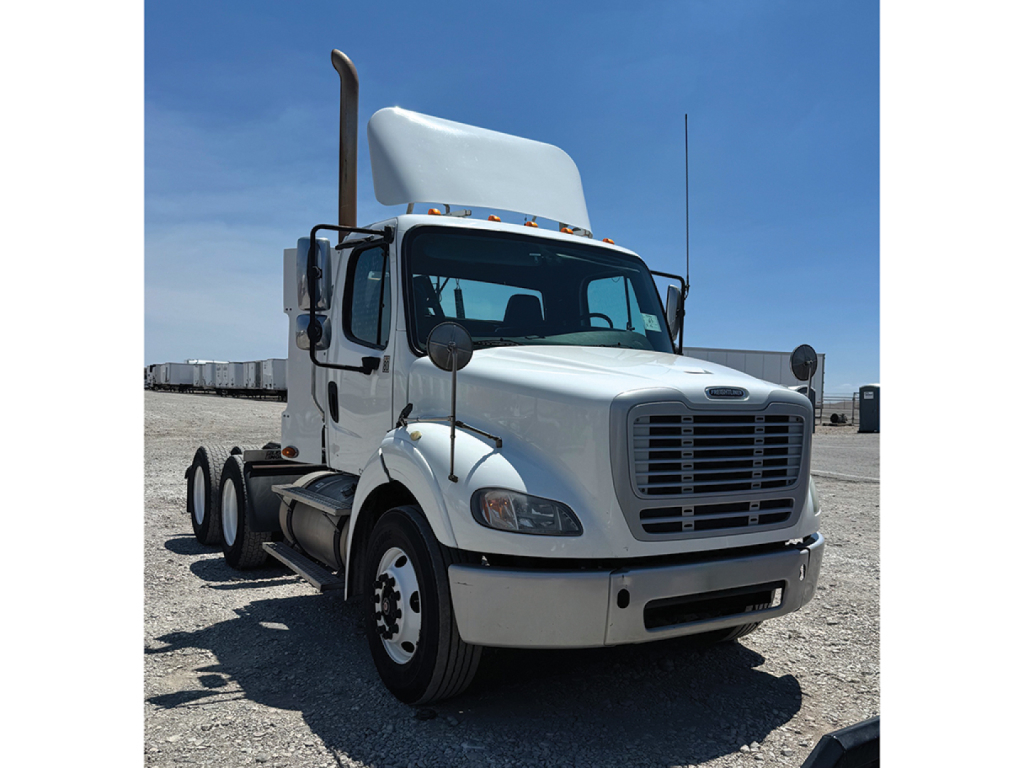
2012 Freightliner M2 112
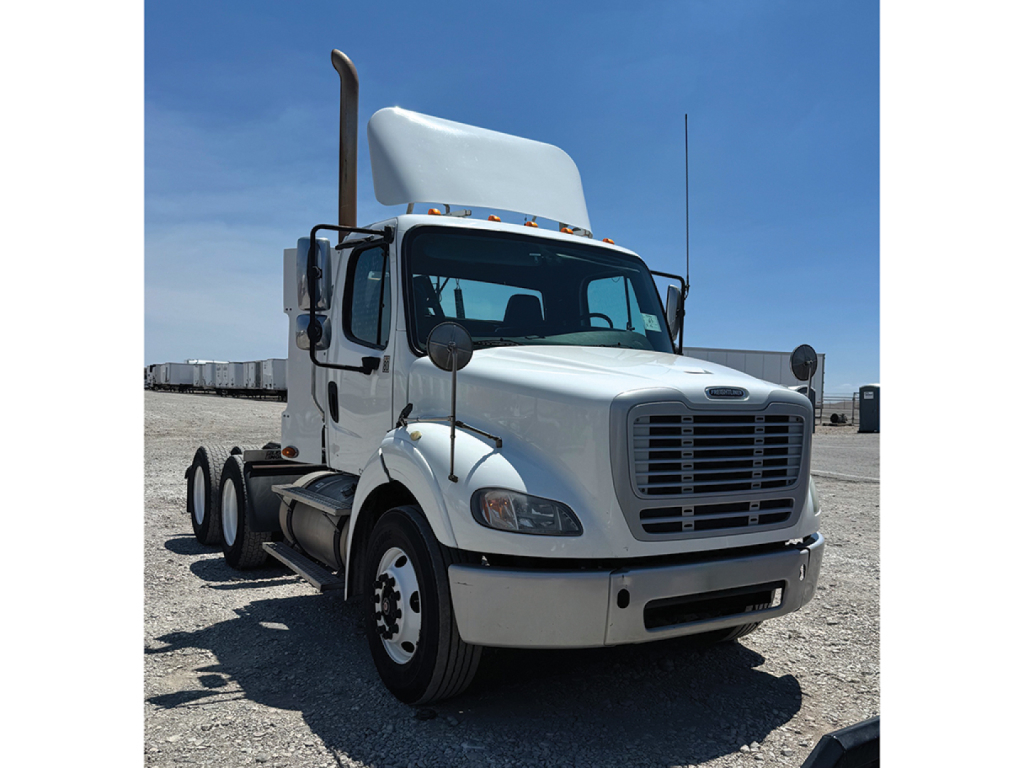
2012 Freightliner M2 112
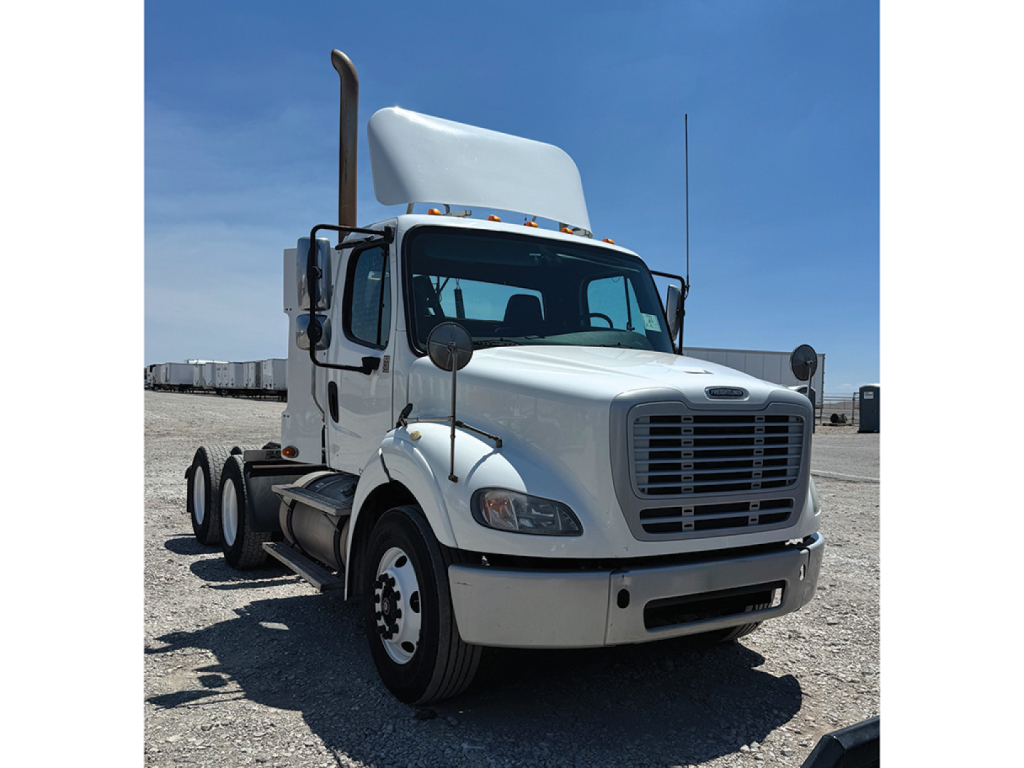
2012 Freightliner M2 112
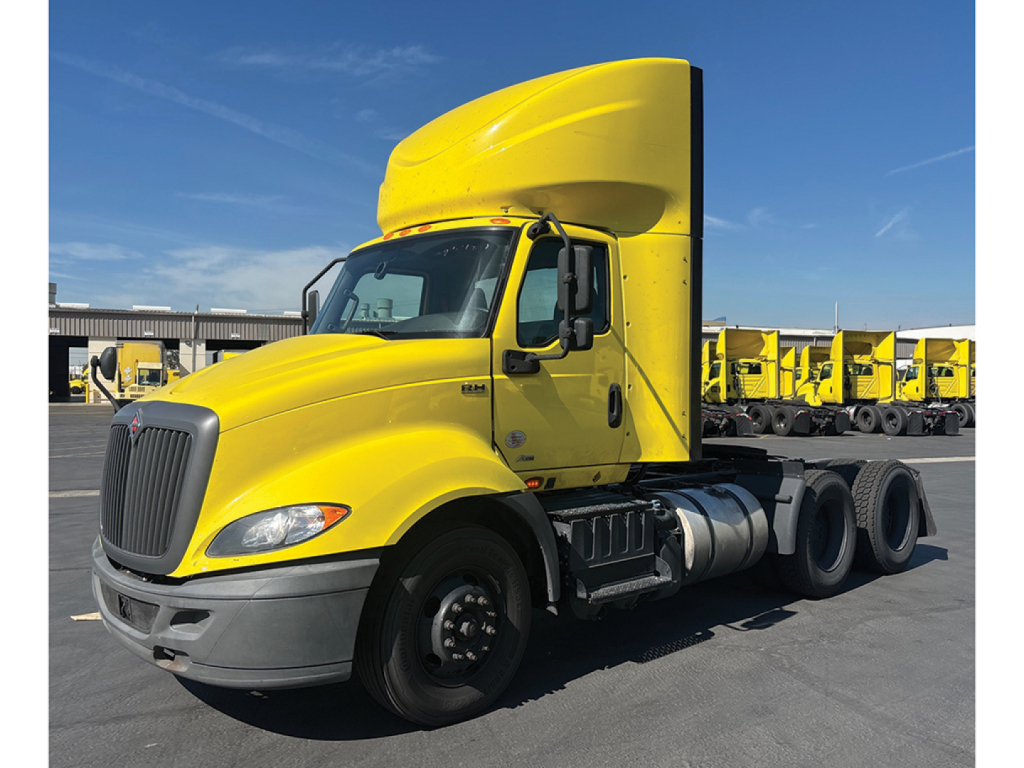
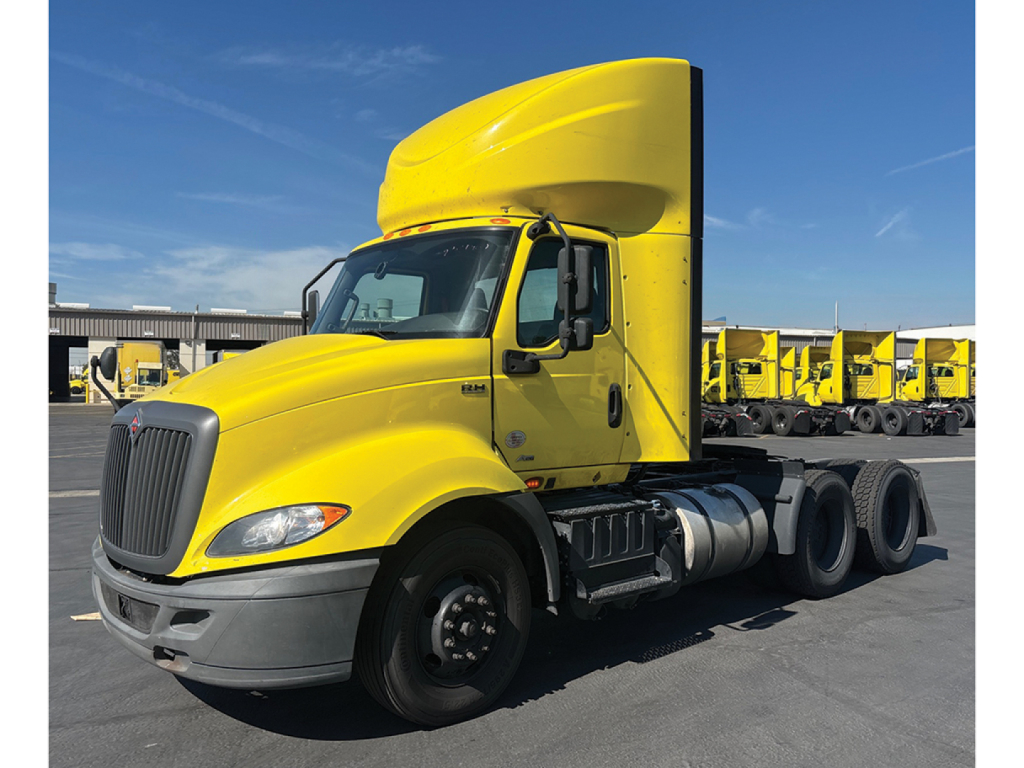
Showing 49 to 72 of 128 results
Have used truck to sell? List it here to reach thousands of buyers.
Used Trucks in Nevada
Nevada operating conditions make cooling system health, APU history, bunk HVAC performance, and tire condition especially important on used trucks. Trucks that have spent time running through Las Vegas, Reno, desert corridors, and long interstate stretches often accumulate steady highway miles, which can be easier on some components than stop-and-go urban work, but heat and elevation still affect radiators, charge air coolers, seals, hoses, and aftertreatment performance. For sleeper tractors, fuel capacity, fairings, wheelbase, and sleeper configuration deserve close attention. Double-bunk raised-roof sleepers, 6x4 tandem axle setups, air ride suspension, and 22.5-inch wheel and tire packages are all common specifications in this segment.
A serious buyer should compare more than model year and odometer. Engine brake function, DPF and SCR service records, clutch or automated transmission calibration history, suspension wear, brake percentages, steer axle condition, and frame integrity all tell a more complete story. On used highway trucks, a clean cab interior, intact fairings, even tire wear, and consistent service documentation often indicate better overall fleet maintenance. If the truck is spec'd for 80,000-pound GVW operation, confirm axle ratings, fifth wheel condition, and fuel tank configuration match the lanes and trailer types you plan to run.
The strongest value in a used truck usually comes from matching the spec to the job. A 450 HP sleeper with tandem drive axles and a 10-speed or automated transmission fits general freight and dry van work well, while a 13-speed may make more sense for heavier western grades or specialized hauling. In Nevada, buyers often prioritize dependable emissions performance, strong air conditioning, and a sleeper layout that supports longer runs between markets. A well-matched used truck can lower acquisition cost without giving up the core specs needed for reliable commercial service.
Frequently Asked Questions about Used Trucks in Nevada
What should I inspect first when buying a used truck in Nevada?
Start with the drivetrain, cooling system, aftertreatment, and cab climate systems. Nevada heat puts extra stress on radiators, charge air coolers, hoses, belts, A/C components, and emissions equipment. Review service records for DPF cleanings, SCR repairs, injector work, transmission service, and brake maintenance. Then verify tire wear, suspension condition, frame straightness, and signs of oil or coolant leaks.
Are sleeper trucks the most common used truck type in Nevada?
Sleeper tractors are very common in Nevada because the state sits on major western freight corridors and supports long-haul and regional operations. Conventional sleeper trucks are popular for dry van, reefer, and general freight applications. Day cabs, dump trucks, and other vocational trucks are also part of the market, but sleeper tractors are often the dominant category in used highway inventory.
Is an automatic or manual transmission better in a used truck?
It depends on route profile, driver preference, and maintenance history. Automated manual transmissions are common in newer highway trucks because they simplify driver training and can improve consistency in fuel economy. Manual 10-speed and 13-speed transmissions still appeal to buyers who want direct control, simpler troubleshooting in some cases, and better flexibility for steep grades or specialized hauling. Condition and service history matter more than transmission type alone.
What engine and axle specs are common on used highway trucks?
Many used highway tractors are spec'd with 400 to 500 horsepower engines, tandem drive axles, and 6x4 axle configurations for standard 80,000-pound GCW operation. Common pairings include Cummins, Detroit, Volvo, and Paccar engines with Eaton-Fuller manual or automated transmissions. Fuel capacity, wheelbase, rear axle ratio, and sleeper size vary by original fleet application, so buyers should match those specs to the freight and terrain they run.
How important are service records on a used truck?
Service records are one of the clearest indicators of how a used truck was maintained. Documentation for preventive maintenance, emissions repairs, overhead adjustments, clutch or transmission work, brake service, and tire replacement helps confirm the truck was not run to failure. Records also make it easier to forecast near-term costs and determine whether the asking price reflects the truck's real operating condition.