
Used 2023 Commercial Trucks For Sale in Nevada
Browse used 2023 trucks for sale in Nevada, including straight trucks, day cabs, dump trucks, and medium-duty to heavy-duty commercial units.
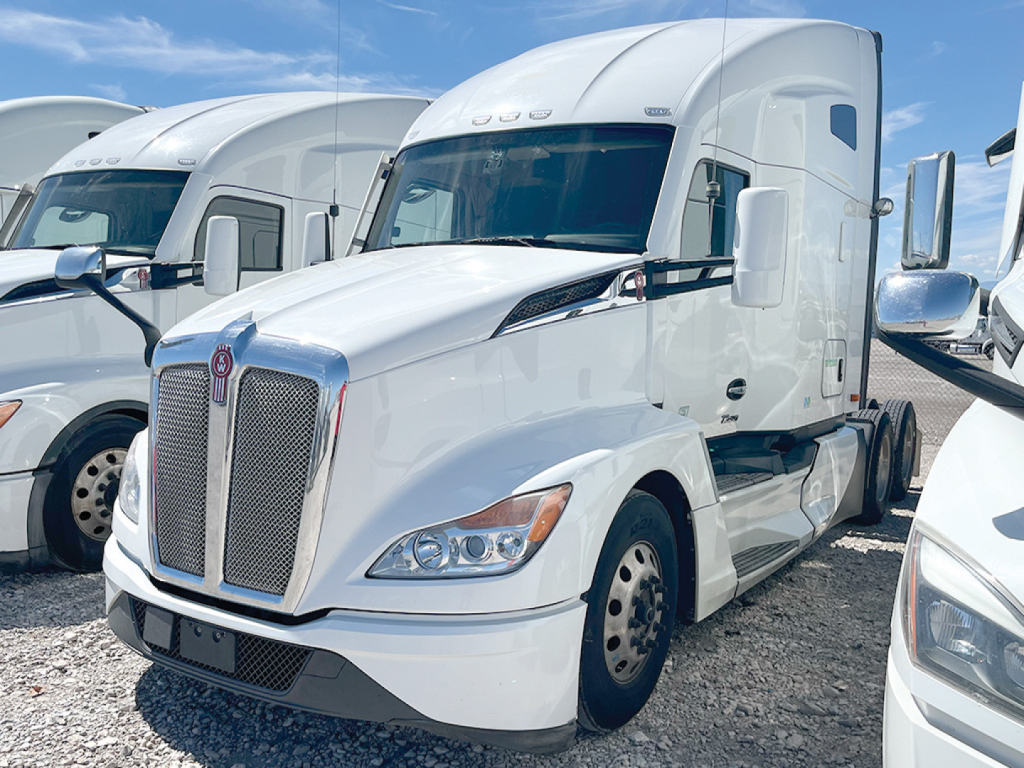
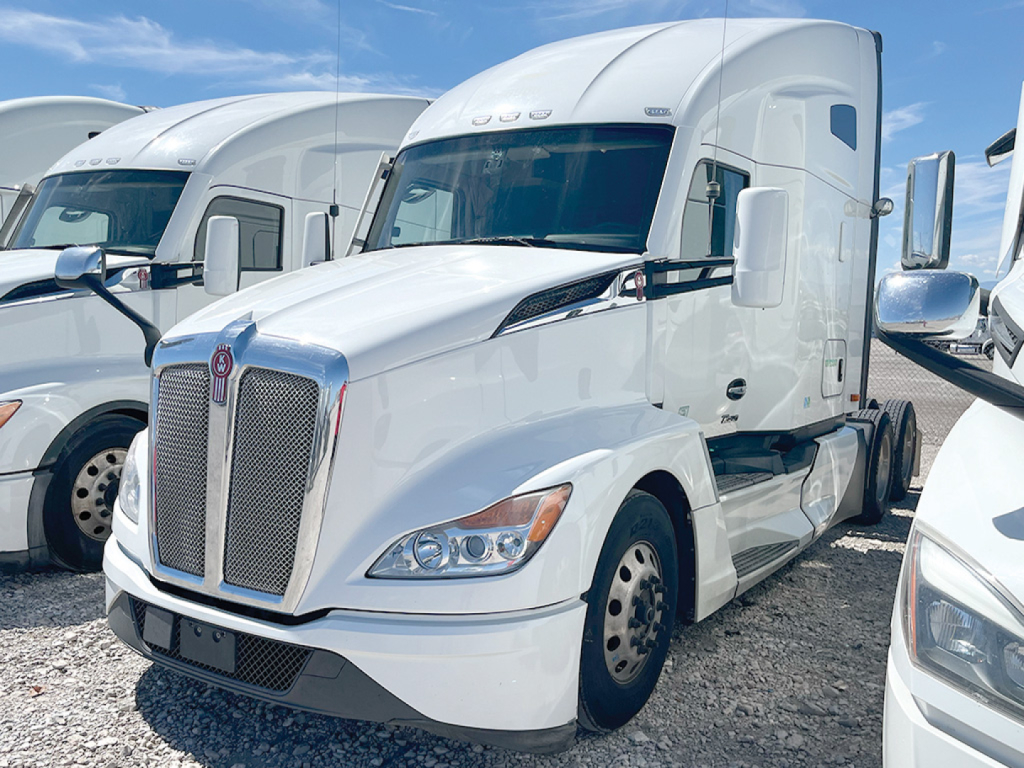
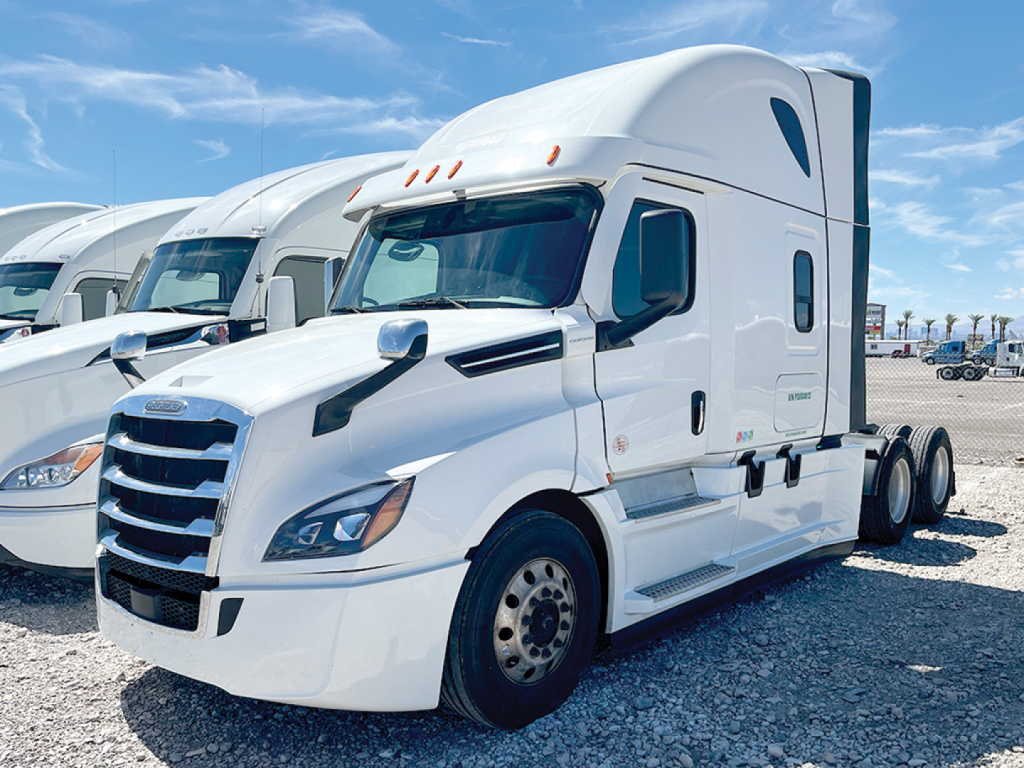
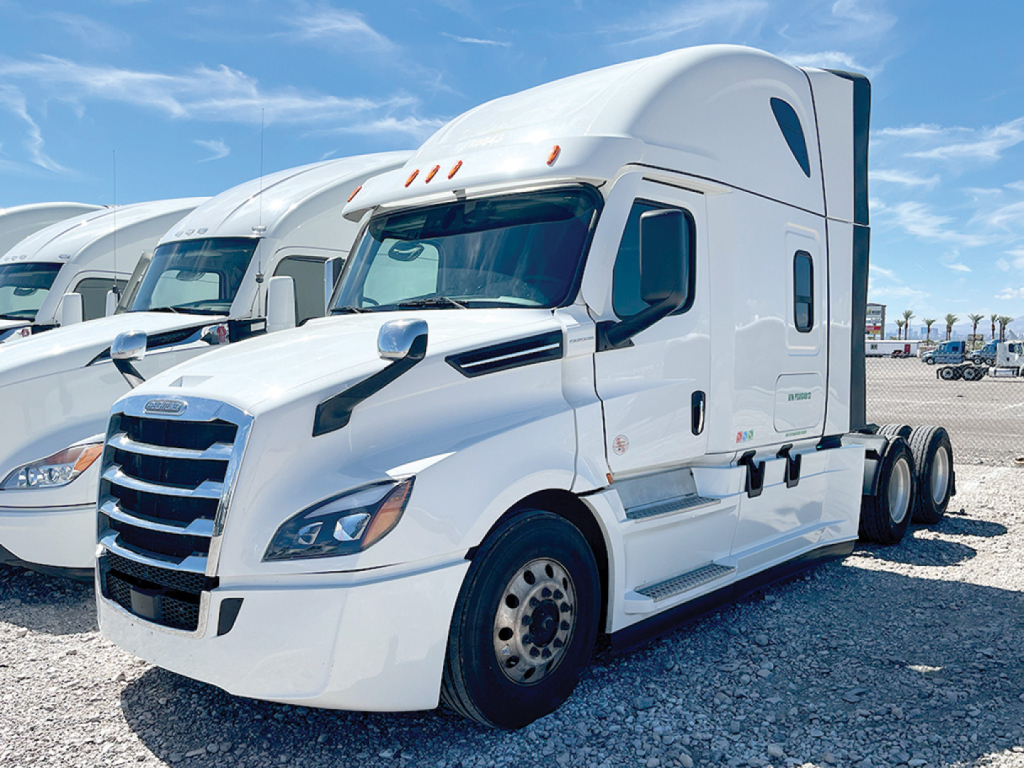
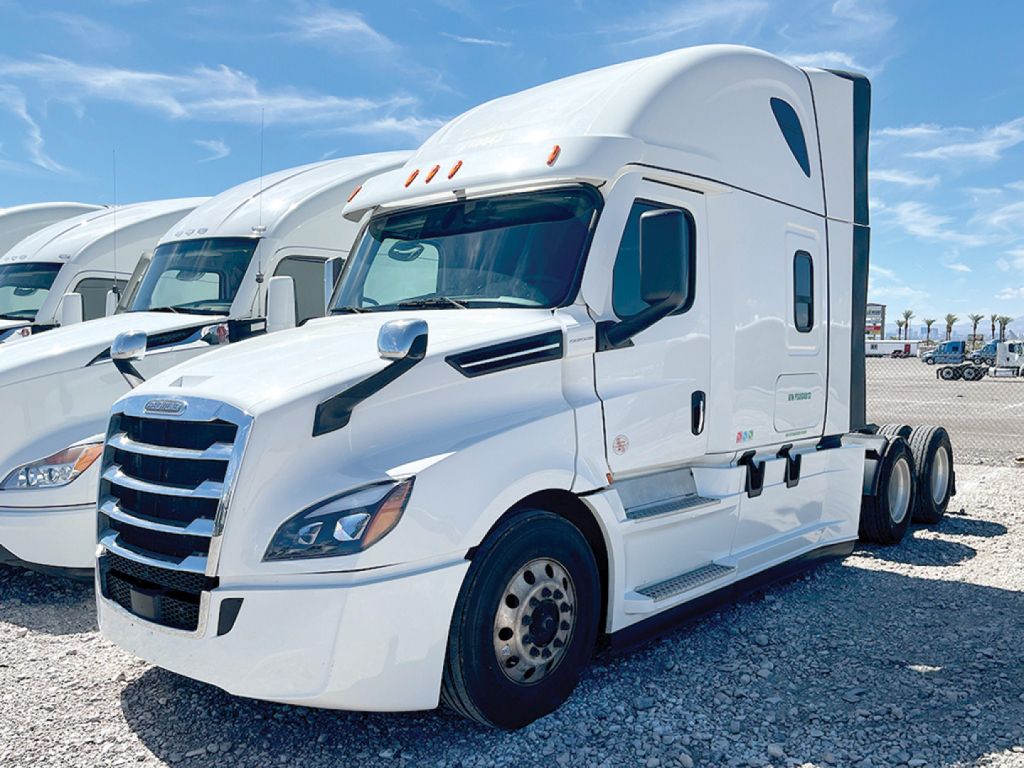
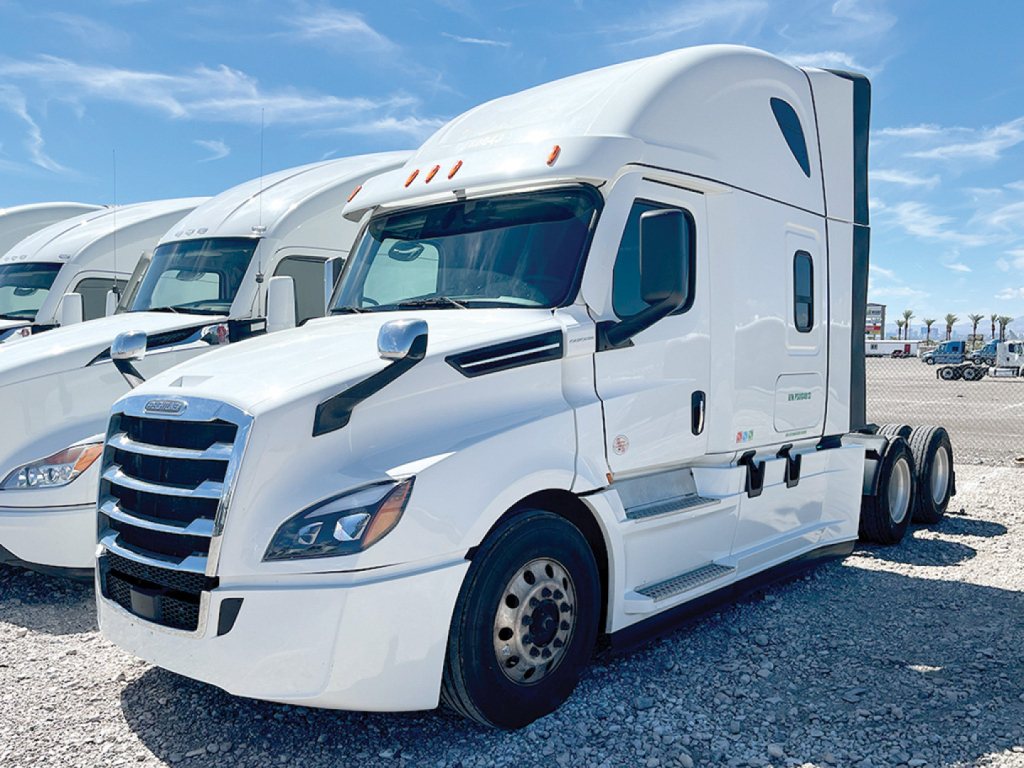

Looking for the easiest place to sell your used 2023 commercial truck? List it here to reach thousands of buyers.
Used 2023 Commercial Trucks in Nevada
In Nevada, spec matters because operating conditions vary fast. Las Vegas metro routes, long desert stretches, steep grades, and high ambient temperatures all put pressure on cooling systems, brakes, tire condition, and driveline setup. Buyers should pay close attention to engine rating, transmission type, rear axle ratio, suspension, wheelbase, and axle capacity. Medium-duty straight trucks commonly show up with engines in the 200 to 330 horsepower range, Allison automatic transmissions, single rear axles, and van bodies with E-track, scuff liners, liftgates, or roll-up doors. Heavy-duty trucks used for tractor or vocational work may carry 350 to 565 horsepower, tandem or tri-axle setups, locking differentials, PTO provisions, and heavier front axle ratings for severe-duty service.
Body and chassis configuration should be matched closely to the job. A conventional day cab, also known as a non-sleeper tractor, is a practical choice for local and regional work where payload, maneuverability, and visibility matter more than bunk space. Straight trucks with van bodies are common in beverage, parcel, moving, and route-delivery operations, and buyers should verify box length, door opening, floor type, cargo control, and liftgate capacity. Dump trucks and other vocational models require a closer look at body construction, hoist type, pusher or tag axle equipment, tarp systems, PTO operation, and frame condition. On any used 2023 truck, service history, emissions warranty status, brake type, tire date codes, and electronic fault records can be just as important as the badge on the hood.
A newer used truck should also be evaluated for total operating cost, not just purchase price. Check for aftertreatment service records, idle hours versus road miles, telematics availability, and signs of severe stop-and-go or off-road use. In Nevada, air conditioning performance, cooling package condition, and cab sealing deserve extra attention because heat exposure affects driver comfort and component life. The strongest value usually comes from a truck whose spec already fits the intended route and payload, since reworking axle ratings, gearing, body equipment, or wheelbase after purchase gets expensive quickly.
Frequently Asked Questions about Used 2023 Commercial Trucks in Nevada
What types of used 2023 trucks are commonly available in Nevada?
Used 2023 trucks in Nevada commonly include medium-duty straight trucks, box trucks, conventional day cabs, dump trucks, and other vocational chassis. The exact mix depends on local industries such as construction, delivery, municipal work, and regional freight. Buyers will often find both single-axle and tandem-axle configurations, along with automatic and manual transmissions depending on the truck’s intended application.
What should I check first on a used 2023 truck?
Start with the truck’s application-related specs: GVWR, axle ratings, wheelbase, engine horsepower, transmission, suspension, and body configuration. After that, review maintenance records, engine hours, mileage, fault codes, brake and tire condition, and emissions-system history. A truck can be low-mileage and still be a poor fit if the gearing, body, or axle setup does not match the work it will be doing.
Are used 2023 trucks a good choice for delivery and route work?
Yes, many used 2023 trucks are well suited for delivery and route work, especially medium-duty straight trucks with automatic transmissions, van bodies, liftgates, and cargo control features such as E-track and scuff liners. Newer model year trucks can offer improved driver comfort, updated safety technology, and lower average age across a fleet. The main priority is making sure the body size, payload capacity, and door or liftgate setup match the freight being handled.
How important is truck spec in Nevada operating conditions?
Truck spec is especially important in Nevada because high heat, long distances, mountain grades, and urban stop-and-go traffic can all affect performance and reliability. Cooling systems, brake condition, rear axle ratio, suspension type, and air conditioning performance should all be evaluated carefully. A truck spec’d correctly for desert and grade conditions will generally deliver better uptime and lower operating stress than one built for lighter or cooler-duty environments.
What is the difference between a day cab and a straight truck?
A day cab is a tractor without a sleeper, designed to pull a trailer using a fifth wheel, and it is common in local or regional hauling. A straight truck has the body mounted directly to the chassis, such as a box truck, stake bed, or dump body, and does not require a separate trailer for normal operation. The right choice depends on whether the job calls for trailer interchange flexibility or a self-contained cargo or vocational body.