
Used 2020 Commercial Trucks For Sale in Nevada
Browse used 2020 trucks in Nevada, including day cabs, sleepers, straight trucks, and vocational models for regional, local, or heavy-duty work.
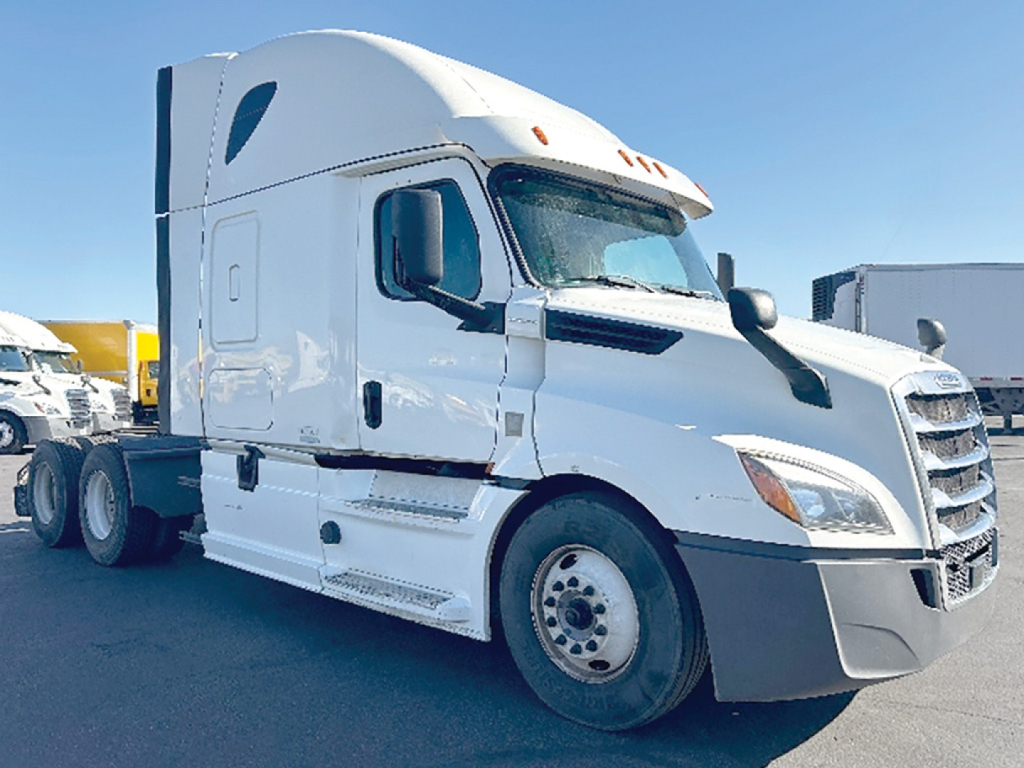
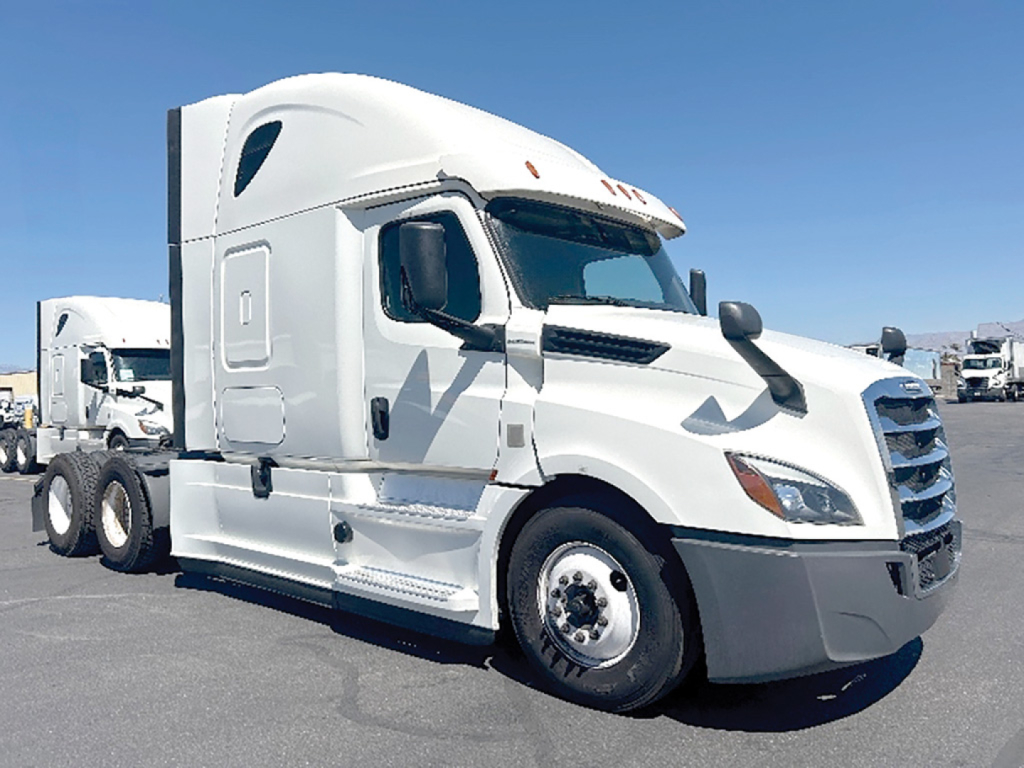
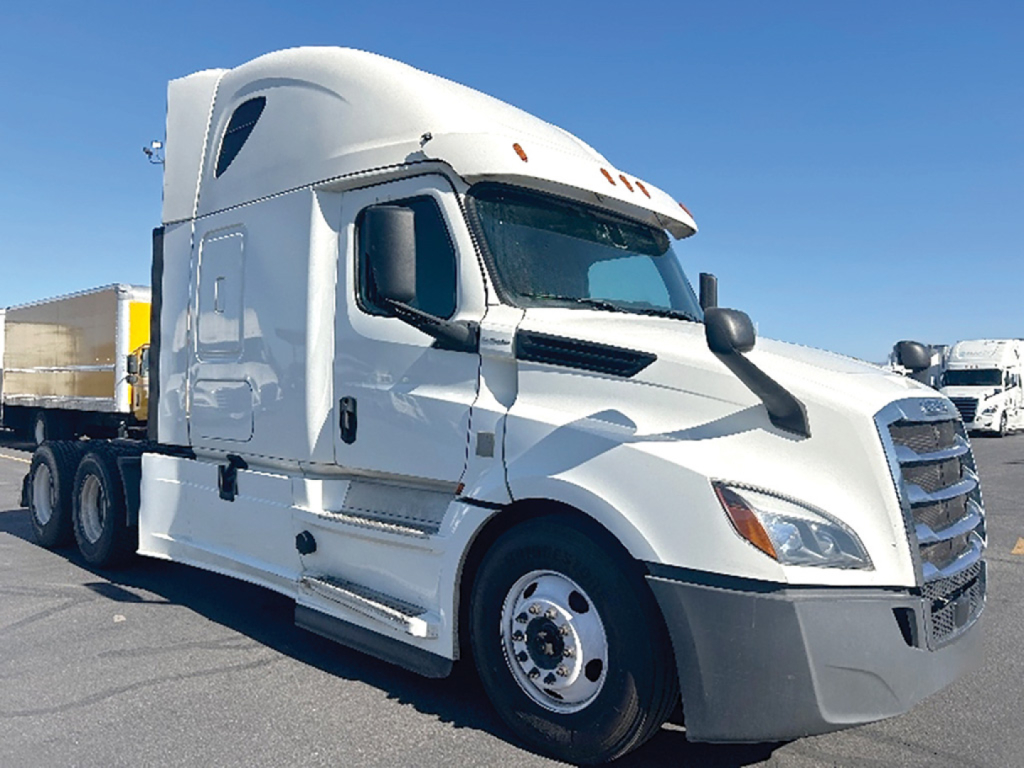
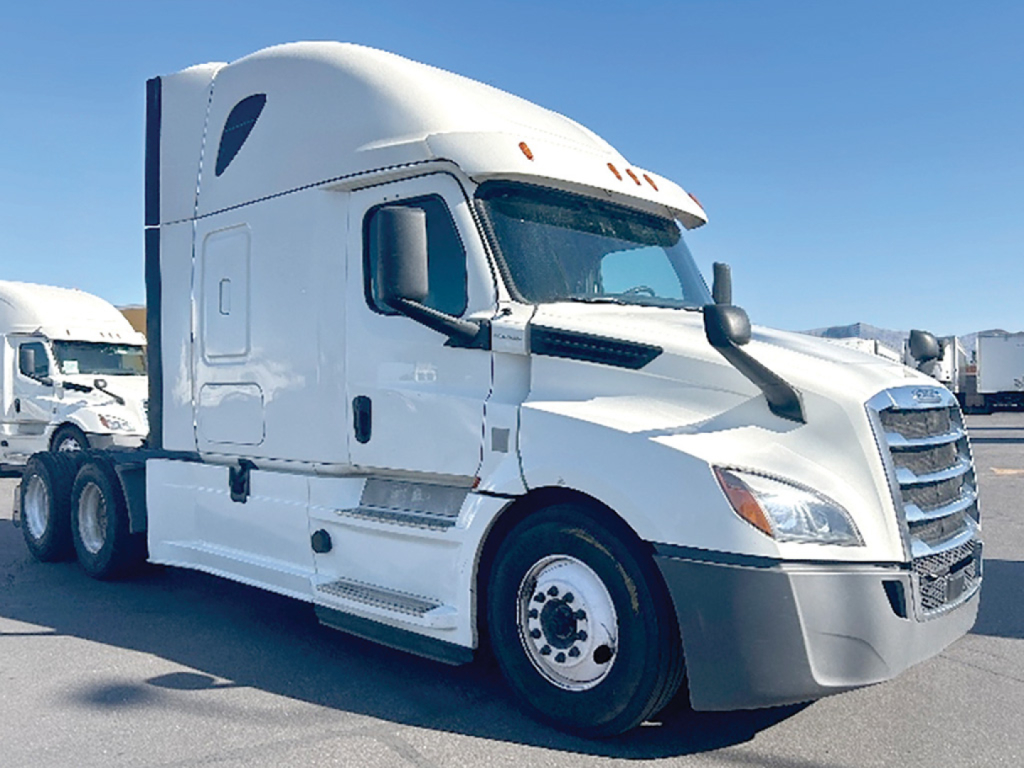
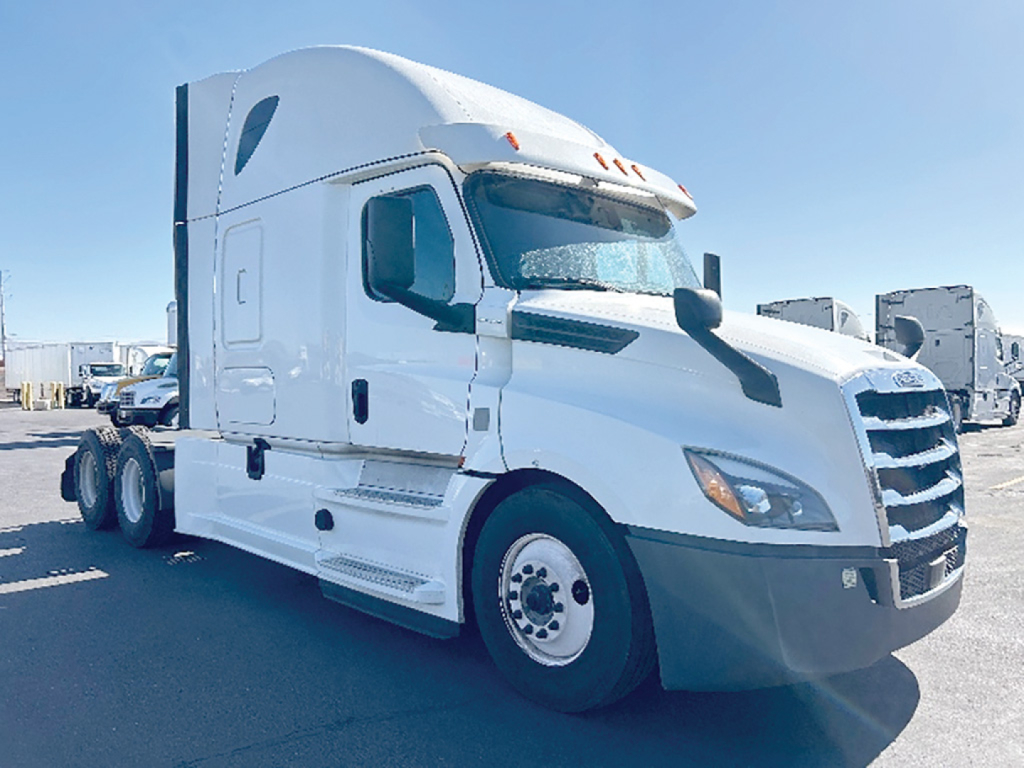
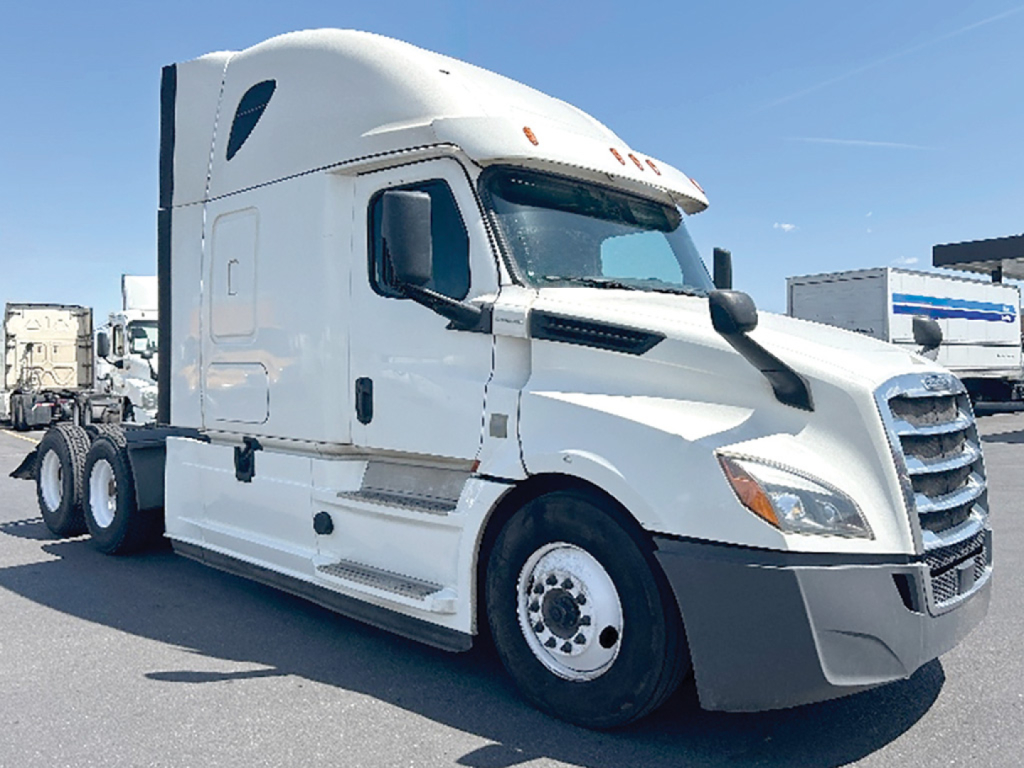
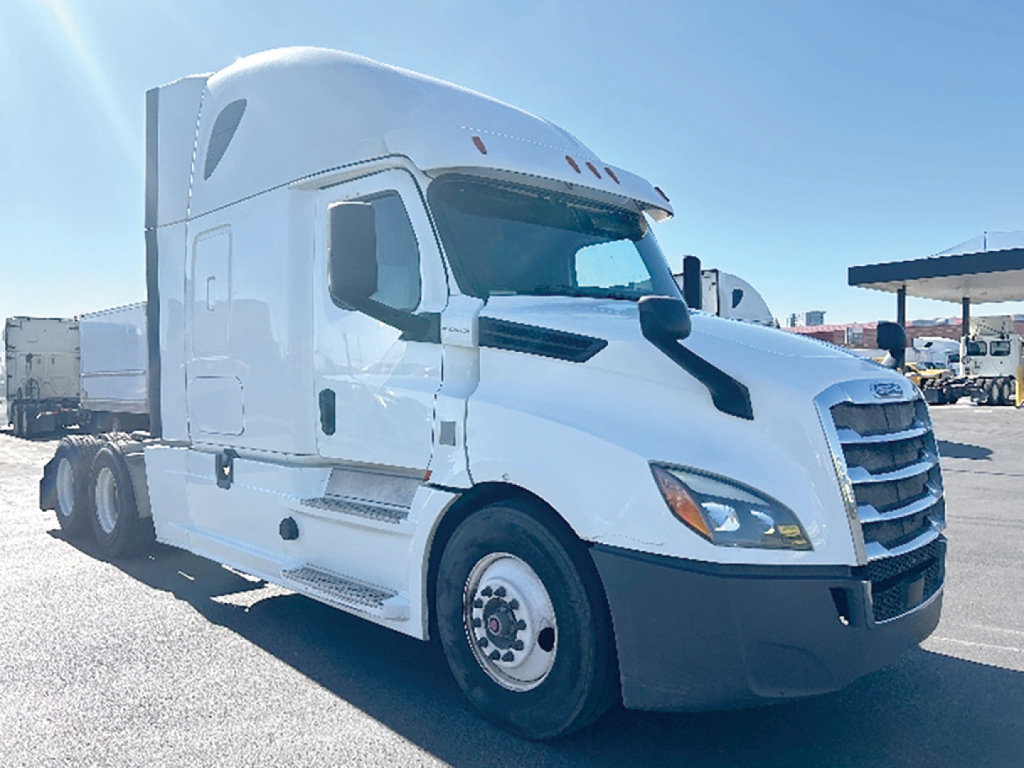
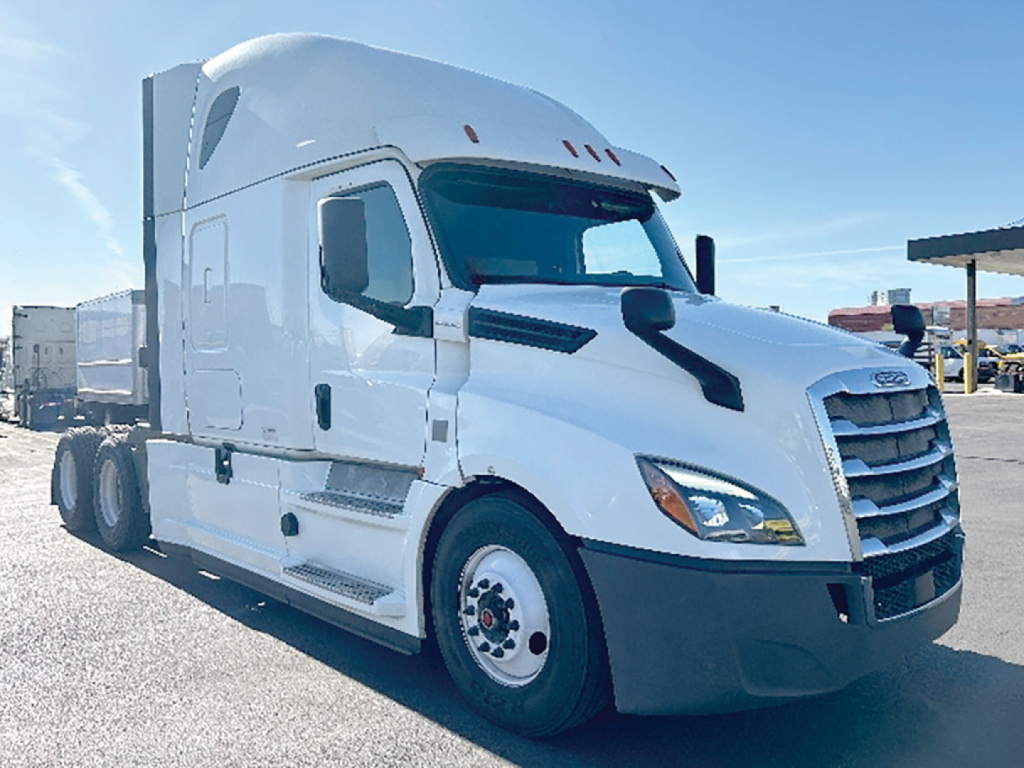

Have used 2020 commercial truck to sell? List it here to reach thousands of buyers.
Used 2020 Commercial Trucks in Nevada
The biggest buying decision is application. In this class, that can mean anything from a conventional day cab for local hauling, to a sleeper truck for long-haul freight, to a straight truck with a van body for pickup and delivery, or a vocational chassis for dump, municipal, or construction work. Highway tractors from this era often carry engines in the 400 to 500 horsepower range, tandem rears, air ride suspension, and fuel-saving rear axle ratios. Medium-duty and straight truck configurations are more likely to use engines in the 250 to 350 horsepower range, automatic transmissions such as Allison models, and single-axle setups built around maneuverability and stop-and-go service.
Nevada buyers should pay close attention to cooling performance, APU or idle management setup, tire condition, and the overall health of the aftertreatment system. Desert heat, long grades, and extended highway runs put added value on a truck with a clean radiator package, strong air conditioning, and documented DPF, SCR, and EGR service. Wheelbase, axle rating, and suspension also matter more than many first-time buyers expect. A short wheelbase day cab may be ideal for city deliveries or tanker work, while a longer wheelbase sleeper or body truck may be better suited to linehaul comfort or cube capacity. If the truck is a tractor, check kingpin settings, fifth wheel type, and fairing package. If it is a straight truck, focus on body length, floor type, door configuration, liftgate capacity, and interior equipment such as E-track and scuff liners.
Condition matters more than badge alone on a used 2020 truck. Buyers should compare engine hours to odometer miles, review transmission and differential specs, and look for signs of prior fleet maintenance versus hard vocational use. Brake type, tire size, fuel capacity, PTO provisions, and front axle rating can all change how useful the truck will be in real service. A well-matched 2020 truck can still deliver strong uptime and predictable operating costs, but the right choice comes down to duty cycle, loaded weight, terrain, and how easily the truck can be supported by shops and parts vendors in your region.
Frequently Asked Questions about Used 2020 Commercial Trucks in Nevada
What should I look for first on a used 2020 truck?
Start with the truck’s application, mileage, engine hours, and maintenance records. A 2020 truck can still have a lot of useful life left, but the value depends on how it was spec'd and how it was maintained. Confirm the engine, transmission, axle ratio, suspension, and wheelbase fit your freight or vocational work. After that, inspect the emissions system, cooling system, brakes, tires, and any body or frame modifications.
Are 2020 trucks a good value compared with newer models?
For many buyers, yes. A used 2020 truck often delivers updated driveline technology, better driver amenities, and modern emissions equipment at a lower purchase price than a near-new unit. It can be a strong value for fleets trying to control capital cost while still running equipment that feels current to drivers and meets most shipper and customer expectations. The key is making sure the truck’s condition supports the price.
What truck specs matter most for Nevada operation?
Cooling capacity, air conditioning performance, aftertreatment health, and gearing are especially important in Nevada. Long highway stretches, mountain grades, and high ambient temperatures can expose weaknesses in radiators, charge air coolers, and DEF or DPF systems. Tire selection, fuel range, and engine brake performance also matter if the truck will run regional mountain corridors or desert routes with wide temperature swings.
Is a day cab, sleeper, or straight truck better for a 2020 used truck purchase?
That depends entirely on the job. A day cab is usually the right fit for local and regional tractor work where maneuverability and lower tare weight matter. A sleeper is better for over-the-road operations that require driver comfort, onboard storage, and longer dwell times. A straight truck is often the better tool for final-mile, route delivery, moving, service body, or specialized body applications where the truck and cargo box need to function as one unit.
How important are axle ratio and transmission choice on a used 2020 truck?
They are critical because they directly affect fuel economy, launch performance, gradeability, and driver acceptance. A taller rear axle ratio can improve fuel economy on highway trucks but may feel sluggish in heavy or vocational service. An Allison automatic is often preferred for stop-and-go, PTO, and medium-duty applications, while an automated manual is common on highway tractors. The right combination should match gross weight, terrain, average speed, and loading pattern.