
Used 2020 Freightliner Trucks For Sale in Nevada
Browse used 2020 Freightliner trucks in Nevada, including Cascadia and M2 models with Detroit powertrains for regional, local, and OTR work.
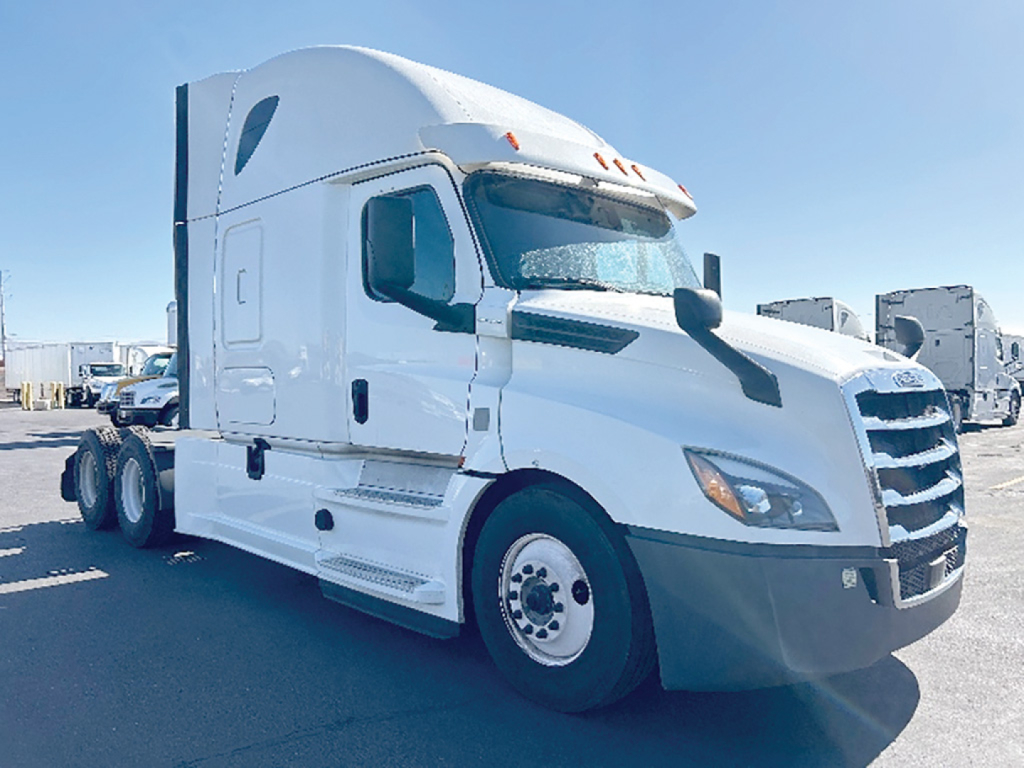
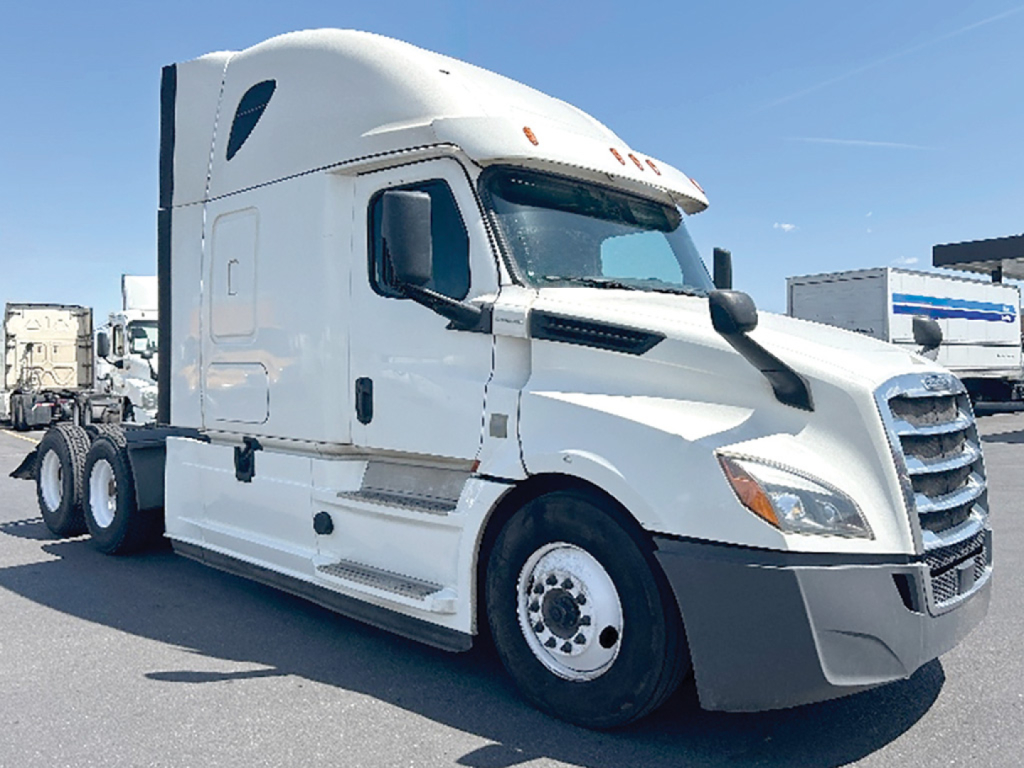
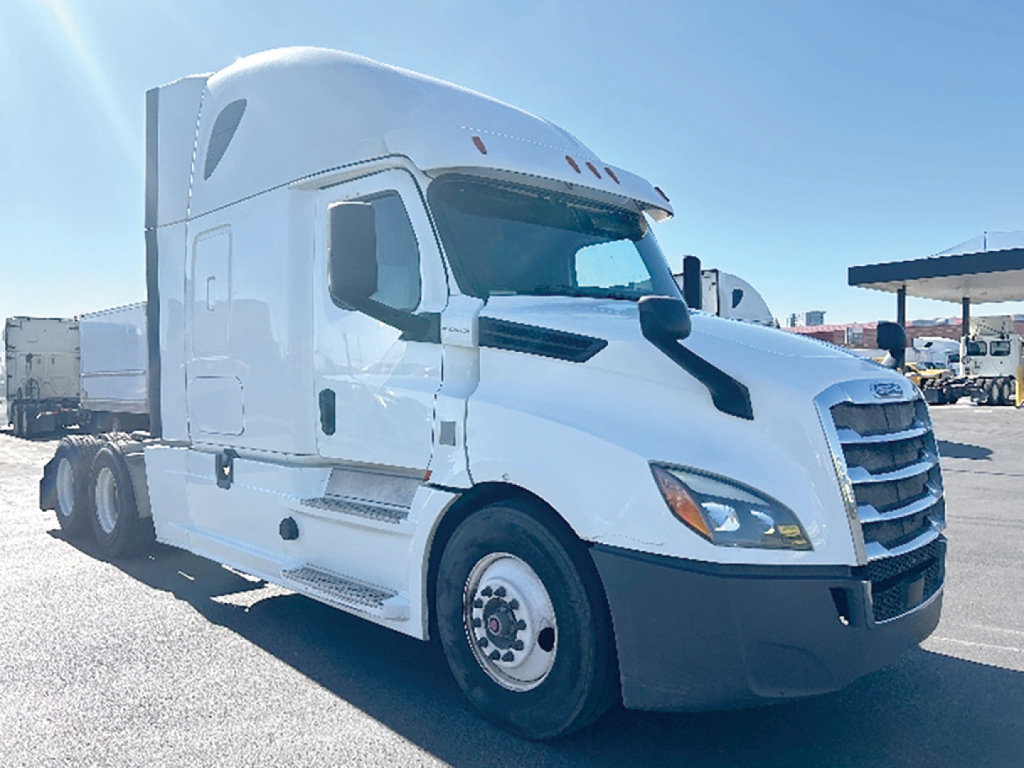
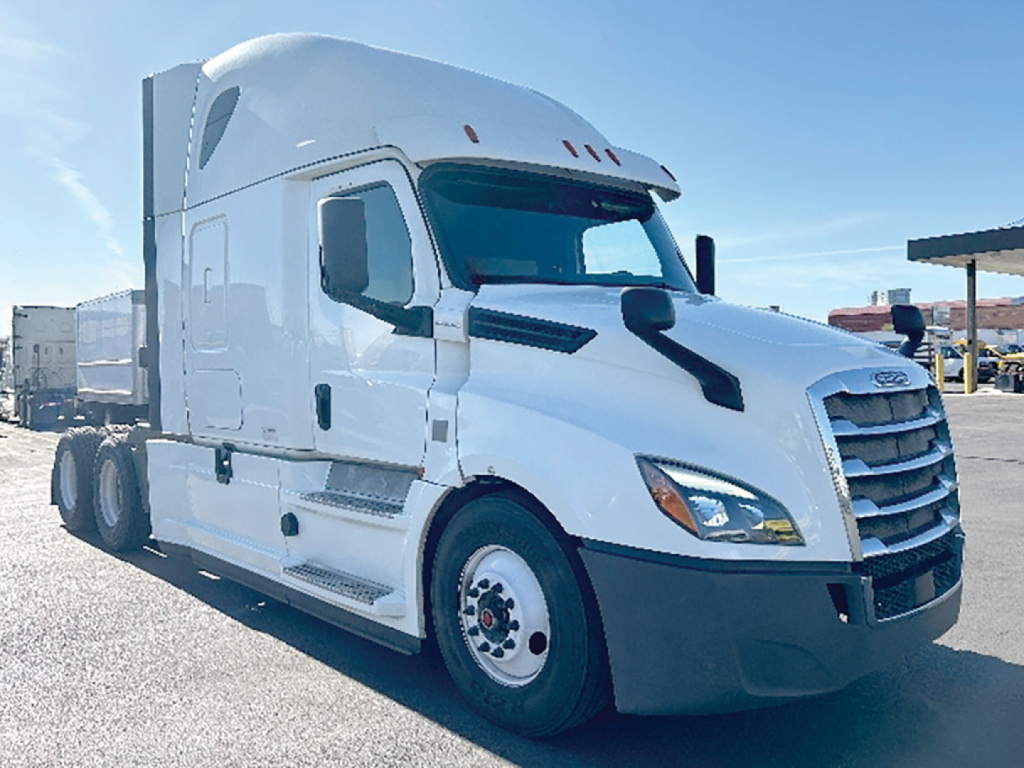

Have used 2020 freightliner truck to sell? List it here to reach thousands of buyers.
Used 2020 Freightliner Trucks in Nevada
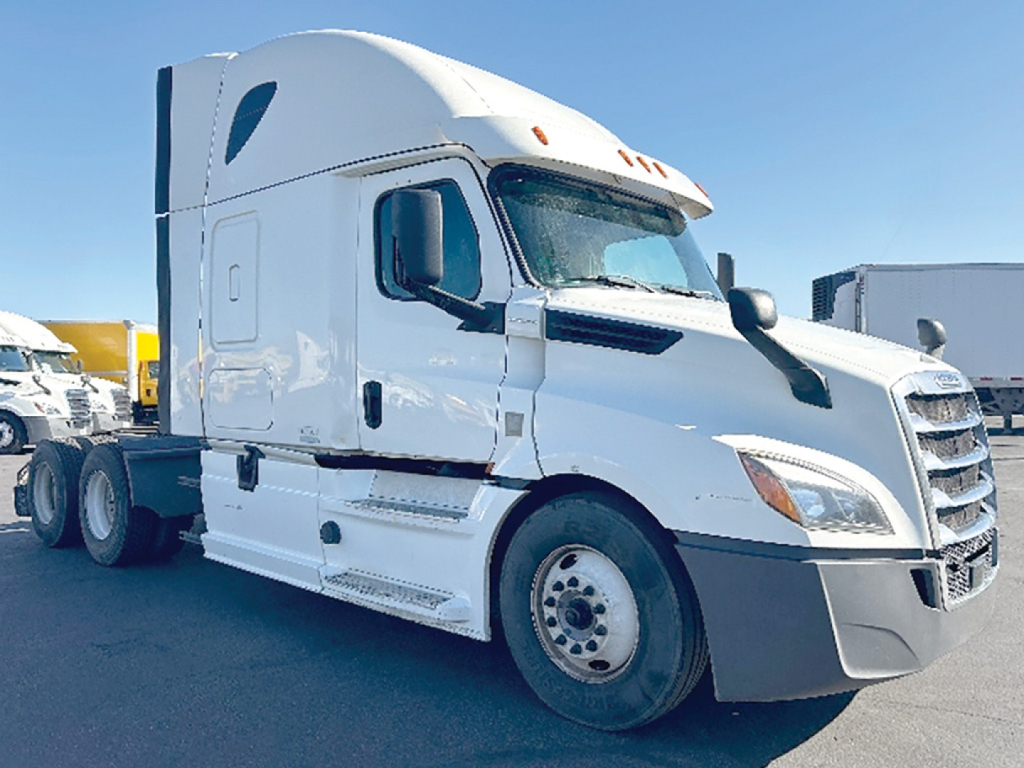
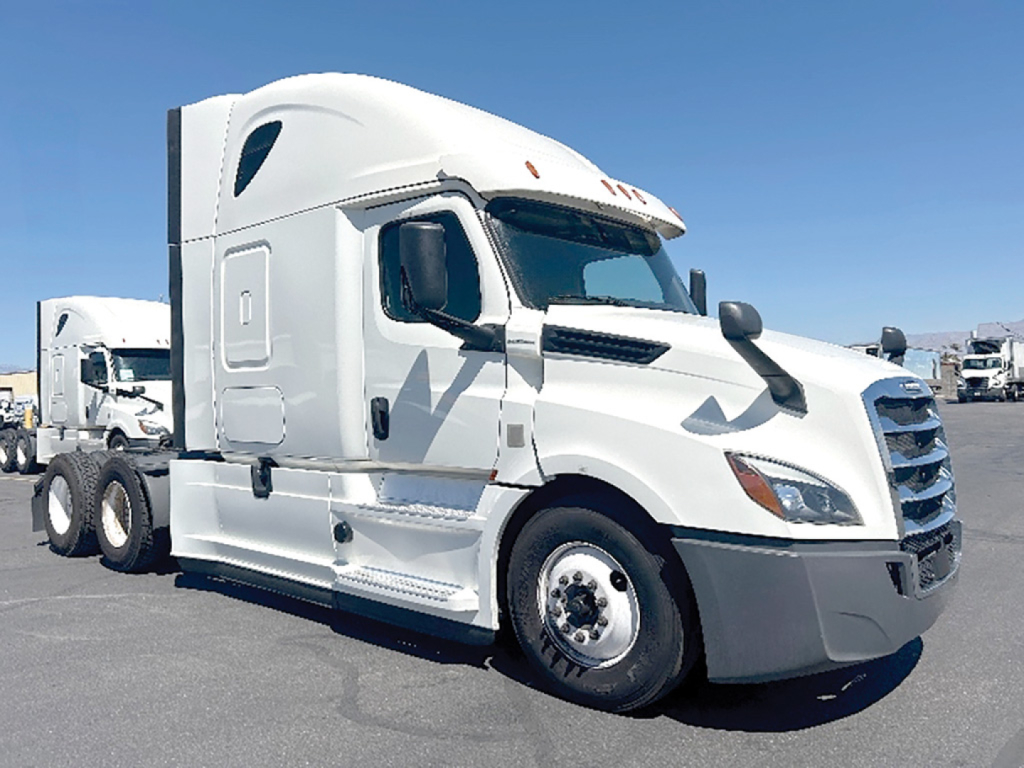
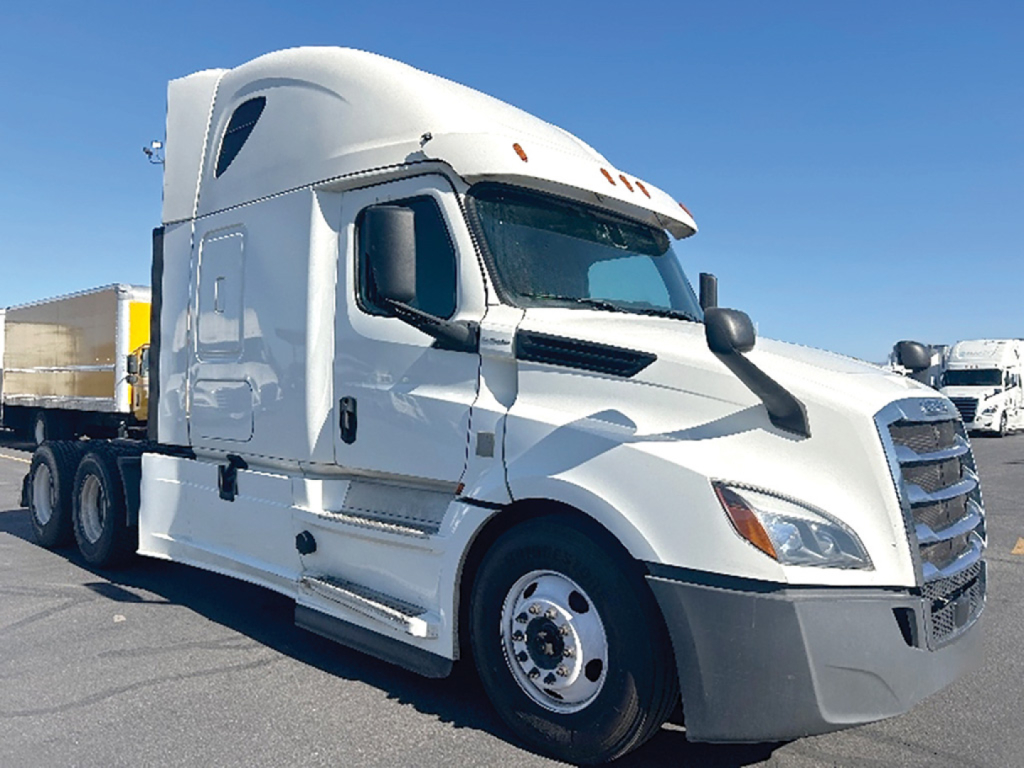
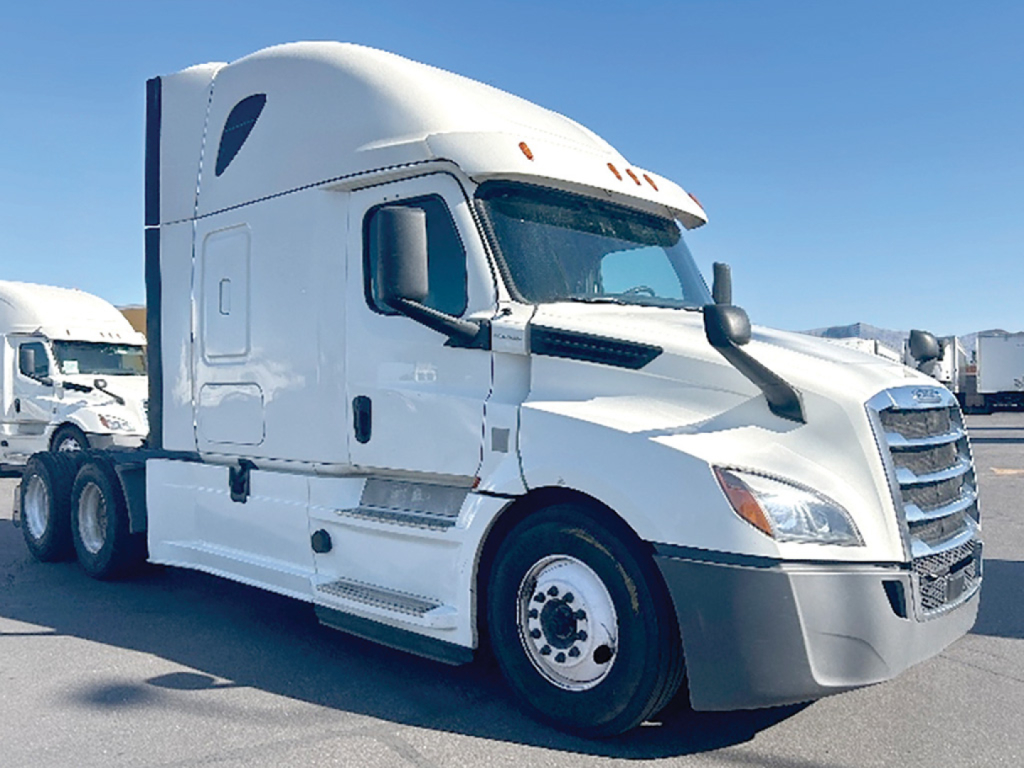
For highway tractors, the 2020 Freightliner Cascadia remains the volume model to know. It is commonly spec'd as a conventional sleeper or day cab with Detroit DD13 or DD15 engines, DT12 automated transmissions, and tandem rear axles in the 40,000-pound class. Typical buyer checkpoints include horsepower and torque rating, rear axle ratio, wheelbase, fifth wheel type, and sleeper size. A DD13 with a taller rear ratio can make sense for fuel-conscious regional freight, while a DD15 may be the better fit for heavier gross weights, mountain lanes, or sustained interstate work. Nevada operators should pay close attention to cooling system condition, APU or bunk climate setup, and overall aero integrity because desert heat and long mileage runs can expose deferred maintenance quickly.
If the application leans vocational or local haul, 2020 Freightliner M2 variants are also worth a close look. The M2 platform is widely used as a day cab, straight truck, dump, rollback, reefer body truck, and other medium to heavy-duty configurations. Buyers should match the truck to the job by looking at GVWR, front axle capacity, suspension type, PTO provisions, frame spec, and cab-to-axle measurement. On a used truck, body compatibility matters just as much as engine and transmission choice. Freightliner trucks from this period are often equipped with Detroit power, engine brakes, air ride suspension, aluminum fuel tanks, and driver convenience features that make them easier to place into a working fleet.
The best used 2020 Freightliner truck is usually the one with the clearest maintenance history and the right spec for the route, not simply the highest horsepower or the newest-looking cab. Review fault code history, aftertreatment service records, clutch and transmission calibration on DT12 units, tire wear patterns, kingpin and suspension play, and signs of frame or fairing damage. On sleeper tractors, check bunk HVAC performance, inverter setup, and idle management equipment. On any Nevada truck, sun exposure, cooling efficiency, and air conditioning performance deserve extra scrutiny. Freightliner remains a popular used-truck choice because the platform is widely understood, easy to source parts for, and available in specs that cover local delivery all the way to over-the-road freight.
Frequently Asked Questions about Used 2020 Freightliner Trucks in Nevada
What are the most common 2020 Freightliner truck models buyers look for?
The most common 2020 Freightliner trucks on the used market are usually Cascadia highway tractors and M2 vocational or medium-duty trucks. The Cascadia is the core over-the-road and regional platform, typically found as a sleeper or day cab with Detroit engines and a DT12 automated transmission. The M2 is common in local, municipal, pickup and delivery, and body-upfit applications because it supports many wheelbases, axle ratings, and body configurations.
Is a 2020 Freightliner Cascadia a good choice for long-haul freight?
Yes, the 2020 Freightliner Cascadia is generally a strong long-haul choice because it was commonly spec'd for fuel economy, driver comfort, and service network access. Buyers should compare sleeper size, engine rating, rear axle ratio, and safety options such as collision mitigation. A truck with the right ratio and powertrain for the freight lane can be more valuable than a higher-horsepower unit that is mismatched to the operation.
What should I inspect on a used 2020 Freightliner truck before buying?
Start with maintenance records, ECM download information, and any aftertreatment history. Then inspect the engine, transmission operation, suspension, steering, brake condition, tire wear, frame rails, and signs of collision repair. On Cascadia models, pay close attention to fairings, hood alignment, radar and camera equipment if equipped, and DT12 shift quality. On Nevada trucks, cooling system performance and cab air conditioning condition are especially important due to heat exposure.
Which engine is better in a 2020 Freightliner, the Detroit DD13 or DD15?
The better engine depends on the application. A Detroit DD13 is often a solid fit for regional hauling, lighter average gross weights, and fuel-focused specs. A Detroit DD15 usually makes more sense for heavier freight, steeper terrain, or operations that need higher torque reserves. The decision should be based on route profile, loaded weight, rear axle ratio, and transmission pairing rather than engine size alone.
Are used 2020 Freightliner trucks easy to service and get parts for?
In most markets, yes. Freightliner has a large service footprint, and 2020 models are common enough that many shops are familiar with their systems, especially Cascadia and M2 platforms. Parts availability is generally strong for chassis, cab, suspension, and Detroit powertrain components. That broad support is one reason Freightliner remains a popular choice for used-truck buyers who need predictable uptime and repair access.