
Used 2019 Trucks For Sale in Nevada
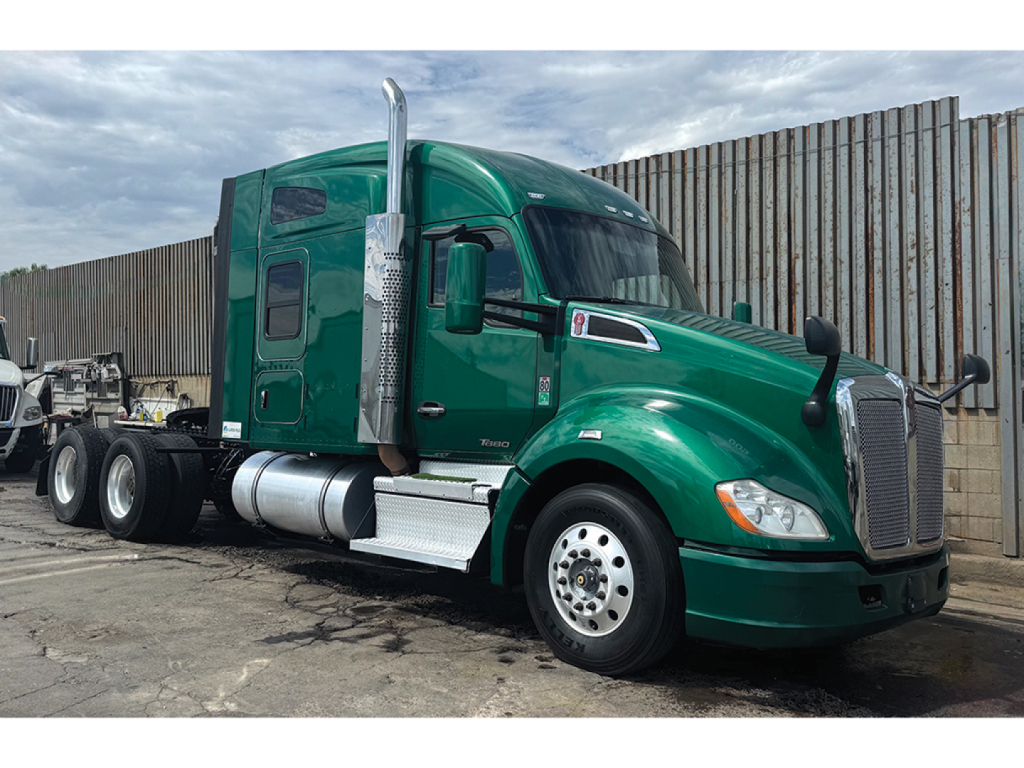
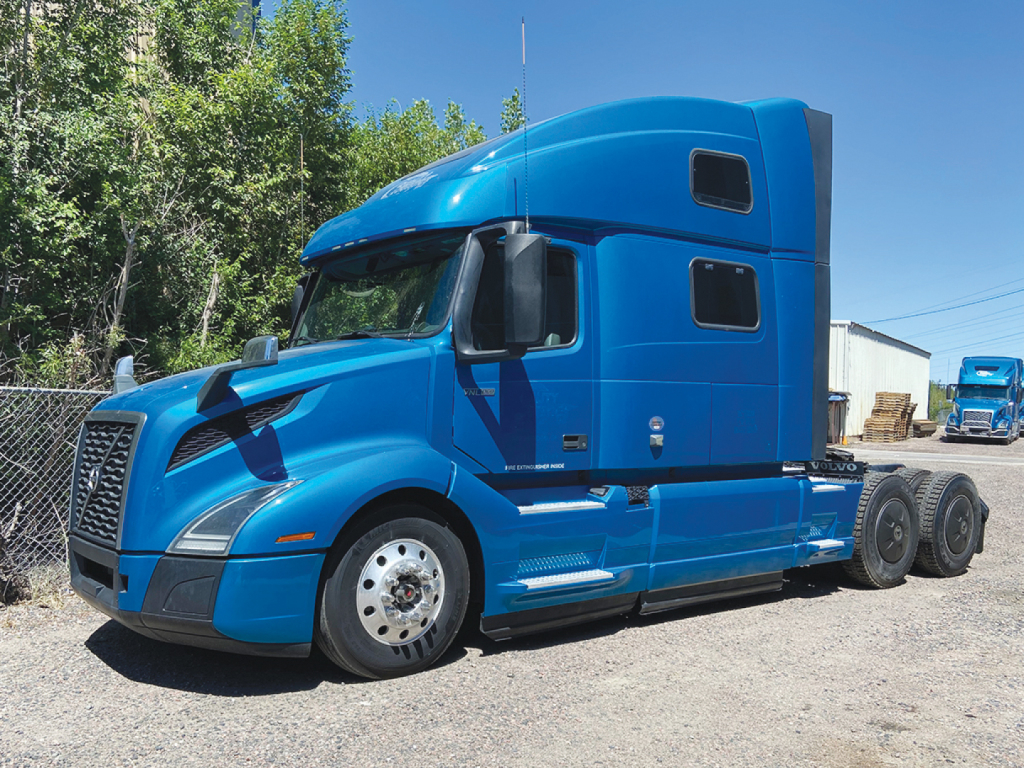
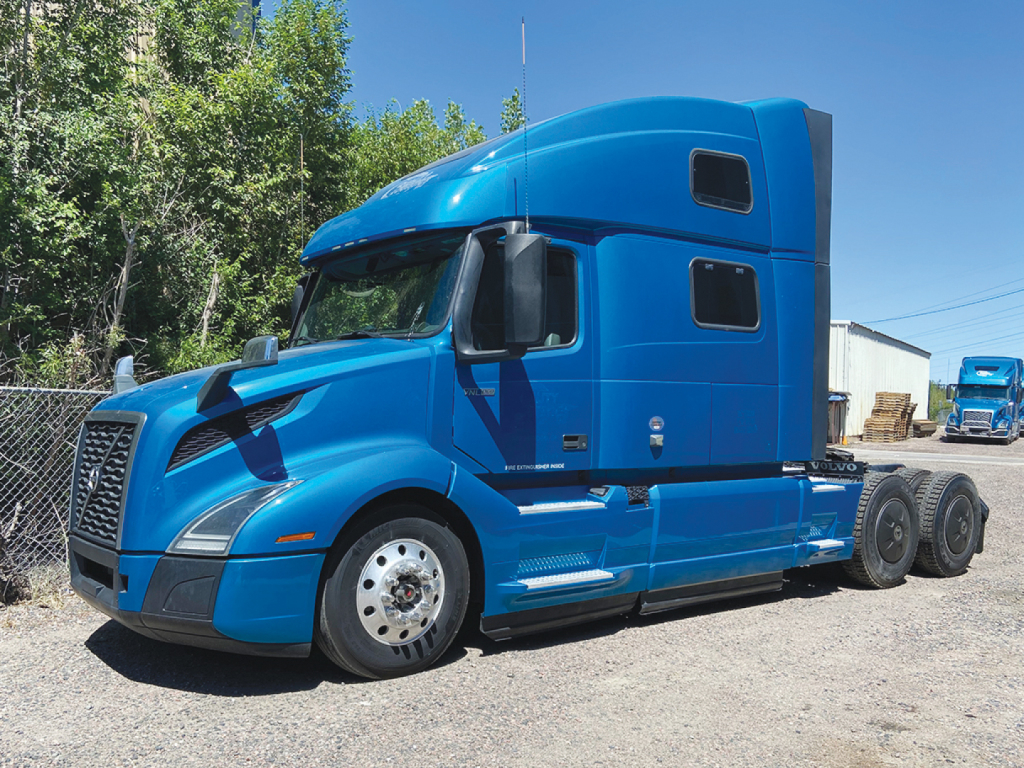
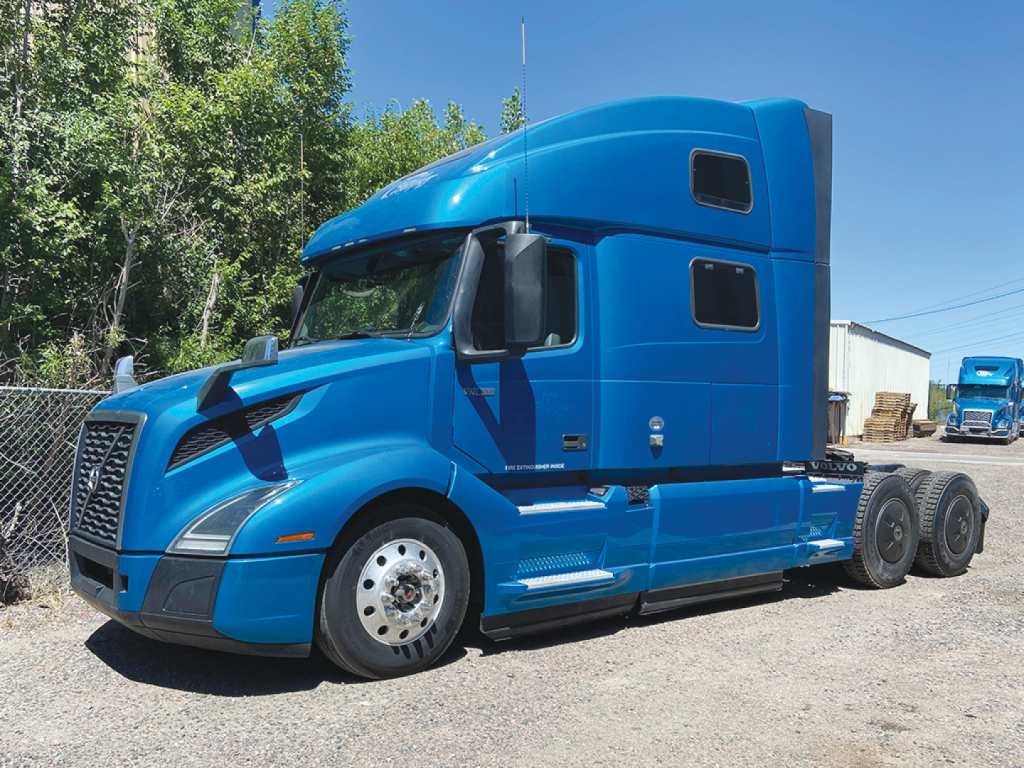
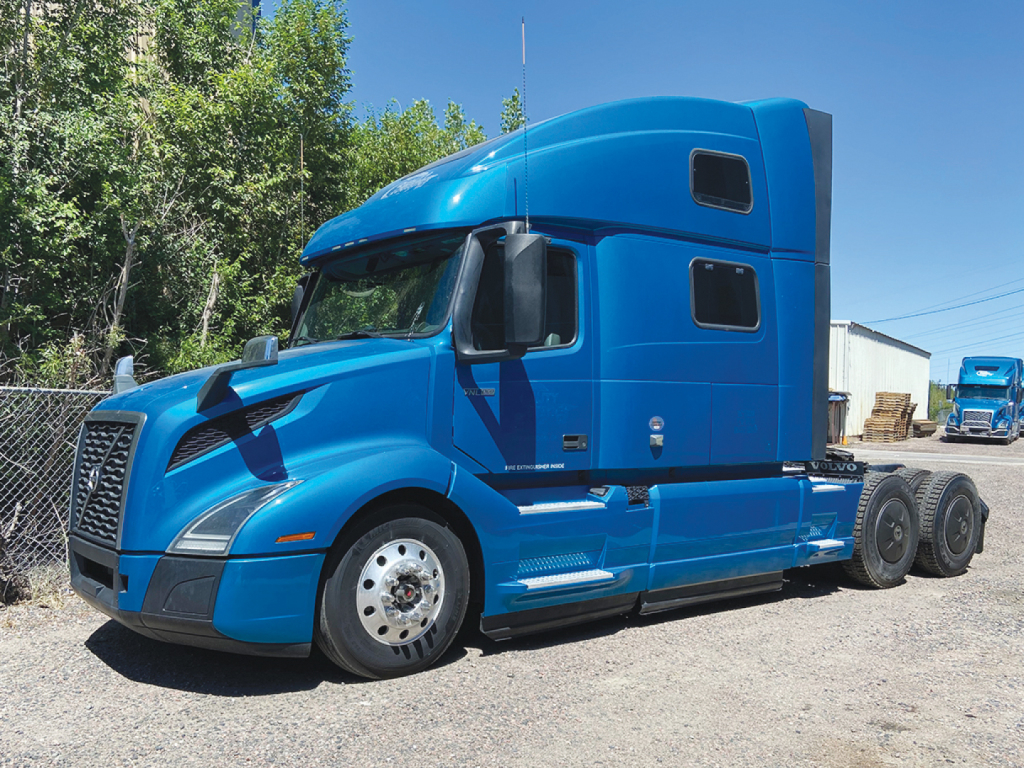
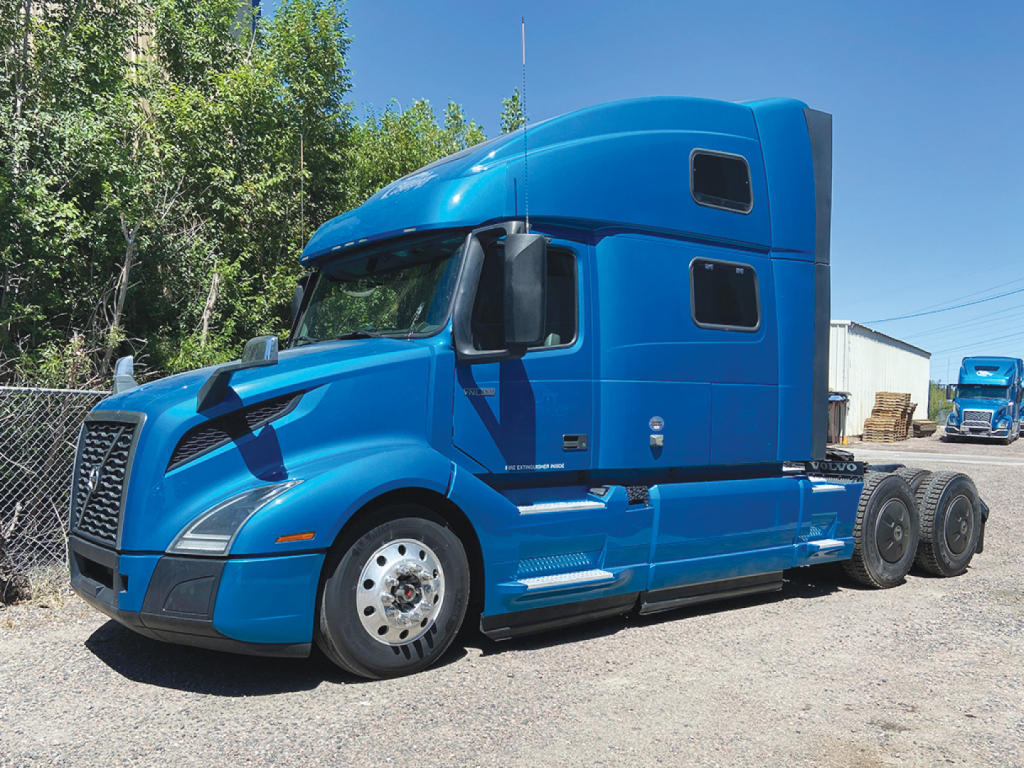
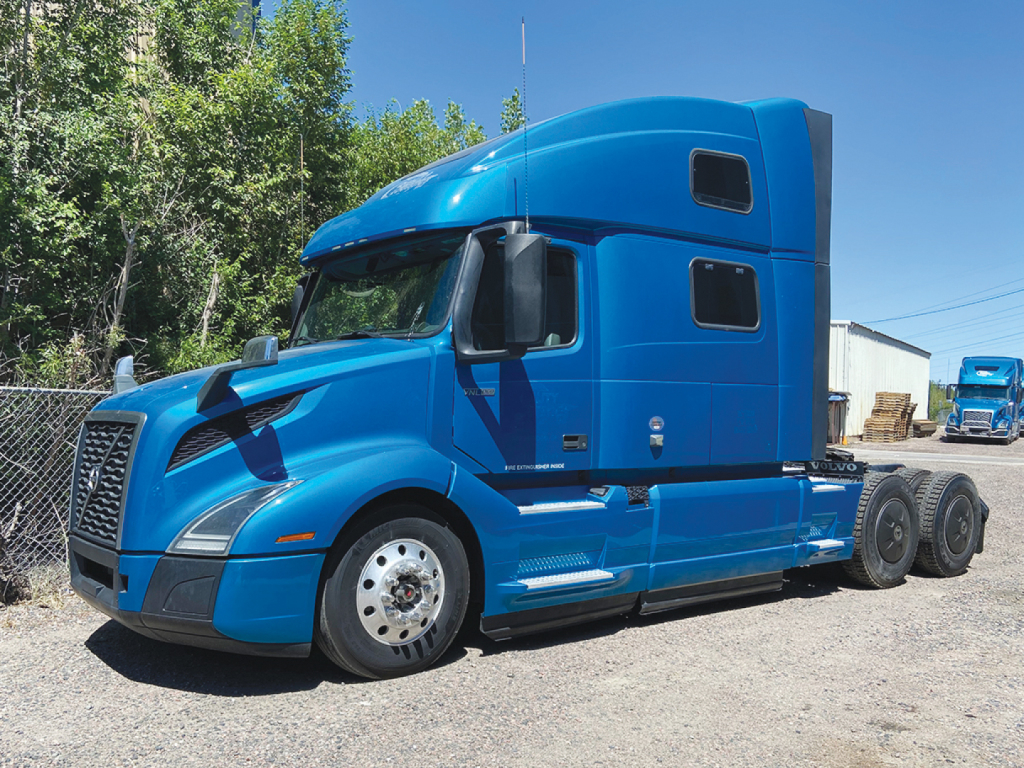
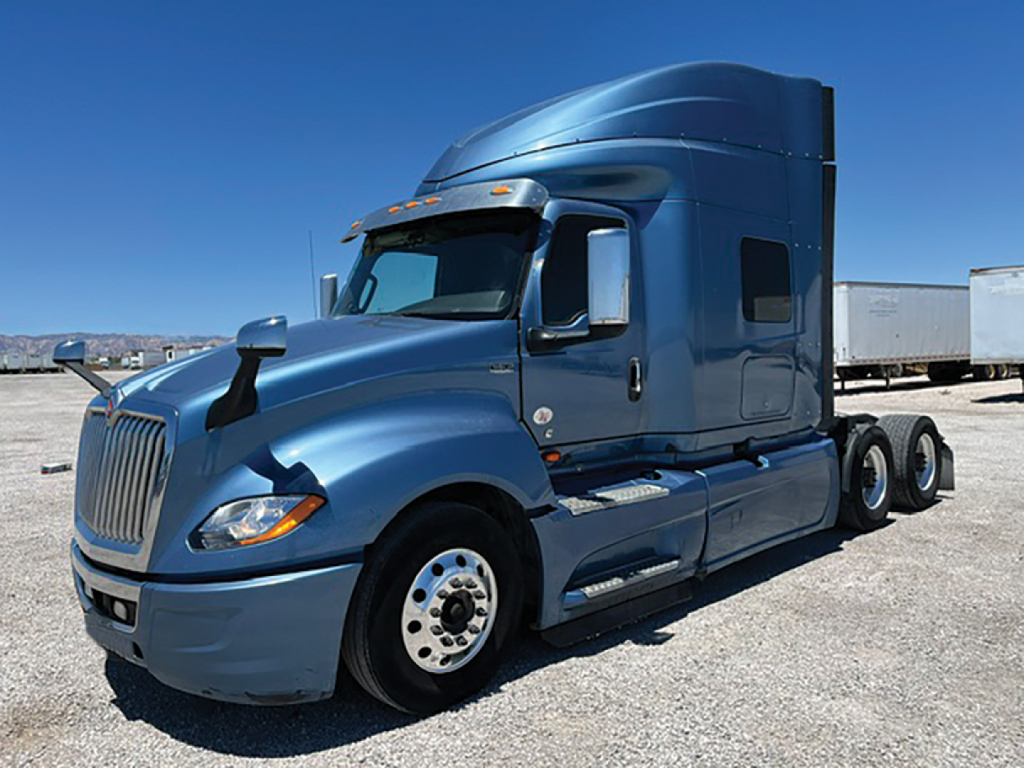
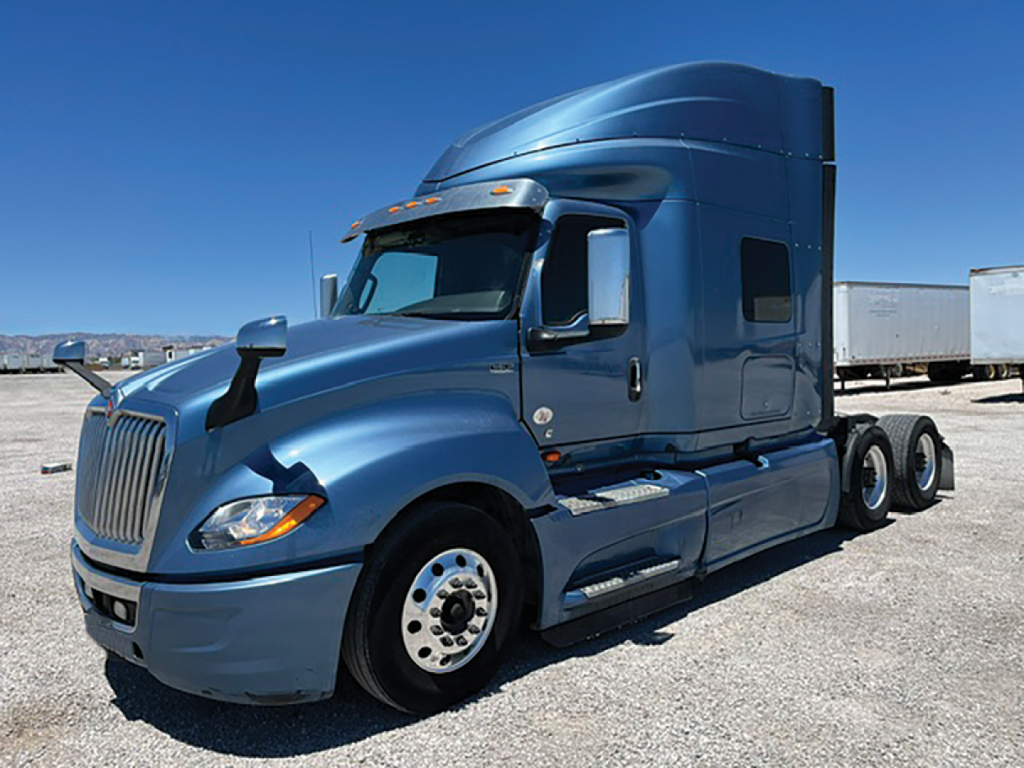

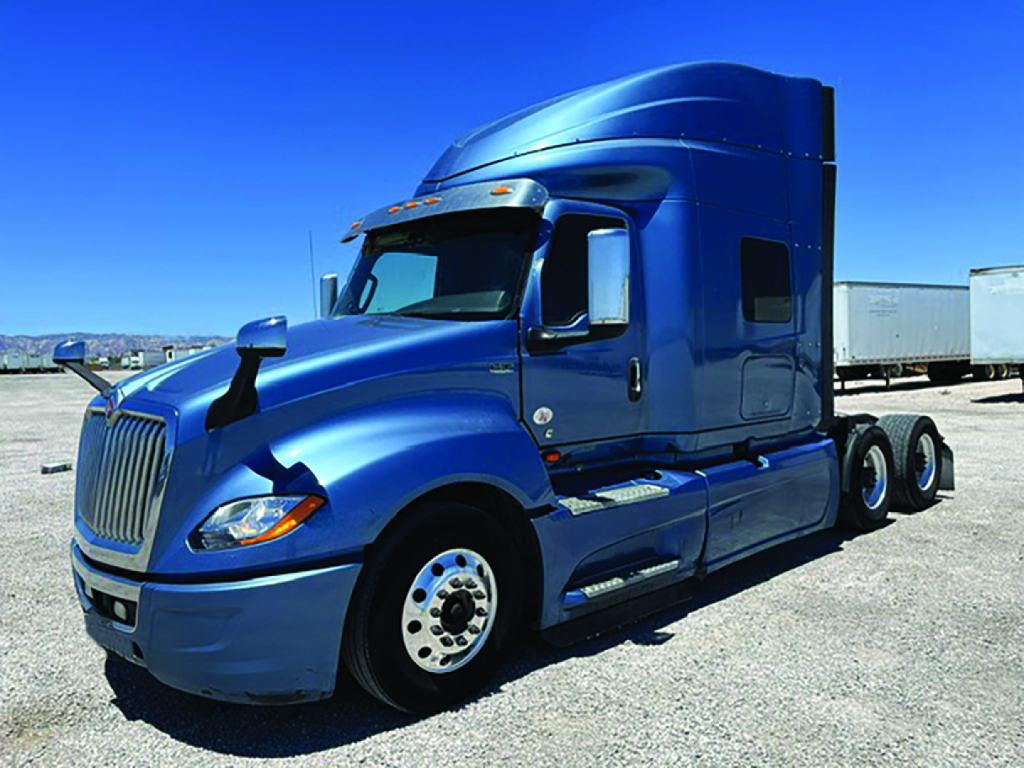
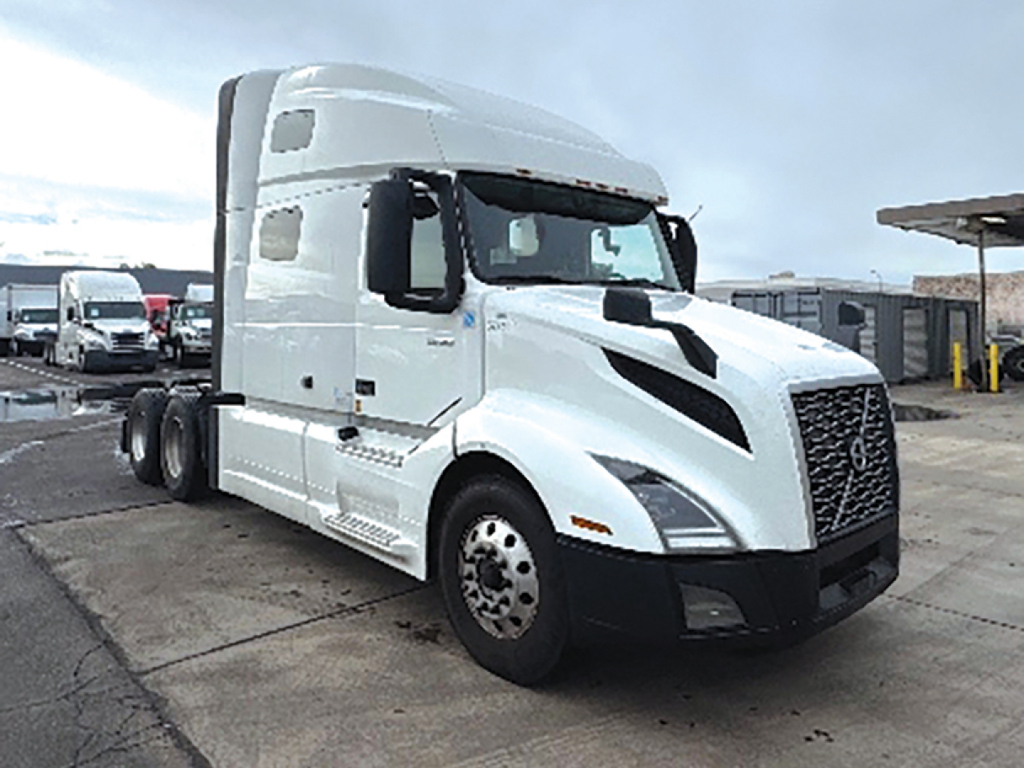
Have used 2019 truck to sell? List it here to reach thousands of buyers.
Used 2019 Trucks in Nevada
For highway use, many 2019 trucks were built with 12-speed automated manuals, 400 to 455 horsepower engines, and 2.47 to 3.08 rear axle ratios aimed at fuel economy and driver retention. Common platforms in this year range include Freightliner Cascadia, Peterbilt 579, Kenworth T680, Volvo VNL, International LT, and Mack Anthem. Buyers comparing sleeper and day cab trucks should look closely at fuel capacity, fifth wheel type, wheelbase, front axle capacity, and suspension. Long-wheelbase sleepers are typically set up for over-the-road freight, while shorter wheelbase day cabs are better suited for regional routes, container work, flatbed, tanker, or dedicated local operations. If a truck will see heavy PTO or vocational duty, engine rating, transmission gearing, and frame layout matter as much as cab configuration.
Nevada operating conditions add a few considerations. Desert heat puts extra importance on cooling system condition, A/C performance, charge air system integrity, and tire age. Mountain grades in and around western routes make engine brake performance, transmission calibration, and rear axle ratio more important than they might be in flatter regions. Buyers should pay attention to aftertreatment history on 2019 diesel trucks, including DPF service intervals, DEF system repairs, and any fault code history related to SCR performance. It is also smart to confirm brake type, as many 2019 trucks were available with drum or disc setups, and to review suspension spec, especially on tractors expected to handle changing trailer weights or rougher yard surfaces.
A good used 2019 truck should be evaluated as a complete operating package, not just by year and mileage. Service records, idle hours, ECM data, tire match, kingpin wear, clutch condition on manuals, and signs of frame modification all tell you more than paint and trim. For tractor buyers, check whether the truck has a stationary or air-slide fifth wheel, the current tire size, and the ratio-to-transmission combination. For straight trucks and vocational chassis, body compatibility, PTO provisions, and axle spread are key. This is a model year where spec discipline matters, and buyers who match the truck to the lane, load, and terrain usually get the best long-term cost per mile.
Frequently Asked Questions about Used 2019 Trucks in Nevada
What should I look for first when buying a used 2019 truck in Nevada?
Start with application fit, then verify condition. Cab type, wheelbase, axle rating, horsepower, transmission, and rear axle ratio should match the work the truck will actually do. In Nevada, cooling system health, A/C performance, tire condition, and aftertreatment service history deserve extra attention because heat and long highway miles can expose weak components quickly.
Are 2019 trucks a good balance between price and modern features?
Yes, for many buyers 2019 trucks offer a strong balance of acquisition cost and current-spec equipment. This year commonly includes automated manual transmissions, collision mitigation options, improved aerodynamics, and more refined driver interfaces than older trucks. Buyers still need to review emissions system maintenance closely, but a well-kept 2019 unit can deliver lower upfront cost than newer models while retaining modern performance and comfort.
What engine and transmission specs are common on used 2019 highway trucks?
Many used 2019 highway tractors were spec'd with 11 to 15 liter diesel engines in the 400 to 455 horsepower range, paired with 10-speed, 12-speed, or automated manual transmissions. Rear axle ratios often fall between 2.47 and 3.08 depending on intended speed and payload. That combination is designed to balance cruise RPM, gradeability, and fuel economy, so it is important to choose a spec that fits your route profile instead of focusing on horsepower alone.
How important is aftertreatment history on a used 2019 diesel truck?
It is one of the most important parts of the evaluation. A 2019 truck relies on a DPF, DEF, and SCR system working correctly to stay productive and compliant. Review service records for DPF cleanings, sensor replacements, DEF pump or doser work, and repeated fault codes. A truck with documented aftertreatment maintenance is generally a safer buy than one with gaps in repair history, even if the lower-mile truck looks cleaner.
Should I choose a 2019 day cab or sleeper truck?
Choose based on freight pattern, not appearance. A day cab usually makes more sense for local, regional, port, construction, and dedicated lane work where maneuverability and lower tare weight matter. A sleeper is better suited for over-the-road operations, longer dwell times, and drivers who need onboard storage and rest space. Fuel capacity, wheelbase, and fifth wheel setup should be reviewed along with the cab style because those details affect how flexible the truck will be in service.