
Used 2021 Commercial Trucks For Sale in Nevada
Browse used 2021 trucks for sale in Nevada, including day cabs, sleepers, and straight trucks with modern specs for regional or long-haul work.
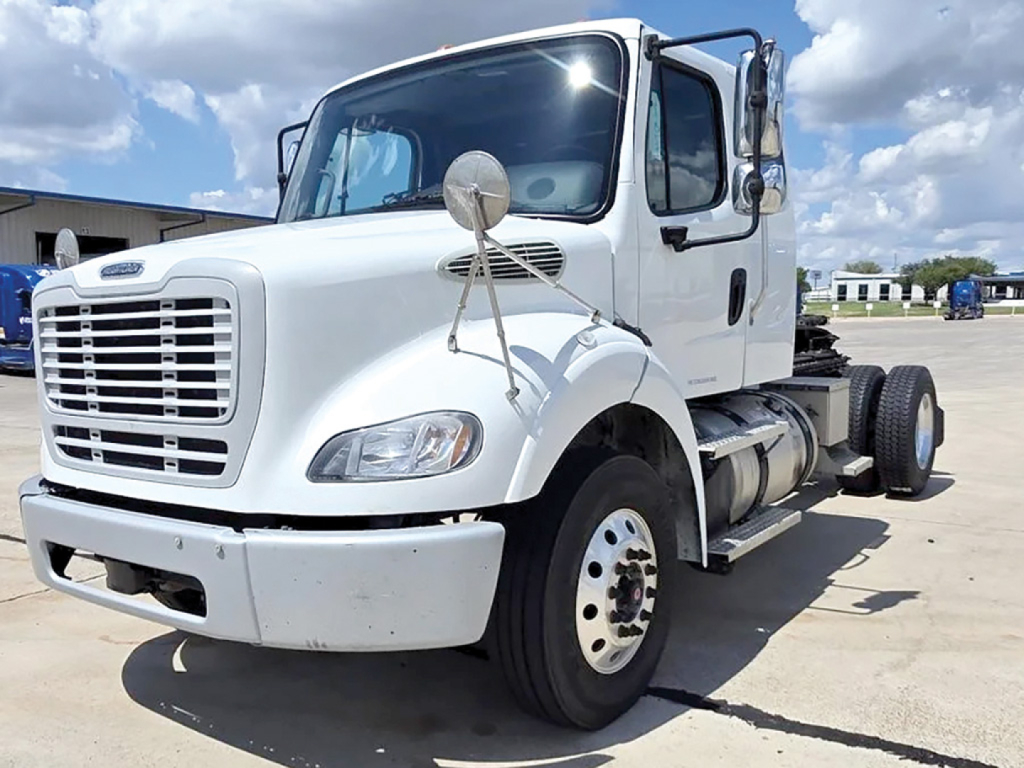
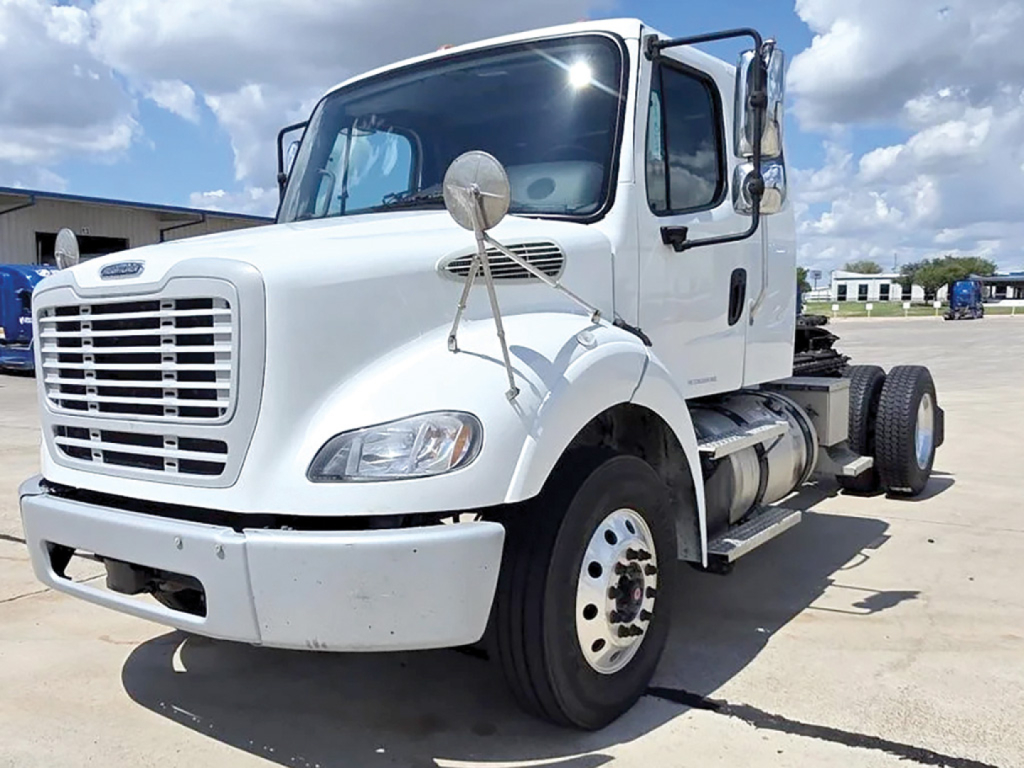
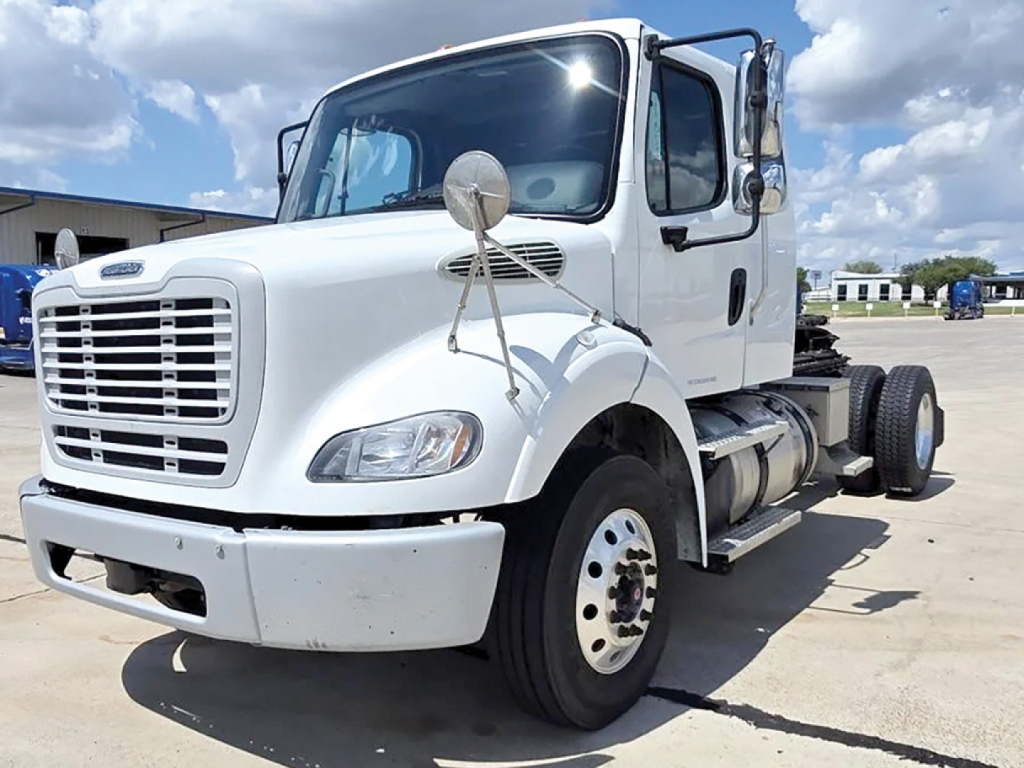
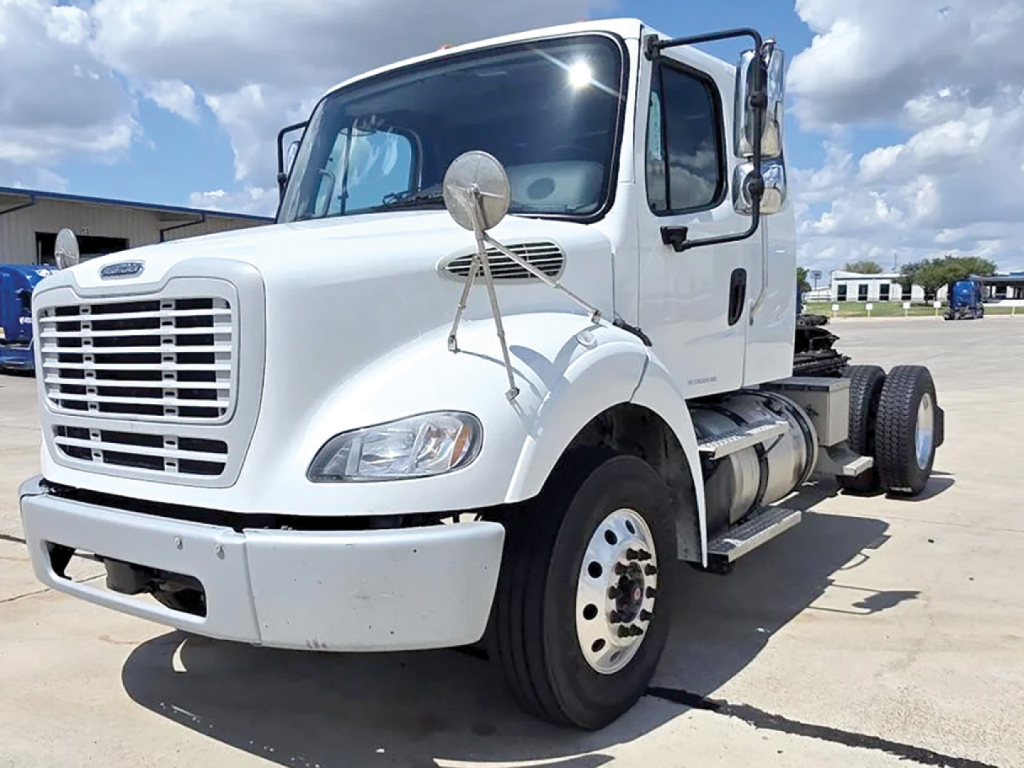
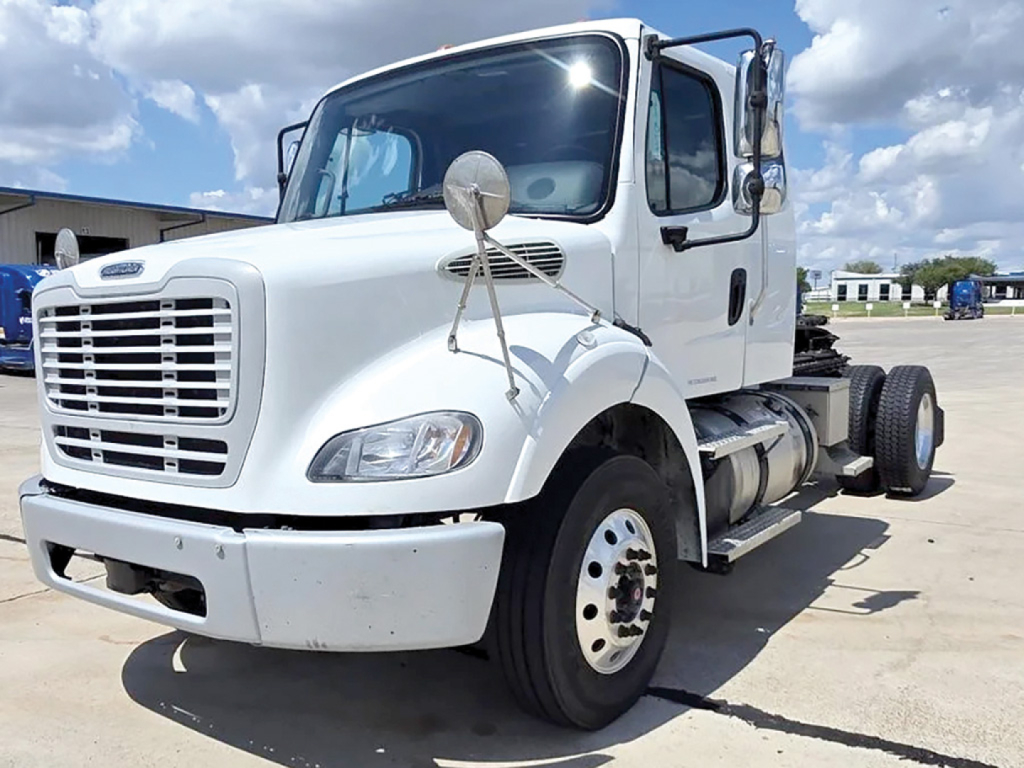
Looking for the easiest place to sell your used 2021 commercial truck? List it here to reach thousands of buyers.
Used 2021 Commercial Trucks in Nevada
Powertrain and axle specs matter more than model year alone. In this range, buyers commonly compare engines like the Cummins X15, Detroit DD13, and PACCAR PX-series, with horsepower often falling between about 300 and 450 depending on application. A regional day cab may be set up with a 2.79 or similar rear ratio for highway fuel economy, while a straight truck or local-delivery unit may carry a deeper ratio for start-stop service and better low-speed performance. Automated manual transmissions are common in 2021 trucks, but some vocational and medium-duty applications still favor full automatic transmissions such as Allison units. Pay attention to rear axle rating, wheelbase, suspension type, and whether the truck has a fixed or air-slide fifth wheel, because those details determine trailer compatibility, bridge law flexibility, and maneuverability.
Nevada operating conditions put extra value on cooling system health, air conditioning performance, and clean aftertreatment history. Trucks working out of Las Vegas, Reno, or long interstate corridors often spend time in high ambient temperatures and sustained highway service, so buyers should review engine hours along with miles, then inspect radiator condition, CAC integrity, fan operation, and DPF, DOC, and SCR maintenance records. For highway tractors, aerodynamic packages, fuel tank capacity, and idle-management features can affect operating cost. For straight trucks, body condition can be just as important as the chassis. Look closely at floor type, scuff liners, E-track, roof condition, door seals, liftgate spec, and body length relative to your freight profile.
A used 2021 truck should also be evaluated for electronic features and uptime-related options. Collision mitigation, lane departure warning, telematics integration, cruise control, and power convenience features became more common in this model year and can improve both driver retention and safety compliance. Service records, fault-code history, tire wear patterns, brake condition, and signs of suspension or alignment issues will usually tell you more than a cosmetic walk-around. If the truck is a sleeper, check bunk HVAC, inverter setup, and storage layout. If it is a day cab or straight truck, focus on turning radius, cab access, and PTO or body integration needs. The best used 2021 truck is the one whose spec matches your route length, payload, trailer or body requirement, and maintenance strategy.
Frequently Asked Questions about Used 2021 Commercial Trucks in Nevada
What should I look for first when buying a used 2021 truck in Nevada?
Start with the truck’s intended application, then verify that the wheelbase, axle ratings, engine horsepower, transmission type, and rear-end ratio fit that work. In Nevada, cooling system condition, air conditioning performance, and aftertreatment service history are especially important because heat and sustained highway operation can expose weak points quickly. Miles matter, but engine hours, maintenance records, fault codes, and tire and brake condition often give a clearer picture of how the truck was used.
Are 2021 trucks a good value compared with newer models?
For many buyers, 2021 trucks hit a strong value point because they are late-model units with modern safety systems, improved cab interiors, and current emissions equipment, but they usually cost less than brand-new replacements. They can also be easier to place in service with fleets that want newer assets for image, uptime, or financing reasons. The real value depends on spec, maintenance history, and how well the truck matches the route and payload requirements.
What engine and transmission combinations are common in used 2021 trucks?
Common combinations depend on the class of truck. Heavy-duty tractors often use engines such as the Cummins X15 or Detroit DD13 paired with automated manual transmissions for fuel economy and driver acceptance. Medium-duty and straight truck applications may use smaller-displacement engines like the PACCAR PX series with Allison automatics, especially in pickup-and-delivery work. Buyers should match the powertrain to terrain, gross weight, stop frequency, and maintenance support in their operating area.
How important is aftertreatment history on a used 2021 truck?
It is critical. A 2021 truck relies on a modern emissions system that includes components such as the DPF, DOC, SCR system, sensors, and DEF dosing equipment. Poor maintenance, excessive idling, or repeated fault-code events can lead to expensive repairs and downtime. Review service documentation, ask about forced regens or component replacements, and confirm there are no active emissions faults before purchase.
Should I choose a 2021 day cab, sleeper, or straight truck?
The right choice depends on freight pattern and route length. A day cab is typically the best fit for local and regional trailer work where overnight stays are limited and maneuverability matters. A sleeper is better for longer runs, team service, or operations that need driver comfort and off-duty accommodations. A straight truck is suited to dedicated body applications such as van bodies, stake bodies, refrigeration, or delivery work where trailer interchange is not part of the business model.