
Used 2013 Trucks For Sale in Nevada
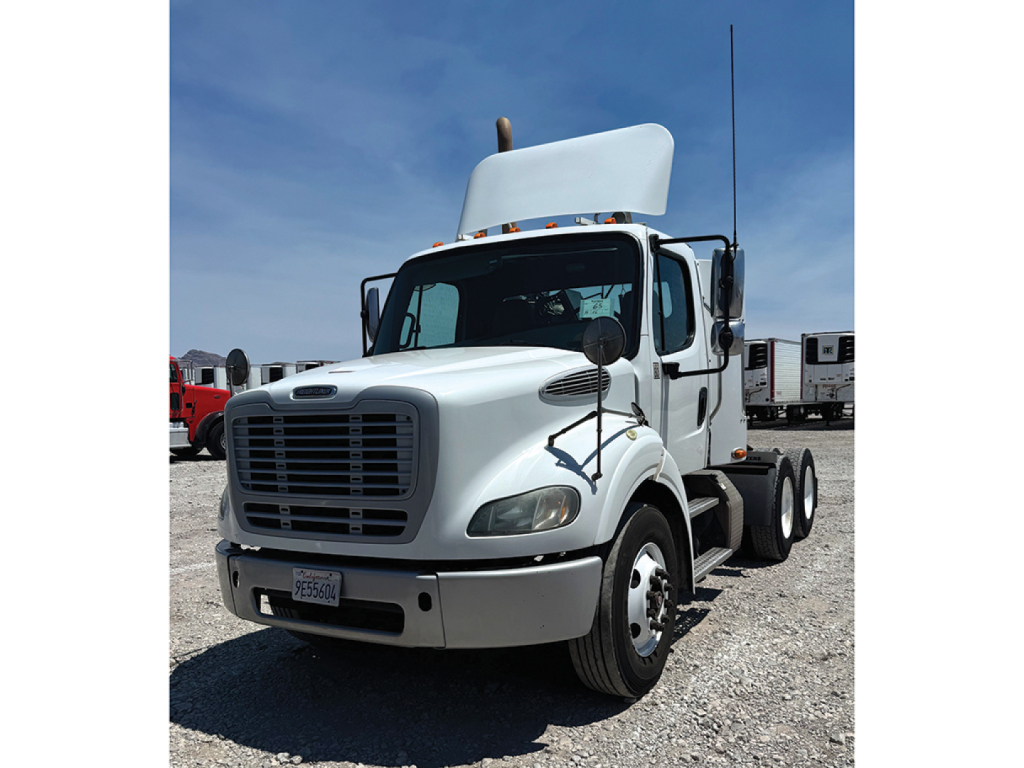
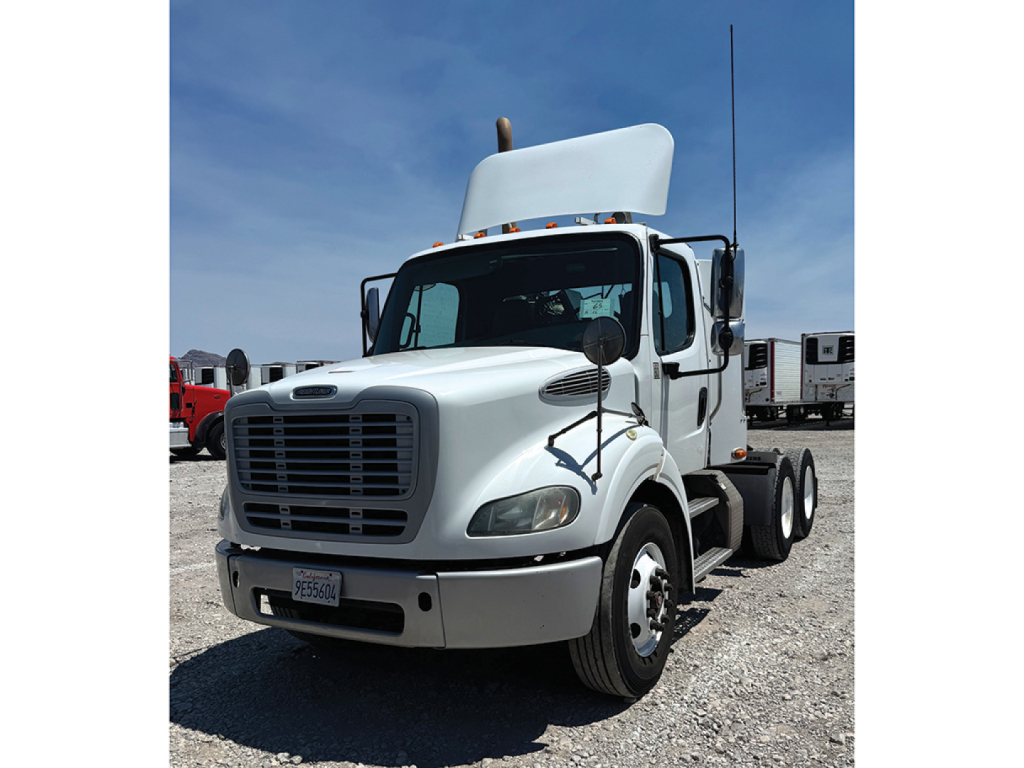
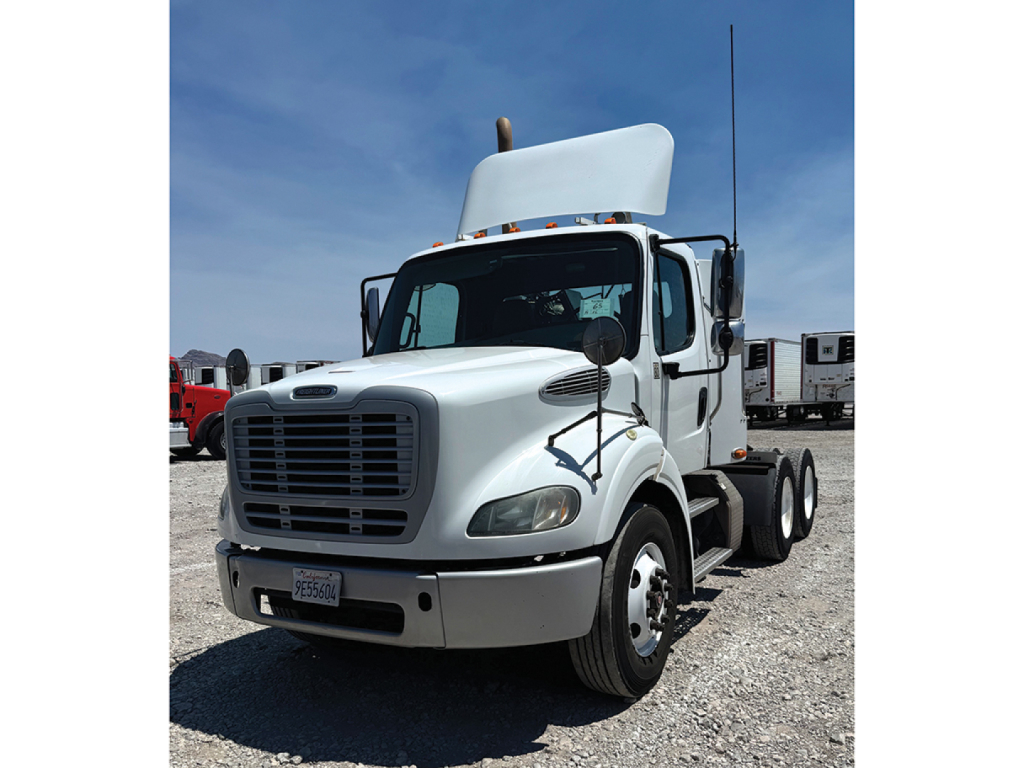
2013 Freightliner M2 112
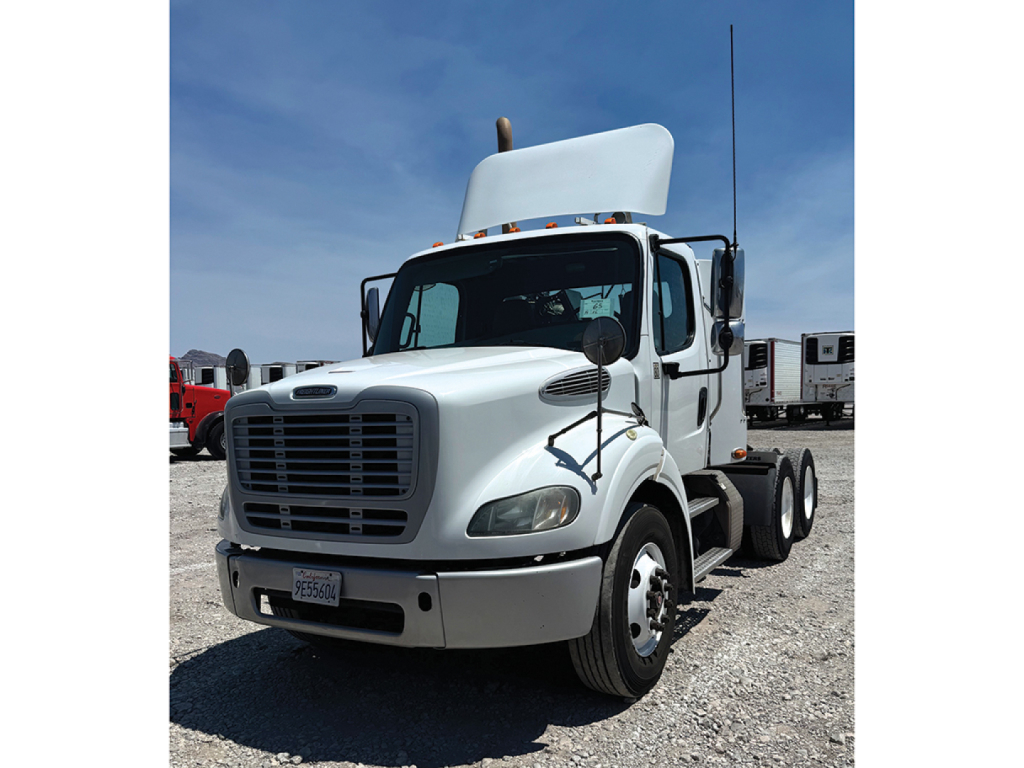
2013 Freightliner M2 112
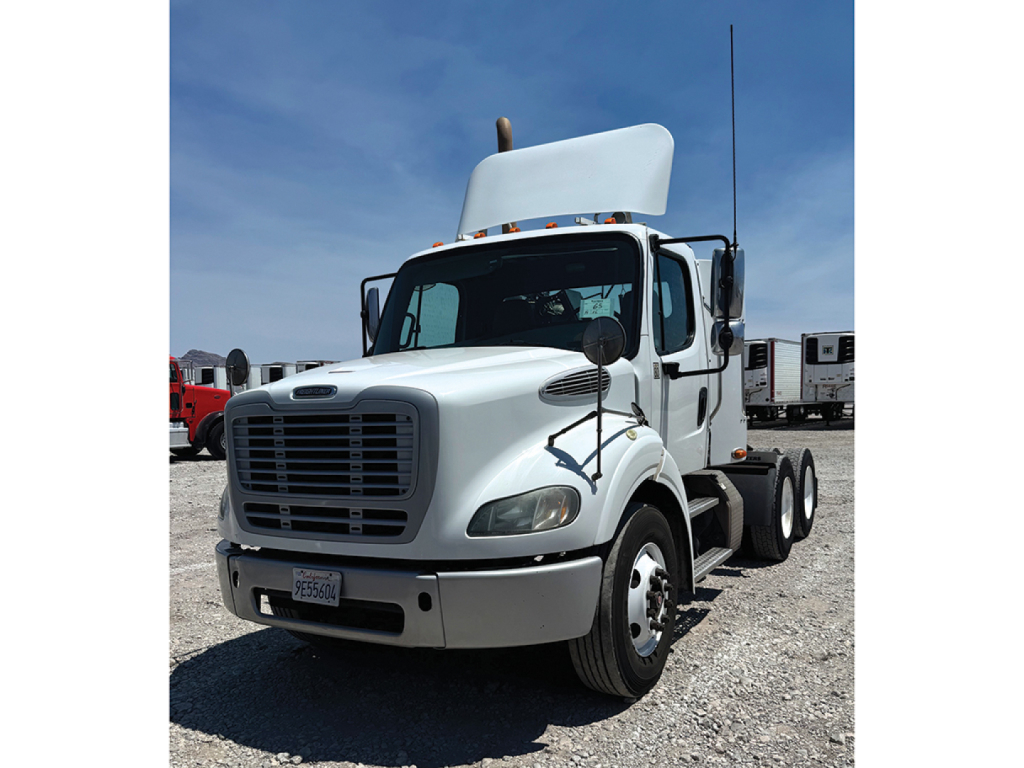
2013 Freightliner M2 112
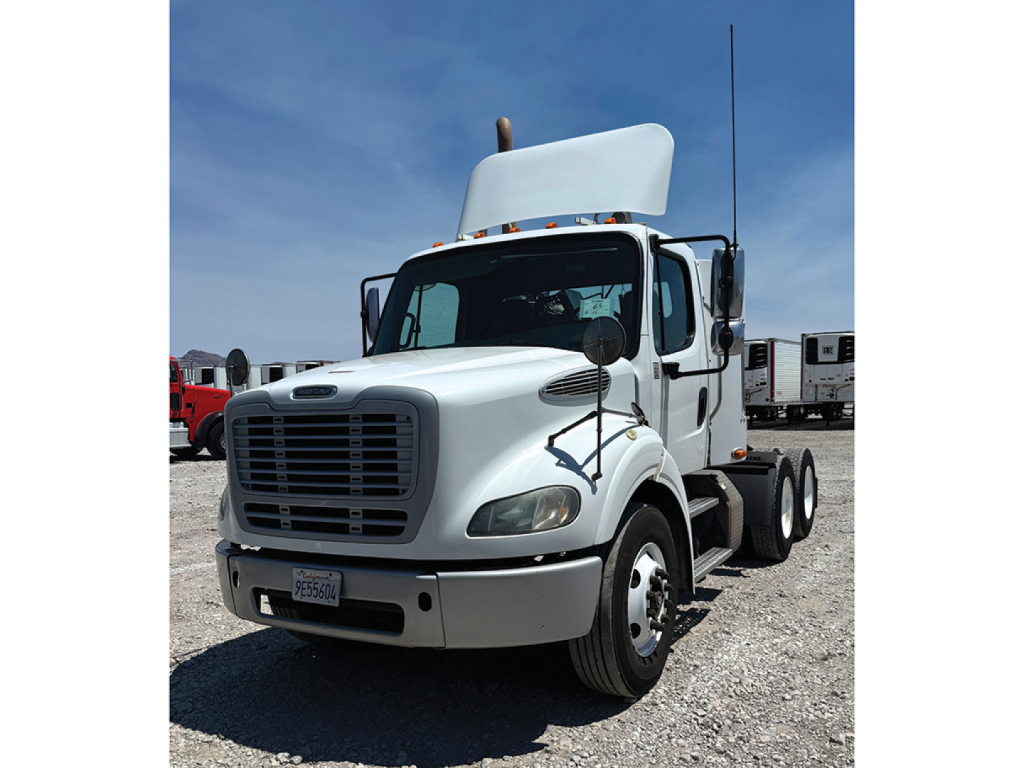
2013 Freightliner M2 112
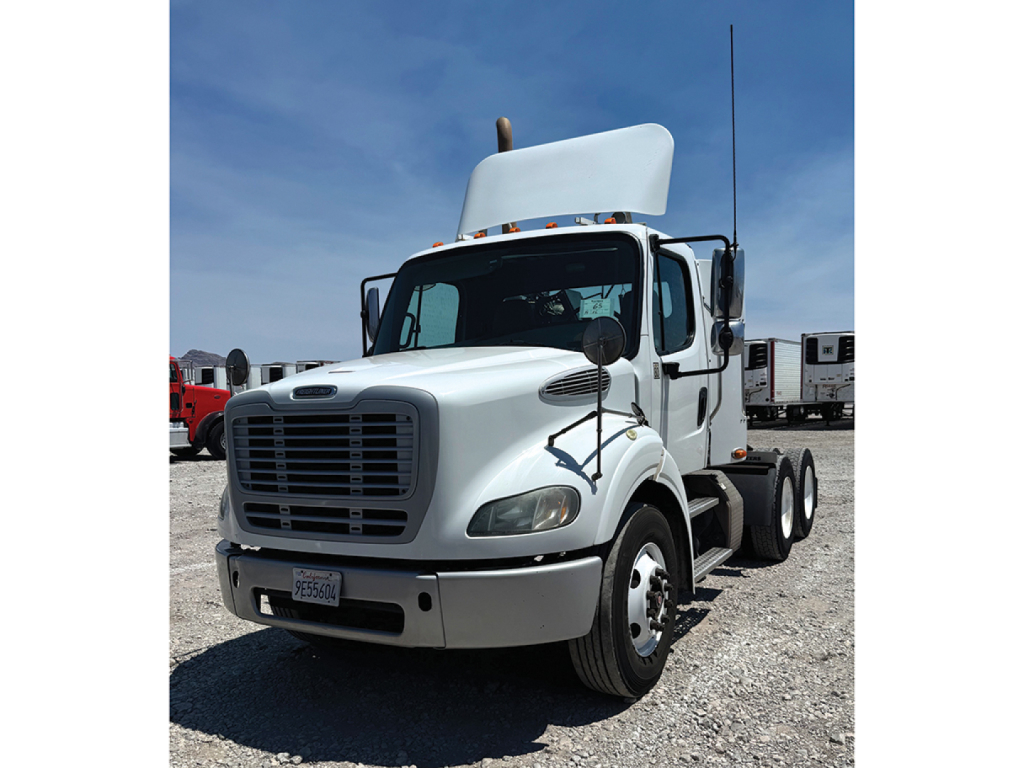
2013 Freightliner M2 112
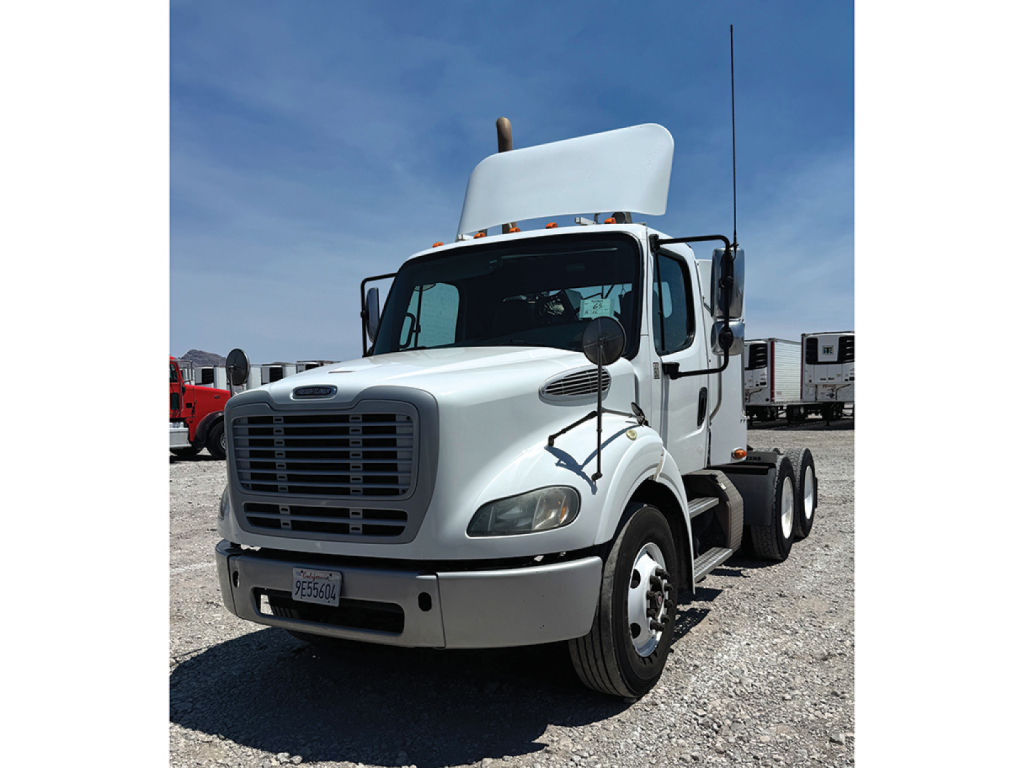
2013 Freightliner M2 112
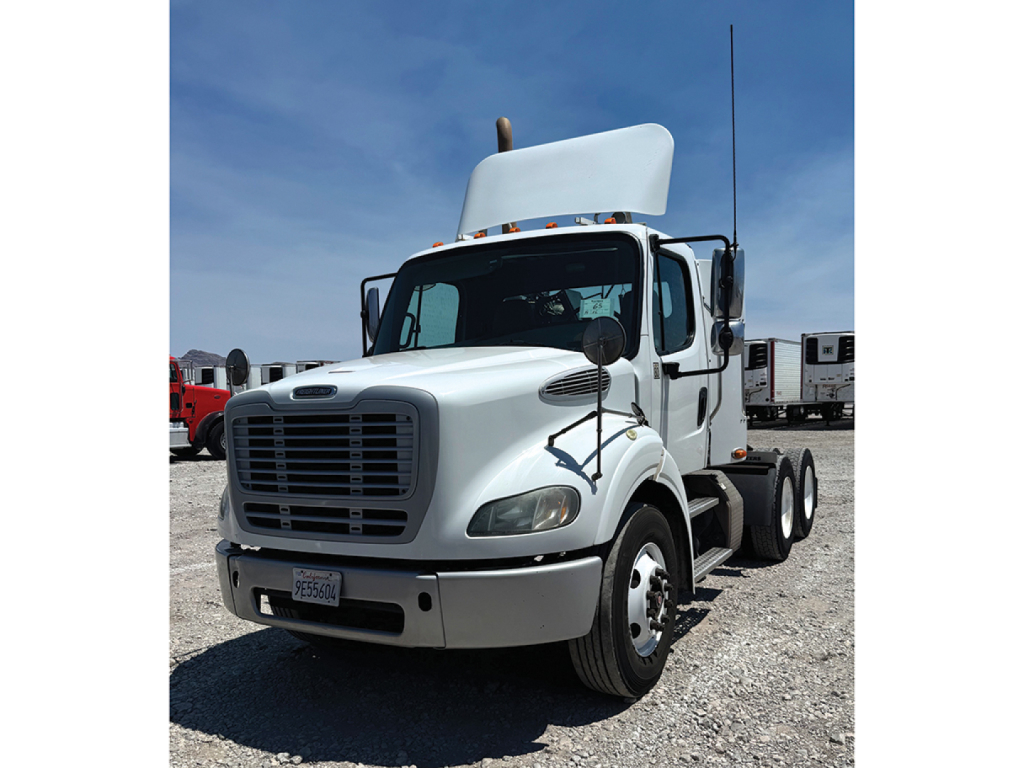
2013 Freightliner M2 112
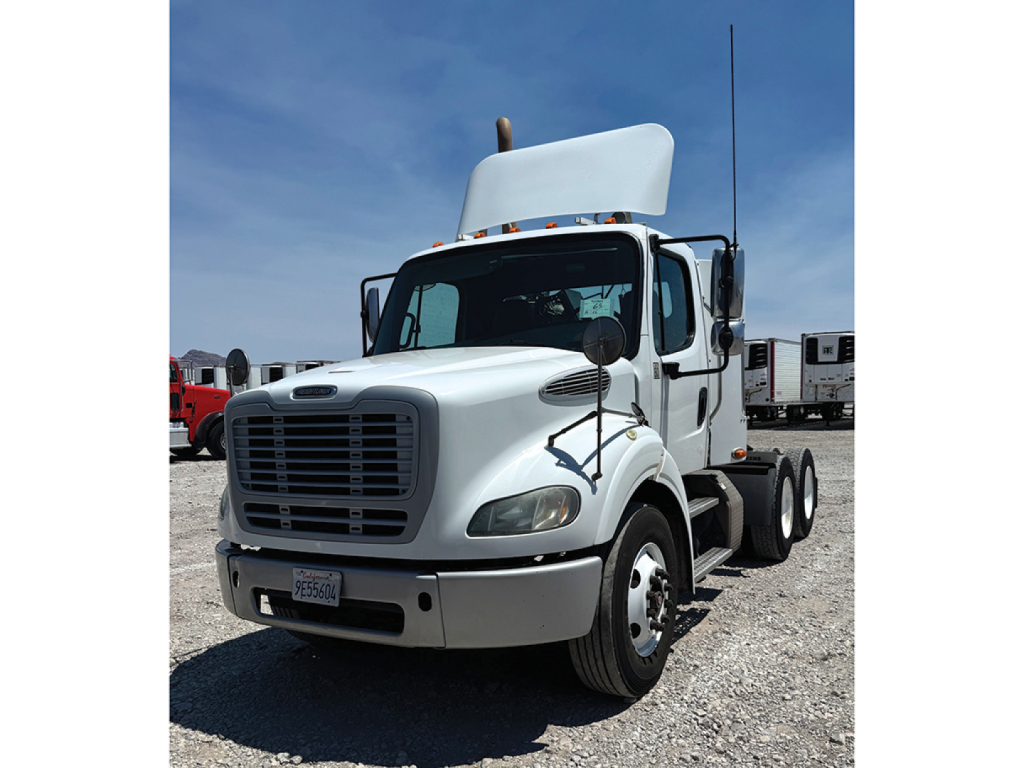
2013 Freightliner M2 112
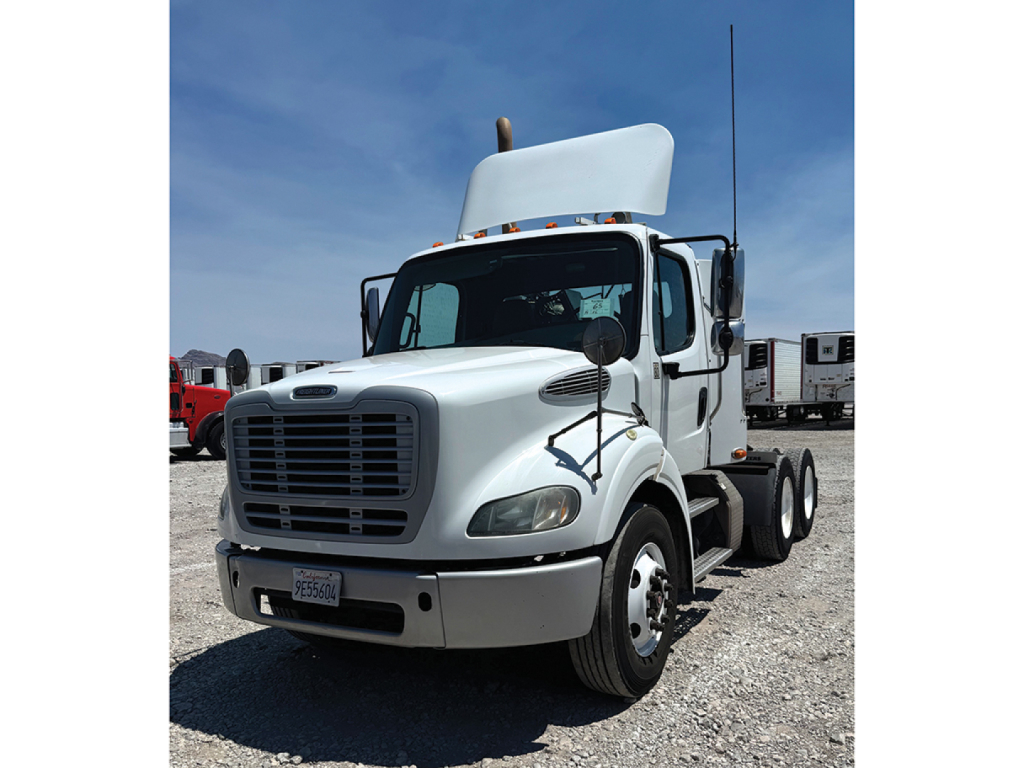
2013 Freightliner M2 112
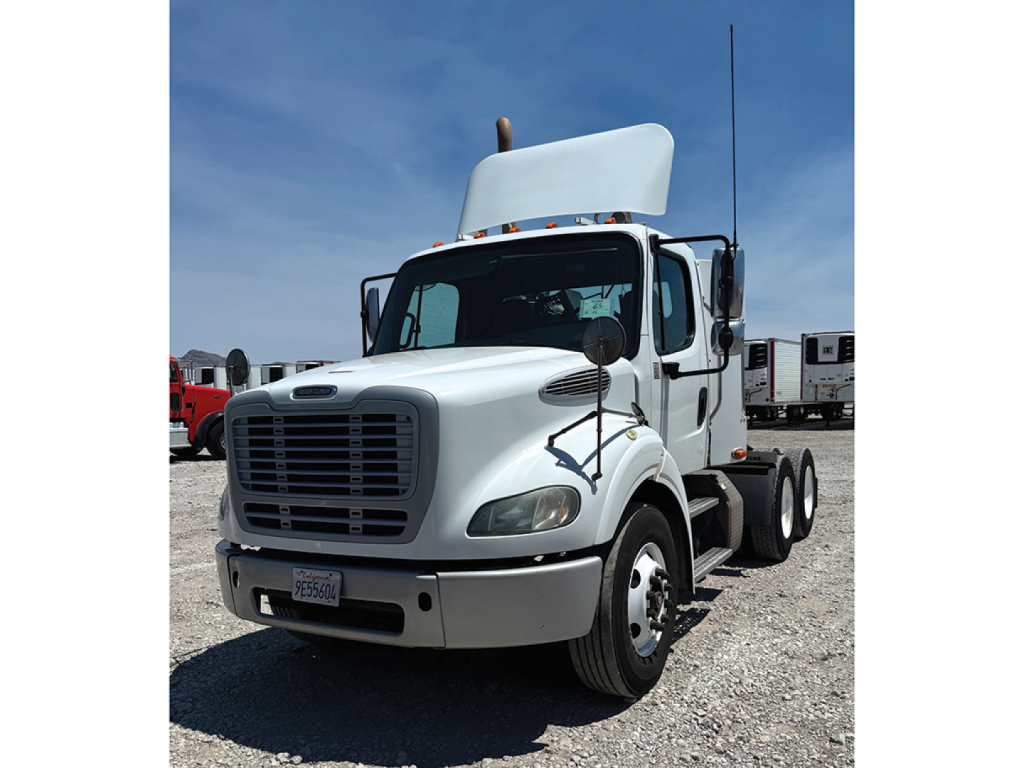
2013 Freightliner M2 112
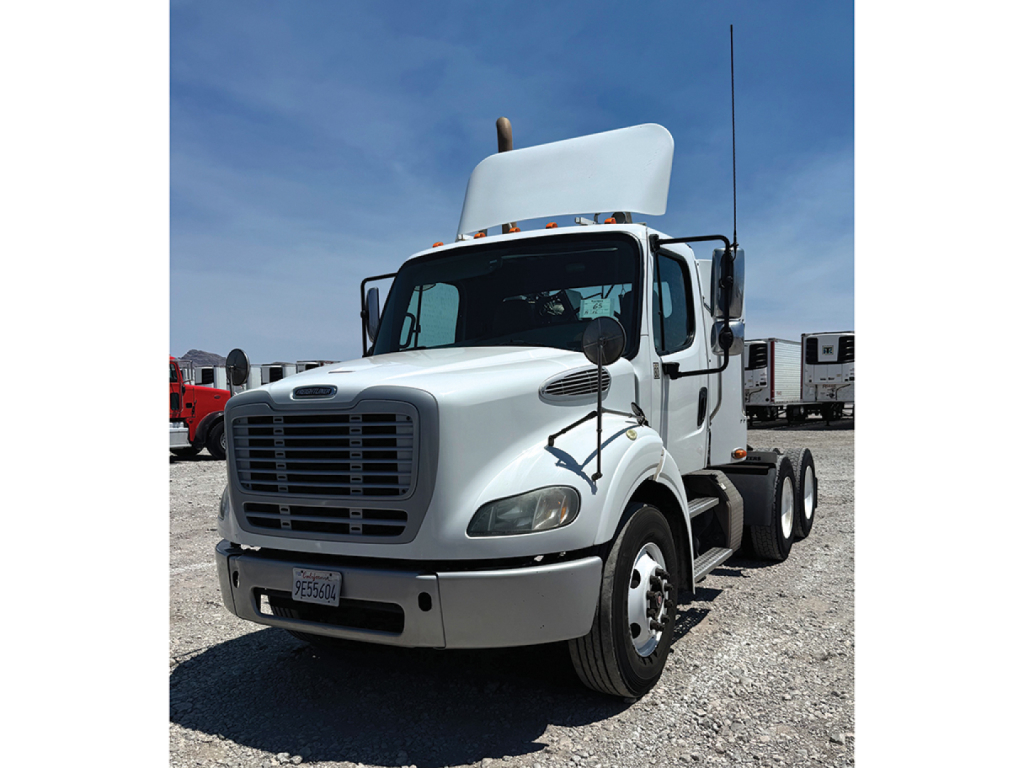
2013 Freightliner M2 112
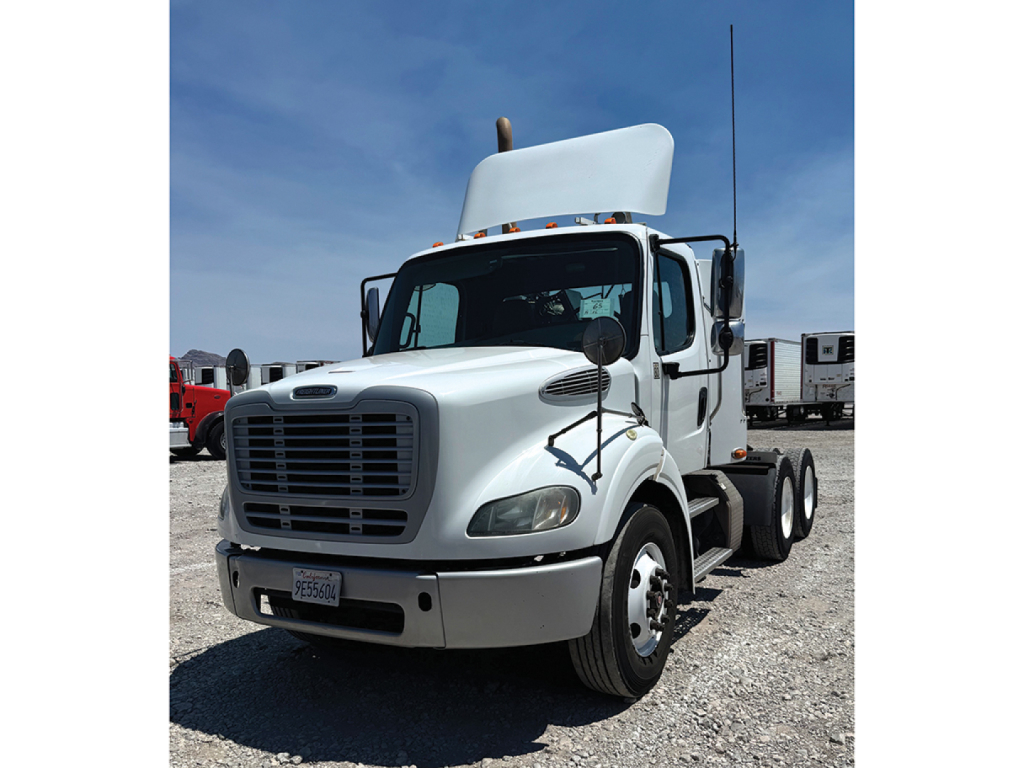
2013 Freightliner M2 112
Have used 2013 truck to sell? List it here to reach thousands of buyers.
Used 2013 Trucks in Nevada
The first decision is usually truck type. A 2013 conventional day cab is a common fit for local and regional hauling, drayage, aggregate, tanker, or dedicated trailer work where sleeper space is not needed. A 2013 sleeper truck is better suited to over-the-road lanes, team operations, or routes where cab comfort and onboard storage matter. Buyers shopping straight trucks from this model year should pay close attention to body length, axle rating, liftgate specs, and cargo-control details such as E-track, scuff liners, and door configuration. Across the category, common engines in 2013 trucks include Detroit, Cummins, PACCAR, and Mack platforms, typically paired with manual, automated-manual, or full automatic transmissions depending on the application.
Spec matching matters more than model year alone. Horsepower and torque should be evaluated alongside rear axle ratio, wheelbase, suspension, and gross vehicle weight rating. A truck geared with a tall ratio may perform well on open interstate runs but feel less responsive in stop-and-go service or on grades. Nevada operators often pay close attention to cooling system condition, A/C performance, and brake life because desert heat and mountain terrain expose weak points quickly. On used 2013 trucks, buyers should also review emissions system service history, including DPF cleaning intervals, DEF system repairs, EGR work, and any fault-code patterns. Tire condition, fifth wheel type, frame integrity, and signs of suspension wear can tell you as much about operating cost as the odometer.
A well-matched 2013 truck can still be a productive asset when the spec fits the route and payload. Day cabs in this year range are often chosen for shorter hauls and fleet replacement at a lower acquisition cost, while sleepers remain relevant for owner-operators and small carriers that want proven long-haul platforms without stepping into newer-truck pricing. In Nevada, buyers should weigh highway gearing, cooling capacity, fuel tank size, and cab configuration against the realities of Las Vegas traffic, Reno corridor freight, and long desert stretches between service points. The best used 2013 truck is usually the one with a clear maintenance record, a driveline built for the job, and a chassis layout that leaves room for the operation to stay efficient.
Frequently Asked Questions about Used 2013 Trucks in Nevada
What should I look for first when buying a used 2013 truck in Nevada?
Start with the truck’s application, then verify the core chassis and driveline specs support that job. Engine rating, transmission type, rear axle ratio, wheelbase, axle capacity, and suspension setup should all match the route, payload, and trailer or body requirement. In Nevada, buyers should also pay close attention to cooling system performance, A/C operation, brake condition, and tire wear because high temperatures and mountain grades can accelerate wear and expose marginal maintenance.
Are 2013 diesel trucks a good value for owner-operators and small fleets?
A used 2013 truck can be a strong value if the purchase is based on condition and maintenance history rather than price alone. This model year often offers lower acquisition cost than newer equipment while still providing modern cab ergonomics, common drivetrain options, and broad parts support. The key is to review service records carefully, especially emissions repairs, clutch or transmission history, suspension work, and major engine maintenance, because deferred repairs can erase the savings quickly.
What engine and transmission combinations are common in 2013 trucks?
Many 2013 trucks were built with engines from Detroit, Cummins, PACCAR, and Mack, depending on make and application. Transmission choices commonly include 10-speed and 13-speed manuals, automated-manual transmissions for highway tractors, and full automatics in medium-duty and vocational trucks. The right combination depends on duty cycle. Regional and local operations may prefer simpler gearing or automatics, while long-haul buyers often focus on fuel-efficient automated manuals and highway-friendly axle ratios.
How important is emissions system history on a used 2013 truck?
It is one of the most important parts of the evaluation. A 2013 truck operates with modern emissions components such as the DPF, EGR system, and in many cases DEF and SCR equipment. Buyers should look for records showing DPF cleaning, sensor replacement, DEF system repairs, regen-related issues, and any repeated check-engine or aftertreatment fault history. A truck with documented emissions maintenance is generally a safer buy than one with a lower price and no records.
Is a 2013 day cab or a 2013 sleeper better for Nevada routes?
That depends on the freight pattern. A 2013 day cab is usually the better fit for local delivery, terminal work, construction support, and regional lanes where the truck returns regularly. A 2013 sleeper makes more sense for long desert runs, interstate freight, and operations that need driver rest space, extra storage, and larger fuel capacity. In Nevada, route length, terrain, idle time, and overnight frequency usually make the choice clearer than brand alone.