
Used 2013 Conventional Daycab Trucks For Sale in Nevada
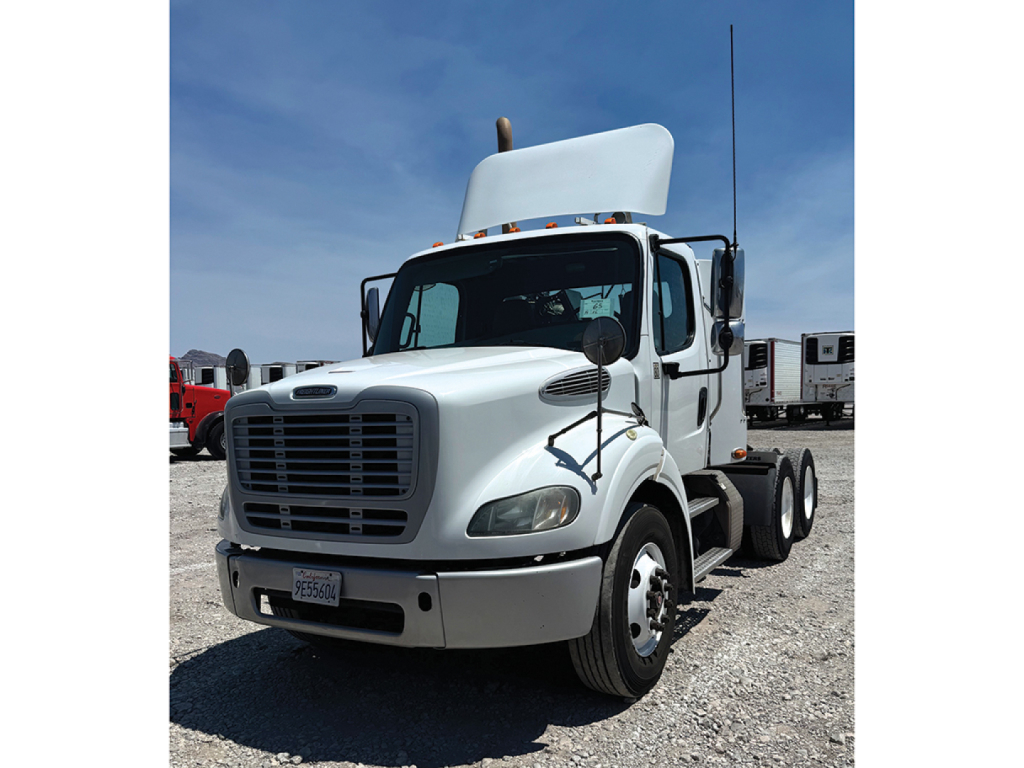
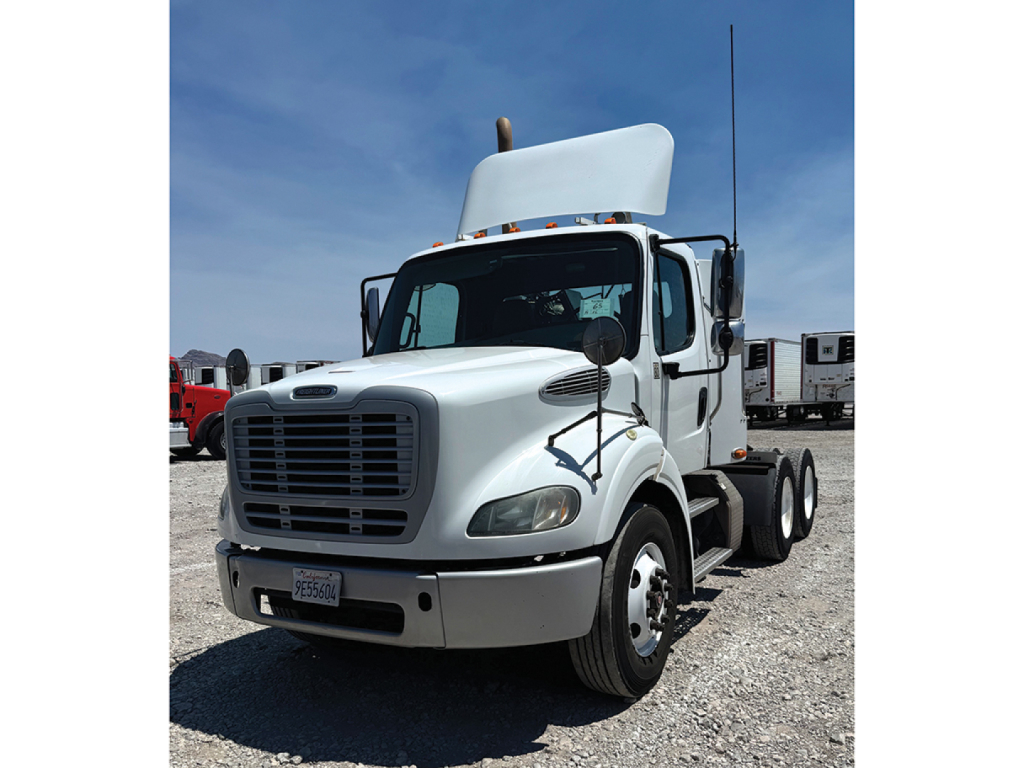
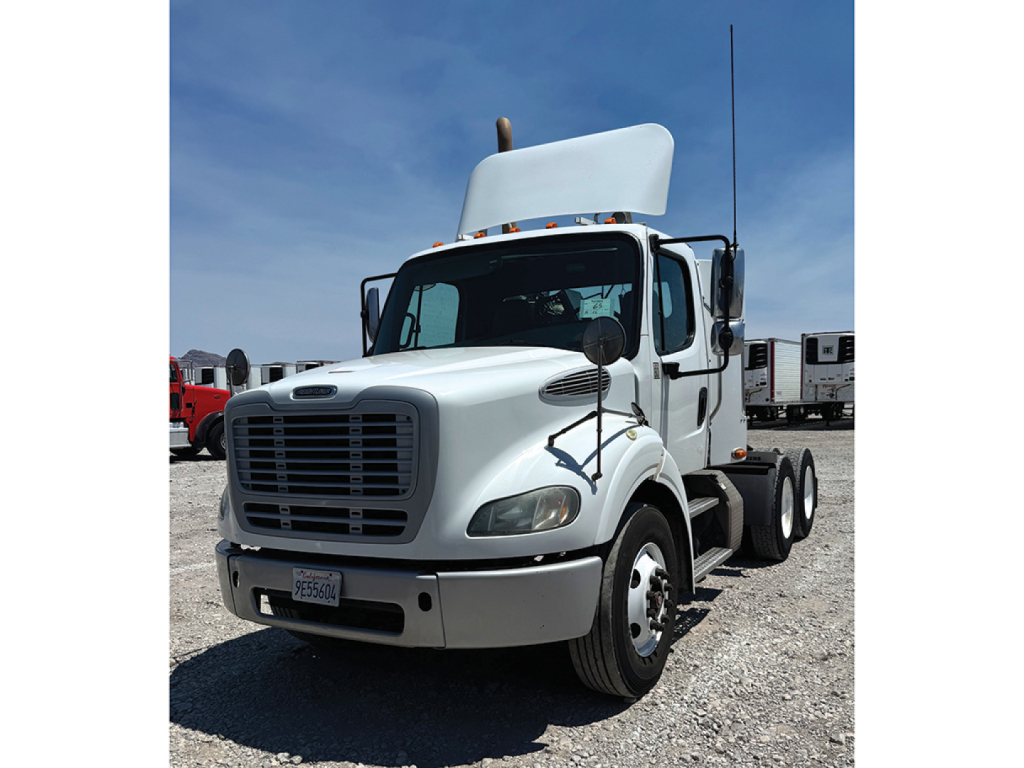
2013 Freightliner M2 112
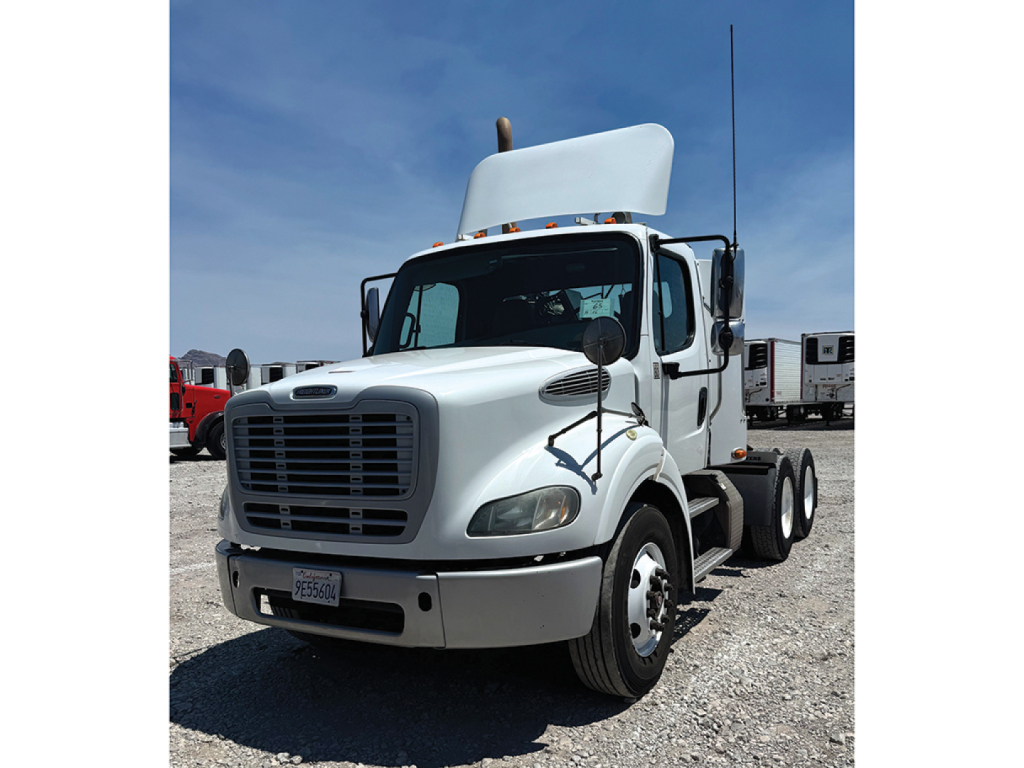
2013 Freightliner M2 112
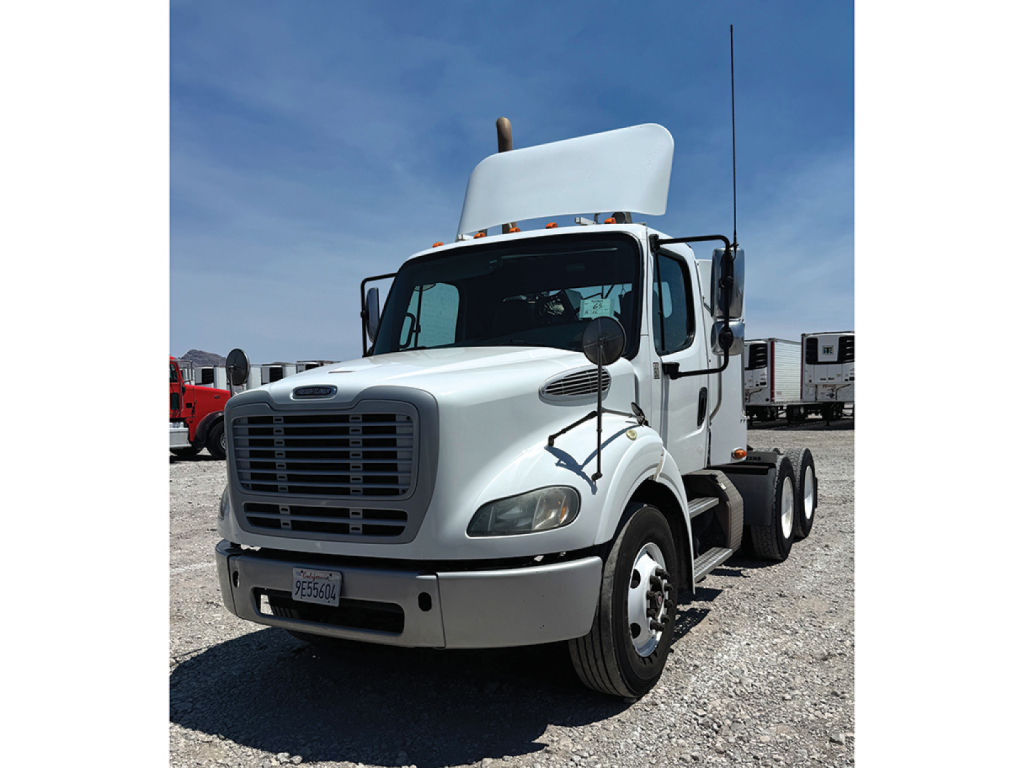
2013 Freightliner M2 112
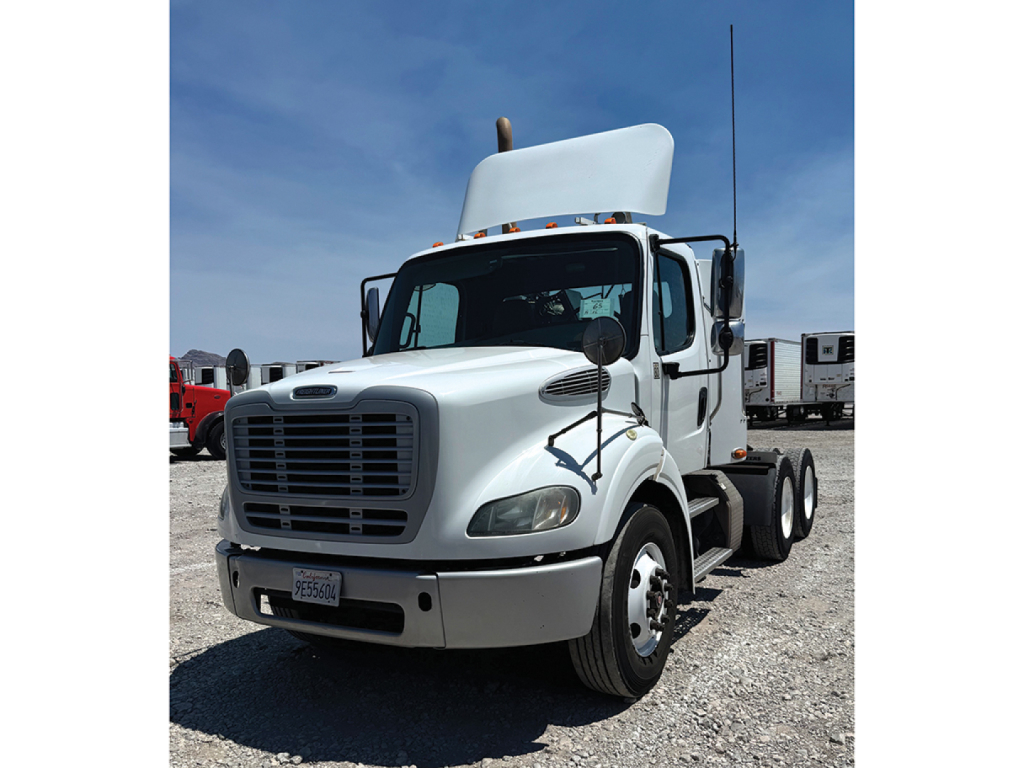
2013 Freightliner M2 112
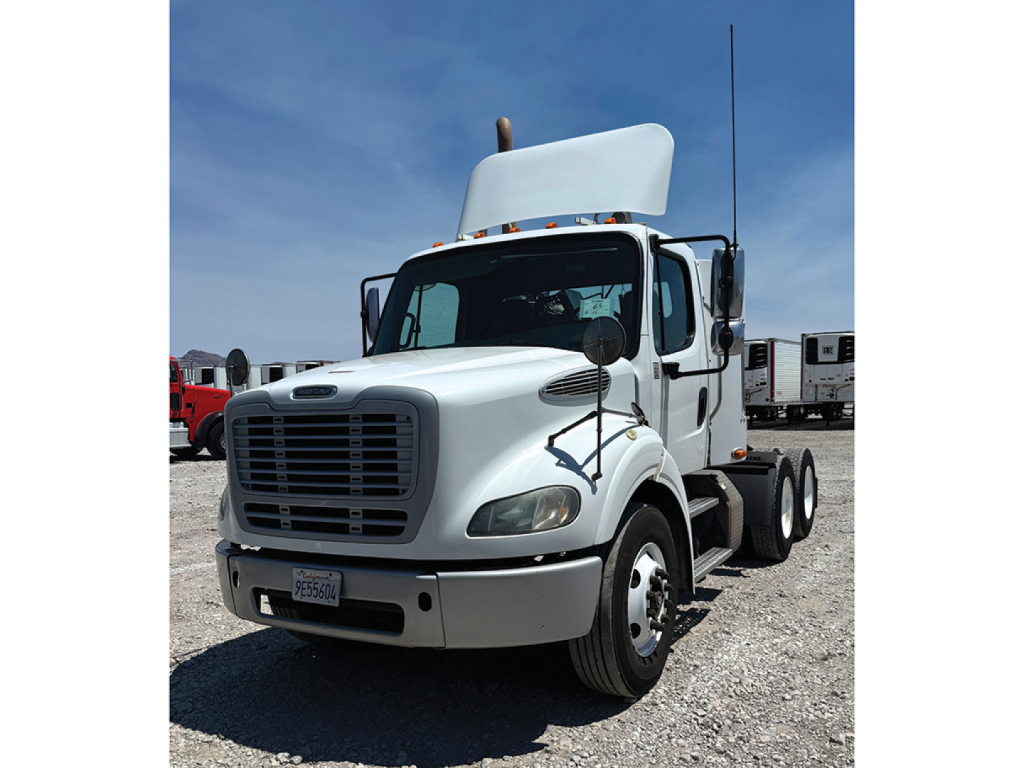
2013 Freightliner M2 112
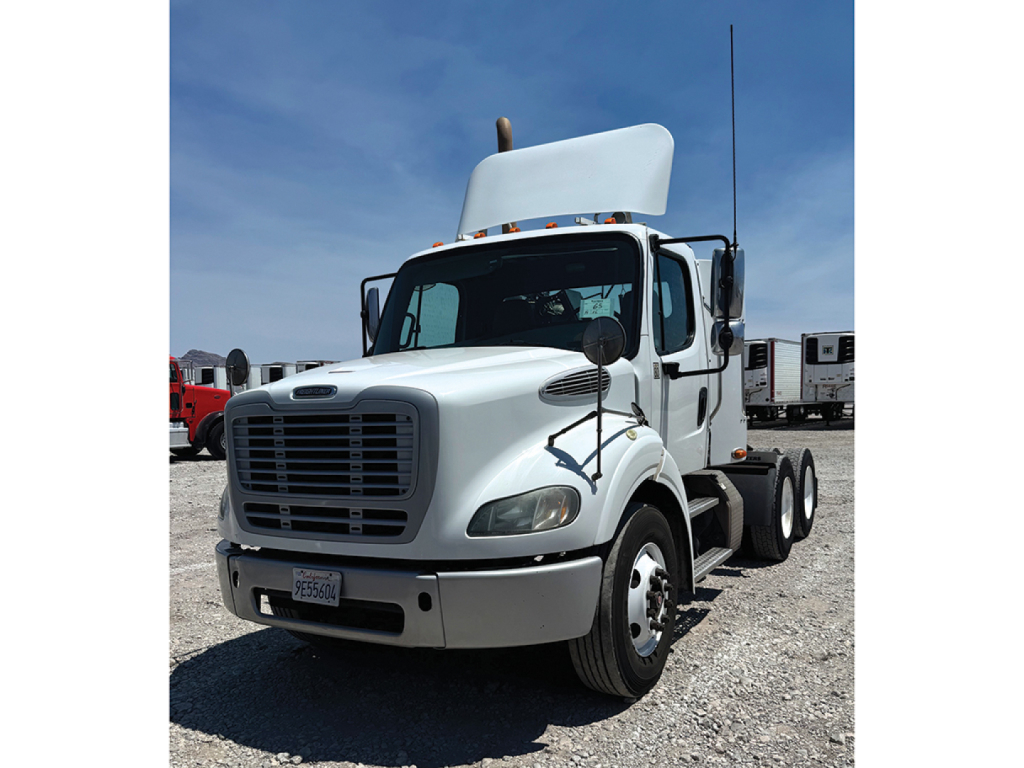
2013 Freightliner M2 112
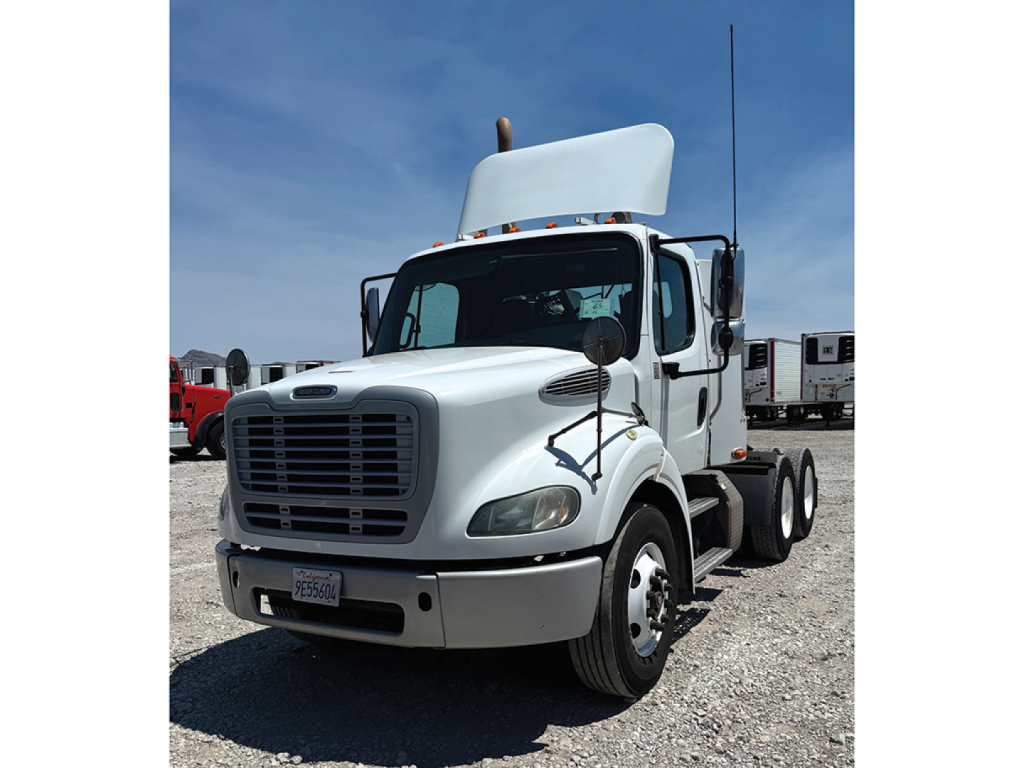
2013 Freightliner M2 112
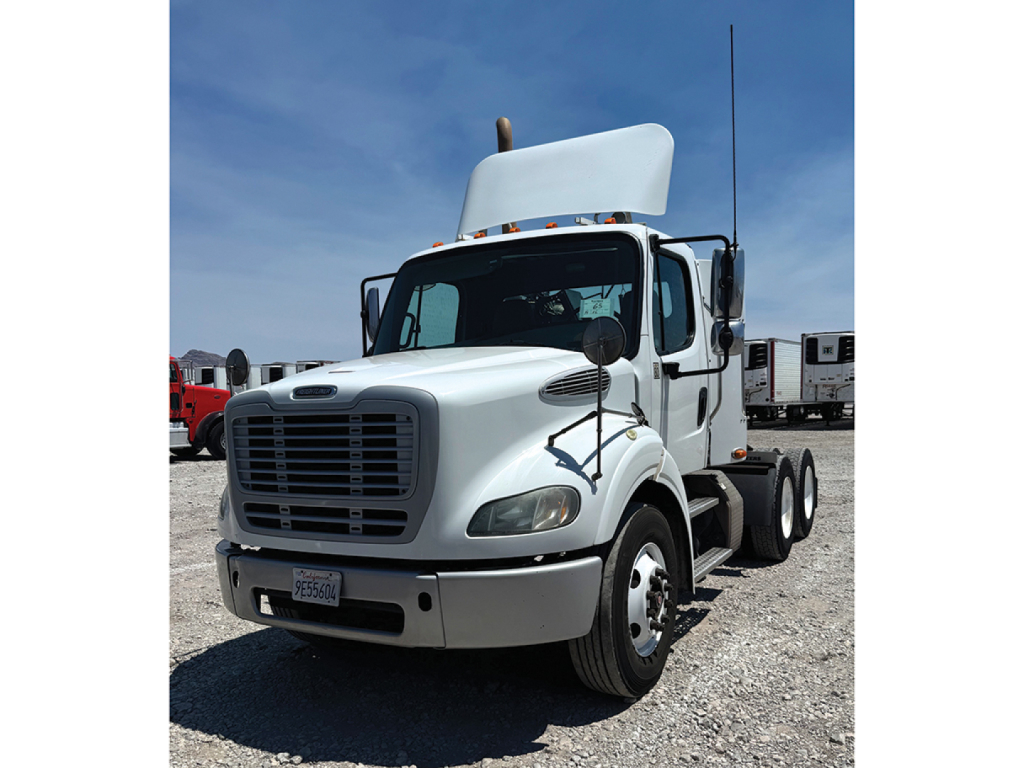
2013 Freightliner M2 112
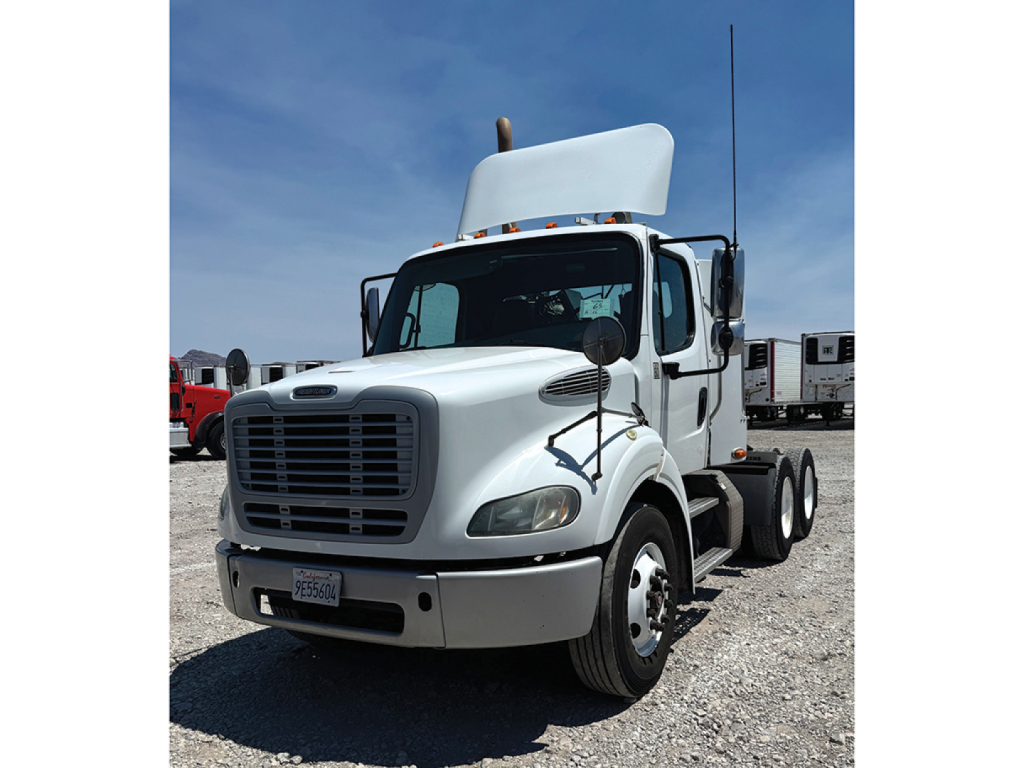
2013 Freightliner M2 112
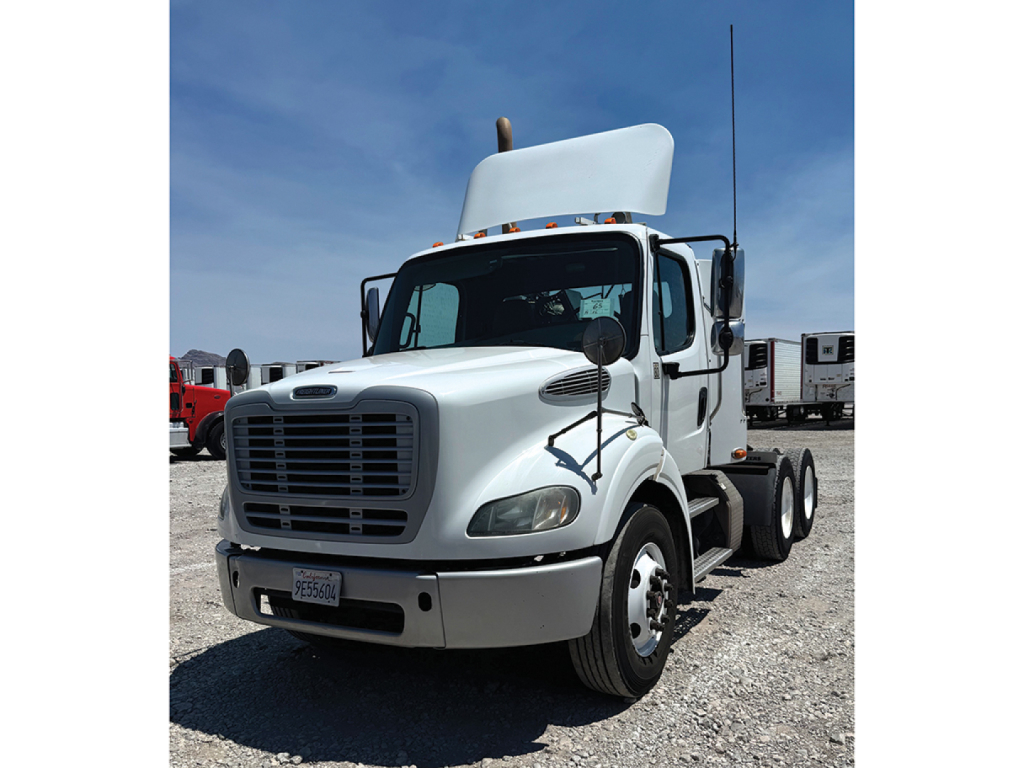
2013 Freightliner M2 112
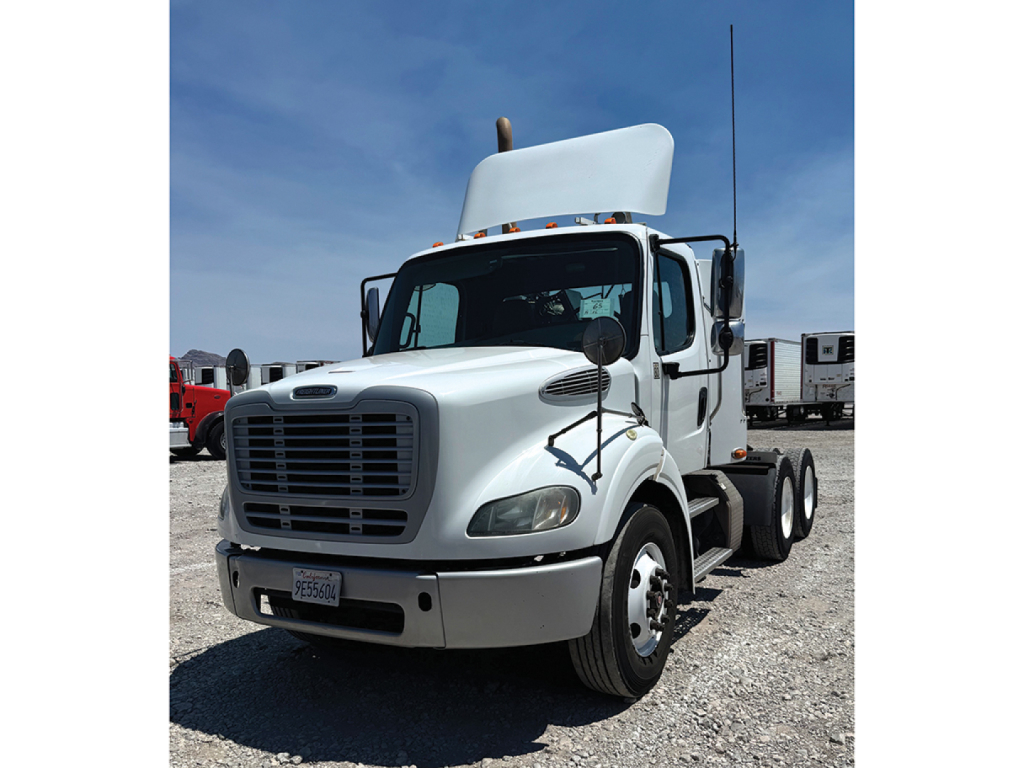
2013 Freightliner M2 112
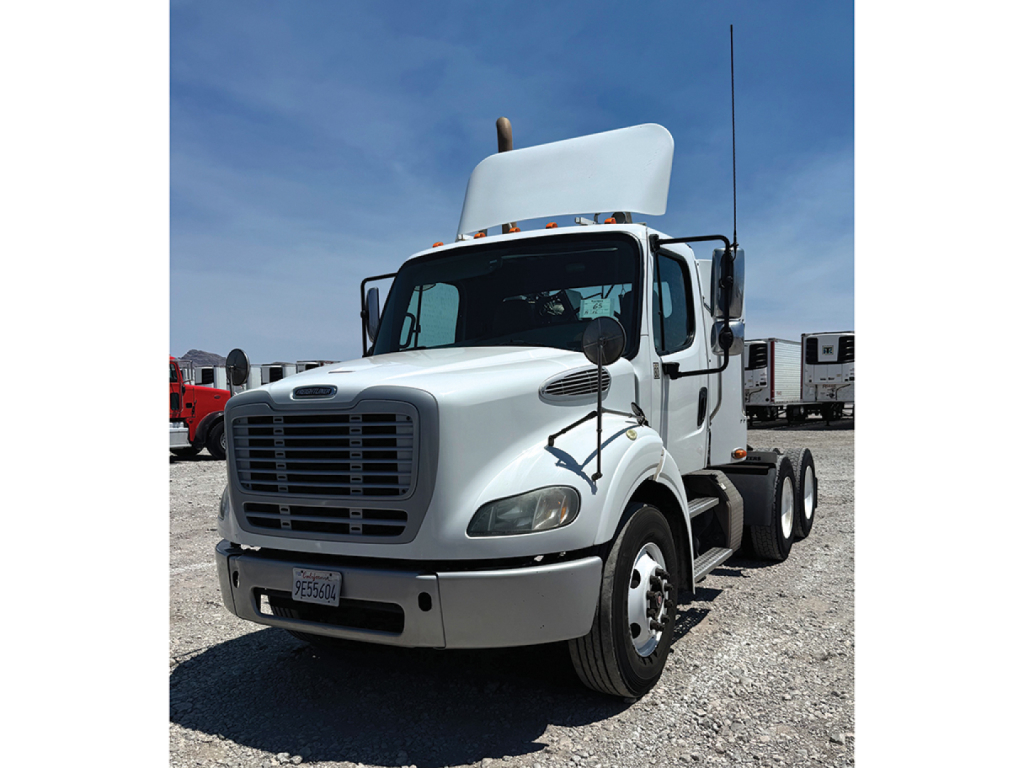
2013 Freightliner M2 112
Have used 2013 conventional daycab truck to sell? List it here to reach thousands of buyers.
Used 2013 Conventional Daycab Trucks in Nevada
On a 2013 conventional daycab, the big buying decisions are usually engine, transmission, rear axle rating, and wheelbase. Trucks in this class commonly carry 350 to 450 horsepower, paired with manual, automated manual, or automatic transmissions depending on the application. A shorter wheelbase improves maneuverability for city and yard work, while a longer wheelbase can help ride quality and trailer tracking on highway routes. Many are spec'd with 40,000-pound rears, air ride suspension, low-profile 22.5 tires, and an adjustable 5th wheel. Axle ratio is worth checking closely because it affects launch, cruise RPM, fuel economy, and how well the truck matches your trailer weights and terrain.
For buyers comparing used 2013 daycabs, cab configuration and frame setup can be just as important as drivetrain. Look at single versus dual fuel tanks, vertical versus horizontal exhaust, fairings and cab extenders, and whether the tractor has the frame length and PTO provisions needed for your work. If the truck will stay in a fleet pulling the same trailers, kingpin setting and 5th wheel travel range should line up with your trailer gap requirements and bridge law needs. If the truck is moving between customers, confirm suspension type, tire size, brake spec, and turning radius so it fits both the freight and the route.
Condition matters more than age alone on a used 2013 conventional daycab truck. Service history, clutch life on manual units, emissions system performance, brake wear, suspension bushings, and signs of frame or fifth wheel plate abuse tell you more than the model year by itself. In Nevada, sun exposure can also show up in cab seals, interior plastics, paint, and fairing components. A well-maintained 2013 daycab can still be a practical, cost-controlled tractor for short regional work if the spec matches the job and the inspection is thorough.
Frequently Asked Questions about Used 2013 Conventional Daycab Trucks in Nevada
What is a conventional daycab truck used for?
A conventional daycab truck is primarily used for local and regional tractor work where the driver returns home daily and does not need a sleeper berth. Common applications include dry van hauling, flatbed, tanker, intermodal, LTL, yard-to-yard transfers, and dedicated short-haul freight. The daycab layout reduces weight and overall length compared with a sleeper tractor, which can improve maneuverability and payload efficiency.
What should I check first on a used 2013 conventional daycab?
Start with the drivetrain spec and maintenance history. Confirm the engine model, horsepower, transmission type, rear axle rating, axle ratio, wheelbase, and fifth wheel setup, then compare those specs to your trailer type and average gross weight. After that, review service records for engine, clutch or transmission, brakes, suspension, cooling system, and emissions components. A used 2013 truck can still be productive, but deferred maintenance can quickly erase any upfront savings.
Is a manual or automatic transmission better in a 2013 daycab truck?
The better choice depends on the route and driver pool. A manual transmission can still appeal to fleets that want direct control and have experienced drivers, especially in specialized or vocational applications. An automatic or automated manual can reduce driver fatigue, simplify hiring, and improve consistency in stop-and-go work. The key is matching the transmission to the duty cycle, terrain, and maintenance capabilities of the operation.
Why does wheelbase matter on a conventional daycab tractor?
Wheelbase affects turning radius, weight distribution, trailer gap, ride quality, and how the truck handles in tight yards or on the highway. A shorter wheelbase usually works better for city maneuvering and frequent docking. A longer wheelbase may offer a smoother ride and better stability for highway use, but it can be less agile in confined spaces. Buyers should also confirm that wheelbase and fifth wheel position work with the trailer kingpin setting and bridge requirements.
Are used 2013 conventional daycab trucks a good fit for Nevada operations?
They can be a strong fit for Nevada if the cooling system, air conditioning, tires, and brakes are in good condition and the spec matches the route. Nevada service often means high heat, long dry stretches, elevation changes, and a mix of city and interstate operation. That makes engine brake performance, radiator and charge air cooler condition, and overall cab comfort especially important. A properly maintained 2013 daycab can still handle regional Nevada work efficiently.