
Used 2017 Trucks For Sale in Nevada
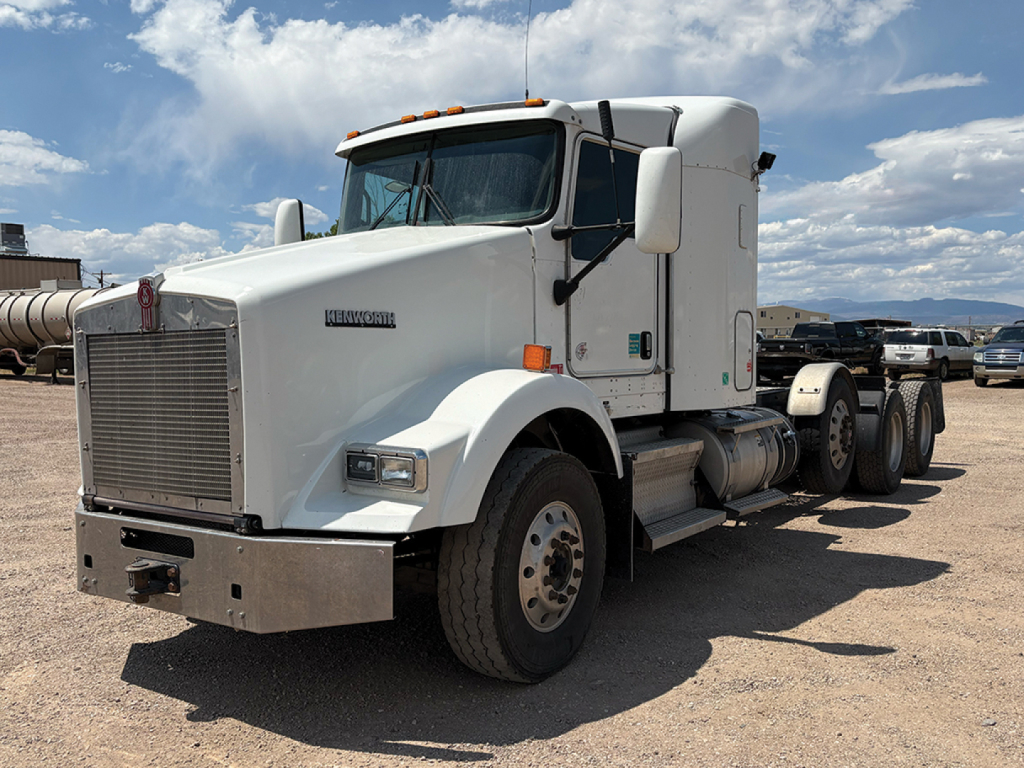
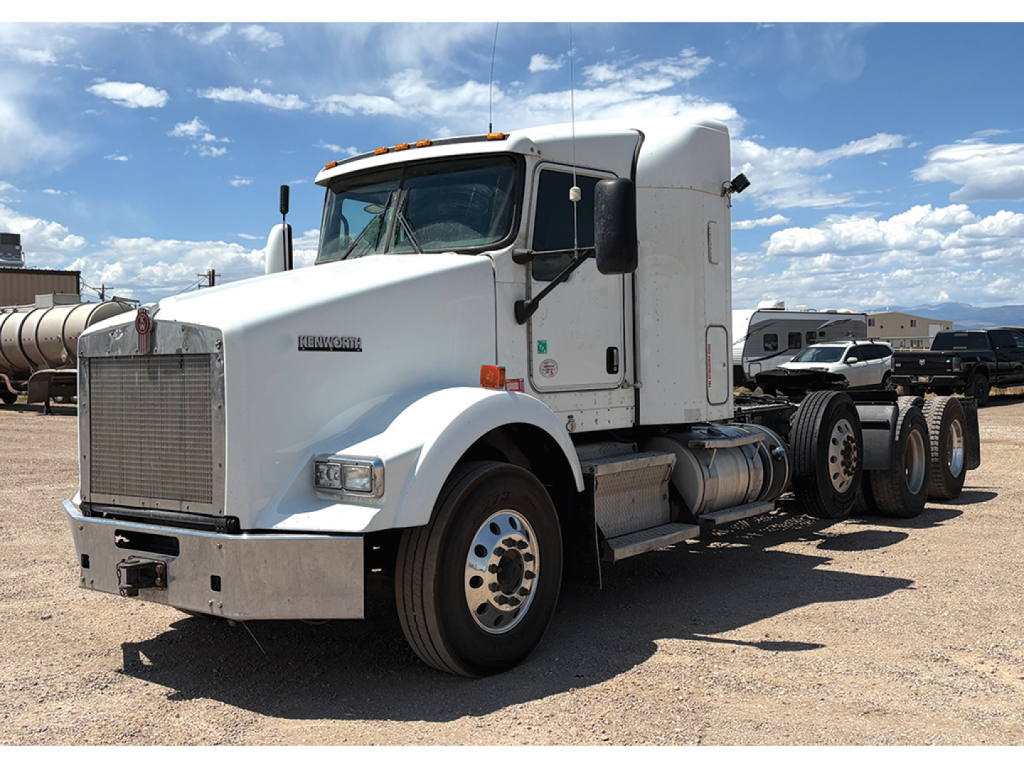
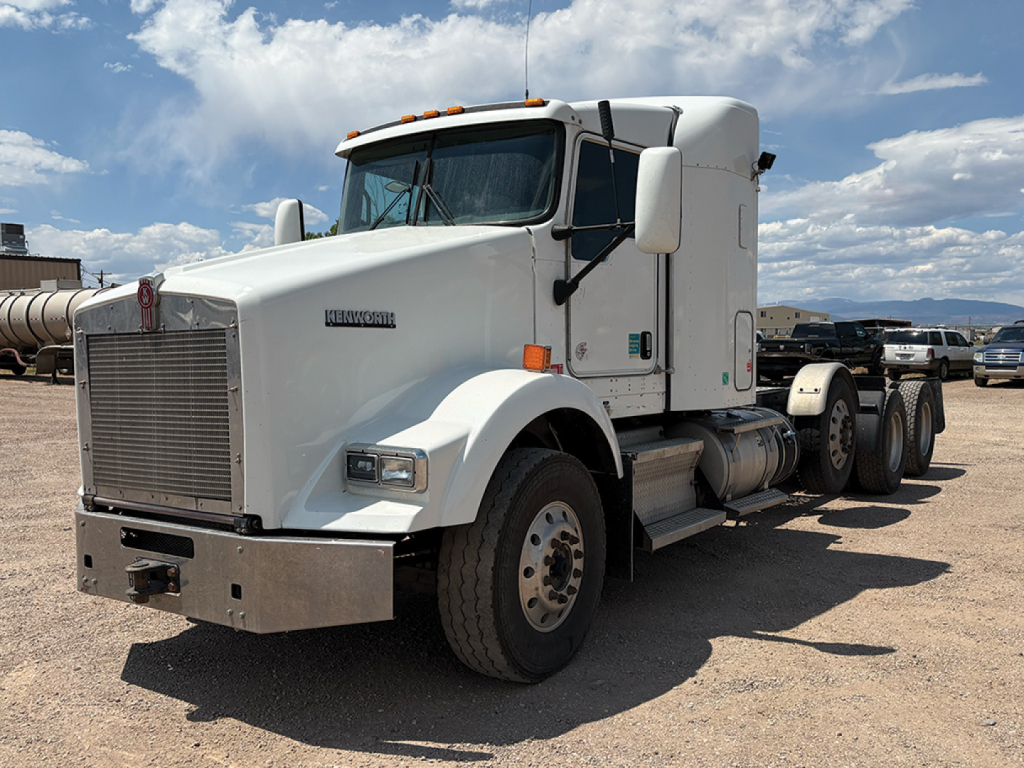

Have used 2017 truck to sell? List it here to reach thousands of buyers.
Used 2017 Trucks in Nevada
For highway use, pay close attention to engine family, horsepower, transmission type, rear axle ratio, wheelbase, and sleeper or day cab configuration. Many 2017 trucks were spec'd with engines in the 350 to 500-plus horsepower range, with automated manual transmissions becoming much more common by that point. Buyers hauling general freight often look for 6x4 tandem axle setups, air ride suspension, sliding fifth wheels, and fuel-efficient ratios for interstate running. If the truck will stay in Nevada and surrounding western states, cooling system condition, A/C performance, tire condition, and brake life matter more than they do on paper, especially for equipment that sees desert heat, mountain grades, and long stretches between stops.
For vocational and local applications, 2017 trucks can cover a wide span of specs. Dump trucks, service trucks, flatbeds, and medium-duty conventionals from this model year may be equipped with heavier front axles, PTO capability, locking rears, lift axles, and body-ready frame layouts. Buyers should verify frame condition, suspension type, bridge law fit, and how the truck is already configured for its intended work. A truck that looks similar from the cab can be very different underneath depending on axle capacity, gearing, wheelbase, and body installation. Nevada buyers should also consider how the truck will perform on mixed terrain, from urban delivery routes around Las Vegas or Reno to aggregate, construction, and regional hauling applications.
Condition is where a used 2017 truck either proves its value or becomes expensive quickly. Service records, engine hours, idle time, DPF and SCR maintenance history, clutch or transmission service, and signs of suspension or steering wear are all worth reviewing. Check for blow-by, fluid leaks, fault codes, corrosion, uneven tire wear, and body or frame repairs. Inside the cab, inspect seats, dash electronics, HVAC, and switchgear because those details often reflect how the truck was treated. A well-maintained 2017 truck can still be a strong revenue unit if the spec fits the route, the weight, and the operating environment.
Frequently Asked Questions about Used 2017 Trucks in Nevada
What should I look for first when buying a used 2017 truck in Nevada?
Start with application and drivetrain match. Confirm the truck’s cab style, axle configuration, wheelbase, horsepower, transmission, and rear axle ratio fit the work you need it to do. In Nevada, buyers should also pay close attention to cooling system health, air conditioning performance, brake condition, and tire wear because trucks often operate in extreme heat, long-distance conditions, and mountainous terrain.
Are 2017 trucks a good balance between cost and modern features?
Yes, for many buyers a 2017 truck sits in a useful middle ground. It is typically new enough to offer updated cab ergonomics, better automated transmission availability, and more refined emissions systems than older trucks, while still being priced below late-model equipment. The real value depends on maintenance history, engine platform, mileage, hours, and how the truck was originally spec'd.
What engine and emissions items matter most on a used 2017 truck?
The most important items are DPF service history, SCR and DEF system condition, fault code activity, and any record of aftertreatment repairs. Buyers should also check for excessive idle hours, oil leaks, coolant issues, and visible blow-by. A truck with a strong service file and documented emissions maintenance is generally a safer buy than one with limited records, even if the initial price is higher.
How do I choose between a 2017 day cab and a 2017 sleeper truck?
Choose a day cab if the truck will run local, regional, port, construction, or dedicated lane work where overnight accommodations are unnecessary. Choose a sleeper if the truck will spend extended time on the road and driver comfort matters for multi-day trips. Beyond cab type, compare fuel capacity, wheelbase, weight, and turning radius because those factors affect both operating cost and maneuverability.
Why do axle ratio and suspension matter on a used 2017 truck?
Axle ratio affects cruise RPM, fuel economy, gradeability, and how the truck feels under load. Suspension type affects ride quality, durability, and suitability for either highway freight or vocational service. A taller highway ratio with air ride may be ideal for linehaul, while a more aggressive ratio, heavier suspension, and locking differentials can make more sense for dump, construction, or severe-service work.