
Used Peterbilt Trucks For Sale in Nevada
Have used peterbilt truck to sell? List it here to reach thousands of buyers.
Used Peterbilt Trucks in Nevada
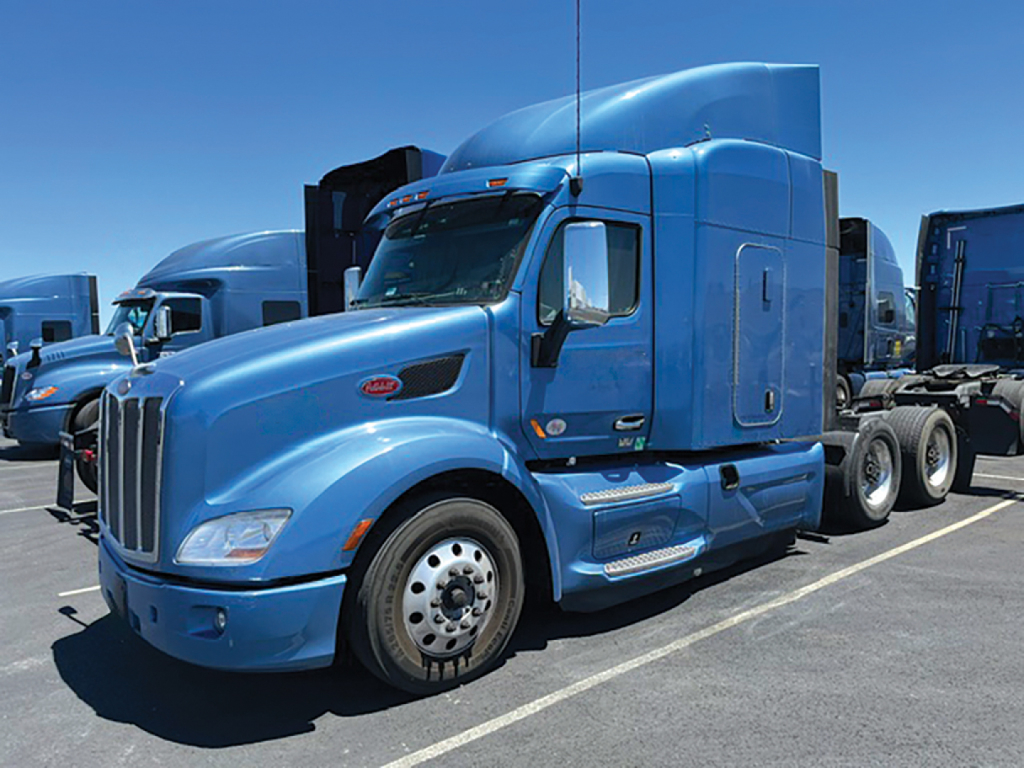
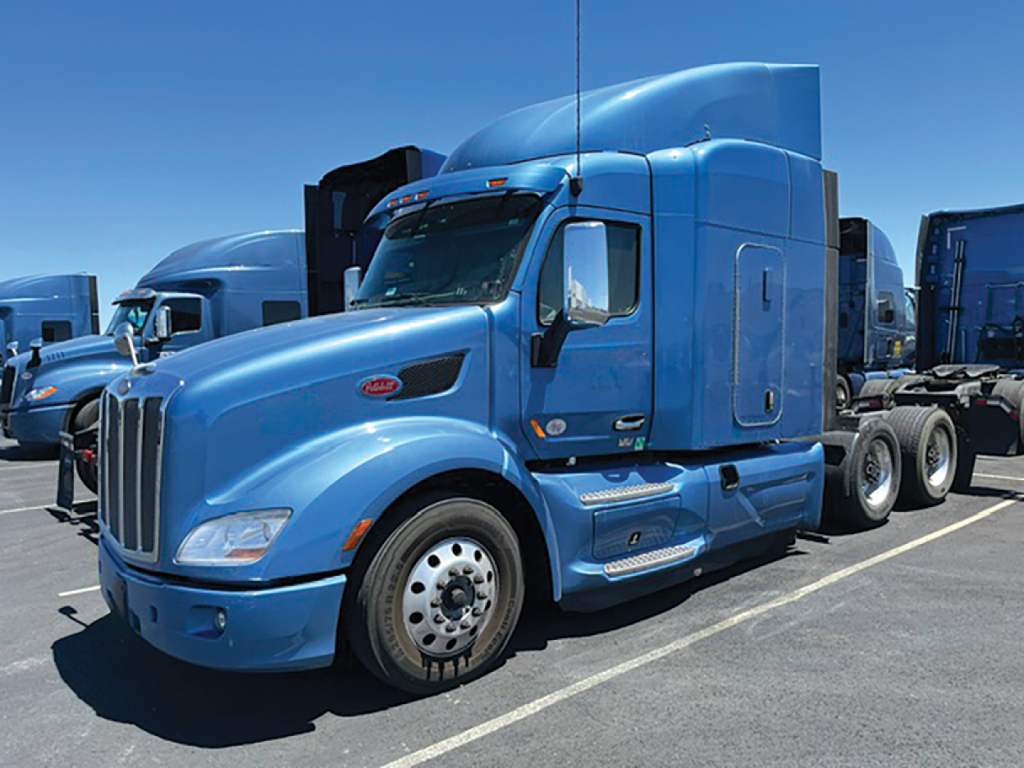
For over-the-road use, the 579 is one of the most common Peterbilt models to compare. It is an aerodynamic conventional tractor built for fuel economy, driver comfort, and fleet-friendly serviceability. Common used specs include Cummins X15 engines in the 400 to 500 horsepower range, automated manual transmissions, 2.64 to 3.08 rear axle ratios, and 72-inch to 80-inch sleepers such as the UltraLoft. Buyers should pay close attention to wheelbase, sleeper size, transmission model, collision mitigation equipment, APU setup, and brake type. A used 579 with a 40,000-pound rear axle, air ride suspension, air-slide fifth wheel, and disc brakes is typically aimed at highway freight where comfort, uptime, and fuel efficiency matter more than raw curb appeal.
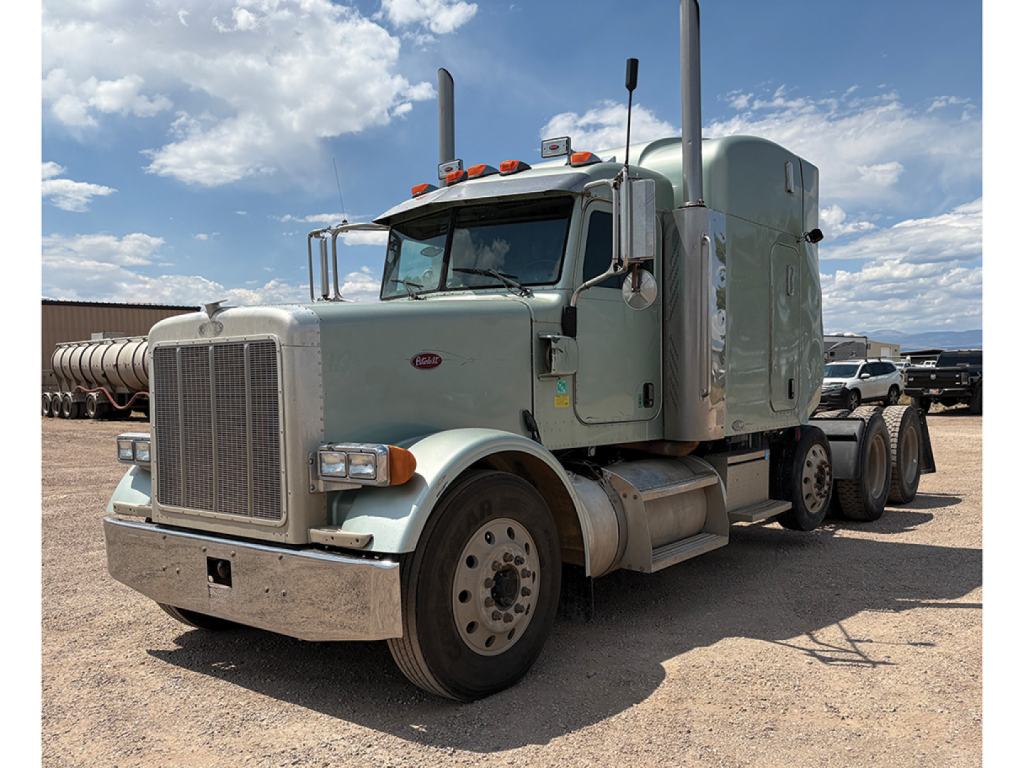
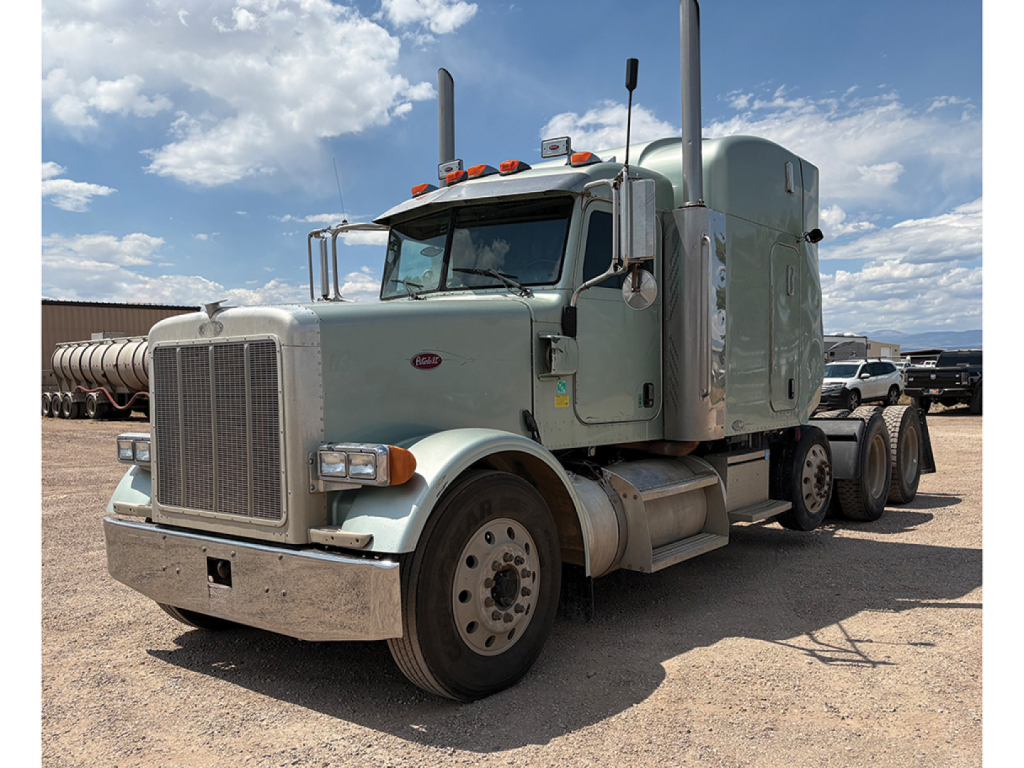
If the truck will see heavier vocational or owner-operator use, the 389 deserves a different kind of review. The Peterbilt 389 is the classic conventional many buyers still want for specialized hauling, regional pulls, and image-conscious operations. Day cab versions often show up with Cummins ISX or X15 power, 13-speed or 18-speed manuals, or heavy-duty automatics, along with 40,000-pound rears and mid-2s to mid-3s gearing depending on intended use. In vocational trim, including dump configurations, expect heavier front axles, locking differentials, pusher axles, PTO provisions, and suspensions like Air Trac. Those details matter more than appearance if the truck is expected to work off-road, carry a steel body, or run aggregate, demolition, or site material in Southern Nevada conditions.
Nevada buyers usually need to think about heat, grades, and operating radius. Cooling system condition, A/C performance, engine brake operation, emissions history, and tire condition all deserve a close look on a used Peterbilt. For highway trucks, review aftertreatment service records, bunk equipment, and cab electronics. For dump and vocational units, inspect frame rails, hoist and PTO operation, body condition, steer axle ratings, lift axle function, and any signs of hard off-road use. Peterbilt trucks tend to hold value because the brand works across multiple applications, but the best used truck is still the one spec'd correctly for the route, payload, and maintenance plan behind it.
Frequently Asked Questions about Used Peterbilt Trucks in Nevada
What are the most common used Peterbilt truck models buyers look for in Nevada?
The most common used Peterbilt models depend on the job, but the 579 and 389 are two of the strongest categories. The 579 is a modern aerodynamic highway tractor often used for long-haul freight, while the 389 is a classic long-hood platform found in day cab, sleeper, and vocational applications such as dump work. Buyers in Nevada often compare these models based on fuel economy, weight, cab layout, axle ratings, and how the truck will perform in desert heat and mountain grades.
Is a used Peterbilt 579 or 389 better for my operation?
A used Peterbilt 579 is generally the better fit for fuel-sensitive over-the-road freight, fleet work, and drivers who want a quieter, more aerodynamic cab with modern driver-assist features. A used Peterbilt 389 is often a better fit for owner-operators, specialized hauling, and vocational work where heavier spec options, classic styling, and customization potential matter more. The right choice comes down to route profile, trailer type, average payload, and whether operating cost or vocational capability is the higher priority.
What specs matter most when buying a used Peterbilt truck?
The most important specs are engine model, horsepower, transmission type, rear axle ratio, suspension, wheelbase, axle ratings, and brake configuration. On sleeper tractors, sleeper size, APU, collision mitigation, and fifth wheel setup also matter. On vocational Peterbilts, buyers should focus on front axle capacity, locking differentials, PTO setup, lift axles, body condition, and frame integrity. A good used truck is not just about make and model. It is about matching the spec to the freight or jobsite work it will actually handle.
Are used Peterbilt trucks expensive to maintain?
Used Peterbilt trucks are typically considered premium trucks, so some parts and cosmetic items can cost more than lower-priced brands, but they also benefit from strong support networks and solid resale value. Maintenance cost depends more on the truck's engine, emissions system, service history, and prior application than on the badge alone. A highway tractor with documented preventive maintenance can be a better value than a neglected vocational truck, even if the vocational unit looks newer at first glance.
What should I inspect first on a used Peterbilt truck in Nevada?
Start with the engine and aftertreatment history, then move to cooling performance, A/C operation, brakes, tires, suspension, and steering components. In Nevada, heat and long-distance operation can expose weaknesses in radiators, charge air coolers, and cab climate systems. For dump trucks and other vocational Peterbilts, inspect the hoist, PTO, body, frame rails, pusher axle, and signs of twisting or cracking from off-road use. Service records and a complete chassis inspection usually tell more than appearance alone.